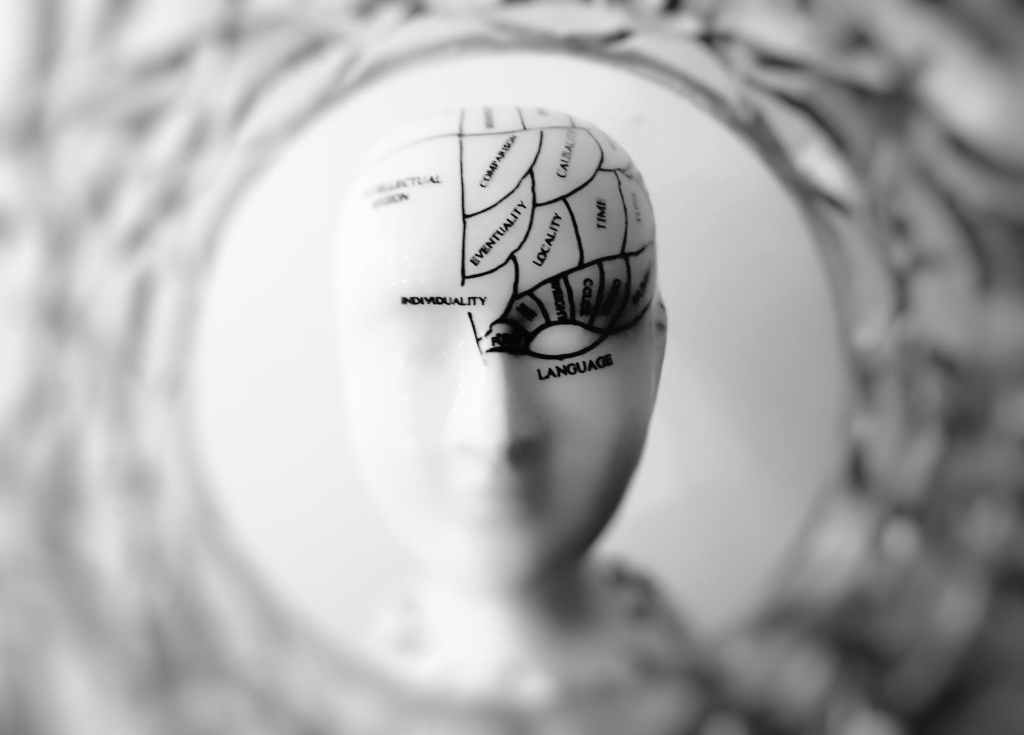


Exercise is not just beneficial for physical health; it also has a positive impact on brain power and cognitive function. Research shows that regular exercise can improve memory, enhance problem-solving skills, reduce anxiety and depression, and even lower the risk of cognitive decline and dementia. In this article, we will explore the various ways in which exercise can boost brain health and provide a list of brain-boosting workouts and activities.

Key Takeaways:
- Regular exercise can improve memory and problem-solving skills.
- Exercise reduces anxiety, depression, and the risk of cognitive decline.
- Incorporating brain-boosting workouts into your routine enhances brain health.
- Exercise is essential for overall cognitive function and mental well-being.
- Follow recommended physical activity guidelines for optimal brain health.
- Incorporate a supplement designed to rejuvenate your brain and body while you sleep. Find out more HERE!
Physical Activity and Brain Health
Physical activity is not only essential for maintaining physical health but also plays a crucial role in promoting brain health. Studies have consistently shown that regular exercise can have a positive impact on cognitive function, enhancing brain power and overall cognitive performance.
Research has revealed that exercise can improve cognitive function through various mechanisms. Firstly, physical activity increases blood supply to the brain, delivering oxygen and nutrients necessary for optimal brain function. This increased blood flow helps to nourish brain cells and support their growth and connectivity.
Exercise has also been found to promote neurogenesis – the formation of new neurons in the brain. This process occurs primarily in the hippocampus, a region involved in learning and memory. By engaging in physical activity, you can stimulate the growth of new neurons and enhance the brain’s capacity for learning and retaining information.
Furthermore, regular exercise has been shown to have a positive impact on stress levels, which can significantly influence brain health. Physical activity triggers the release of endorphins, natural chemicals in the brain that act as mood regulators and stress reducers. By reducing stress, exercise can help to prevent or alleviate mental health conditions such as anxiety and depression, which can otherwise have detrimental effects on cognitive function.
Incorporating brain fitness activities into your exercise routine can offer additional benefits for brain health. These activities often involve cognitive challenges that can further stimulate neural connections in the brain. Examples of brain fitness activities include puzzles, memory exercises, and even learning a new skill or language.
Engaging in physical activity and brain fitness activities not only promotes brain health but also enhances cognitive function, memory, and overall mental well-being. Exercise is a holistic approach to brain fitness that benefits both the body and mind.
So, don’t just focus on physical fitness alone – make sure to prioritize regular exercise and incorporate brain fitness activities into your routine. Your brain will thank you for it! You can further benefit from this supplement designed to rejuvenate your brain and body. Find out more here!

The Cognitive Benefits of Exercise
Engaging in regular exercise has numerous cognitive benefits. Exercise has been shown to improve memory, attention span, and thinking skills. It can enhance cognitive regulation, which involves the ability to ignore distractions and multitask effectively. Furthermore, exercise can help in maintaining cognitive abilities as we age and may even prevent memory-related diseases such as Alzheimer’s. Including mental fitness exercises and brain-boosting workouts in your routine can contribute to improved brain function.
Studies have consistently shown that exercise has a positive impact on cognitive function. Aerobic exercises, in particular, have been shown to promote the release of various chemicals in the brain that enhance brain health. When you engage in aerobic activities like running or swimming, there is an increased flow of oxygen and nutrients to the brain, which helps improve its overall function. Additionally, exercises that challenge your brain, such as puzzles or learning a new skill, can also have cognitive benefits by stimulating the growth of new neurons and creating new neural connections.
Research has found that exercise not only improves cognitive performance in the short term but also has long-term effects. Regular physical activity has been associated with a reduced risk of cognitive decline and dementia later in life. In fact, a study published in the Journal of the American Medical Association found that individuals who engaged in physical activity in midlife had a significantly lower risk of developing dementia in their older years.
It’s important to note that the cognitive benefits of exercise are not limited to specific age groups. Whether you are a young adult trying to improve your focus and productivity or an older adult looking to preserve your cognitive abilities, incorporating exercises for improved brain function can be beneficial.

Overall, exercise is an effective strategy for maintaining and improving cognitive function. By incorporating mental fitness exercises and brain-boosting workouts into your routine, you can enhance memory, attention, and overall brain health. So, lace up your sneakers and get moving to reap the cognitive benefits of exercise!
How Exercise Decreases Stress and Improves Mental Health
Exercise is not only beneficial for your physical health, but it also has a remarkable impact on your mental well-being. Regular physical activity can effectively reduce the effects of stress on your body and contribute to improved emotional well-being. By incorporating exercise into your routine, you can enhance your mental health and experience a positive shift in your mood.
When you engage in exercise, your body releases hormones and neurotransmitters that promote stress reduction. For instance, the release of norepinephrine, dopamine, and serotonin during exercise can help alleviate symptoms of anxiety and depression, leading to an overall improvement in mental well-being.
“Exercise is a powerful tool for reducing stress and improving mental health. It helps in the release of stress-reducing hormones and neurotransmitters, such as norepinephrine, dopamine, and serotonin.”
In addition to reducing stress, exercise enhances your overall mental well-being. Regular physical activity can serve as an outlet for emotional expression and provide a sense of accomplishment, boosting your self-esteem and confidence. The positive effects of exercise on mental health can be further amplified when combined with other healthy habits, such as proper nutrition and sufficient sleep.
Engaging in exercise as a form of self-care fosters a cascade effect of positive habits that can improve your overall mental health. By taking the time to focus on your physical well-being, you are prioritizing your mental well-being as well.

Exercise can be a valuable and effective tool for managing stress, improving mental health, and enhancing mood. Incorporating regular physical activity into your routine can help you experience the benefits of exercise first-hand and enjoy an improved sense of well-being.
Exercise and Improved Memory and Cognition
Exercise has a direct impact on memory and cognition. Research in animals suggests that exercise increases blood supply to the brain and promotes the growth of new neurons in the hippocampus, an area responsible for learning and memory.
Studies have shown that exercise can enhance memory, improve cognitive performance, and contribute to better overall brain function. Engaging in regular exercise can lead to improved memory retention and recall, allowing you to better retain information and remember important details.
“Exercise has been consistently shown to improve both learning and memory…”Sandra Chapman, Ph.D., Chief Director of the Center for BrainHealth’s Center for BrainHealth (CBC)
In addition to memory enhancement, exercise has also been linked to improved cognitive performance. Exercise helps create new neural connections in the brain, allowing for more efficient and effective information processing. This can result in enhanced problem-solving skills, improved attention span, and better overall cognitive function.
Research has indicated that exercise can promote hippocampal neurogenesis, the growth of new neurons in the hippocampus. This process is crucial for learning and memory, as the hippocampus plays a key role in these cognitive functions. By stimulating the growth of new neurons through exercise, you can enhance your brain’s ability to learn, retain information, and process complex tasks.

Incorporating exercise into your routine can have long-lasting effects on your brain health. Whether it’s aerobic exercises like running or cycling, strength training exercises, or engaging in activities that challenge your brain, such as puzzles or learning a new instrument, regular exercise can contribute to improved memory, enhanced cognitive performance, and better overall brain function. You can enhance the benefit from regular exercise with a supplement designed to rebuild your brain and body while you sleep. FINE OUT MORE HERE!
Recommended Physical Activity Guidelines
To reap the full benefits of exercise on brain health, it is essential to follow recommended physical activity guidelines. According to the Department of Health and Human Services, adults should aim for at least 150 minutes of moderate-intensity aerobic activity or 75 minutes of vigorous-intensity activity per week. It is also recommended to engage in muscle-strengthening activities at least two days a week. These guidelines can be achieved through various activities, such as walking, dancing, swimming, and strength training exercises.

Physical activity is vital for maintaining brain health and cognitive function. By incorporating these recommended guidelines into your routine, you can enhance your mental fitness and enjoy the cognitive benefits of exercise. Whether it’s a brisk walk in the park, an energetic dance class, or a session of weightlifting, find activities that you enjoy and make them a regular part of your schedule.
Brain-Boosting Workouts and Activities
When it comes to improving cognitive function and enhancing brain health, there are a variety of brain-boosting workouts and activities you can incorporate into your routine. These exercises can help stimulate brain activity, increase blood flow, and promote the growth of new neurons.
Aerobic exercises like running and cycling are excellent options for boosting brain power. These activities increase blood flow to the brain, delivering essential nutrients and oxygen that nourish brain cells. Strength training exercises, on the other hand, stimulate the growth of new neurons, helping to improve cognitive function.
Dancing is not only a fun and enjoyable activity but also a fantastic way to enhance brain health. Studies have shown that dancing can improve brain function and cognitive performance. Playing musical instruments is another effective activity for brain health. It requires coordination, concentration, and memory, which can all contribute to improved cognitive function.
Practicing yoga or tai chi is an excellent option for both physical and mental fitness. These activities incorporate mindfulness, balance, and breathing techniques, which can all have positive effects on brain health and cognitive performance.
To maximize the benefits, try incorporating a variety of these brain-boosting workouts and activities into your weekly exercise routine. Mix and match different exercises to keep your brain challenged and engaged. Remember, consistency is key when it comes to reaping the cognitive benefits of exercise.
Incorporating Exercise into Daily Life
To optimize brain health, it is crucial to incorporate exercise into your daily routine and adopt active lifestyle habits. By making simple changes and prioritizing physical activity, you can significantly improve brain function and overall well-being.
One effective way to incorporate exercise into your daily life is by taking active breaks throughout the day. Instead of sitting for long periods, take short breaks to stretch, walk around the office, or do some quick exercises. These active breaks not only promote blood circulation but also help refresh your mind and enhance productivity.
Another simple but powerful habit is to opt for active transportation whenever possible. Instead of driving, consider walking or cycling to your destination. This not only adds physical activity to your routine but also reduces carbon emissions and promotes environmental sustainability.
“Walking or cycling instead of driving can make a significant difference in incorporating exercise into your daily routine.”
Engaging in activities that naturally require physical movement is another way to stay active. Playing with pets, doing household chores, gardening, or taking the stairs instead of the elevator are all excellent ways to incorporate exercise into your daily life without significant time commitment.
“By engaging in physical activities like playing with pets or doing household chores, you can keep yourself physically active and promote improved brain function.”
Lastly, joining fitness classes or group activities can provide social interaction and accountability while keeping you physically active. Whether it’s a dance class, yoga session, or sports club, finding an activity you enjoy will make it easier to incorporate exercise into your routine as a regular habit.
Remember, the key is to stay consistent and find activities that you enjoy. By incorporating exercise into your daily life, you can create an active lifestyle that boosts your brain health, improves cognitive function, and enhances overall well-being.
The Connection Between Exercise and Mental Well-Being
Exercise not only has a positive impact on physical health but also plays a significant role in promoting mental well-being. Engaging in regular physical activity can reduce symptoms of anxiety and depression, while improving overall mood and emotional balance. The deep connection between exercise and mental well-being is supported by scientific research and the experiences of countless individuals.
When you exercise, your body releases endorphins, which are often referred to as the “feel-good” hormones. These endorphins have a profound impact on your brain, leading to a boost in mood and a reduction in stress levels. Whether it’s a high-intensity workout or a leisurely walk in nature, exercise has the power to uplift your spirits and improve your mental state.
Not only does exercise help alleviate symptoms of anxiety and depression, but it also provides a sense of accomplishment and empowerment. When you set fitness goals and work towards achieving them, you build confidence and self-esteem. Accomplishing these goals can create a positive feedback loop, where you feel motivated to continue exercising and reaping the mental benefits it provides.
Moreover, exercise contributes to a healthy overall lifestyle, which is crucial for mental well-being. By incorporating regular physical activity into your routine, you prioritize self-care and take steps towards maintaining good physical and mental health. Exercise can also serve as a form of meditation and an opportunity for self-reflection, allowing you to disconnect from the stresses of daily life and focus on your well-being.
In summary, the connection between exercise and mental well-being is undeniable. Engaging in regular physical activity not only reduces symptoms of anxiety and depression but also boosts your mood, empowers you, and enhances your overall quality of life. So lace up your sneakers, get moving, and experience the transformative power of exercise on your mental well-being.
Exercise as a Brain-Boosting Intervention
Exercise has proven to be an effective intervention for individuals dealing with memory-related diseases. Research has demonstrated that physical activity can have a positive impact on brain health and cognitive function, particularly in conditions such as Alzheimer’s disease.
Studies have shown that exercise can increase the volume of the hippocampus, a region of the brain associated with memory and learning. By engaging in regular physical activity, individuals with memory-related diseases can potentially slow down the progression of the disease and improve cognitive abilities.
One of the key benefits of exercise for memory-related diseases is its ability to promote neuroplasticity. Regular physical activity stimulates the production of growth factors in the brain, which can promote the growth of new neurons and create new connections between brain cells. This neuroplasticity plays a crucial role in maintaining and improving cognitive function, even in the presence of neurodegeneration.
By incorporating exercise into the daily care routine, individuals with memory-related diseases can potentially enhance their overall brain health and cognitive function. Physical activity serves as a powerful intervention that can complement other treatment approaches and contribute to improved quality of life.
Incorporating exercise as an intervention for memory-related diseases can also have a positive impact on mental well-being. Exercise is known to release endorphins, which are natural mood-boosting chemicals in the brain. It can help alleviate symptoms of anxiety and depression, which are common in individuals with memory-related diseases.
When designing an exercise routine for individuals with memory-related diseases, it is important to consider their individual capabilities and limitations. Consultation with healthcare professionals and specialists can help tailor the exercise program to their specific needs, ensuring safety and effectiveness.
Another consideration is the addition of a high-quality designed to rejuvenate your brain and body while you sleep. Find out HERE which one I recommend!
Conclusion
Incorporating exercise into your daily routine is a key strategy for boosting brain power and improving cognitive function. Research has shown that regular physical activity can have a profound impact on brain health and overall mental fitness. By engaging in brain fitness activities and following recommended physical activity guidelines, you can unlock the cognitive benefits of exercise and enhance your brain’s performance.
Exercise has been proven to enhance memory, reduce stress levels, and improve mental well-being. When you exercise, you increase blood flow to the brain, promote the growth of new neurons, and stimulate the release of feel-good hormones. These cognitive benefits of exercise can lead to better problem-solving skills, enhanced attention span, and improved overall brain function.
To optimize the cognitive benefits of exercise, incorporate brain-boosting workouts into your routine. Activities such as aerobic exercises, strength training, dancing, playing musical instruments, and practicing yoga or tai chi have been shown to have positive effects on brain health. By adopting an active lifestyle and prioritizing physical activity, you can support your brain’s health and ensure mental vitality throughout your life.
FAQ
What are the cognitive benefits of exercise?
Exercise can improve memory, attention span, thinking skills, and cognitive regulation. It can also help maintain cognitive abilities as we age and may even prevent memory-related diseases such as Alzheimer’s.
How much exercise is recommended for brain health?
According to the Department of Health and Human Services, adults should aim for at least 150 minutes of moderate-intensity aerobic activity or 75 minutes of vigorous-intensity activity per week. Muscle-strengthening activities should be done at least two days a week.
What are some brain-boosting workouts and activities?
Examples of brain-boosting workouts and activities include aerobic exercises like running and cycling, strength training exercises, dancing, playing musical instruments, and practicing yoga or tai chi.
How can I incorporate exercise into my daily life?
You can incorporate exercise into your daily routine by taking active breaks, walking or cycling instead of driving, doing household chores, playing with pets, and joining fitness classes.
Can exercise improve mental well-being?
Yes, exercise has been shown to reduce symptoms of anxiety and depression, improve overall mood, and enhance mental well-being.
Can exercise be an intervention for memory-related diseases?
Yes, research suggests that exercise can increase the volume of the hippocampus, improve cognitive abilities, and slow down the progression of memory-related diseases like Alzheimer’s.



 trim down and shape up
Leave a comment