mental-health
-
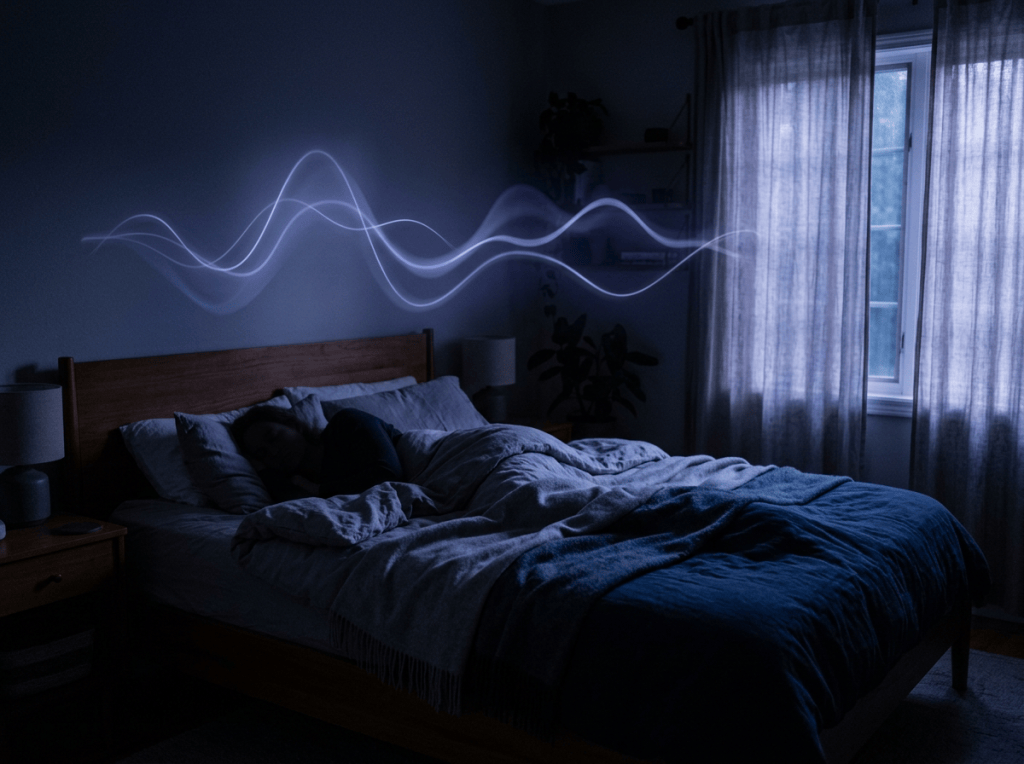
How Much Deep Sleep You Really Need (By Age, Signs & Tips)
Deep sleep is crucial for physical and mental recovery, with adults requiring at least seven hours of sleep nightly, including one to two hours of deep sleep. Individual deep sleep…
-

Creatine Works Even Without Exercise: What You Can Do
Creatine is beneficial even without exercise, supporting brain function and muscle preservation. Daily doses of 3 to 5 grams can boost cellular energy, with initial weight gain due to water…
-
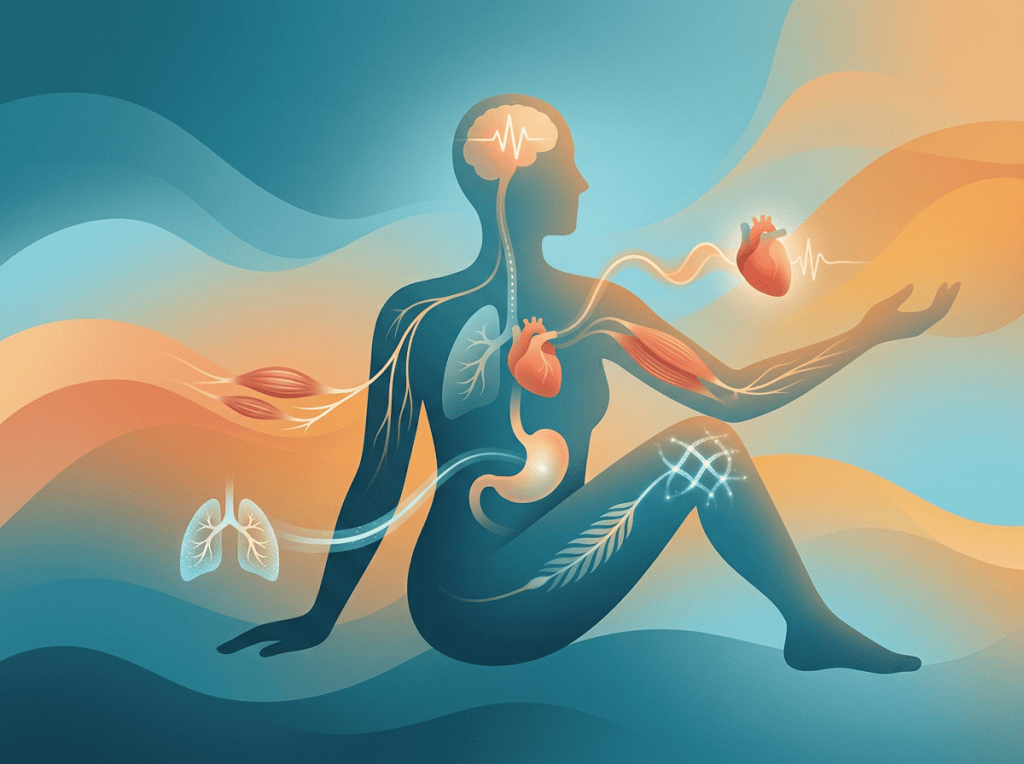
What Worry Does to Your Body: 7 Anxiety Symptoms to Notice
Worry can trigger significant physical changes in the body, such as increased heart rate, muscle tension, and digestive issues, due to stress hormones. Understanding these symptoms is essential for managing…
-

Earthing: Health Booster or Hype? Here’s What Science Really Says
The article examines earthing, or grounding, a practice involving direct skin contact with the earth, believed to enhance well-being. Research on its benefits is mixed, showing potential effects on inflammation…
-

6 Daily Habits to Boost Your Brain Longevity
Nearly 50 million people live with dementia, highlighting the need for brain health as we age. AARP emphasizes key lifestyle changes—like regular exercise, healthy eating, social connections, and stress management—to…
-

Preventive Health Tips for Men Over 50
As men reach their 50s, significant health changes occur, including muscle mass loss and increased belly fat. It’s critical to reassess lifestyle habits, focusing on sleep, strength training, and mental…
-

Unlock Brain Health: Daily Music Reduces Dementia Risk
A study from Monash University reveals that daily music engagement significantly lowers dementia risk in older adults. Listening to music regularly can reduce the risk by 39%, while playing an…
-

Why Does Your Brain Shrink After 40? Explore the Effects of Aging
Did you know that the human brain can lose about 5 percent of its volume every decade starting at age 40? This is a shocking fact that many people don’t…
-

Transform Your Heart Health: Afternoon Walking Benefits
Small changes in daily habits can significantly lower heart disease risk, emphasizing lifestyle choices over genetics. Incorporating simple practices like afternoon walks is vital for improving heart health, regulating blood…
-

Walking Speed and Brain Health: Key to Aging Well
A study of 4,000 seniors aged 80 and older indicates a strong connection between walking speed and cognitive health. Those with faster walking speeds are significantly less likely to experience…


