


Fruits offer numerous health benefits due to their natural sugars, fiber, antioxidants, and bioactive compounds. When it comes to incorporating anti-inflammatory foods into your diet, fruits like cherries, citrus fruits, apples, berries, grapes, and pineapple are excellent choices. These fruits have been found to lower inflammatory blood proteins, reduce inflammation by combating free radicals, protect against chronic diseases, and provide pain relief comparable to ibuprofen.

Key Takeaways:
- Consuming anti-inflammatory fruits like cherries, citrus fruits, apples, berries, grapes, and pineapple can help lower inflammation in the body.
- These fruits contain beneficial compounds that reduce inflammatory blood proteins and protect against chronic diseases.
- Including anti-inflammatory fruits in your diet can provide pain relief effects comparable to ibuprofen.
- Anti-inflammatory fruits are rich in antioxidants, fiber, and other nutrients that support overall health and well-being.
- By incorporating these fruits into your daily diet, you can enjoy the many health benefits and contribute to a healthy eating lifestyle.
The Anti-Inflammatory Benefits of Cherries
When it comes to combating inflammation, cherries are a delicious and effective addition to your anti-inflammatory diet. Whether you prefer sweet cherries or tart ones, both varieties offer remarkable benefits for easing inflammation and promoting overall health.

One of the key reasons cherries are highly regarded for their anti-inflammatory properties is their ability to lower inflammatory blood proteins. In fact, cherries have been found to provide pain relief effects comparable to ibuprofen, making them a natural and healthy alternative.
Cherries are rich in anthocyanins and other polyphenolic compounds, which play a crucial role in reducing inflammation. These compounds act by stopping free radicals from damaging cells, preventing the release of pro-inflammatory enzymes, and inhibiting the production of inflammatory molecules.
“Cherries contain powerful antioxidants that fight inflammation and promote a healthy lifestyle.”
Additionally, cherries offer a sleep-promoting benefit. They contain melatonin, a hormone that regulates sleep-wake cycles. Eating cherries can help increase melatonin levels, improve sleep quality, and even prevent disruptive inflammatory cytokines that interfere with restful sleep.
For individuals suffering from arthritis and gout, cherries can be particularly beneficial. The Arthritis Foundation suggests that incorporating cherries into your diet can help ease joint issues associated with these conditions.
So, whether you enjoy cherries on their own, as a topping for your favorite dishes, or as a delicious component in smoothies and desserts, you can reap their anti-inflammatory benefits while satisfying your taste buds.
The Anti-Inflammatory Benefits of Citrus Fruits
Citrus fruits, such as oranges and strawberries, are abundant sources of vitamin C, which plays a crucial role in maintaining a healthy immune system and reducing inflammation. Vitamin C is an essential nutrient that supports the proper functioning of your immune system, helping to ward off illnesses and protect your body against harmful pathogens.
In addition to its immune-boosting properties, vitamin C also acts as a potent antioxidant, neutralizing free radicals that can damage cells and contribute to inflammation. By including citrus fruits in your diet, you can harness the power of these antioxidants to help combat inflammation and promote overall well-being.
For example, one cup of sliced strawberries provides over 100% of the recommended daily intake of vitamin C, making them an excellent choice for reducing inflammation. Strawberries are not only delicious and refreshing but also a rich source of antioxidants that can help combat inflammation and protect your body against the damaging effects of free radicals.

When it comes to citrus fruits, oranges are a popular choice that is known for their high vitamin C content. Oranges are not only refreshing but can also help reduce inflammation and promote a healthy immune system. By incorporating oranges and other citrus fruits into your diet, you can enjoy their anti-inflammatory benefits and support your overall health.
Discover the power of citrus fruits and their anti-inflammatory benefits. Boost your immune system and fight inflammation by adding oranges, strawberries, and other citrus fruits to your diet today.
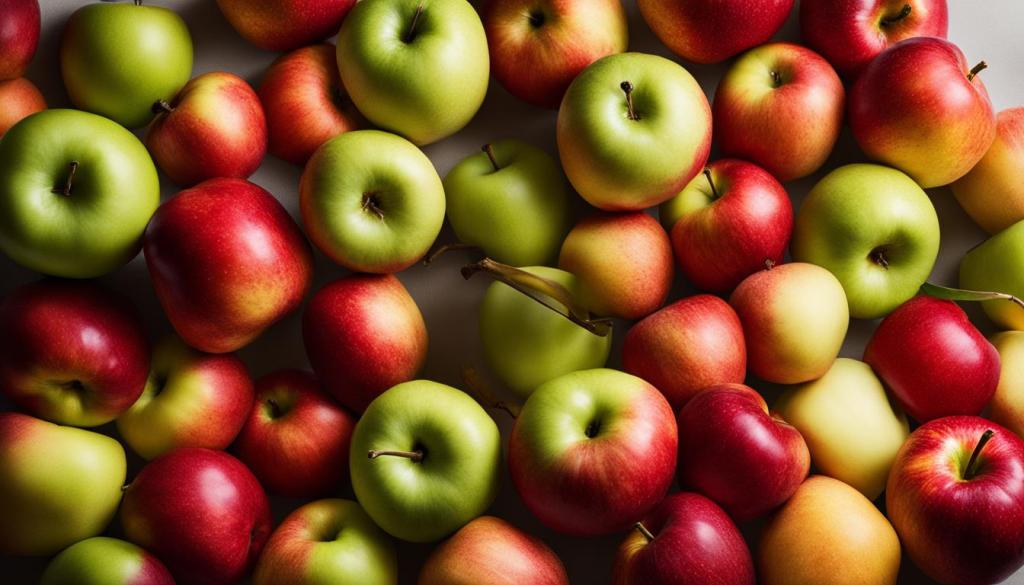
The Anti-Inflammatory Benefits of Apples
While apples may not have as many antioxidants as berries, they have unique anti-inflammatory properties. Apples contain soluble, fermentable fiber called pectin, which acts as a prebiotic to improve gut health. A stronger intestinal lining helps prevent inflammatory compounds from entering the body. The antioxidants present in apples also contribute to reducing inflammation and protecting against chronic diseases. Including apples in your diet can be beneficial for overall inflammation reduction.
“Apples act as a natural source of fiber and antioxidants, promoting gut health and reducing inflammation in the body.”
Apples may not steal the spotlight when it comes to antioxidant content, but they offer a distinct advantage in combating inflammation. The soluble fiber found in apples, specifically pectin, serves as a prebiotic, nourishing the gut and promoting good gut health. A healthier gut is better equipped to prevent the entry of inflammatory compounds into the body, resulting in reduced inflammation overall.
The antioxidants present in apples also play a significant role in their anti-inflammatory properties. These antioxidants help neutralize harmful free radicals, reducing oxidative stress and inflammation in the body. By consuming apples regularly, you can benefit from their protective effects against chronic diseases linked to inflammation, such as heart disease, diabetes, and certain types of cancer.
The Role of Fiber and Prebiotics in Gut Health
Fiber is an essential component of a healthy diet, and apples are a great source of it. The soluble fiber pectin found in apples helps promote gut health by acting as a prebiotic. Prebiotics are substances that stimulate the growth and activity of beneficial bacteria in the gut, known as probiotics. These probiotics play a crucial role in maintaining a healthy balance of gut flora, which is essential for overall well-being, including immune function and inflammation regulation.
By consuming apples and their pectin-rich fiber, you can nourish the beneficial bacteria in your gut, creating a thriving environment that promotes optimal gut health. The improved gut health provided by apples can have a significant impact on reducing inflammation throughout the body.
The Impact of Antioxidants on Inflammation
Antioxidants are compounds that help protect the body against the damaging effects of oxidative stress, which can lead to inflammation and disease. While apples may not have the highest antioxidant content compared to other fruits, they still offer a wide array of antioxidants that contribute to their anti-inflammatory properties.
The antioxidants in apples work by neutralizing free radicals, which are highly reactive molecules that can cause cellular damage and trigger inflammation. By reducing oxidative stress, apples can help mitigate inflammation and protect against chronic diseases associated with inflammation, such as cardiovascular disease and certain types of cancer.
Include apples as part of your daily diet to reap the anti-inflammatory benefits they offer. Whether enjoyed on their own as a snack or incorporated into salads, desserts, and savory dishes, apples provide a simple yet effective way to support your overall health and well-being.
The Anti-Inflammatory Benefits of Berries
Berries, including strawberries, blueberries, raspberries, and blackberries, are nature’s powerhouses when it comes to fighting inflammation. These delicious and vibrant fruits are packed with a powerful combination of antioxidants, fiber, and other beneficial compounds, making them an essential addition to your diet.
One of the key reasons berries are a go-to choice for reducing inflammation is their high antioxidant content. Antioxidants, such as anthocyanins, flavonoids, and vitamin C, have been shown to have anti-inflammatory effects, which can help lower the risk of diseases and prevent inflammation in the body.
Research indicates that regular consumption of berries can have significant benefits for maintaining optimal health. One study found that consuming blueberries and strawberries was associated with a reduced risk of heart attack in women due to their ability to lower blood pressure. These findings highlight the importance of including berries in your daily diet to promote heart health.
Berries also play a crucial role in protecting the brain and its cognitive functions. Studies have shown that the antioxidants present in berries help shield the delicate brain cells from neuroinflammation and can improve blood flow to the brain. This enhanced blood flow supports brain health and may even contribute to improved memory and cognitive performance.
So, how should you incorporate more berries into your diet? The possibilities are endless! Enjoy a handful of fresh berries as a healthy snack, sprinkle them over your morning cereal or oatmeal, blend them into smoothies, or use them as a topping for yogurt or desserts. Let your creativity shine as you find new ways to savor the natural goodness of berries.
Adding a variety of berries to your diet can be a delicious and powerful way to prevent and ease inflammation while reaping the numerous health benefits they offer.
Remember, it’s recommended to consume a diverse selection of berries to maximize the range of antioxidants and other beneficial compounds they provide.

Whether you’re enjoying the sweet juiciness of strawberries, the vibrant burst of blueberries, the tangy flavor of raspberries, or the rich darkness of blackberries, be sure to relish the natural goodness and reap the anti-inflammatory benefits of these incredible fruits.
The Anti-Inflammatory Benefits of Grapes
Grapes, especially the darker colored ones like red and black grapes, are rich in antioxidants such as resveratrol. These antioxidants reduce inflammation and offer protection against heart disease, diabetes, obesity, arthritis, Alzheimer’s, and eye disorders.

“Resveratrol, found in the skin of grapes, can protect the heart and reduce inflammatory gene markers.”
Consuming grapes with their skin on allows for maximum intake of antioxidants and fiber, enhancing their anti-inflammatory benefits.
The Anti-Inflammatory Benefits of Pineapple
Pineapple contains bromelain, a unique enzyme with anti-inflammatory, anti-clotting, and potential anti-cancer effects. Bromelain suppresses inflammatory factors that promote cell mutation and metastasis. It may also aid in muscle recovery after intense workouts by decreasing inflammation.

Research has shown that bromelain exhibits strong anti-inflammatory properties, making pineapple a valuable addition to an anti-inflammatory diet. By reducing inflammation, bromelain may help mitigate the risk of chronic diseases and promote overall well-being.
One study published in the Journal of Medicinal Food found that bromelain has the potential to decrease swelling and inflammation in inflammatory conditions, such as osteoarthritis and gout. Another study conducted by the International Journal of Food Sciences and Nutrition demonstrated that bromelain’s anti-inflammatory effects may have potential therapeutic applications in cancer treatment.
Bromelain’s ability to reduce inflammation and inhibit the growth of tumor cells has drawn interest from the medical community. While more research is needed to fully understand the extent of bromelain’s anti-inflammatory properties and its specific effects on cancer, incorporating pineapple into your diet can provide additional health benefits.
Enjoy pineapple as a refreshing addition to your meals, blend it into smoothies, or use it to complement savory dishes. With its unique properties and delicious taste, pineapple is a versatile fruit that can enhance your overall well-being.
The Anti-Inflammatory Benefits of Avocados
Although avocados are typically considered a vegetable, they offer unique anti-inflammatory benefits due to their nutritional profile. Avocados are rich in monounsaturated fats, vitamin E, fiber, and carotenoids, all of which work together to reduce inflammation in the body.
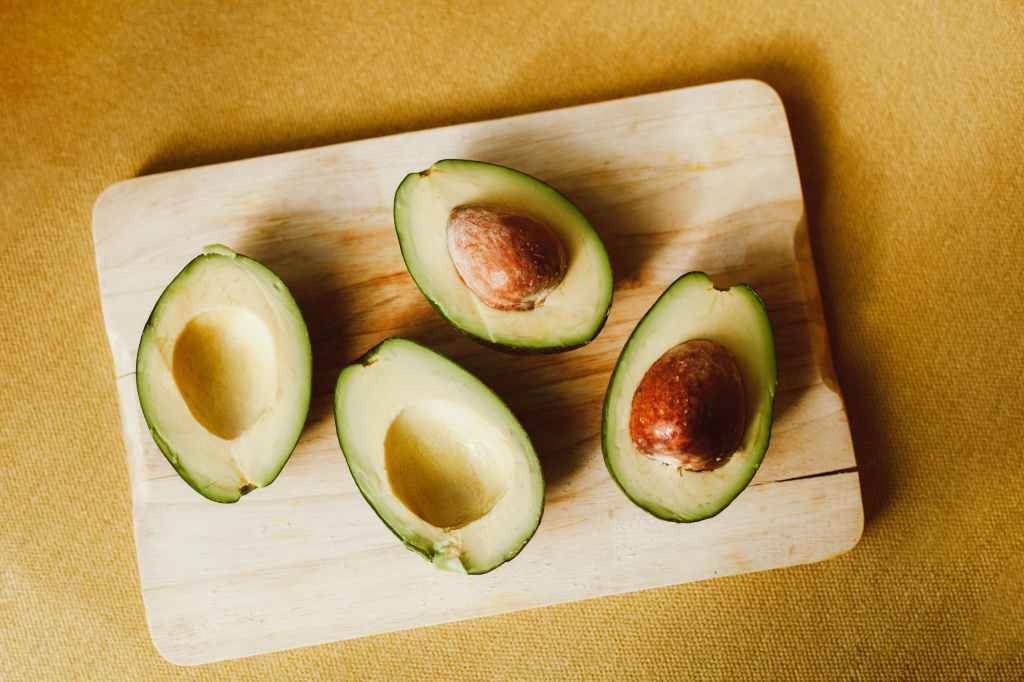
Eating avocados has been linked to a decreased risk of heart disease, potentially by reducing inflammation and improving heart health. The monounsaturated fats found in avocados help lower bad cholesterol levels and maintain healthy blood vessels, reducing the risk of heart disease.
“Avocados are packed with healthy monounsaturated fats, vitamin E, and fiber, all of which help reduce inflammation in the body. Including avocados in your diet can be beneficial for soothing inflammation and improving heart health.”
In addition to their anti-inflammatory properties, avocados are also a great source of essential nutrients. They contain more potassium than bananas and are rich in vitamins C, K, B5, B6, and folate. Including avocados in your diet can provide a wide range of health benefits.
“Avocados are not only delicious but also packed with important nutrients. Their anti-inflammatory properties, along with the abundance of vitamins and minerals, make avocados a great addition to your diet.”
Other Anti-Inflammatory Fruits to Consider
In addition to the previously mentioned fruits, there are other anti-inflammatory fruits that can be beneficial for your health. Adding these fruits to your diet can further enhance the anti-inflammatory effects and provide additional health benefits.
“Let food be thy medicine, and medicine be thy food.” – Hippocrates
One fruit to consider is dark chocolate. Yes, you read that right – chocolate! Dark chocolate and cocoa are rich in antioxidants and flavonoids, which have been found to reduce inflammation in the body. The higher the percentage of cocoa, the more beneficial it is for reducing inflammation. So, reach for a piece of dark chocolate guilt-free and enjoy its anti-inflammatory effects.
Turmeric, a spice known for its vibrant yellow color, is another powerful anti-inflammatory compound to include in your diet. Curcumin, the active ingredient in turmeric, has been shown to reduce inflammation related to arthritis, diabetes, and other diseases. You can add turmeric to your meals or make a warm turmeric latte to experience its anti-inflammatory benefits.
Remember, incorporating these anti-inflammatory fruits into your diet is not only delicious but can also have a positive impact on your overall health. So, indulge in some dark chocolate and sprinkle a little turmeric into your meals to take advantage of their anti-inflammatory properties.
How Anti-Inflammatory Fruits Contribute to Overall Health
Consuming anti-inflammatory fruits as part of a healthy diet can provide numerous health benefits. These fruits, with their anti-inflammatory properties, help reduce the risk of chronic diseases such as heart disease, diabetes, and cancer. They boost the immune system by providing essential nutrients and antioxidants that support proper immune functioning.
Incorporating anti-inflammatory fruits into your diet can contribute to overall health and well-being. By including cherries, citrus fruits, apples, berries, grapes, and pineapple in your meals, you can harness the health benefits they provide. These antioxidant-rich fruits aid in reducing inflammation, protecting against chronic diseases, and providing pain relief effects. They offer a natural and delicious way to improve your health and foster a healthier lifestyle.
“By choosing a diet rich in anti-inflammatory fruits, you can nourish your body and minimize the risk of chronic diseases.”
Anti-inflammatory fruits play a vital role in mitigating the development and progression of chronic diseases. By incorporating these fruits into your diet, you can decrease the likelihood of developing conditions such as heart disease, diabetes, and cancer. The anti-inflammatory properties present in these fruits help counteract inflammation, a known contributor to various health issues.
Moreover, anti-inflammatory fruits boost the immune system. They supply your body with essential nutrients and antioxidants that help fortify your immune response, keeping you healthier and more resilient against diseases. A strong immune system is fundamental in maintaining overall health and well-being, and these fruits provide a natural way to support and enhance your immune function.
Conclusion
Incorporating anti-inflammatory fruits into your diet is a great way to enhance your overall health. By adding cherries, citrus fruits, apples, berries, grapes, and pineapple to your daily meals, you can experience a variety of benefits. These fruits are rich in antioxidants and offer natural remedies for reducing inflammation and promoting a healthy eating lifestyle.
Anti-inflammatory fruits have been found to reduce inflammation, protect against chronic diseases, and provide pain relief effects. With their bioactive compounds, these fruits can lower inflammatory blood proteins and stop free radicals from damaging cells. In addition, they provide pain relief effects comparable to ibuprofen, making them a natural alternative for soothing discomfort.
By including anti-inflammatory fruits in your diet, you can boost your immune system and enjoy the numerous health benefits they offer. These fruits are packed with essential nutrients and antioxidants that support proper immune functioning and help prevent and ease inflammation. Incorporating anti-inflammatory fruits into your daily routine is a delicious and effective way to promote a healthy lifestyle and enhance your overall well-being.
FAQ
What are the best anti-inflammatory fruits for your diet?
Some of the best anti-inflammatory fruits to include in your diet are cherries, citrus fruits, apples, berries, grapes, and pineapple.
What are the anti-inflammatory benefits of cherries?
Cherries offer anti-inflammatory benefits by lowering inflammatory blood proteins and providing pain relief effects comparable to ibuprofen. They contain anthocyanins and other polyphenolic compounds that reduce inflammation by stopping free radicals from damaging cells. Cherries can also increase melatonin levels, improve sleep quality, and prevent disruptive inflammatory cytokines.
How do citrus fruits contribute to reducing inflammation?
Citrus fruits, such as oranges and strawberries, are rich in vitamin C, which has anti-inflammatory properties. Vitamin C is essential for proper immune functioning and can help prevent and ease inflammation. The antioxidants in citrus fruits also help stop free radicals from damaging cells and triggering new inflammation.
What are the anti-inflammatory benefits of apples?
While apples may not have as many antioxidants as berries, they have unique anti-inflammatory properties. Apples contain soluble, fermentable fiber called pectin, which acts as a prebiotic to improve gut health. A stronger intestinal lining helps prevent inflammatory compounds from entering the body. The antioxidants present in apples also contribute to reducing inflammation and protecting against chronic diseases.
How do berries help with inflammation?
Berries, including strawberries, blueberries, raspberries, and blackberries, are packed with antioxidants, fiber, and other beneficial compounds. These antioxidants, such as anthocyanins, flavonoids, and vitamin C, have anti-inflammatory effects that can reduce the risk of diseases and lower blood pressure. The regular consumption of berries has been shown to protect brain cells from neuroinflammation and improve blood flow.
What are the anti-inflammatory benefits of grapes?
Grapes, especially the darker colored ones like red and black grapes, are rich in antioxidants such as resveratrol. These antioxidants reduce inflammation and offer protection against heart disease, diabetes, obesity, arthritis, Alzheimer’s, and eye disorders. Resveratrol, found in the skin of grapes, can protect the heart and reduce inflammatory gene markers.
How does pineapple contribute to reducing inflammation?
Pineapple contains bromelain, a unique enzyme with anti-inflammatory, anti-clotting, and potential anti-cancer effects. Bromelain suppresses inflammatory factors that promote cell mutation and metastasis. It may also aid in muscle recovery after intense workouts by decreasing inflammation.
What are the anti-inflammatory benefits of avocados?
Although avocados are typically considered a vegetable, they offer unique anti-inflammatory benefits due to their nutritional profile. Avocados are rich in monounsaturated fats, vitamin E, fiber, and carotenoids, all of which work together to reduce inflammation in the body. Eating avocados has been linked to a decreased risk of heart disease, potentially by reducing inflammation and improving heart health.
Are there any other anti-inflammatory fruits to consider?
Yes, dark chocolate and cocoa, rich in antioxidants and flavonoids, have been found to reduce inflammation and provide numerous health benefits. Turmeric, a spice containing curcumin, is also a powerful anti-inflammatory compound that can help reduce inflammation related to arthritis, diabetes, and other diseases.
How do anti-inflammatory fruits contribute to overall health?
Consuming anti-inflammatory fruits as part of a healthy diet can provide numerous health benefits. These fruits help reduce the risk of chronic diseases such as heart disease, diabetes, and cancer. They boost the immune system by providing essential nutrients and antioxidants that support proper immune functioning.
What are the key factors in healthy eating and natural remedies?
Incorporating anti-inflammatory fruits into your diet can be a natural remedy for reducing inflammation and promoting a healthy eating lifestyle. These antioxidant-rich fruits offer a wide range of health benefits and contribute to overall well-being.



 trim down and shape up
Leave a comment