



When it comes to staying fit and healthy, some people seem to effortlessly maintain their well-being. Have you ever wondered how they do it? The truth is, they have certain habits and practices that contribute to their fitness success. By avoiding certain pitfalls and making conscious choices, they are able to prioritize their health and achieve optimal results. In this article, we will explore seven things that people who stay effortlessly fit never do. By understanding these principles, you can incorporate them into your own fitness journey and enjoy a lifetime of health and well-being.
Key Takeaways:
- Avoid obsessing over food and instead focus on developing a balanced and nutritious eating routine.
- Manage alcohol intake and prioritize moderation to maintain overall health and well-being.
- Don’t aim for 100% effort in every workout; listen to your body and adjust your intensity accordingly.
- Don’t sacrifice sleep; prioritize rest and recovery to support your fitness goals.
- Find activities you enjoy and make your workouts fun and sustainable.
Avoid Aiming for 100% Effort Every Workout
Effortlessly fit people understand that aiming for 100% effort every workout is unrealistic and can be detrimental in the long run. Instead, they know that it’s important to listen to their bodies and not always push for maximum intensity in every workout.
Constantly working at 9/10 intensity can hinder progress and make it difficult to recover and stay consistent over time. It’s essential to find a balance that allows for effective workouts while preventing burnout and injuries.
One useful tool that effortlessly fit individuals utilize is the Rate of Perceived Effort (RPE) scale. This scale assesses how hard one perceives their exertion during exercise, with 10 being maximum effort and 1 being very light exertion.
“Aiming for 100% effort every workout can be counterproductive. It’s important to find the right intensity that challenges you without pushing you to your limits every time.”
By incorporating a range of intensities into their workout routines, they can optimize their progress and ensure proper recovery. This approach allows for sustainable and long-term fitness results, avoiding unnecessary strain or excessive effort.
Remember, your body is unique, and there will be days where you may need to dial back the intensity or focus on recovery exercises. It’s important to have a flexible mindset and adapt your workouts accordingly. It’s not about striving for perfection in every session, but rather about consistently showing up and giving your best effort within your limits.
By avoiding the pressure to give 100% effort every workout, you can create a more balanced and sustainable fitness routine that supports your long-term goals.
Key Takeaways:
- Aiming for 100% effort every workout is unrealistic and can be detrimental in the long run.
- Utilize the Rate of Perceived Effort (RPE) scale to assess your exertion level during workouts.
- Find a balance that challenges you but also allows for proper recovery and consistency.
- Adapt your workouts based on your body’s needs, and avoid pushing yourself to the limit every time.
- Focus on long-term progress and sustainability rather than short-term intensity.
Don’t Do Exercises You Hate

Effortlessly fit people understand that doing exercises they hate is not sustainable in the long term. Instead, they find activities that they enjoy or, at the very least, don’t despise. It’s important to find physical activities that bring you joy and make your workouts enjoyable. Research shows that when you enjoy the exercise you’re doing, you’re more likely to continue doing it consistently and not hate your workout.
Whether it’s dancing, yoga, weightlifting, swimming, or simply walking, finding an exercise that aligns with your interests and preferences is key to staying motivated and committed. Don’t force yourself into activities that you dread, as it can dampen your enthusiasm and make it harder to stick to your fitness routine.
“Exercise should not be a punishment, it should be a celebration of what your body can do.”
It’s all about finding what works for you and makes you feel good. If you’ve always disliked running, try a dance class or a hiking adventure instead. The goal is to engage in physical activities that you genuinely enjoy and look forward to, so you can maintain a consistent exercise routine without feeling like it’s a chore.
Avoid Food Obsession

When it comes to maintaining a healthy lifestyle and achieving fitness goals, obsessing over food can often do more harm than good. Effortlessly fit individuals understand the importance of having a balanced relationship with food, focusing on healthy eating habits without becoming consumed by it.
One key aspect of healthy eating habits is making mostly nutritious food choices. By prioritizing whole, unprocessed foods such as fruits, vegetables, lean proteins, and whole grains, you provide your body with the essential nutrients it needs to thrive.
However, it’s also important to allow yourself to indulge in occasional treats without guilt. Restricting yourself too much can lead to feelings of deprivation and may ultimately derail your efforts to maintain a healthy lifestyle in the long term.
Instead of fixating on every calorie or stressing over each meal, strive for balance in your approach to food. Enjoying a piece of cake at a birthday party or sharing a pizza with friends should be part of a well-rounded lifestyle. By incorporating moderation and flexibility into your eating habits, you can have a positive relationship with food and still achieve your fitness goals.
“It’s about finding that sweet spot between nourishing your body and indulging in your favorite foods. Balance is key.”
Focusing on developing a sustainable lifestyle that includes balanced and nutritious meals allows you to enjoy your food without restriction or guilt. By taking a mindful approach to eating, you can savor each bite and appreciate the nourishment it provides.
Benefits of Avoiding Food Obsession
By avoiding food obsession and cultivating healthy eating habits, you can experience numerous benefits for your overall health and fitness:
- Better relationship with food: Breaking free from food obsession allows you to establish a healthier and more balanced relationship with food. You can enjoy meals without feeling guilty or constantly worrying about what you’re eating.
- Reduced stress and anxiety: Obsessing over every bite can create unnecessary stress and anxiety around food choices. Letting go of food obsessions can help alleviate these negative emotions and promote a more relaxed mindset.
- Improved body image: Focusing less on food and more on nourishing your body can lead to an improved body image. Instead of obsessing over unrealistic ideals, you can appreciate your body for its strength and the energy it provides.
- Long-term sustainability: Developing healthy eating habits that include flexibility and occasional treats allows for long-term sustainability. Rather than engaging in restrictive diets or short-term fixes, you can create a lifestyle that promotes overall health and well-being.
By avoiding food obsession and embracing a balanced approach to eating, you can enjoy the journey towards a healthier, fitter you. Remember, it’s about nourishing your body, finding joy in your meals, and achieving long-term wellness.
Manage Alcohol Intake

Excessive alcohol consumption can hinder your fitness goals and overall health. It’s important to understand the significance of moderation when it comes to alcohol. While enjoying a social drink or celebrating on special occasions is fine, it’s crucial to keep your alcohol intake to a minimum in order to prioritize your health and fitness.
Effortlessly fit people recognize the detrimental effects of drinking alcohol excessively. By managing their alcohol intake, they are able to maintain their overall well-being and stay on track with their fitness journey.
“Moderation is key when it comes to alcohol. By keeping your alcohol consumption in check, you can ensure that it doesn’t interfere with your fitness goals.”
Instead of indulging in excessive drinking, effortlessly fit individuals make conscious choices to maintain a healthy lifestyle. They understand that excessive alcohol consumption not only adds unnecessary calories but also negatively impacts their energy levels, sleep quality, and recovery process.
By prioritizing their health and fitness, they are able to strike a balance between enjoying a drink and maintaining their overall well-being. This allows them to stay focused on achieving their fitness goals without compromising their long-term progress.
Remember, managing alcohol intake is a crucial part of maintaining a healthy and balanced lifestyle. By understanding the importance of moderation, you can enjoy the occasional drink while still prioritizing your fitness and well-being.
Don’t Wait for Motivation

Effortlessly fit people understand that waiting for motivation is not productive. They recognize that motivation can be fleeting and unreliable. Instead, they rely on discipline and consistency to stay committed to their fitness routine, even when they don’t feel like it.
Waiting to feel motivated can often lead to procrastination and inconsistency. It’s important to understand that progress comes from taking action consistently, regardless of how you feel. By prioritizing discipline and showing up for your workouts, even on days when you lack motivation, you build momentum and create positive habits.
Remember, fitness is a journey, and not every day will be perfect or filled with enthusiasm. The key is to stay committed and develop a mindset of consistency over motivation.
Prioritize Rest and Recovery

Effortlessly fit people understand the importance of rest and recovery in maintaining their fitness. They prioritize getting enough sleep, as lack of sleep can have negative effects on overall health and performance. By making sleep a priority, you allow your body the time it needs to heal and recharge, ensuring optimal physical and mental well-being.
Prioritizing rest and recovery is essential for sustaining your fitness routine. Constantly pushing yourself without giving your body time to recover can lead to burnout, injuries, and decreased performance. By allocating adequate time for rest and recovery, you enable your muscles to repair and grow stronger, allowing you to progress in your fitness journey.
“Rest when you’re weary. Refresh and renew yourself, your body, your mind, your spirit. Then get back to work.”
Rest and recovery go beyond just sleep. It also involves incorporating activities that promote relaxation and rejuvenation, such as stretching, meditation, or foam rolling. These practices can help reduce muscle tension, improve flexibility, and calm your mind, aiding in faster recovery and improved overall performance.
Prioritizing rest and recovery allows you to sustain your fitness routine in the long term. It prevents overtraining, helps prevent injuries, and boosts your energy levels, enabling you to give your best effort during your workouts. By routinely sacrificing sleep to ensure adequate rest and recovery, you set yourself up for success in achieving your fitness goals.
Avoid Counting Calories
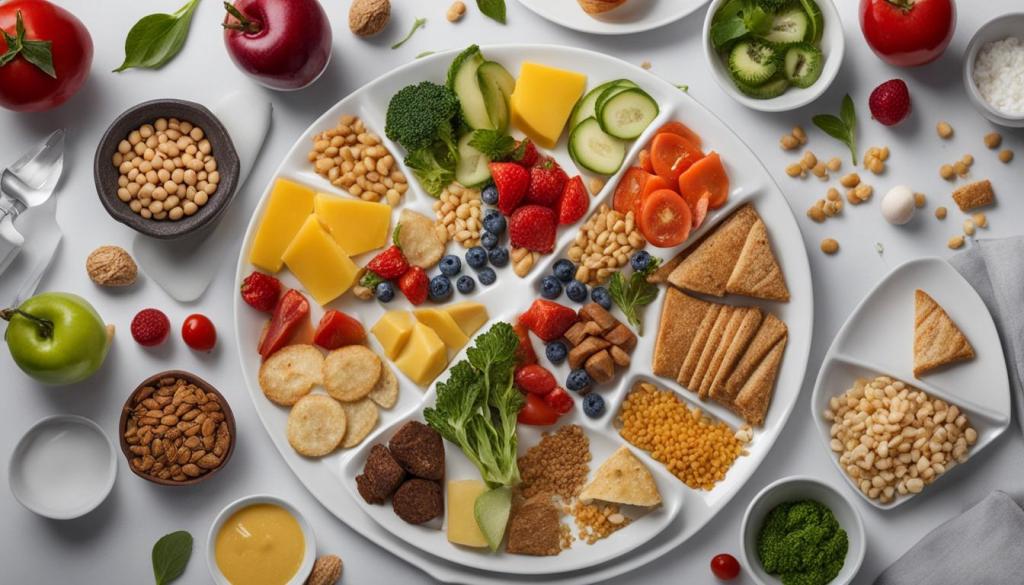
Effortlessly fit people understand that obsessing over calorie counts is not the key to managing their food intake. Instead, they prioritize the quality of their food and the nutrients they’re getting. Rather than resorting to restrictive dieting, they choose to nourish their bodies with whole foods and make healthier choices.
Counting calories can become an overwhelming and time-consuming task. It can lead to a negative relationship with food and create a restrictive mindset that is difficult to maintain in the long run. By focusing on the nutritional value of the foods they consume, effortlessly fit individuals find a sustainable approach to maintaining a balanced lifestyle.
Instead of fixating on the numbers, they prioritize incorporating a variety of fruits, vegetables, lean proteins, whole grains, and healthy fats into their meals. They understand that these nutrient-dense foods not only provide the necessary fuel for their bodies but also contribute to overall well-being.
By listening to their bodies and practicing mindful eating, they develop a stronger sense of hunger and fullness cues. This allows them to eat intuitively and make choices that align with their body’s needs.
“Counting calories can be a slippery slope that leads to an unhealthy relationship with food. Focus on nourishing your body with whole, nutrient-dense foods instead. Your body will thank you for it.”
Avoiding the calorie-counting trap enables effortlessly fit individuals to cultivate a healthier mindset towards food and maintain a sustainable approach to their diet. Rather than fixating on numbers, they focus on embracing a balanced and nourishing lifestyle that supports their overall health and well-being.
Embrace a Long-Term Approach to Fitness
When it comes to achieving and maintaining a fit and healthy lifestyle, quick fixes and short-term solutions are not the answer. Effortlessly fit individuals understand the importance of embracing a long-term approach to their health and fitness journey. They prioritize sustainable habits and lifestyle changes that promote lasting results. By committing to consistency and making conscious choices, they are able to enjoy a lifetime of health and well-being.
Avoiding quick fixes is essential for long-term success. Instead of seeking instant results, focus on sustainable practices that can be integrated into your daily routine. Quick fixes may offer temporary benefits, but they often fail to deliver lasting changes. By adopting a long-term approach, you can make gradual progress towards your fitness goals, ensuring that your efforts are sustainable and maintainable in the long run.
“A long-term approach to fitness is like planting a seed. You nurture it, water it, and watch it grow. It takes time, effort, and patience, but the results are worth it.”
Achieving optimal fitness requires consistent commitment over time. Effortlessly fit individuals understand that fitness is not a destination, but a lifelong journey. By setting long-term goals, you can stay motivated and focused on your overall well-being. Rather than chasing immediate results, embrace the process of gradual improvement and celebrate each milestone along the way.
Embracing a long-term approach to fitness also involves making conscious choices that support your goals. This means prioritizing activities and behaviors that align with your desired outcomes. Choose exercises and workouts that you enjoy and look forward to, as this will make it easier to stay consistent. Opt for nutritious and balanced meals that nourish your body, rather than restrictive diets or fad food trends.
Key Takeaways:
- Avoid quick fixes and prioritize long-term, sustainable habits.
- Commit to consistency and patience for lasting fitness results.
- Set long-term goals to stay motivated and focused.
- Make conscious choices that support your fitness journey.
By embracing a long-term approach to fitness, you can break free from the cycle of quick fixes and short-lived results. Remember, fitness is a lifelong commitment that requires dedication, perseverance, and a focus on sustainable habits. By prioritizing long-term goals and making conscious choices, you can enjoy a lifetime of health, well-being, and effortless fitness.
Finding Joy and Sustainability in Your Fitness Routine
Finding joy and sustainability in your fitness routine is crucial for long-term success. Effortlessly fit individuals understand the importance of enjoying the process and finding activities that they genuinely enjoy. By prioritizing activities that bring them joy and make them look forward to moving their bodies, they effortlessly incorporate fitness into their lifestyle and maintain their overall well-being.
Instead of forcing yourself to do exercises that you hate, discover physical activities that you truly enjoy. Whether it’s dancing, hiking, swimming, or practicing yoga, find something that brings you joy and excitement. Embrace variety in your fitness routine and explore different activities to keep it interesting and enjoyable.
For instance, if you find peace and tranquility in yoga, make it a regular part of your routine. Yoga not only helps improve flexibility and strength but also provides mental and emotional benefits. It allows you to connect with your body, focus on your breath, and relieve stress. The Yoga Journal offers a wealth of resources for beginners, helping you get started on your yoga journey.
If you’re someone who loves to be in the water, swimming can be a fantastic choice. It’s a low-impact workout that engages your entire body while also providing a refreshing and invigorating experience. Dive into the water and feel the joy and freedom as you glide through it.
“When you enjoy the exercise you’re doing, you’re more likely to continue doing it consistently.”
Remember, the key is to find activities that bring you joy and make your workouts enjoyable. This way, you’ll look forward to staying active and make it a sustainable part of your lifestyle.
Creating a Sustainable Routine
In addition to finding joy in your fitness routine, sustainability is another crucial factor to consider. It’s important to create a routine that is sustainable in the long run, allowing you to maintain your commitment to fitness without feeling overwhelmed or burnt out.
Start by setting realistic goals and expectations for yourself. Avoid comparing your progress to others and focus on your own journey. Celebrate your small victories and be proud of the effort you put in. Remember, fitness is a personal journey, and everyone’s path is unique.
Additionally, make sure to incorporate rest and recovery into your routine. Avoid overtraining and allow your body to heal and regenerate. Listen to your body and give yourself permission to take rest days when needed. Rest and recovery are essential components of a sustainable fitness routine.
“Effortlessly fit individuals prioritize activities that bring them joy and make them look forward to moving their bodies.”
Finally, create a schedule that works for you and aligns with your daily life. Find a balance between your fitness goals and other obligations, such as work, family, and social activities. By integrating fitness seamlessly into your lifestyle, it becomes easier to stick with it in the long term.
By finding joy and sustainability in your fitness routine, you can unlock a world of possibilities. Discover activities that bring you joy, create a routine that is sustainable, and embrace a lifelong commitment to your health and well-being.
Optimal Results Without Excessive Effort
Effortlessly fit people understand the importance of achieving optimal results without excessive effort. They know that it’s not about pushing yourself to the limits or constantly striving for perfection. Instead, they focus on finding a balance that allows them to make progress and maintain their fitness journey without unnecessary stress or strain.
By avoiding certain habits and implementing sustainable practices, they optimize their fitness journey. They understand that food obsession can lead to unhealthy relationships with food and hinder progress. Instead, they approach nutrition with a balanced mindset, making healthy choices while still enjoying occasional treats.
“It’s not about depriving yourself or following strict diets. It’s about nourishing your body and finding joy in the process.”
Excessive alcohol consumption can also hinder fitness goals. Effortlessly fit individuals know the importance of moderation. They understand that while it’s okay to enjoy a social drink or celebrate occasionally, excessive alcohol intake can negatively impact their overall well-being and progress.
Effortlessly fit people also recognize that every workout doesn’t need to be at 100% effort. They understand that listening to their bodies and allowing for recovery is crucial for long-term success. By prioritizing rest and recovery, they optimize their performance and prevent burnout.
Taking a long-term approach is key. Effortlessly fit individuals focus on sustainable habits that they can maintain for a lifetime. They understand that fitness is a journey, not a destination, and that progress comes from consistent, manageable efforts over time. By embracing this mindset, they achieve their fitness goals without putting excessive strain on themselves.
So, if you want to achieve optimal results without excessive effort, follow the lead of effortlessly fit individuals. Prioritize balance, enjoy your fitness journey, and make sustainable choices that align with your long-term goals.
Conclusion
By avoiding food obsession, excessive alcohol, and giving 100% effort in every workout, you can achieve and maintain effortless fitness. These habits contribute to creating a balanced and sustainable lifestyle that prioritizes your overall well-being. In addition, it is essential to prioritize rest and recovery, find joy in your fitness routine, and embrace a long-term approach.
Adopting these habits will allow you to optimize your fitness journey without excessive effort. Avoiding food obsession ensures a healthy relationship with food, allowing you to enjoy a balanced and nutritious diet. Managing alcohol intake plays a crucial role in maintaining your fitness goals and overall health.
Moreover, avoiding the pressure of giving 100% effort in every workout is important. By listening to your body and focusing on consistent progress, you can achieve optimal results without the risk of burnout or injuries. Prioritizing rest and recovery allows your body to heal and recharge, enhancing your overall performance.
Lastly, finding joy in your fitness routine and embracing a long-term approach are key to sustainability. By engaging in activities you enjoy, you’ll look forward to exercise and make it a natural part of your lifestyle. Remember, achieving and maintaining an effortlessly fit lifestyle is within your reach.
FAQ
What are some things that people who stay effortlessly fit never do?
People who stay effortlessly fit never obsess over food, consume excessive alcohol, aim for 100% effort in every workout, or sacrifice their sleep.
Is it necessary to give 100% effort in every workout to stay in shape?
No, aiming for 100% effort in every workout is unrealistic and can hinder progress. It’s important to listen to your body and not always push for maximum intensity.
What should I do if I don’t enjoy certain exercises?
Instead of doing exercises you hate, find activities that you enjoy or at least don’t despise. Whether it’s dancing, weightlifting, yoga, or walking, choose activities that bring you joy and make your workouts enjoyable.
How can I avoid developing an unhealthy obsession with food?
Avoid obsessing over food and instead focus on developing healthy eating habits. Make mostly nutritious choices while allowing yourself occasional treats. This balanced approach can prevent food obsession and guilt.
How should I manage my alcohol intake for optimal health and fitness?
It’s important to practice moderation when it comes to alcohol. While you can indulge in a social drink or occasional celebrations, keep your alcohol intake to a minimum to prioritize your health and fitness.
Should I wait for motivation to start my fitness routine?
No, waiting for motivation is not productive. Instead, rely on discipline and consistency to stay committed to your fitness routine, even when you don’t feel like it. Progress comes from taking action consistently, regardless of motivation.
How can I prioritize rest and recovery for better fitness results?
Prioritize getting enough sleep and allocate time for rest and recovery. This allows your body to heal and recharge, contributing to better overall fitness results and preventing burnout.
Do I need to count calories to manage my food intake?
No, counting calories isn’t necessary. Instead, focus on the quality of your food and making healthy choices. Nourish your body with whole foods and develop a balanced and sustainable approach to eating.
What approach should I take for long-term fitness success?
Embrace a long-term approach to fitness, prioritizing sustainable habits and lifestyle changes. Avoid quick fixes and commit to consistency and conscious choices to achieve and maintain optimal fitness over time.
How can I find joy and sustainability in my fitness routine?
Find activities that you genuinely enjoy, whether it’s dancing, hiking, swimming, or practicing yoga. By prioritizing activities that bring you joy, you can effortlessly incorporate fitness into your lifestyle and maintain overall well-being.
Can I achieve optimal fitness results without excessive effort?
Yes, by avoiding certain habits and implementing sustainable practices, you can achieve optimal results without excessive effort. Avoid food obsession, excessive alcohol, and constantly pushing for maximum intensity. Prioritize rest, recovery, and a balanced approach to fitness.



 trim down and shape up
Leave a comment