

Let’s dive right into the heart of the matter: comparing probiotic foods and drinks. Both are touted as digestive superheroes, but which one should you make a permanent resident in your diet?
The gut microbiome plays a significant role in overall health, particularly in digestion and well-being. Balancing the ratio of good to bad bacteria in the gut is crucial for optimal gut health. Factors like birth method, early feeding habits, and dietary choices all influence the composition of gut bacteria. A healthy gut not only supports digestion but also helps prevent chronic diseases, reduce inflammation, maintain brain health, and assist with weight management. Enter probiotics – beneficial live bacteria found in certain foods and drinks.
Key Takeaways:
- Probiotic foods and drinks are beneficial for gut health and overall well-being.
- The gut microbiome plays a crucial role in digestion, chronic disease prevention, and inflammation reduction.
- Probiotics are living microorganisms that balance the gut bacteria and have various health benefits.
- Common probiotic foods include sauerkraut, kimchi, miso, yogurt, kefir, kombucha, and tempeh.
- Prebiotic fiber is essential for nourishing probiotics and maintaining a healthy gut environment.
The Power of Probiotics
Probiotics are living microorganisms that have numerous health benefits when consumed. These beneficial bacteria help balance the gut bacteria, preventing the overgrowth of harmful bacteria and promoting a healthy gut microbiome.
The impact of probiotics goes beyond just gut health. Incorporating probiotics into your diet can support the prevention of chronic diseases such as heart disease and cancer. Probiotics have been shown to reduce inflammation in the body, which is a key factor in the development of many chronic diseases. By reducing inflammation, probiotics help support overall health and well-being.
In addition to chronic disease prevention, probiotics also play a role in boosting the immune system. A healthy immune system is crucial for fighting off illnesses and infections. Probiotics can help support immune function, keeping your body better equipped to defend against pathogens.
Furthermore, probiotics can contribute to heart health. Research has shown that certain strains of probiotics can help lower LDL cholesterol levels, reduce blood pressure, and improve overall heart health. By incorporating probiotic-rich foods into your diet, you can support heart health and reduce the risk of cardiovascular diseases.
Probiotics even have benefits for skin health. The gut-skin axis is a connection between the gut and the skin, and an imbalance in gut bacteria can contribute to skin problems such as acne, eczema, and psoriasis. By improving gut health through probiotics, you can also promote healthier skin.
To incorporate probiotics into your diet, you can consume fermented foods that are rich in these beneficial bacteria. Some examples of probiotic-rich foods include sauerkraut, kimchi, yogurt, kefir, and tempeh. These foods contain live cultures of probiotics like Lactobacillus and Bifidobacterium, which provide the health benefits mentioned above.
Include probiotic-rich foods in your diet to improve gut health, support chronic disease prevention, reduce inflammation, boost your immune system, and promote heart and skin health.
Remember, maintaining a healthy gut microbiome is crucial for overall well-being. Incorporating probiotics into your diet is an effective way to support your gut health and reap the many benefits they offer.
A Closer Look at Probiotic Foods
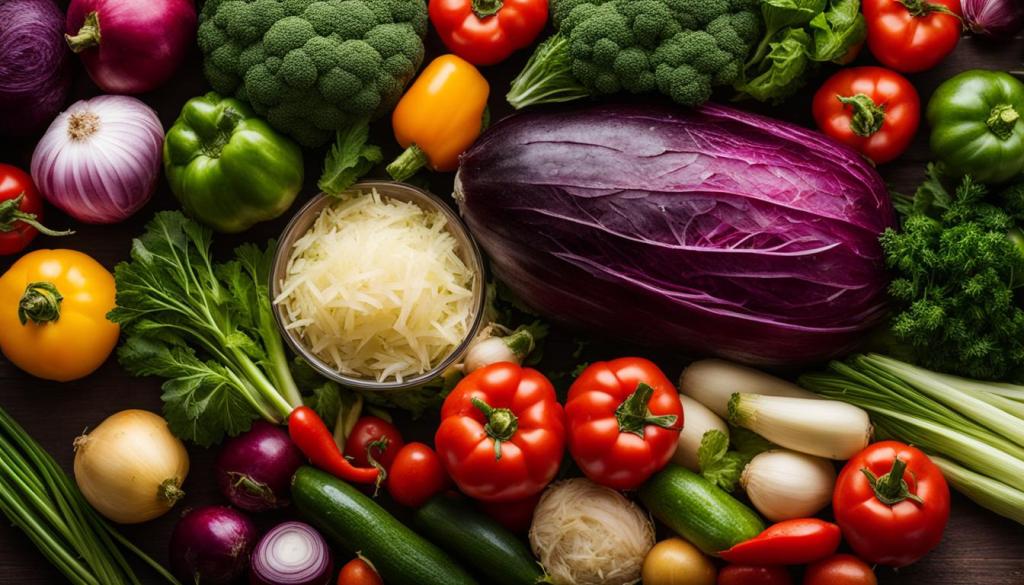
Probiotic foods are a rich source of beneficial bacteria for your gut. Including these foods in your diet can help improve digestion and promote gut health. Let’s delve into some popular probiotic foods:
Sauerkraut
Sauerkraut, made from fermented cabbage and salt, is a probiotic powerhouse. It contains live bacteria that aid digestion and promote a healthy gut. Enjoy it as a side dish or add it to sandwiches and salads for a tangy twist.
Kimchi
Kimchi, the spicy Korean cousin of sauerkraut, is another probiotic-rich food worth exploring. Made from fermented vegetables and a blend of spices, kimchi not only adds flavor to dishes but also provides beneficial bacteria for your gut.
Kefir
If you’re looking for a probiotic-packed drink, kefir is a great option. Similar to yogurt, kefir is a fermented dairy-based beverage that contains live and active cultures. Sip on a glass of kefir to support your gut health.
Kombucha
“Choose a brand that uses live cultures.”
Kombucha, a tart and fizzy tea, is known for its probiotic content. However, it’s essential to choose a brand that uses live cultures to ensure you’re getting the full benefits. Incorporate kombucha into your routine for a refreshing and probiotic-rich drink.
Miso
Miso, a fermented paste made from soybeans, is a staple in Japanese cuisine. It adds a savory and umami flavor to soups, dressings, and marinades. Enjoying miso not only enhances your dishes but also introduces probiotics to support your gut health.
Tempeh
Tempeh, a fermented soybean cake, is a versatile plant-based protein option. Besides being a source of protein, tempeh also contains beneficial bacteria. Use tempeh in stir-fries, sandwiches, or as a meat substitute in various dishes to diversify your probiotic intake.
Yogurt
Yogurt is a well-known and popular probiotic food. Made from fermented milk, yogurt contains live cultures that help balance gut bacteria and aid digestion. Enjoy a serving of yogurt as a snack or use it as a base for smoothies and parfaits.
Including these probiotic foods in your diet can contribute to a healthier gut and overall well-being. Experiment with different flavors and preparations to find your favorites. Remember, a diverse range of probiotics promotes a diverse gut microbiome, supporting your digestive health.
The Role of Prebiotics

Prebiotics play a crucial role in supporting a healthy gut and promoting overall well-being. As a type of fiber, prebiotics act as nourishment for the beneficial probiotic bacteria present in your gut microbiome. By consuming a variety of prebiotic-rich foods, you can create a favorable environment for the growth of good bacteria, ultimately maintaining a healthy balance in your gut.
You can find prebiotics in many plant-based foods, especially fruits, vegetables, legumes, and whole grains. These fiber-rich foods not only provide essential nutrients but also support the growth and diversity of gut bacteria. Including these plant-based foods in your diet is a great way to promote gut health and improve digestion.
One of the major benefits of prebiotics is their ability to enhance the functioning of probiotic bacteria in your gut. By providing the necessary food source, prebiotics help probiotics thrive and exert their positive effects on your gastrointestinal system. This collaboration between prebiotics and probiotics contributes to a healthy gut environment and supports your overall digestive health.
Incorporating prebiotic-rich foods into your diet can be as simple as adding more fruits and vegetables to your meals, choosing whole-grain options, and including legumes in your cooking. The diversity of fiber-rich foods ensures that you are providing a wide range of prebiotics to support the growth of beneficial gut bacteria.
Remember, a healthy gut is crucial for your well-being, and a plant-based diet rich in prebiotics can undoubtedly contribute to maintaining a healthy gut microbiome. So, make sure to prioritize these fiber-packed foods to support a healthy gut and optimize your overall health!
Gut-Healthy Prebiotic Foods

Prebiotic fiber plays a crucial role in nurturing a healthy gut. By including a variety of fiber-rich foods in your daily meals, you can ensure a sufficient intake of prebiotics, which support the growth of beneficial gut bacteria. Fruits, vegetables, whole grains, legumes, and nuts are excellent sources of prebiotic fiber.
Some specific examples of prebiotic fibers include galactooligosaccharides, fructooligosaccharides, oligofructose, chicory fiber, and inulin. These fibers are naturally found in many plant-based foods and contribute to a diverse and plant-based diet, which is essential for a healthy gut.
“A diverse range of plant-based foods is key to obtaining enough prebiotic fiber. Include a variety of fruits, vegetables, whole grains, legumes, and nuts in your meals to support a healthy gut. Opting for polyphenol-rich foods such as blueberries, strawberries, and extra-virgin olive oil can also provide additional benefits for gut health.”
When it comes to specific foods, there are numerous options to choose from. Some examples of prebiotic-rich foods include Jerusalem artichokes, leeks, onions, apricots, dried mango, artichokes, almonds, pistachios, blueberries, strawberries, prunes, apples, flaxseed, olives, and extra-virgin olive oil. By incorporating these foods into your diet, you can ensure a healthy supply of prebiotic fiber.
To help you visualize some of these prebiotic-rich foods, take a look at the image below:
Signs of an Unhealthy Gut
An unhealthy gut can manifest in several ways, affecting your overall well-being and quality of life. By paying attention to these signs, you can take steps to improve your gut health and promote a healthier digestive system.
One common symptom of an unhealthy gut is an upset stomach, which may present as gas, bloating, constipation, diarrhea, or heartburn. These discomforts are indicators that your gut is imbalanced and in need of attention.
Another factor that negatively impacts gut health is a high-sugar diet. Consuming excessive amounts of sugar can lead to increased inflammation in the gut, which can contribute to various health issues. By reducing your intake of sugary foods and drinks, you can support a healthier gut microbiome.
Unintentional weight changes, such as sudden weight loss or weight gain, can also signal an imbalanced gut. When your gut microbiome is not functioning optimally, it can impact your body’s ability to absorb nutrients and properly regulate weight.
Sleep disturbances and chronic fatigue are often linked to gut health. The state of your gut microbiome can influence your sleep patterns, leaving you feeling tired and groggy throughout the day. By prioritizing gut health, you can potentially improve the quality of your sleep and boost your energy levels.
Your skin can also provide clues about your gut health. Skin conditions like psoriasis and other autoimmune conditions may be related to imbalances in the gut microbiome. When your gut is not functioning properly, it can lead to inflammation and skin irritation.
Lastly, food intolerances and allergies can be a result of poor gut health. When your gut is inflamed and imbalanced, it can become more sensitive to certain foods, leading to digestive discomfort and other symptoms. By addressing your gut health, you may experience relief from food intolerances and allergies.
It’s important to pay attention to these signs and take action to improve your gut health. By making dietary and lifestyle changes, you can support a healthy gut microbiome and promote overall well-being.
An unhealthy gut can manifest in several ways, including an upset stomach, high-sugar diet, unintentional weight changes, sleep disturbances, skin irritation, autoimmune conditions, and food intolerances. By addressing these symptoms and focusing on improving gut health, you can take control of your digestive health and overall wellness.
Lifestyle Factors for a Healthy Gut
Lifestyle factors play a crucial role in maintaining a healthy gut. By implementing certain practices, you can support your gut health and overall well-being.
Manage Your Stress
Stress management is essential for a healthy gut. Take time for activities that help you relax and unwind, such as meditation, yoga, or going for a walk in nature. Regular exercise releases endorphins, which can reduce stress and support a healthy gut.
Prioritize Sleep Hygiene
Getting sufficient sleep is vital for gut health. Establish a regular sleep schedule, create a comfortable sleeping environment, and practice good sleep hygiene habits. Avoid electronic devices before bed and limit caffeine and alcohol intake, as they can disrupt sleep patterns.
Mindful Eating for Better Digestion
Eating mindfully can significantly improve digestion and nutrient absorption. Slow down, chew your food thoroughly, and pay attention to the taste, texture, and smell of each bite. Mindful eating allows your body to properly digest food and supports a healthy gut.
Stay Hydrated
Proper hydration is essential for overall health, including gut health. Drink plenty of water throughout the day to keep your body hydrated and support optimal digestion. Remember to listen to your body’s thirst cues and aim to consume at least 8 cups (64 ounces) of water daily.
Include Prebiotic and Probiotic Foods or Supplements
Probiotic and prebiotic foods can provide a significant boost to your gut health. Incorporating foods like yogurt, sauerkraut, and kimchi into your diet introduces beneficial bacteria to your gut. In addition to food sources, you may consider taking prebiotic and probiotic supplements to further support a healthy gut.
Avoid Processed Foods
Avoiding processed foods is crucial for gut health. These foods are often high in added sugars, artificial ingredients, and preservatives, which can disrupt the balance of gut bacteria. Opt for whole, unprocessed foods like fruits, vegetables, whole grains, and lean proteins to promote a healthy gut.
Conclusion
Optimizing gut health is crucial for overall well-being. By incorporating probiotic foods like sauerkraut, kimchi, kefir, kombucha, miso, tempeh, and yogurt into your diet, you can introduce beneficial bacteria that promote a healthy gut microbiome. Additionally, consuming a diverse range of prebiotic-rich foods such as fiber-rich fruits, vegetables, legumes, and whole grains supports the growth of good bacteria in your gut.
Probiotics and prebiotics work together to improve digestion and enhance your digestive health. Alongside a healthy diet, adopting a healthy lifestyle is also essential. Managing stress, getting sufficient sleep, and avoiding processed foods can contribute to maintaining a healthy gut.
Remember, your gut health plays a vital role in your overall health and well-being. By prioritizing gut health and incorporating probiotics, prebiotics, and a healthy lifestyle into your daily routine, you can support optimal digestive health and improve your overall quality of life.
FAQ
How does gut health affect overall well-being?
Gut health plays a significant role in overall well-being. A healthy gut helps prevent chronic diseases, reduces inflammation, maintains brain health, and aids in weight management.
What are probiotic foods and drinks?
Probiotic foods and drinks are those that contain beneficial bacteria that support gut health. Examples include sauerkraut, kimchi, kefir, kombucha, miso, tempeh, and yogurt.
What are the benefits of consuming probiotics?
Consuming probiotics helps balance gut bacteria, prevents the overgrowth of harmful bacteria, supports the prevention of chronic diseases, reduces inflammation, boosts the immune system, and promotes heart and skin health.
What are prebiotics and how do they support gut health?
Prebiotics are a type of fiber found in plant-based foods that serve as food for the beneficial probiotic bacteria in the gut. They promote the growth of good bacteria and help maintain a healthy gut balance.
What are some examples of prebiotic-rich foods?
Prebiotic-rich foods include Jerusalem artichokes, leeks, onions, apricots, dried mango, artichokes, almonds, pistachios, blueberries, strawberries, prunes, apples, flaxseed, olives, and extra-virgin olive oil.
What are the signs of an unhealthy gut?
Signs of an unhealthy gut include symptoms like gas, bloating, constipation, diarrhea, heartburn, unintentional weight changes, sleep disturbances, skin conditions, autoimmune issues, and food intolerances or allergies.
How can lifestyle factors contribute to a healthy gut?
Managing stress, getting sufficient sleep, practicing mindful eating, staying hydrated, and avoiding processed foods can all support a healthy gut and overall well-being.
What is the importance of optimizing gut health?
Optimizing gut health through probiotic and prebiotic consumption, along with a healthy lifestyle, can improve digestion and overall health. It supports a balanced gut microbiome and prevents various health issues.



 trim down and shape up
Leave a comment