



If losing five pounds of weight in a month is your goal, then lifestyle changes, consistent exercise, and mindful eating are all necessary. Achieving this target requires dedication and a holistic approach to your health and well-being.
One of the keys to successful weight loss is adopting a high-nutrient diet, which involves consuming foods that provide a rich array of essential vitamins, minerals, and antioxidants. By choosing nutrient-rich foods, such as fruits, vegetables, lean proteins, and whole grains, you can fuel your body with the necessary nutrients while managing your weight. Portion control is equally important, as it allows you to enjoy a balanced meal without overeating.
In addition to healthy eating, incorporating regular exercise into your routine is crucial. Engaging in physical activity not only burns calories but also boosts your metabolism and strengthens your muscles. It is recommended to aim for at least 150 minutes of moderate-intensity aerobic exercise or 75 minutes of vigorous-intensity exercise each week. Additionally, include strength training exercises to build lean muscle mass, which can further support weight management.
Hydration is often overlooked but plays a significant role in weight loss. Drinking an adequate amount of water helps maintain proper bodily functions, keeps you feeling full, and supports digestion. Aim to drink at least 8 cups (64 ounces) of water per day, and increase your intake if you engage in intense physical activity or when the weather is hot and humid.
Embarking on a weight loss journey requires a commitment to a healthy lifestyle. By incorporating these strategies into your daily routine and making mindful choices, you can achieve your goal of losing five pounds in a month and maintain your desired weight in the long term.Key Takeaways:
- Adopt a high-nutrient diet that includes fruits, vegetables, lean proteins, and whole grains.
- Practice portion control to maintain a balanced meal without overeating.
- Engage in regular exercise to burn calories, boost metabolism, and maintain muscle mass.
- Stay hydrated by drinking at least 8 cups of water per day.
- Commit to a healthy lifestyle to achieve long-term weight management.
Creating a Calorie Deficit for Effective Weight Loss

When it comes to losing weight, one of the most crucial factors is creating a calorie deficit. A calorie deficit occurs when you consume fewer calories than your body needs, forcing it to tap into stored fat for energy. To achieve a healthy rate of weight loss and lose 5 pounds in a month, it is recommended to establish a daily deficit of 625 calories.
There are two main ways to create a calorie deficit: through physical activity and reducing calorie intake. Incorporating regular physical activity into your routine can help you burn calories and increase your overall energy expenditure. This can be achieved through activities such as brisk walking, jogging, cycling, or taking fitness classes that get your heart rate up.
Reducing your calorie intake is another important aspect of creating a calorie deficit. This can be done by making mindful food choices and portion control. Opting for nutrient-dense foods that are low in calories, such as fruits, vegetables, lean proteins, and whole grains, can help you stay satisfied while minimizing calorie intake.
It is important to note that a combination of exercise and calorie reduction is most effective in maintaining weight loss. Studies have shown that this approach leads to long-term sustainable results, rather than relying on quick fixes.
Calculating Your Calorie Needs
To determine your daily calorie needs and set a target for calorie intake, you can use an online calculator. These calculators take into account factors such as your age, gender, weight, height, and activity level to provide an estimate of your daily calorie requirements. By subtracting 625 calories from this estimate, you can establish a daily calorie goal that aligns with your weight loss objectives.
Remember, a calorie deficit should be manageable and sustainable. It’s important to strike a balance between creating a deficit and providing your body with the nutrients it needs for optimal health. Consulting with a healthcare professional or registered dietitian can help you create a personalized calorie deficit plan that is safe and effective for your individual needs.
Making Healthy Food Choices and Portions
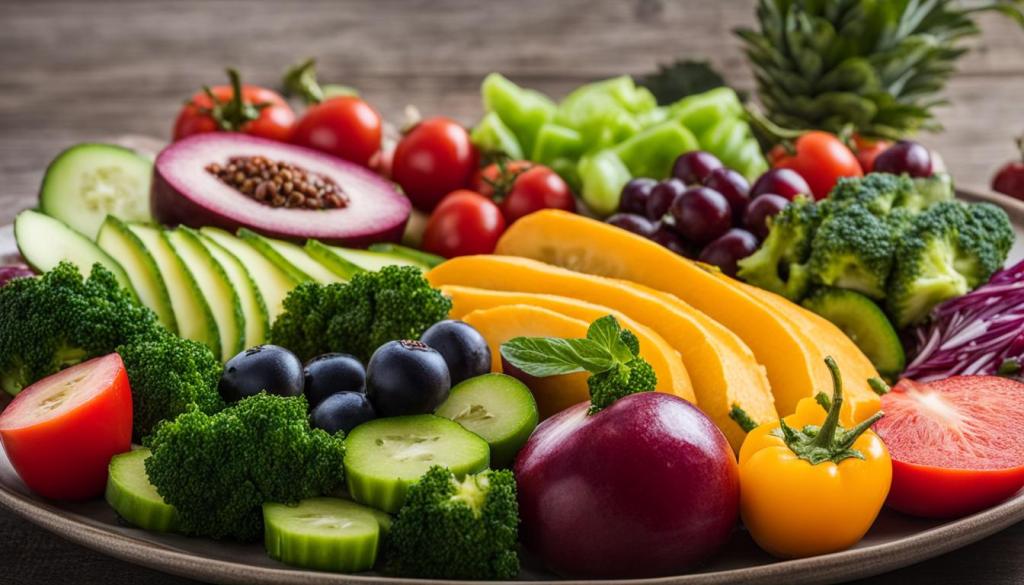
Making healthy food choices and controlling portion sizes are crucial aspects of achieving your weight loss goals. By opting for nutrient-dense foods, you can nourish your body while ensuring you feel full and satisfied.
Start by incorporating plenty of fruits and vegetables into your diet. These nutrient powerhouses provide essential vitamins, minerals, and antioxidants to support your overall health. Remember, incorporating a variety of colors into your meals ensures you get a wide range of nutrients.
When it comes to proteins, choose lean options such as chicken, turkey, fish, tofu, or beans. These options not only provide important nutrients but also help maintain lean muscle mass during weight loss. Stick to grilled, baked, or steamed methods of preparation to keep them healthy and delicious.
Whole grains are an important part of a balanced meal plan. They provide fiber and essential nutrients that can keep you feeling satisfied for longer. Incorporate whole grains like oats, quinoa, brown rice, and whole wheat bread into your diet.
Remember to control your portion sizes to avoid overeating. Moderation is key when it comes to losing 5 pounds in a month. Consuming moderate portions of whole grains and watery, fibrous vegetables can help fill you up without adding excess calories.
“Choosing whole, unprocessed foods whenever possible is a great way to make healthy food choices. These foods are often packed with nutrients and free from additives, making them a nutritious choice for weight loss.”
Finally, it’s important to minimize the consumption of foods with little to no nutritional value, such as sugary snacks and beverages, fried foods, and highly processed snacks. These foods tend to be high in calories and low in nutrients, making them less supportive of your weight loss journey.
By making healthy food choices and controlling portion sizes, you can create a balanced meal plan that supports your weight loss goals while providing the nutrients your body needs to thrive.
Designing a Balanced Meal Plan
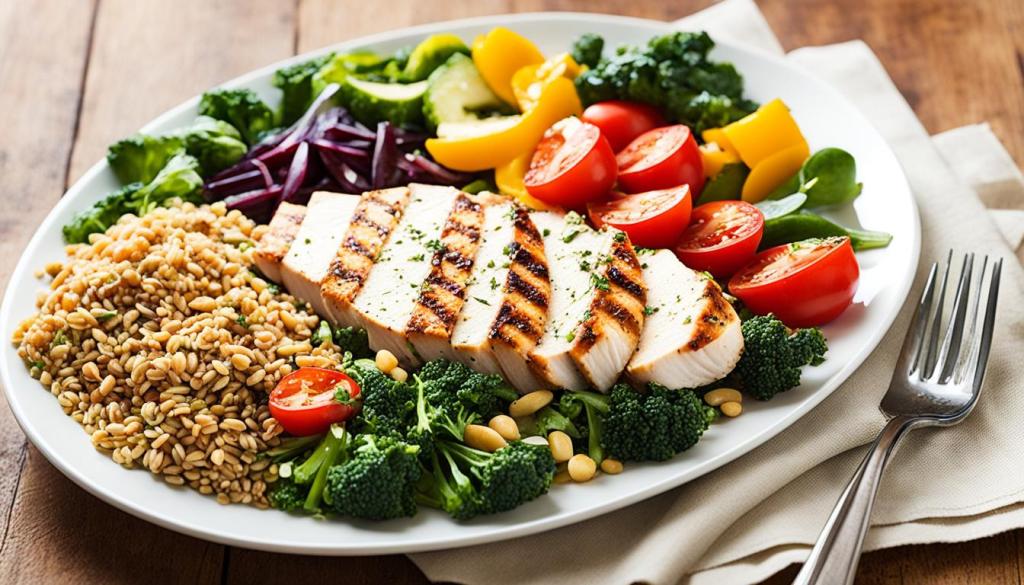
When it comes to achieving your weight loss goals, one of the most important aspects is designing a balanced meal plan. A meal plan that includes a variety of nutrient-rich foods can help you meet your nutritional needs while also controlling calories. By incorporating lean proteins, whole grains, fruits, vegetables, and healthy fats into each meal, you can ensure you’re getting the right balance of nutrients for your body.
One key tip for designing a balanced meal plan is to include fiber and protein at breakfast. This combination can help keep you feeling full throughout the morning, preventing unnecessary snacking and overeating later in the day. Some great breakfast options include oatmeal topped with fresh berries and a sprinkle of nuts, or a veggie omelet with whole grain toast.
For lunch and dinner, focus on options that include lean proteins, such as grilled chicken or fish, paired with a variety of colorful vegetables and whole grains, like quinoa or brown rice. These nutrient-rich options provide essential vitamins, minerals, and fiber while also being satisfying and delicious.
“Incorporating a balanced mix of lean proteins, whole grains, fruits, vegetables, and healthy fats into your meal plan is essential for weight loss. This ensures you’re getting the right combination of nutrients while still controlling calories.”
Meal planning can also be a great way to take control of your portion sizes. By cooking your meals at home using fresh ingredients, you have the ability to measure and control the amount of food you consume. This is especially important when trying to maintain a calorie deficit for weight loss. Plus, preparing your meals at home allows you to make healthier choices and avoid the hidden ingredients and excess calories often found in restaurant meals.
Remember, designing a balanced meal plan is not about deprivation or strict rules. It’s about creating a sustainable and enjoyable way of eating that supports your weight loss goals. Experiment with different flavors, textures, and cooking methods to keep your meals exciting and satisfying.
Implementing Regular Exercise for Weight Loss

Regular exercise is a key component of weight loss and plays a significant role in achieving your goals. By incorporating physical activity into your daily routine, you can burn calories, boost your metabolism, and improve your overall fitness level.
Aim for 30 to 45 minutes of cardiovascular activity each day to maximize calorie burn and promote cardiovascular health. Engaging in activities such as brisk walking, jogging, swimming, or taking dance fitness classes can be effective options to get your heart rate up and increase calorie expenditure.
Strength training is also important for weight loss as it helps maintain lean muscle mass and achieve a toned appearance. By incorporating strength training exercises for major muscle groups into your routine, you can increase calorie burn and preserve muscle mass, even at rest.
In addition to regular exercise, it is essential to prioritize healthy sleep habits and stress management. Aim for seven to nine hours of quality sleep per night to support weight loss and overall well-being. Striving for a consistent sleep schedule and creating a relaxing bedtime routine can help improve sleep quality.
Managing stress is equally important for successful weight loss. Engage in activities like yoga or meditation to reduce stress levels and promote a sense of calm. By finding healthy ways to manage stress, you can avoid emotional eating and maintain focus on your weight loss journey.
Conclusion
Losing 5 pounds in a month is an attainable goal when you commit to making positive changes in your lifestyle. By implementing weight loss tips and adopting healthy habits, you can achieve sustainable results and maintain your progress in the long run.
To start your weight loss journey, focus on incorporating a high-nutrient diet into your daily routine. Practice portion control and choose nutrient-dense foods that provide balanced nutrition. Combine this with regular exercise to burn calories, improve your metabolism, and achieve your weight management goals.
Remember, making sustainable lifestyle changes is key. This means not just focusing on short-term results but also embracing lasting habits. Seek support from a friend or family member who shares your weight loss goals to provide accountability and motivation. Additionally, prioritize getting enough sleep and managing stress levels to support your overall wellbeing.
As you embark on this journey, celebrate every milestone and maintain a healthy mindset. Weight loss is a process that requires patience and consistency. Embrace the lifestyle changes you have made and continue to build on them for a healthier future. You have the power to achieve your weight loss goals and create a sustainable, healthy lifestyle for yourself.
FAQ
How can I lose 5 pounds in a month?
By following a high-nutrient diet, practicing portion control, engaging in regular exercise, and staying hydrated, you can successfully shed those extra pounds. Creating a calorie deficit, through a combination of exercise and reducing calorie intake, is recommended to achieve a healthy rate of weight loss.
What is a calorie deficit?
A calorie deficit is when you consume fewer calories than your body needs to maintain its current weight. This deficit forces your body to tap into its stored fat as a source of energy, leading to weight loss.
How do I create a calorie deficit?
To create a calorie deficit, you can reduce your calorie intake through portion control and choosing nutrient-dense foods. Additionally, incorporating regular exercise into your routine can help you burn more calories.
What types of foods should I eat to lose weight?
Opt for nutrient-dense foods such as fruits, vegetables, lean proteins, and whole grains. These foods provide essential nutrients while keeping you full and satisfied. It is important to include adequate protein in your meals to support weight loss and maintain lean muscle mass.
How can I control portion sizes?
Minimize the consumption of foods with no nutritional value and choose whole, unprocessed foods whenever possible. Consuming moderate portions of whole grains and watery, fibrous vegetables can help fill you up without adding excess calories.
How do I design a balanced meal plan?
Incorporate a variety of nutrient-rich foods in your meals such as lean proteins, whole grains, fruits, vegetables, and healthy fats. Aim for a mix of these options in each meal to meet your nutritional needs while controlling calories.
How much exercise do I need to do to lose weight?
Aim for 30 to 45 minutes of cardiovascular activity daily, such as brisk walking, jogging, swimming, or dance fitness classes. Additionally, incorporate strength training exercises for major muscle groups to increase calorie burn and maintain muscle mass.
What are some other factors that contribute to weight loss?
It is important to improve sleep habits, aim for seven to nine hours of sleep per night, and find healthy ways to manage stress. These factors can support your weight loss efforts and overall well-being.
How can I maintain my weight loss results?
Adopting healthy habits and making lifestyle changes that support long-term success is crucial. Seek support from a friend or family member with similar weight loss goals to provide accountability and motivation.



 trim down and shape up
Leave a comment