



According to a recent report by Harvard Health Publishing, osteoporosis affects approximately 8 million women and 2 million men in the United States. This condition leads to more than 2 million fractures each year, highlighting the importance of taking proactive measures to prevent osteoporosis and its debilitating effects.
Weightlifting, also known as strength training, has emerged as an effective strategy to protect bones and reduce the risk of fractures caused by osteoporosis. Engaging in weightlifting exercises can help prevent bone loss and even stimulate the growth of new bone tissue. Notably, postmenopausal women who incorporated strength training into their routine experienced significant improvements in bone density.
Weightlifting offers additional benefits beyond bone health. By strengthening muscles and enhancing balance and coordination, weightlifting helps reduce the risk of falls, a common cause of fractures in individuals with osteoporosis.
Key Takeaways:
- Approximately 8 million women and 2 million men in the United States suffer from osteoporosis, which leads to over 2 million fractures annually.
- Weightlifting can prevent bone loss and stimulate the growth of new bone tissue.
- Postmenopausal women who engage in strength training often experience improved bone density.
- Weightlifting helps maintain muscle strength and coordination, lowering the risk of falls and fractures.
- Preventing osteoporosis requires proactive steps, such as incorporating weightlifting into your exercise routine.
The Importance of Weight-Bearing Exercise for Bone Health

Weight-bearing exercise plays a crucial role in building strong and healthy bones. When you engage in weight-bearing activities, such as weightlifting, running, walking, or hiking, you stimulate your bones to produce more bone tissue, resulting in increased strength and density.
Imagine your bones as a living, dynamic tissue that constantly rebuilds itself. Just like muscles, bones respond to stress and adapt to become stronger. Weight-bearing exercises provide the necessary stress to stimulate bone remodeling, helping to rebuild and strengthen bones. These exercises are particularly effective in preventing bone loss, osteoporosis, and fractures.
One such weight-bearing exercise that can have a significant impact on your bone health is weightlifting. By lifting weights, you subject your bones to resistance, which encourages the formation of new bone tissue. Weightlifting also helps maintain muscle mass, which is crucial for overall strength and balance.
Weightlifting is an excellent way to rebuild lost bone mass and prevent bone loss. It is a highly effective form of exercise that promotes bone density and improves bone health.
When you incorporate weightlifting into your fitness routine, you are actively working to prevent bone loss and improve your bone health. Along with weightlifting, other weight-bearing exercises like running, walking, and hiking also contribute to strengthening your bones. These exercises put stress on your bones, signaling your body to rebuild and reinforce them.
It is important to remember that weight-bearing exercises not only promote bone health but also have numerous benefits for your overall well-being. They improve muscle strength, balance, and coordination, which are all essential factors in preventing falls and maintaining an active lifestyle.
By engaging in weight-bearing exercises like weightlifting, you are taking proactive steps to ensure the long-term health and strength of your bones. So, lace up your shoes, grab those weights, and begin your journey toward stronger and denser bones.
The Benefits of Weightlifting for Bone Density
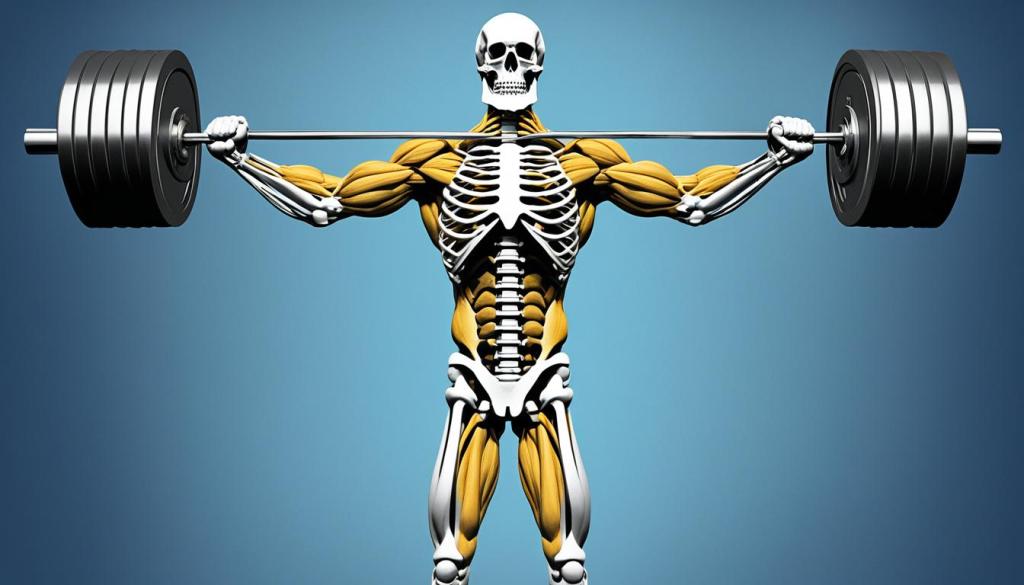
Weightlifting is not only beneficial for building muscle and strength but also plays a crucial role in improving bone density and overall bone health. Incorporating weight training into your fitness routine can have significant positive effects on your skeletal system.
One of the key benefits of weightlifting is its ability to increase bone density. Studies have shown that regular weight training, along with other high-impact exercises, can significantly improve bone density in the hips and spine. These exercises put stress on your bones, stimulating them to become stronger and denser.
Weightlifting also helps in maintaining muscle mass, which is important for supporting and protecting your bones. As you age, muscle mass naturally decreases, which can lead to decreased bone density and increased risk of fractures. By engaging in weight training, you can counteract this age-related muscle loss and maintain or even increase muscle mass, subsequently enhancing your bone health.
An effective weightlifting program focuses on compound exercises that target multiple muscle groups simultaneously. This ensures that your bones and muscles are working together to provide the necessary support and strength. Exercises like squats, deadlifts, bench presses, and overhead presses are great examples of compound movements that can benefit your bone density.
Additionally, weightlifting improves balance and coordination, which are essential for preventing falls and fractures. By strengthening your muscles, especially in your lower body, weight training enhances stability and reduces the risk of accidents caused by imbalance or weakness.
The Link between Bone Density and Osteoporosis
Osteoporosis is a condition characterized by low bone mass and deterioration of bone tissue, leading to an increased risk of fractures. Maintaining adequate bone density is crucial for the prevention and management of osteoporosis.
Weightlifting, combined with proper nutrition and a healthy lifestyle, can help prevent bone loss and reduce the chances of developing osteoporosis. Regular weight training stimulates the bones to become stronger and denser, minimizing the risk of fractures.
Consistency is key when it comes to weightlifting and bone health. Aim for two to three weight training sessions per week, allowing at least one day of rest between sessions to give your muscles and bones time to recover and adapt.
How to Start Weight Training for Osteoporosis

When it comes to weight training for osteoporosis, it’s crucial to focus on the hip and back muscles. These areas are most affected by bone loss and are at a higher risk of fractures. A targeted approach to exercising these muscle groups can help prevent further deterioration and improve overall bone health.
One effective exercise for the hip and back muscles is targeting the hip flexor muscles and engaging in movements that work around the hip. This includes exercises such as hip raises, hip extensions, and hip abductions. These exercises not only strengthen the hip and back muscles but also improve balance and stability.
It’s important to keep in mind that proper form and technique are essential when engaging in weight training. Working under the supervision of a qualified personal trainer can help ensure you are performing the exercises correctly and safely, especially if you have any medical conditions or concerns. They can guide you through proper execution and gradually increase the intensity of your workouts as you progress.
For optimal results, aim to incorporate weight training into your routine two to three times a week. Allow at least one day of rest in between sessions to give your muscles time to recover and rebuild. Consistency is key in order to see improvements in bone density and overall bone health.
Expert Tip:
“Focus on exercises that engage the hip flexor muscles and work around the hip. Working under the guidance of a qualified trainer helps ensure proper form and technique while preventing injuries or strain. Remember to give your muscles adequate rest and recovery time between sessions.”
Important Tips for Weight Training

When it comes to weight training, there are a few essential tips to keep in mind to maximize your workout and achieve your fitness goals. Below are some important guidelines to follow:
Exercise Each Muscle Group
During your weight training session, make sure to target each major muscle group. This includes exercises for the chest, back, shoulders, arms, legs, and core. Aim to include eight to twelve different exercises in your routine to ensure a well-rounded workout.
Choose the Right Repetition Range
In order to build strength and muscle mass effectively, it’s important to determine the appropriate repetition range. For each exercise, aim for one or two sets of eight to ten repetitions. This range allows you to challenge your muscles without sacrificing proper form and technique.
Focus on Proper Form
When lifting weights, it’s crucial to prioritize proper form and technique. Lift the weights slowly and with control, focusing on the specific muscle groups being targeted. Avoid using other muscles to compensate, as this can lead to imbalances and injury.
Engage Your Abdominal Muscles
Your abdominal muscles play a crucial role in maintaining proper posture and protecting your spine during weight training. Before starting any exercise, tighten your abdominal muscles by drawing your navel toward your spine. This will help stabilize your core and prevent strain on your back.
Consult with a Trainer
It’s always beneficial to consult with a qualified personal trainer, especially if you’re new to weight training or have specific goals or concerns. A trainer can provide guidance on proper technique, recommend exercises that target your specific muscle groups, and help you progress safely as you become stronger.
Implementing these important tips into your weight training routine will help you maximize your results while minimizing the risk of injury. Remember to listen to your body’s needs and adjust the intensity and weight as necessary. Keep challenging yourself and gradually increase the weight you lift as you become stronger and more confident in your abilities.
Precautions for Weight Training with Osteoporosis

If you have osteoporosis in your spine, it is important to take certain precautions while engaging in weight training. To ensure safety and minimize the risk of fractures, it is recommended to avoid lifting more than 20 to 25 pounds with your arms or against your trunk.
Twisting your trunk or bending forward extensively should also be avoided as these movements can put unnecessary strain on your spine and increase the risk of injury. It is crucial to listen to your body and avoid any exercises that cause discomfort or pain in your spine.
When it comes to hip osteoporosis, there are no specific restrictions on the amount of weight you can lift or the types of movement you can do. However, it is important to pay attention to your body’s limitations and ensure that your activities do not increase the risk of falls.
It is always a good idea to consult with a healthcare professional or a qualified personal trainer before starting any weight training program, especially if you have osteoporosis. They can provide guidance tailored to your specific condition and help you create a safe and effective exercise plan.
The Role of Diet and Lifestyle in Preventing Osteoporosis

Along with weightlifting, a calcium-rich diet and vitamin D supplementation play a crucial role in preventing osteoporosis. Consuming foods high in calcium, such as dairy products, leafy greens, and fortified foods, can help maintain bone health. Additionally, getting enough vitamin D through sunlight exposure or supplements is essential for calcium absorption.
Adopting healthy lifestyle habits like limiting alcohol intake and quitting smoking also contribute to preventing osteoporosis. These habits support overall bone health by reducing the risk factors associated with bone loss. Maintaining a balanced and nutritious diet rich in calcium, along with adequate levels of vitamin D and regular weightlifting exercises, is key to maintaining strong and healthy bones.
“A well-rounded approach to preventing osteoporosis involves a combination of weightlifting, calcium-rich diet, vitamin D supplementation, and healthy lifestyle habits.”
Other Exercises for Promoting Bone Health

While weightlifting is effective for preventing osteoporosis, it is important to note that there are other exercises that offer health benefits as well. Activities such as aerobic exercise, walking, swimming, and cycling can contribute to overall fitness and strength. Although these exercises may not directly promote bone density, they play an essential role in maintaining cardiovascular health and overall well-being.
“Aerobic exercises like swimming and cycling are great for working multiple muscle groups and improving cardiovascular fitness. These activities help strengthen your heart and lungs, increase stamina, and burn calories,” says Dr. Sarah Johnson, a certified fitness expert. “Walking is a fantastic low-impact exercise that not only improves cardiovascular health but also strengthens the legs and joints.”
While aerobic exercises are fantastic for your heart, it’s important to incorporate weight-bearing and high-impact exercises to specifically target bone density. These exercises stimulate the bones, promoting strength and density and reducing the risk of fractures. Weightlifting, running, and other weight-bearing exercises are particularly effective in building and maintaining bone density.
To design a well-rounded exercise routine for promoting bone health, consider incorporating both weight-bearing exercises and aerobic activities. Aim for a combination of aerobic exercise, like walking or cycling, along with two to three sessions of weightlifting each week. This way, you can reap the benefits of cardiovascular fitness while also building and maintaining strong, healthy bones.
Remember, before starting any new exercise program, it’s always a good idea to consult with your doctor or a certified fitness professional to ensure you are performing exercises safely and effectively.
By incorporating a variety of exercises into your routine, you can support overall bone health and prevent osteoporosis.
Conclusion
Weightlifting is a powerful tool for preventing osteoporosis and rebuilding lost bone mass. Incorporating weight-bearing exercises into your routine can increase bone density, improve bone health, and lower the risk of fractures. Studies have shown that strength training, such as weightlifting, can significantly improve bone density in key areas like the hips and spine.
Additionally, it is crucial to maintain a calcium-rich diet to provide the necessary nutrients for bone health. Include foods like dairy products, leafy greens, and fortified foods in your diet. Vitamin D supplementation is also important, as it aids in calcium absorption. Moreover, adopting healthy lifestyle habits like limiting alcohol intake and quitting smoking contribute to overall bone health.
So, start weightlifting today and take proactive steps to prevent osteoporosis. Engage in regular weight-bearing exercise and combine it with a calcium-rich diet, sufficient vitamin D intake, and a healthy lifestyle. By doing so, you can rebuild lost bone mass, prevent osteoporosis, and maintain strong and healthy bones.
FAQ
Can weightlifting prevent osteoporosis?
Yes, weightlifting can help protect bones and prevent osteoporosis-related fractures. Strength training over time can help prevent bone loss and may even help build new bone. Postmenopausal women who participated in strength training saw significant increases in bone density. Strong muscles from weight training help maintain balance and coordination, which prevents falls.
Why is weight-bearing exercise important for bone health?
Weight-bearing exercise is essential for building strong bones. It stimulates the bones to produce more bone tissue, making them stronger and denser. Exercises like weightlifting, running, walking, and hiking are all weight-bearing exercises that can help rebuild and strengthen bones. These exercises prevent bone loss, osteoporosis, and fractures.
What are the benefits of weightlifting for bone density?
Weightlifting has been shown to increase bone density and improve bone health. It also helps maintain muscle mass, which is important for overall strength and balance. Studies have found that weightlifting, along with other high-impact exercises, can significantly increase bone density in the hips and spine. It is an effective way to prevent bone loss and improve bone health.
How do I start weight training for osteoporosis?
To start weight training for osteoporosis, it is recommended to focus on the hip and back muscles, as these are the areas most affected by bone loss and at risk for fractures. Exercises that target the hip flexor muscles and work around the hip are beneficial. It is important to work under the supervision of a qualified personal trainer, especially if you have any medical issues. Strength training should be done two to three times a week with at least one day of rest in between each session.
What are important tips for weight training?
When weight training, it is important to do one exercise for each major muscle group, totaling eight to twelve different exercises. Aim for one or two sets of eight to ten repetitions for each exercise. Lift the weights slowly and avoid using other muscles to compensate. Tighten your abdominal muscles to protect your spine. Consult with a trainer periodically to increase the weight you lift as you become stronger.
What precautions should I take for weight training with osteoporosis?
If you have osteoporosis in your spine, it is important not to lift more than 20 to 25 pounds with your arms or against your trunk. Avoid movements that involve twisting your trunk or bending forward extensively. If you have osteoporosis in the hips, there are no specific restrictions on the amount of weight or types of movement. However, it is crucial to ensure that activities do not increase the risk of falling.
How can diet and lifestyle help prevent osteoporosis?
Along with weightlifting, a calcium-rich diet and vitamin D supplementation play a crucial role in preventing osteoporosis. Consuming foods high in calcium, such as dairy products, leafy greens, and fortified foods, can help maintain bone health. Additionally, getting enough vitamin D through sunlight exposure or supplements is essential for calcium absorption. Adopting healthy lifestyle habits like limiting alcohol intake and quitting smoking also contribute to preventing osteoporosis.
What other exercises promote bone health?
While weightlifting is effective for preventing osteoporosis, other exercises like aerobic activities, walking, swimming, and cycling also have health benefits but may not directly promote bone density. These exercises are valuable for cardiovascular health and overall strength, but weight-bearing and high-impact exercises are specifically recommended for building and maintaining bone density.
How does weightlifting help rebuild lost bone mass?
Weightlifting is a powerful tool for preventing osteoporosis and rebuilding lost bone mass. Incorporating weight-bearing exercises into your routine can increase bone density, improve bone health, and lower the risk of fractures. Additionally, maintaining a calcium-rich diet, getting enough vitamin D, and adopting healthy lifestyle habits contribute to overall bone health. So, start weightlifting today and take proactive steps to prevent osteoporosis.



 trim down and shape up
Leave a comment