


When it comes to muscle health, many people believe that consuming more protein is always better. However, it is important to be aware that there can be detrimental effects of consuming excessive protein. In this article, we will explore the signs that you may be eating more protein than you need and the potential risks associated with overconsumption.
Consuming more protein than recommended can lead to a range of health issues. One common side effect is dehydration, as the kidneys work harder to metabolize the excess protein, resulting in increased urination. Additionally, excessive protein intake has been linked to weight gain, gastrointestinal discomfort, heart disease, and kidney and liver trouble.
Key Takeaways:
- Consuming more protein than recommended can lead to dehydration, weight gain, GI discomfort, heart disease, and kidney and liver trouble.
- The recommended daily intake of protein varies depending on factors such as overall health, physical activity level, and age.
- Eating too much protein can manifest in signs such as ketosis, stinky breath, increased urination, weight gain, and GI symptoms.
- The type of protein consumed can have a significant impact on cardiovascular health, with plant-based sources being beneficial and animal-based sources potentially increasing the risk of heart disease.
- Excessive protein intake can pose challenges for individuals with kidney or liver disease, as the metabolization of excess protein can be burdensome to these organs.
The Recommended Daily Intake of Protein
The recommended daily intake of protein varies depending on factors such as overall health, physical activity level, and age. It is important to consider these factors when determining the appropriate protein intake for your body.
The current Recommended Dietary Allowance (RDA) for protein is 46 grams for women and 56 grams for men. However, it’s worth noting that the RDA may differ based on individual fitness and health goals. Consulting a healthcare professional or dietitian can provide personalized guidance on the ideal protein intake for your specific needs.
One useful guideline to consider is that protein intake should generally not exceed 2 grams per kilogram of body weight per day. Consuming excessive amounts of protein can potentially lead to digestive, renal, or vascular problems. Therefore, it’s crucial to strike a balance and ensure that you’re meeting your protein needs without going overboard.
To put it simply, it’s all about finding the right balance. Adequate protein intake is crucial for maintaining muscle mass, supporting the immune system, and promoting overall health. However, exceeding the recommended intake can have negative health effects. So, make sure to align your protein consumption with your body weight and specific health goals.
Don’t forget your RDA
Meeting your protein needs is important for overall health and well-being. By understanding the recommended daily intake of protein and tailoring it to your body weight and goals, you can maintain a balanced diet and support your body’s nutritional requirements.
Signs of Eating Too Much Protein

Eating too much protein can have several noticeable effects on your body. These signs can indicate that you may be consuming more protein than your body needs, which can lead to various health issues. It’s important to be mindful of these signs and adjust your protein intake accordingly to maintain a healthy balance.
One common sign of excessive protein consumption is ketosis. Ketosis occurs when your body starts burning fat instead of glucose for energy. This metabolic state can result in a distinct and often unpleasant side effect known as stinky breath. So if you’ve noticed an unusual odor coming from your mouth, it could be a sign that you’re consuming too much protein.
Another sign to watch out for is increased urination. When you consume excessive amounts of protein, your kidneys have to work harder to metabolize it. This increased workload can lead to more frequent trips to the bathroom. Furthermore, it can also contribute to dehydration as your body loses more water through urine. If you find yourself needing to urinate more often and experiencing symptoms of dehydration, it could be a result of consuming too much protein.
Consuming more protein than your body requires can also contribute to weight gain. While protein is essential for building and repairing tissues, excess protein can be converted into fat and stored in the body. This can lead to unwanted weight gain over time. So if you’ve noticed unexplained weight gain despite maintaining a balanced diet and exercise routine, it’s worth considering whether your protein intake is excessive.
Additionally, consuming excessive protein can result in various gastrointestinal symptoms. These can include constipation, nausea, diarrhea, and stomach pain. The digestive system can struggle to process excessive protein, especially if it comes from hard-to-digest sources. These symptoms can negatively impact your overall well-being and indicate that you may need to adjust your protein intake.
Protein and Cardiovascular Health
The type of protein you consume can have a significant impact on your cardiovascular health. Including plant-based protein sources in your diet, such as legumes, nuts, seeds, fish, and seafood, can be beneficial for your heart. These plant-based proteins are rich in fiber, antioxidants, and healthy fats that support heart health.
“Including plant-based protein sources in your diet, such as legumes, nuts, seeds, fish, and seafood, can be beneficial for your heart.”
On the other hand, it is important to be cautious about consuming excessive amounts of animal-based protein, such as red meat and processed meat, as they have been associated with an increased risk of heart disease. These sources of protein are often high in saturated fats and cholesterol, which can negatively affect your cardiovascular health.
By incorporating more plant-based protein into your diet and reducing your intake of animal-based protein, you can help promote a healthier heart.
Protein and Kidney and Liver Health
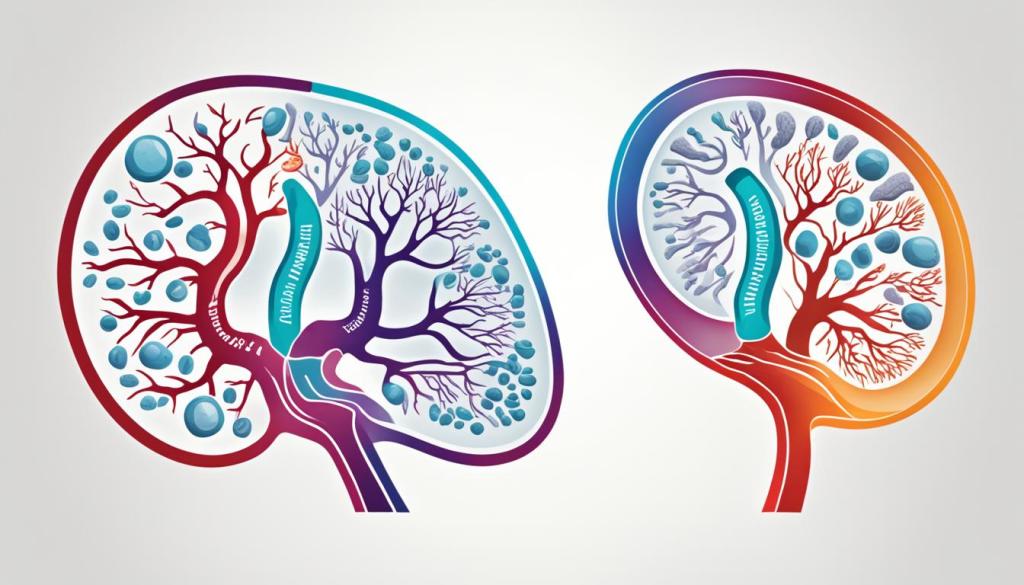
Excessive protein intake can pose challenges for individuals with kidney or liver disease. Metabolizing excess protein can be too burdensome for these organs and may contribute to kidney or liver disease. Ammonia, a byproduct of protein metabolism, can reach toxic levels in individuals with poor kidney or liver function, leading to potential health consequences.
Individuals with kidney or liver disease need to be cautious about their protein consumption. The kidneys and liver are responsible for filtering waste products from the blood, and excessive protein can put strain on these organs. This increased workload may lead to renal failure or liver damage.
One of the byproducts of protein metabolism is ammonia. In individuals with healthy kidney and liver function, ammonia is converted into urea and excreted from the body. However, if kidney or liver function is compromised, ammonia levels can rise and become toxic. This can lead to ammonia-related health complications.
To maintain kidney and liver health, it is important to consume protein in moderation and follow any dietary guidelines provided by a healthcare professional or dietitian. They can help determine the appropriate protein intake for individuals with kidney or liver disease.
Protein and Weight Management
When it comes to weight management, protein plays a vital role. It can help you feel full and satisfied, preventing overeating and promoting weight loss. However, it’s important to strike a balance and not consume more protein than your body needs, as this can lead to weight gain.
Excess protein consumption often means consuming more calories overall, especially if the protein source is high in saturated fat. It’s crucial to be mindful of the calorie content and nutritional composition of the protein sources you choose.
High-fat sources of protein, such as fatty cuts of meat or full-fat dairy products, can contribute to excess calorie intake and potentially hinder weight loss efforts. Instead, opt for lean protein sources like skinless poultry, fish, legumes, and low-fat dairy products.
“Choosing high-quality protein sources that are low in saturated fat can support your weight management goals.”
Additionally, the body has a limited capacity to process and utilize protein. Any excess protein that your body doesn’t need for repair, growth, or energy can be converted into sugar through a process known as gluconeogenesis. This excess sugar then gets stored as fat over time, leading to weight gain.
For effective weight management, it’s crucial to maintain a balanced protein intake while considering your overall calorie and nutrient intake. Aim for a moderate amount of protein that meets your individual needs and fits into your overall dietary plan.
The Role of Protein in Weight Loss
Protein contributes to weight loss in several ways:
- Increased satiety: Protein-rich foods tend to be more filling and can help you stay satisfied for longer periods, reducing the likelihood of overeating.
- Thermic effect: The body requires more energy to digest and metabolize protein compared to carbohydrates or fat, resulting in higher calorie expenditure.
- Muscle preservation: Protein supports muscle growth and maintenance, which is crucial for maintaining a higher metabolic rate and burning more calories.
Therefore, incorporating a moderate amount of protein into your diet can be beneficial when aiming for weight loss. Just remember to choose protein sources that are low in excess calories and high in nutritional value.
Protein and Gastrointestinal Health
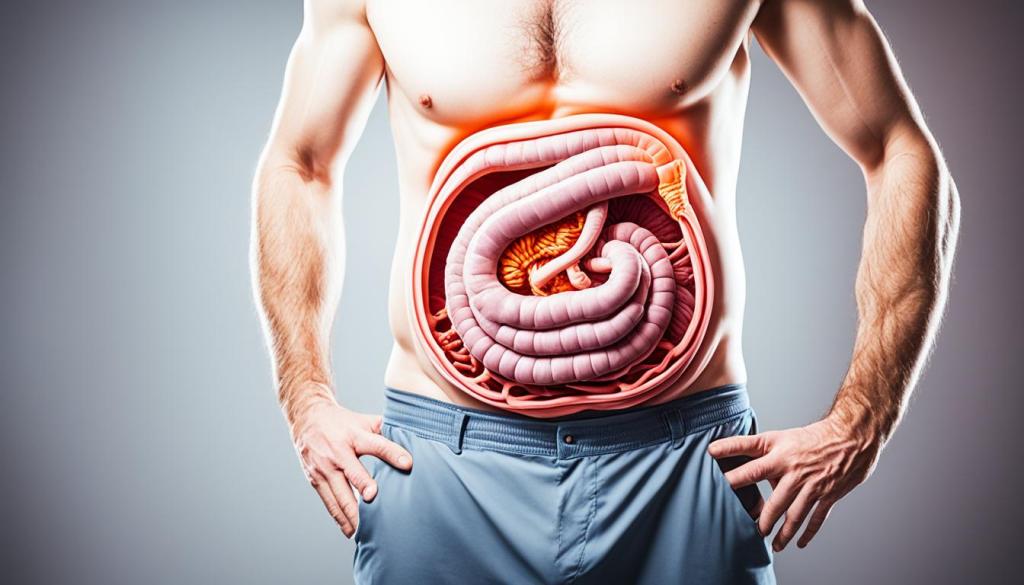
Consuming a high protein diet, particularly from animal sources, coupled with low fiber intake, can lead to gastrointestinal symptoms. These symptoms may include constipation, nausea, diarrhea, and stomach pain. Certain protein sources, such as meat and whole nuts, can be more challenging for the body to digest, further exacerbating these symptoms.
When consuming a high protein diet, it is important to ensure an adequate intake of fiber-rich foods. Fiber helps promote regular bowel movements and prevents constipation. Additionally, staying hydrated is crucial as protein digestion requires water. Without sufficient fiber and hydration, protein consumption can lead to digestive issues such as nausea, diarrhea, and stomach pain.
“A high protein intake combined with low fiber can disrupt the normal functioning of the gastrointestinal system, leading to unpleasant symptoms like constipation, nausea, diarrhea, and stomach pain.”
It is recommended to incorporate a variety of protein sources, including plant-based options like legumes, nuts, and seeds, which are generally easier to digest and contain fiber. If you experience persistent gastrointestinal symptoms related to protein consumption, it is advisable to consult with a healthcare professional or a registered dietitian for personalized guidance.
Protein and Mental Health
The relationship between protein intake and mental health is complex. While low-carb, high-protein diets have been associated with increased risk of depression and anxiety, findings are conflicting. Carbohydrates play a role in serotonin production, and maintaining a balanced intake of all macronutrients may promote positive mental health.
Further research is needed to fully understand the impact of protein on mental well-being.
Mental health is a vital aspect of overall well-being. Depression and anxiety can significantly impact a person’s quality of life, affecting their mood, emotions, and daily functioning. Many factors contribute to mental health, including nutrients such as protein.
“Research suggests that the relationship between protein consumption and mental health is complex and multifactorial. While carbohydrates are known to influence serotonin production, which can impact mood and mental well-being, the role of protein in this equation is not yet fully understood.”
Neurotransmitters, the chemical messengers in the brain, are essential for regulating mood. They are involved in various cognitive processes, including mood control and emotional stability. Some neurotransmitters, like serotonin and dopamine, are influenced by protein intake.
“Protein plays a role in the production of neurotransmitters, which are key in regulating mood and emotions. However, it’s important to note that neurotransmitters are a complex system influenced by many factors, and protein intake is just one piece of the puzzle.”
The Role of a Balanced Diet
Achieving optimal mental health requires a holistic approach that includes a balanced diet. While protein is vital for the body’s structure and function, it is essential to maintain a diverse and balanced intake of all macronutrients, including carbohydrates and fats.
“A balanced diet that includes adequate protein, alongside other essential nutrients, is crucial for supporting overall mental health. It’s important to emphasize the value of a holistic approach to nutrition and mental well-being.”
It is worth noting that individual dietary needs may vary, and what works for one person may not work for another. Consulting with a healthcare professional or registered dietitian can provide personalized guidance on achieving a balanced diet that supports mental health.
Protein Sources and Recommended Intake
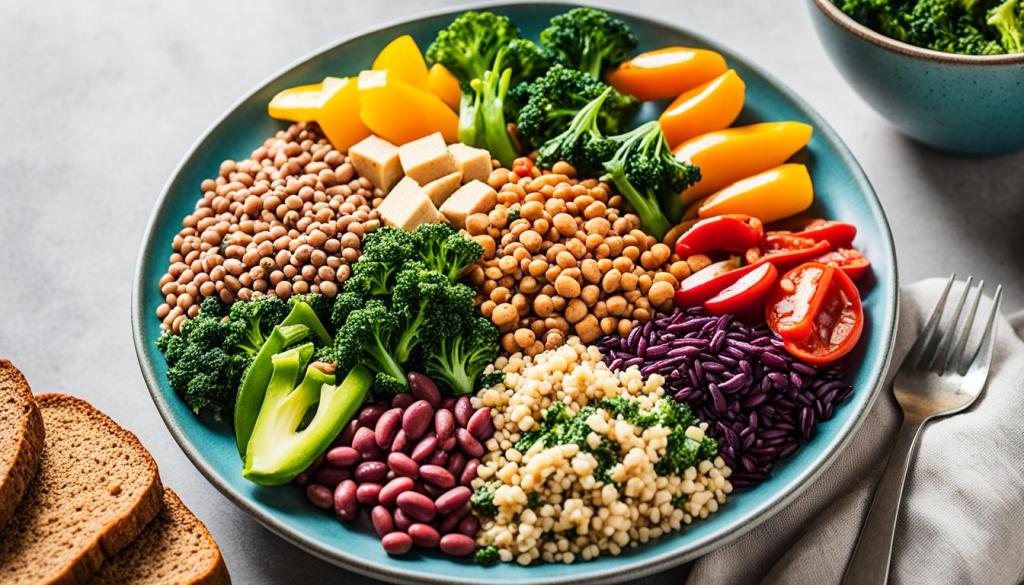
Meeting the recommended protein intake can be achieved through a variety of protein sources, both plant-based and animal-based. It is important to consider a diverse range of options to ensure a balanced diet and provide the necessary nutrients for optimal health.
Plant-based protein sources include foods such as legumes, nuts, seeds, and certain grains. These options are not only rich in protein but also offer additional benefits such as fiber, vitamins, and minerals. Including plant-based protein in your diet can promote heart health, aid in weight management, and contribute to overall well-being.
Animal-based protein sources are also valuable in meeting protein requirements. Lean meats, such as chicken and turkey, are excellent sources of high-quality protein. Poultry, fish, eggs, and dairy products provide essential amino acids and are beneficial for muscle growth and repair. These sources of animal-based protein can be particularly beneficial for individuals who engage in regular physical activity or require higher protein intake for specific health reasons.
Ultimately, the choice between plant-based and animal-based protein sources depends on individual preferences, dietary restrictions, and health goals. Consulting a healthcare professional or dietitian can help determine the appropriate protein intake and guide you in selecting the most suitable protein sources based on your specific needs.
“Including a variety of plant-based and animal-based protein sources in your diet is key to maintaining a well-rounded nutritional profile and ensuring you meet the recommended protein intake.”
Remember, the recommended protein intake may vary depending on factors such as age, gender, physical activity level, and overall health. Therefore, seeking professional guidance can help you personalize your protein intake to achieve optimal health and wellness.
Consulting a healthcare professional or dietitian can help determine the appropriate protein intake for individual needs.
The Risks of Excessive Protein Consumption
Consuming more protein than your body needs can lead to various side effects and potential health risks. Chronic protein overconsumption has been linked to cardiovascular disease, blood vessel disorders, liver and kidney injuries, seizures, and even death.
“Excessive protein intake can have detrimental effects on your cardiovascular system,” explains Dr. Jennifer Smith, a cardiologist at Cardiac Wellness Clinic. “High levels of protein in the blood can lead to the accumulation of plaque in the arteries, increasing the risk of heart attacks and strokes.”
Individuals with certain medical conditions or existing deficiencies may be more susceptible to these risks. For example, individuals with pre-existing cardiovascular disease, kidney or liver issues should be particularly cautious about their protein consumption.
If you experience any unexplained symptoms, such as frequent seizures, it is crucial to consult with your healthcare provider. They will be able to assess whether excessive protein consumption could be contributing to your symptoms and provide appropriate guidance.
In order to protect your health, it is important to be mindful of your protein consumption and ensure it aligns with your individual needs. A balanced diet that includes a variety of protein sources, and consulting with a healthcare professional or registered dietitian, can help you maintain optimal health and prevent potential complications.
Conclusion
It is important to understand the role of protein in our diet and consume it in appropriate amounts to maintain optimal health. While protein is an essential nutrient that plays a crucial role in various bodily functions, excessive protein consumption can lead to potential health risks.
By exceeding the recommended daily intake of protein, there is a risk of dehydration, weight gain, gastrointestinal discomfort, heart disease, and kidney and liver trouble. These health risks can be avoided by maintaining a balanced diet that includes a variety of protein sources.
To ensure you are getting the right amount of protein and maintaining a balanced diet, it is recommended to consult a healthcare professional or dietitian. They can provide personalized guidance based on your individual needs and goals, helping you strike the right balance and mitigate any potential health risks associated with protein consumption.
FAQ
What are the signs that I am eating too much protein?
Signs of eating too much protein can include stinky breath due to ketosis, increased urination, weight gain, and gastrointestinal symptoms such as constipation, nausea, diarrhea, and stomach pain.
What is the recommended daily intake of protein?
The recommended daily intake of protein varies based on factors such as overall health, physical activity level, and age. The current Recommended Dietary Allowance (RDA) is 46 grams for women and 56 grams for men. However, the RDA may vary based on individual fitness and health goals. It is generally advised that protein intake should not exceed 2 grams per kilogram of body weight per day to avoid potential health problems.
How does excessive protein intake affect cardiovascular health?
Plant-based protein sources like legumes, nuts, seeds, fish, and seafood are beneficial for heart health. However, consuming excessive animal-based protein sources like red meat and processed meat can increase the risk of heart disease.
Can consuming too much protein affect kidney and liver health?
Yes, excessive protein intake can pose challenges for individuals with kidney or liver disease. Metabolizing excess protein can be burdensome for these organs and may contribute to kidney or liver disease. Ammonia, a byproduct of protein metabolism, can reach toxic levels in individuals with poor kidney or liver function, leading to potential health consequences.
Can eating too much protein result in weight gain?
Yes, consuming more protein than necessary can contribute to weight gain. Excess protein often means consuming more calories, especially if the protein source is high in saturated fat. Additionally, the body can convert excess protein into sugar, which gets stored as fat over time. It is important to maintain a balanced protein intake while considering overall calorie and nutrient intake for effective weight management.
How does protein intake affect gastrointestinal health?
Consuming a high protein diet, particularly from animal sources, coupled with low fiber intake, can lead to gastrointestinal symptoms such as constipation, nausea, diarrhea, and stomach pain. Certain protein sources, such as meat and whole nuts, can be more challenging for the body to digest, further exacerbating these symptoms.
Is there a relationship between protein intake and mental health?
The relationship between protein intake and mental health is complex. While low-carb, high-protein diets have been associated with an increased risk of depression and anxiety, findings are conflicting. Carbohydrates play a role in serotonin production, and maintaining a balanced intake of all macronutrients may promote positive mental health. Further research is needed to fully understand the impact of protein on mental well-being.
What are some good sources of protein and how much should I consume?
Both plant-based and animal-based protein sources can contribute to meeting the recommended protein intake. Plant-based sources include legumes, nuts, seeds, and certain grains. Animal-based sources include lean meats, poultry, fish, eggs, and dairy products. The appropriate protein intake varies, so it is recommended to consult a healthcare professional or dietitian to determine the specific amount needed for individual needs.
What are the risks of excessive protein consumption?
Consuming more protein than the body needs can lead to various side effects and potential health risks. Chronic protein overconsumption has been linked to cardiovascular disease, blood vessel disorders, liver and kidney injuries, seizures, and even death. Individuals with certain conditions or deficiencies may be more susceptible to these risks. It is important to be mindful of protein consumption and seek medical advice if concerned.
How should I approach protein consumption for overall health?
Protein is an essential nutrient, but it is crucial to consume it in appropriate amounts to avoid potential health risks. The recommended daily intake of protein varies based on individual factors, and exceeding this limit can lead to dehydration, weight gain, gastrointestinal discomfort, heart disease, and kidney and liver trouble. It is essential to maintain a balanced diet that includes a variety of protein sources while considering overall nutrient needs. Consulting a healthcare professional or dietitian can provide personalized guidance.



 trim down and shape up
Leave a comment