


Heart disease is a serious health concern that affects millions of women in the United States. In fact, it is the leading cause of death among women, claiming the lives of more than 300,000 women each year. Despite its prevalence, only about half of women are aware of the risks, signs, and symptoms of heart attacks.
Understanding the warning signs of a heart attack is crucial for early detection and prompt medical intervention. By being informed and educated about these signs, women can take action to protect their heart health and potentially save their lives.
Key Takeaways:
- Heart disease is the leading cause of death among women in the United States.
- More than 300,000 women die from heart disease each year.
- Only about half of women are aware of the risks, signs, and symptoms of heart attacks.
- Knowing the warning signs of a heart attack is crucial for early detection and prompt medical intervention.
- By being informed and educated about these signs, women can take action to protect their heart health.
Heart Attack Warning Signs for Women
Heart disease is the number one killer of women, and it’s crucial to be aware of the warning signs of a heart attack. Recognizing these signs early can potentially save lives. Women may experience different symptoms than men, so it’s essential to be informed.
Some of the warning signs of a heart attack in women include:
- Chest pain: This can vary from a mild discomfort to a severe, crushing pain in the chest. It may come and go or persist for several minutes.
- Shortness of breath: Feeling breathless or unable to catch your breath can be a sign of a heart attack.
- Nausea and vomiting: Some women may experience stomach discomfort, nausea, or vomiting before or during a heart attack.
- Fatigue: Unexplained fatigue or a feeling of extreme tiredness, even with minimal exertion, can be an indication of a heart problem.
- Pain in the jaw or back: Women experiencing a heart attack may feel pain radiating from the chest to the jaw, neck, shoulder, or upper back.
If you experience any of these symptoms, it’s important not to ignore them. Seeking medical attention promptly can make a significant difference in your outcome.
Heart attack warning signs in women may be subtler than those commonly associated with men. It’s crucial to listen to your body and seek medical help if you have any concerns.
To raise awareness further, it is vital to understand the unique symptoms that women may experience during a heart attack.
Heart Disease Risk Factors in Women

When it comes to heart disease, women face unique risk factors that can significantly impact their cardiovascular health. Understanding these risk factors is crucial for women to take proactive steps in protecting their heart health.
One of the primary risk factors for heart disease in women is high blood pressure. Elevated blood pressure can damage the arteries and increase the risk of developing heart-related complications. Additionally, diabetes and high cholesterol are significant risk factors that can contribute to the development of heart disease.
Obesity and inactivity are also key risk factors for heart disease in women. Carrying excess weight and leading a sedentary lifestyle can lead to the accumulation of harmful cholesterol and increase the strain on the heart. Regular physical activity can help manage weight and improve overall heart health.
Furthermore, access to healthcare plays a vital role in managing heart disease risk factors. Regular check-ups, screenings, and consultations with healthcare professionals can help identify and address potential concerns, such as high blood pressure and cholesterol levels, early on.
“Women need to be proactive about their heart health and stay informed about their numbers, such as blood pressure and cholesterol levels. By taking steps to manage these risk factors, they can reduce their risk of developing heart disease.”
By being aware of these risk factors and making positive lifestyle changes, women can reduce their chances of developing heart disease. It is essential for women to prioritize their heart health and take the necessary actions to protect themselves.
Screening for Heart Disease in Women
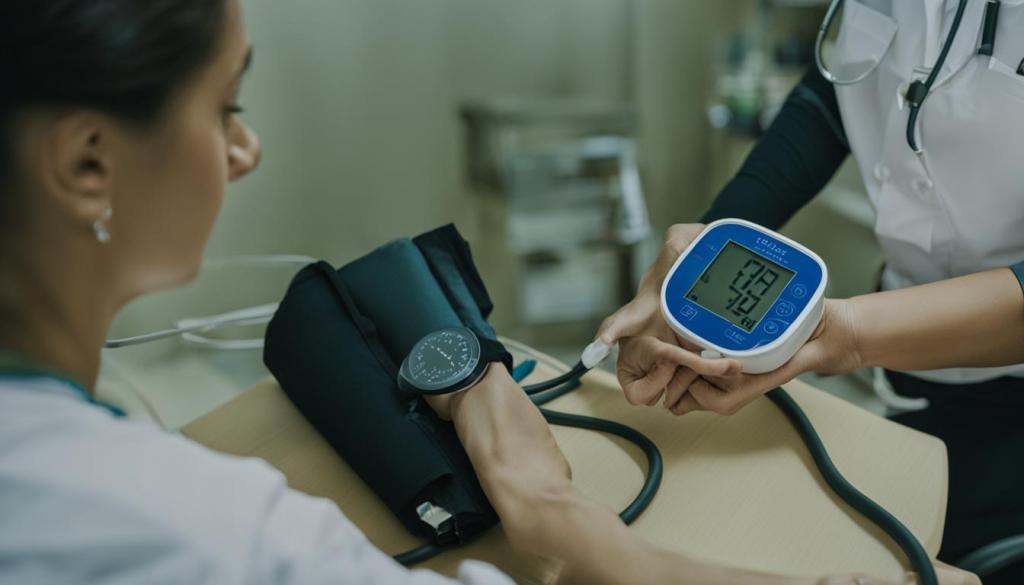
Screening is a vital component in the early detection and prevention of heart disease in women. By being proactive and monitoring your heart health, you can take control of your well-being. Regular check-ups and consultations with healthcare professionals are essential in identifying and managing any potential risks or symptoms of heart disease.
One of the key aspects of screening is knowing your numbers. This includes keeping track of your weight, blood pressure, and cholesterol levels. By monitoring these critical indicators, you can gain valuable insights into your heart health and take appropriate actions if necessary.
During your screening process, your healthcare provider will evaluate your risk factors for heart disease, such as family history, lifestyle habits, and existing medical conditions. Based on this information, they can recommend further tests or interventions that may be necessary to protect your heart health.
“Regular screenings give women the power to detect potential issues early on and make informed decisions about their cardiovascular health,” says Dr. Emily Carter, a cardiologist at HeartCare Clinic.
Remember, prevention is key when it comes to heart disease. By staying vigilant and proactive, you can lower your risk and lead a heart-healthy life. Don’t hesitate to reach out to your healthcare provider for guidance and support throughout your screening process.
Heart Health and Pregnancy

Pregnancy is a beautiful and transformative experience, but it can also put additional stress on the heart. That’s why it’s important for women to prioritize their heart health before embarking on the journey of motherhood. By ensuring good overall health, accessing prenatal care, and staying informed about crucial indicators like weight and blood pressure, women can promote a healthy pregnancy and minimize potential risks.
During pregnancy, changes in hormone levels, increased blood volume, and the growing baby can place strain on the cardiovascular system. Women with preexisting heart conditions or risk factors may face additional challenges. Therefore, it is recommended that women consult with their healthcare provider before getting pregnant to evaluate their heart health and address any concerns.
“Maintaining good heart health before and during pregnancy is crucial to support both the mother’s well-being and the healthy development of the baby,” emphasizes Dr. Jane Thompson, a renowned obstetrician-gynecologist. “Regular prenatal care visits can help identify and manage any potential heart-related problems.”
It’s important for women to have access to quality prenatal care where they can receive regular check-ups, monitor their blood pressure, and discuss any symptoms or concerns with their healthcare provider. Regular monitoring can help detect and address any heart health issues promptly.
Heightened Concerns for Black Women
During pregnancy, Black women face an increased risk of maternal mortality due to social determinants of health and implicit bias in healthcare settings. These disparities highlight the significance of addressing heart health as a crucial aspect of overall prenatal care for Black women, along with addressing systemic issues in healthcare access and quality.
To combat these disparities, Dr. Michelle Johnson, a leading advocate for maternal health equity, emphasizes the importance of a comprehensive approach that includes early and ongoing prenatal care, educational resources, community support, and culturally competent healthcare providers.
By prioritizing heart health before and during pregnancy and addressing the unique needs and challenges faced by different communities, we can strive towards healthier outcomes for all mothers and babies.
Heart Attack Symptoms in Women

When it comes to heart attacks, women may experience symptoms that differ from those typically associated with men. While chest pain is a common symptom, it’s important to know that women may also have other signs and symptoms that are less recognizable but equally significant. Recognizing these symptoms is crucial for early detection and timely medical intervention.
Along with chest pain or discomfort, which may feel like pressure, tightness, or squeezing, women may also experience:
“Neck, jaw, shoulder, or upper back discomfort can be symptoms of a heart attack in women.”
These symptoms may come on suddenly, or they may develop gradually and persist for longer periods. It’s essential not to ignore them and seek medical attention right away. Shortness of breath, a feeling of being unable to catch your breath, is another significant symptom that women may experience during a heart attack.
“If you’re experiencing pain or discomfort in one or both arms, it could be a sign of a heart attack.”
As a woman, it’s crucial to be aware of other symptoms that may indicate a heart attack is occurring. These include nausea or vomiting, sweating, lightheadedness, unusual fatigue, and heartburn. Paying attention to your body and recognizing these symptoms can help you seek medical help promptly and potentially save your life.
When to Seek Medical Help

It’s important for women to seek medical help immediately if they experience symptoms of a heart attack. Women may experience chest pain or discomfort, shortness of breath, or pain in one or both arms, back, neck, jaw, or stomach. Other signs such as breaking out in a cold sweat, nausea, or lightheadedness should not be ignored.
“If you’re experiencing any of these symptoms, don’t wait. Call 911 or seek emergency medical attention right away,” advises Dr. Emily Johnson, a cardiologist specializing in women’s heart health.
Recognizing the signs and acting promptly can make a significant difference in the outcome. Seek immediate medical help if you suspect a heart attack, even if you’re unsure. It’s always better to err on the side of caution.
Heart Disease Prevention in Women

Preventing heart disease in women involves adopting a healthy lifestyle. By taking proactive steps, you can significantly reduce your risk of developing heart disease. Here are some important measures you can incorporate into your daily routine:
1. Quit Smoking
Smoking is a major risk factor for heart disease. Quitting smoking is one of the best things you can do to protect your heart health. Seek support from healthcare professionals, friends, and family to help you on your journey to becoming smoke-free.
2. Maintain a Healthy Weight
Excess weight can strain your heart and increase your risk of heart disease. Aim for a healthy weight by following a balanced diet, rich in fruits, vegetables, whole grains, and lean proteins. Incorporate regular exercise into your routine to help maintain a healthy weight.
3. Eat a Heart-Healthy Diet
A heart-healthy diet can help lower your risk of heart disease. Choose foods that are low in saturated and trans fats, cholesterol, and sodium. Opt for lean proteins, such as fish and poultry, and include plenty of fruits, vegetables, and whole grains in your meals.
4. Get Regular Physical Activity
Regular physical activity is crucial for maintaining heart health. Engage in at least 150 minutes of moderate-intensity aerobic exercise or 75 minutes of vigorous aerobic exercise each week. Incorporate activities you enjoy, such as walking, swimming, or cycling, to make exercise a fun and sustainable part of your routine.
5. Manage Stress
Chronic stress can take a toll on your heart health. Find healthy ways to manage stress, such as practicing relaxation techniques, engaging in hobbies, or seeking support from friends and family. Make self-care a priority and prioritize activities that bring you joy and help you relax.
6. Limit Alcohol Consumption
Excessive alcohol consumption can contribute to heart disease. If you drink alcohol, do so in moderation. For women, this means up to one drink per day. Remember to consult with your healthcare provider about any specific recommendations based on your individual health status.
7. Follow a Treatment Plan
If you have other health conditions such as high blood pressure, high cholesterol, or diabetes, it’s essential to follow your treatment plan. Take prescribed medications as directed, attend regular check-ups, and monitor your health closely. Managing these conditions can help reduce the risk of heart disease.
By incorporating these healthy lifestyle choices into your daily routine, you can take control of your heart health and reduce your risk of heart disease. Remember, your heart health matters, so prioritize making choices that support a healthy heart, starting today.
Exercise and Heart Health in Women
Regular exercise is crucial for maintaining heart health in women. By incorporating physical activity into your daily routine, you can improve your heart health and reduce the risk of heart disease. Aim for at least 150 minutes of moderate-intensity aerobic activity or 75 minutes of vigorous aerobic activity each week. This can include activities like brisk walking, cycling, swimming, or dancing.
Strength training exercises should also be included in your exercise regimen. These exercises help build muscle and improve overall strength. Consider using weights, resistance bands, or bodyweight exercises to target different muscle groups.
Not only does exercise benefit your heart, but it also supports weight management, boosts mood, and reduces stress. Finding activities you enjoy can make it easier to stick to your exercise routine. Whether it’s taking a dance class, joining a sports team, or simply going for a walk with a friend, find what works best for you.
Remember, even small changes can make a big difference. Try incorporating physical activity into your daily life by taking the stairs instead of the elevator, parking farther away from your destination, or going for a walk during your lunch break.
“Exercise is not only good for your heart, but it also helps to maintain a healthy weight, improve your mood, and reduce stress. Make physical activity a priority in your life and reap the benefits for your heart health.”
Treatment for Heart Disease in Women
When it comes to treating heart disease in women, the approaches are similar to those for men. The primary goal is to manage symptoms, reduce the risk of complications, and improve overall heart health. The treatment options for women with heart disease can include:
1. Medications: Medications play a crucial role in managing heart disease in women. They may be prescribed to control blood pressure, cholesterol levels, and blood clotting, as well as manage symptoms such as chest pain and heart rhythm irregularities.
2. Angioplasty and Stenting: Angioplasty is a minimally invasive procedure that involves the use of a balloon to open up narrowed or blocked arteries. Stenting is often performed during angioplasty to keep the artery open and improve blood flow.
3. Coronary Bypass Surgery: In more severe cases of heart disease, coronary bypass surgery may be recommended. This procedure involves creating a new pathway using a blood vessel graft to bypass blocked or narrowed coronary arteries, allowing blood to flow to the heart muscle more easily.
It’s important to note that there may be some differences in treatment approaches for women compared to men. For example, women may be less likely to be prescribed aspirin and statins, which are commonly used medications for heart disease. This can be attributed to factors such as hormonal differences and variations in the presentation of heart disease in women.
“The treatment for heart disease in women is similar to that for men and can include medications, angioplasty and stenting, or coronary bypass surgery. However, there may be some differences in treatment approaches.”
Additionally, women may have less obstructive disease or smaller arteries with more small vessel disease, which can influence the choice of treatment options. It’s important for women to work closely with their healthcare providers to ensure an individualized treatment plan that addresses their unique needs and medical history.
By seeking appropriate treatment and following medical advice, women can effectively manage their heart disease and improve their quality of life. Remember, early detection, timely intervention, and ongoing care are key in promoting heart health and reducing the risks associated with heart disease.
Conclusion
Recognizing the signs of a heart attack and taking steps to prevent heart disease are crucial for women’s health. It’s important for women to be aware of the symptoms of a heart attack, seek medical help promptly, and take proactive measures to maintain heart health. By adopting a healthy lifestyle and following medical advice, women can reduce their risk of heart disease and improve their overall well-being.
Heart disease remains the leading cause of death among women in the United States, claiming the lives of over 300,000 women every year. Many women may not be aware of the risks and symptoms associated with heart attacks, making it even more vital to raise awareness about women’s heart health.
Understanding the specific signs of a heart attack in women, such as atypical symptoms like nausea, vomiting, fatigue, and pain in the jaw or back, can help women recognize the warning signs and seek medical attention promptly. By doing so, they can receive timely treatment and potentially save their lives.
In addition to recognizing the signs of a heart attack, women should also prioritize heart disease prevention. This includes adopting a healthy lifestyle, managing risk factors like high blood pressure, diabetes, and obesity, and staying proactive about regular screenings and check-ups. By taking control of their heart health, women can reduce their risk of heart disease and lead healthier, more fulfilling lives.
FAQ
What are the signs of a heart attack in women?
Signs of a heart attack in women can include chest pain, shortness of breath, nausea, vomiting, fatigue, and pain in the jaw or back. Women may also experience discomfort in the neck, shoulder, or upper back, pain in one or both arms, sweating, lightheadedness, unusual fatigue, and heartburn.
What are the warning signs of a heart attack in women?
The warning signs of a heart attack in women can include chest pain or discomfort, shortness of breath with or without chest discomfort, pain or discomfort in one or both arms, the back, neck, jaw, or stomach. Other signs can include breaking out in a cold sweat, nausea, or lightheadedness.
What are the risk factors for heart disease in women?
Risk factors for heart disease in women include high blood pressure, diabetes, high cholesterol, obesity, and inactivity. Access to healthcare is also an important factor. It’s important for women to be proactive about their heart health and know their numbers, such as blood pressure and cholesterol levels.
Why is screening for heart disease important in women?
Screening for heart disease is important for early detection and prevention. Women should know their numbers, such as weight, blood pressure, and cholesterol levels, to monitor their heart health. Regular check-ups and consultations with healthcare professionals can help identify and manage any potential risks or symptoms of heart disease.
How does pregnancy affect heart health in women?
Pregnancy can put stress on the heart, so it’s important for women to have good overall health before becoming pregnant. Access to prenatal care and knowing your numbers, such as weight and blood pressure, are crucial. There are also heightened concerns for Black women, who face an increased mortality rate during pregnancy due to social determinants of health and implicit bias.
What are the symptoms of a heart attack in women?
Symptoms of a heart attack in women can include chest pain, shortness of breath, nausea, vomiting, fatigue, pain in the jaw or back, neck, shoulder, or upper back discomfort, pain in one or both arms, sweating, lightheadedness, unusual fatigue, and heartburn.
When should women seek medical help for heart attack symptoms?
Women should seek medical help immediately if they experience symptoms of a heart attack. These symptoms include chest pain or discomfort, shortness of breath with or without chest discomfort, pain or discomfort in one or both arms, the back, neck, jaw, or stomach, and other signs such as breaking out in a cold sweat, nausea, or lightheadedness.
How can women prevent heart disease?
Preventing heart disease in women involves adopting a healthy lifestyle. This includes quitting smoking, maintaining a healthy weight, eating a heart-healthy diet, getting regular physical activity, managing stress, limiting alcohol consumption, and following a treatment plan for other health conditions such as high blood pressure, high cholesterol, and diabetes.
How does exercise contribute to heart health in women?
Regular exercise is important for maintaining heart health in women. Women should aim for at least 150 minutes of moderate-intensity aerobic activity or 75 minutes of vigorous aerobic activity each week. Strength training exercises should also be included. Incorporating physical activity into daily routines, such as taking the stairs instead of the elevator, can also help improve heart health.
How is heart disease treated in women?
The treatment for heart disease in women is similar to that for men and can include medications, angioplasty and stenting, or coronary bypass surgery. However, there may be some differences in treatment approaches. For example, women may be less likely to be treated with aspirin and statins, and they may have less obstructive disease or smaller arteries with more small vessel disease.


 trim down and shape up
Leave a comment