


If you experience joint pain, you are not alone. According to findings from the University of Michigan National Poll on Healthy Aging, published last year, about 70 percent of people over 50 experience joint pain at least occasionally.
Joint pain can significantly impact daily life, making it important to find ways to protect your joints and reduce strain. By incorporating healthy lifestyle habits, you can promote joint health and prevent or alleviate joint pain.

Key Takeaways:
- Maintaining a healthy weight is crucial for joint health.
- Regular exercise helps strengthen the muscles surrounding the joints.
- Eating a balanced diet provides essential nutrients for joint health.
- Good posture reduces stress on the joints.
- Staying hydrated supports overall joint health.
- Avoiding overuse of joints helps prevent strain and injury.
Ditch the High Heels: Negative Impact on Joint Health
Did you know that those fashionable high heels you love to wear can actually be detrimental to your joint health?
High heels, especially those with tall and narrow heels, can significantly increase stress on your feet and knees. This excessive strain can have long-term effects on joint health and may even lead to joint degeneration, putting you at a higher risk of developing osteoarthritis.

“High heels alter the alignment of your body, forcing your feet into an unnatural position and causing your weight to shift forward. This places excessive pressure on your foot and knee joints, leading to joint pain and potential damage over time.”
– Dr. Sarah Johnson, Podiatrist
If you’re concerned about your joint health, it’s wise to consider swapping those high heels for shoes with lower heels or flats. By choosing footwear that provides better support and stability, you can help minimize the strain on your joints and protect their long-term health.
Opting for shoes with a lower heel height can distribute the body’s weight more evenly across the feet and knees, reducing the risk of joint stress and potential damage. Additionally, shoes with cushioning and proper arch support can further alleviate pressure on the joints and provide greater comfort throughout the day.
Note that it’s not necessary to completely eliminate high heels from your wardrobe. However, it’s important to wear them in moderation and prioritize joint-friendly options for daily use. Reserve high heels for special occasions and prioritize your joint health on a day-to-day basis.
Remember, the health of your joints is crucial for your overall well-being and mobility. By making simple switches in your footwear choices, you can take proactive steps towards maintaining better joint health and reducing the risk of future joint complications.
Incorporate Joint-Friendly Foods into Your Diet
Certain foods can play a crucial role in supporting joint health and reducing the risk of cartilage destruction and bone loss. By including joint-friendly foods in your diet, you can provide your body with the essential nutrients it needs to maintain healthy joints and prevent further damage.
“When it comes to joint health, calcium-rich foods are particularly important,” says Dr. Jane Roberts, a renowned nutritionist. “Calcium is a key mineral for maintaining strong and healthy joints, as it supports cartilage health and helps prevent bone loss.”
To boost your calcium intake, consider incorporating the following vegetables into your meals:
- Romaine lettuce
- Broccoli
- Spinach
- Kale
- Parsley
“These vegetables not only provide high levels of calcium, but they are also rich in other essential nutrients that promote joint health,” advises Dr. Roberts. “They are packed with antioxidants, vitamins, and minerals that support overall bone and joint health.”

In addition to calcium-rich vegetables, foods containing omega-3 fatty acids can also benefit joint health. According to Dr. Roberts, “Omega-3 fatty acids have anti-inflammatory properties, which can help reduce inflammation in the joints and alleviate joint pain.”
Include the following foods in your diet to boost your omega-3 fatty acid intake:
- Salmon
- Walnuts
- Almonds
- Chia seeds
By consuming a balanced diet that includes these joint-friendly foods, you can provide your body with the necessary nutrients to support cartilage health, reduce inflammation, and prevent bone loss. Remember to consult with a healthcare professional or registered dietitian for personalized dietary recommendations that cater to your specific needs and health conditions.
Alternate Between Sitting and Standing: Reduce Joint Stiffness
Sitting or standing for long periods can contribute to joint stiffness, causing discomfort and reduced flexibility. To prevent stiffness and strain, it’s important to alternate between sitting and standing throughout the day. By incorporating simple stretches into your routine, you can keep your joints flexible and minimize the negative effects of prolonged sitting or standing.
If your job requires you to sit for extended periods, it’s recommended to take short breaks every 30 minutes to stand up and perform some simple stretches. This helps relieve tension in your joints and promotes better blood circulation. Stretching regularly not only reduces joint stiffness but also improves overall joint health.
Performing simple stretches can be an effective way to alleviate joint stiffness and maintain joint flexibility. Here are a few examples:
- Neck Rotation: Gently tilt your head to one side, and then slowly rotate it in a circular motion. Repeat in the opposite direction.
- Shoulder Rolls: Roll your shoulders forward and backward in a circular motion, focusing on loosening any tension or stiffness in your shoulder joints.
- Hamstring Stretch: Extend one leg forward while sitting and gently lean forward, reaching towards your toes. Hold the stretch for 30 seconds and then switch legs.
- Wrist and Finger Stretches: Extend your arm forward and, using your other hand, gently pull your fingers back until you feel a stretch in your wrist and forearm. Hold for 15 seconds and repeat on the other side.
These simple stretches can be done discreetly at your desk or in a designated stretching area. Remember to perform each stretch slowly and with controlled movements, as sudden jerks can potentially cause further strain on your joints.
By incorporating simple stretches and alternating between sitting and standing, you can effectively reduce joint stiffness and promote better joint health. Regular movement and stretching are vital for maintaining joint flexibility and preventing discomfort.
The Importance of Weight Management: Alleviating Joint Stress
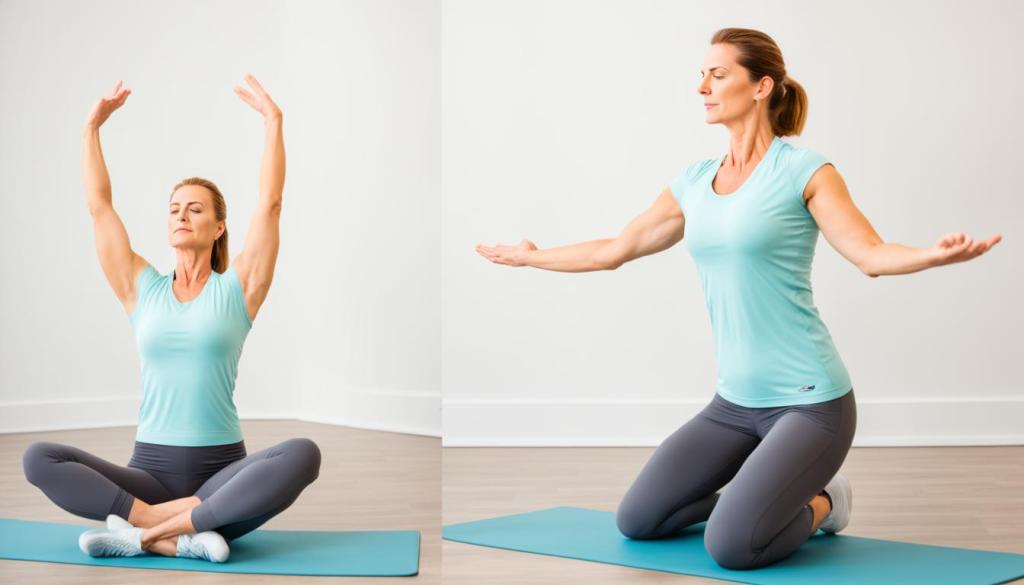
Maintaining a healthy weight is crucial for joint health, especially in the knees. Excess weight puts added stress on the joints, increasing the risk of joint damage and osteoarthritis. Losing even a small amount of weight can significantly reduce joint stress and improve knee health. Research has shown that losing as little as 11 pounds can reduce the risk of knee osteoarthritis by 50%.
By incorporating regular exercise and adopting a balanced diet, you can successfully manage your weight and alleviate joint stress. Regular physical activity helps burn calories, strengthen muscles, and improve flexibility, all of which contribute to reducing joint stress and maintaining healthy joints. A combination of cardiovascular exercises, such as walking or cycling, and strength training exercises, like weightlifting or resistance training, can help you achieve your weight management goals while supporting joint health.
In addition to exercise, paying attention to your diet is essential for weight management and joint health. Maintaining a balanced diet that includes a variety of nutrients can help you maintain a healthy weight and reduce the strain on your joints. Opt for a diet rich in fruits, vegetables, whole grains, lean proteins, and healthy fats. Avoid excessive consumption of processed foods, sugary snacks, and drinks, as these can contribute to weight gain and inflammation.

Remember, successful weight management not only benefits your overall health and well-being but also plays a key role in promoting joint health and reducing the risk of joint pain and osteoarthritis. By taking steps towards maintaining a healthy weight through regular exercise and a balanced diet, you can alleviate joint stress and ensure optimal knee health.
Aquatic Exercises for Joint Health: Low-Impact and High-Benefit
When it comes to maintaining joint health, aquatic exercises can be a game-changer. Not only are these exercises enjoyable, but they also offer numerous benefits for your joints. Whether you’re a seasoned swimmer or just starting out, aquatic exercises can help you improve your flexibility, enhance your range of motion, and provide essential joint support.
One of the key advantages of aquatic exercises is the low-impact nature of working out in water. The buoyancy of water reduces the stress on your joints, making it a perfect exercise option for individuals with joint pain or conditions like arthritis. The water’s resistance also provides gentle strengthening opportunities for your muscles, reinforcing the stability of your joints.
Swimming, in particular, is an excellent aquatic exercise that engages your entire body. It targets multiple muscle groups, including those surrounding your joints, leading to improved joint function and stability. Through regular swimming sessions, you can work on your flexibility, enabling better joint mobility and reducing stiffness.
“Aquatic exercises are highly recommended for individuals with joint pain or limited range of motion. The water’s buoyancy supports the body, minimizing stress on the joints and facilitating movement,” says Dr. Emily Smith, a renowned physical therapist.
Additionally, aquatic exercises provide a refreshing way to alleviate joint discomfort. By immersing yourself in water, you can experience soothing relief as the water’s pressure helps reduce inflammation. The hydrostatic pressure exerted by the water also promotes circulation, aiding in the reduction of swelling and enhancing joint recovery.
“The hydrostatic pressure of water during aquatic exercises contributes to joint support and pain relief. It helps to reduce swelling and promotes healing,” explains Dr. Michael Johnson, a leading orthopedic specialist.
With the benefits ranging from improved flexibility and range of motion to joint support and pain relief, aquatic exercises have become a popular choice for individuals seeking to promote overall joint health. So, whether you’re swimming laps or participating in a water aerobics class, take advantage of the natural properties of water to keep your joints healthy and happy.

Proper Warm-Up and Cool-Down: Preparing and Protecting Joints
Prior to engaging in any physical activity or exercise routine, it is crucial to prioritize warm-up and cool-down exercises to properly prepare and protect your joints. Incorporating these practices into your fitness regimen can help prevent exercise-related joint pain and reduce the risk of injury.
When you warm up before exercise, you allow your muscles and joints to gradually increase in temperature and flexibility, preparing them for the upcoming physical exertion. This helps improve joint safety and reduces the likelihood of strains or sprains.
Start your warm-up with gentle cardiovascular exercises, such as brisk walking or light jogging, to increase blood flow and elevate your heart rate. Following this, perform dynamic stretches that target the major muscle groups involved in your main activity. (emphasis on muscle and joint preparation) Examples of dynamic stretches include leg swings, arm circles, and hip rotations.
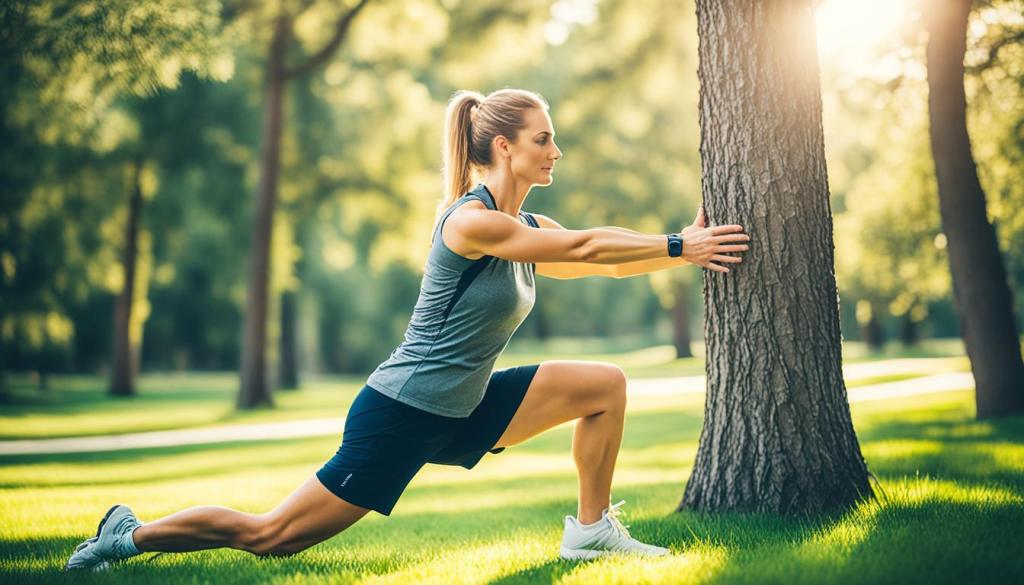
By gradually increasing the intensity of your warm-up exercises, you allow your body to adapt to the demands of the forthcoming activity. This not only helps prevent joint injuries but also enhances performance by promoting optimal muscle activation and movement efficiency.
After completing your workout or physical activity, it is equally important to cool down properly. Cooling down allows your body to gradually transition from a state of exertion to a state of rest, promoting muscle recovery and reducing post-exercise discomfort.
During your cool-down, focus on performing static stretches, holding each stretch for 20-30 seconds. This helps improve flexibility and prevents muscle tightness. It is recommended to stretch the major muscle groups that were targeted during your workout, paying specific attention to the muscles surrounding your joints.
Additionally, incorporating light cardiovascular exercises, such as leisurely walking, into your cool-down routine can help gradually lower your heart rate and remove any accumulated lactic acid from your muscles, further aiding in the recovery process.
Ensuring a proper warm-up and cool-down routine is an essential component of joint health and overall exercise safety. By taking the time to prepare and protect your joints through appropriate warm-up exercises and cooling down afterward, you can enhance your fitness journey and minimize the risk of exercise-related joint pain or injury.
Joint Protection Techniques: Reduce Strain and Overuse
Taking steps to protect your joints is essential for reducing strain and preventing overuse injuries. By implementing proper lifting techniques, engaging larger muscle groups, and choosing joint-friendly shoes, you can minimize stress on your joints and maintain their health.

“Proper lifting techniques are crucial for joint protection,” says Dr. Emily Johnson, an orthopedic specialist. “When lifting or carrying heavy objects, it’s important to distribute the load evenly by using larger muscle groups.”
When lifting, remember to hold items close to your body, using your palms or arms instead of just your hands. This technique helps to alleviate stress on your joints and decrease the risk of injury. By distributing the load effectively, you can prevent excessive strain on any one joint.
Avoiding overuse is equally important in joint protection. Activities that involve significant impact or repetitive jumping, such as running or high-intensity workouts, can put excessive stress on your joints. Choosing joint-friendly shoes with good support and cushioning can help absorb the impact and minimize strain.
“Wearing joint-friendly shoes is crucial for reducing joint stress during physical activities,” advises Dr. Michael Davis, a sports medicine specialist. “Look for shoes with ample cushioning, shock absorption, and stability.”
By following these joint protection techniques, you can reduce strain and overuse on your joints, promoting their longevity and preventing injuries. Remember, taking care of your joints today can have a significant impact on your overall joint health in the long run.
Conclusion
Maintaining joint health and finding relief from joint pain are crucial for your overall well-being. By adopting healthy lifestyle habits, you can significantly improve joint health and enhance your quality of life. Start by maintaining a healthy weight through regular exercise and a balanced diet. This will reduce the strain on your joints and prevent joint pain.
Ensuring good posture and staying hydrated are also important factors in joint health maintenance. Proper posture helps distribute the weight evenly across your joints, reducing the risk of strain and discomfort. Staying hydrated keeps your joints lubricated and helps maintain their flexibility.
Additionally, it’s essential to avoid overuse of your joints and prioritize joint protection techniques. By using proper lifting techniques and employing joint-supporting devices when necessary, you can prevent unnecessary strain and reduce the risk of injury.
By incorporating these healthy lifestyle habits into your daily routine, you can alleviate joint pain, promote joint health maintenance, and enjoy a more active and pain-free life.
FAQ
How can I avoid joint pain?
To avoid joint pain, you can maintain a healthy weight, exercise regularly, follow a balanced diet, practice good posture, stay hydrated, and avoid overuse.
Do high heels affect joint health?
Yes, wearing high heels can have detrimental effects on joint health, particularly in the feet and knees. High heels increase stress on the joints, potentially leading to joint degeneration and an increased risk of osteoarthritis.
What foods can support joint health?
Foods rich in calcium, such as romaine lettuce, broccoli, spinach, kale, and parsley, can support joint health. Additionally, including foods high in omega-3 fatty acids, like salmon and certain nuts, can help reduce inflammation in the joints.
How can I reduce joint stiffness from sitting or standing for long periods?
To reduce joint stiffness, it is recommended to alternate between sitting and standing throughout the day. Taking short breaks every 30 minutes to stand up and perform simple stretches can also help keep your joints flexible.
Why is weight management important for joint health?
Excess weight puts added stress on the joints, especially the knees, increasing the risk of joint damage and osteoarthritis. Losing weight, even a small amount, can significantly reduce joint stress and improve knee health.
Are aquatic exercises beneficial for joint health?
Yes, aquatic exercises, such as swimming, can be highly beneficial for joint health. Water provides resistance and buoyancy, reducing the impact on joints and supporting them while exercising. These low-impact exercises help maintain flexibility, improve range of motion, and strengthen the muscles surrounding the joints.
Why is warming up and cooling down important for joint health?
Warming up before exercise allows the muscles and joints to prepare, reducing the risk of injury. Cooling down after exercise promotes muscle recovery and allows the body to gradually return to a resting state. Both practices are essential for joint health and preventing exercise-related joint pain.
How can I protect my joints during physical activity?
To protect your joints during physical activity, use proper lifting techniques and engage larger muscle groups to distribute the load. Holding items close to the body and using the palms or arms instead of the hands can alleviate stress on the joints. Choosing joint-friendly shoes with good support and cushioning can also help reduce strain on the joints.
What are some healthy lifestyle habits for joint health?
Maintaining a healthy weight, exercising regularly, following a balanced diet, practicing good posture, staying hydrated, and avoiding overuse are all important healthy lifestyle habits for joint health. Prioritizing joint protection techniques, such as proper lifting and using joint-supporting devices when necessary, is also beneficial.



 trim down and shape up
Leave a comment