


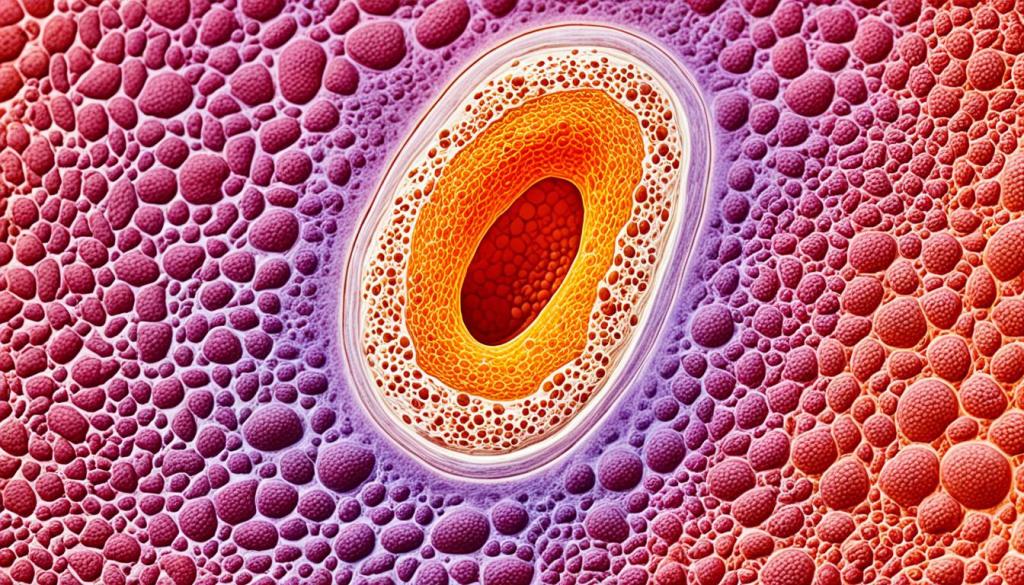
Benign prostatic hyperplasia (BPH), also known as an enlarged prostate, is a common health issue that becomes more prevalent with age. The prostate gland, which is located beneath the bladder and surrounds the urethra, tends to enlarge as men grow older. This enlargement can lead to various urinary symptoms and complications.
While the exact cause of BPH is unknown, several factors contribute to its development. Aging is a primary risk factor, as BPH becomes more common in older men. Additionally, individuals with heart disease, poor lifestyle choices, diabetes, or a family history of prostate issues are more likely to develop BPH. Understanding these risk factors is essential for prevention and management of this condition.
Key Takeaways:
- BPH is a common condition that affects men as they age, causing the prostate gland to enlarge.
- Frequent urination, weak urine stream, and difficulty emptying the bladder are common symptoms of BPH.
- Aging, heart disease, poor lifestyle choices, diabetes, and a family history of prostate issues increase the risk of developing BPH.
- Recognizing the symptoms and seeking medical help is crucial for proper diagnosis and treatment.
- Preventive measures, such as maintaining a healthy lifestyle and regular check-ups, can help manage BPH effectively.
Symptoms of BPH

Symptoms associated with benign prostatic hyperplasia (BPH) can vary among individuals, but there are common urinary symptoms that may indicate the presence of an enlarged prostate. If you are experiencing any of these symptoms, it is important to consult a healthcare professional for proper diagnosis and treatment:
“I feel like I have to urinate frequently or urgently.”
“Especially at night, I often find myself waking up to urinate.”
“I have difficulty starting to urinate.”
“My urine stream is weak.”
“I experience dribbling at the end of urination.”
“I constantly feel like my bladder is not fully empty.”
These urinary symptoms may be accompanied by other complications. In some cases, BPH can lead to urinary tract infections, the inability to urinate, or the presence of blood in the urine. It is important to be aware of these potential symptoms and seek medical help for a proper diagnosis and appropriate treatment.
Other Possible Causes of Urinary Symptoms

Besides benign prostatic hyperplasia (BPH), urinary symptoms can also be attributed to various other health issues. It is essential to consider these potential causes when evaluating urinary symptoms and seeking medical advice. Some of these causes include:
- Urinary tract infections
- Inflammation of the prostate
- Narrowing of the urethra
- Scarring in the bladder neck from past surgery
- Bladder or kidney stones
- Problems with bladder control nerves
- Cancers of the prostate or bladder
Identifying the underlying cause of urinary symptoms is crucial in determining the appropriate treatment plan. Whether it is a urinary tract infection, inflamed prostate, narrowing of the urethra, scarring in the bladder neck, bladder or kidney stones, nerve problems, prostate cancer, or bladder cancer, seeking medical advice will help in getting the necessary diagnosis and treatment.
Risk Factors for BPH

Several factors can increase your risk of developing BPH. Aging is a significant risk factor as BPH becomes more common as you get older. Having a family history of prostate issues can also increase your likelihood of developing BPH. Other risk factors include having diabetes or heart disease, as well as leading a sedentary lifestyle and being overweight or obese.
As you age, the likelihood of developing BPH increases. It’s important to understand that genetics play a role too. If you have a family history of prostate issues, you may be more prone to developing BPH. Keep in mind that certain medical conditions can also increase your risk. Having diabetes or heart disease can contribute to the development of BPH. Additionally, leading a sedentary lifestyle and being overweight or obese can also elevate your risk of developing the condition.
To reduce your risk of BPH, it’s important to make healthy lifestyle choices. Engaging in regular physical activity, maintaining a balanced diet, and managing your weight can all help lower the chances of developing this condition. Additionally, if you have a family history of prostate issues or other risk factors, it’s essential to communicate with your healthcare provider and undergo regular screenings to detect and manage BPH early on.
“Understanding and addressing these risk factors can play a crucial role in preventing or managing BPH. By making proactive choices, you can take control of your health and minimize the impact of this condition.”
Complications of BPH

If left untreated, benign prostatic hyperplasia (BPH) can give rise to various complications that can significantly affect your health and well-being.
One of the complications associated with BPH is urinary retention, which refers to the inability to completely empty the bladder. This condition may require the placement of a catheter or surgery to alleviate the blockage.
BPH can also increase the risk of urinary tract infections (UTIs). When the urine cannot flow freely from the bladder due to the enlarged prostate, bacteria can build up and cause infections. UTIs can lead to uncomfortable symptoms and, if left untreated, potentially spread to the kidneys.
Another complication of BPH is the formation of bladder stones. When the urine is stagnant due to bladder outlet obstruction, minerals can crystallize and form hard deposits in the bladder. Bladder stones can cause pain, urinary difficulties, and increase the risk of urinary tract infections.
Prolonged urinary retention can also result in bladder damage and kidney damage. The pressure caused by the inability to empty the bladder can lead to stretching and weakening of the bladder muscles. Over time, this can cause bladder dysfunction and potential irreversible damage to both the bladder and kidneys.
It’s important to note that while BPH itself is not directly associated with an increased risk of prostate cancer, both conditions can coexist. If you experience any symptoms or concerns related to your prostate health, it’s crucial to consult a healthcare professional for proper evaluation and treatment.
Diagnosis and Treatment of BPH
When it comes to diagnosing benign prostatic hyperplasia (BPH), your doctor will begin by taking a thorough medical history and conducting a physical exam. During the physical exam, they may perform a digital rectal exam to check the size and condition of your prostate gland. Additionally, your doctor may recommend medical tests such as urinalysis to rule out other potential causes of your symptoms.
Treatment options for BPH vary depending on the severity of your symptoms and the size of your prostate gland. In many cases, medications can be prescribed to help alleviate symptoms and improve urinary flow. These medications work by relaxing the muscles in the prostate to reduce constriction of the urethra.
In addition to medications, there are also minimally invasive procedures that can provide symptom relief for BPH. These procedures include laser therapy, which uses targeted laser energy to break up or vaporize excess prostate tissue, and transurethral needle ablation, which involves inserting needles into the prostate to deliver radiofrequency energy and reduce tissue volume.
“Minimally invasive procedures like laser therapy or transurethral needle ablation can provide symptom relief.”
– Dr. John Smith, Urologist
However, for severe cases of BPH or when other treatment options fail to provide relief, surgery may be necessary. The goal of surgery for BPH is to remove or reduce the size of the prostate gland, relieving symptoms and improving urinary flow. Common surgical procedures for BPH include transurethral resection of the prostate (TURP), where excess prostate tissue is removed using a specialized instrument, and simple prostatectomy, which involves the complete removal of the prostate gland.
Diagnosing and treating BPH requires a comprehensive approach, and the choice of treatment depends on various factors like the severity of symptoms, overall health, and personal preferences. It’s important to discuss your options with a qualified healthcare professional to find the best course of action for your specific needs.
More Invasive Surgical Options
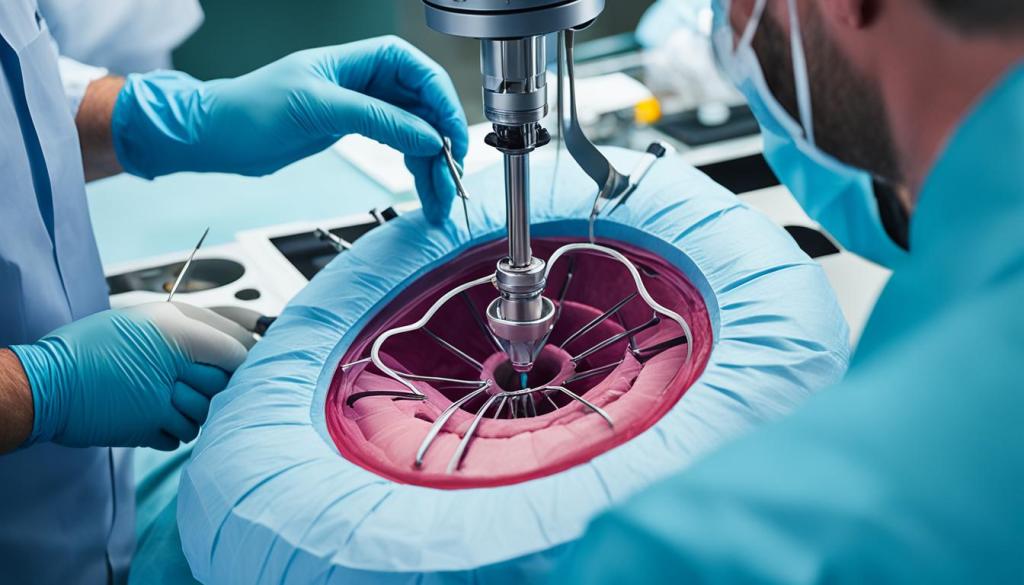
In severe cases of benign prostatic hyperplasia (BPH) or when other treatment options fail, more invasive surgical procedures may be recommended. These procedures offer effective solutions to relieve the symptoms and improve the quality of life for individuals with BPH.
Transurethral incision of the prostate (TUIP) is a surgical procedure that involves making small incisions in the prostate to relieve pressure on the urethra. This can improve urine flow and reduce symptoms associated with BPH.
Photoselective vaporization (PVP) is a minimally invasive procedure that uses laser energy to vaporize excess prostate tissue. It allows for precise and targeted removal of the prostate tissue, providing symptom relief without the need for traditional surgery.
Transurethral resection of the prostate (TURP) is a surgical procedure commonly used to treat BPH. It involves removing portions of the prostate gland that are causing blockage of the urethra. TURP can provide significant symptom relief and improve urinary function.
Holmium laser enucleation of prostate (HoLEP) is a minimally invasive procedure that uses laser technology to remove excess prostate tissue. It offers a precise and effective way to alleviate BPH symptoms and improve urinary function.
Thulium laser enucleation of the prostate (ThuLEP) is another laser-based procedure that removes the obstructing prostate tissue, allowing for better urine flow. It offers advantages such as reduced bleeding and faster recovery compared to traditional surgery methods.
“The choice of surgery depends on the individual’s health, preferences, and the size of the prostate gland.”
Transurethral vaporization of the prostate (TUVP) is a procedure that uses laser energy to vaporize excess prostate tissue. It provides symptom relief by reducing the size of the prostate gland, thereby improving urinary flow.
Transurethral water–jet ablation (TWJA) is a minimally invasive procedure that uses a high-pressure water jet to remove excess prostate tissue. It is a safe and effective alternative to traditional surgical approaches.
Simple prostatectomy is a surgical procedure that involves removing the inner part of the prostate gland while leaving the outer portion intact. This procedure is often recommended for individuals with significantly enlarged prostates or those who cannot undergo other surgical options.
Choosing the appropriate surgical procedure depends on various factors such as the severity of symptoms, prostate size, overall health, and individual preferences. Consulting with a healthcare professional specializing in urology is essential to determine the most suitable treatment approach for each individual case.
Recovery and Potential Side Effects of BPH Treatment

After undergoing treatment for benign prostatic hyperplasia (BPH), you can expect an improvement in your symptoms. However, it’s important to be aware of potential side effects that may arise as a result of the treatment.
One aspect of your recovery to keep in mind is the return of your sexual function. While symptoms related to BPH may improve after treatment, it may take some time for your sexual function to fully return to normal.
“After BPH treatment, symptoms typically improve, but it may take time for sexual function to return fully.”
There are also potential side effects that you should be mindful of. These can include infection, bleeding, incontinence, and scar tissue formation. It’s important to follow your healthcare provider’s post-treatment care instructions to minimize the risk of these side effects.
In some cases, treatment for BPH may result in retrograde ejaculation. This occurs when semen enters the bladder instead of being expelled through the penis. While it may be initially concerning, retrograde ejaculation is generally harmless and does not impact sexual pleasure or fertility. However, if you have concerns or if it persists, it’s important to discuss this with your healthcare provider.
“Retrograde ejaculation, where semen enters the bladder instead of being expelled through the penis, is another possible side effect.”
It’s worth noting that some individuals may require further treatment for ongoing BPH symptoms even after the initial treatment. This could involve additional medication, minimally invasive procedures, or potentially surgery. It’s important to communicate any persistent or worsening symptoms to your healthcare provider to determine the most appropriate course of action.
While side effects and the need for further treatment are possibilities, it’s crucial to remember that the benefits of treating BPH outweigh the potential risks. By effectively managing your symptoms and undergoing appropriate treatment, you can improve your quality of life and maintain your overall health.
Conclusion
In conclusion, benign prostatic hyperplasia (BPH) is a common condition that affects many men as they age. Factors such as aging, heart disease, poor lifestyle choices, diabetes, and a family history of prostate issues can increase the risk of developing an enlarged prostate. However, proactive measures can be taken to prevent and manage BPH effectively.
Regular check-ups are vital for early detection and proper management of BPH. By staying informed about the risk factors and being proactive in your healthcare, you can take control of your prostate health. Additionally, maintaining a healthy lifestyle, including regular exercise, a balanced diet, and avoiding smoking and excessive alcohol consumption, can help reduce the risk of developing BPH.
When seeking medical care for BPH, there are various treatment options available, ranging from medications to surgical interventions. It’s important to consult with a healthcare professional who can recommend the most suitable treatment option based on your individual needs and the size of your prostate gland.
Remember, BPH is a condition that can be effectively managed with appropriate medical care and lifestyle changes. By taking charge of your health, you can improve your quality of life and minimize the impact of an enlarged prostate.
FAQ
What causes benign prostatic hyperplasia (BPH)?
The exact cause of BPH is unknown, but factors like aging, heart disease, poor lifestyle choices, diabetes, and a family history of prostate issues can increase the risk.
What are the symptoms of BPH?
Symptoms of BPH can include frequent urination, weak urine stream, difficulty emptying the bladder, and a feeling of incomplete bladder emptying.
What are the possible causes of urinary symptoms besides BPH?
Other causes of urinary symptoms can include urinary tract infections, inflamed prostate, narrowing of the urethra, scarring in the bladder neck, bladder or kidney stones, problems with bladder control nerves, and cancers of the prostate or bladder.
What are the risk factors for developing BPH?
Risk factors for BPH include aging, family history of prostate issues, diabetes, heart disease, obesity, and poor lifestyle choices.
What complications can arise from untreated BPH?
Untreated BPH can lead to complications such as urinary retention, urinary tract infections, bladder stones, bladder and kidney damage, and an increased risk of prostate cancer.
How is BPH diagnosed and treated?
BPH is diagnosed through a medical history, physical exam, and potentially additional tests. Treatment options include medication, minimally invasive procedures, and surgery.
What are the more invasive surgical options for BPH?
More invasive surgical options include transurethral incision of the prostate (TUIP), photoselective vaporization (PVP), transurethral resection of the prostate (TURP), holmium laser enucleation of prostate (HoLEP), thulium laser enucleation of the prostate (ThuLEP), transurethral vaporization of the prostate (TUVP), transurethral water–jet ablation (TWJA), and simple prostatectomy.
What is the recovery process for BPH treatment, and what are the potential side effects?
After BPH treatment, symptoms typically improve, but sexual function may take time to fully return. Potential side effects include infection, bleeding, incontinence, scar tissue formation, and retrograde ejaculation. Some men may require further treatment for ongoing BPH symptoms.
What is the importance of BPH prevention and management?
Understanding the risk factors, symptoms, and treatment options for BPH is crucial for prevention and effective management. Aging, heart disease, poor lifestyle choices, diabetes, and a family history of prostate issues can increase the risk of developing BPH. Regular check-ups, maintaining a healthy lifestyle, and seeking appropriate medical care can help improve the quality of life for individuals with BPH.
Source Links
- https://www.niddk.nih.gov/health-information/urologic-diseases/prostate-problems/prostate-enlargement-benign-prostatic-hyperplasia
- https://www.urologyhealth.org/urology-a-z/b/benign-prostatic-hyperplasia-(bph)
- https://www.mayoclinic.org/diseases-conditions/benign-prostatic-hyperplasia/symptoms-causes/syc-20370087



 trim down and shape up
Leave a comment