


How would you like to wipe away the benefits of the 150 minutes of moderate aerobic exercise you logged this week? Not a very attractive proposition, but that’s what you’d be doing if you drank just two 12-ounce cans of soda each day.
Soda, energy drinks, and other sugary beverages are a significant source of added sugar in the American diet. Consuming these drinks can lead to weight gain and an increased risk of heart disease. It is important to replace these drinks with healthier options such as water and incorporate regular exercise into your lifestyle to maintain optimal heart health, fitness, and a healthy weight.
Key Takeaways:
- Drinking just two 12-ounce cans of soda each day can negate the benefits of 150 minutes of moderate aerobic exercise.
- Sugary drinks are high in calories and sugar, contributing to weight gain and obesity.
- Regular consumption of sugary beverages increases the risk of heart disease, including hypertension, heart attacks, and strokes.
- Energy drinks, often high in caffeine and sugar, can have adverse effects on health, including increased blood pressure and disturbed sleep patterns.
- Exercise plays a crucial role in maintaining a healthy lifestyle, supporting weight management and overall well-being.
- Water is essential for hydration and supports digestion, nutrient absorption, and temperature regulation.
- Choosing water over sugary drinks helps reduce sugar intake, support heart health, and maintain a healthy weight.
- Tips for reducing sugary drink consumption include choosing water as the primary beverage, reading labels carefully, and finding healthy alternatives to satisfy cravings.
The Impact of Sugary Drinks on Weight Gain
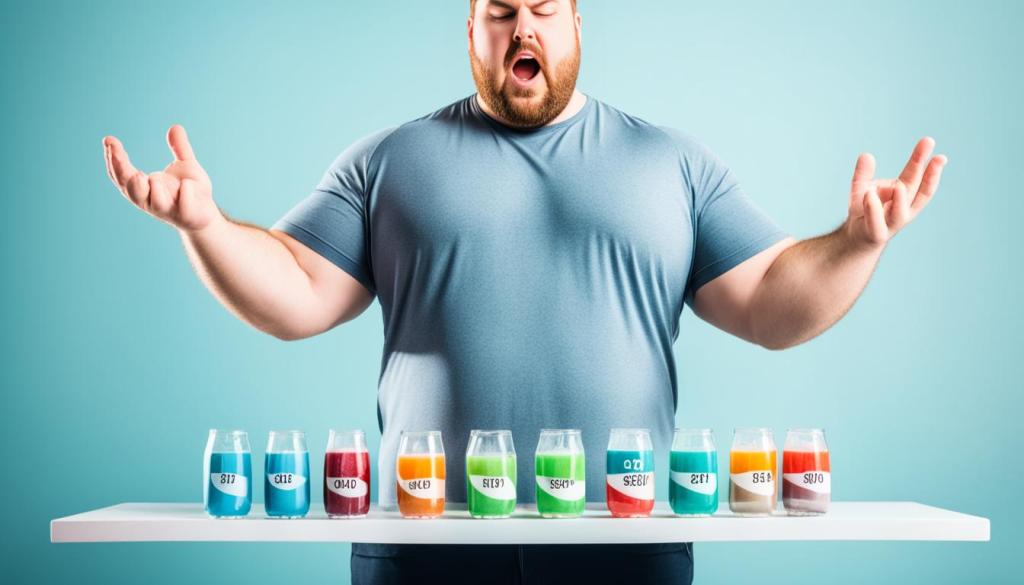
Sugary drinks, including soda and energy drinks, are high in calories and sugar content. Consuming these beverages regularly can contribute to weight gain and obesity. Research has shown a direct association between sugary drink consumption and increased body weight. It is important to reduce the intake of these drinks to maintain a healthy weight.
Soda and energy drinks are popular choices among individuals of all ages. However, they often contain a significant amount of added sugars and empty calories. These beverages provide little to no nutritional value, yet they can contribute to weight gain when consumed in excess.
When you consume sugary drinks, your body quickly absorbs the high amounts of sugar they contain. This can lead to a spike in blood sugar levels, stimulating the release of insulin, a hormone that promotes fat storage. Over time, frequent consumption of these drinks can result in excessive calorie intake, leading to weight gain and an increased risk of obesity.
Studies have consistently shown a link between sugary drink consumption and weight gain. One study found that individuals who consumed soda and other sugary beverages on a daily basis had a significantly higher risk of obesity compared to those who rarely consumed these drinks.
To avoid weight gain and promote a healthy weight, it is crucial to reduce the intake of sugary drinks. Instead, opt for healthier alternatives such as water, unsweetened herbal tea, or infused water. These options not only hydrate your body but also help reduce calorie intake and prevent unnecessary weight gain.
“By reducing the consumption of sugary drinks, you can significantly reduce your calorie intake and improve your chances of maintaining a healthy weight.”
Remember, making small changes to your beverage choices can have a big impact on your overall health. Choose to prioritize water and other healthier alternatives over sugary drinks to support a healthier lifestyle and prevent weight gain.
The Effects of Sugary Drinks on Heart Health

Consuming sugary drinks, such as soda and energy drinks, can have detrimental effects on your heart health. These beverages are often high in sugar content, which has been linked to an increased risk of cardiovascular disease. According to research, a high sugar intake can lead to conditions such as hypertension, heart attacks, and strokes.
“The excessive consumption of sugary drinks can contribute to the development of heart disease,” says Dr. Emily Johnson, a cardiologist at Heart Health Center.
Too much sugar in the bloodstream can cause inflammation and damage to the arteries, leading to atherosclerosis. This condition occurs when fatty deposits build up in the arteries, restricting blood flow and increasing the risk of heart problems.
Reducing the consumption of sugary drinks is crucial for maintaining a healthy heart. Instead of reaching for soda or energy drinks, opt for healthier alternatives such as water or unsweetened beverages. Make water your go-to drink to stay hydrated and support your heart health.
Regular physical exercise is also beneficial for heart health. Engaging in activities such as walking, jogging, or cycling can help maintain cardiovascular fitness and reduce the risk of heart disease. Remember, a combination of a balanced diet, regular exercise, and a healthy lifestyle is essential for keeping your heart in good shape.
Energy Drinks and Their Impact on Health

Energy drinks are popular among those seeking an energy boost. However, it is important to be aware of the potential health risks associated with these beverages. Energy drinks often contain high levels of caffeine and sugar, which can have adverse effects on your well-being.
Regular consumption of energy drinks can lead to increased blood pressure, heart palpitations, and disturbed sleep patterns. The combination of caffeine and sugar can put stress on your cardiovascular system and disrupt your natural sleep cycle. This can negatively affect your heart health and overall quality of life.
Studies have shown a correlation between energy drink consumption and cardiovascular issues. The excessive caffeine and sugar content can contribute to an increased risk of heart disease and other heart-related conditions. It is essential to prioritize your heart health by avoiding or limiting the intake of energy drinks.
Instead of relying on energy drinks for a quick boost, consider healthier alternatives. Engaging in regular exercise can provide a natural and sustainable energy boost while benefiting your overall health. Exercise releases endorphins, improves cardiovascular function, and helps maintain a healthy weight.
Remember, your health should always be a top priority. Choose beverages that support your well-being, such as water, herbal tea, or natural fruit juices. By making informed choices and adopting a balanced approach, you can maintain your energy levels and support your heart health.
“Regular consumption of energy drinks can negatively impact your heart health and overall well-being. Prioritize your health by choosing healthier alternatives and incorporating exercise into your routine.”
The Importance of Exercise for a Healthy Lifestyle

Exercise is a fundamental component of a healthy lifestyle. It not only contributes to weight management but also plays a crucial role in improving cardiovascular health and enhancing overall well-being. Incorporating regular physical activity into your routine has numerous benefits for your body and mind.
Engaging in exercise helps to burn calories, which can assist with weight management and prevent weight gain. Whether you prefer brisk walking, cycling, swimming, or other forms of physical activity, staying active regularly is essential for maintaining a healthy weight.
Furthermore, exercise has a positive impact on cardiovascular health. It strengthens the heart and reduces the risk of developing heart disease. By engaging in moderate-intensity exercise for at least 150 minutes or vigorous-intensity exercise for 75 minutes per week, you can significantly improve your heart health and lower the chances of cardiovascular problems.
Regular exercise not only benefits your physical health but also has a profound effect on your mental well-being. Physical activity releases endorphins, also known as “feel-good” hormones, which can boost your mood and reduce symptoms of stress, anxiety, and depression. It is a natural and effective way to improve your mental outlook and overall happiness.
“Exercise is a powerful tool that not only transforms your body but also enhances your quality of life.”
Remember, finding an exercise routine that you enjoy and is sustainable is key to maintaining a healthy lifestyle. Whether it’s dancing, playing sports, or joining fitness classes, the most important thing is to move your body and stay active. Incorporating exercise into your daily routine can bring about significant improvements in your physical and mental well-being.
The Role of Water in a Healthy Diet

In maintaining a healthy lifestyle, one factor that should never be overlooked is the crucial role that water plays in our overall well-being.
Water is an essential component of our bodies, accounting for about 60% of our total body weight. It is involved in numerous vital functions, ranging from digestion and nutrient absorption to detoxification and temperature regulation.
“Water is essential for maintaining proper hydration and overall health.”
Proper hydration is necessary to keep our bodily systems functioning optimally. Without sufficient water intake, our bodies can experience dehydration, which can lead to fatigue, dizziness, and impaired cognitive function.
To maintain adequate hydration, it is recommended that you drink at least eight glasses of water per day. This amount can vary depending on factors such as activity level, climate, and overall health status.
Incorporating enough water into your daily routine can have numerous benefits for your healthy lifestyle. It can aid in digestion by facilitating the breakdown and absorption of nutrients from the food we consume. Additionally, water helps to flush out waste products and toxins from our bodies, supporting the detoxification process.
Furthermore, water plays a crucial role in regulating body temperature. It acts as a coolant, helping to maintain an optimal internal body temperature. This is particularly important during exercise or when exposed to high temperatures, as it helps prevent overheating and promotes optimal physical performance.
In summary, the importance of water in maintaining a healthy diet and overall well-being cannot be overstated. By drinking an adequate amount of water daily, you can help support proper hydration, digestion, detoxification, and temperature regulation, all of which are essential for a healthy lifestyle.
Choosing Water over Sugary Drinks

When it comes to quenching your thirst, choosing water over sugary drinks like soda and energy drinks is a smart decision for your health. Unlike these beverages, which are loaded with calories and sugar, water provides essential hydration without any added extras.
By swapping out sugary drinks for water, you can significantly reduce your sugar intake and make positive changes towards maintaining a healthy weight. Studies have shown that excessive consumption of sugary beverages is linked to weight gain and obesity, as the high levels of sugar and calories in these drinks can contribute to an imbalance in energy intake.
Not only does replacing sugary drinks with water help manage your weight, but it also supports your heart health. Sugary beverages have been associated with an increased risk of cardiovascular diseases, including hypertension and heart attacks. By opting for water, you can hydrate your body without jeopardizing your heart’s well-being.
It’s important to note that water is not just a simple substitution for sugary drinks but a vital component of a healthy lifestyle. Being the essence of life, water helps maintain proper bodily functions, aids digestion, and supports nutrient absorption. Additionally, water plays a crucial role in regulating body temperature and detoxifying the system.
Embracing a habit of drinking water throughout the day is a wise choice for everyone striving for a healthier lifestyle. Remember, maintaining hydration is key to overall wellness, and water is the optimal way to achieve it.
Expert Insight:
“By choosing water over sugary drinks, you are reducing your intake of unnecessary calories and sugar, while also promoting proper hydration. Water is the foundation of a healthy lifestyle, and making this simple switch can have a significant impact on your well-being.”
— Dr. Emily Johnson, Nutrition Specialist
Tips for Reducing Sugary Drink Consumption

To reduce the consumption of sugary drinks and improve your health, try the following tips:
- Choose water as your primary beverage.
- Limit the intake of soda and energy drinks.
- Read labels carefully and avoid products with high sugar content.
- Carry a refillable water bottle for easy access to water throughout the day.
- Opt for unsweetened drinks or those sweetened with natural alternatives like Stevia or monk fruit.
- Find healthy alternatives to satisfy your taste buds, such as herbal tea or infused water.
Conclusion
After examining the impact of soda, energy drinks, and sugary beverages on weight, heart health, and overall well-being, it is evident that these drinks can have detrimental effects. Their high sugar content contributes to weight gain and increases the risk of heart disease.
To mitigate these risks, it is important to adopt a healthy lifestyle that includes regular exercise and hydration through water. By prioritizing physical activity and choosing water as your primary beverage, you can reduce the chances of weight gain and promote heart health.
Replacing sugary drinks with water not only helps cut down on added sugars and unnecessary calories but also supports proper hydration. Water is essential for digestion, nutrient absorption, detoxification, and temperature regulation. Drinking at least eight glasses of water a day is recommended for optimal health benefits.
So, let’s make a conscious effort to minimize the consumption of soda, energy drinks, and other sugary beverages. Commit to a healthier lifestyle by incorporating exercise into your routine and making water your go-to drink for staying hydrated. By taking these steps, you can safeguard your well-being, maintain a healthy weight, and support a strong heart.
FAQ
Are soda and energy drinks linked to weight gain?
Yes, consuming soda and energy drinks regularly can contribute to weight gain and obesity. These beverages are high in calories and sugar content, which can lead to an increase in body weight.
How do sugary drinks affect heart health?
Sugary drinks, such as soda and energy drinks, have been linked to an increased risk of cardiovascular disease. High sugar intake can lead to conditions like hypertension, heart attacks, and strokes, negatively impacting heart health.
What are the effects of energy drinks on health?
Energy drinks often contain high levels of caffeine and sugar. Regular consumption of energy drinks can result in adverse health effects such as increased blood pressure, heart palpitations, and disrupted sleep patterns.
How important is exercise for a healthy lifestyle?
Exercise plays a crucial role in maintaining a healthy lifestyle. Regular physical activity helps with weight management, improves cardiovascular health, and enhances overall well-being.
What is the role of water in a healthy diet?
Water is essential for proper hydration and overall health. Drinking adequate amounts of water supports digestion, nutrient absorption, detoxification, and temperature regulation.
Why should I choose water over sugary drinks?
Choosing water over sugary drinks, such as soda and energy drinks, is a healthier choice. Water provides hydration without added calories or sugar, helping to reduce sugar intake, maintain a healthy weight, and support heart health.
What are some tips for reducing sugary drink consumption?
To reduce your intake of sugary drinks, you can choose water as your primary beverage, limit the consumption of soda and energy drinks, read labels carefully to avoid high sugar content products, carry a refillable water bottle, opt for unsweetened drinks or those sweetened with natural alternatives, and find healthy alternatives to satisfy your taste buds.
What is the conclusion regarding soda, energy drinks, and sugary drinks?
Consuming soda, energy drinks, and other sugary beverages can lead to weight gain and negatively affect heart health. It is important to prioritize regular exercise and choose water as the main hydration source for a healthy lifestyle.



 trim down and shape up
Leave a comment