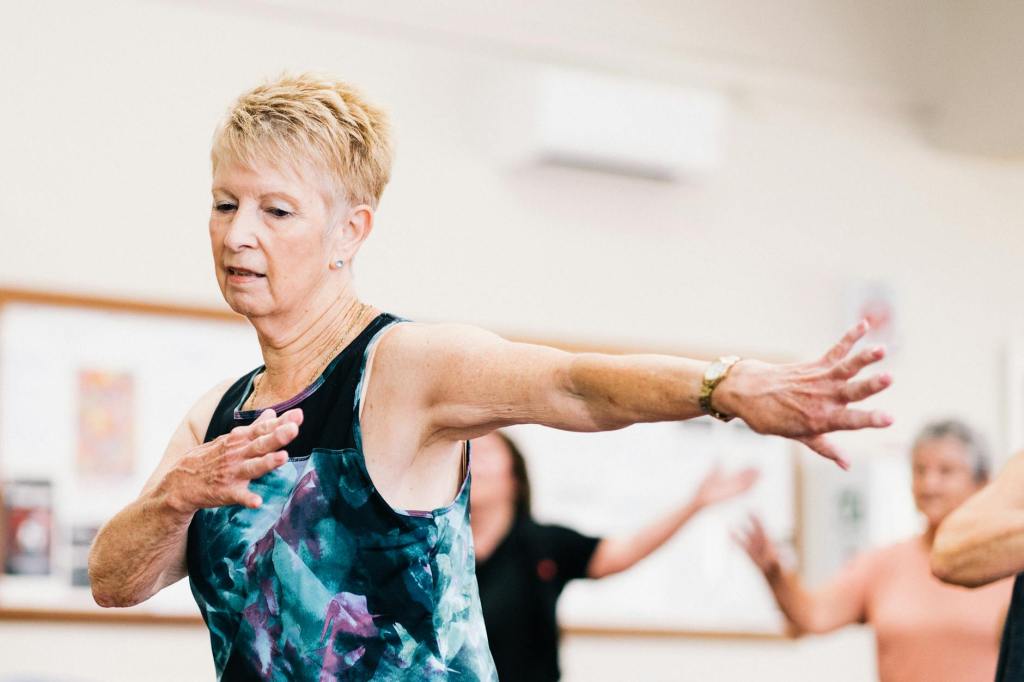



If you are experiencing the physical and emotional symptoms of menopause, such as hot flashes, irregular periods, mood swings, and anxiety, you may have been prescribed hormone replacement therapy (HRT) or antidepressants. However, recent scientific studies have shown that exercise can be a more effective and natural way to manage menopause symptoms and improve mental health.
Exercise has a chemical effect on your body by releasing endorphins, which are feel-good chemicals that can reduce stress, improve mood, and boost overall mental wellness. In fact, research has shown that exercise can be twice as effective as antidepressants in relieving symptoms of depression. By engaging in regular exercise, such as running a few times a week, you can improve symptoms of depression by up to 63 percent.
Key Takeaways:
- Regular exercise can be more effective than antidepressants for managing symptoms of depression during menopause.
- Exercise releases endorphins, which can reduce stress and improve overall mood.
- Running a few times a week can improve symptoms of depression by up to 63 percent.
- Engaging in regular exercise has a chemical effect on the body and can help manage mental health symptoms.
- Exercise is a natural and effective way to improve mental wellness during menopause.
The Impact of Menopause on Mental Health
Menopause is a natural transition that every woman experiences as she enters a new phase of life. Alongside physical changes, menopause can also have a significant impact on mental health. Many women going through menopause may find themselves facing a range of symptoms that affect their emotional well-being, including mood swings, increased anxiety, and even panic attacks.
The hormonal changes that occur during menopause play a crucial role in these mental health challenges. Fluctuations in estrogen and progesterone levels can affect the brain’s production and regulation of neurotransmitters like serotonin, which plays a key role in mood regulation. As a result, it’s not uncommon for women experiencing menopause to report feelings of sadness, irritability, and unexplained anxiety.
Additionally, the physical symptoms and discomfort associated with menopause can exacerbate mental health issues. Hot flashes, night sweats, disrupted sleep patterns, and general physical discomfort can all contribute to increased stress and emotional vulnerability. These factors combine to create a perfect storm for declining mental well-being during this transitional period.
Prioritizing Mental Health during Menopause
It is crucial for women going through menopause to prioritize their mental health and seek out strategies to manage these symptoms effectively. Understanding that the psychological impact of menopause is a legitimate concern is the first step toward taking the necessary actions to address it. Recognizing and acknowledging the challenges one may face is essential in seeking appropriate support and finding effective coping mechanisms.
One valuable tool in managing mental health during menopause is regular exercise. Exercise releases endorphins, which are natural mood enhancers that can help combat anxiety and improve overall mood. Engaging in physical activity can also provide a much-needed distraction from negative thoughts and stressors, helping to redirect the focus towards more positive emotions.
Exercise is not only beneficial for mental health but can also help manage physical symptoms associated with menopause, such as hot flashes and sleep disturbances. By incorporating exercise into a daily routine, women can experience reduced anxiety, improved mood, and an overall sense of well-being.
“Regular exercise has been shown to be a powerful tool in improving mental health during menopause.”
Implementing Exercise into Your Menopause Journey
When it comes to incorporating exercise into your menopause journey, finding activities that you enjoy is essential to maintaining consistency and reaping the benefits. Some women may prefer aerobic exercises like jogging, dancing, or cycling, which are great for cardiovascular health and mood enhancement. Strength training exercises, such as weightlifting or resistance training, can help preserve muscle mass and improve bone density, addressing physical concerns associated with menopause.
It’s important to note that while exercise can significantly improve mental health during menopause, it is not a standalone solution. It works best as part of a holistic approach that includes other self-care practices like proper nutrition, stress management techniques, and social support networks. Consulting with a healthcare professional or seeking guidance from a personal trainer can help you tailor your exercise routine to fit your individual needs and capabilities.
Check out the table below for some exercise recommendations during menopause:
| Type of Exercise | Benefits |
|---|---|
| Aerobic Exercise (e.g., brisk walking, swimming) | Improves cardiovascular health, enhances mood, reduces anxiety |
| Strength Training (e.g., weightlifting, resistance training) | Preserves muscle mass, improves bone density, boosts metabolism |
| Yoga and Tai Chi | Enhances flexibility, improves balance, reduces stress |
Remember, the goal is to find activities that you enjoy and can commit to consistently. By incorporating exercise into your menopause journey, you can positively impact your mental health, manage physical symptoms, and improve overall well-being.
The Role of Exercise in Managing Menopause Symptoms

Regular exercise plays an essential role in managing the various symptoms of menopause, including hot flashes, night sweats, and changes in sleep patterns. Engaging in physical activity has been found to reduce the frequency and intensity of hot flashes and can offer relief from night sweats. Incorporating exercise into your daily routine can help regulate body temperature and improve overall sleep quality.
When it comes to exercise during menopause, there are various activities to choose from. Aerobic exercises such as running, dancing, or cycling can be an excellent choice for improving cardiovascular health and managing menopausal symptoms. Strength training exercises, such as weight lifting or resistance training, can help improve muscle tone and prevent the loss of bone density associated with menopause.
If you prefer gentle forms of exercise, walking or practicing yoga can also offer substantial benefits. Walking is a low-impact activity that provides cardiovascular benefits and helps regulate body temperature. Yoga combines stretching and mindfulness, offering stress reduction and promoting better sleep.
Exercise not only improves sleep and regulates body temperature but also promotes better circulation, which can alleviate symptoms like hot flashes and night sweats. Additionally, exercise releases endorphins, which are natural mood boosters, and can help manage stress and anxiety commonly experienced during menopause.
Regular exercise contributes to overall well-being during menopause by managing symptoms and improving mental health. It’s important to consult with your healthcare provider before starting any new exercise program, especially if you have any underlying health conditions. With their guidance, you can create an exercise plan that is safe and effective for managing menopause symptoms.
| Benefits of Exercise during Menopause | Types of Exercise |
|---|---|
| Reduces hot flashesAlleviates night sweatsImproves sleep qualityRegulates body temperatureEnhances mood and mental well-beingImproves cardiovascular healthBuilds muscle strength and bone densityManages stress and anxiety | Aerobic exercisesStrength trainingGentle exercises like walking or yoga |
The Psychological Benefits of Exercise during Menopause

Regular exercise during menopause not only provides physical benefits but also has a profound impact on your mental wellness. Engaging in exercise can help reduce stress, increase feelings of well-being, and improve overall mental health, allowing you to navigate this transition with greater ease and confidence.
Exercise stimulates the release of endorphins, which are natural mood enhancers. These “feel-good” chemicals can help elevate your mood and reduce symptoms of anxiety and depression during menopause.
In addition to the immediate mood-boosting effects, exercise also has long-term cognitive benefits. It improves cognitive function by promoting healthy blood flow and oxygen supply to the brain. This can enhance memory, focus, and mental clarity.
Exercise can serve as a form of cognitive behavioral therapy, providing insights into your thoughts and emotions. By engaging in physical activity, you can reframe negative thoughts and develop a more positive outlook on life. This cognitive shift can have a profound impact on your overall mental well-being.
Incorporating mindfulness practices into your exercise routine can further enhance the psychological benefits. Activities like yoga or meditation allow you to tap into a state of present-moment awareness, reducing stress and promoting relaxation. These practices can also help cultivate self-compassion and self-acceptance, enhancing your overall mental wellness.
By engaging in exercise and incorporating mindfulness practices, you can experience a holistic approach to mental wellness during menopause.
Integrating exercise into your daily routine doesn’t have to be complicated or time-consuming. In fact, even small amounts of physical activity can have significant psychological benefits. Find activities that you enjoy and that fit your lifestyle, whether it’s going for a brisk walk, dancing, swimming, or practicing yoga. The key is to make it a consistent part of your routine.
Tips for Incorporating Exercise and Mindfulness into Your Menopause Journey:
- Schedule regular exercise sessions and treat them as important appointments with yourself.
- Experiment with different types of physical activity to find what you enjoy the most.
- Practice mindfulness while exercising by focusing on your breath and bodily sensations.
- Join a fitness class or find a workout buddy to stay motivated and accountable.
- List and prioritize your exercise and mindfulness goals, and track your progress to stay motivated.
By embracing exercise and incorporating mindfulness practices, you can nurture your mental wellness during menopause and reap the rewards of improved mood, reduced stress, and enhanced overall well-being. Take care of your mind and body as you navigate this transformative phase of life.
| Benefits of Exercise during Menopause | Mental Wellness |
|---|---|
| Reduces stress | ✓ |
| Improves mood | ✓ |
| Enhances cognitive function | ✓ |
| Provides cognitive behavioral therapy | ✓ |
| Promotes mindfulness and relaxation | ✓ |
The Impact of Exercise on Bone Health in Menopause

As women age and go through menopause, they become more at risk for osteoporosis and loss of bone density. Engaging in regular exercise, particularly weight-bearing and strength-building exercises, can help improve and maintain bone health during menopause.
Weight-bearing exercises, such as walking or running, stimulate the bones to become stronger and help increase bone mineral density. By incorporating these exercises into your regular routine, you can reduce the risk of osteoporosis and fractures associated with menopause.
Strength training exercises, like lifting weights or using resistance bands, also play a vital role in promoting bone health. They stimulate bone growth and prevent bone loss, which is especially beneficial during menopause when the risk of bone density loss is higher.
By committing to regular exercises that target bone health, you can mitigate the effects of menopause on your bones and reduce the risk of fractures. These exercises should be part of a comprehensive exercise regimen that includes weight-bearing activities and strength training to maximize the benefits for your bone health.
Remember, it’s never too late to start focusing on your bone health. Consult with a healthcare professional or a certified personal trainer to establish an exercise routine that suits your fitness level and health needs. They can guide you in incorporating the right exercises and ensure you are performing them correctly to optimize your bone health during menopause and beyond.
Benefits of Exercise for Bone Health during Menopause:
- Stimulates bone growth
- Increases bone mineral density
- Reduces the risk of osteoporosis
- Prevents bone loss
- Strengthens bones and reduces the risk of fractures
Recommended Exercises for Bone Health during Menopause:
| Exercise Type | Description |
|---|---|
| Weight-bearing exercises | Activities that support your body weight and stimulate bones, such as walking, running, dancing, and aerobics. |
| Strength training exercises | Exercises that involve resistance or weights, such as lifting weights, using resistance bands, or performing bodyweight exercises like squats and lunges. |
| Balance exercises | Exercises that improve stability and help prevent falls, such as yoga, tai chi, and balance-focused workouts. |
Exercise as a Non-Pharmaceutical Option for Menopause Symptom Management

While hormone replacement therapy (HRT) and anti-depressants are often prescribed to manage menopause symptoms, exercise can offer a non-pharmaceutical alternative with significant benefits. Research shows that regular exercise can be just as effective, if not more effective, than anti-depressants in relieving symptoms of depression. Additionally, exercise can help alleviate vasomotor symptoms like hot flashes and night sweats, potentially reducing the need for hormone replacement therapy.
By incorporating exercise into your daily routine, you can experience improved mental well-being, reduced menopause symptoms, and enhanced overall health without relying solely on medication. Exercise releases endorphins, natural mood enhancers that can lift your spirits and boost your mood. Physical activity can also help regulate body temperature and improve sleep, reducing the discomfort of hot flashes and promoting better overall sleep quality.
“Instead of reaching for a prescription bottle, consider reaching for your running shoes. Exercise offers a natural and holistic approach to managing menopause symptoms, addressing both physical and mental well-being.”
By engaging in a variety of exercises, such as aerobic activities, strength training, and even mindfulness practices, you can target different areas of health and wellness during menopause. Aerobic exercises like brisk walking or cycling improve cardiovascular health and mental well-being. Strength exercises like weight lifting or resistance training help maintain muscle mass and bone density. Balance exercises like yoga or tai chi can improve stability and reduce the risk of falls.
Table: Benefits of Exercise During Menopause
| Benefits | Exercise |
|---|---|
| Improved mental well-being | Regular physical activity releases feel-good endorphins that reduce stress, anxiety, and symptoms of depression. |
| Reduced menopause symptoms | Exercise can alleviate hot flashes, night sweats, and sleep disturbances, promoting better overall quality of life. |
| Enhanced overall health | Physical activity improves cardiovascular health, reduces the risk of osteoporosis, and helps maintain a healthy weight. |
| Non-pharmaceutical option | Exercise offers an alternative to medication, reducing reliance on hormone replacement therapy and anti-depressants. |
By prioritizing exercise as a non-pharmaceutical option for managing menopause symptoms, you can regain control of your health and well-being. Taking the initiative to incorporate exercise into your daily routine can lead to improved mental health, reduced menopause symptoms, and overall enhanced wellness.
Exercise and Menopause-Friendly Exercise Prescription

When it comes to exercise during menopause, it’s important to find a routine that is menopause-friendly and incorporates a variety of exercises. By incorporating different types of exercises into your routine, you can target different areas of health and wellness, maximizing the benefits of exercise during menopause.
Aerobic Exercise
Aerobic exercise, such as brisk walking, swimming, or cycling, is an excellent choice for women going through menopause. Not only does it help improve cardiovascular health, but it also contributes to your mental well-being. Engaging in aerobic exercise releases endorphins, which are feel-good chemicals that can reduce stress and improve your overall mood.
Strength Exercise
Strength exercises play a crucial role in maintaining muscle mass and bone density during menopause. Consider incorporating weight lifting or resistance training into your exercise routine. These types of exercises help strengthen your muscles and bones, reducing the risk of osteoporosis and fractures associated with menopause.
Balance Exercise
Balance exercises are important for improving stability and preventing falls during menopause. Activities like yoga or tai chi can help enhance your balance and coordination. These exercises not only promote physical well-being but can also have positive effects on your mental health, as they often incorporate mindfulness practices that reduce stress and improve overall well-being.
Remember, the key to an effective menopause-friendly exercise routine is to find a combination of exercises that target different areas of health and wellness. Aerobic exercise improves cardiovascular health and mental well-being, strength exercise maintains muscle mass and bone density, and balance exercise enhances stability and prevents falls. By incorporating these exercises into your routine, you can achieve a holistic approach to exercise during menopause.
| Exercise Type | Benefits |
|---|---|
| Aerobic Exercise | Improves cardiovascular health Enhances mental well-being Reduces stress and improves mood |
| Strength Exercise | Maintains muscle mass Improves bone density Reduces the risk of osteoporosis and fractures |
| Balance Exercise | Improves stability and coordination Reduces the risk of falls Enhances overall well-being |
Maintaining a Healthy Lifestyle Beyond Menopause

Menopause is a natural transition in a woman’s life, and maintaining a healthy lifestyle beyond menopause is crucial for overall well-being. By focusing on nutrition, exercise, and healthy habits, you can support your body and mind during this phase of life.
Nutrition
Proper nutrition plays a vital role in supporting bone health and minimizing the risk of osteoporosis. Make sure to include foods that are rich in calcium and vitamin D in your diet. Good sources of calcium include dairy products, leafy greens, and fortified foods. Vitamin D can be obtained from fatty fish, egg yolks, and fortified dairy products. You may also consider taking supplements, but consult with your healthcare provider for personalized recommendations.
Exercise
Regular exercise is key for maintaining physical and mental health during and after menopause. Aim for at least 150 minutes of moderate-intensity aerobic activity or 75 minutes of vigorous-intensity aerobic activity every week, spread out over several days. Additionally, include strength training exercises at least twice a week to maintain muscle mass and bone density. Don’t forget to incorporate balance exercises, such as yoga or tai chi, to improve stability and prevent falls.
Sexual Health
Sexual health is an important aspect of overall well-being after menopause. The hormonal changes during menopause can impact libido and sexual function. Open communication with your healthcare provider is essential to address any concerns or issues you may have. They can provide guidance and offer potential treatments or therapies to improve sexual health and enjoyment. Remember, everyone’s experience is unique, so listening to your body and communicating your needs is key.
Healthy Habits
In addition to nutrition and exercise, adopting healthy habits can contribute to a positive post-menopausal experience. Here are a few tips:
- Get plenty of sleep to support overall well-being.
- Manage stress through relaxation techniques, such as deep breathing exercises or meditation.
- Avoid smoking and limit alcohol consumption.
- Stay hydrated by drinking an adequate amount of water throughout the day.
- Maintain regular check-ups with your healthcare provider to address any concerns or changes in your health.
By prioritizing a healthy lifestyle that includes proper nutrition, regular exercise, and healthy habits, you can navigate the post-menopausal years with increased vitality and well-being. Remember to consult with your healthcare provider for personalized advice and recommendations.
Staying Healthy After Menopause
After menopause, it’s important to prioritize overall health and well-being. By implementing a few simple strategies, you can navigate the post-menopausal years with increased vitality and well-being.
1. Maintain a Healthy Weight
Maintaining a healthy weight is crucial for post-menopausal women. A balanced diet that includes plenty of fruits, vegetables, whole grains, and lean proteins can help you achieve and maintain a healthy weight. Regular exercise also plays a vital role in weight management and overall health.
2. Control High Blood Pressure
Hormonal changes during menopause can increase the risk of high blood pressure. Lifestyle changes such as reducing sodium intake, exercising regularly, managing stress, and avoiding tobacco products can help control blood pressure levels. If necessary, your healthcare provider may recommend medication to further manage high blood pressure.
3. Reduce Stress
Menopause can be a challenging time, and stress management is essential for overall well-being. Incorporating relaxation techniques such as deep breathing exercises, meditation, or yoga into your daily routine can help alleviate stress. Regular exercise is also a powerful tool for reducing stress levels.
4. Avoid Smoking
Smoking is harmful to your health at any age, but it’s especially important to quit or avoid smoking after menopause. Smoking increases the risk of heart disease, osteoporosis, and various other health problems. If you need assistance in quitting smoking, consult with healthcare providers for support and resources.
5. Discuss Hormone Replacement Therapy (HRT)
If you’re experiencing severe menopause symptoms, hormone replacement therapy (HRT) may be an option for you. It’s important to have open communication with your healthcare provider about the potential benefits and risks of HRT. They can guide you in making an informed decision based on your individual needs and medical history.
By taking proactive steps to stay healthy and prioritize your well-being, you can embrace post-menopause with increased vitality and enjoy this chapter of your life to the fullest.
The Importance of Self-Care During Menopause
Menopause is a time of transition that can bring physical and emotional challenges. Practicing self-care is essential during this period to prioritize mental health and overall well-being. It’s important to take the time to care for yourself and engage in activities that promote joy and relaxation.
During menopause, seeking out mental health resources and support systems can be particularly beneficial. Therapy or support groups can provide a safe space to navigate the emotional changes that may occur during this transitional phase.
Remember that self-care looks different for everyone, so it’s important to find strategies that work for your individual needs and preferences. Whether it’s taking a long bath, practicing mindfulness or meditation, indulging in a hobby, or simply setting aside time for yourself, prioritizing self-care can help mitigate the impact of menopause symptoms on your mental health.
By making self-care a priority, you can enhance your overall well-being and navigate the ups and downs of menopause with greater ease and resilience.
Conclusion
Menopause is a transformative phase in a woman’s life, but it doesn’t have to be a daunting one. By prioritizing mental health and overall wellness, you can navigate this journey with greater ease and empowerment. The research is clear: exercise is a powerful tool for managing menopause symptoms and improving mental well-being.
Regular exercise boosts your mental health by increasing endorphin levels, reducing stress, promoting better sleep, and enhancing overall well-being. Incorporating exercise into your routine can help alleviate common menopause symptoms such as hot flashes, mood swings, and anxiety. Alongside exercise, making lifestyle modifications like adopting a healthy diet, practicing self-care, and staying connected with your healthcare providers contribute to a positive transition through menopause.
It’s important to take a holistic approach to your wellness during menopause, focusing on both physical and mental aspects. By embracing exercise, lifestyle modifications, and open communication with your healthcare providers, you can prioritize your mental health and navigate menopause naturally, without solely relying on medication. Remember, every woman’s journey is unique, but by prioritizing your mental well-being and overall wellness, you can take control of menopause and embark on this new chapter with confidence and vitality.
FAQ
Can exercise help with managing menopause symptoms?
Yes, regular exercise has been shown to be effective in managing various menopause symptoms, such as hot flashes, night sweats, mood swings, and anxiety.
How does exercise benefit mental health during menopause?
Exercise releases endorphins, which are feel-good chemicals that can reduce stress, improve mood, and boost overall mental wellness. It can also serve as a form of cognitive behavioral therapy and help manage symptoms of anxiety and depression.
What types of exercise are beneficial during menopause?
Menopause-friendly exercises include aerobic activities like walking, swimming, and cycling, strength training exercises, and balance exercises like yoga or tai chi.
Can exercise help improve bone health during menopause?
Yes, weight-bearing exercises like walking and strength training exercises can help improve and maintain bone health during menopause.
Is exercise a non-pharmaceutical option for managing menopause symptoms?
Yes, regular exercise has been shown to be as effective, if not more effective, than anti-depressants in relieving symptoms of depression and can reduce the need for hormone replacement therapy.
What other strategies are important for maintaining overall health during and after menopause?
Alongside exercise, maintaining a healthy lifestyle through proper nutrition, self-care practices, and open communication with healthcare providers is crucial for overall well-being during and after menopause.
How can self-care help during menopause?
Practicing self-care, such as seeking out mental health resources and support systems, engaging in activities that bring joy and relaxation, and prioritizing self-care, can help mitigate the impact of menopause symptoms on mental health.
Can exercise naturally manage menopause symptoms without relying solely on medication?
Yes, by incorporating regular exercise into their daily routine, women can experience improved mental well-being, reduced menopause symptoms, and enhanced overall health without relying solely on medication.



 trim down and shape up
Leave a comment