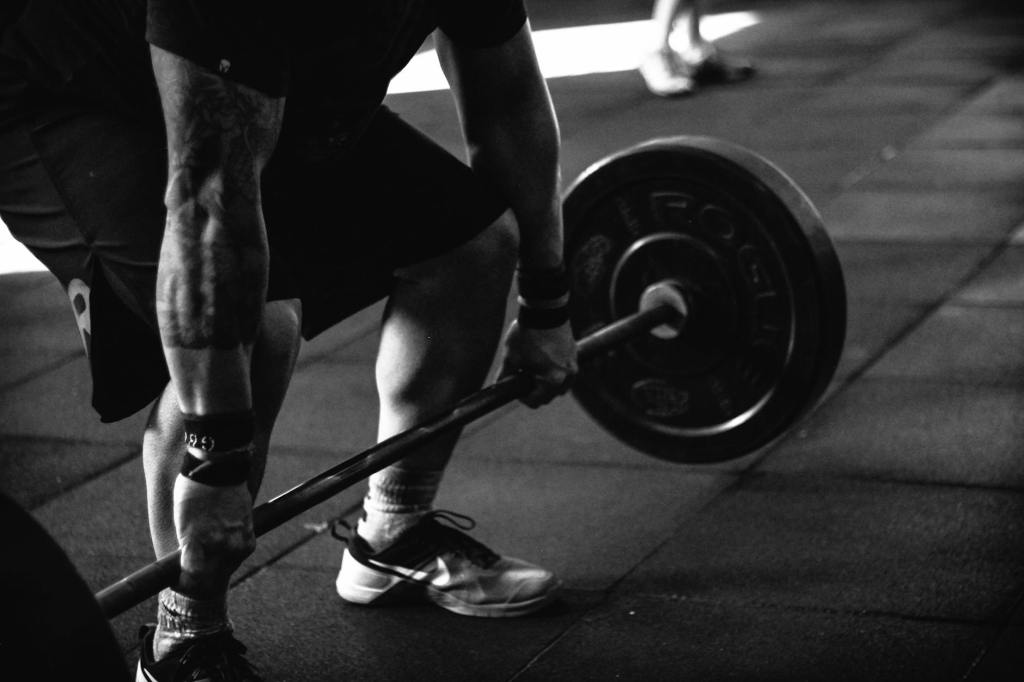


Age-related muscle loss, also known as sarcopenia, becomes more pervasive as we get older. It’s a frustrating dilemma that many of us face, especially if we lead sedentary lifestyles. But here’s the good news: you can reverse muscle loss and regain strength as you age. The key lies in incorporating resistance training and adopting a proper diet.
Resistance training is an essential component of building and maintaining muscle, especially as you get older. It helps increase muscle volume and density, which are important biomarkers of aging. Age-related muscle loss, or sarcopenia, can be mitigated through resistance training. Additionally, resistance training has been shown to improve bone density, protecting against conditions like osteoporosis.
Along with resistance training, a proper diet plays a crucial role in building muscle after 50. Focus on consuming a balanced diet that includes lean protein sources such as chicken, fish, egg whites, and low-fat cottage cheese. Complex carbohydrates like sweet potatoes, rice, and oatmeal provide the necessary energy for muscle growth. Don’t forget to include plenty of fruits and vegetables as well.
Checking hormone levels is another important aspect of building muscle after 50. As we age, testosterone levels naturally decline, which can impact muscle building. Consult with your doctor to determine if testosterone replacement therapy is a suitable option for you. Maintaining optimal hormone levels can support muscle growth and overall health.
In conclusion, age-related muscle loss can be frustrating, but it’s not irreversible. By incorporating resistance training, adopting a proper diet, and checking hormone levels, you can mitigate muscle loss and regain strength as you get older.
Key Takeaways:
- Resistance training is crucial for building and maintaining muscle as you age.
- A proper diet rich in lean protein and complex carbohydrates supports muscle growth.
- Checking hormone levels, especially testosterone, can help optimize muscle building.
Resistance Training for Building Muscle After 50
Resistance training is a fundamental aspect of building muscle, especially as you age. It plays a vital role in increasing muscle volume and density, which are crucial indicators of healthy aging. By incorporating resistance training into your fitness routine, you can effectively combat age-related muscle loss, scientifically known as sarcopenia. Studies have shown that resistance training can reverse the effects of sarcopenia and improve overall muscle strength and function.
Weightlifting is a popular and effective form of resistance training that targets specific muscle groups, allowing you to build strength and increase muscle mass. By gradually increasing the weight and intensity of your weightlifting exercises over time, you can challenge your muscles and stimulate growth. It’s important to start with lighter weights and proper form to avoid injury and gradually progress as you become more comfortable and stronger.
Strength training exercises, such as using resistance bands or bodyweight exercises, also provide excellent opportunities for building muscle after 50. These exercises utilize your body’s resistance to build strength and increase muscle mass. They are particularly beneficial for individuals who might prefer low-impact exercises or have limited access to weightlifting equipment.
The Benefits of Resistance Training:
- Increases muscle volume and density
- Improves bone density, reducing the risk of osteoporosis
- Enhances overall muscle strength and function
- Boosts metabolism and helps maintain a healthy weight
- Improves balance and decreases the risk of falls
“Resistance training is an effective way to combat the age-related muscle loss that many individuals experience. It is never too late to start, but it’s essential to consult with a healthcare professional before embarking on a new exercise program. They can provide guidance and ensure that you are exercising safely and effectively.”
Remember to prioritize proper form and technique when performing resistance exercises to maximize results and reduce the risk of injury. It’s beneficial to work with a certified trainer or physical therapist who can provide expert guidance and create a tailored workout program to suit your needs and goals.
Keep in mind that everyone’s fitness journey is unique, and it’s important to listen to your body. Gradually increase the intensity and duration of your resistance training sessions as you become stronger and more comfortable. Over time, you will notice improvements in muscle strength, endurance, and overall physique.
| Resistance Training Tips for Building Muscle After 50 |
|---|
| Start with lighter weights and focus on proper form |
| Gradually increase the weight and intensity of your exercises |
| Include a variety of resistance exercises that target different muscle groups |
| Allow for proper rest and recovery between resistance training sessions |
| Consider working with a certified trainer or physical therapist for personalized guidance |
Incorporating resistance training into your fitness routine after 50 can have a significant impact on your muscle-building efforts. With dedication, consistency, and proper guidance, you can maintain and even increase muscle mass as you age, leading to improved functional strength, better posture, and enhanced overall well-being.
Proper Diet for Muscle Building After 50

Along with resistance training, adopting a proper diet is key to building muscle after 50. It is important to focus on consuming a balanced diet that is high in lean protein and complex carbs while providing adequate nutrition for optimal muscle growth.
When it comes to protein, opt for lean sources such as chicken, fish, egg whites, and low-fat cottage cheese. These foods are rich in essential amino acids that support muscle repair and growth. Including a variety of lean protein sources in your diet can help ensure that you’re getting a sufficient amount to support your muscle-building goals.
In addition to lean protein, complex carbohydrates play an important role in providing energy for your workouts and aiding in muscle recovery. Incorporate foods like sweet potatoes, brown rice, and oatmeal into your meals to ensure you have a steady source of carbohydrates to fuel your muscles.
Fruits and vegetables should also be a staple in your diet. These nutrient-rich foods provide vitamins, minerals, and antioxidants that support overall health and can contribute to muscle growth and repair. Aim to include a colorful variety of fruits and vegetables in your daily meals.
Including a balance of lean protein, complex carbs, fruits, and vegetables in your diet provides the foundation for building and maintaining muscle after 50.
Supplementation can also be beneficial in supporting muscle-building efforts. Consider adding a multivitamin to ensure you’re meeting your nutritional needs, as well as fish oil for its anti-inflammatory properties. Creatine is another popular supplement that has been shown to enhance muscle strength and size, particularly in older adults.
Remember, proper nutrition is crucial for maximizing the results of your resistance training. By fueling your body with the right nutrients, you’ll provide it with the building blocks necessary for muscle growth and repair.
The Role of Nutrition in Muscle Building
Nutrition plays a vital role in muscle building. It provides the necessary fuel, nutrients, and building blocks for the body to repair and grow muscles. When combined with resistance training, a proper diet can optimize muscle-building results and support overall health. It’s important to consult with a registered dietitian or nutritionist to develop an individualized meal plan that meets your specific needs and goals.
| Key Nutrients for Muscle Building | |
|---|---|
| Protein | Lean sources such as chicken, fish, egg whites, and low-fat cottage cheese |
| Complex Carbohydrates | Sweet potatoes, brown rice, oatmeal |
| Fruits and Vegetables | A variety of colorful options to ensure sufficient vitamins and minerals |
By prioritizing a proper diet that includes lean protein, complex carbs, and a variety of fruits and vegetables, you’ll provide your body with the nutrients it needs to build and maintain muscle after 50. Remember to consult with a healthcare professional before making any significant dietary or supplementation changes, especially if you have any underlying health conditions.
Checking Hormone Levels for Building Muscle After 50

As you age, testosterone levels naturally decline, which can have an impact on muscle building. To ensure you are in the best position to build and maintain muscle, it is recommended to have your hormone levels checked by a doctor. This will help determine if testosterone replacement therapy is a suitable option for you.
Testosterone plays a significant role in muscle growth and overall health. By maintaining optimal hormone levels, you can support your body’s ability to build muscle and improve your overall well-being.
When your testosterone levels are low, you may experience decreased muscle mass, reduced strength, and diminished energy levels. These factors can negatively impact your ability to maintain an active lifestyle and engage in regular exercise.
By checking your hormone levels and exploring testosterone replacement therapy with your doctor, you can take proactive steps towards optimizing your testosterone levels and supporting your muscle-building efforts.
“Maintaining optimal hormone levels is essential for muscle growth and overall health. If you’re over 50 and experiencing symptoms of low testosterone, it’s important to have your hormone levels checked by a qualified healthcare professional.”
In addition to testosterone replacement therapy, there are other lifestyle factors that can positively impact your hormone levels and muscle-building goals. These include regular exercise, maintaining a healthy weight, getting sufficient sleep, and adopting a balanced diet.
Remember, consulting with a healthcare professional who specializes in hormone therapy is essential to determine the most appropriate course of action for optimizing your hormone levels and supporting your muscle-building journey.
The Benefits of Testosterone Replacement Therapy
Testosterone replacement therapy can provide numerous benefits for individuals seeking to build muscle after 50. Some potential benefits include:
- Increased muscle mass and strength
- Improved energy levels
- Enhanced libido and sexual function
- Reduced fatigue and improved mood
- Enhanced cognitive function
- Increased bone density
While testosterone replacement therapy can be beneficial, it is crucial to consult with a healthcare professional and undergo thorough evaluation before starting any treatment. They will consider your overall health, medical history, and individual needs to determine if testosterone replacement therapy is a suitable option for you.
Benefits of Exercise for Maintaining Muscle Strength

Exercise is crucial for maintaining muscle strength as you age. It not only keeps your muscles strong but also offers a myriad of other cardiovascular health benefits. Regular physical activity can protect you from chronic conditions like cardiovascular disease, diabetes, strokes, and certain types of cancer.
When it comes to building and maintaining muscle, exercise plays a vital role. Resistance training, which includes activities such as lifting weights or using resistance bands, is particularly effective. It helps stimulate muscle growth and promotes better communication with the nervous system, leading to improved muscle strength.
Aerobic exercise is equally important for overall health and maintaining muscle strength. Engaging in activities such as brisk walking, cycling, or swimming can enhance cardiovascular fitness, increase endurance, and contribute to the preservation of muscle mass.
To maximize the benefits for muscle strength, aim for a combination of both resistance training and aerobic exercise in your fitness routine. By incorporating these types of physical activity into your lifestyle, you can effectively maintain muscle mass and promote healthy aging.
Remember, always consult with a healthcare professional before starting any new exercise program, especially if you have any pre-existing medical conditions or concerns.
Quote
“Exercise is the medicine for not only maintaining muscle strength but also improving overall cardiovascular health. It helps protect against numerous chronic diseases, enabling you to stay active and independent as you age.” – Dr. Rebecca Johnson
Benefits of Exercise for Maintaining Muscle Strength:
- Protects against cardiovascular disease, diabetes, strokes, and certain types of cancer
- Stimulates muscle growth and communication with the nervous system
- Enhances cardiovascular fitness and endurance
- Preserves muscle mass and promotes healthy aging
Other Healthy Habits for Maintaining Muscle Strength

In addition to exercise, there are several other healthy habits you can adopt to support and maintain muscle strength. These habits are essential for overall well-being and can have a significant impact on your muscle health. By incorporating these practices into your lifestyle, you can optimize your muscle function and promote longevity.
Maintain a Healthy Weight
Maintaining a healthy weight is crucial for preserving muscle strength. Obesity has been linked to increased inflammation and muscle loss, which can hinder your ability to build and maintain muscle. By focusing on a balanced diet and regular exercise, you can achieve a healthy weight that supports optimal muscle function.
Limit Alcohol Consumption
Excessive alcohol consumption can negatively impact muscle strength. Heavy drinking has been associated with decreased muscle mass and reduced muscle strength. To maintain and enhance your muscle health, it is recommended to limit your alcohol intake and drink in moderation.
Avoid Smoking
Smoking can have detrimental effects on muscle strength due to its impact on oxygen flow and interference with protein synthesis. Quitting smoking or avoiding it altogether can help enhance muscle function and promote overall health.
Adopt a Well-Balanced Diet
A well-balanced diet is vital for maintaining muscle strength. Make sure your diet includes adequate protein intake and essential nutrients. Lean proteins like chicken, fish, and legumes provide the necessary building blocks for muscle growth and repair. Additionally, incorporate a variety of fruits, vegetables, whole grains, and healthy fats to support overall muscle health.
| Healthy Habits | Benefits |
|---|---|
| Maintaining a Healthy Weight | Prevents muscle loss and inflammation |
| Limiting Alcohol Consumption | Preserves muscle mass and strength |
| Avoiding Smoking | Enhances oxygen flow and protein synthesis |
| Adopting a Well-Balanced Diet | Provides essential nutrients for muscle growth |
By incorporating these healthy habits into your daily routine, you can support and maintain your muscle strength while promoting overall well-being. Remember, small changes in your lifestyle can make a big difference in your muscle health.
Importance of Protein in Muscle Building

Protein is a crucial nutrient for building and maintaining muscle. When it comes to muscle mass and strength, protein plays a vital role in supporting growth and repair. Including high amounts of lean protein in your diet can have significant benefits for building and maintaining muscle.
Some excellent sources of protein include chicken, fish, low-fat dairy, eggs, legumes, and nuts. These foods provide essential amino acids that are the building blocks of muscle tissue. By consuming these protein-rich foods, you can ensure an adequate supply of these amino acids, promoting muscle growth and recovery.
Research has shown that individuals who consume higher amounts of protein have better grip strength and overall muscle performance. Protein intake has also been associated with improved muscle mass and increased muscle strength, particularly in older adults.
However, it’s not just about protein alone. Vitamins and minerals also play a crucial role in muscle health. For example, vitamin D is involved in muscle regeneration and maintaining muscle strength, while vitamin B supports energy production and muscle function.
A well-rounded diet with a variety of nutrients, including protein and muscle-supporting vitamins, is essential for maximizing muscle growth and strength.
Benefits of Protein for Muscle Building:
- Provides the necessary building blocks for muscle tissue
- Promotes muscle growth and repair
- Enhances muscle strength and performance
- Supports muscle recovery after exercise
- Aids in preventing muscle loss
- Improves overall body composition
| Protein-Rich Foods | Protein Content (per 100g) |
|---|---|
| Chicken Breast | 31g |
| Sockeye Salmon | 25g |
| Greek Yogurt | 10g |
| Eggs | 13g |
| Lentils | 9g |
| Almonds | 21g |
The Role of Sleep in Maintaining Muscle Strength

Sufficient sleep is essential for maintaining muscle strength. During sleep, the body enters a repair mode where protein synthesis occurs. Inadequate sleep can lead to a decrease in muscle-building testosterone levels and an increase in cortisol, the stress hormone. Aim for seven to eight hours of quality sleep per night to support muscle growth and overall health.
Sleep plays a vital role in the process of muscle recovery and growth. When you sleep, your body goes through various stages, including deep sleep and rapid eye movement (REM) sleep. During these stages, the body repairs damaged tissues and synthesizes new proteins, which is necessary for muscle growth and repair.
During sleep, the release of muscle-building testosterone is at its peak. Testosterone is a key hormone for muscle development and is associated with increased protein synthesis and muscle strength. On the other hand, lack of sleep can disrupt the hormonal balance, leading to a decrease in testosterone levels and an increase in cortisol, a hormone that breaks down muscle tissue.
In addition to hormone regulation, sleep also affects muscle glycogen levels. Glycogen is a form of stored glucose used by the muscles as fuel during exercise. Sufficient sleep helps replenish glycogen stores, ensuring that your muscles have the energy they need to perform optimally.
Furthermore, sleep deprivation can negatively impact your workout performance. Lack of sleep can lead to decreased cognitive function, reduced focus, and impaired decision-making, all of which can affect your ability to perform exercises correctly and safely. It can also result in decreased motivation and increased perceived exertion, making your workouts feel more challenging than they actually are.
Getting enough sleep is also crucial for overall health and well-being. Chronic sleep deprivation has been linked to numerous health issues, including obesity, diabetes, cardiovascular disease, and immune system dysfunction, which can further impede muscle growth and recovery.
So, make sleep a priority in your fitness journey. Aim to establish a consistent sleep schedule and create a sleep-friendly environment by minimizing distractions, keeping the room dark and cool, and practicing relaxation techniques before bed. By prioritizing quality sleep, you can support your muscle-building efforts and enhance your overall physical performance.
The Impact of Sarcopenia on Independence and Well-being

Sarcopenia, the decline in skeletal muscle with age, can have a significant impact on independence and well-being in older adults. This age-related loss of muscle mass and strength can lead to functional decline, making everyday activities more difficult to perform.
Individuals who experience sarcopenia may face challenges in maintaining their independence and quality of life. They may struggle with basic tasks such as walking, climbing stairs, or carrying groceries, which can diminish their ability to live independently. Functional decline can also hinder participation in social activities and limit mobility, leading to feelings of isolation and decreased well-being. Additionally, sarcopenia is associated with an increased risk of chronic diseases, falls, fatigue, and even mortality.
Recognizing and addressing sarcopenia is crucial for maintaining muscle strength and overall health. Incorporating exercise, particularly resistance training, can help slow down the progression of sarcopenia and improve muscle function. Proper nutrition, with a focus on consuming adequate protein and essential nutrients, supports muscle growth and regeneration. Other healthy habits, such as getting enough sleep and avoiding sedentary behavior, are also important for preserving muscle strength and preventing functional decline.
“Sarcopenia can have a profound impact on an individual’s independence and well-being. By addressing this condition through exercise, proper nutrition, and healthy habits, older adults can maintain their muscle strength and enhance their overall quality of life.”
Strategies to Address Sarcopenia
| Strategies | Description |
|---|---|
| Resistance Training | Incorporate weightlifting or resistance exercises to preserve and build muscle mass. |
| Proper Nutrition | Consume a well-balanced diet with sufficient protein and essential nutrients to support muscle growth and regeneration. |
| Healthy Habits | Maintain a consistent exercise routine, get enough sleep, and avoid sedentary behavior to support muscle strength. |
| Consult with Healthcare Professionals | Seek guidance from healthcare professionals, such as physicians and dietitians, to develop a personalized approach to combat sarcopenia. |
In conclusion, sarcopenia can have a significant impact on independence and well-being in older adults. However, by addressing sarcopenia through exercise, proper nutrition, and other healthy habits, individuals can maintain muscle strength, improve functional abilities, and enhance their overall quality of life.
Taking Action to Maintain Muscle Strength
Despite the prevalence and impact of sarcopenia, few physicians actively address this condition with their older patients. It is important to take action to maintain muscle strength and combat sarcopenia. This can include incorporating resistance training, seeking guidance from a physical therapist, adopting a well-balanced diet with sufficient protein intake, maintaining a healthy weight, getting adequate sleep, and following other healthy habits. Consulting with healthcare professionals and seeking expert guidance can be beneficial in developing a personalized approach.
Interventions for Sarcopenia
Sarcopenia can be mitigated through various interventions, including physical therapy and resistance training. Physical therapy can help improve muscle function, mobility, and balance. A physical therapist can develop a personalized exercise program tailored to your specific needs and abilities.
Resistance training, such as weightlifting or using resistance bands, is an effective way to build and maintain muscle strength. Engaging in regular resistance training exercises can help improve muscle mass, muscle power, and overall functional performance.
Implementing Resistance Training
When incorporating resistance training into your routine, consider using a variety of exercises that target different muscle groups. This helps ensure balanced muscle development and prevents overuse injuries. Gradually increase the intensity and load of your exercises to continually challenge your muscles.
Remember to warm up before each resistance training session and cool down afterward. Stretching exercises can help improve flexibility and reduce muscle soreness. Additionally, take proper rest days to allow your muscles to recover and grow.
Seeking Guidance from a Physical Therapist
Consulting with a physical therapist can be highly beneficial, especially if you have specific muscle imbalances, mobility issues, or previous injuries. A physical therapist can assess your condition and develop a personalized exercise program that takes into account any limitations or concerns.
They may also provide guidance on proper exercise techniques to prevent injuries and ensure optimal results. A physical therapist can monitor your progress, make necessary adjustments to your routine, and provide ongoing support and motivation.
A Well-Balanced Diet for Muscle Health
Adopting a well-balanced diet is essential for maintaining muscle strength. Ensure your diet includes sufficient protein, as it is the building block of muscles. Lean sources of protein such as chicken, fish, tofu, and legumes should be incorporated into your meals.
Additionally, focus on consuming a variety of nutrient-dense foods, including fruits, vegetables, whole grains, and healthy fats. These provide essential vitamins, minerals, and antioxidants that support overall muscle health and recovery.
Conclusion
Building and maintaining muscle after 50 is not only possible but achievable with the right strategies. By incorporating resistance training, proper nutrition, and checking hormone levels, you can effectively maintain muscle strength and combat age-related muscle loss. However, these are just the beginning.
To maximize your results, it is essential to adopt other healthy habits. Regular exercise, including both resistance and aerobic training, plays a crucial role in maintaining muscle strength and overall health. Additionally, maintaining a healthy weight, getting enough sleep, limiting alcohol consumption, and avoiding smoking can further support your muscle building journey.
By taking action and implementing these game-changing tips, you can ensure that maintaining muscle after 50 becomes a lifelong commitment. With perseverance and dedication, you have the power to regain strength and enjoy an active and fulfilling life in your 50s and beyond.
FAQ
What are the three game-changing tips for building muscle after 50?
The three game-changing tips for building muscle after 50 are incorporating resistance training, adopting a proper diet, and checking hormone levels.
Why is resistance training important for building muscle after 50?
Resistance training is important for building muscle after 50 because it helps increase muscle volume and density, reverses age-related muscle loss, and improves bone density.
What should I include in my proper diet for muscle building after 50?
In your proper diet for muscle building after 50, you should focus on consuming lean protein sources such as chicken, fish, egg whites, and low-fat cottage cheese, as well as complex carbohydrates like sweet potatoes, rice, and oatmeal. Including fruits, vegetables, and essential nutrients like vitamins D and B is also beneficial.
Why should I check my hormone levels for building muscle after 50?
Checking hormone levels is important for building muscle after 50 because testosterone levels naturally decline with age, and maintaining optimal hormone levels can support muscle growth and overall health. It is recommended to consult with a doctor and consider testosterone replacement therapy if necessary.
What are the benefits of exercise for maintaining muscle strength?
Exercise is crucial for maintaining muscle strength as you age. It protects against cardiovascular disease, diabetes, strokes, and certain types of cancer. Resistance training, such as weightlifting, stimulates muscle growth, while aerobic exercise is important for overall health.
What other healthy habits are important for maintaining muscle strength?
Other healthy habits that are important for maintaining muscle strength include maintaining a healthy weight, limiting alcohol consumption, not smoking, and adopting a well-balanced diet with adequate protein intake and essential nutrients.
How does protein play a role in muscle building?
Protein is a crucial nutrient for building and maintaining muscle. Consuming high amounts of lean protein supports muscle growth and overall muscle performance. It is important to focus on other healthy nutrients as well, such as vitamins D and B, which play a role in muscle regeneration and preventing muscle loss.
Why is sleep important for maintaining muscle strength?
Sufficient sleep is essential for maintaining muscle strength. During sleep, the body enters a repair mode where protein synthesis occurs. Inadequate sleep can lead to a decrease in muscle-building testosterone levels and an increase in cortisol, the stress hormone.
What is the impact of sarcopenia on independence and well-being?
Sarcopenia, the decline in skeletal muscle with age, is associated with functional decline, loss of independence, and an increased risk of chronic diseases, falls, fatigue, and even death.
What can I do to take action and maintain muscle strength?
To take action and maintain muscle strength, incorporate resistance training, seek guidance from a physical therapist, adopt a well-balanced diet with sufficient protein intake, maintain a healthy weight, get adequate sleep, and follow other healthy habits. Consulting with healthcare professionals and seeking expert guidance can be beneficial in developing a personalized approach.
How can I maintain muscle strength after 50?
By implementing the game-changing tips of resistance training, proper diet, and checking hormone levels, along with other healthy habits, you can combat age-related muscle loss and regain strength after 50.



 trim down and shape up
Leave a comment