


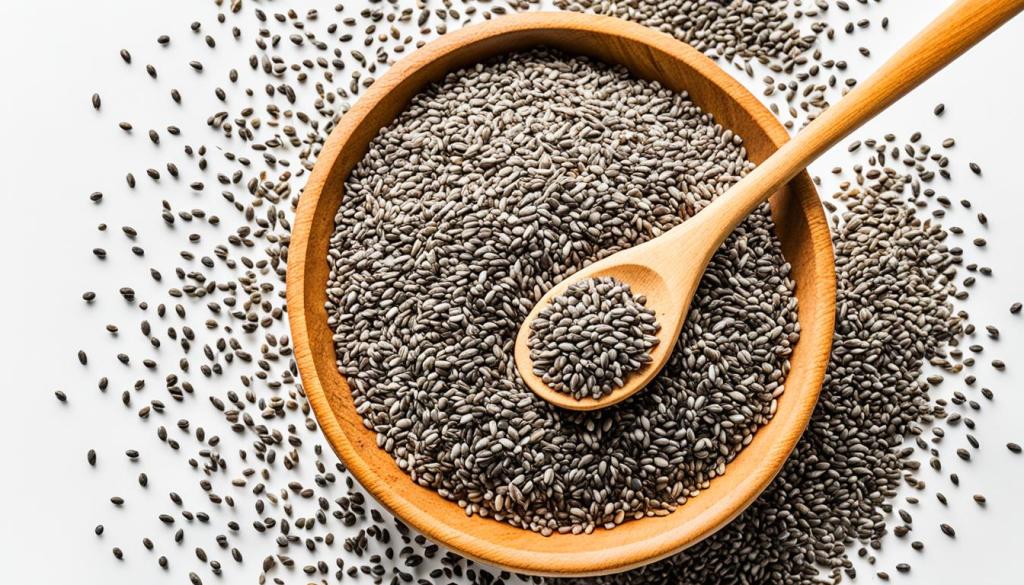
Fiber plays a vital role in maintaining a healthy diet and overall well-being. It is well-known for its benefits to gut health and promoting regular bowel movements. Whether soluble or insoluble, fiber is an essential part of our daily dietary needs. However, despite its importance, studies have shown that the majority of people are not consuming enough fiber.
A 2016 study conducted by the Institute of Medicine revealed that only around 5% of the population meets the recommended fiber intake. The recommended fiber intake varies based on age and sex, ranging from 19 to 38 grams. This means that the vast majority of people are falling short of their daily fiber needs.
In order to ensure optimal health and well-being, it is crucial to incorporate sufficient amounts of fiber into your diet. While there are several well-known sources of fiber such as beans, whole grains, and vegetables, there are also lesser-known options that are rich in fiber.
Key Takeaways:
- Despite its importance, most people are not consuming enough fiber in their diets.
- A 2016 study revealed that only about 5% of the population meets the recommended fiber intake.
- Fiber plays a crucial role in maintaining gut health and promoting regular bowel movements.
- The recommended daily fiber intake ranges from 19 to 38 grams based on age and sex.
- Including a variety of high-fiber foods in your diet is essential for optimal health.
The Benefits of Chia Seeds
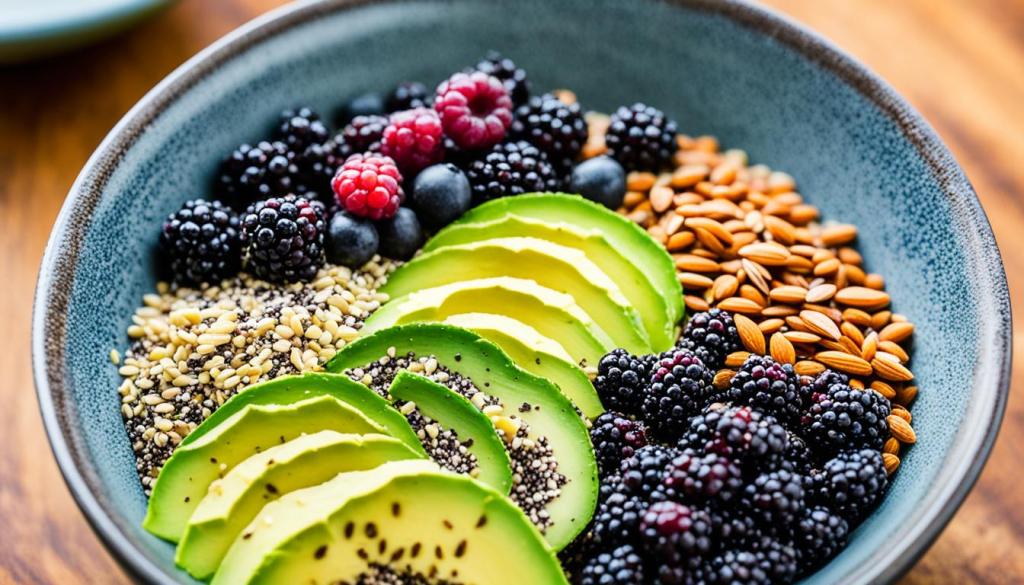
Chia seeds are a nutritional powerhouse packed with fiber, omega-3 fatty acids, protein, and various micronutrients. Incorporating chia seeds into your diet is a simple and effective way to increase your fiber intake and reap the many health benefits they offer.
One of the standout features of chia seeds is their impressive fiber content. With just one ounce of chia seeds, you can fulfill a significant portion of your daily fiber needs, as it provides a whopping 10 grams of fiber. This makes chia seeds an excellent choice for individuals looking to boost their fiber intake and support digestive health.
What sets chia seeds apart from other sources of fiber is their unique ability to form a gel-like substance when mixed with liquids. When consumed, this soluble fiber gel helps to slow down the digestive process, promoting feelings of fullness and reducing overeating. Additionally, the gel-like consistency aids in maintaining regular bowel movements, preventing constipation, and promoting healthy digestion.
Chia seeds are also rich in omega-3 fatty acids, which are essential for brain health, heart health, and reducing inflammation in the body. These powerful fatty acids offer numerous benefits, including improved cognitive function, reduced risk of heart disease, and decreased inflammation-related conditions.
To add chia seeds to your diet, there are many delicious and creative ways to incorporate them into your meals and snacks. You can sprinkle them onto yogurt or oats, mix them into smoothies or energy bars, or even use them as an egg substitute in baking recipes.
Now that you know the incredible benefits of chia seeds, it’s time to start reaping their rewards. By incorporating chia seeds into your daily diet, you can significantly increase your fiber intake and enjoy improved digestive health, increased feelings of fullness, and a reduced risk of chronic diseases.
Chia Seeds Nutritional Overview:
| Nutrient | Amount per 1 ounce (28 grams) |
|---|---|
| Fiber | 10 grams |
| Protein | 4 grams |
| Omega-3 Fatty Acids | 4 grams |
| Calcium | 177 milligrams |
| Iron | 2.2 milligrams |
| Magnesium | 95 milligrams |
| Phosphorus | 180 milligrams |
| Potassium | 44 milligrams |
| Vitamin C | 1 milligram |
Including Dark Chocolate in Your Diet
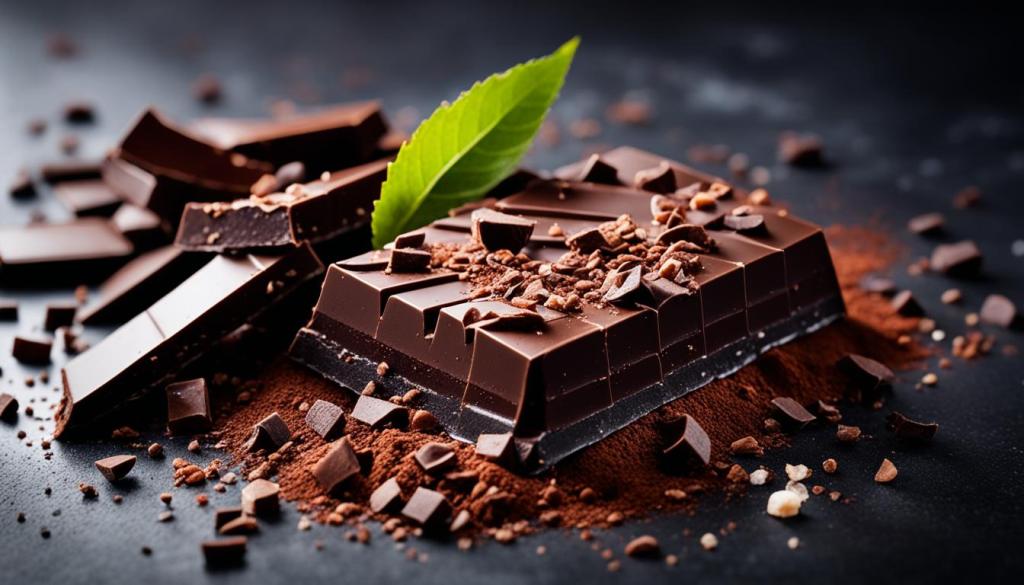
Dark chocolate is often praised for its antioxidant properties, but did you know that it’s also a surprisingly good source of fiber? While it may not be the first food that comes to mind when you think of fiber, dark chocolate can be a delicious and satisfying addition to your high-fiber diet.
A 1-ounce serving of dark chocolate contains about 3 grams of fiber. This small but significant amount can contribute to your daily fiber intake and support a healthy digestive system. So, the next time you’re craving something sweet, reach for a square of dark chocolate to satisfy your taste buds and boost your fiber intake.
When choosing dark chocolate, opt for varieties that have a high percentage of cocoa solids, ideally 70% or higher. This ensures that you’re getting the maximum fiber content and minimizing added sugar. Look for dark chocolate bars or squares that clearly state the percentage of cocoa solids on the packaging.
If you’re feeling adventurous in the kitchen, you can also incorporate dark chocolate into your favorite recipes. From rich and indulgent dark chocolate brownies to decadent dark chocolate truffles, there are endless possibilities for creating delicious, fiber-rich treats. Experiment with incorporating dark chocolate into smoothies, overnight oats, or even savory dishes for a unique twist.
Benefits of Dark Chocolate
Dark chocolate offers more than just fiber. It is also rich in antioxidants, which can help protect your cells from damage caused by free radicals. Additionally, dark chocolate contains minerals like iron, magnesium, and copper, which are important for various bodily functions.
“Dark chocolate not only satisfies your sweet tooth but also provides a fiber boost.”
| Dark Chocolate | Fiber Content (per 1 oz serving) |
|---|---|
| 70% Cocoa Dark Chocolate | 3 grams |
| 85% Cocoa Dark Chocolate | 4 grams |
While dark chocolate can be a beneficial addition to your diet, it’s important to enjoy it in moderation. Dark chocolate still contains calories and fat, so be mindful of portion sizes. Aim for a small daily serving, such as one or two squares, to reap the health benefits without overindulging.
So go ahead and indulge in a bit of dark chocolate guilt-free, knowing that it can be a tasty way to increase your fiber intake and support your overall health.
The Fiber Power of Lentils
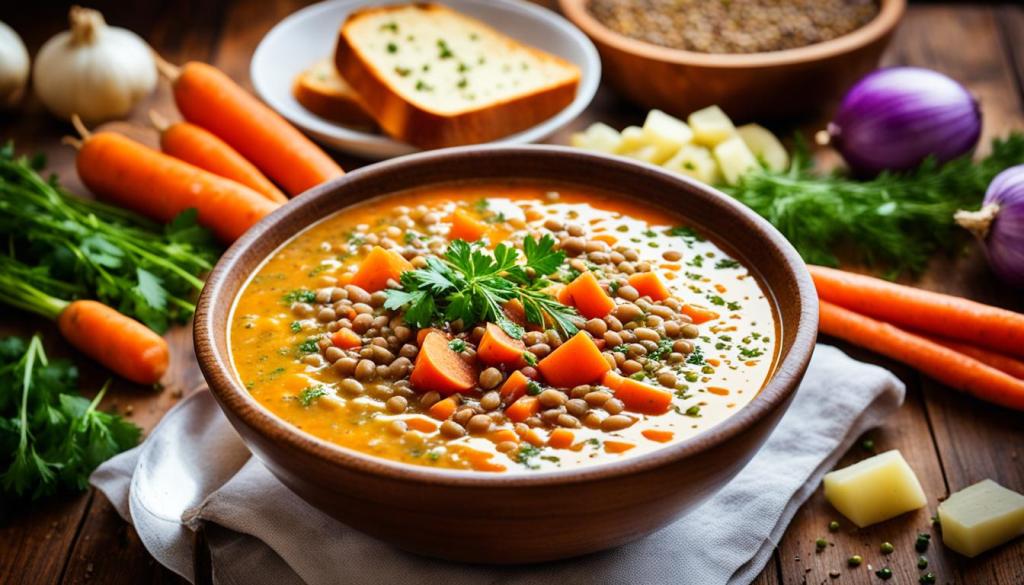
Lentils are a versatile legume that not only provide a great source of vegetarian protein but also offer an excellent dose of fiber. Incorporating lentils into your diet is a delicious and nutritious way to meet your fiber needs.
One cup of cooked lentils contains a whopping 16 grams of fiber, making them a fiber-rich food choice. Fiber is crucial for maintaining a healthy digestive system and promoting regular bowel movements. Lentils are also packed with other essential nutrients, including iron, potassium, and folate, which are vital for overall health.
What makes lentils even more remarkable is their versatility in the kitchen. They can be used to create a variety of delicious dishes, from soups and stews to salads and even meat substitutes. The earthy flavor and firm texture of lentils make them a perfect ingredient for lentil soup recipes, where they shine as the star ingredient.
“Lentils are a true nutritional powerhouse, providing not only a great source of protein but also an impressive amount of fiber. They can easily be incorporated into a variety of dishes, and lentil soup recipes are a popular and flavorful way to enjoy their benefits.”
Not only are lentils delicious and easy to cook, but they are also a budget-friendly option. Whether you’re looking for a quick weeknight dinner or a nutritious meal to warm you up on a cold day, lentil soup recipes offer a satisfying and fiber-filled solution.
Why Choose Lentils?
- Lentils are an excellent source of dietary fiber and can help improve digestion.
- They are rich in iron, potassium, and folate, supporting overall health and well-being.
- With their protein content, lentils make a fantastic vegetarian or vegan alternative to meat.
- Lentils are a versatile ingredient, lending themselves well to a variety of cuisines and cooking styles.
- Including lentils in your diet can help you meet your daily fiber intake and support a healthy lifestyle.
So, whether you’re a seasoned cook or a novice in the kitchen, consider adding lentils to your grocery list. With their fiber power and culinary flexibility, lentils are a fantastic addition to any diet.
Raspberries: A Fiber-Rich Berry
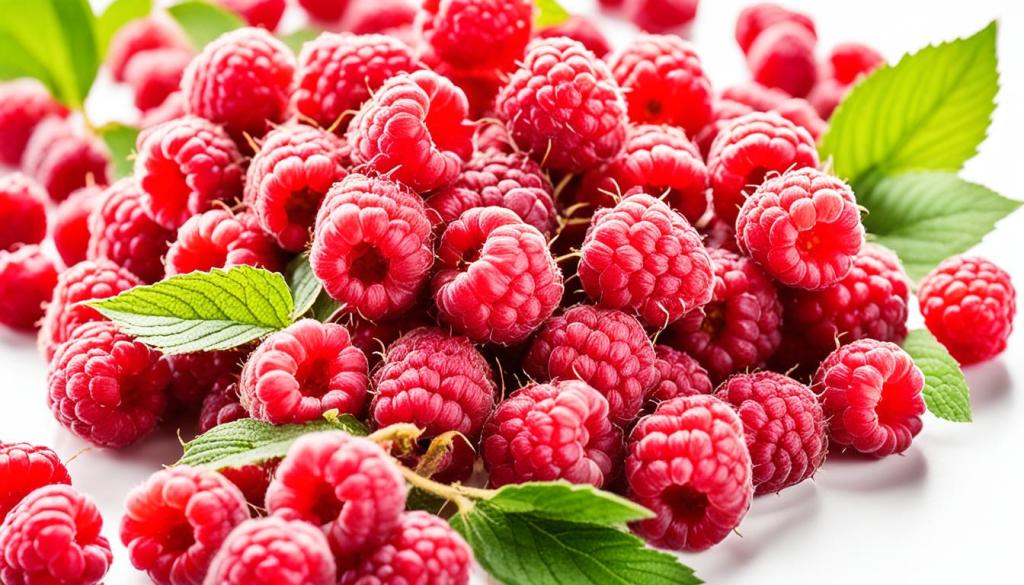
Raspberries are not only delicious but also packed with fiber. One cup of raspberries provides an impressive 8 grams of fiber. They are also a rich source of antioxidants, vitamin C, and manganese. The fiber in raspberries helps support digestive health and may contribute to weight management.
Enjoying raspberries as a snack or adding them to smoothies, yogurt, or salads is a tasty way to increase your fiber intake. Incorporating these vibrant berries into your diet allows you to indulge in their sweet taste while reaping the numerous health benefits they offer.
| Nutrient | Amount per 1 cup (123g) |
|---|---|
| Fiber | 8g |
| Vitamin C | 32.2mg |
| Manganese | 0.5mg |
| Calories | 64 |
| Sugar | 5.4g |
As part of a balanced diet, raspberries can contribute to overall wellness and support your fiber needs. So go ahead, savor the burst of flavor and enjoy the nutritional benefits of raspberries.
Dried Split Pea Soup: A Fiber-Filled Delight
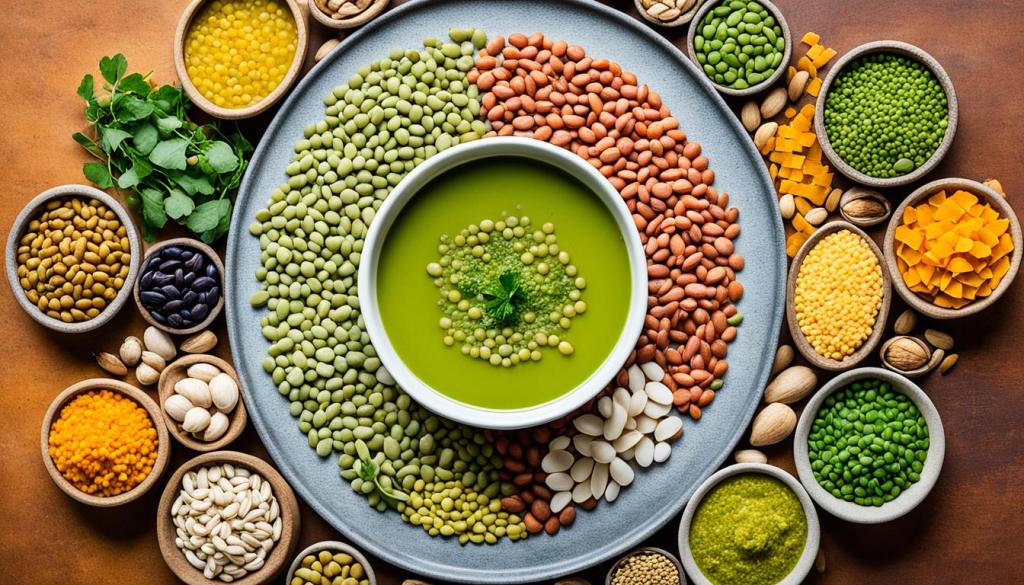
Dried split pea soup is a classic dish that not only warms the soul but also provides a hearty dose of fiber. Made from dried split peas, this soup is not only flavorful but also packed with nutritional benefits.
One cup of cooked dried split peas contains about 16 grams of fiber, making it an excellent choice for those looking to increase their fiber intake. Fiber is an essential nutrient that aids in digestion, helps maintain healthy cholesterol levels, and promotes a feeling of fullness, which can support weight management. By incorporating dried split pea soup into your diet, you can easily boost your fiber intake and enjoy a satisfying meal.
In addition to being high in fiber, dried split peas are also a good source of protein, iron, and potassium. Protein is important for building and repairing tissues, while iron supports red blood cell production. Potassium helps maintain proper heart function and can contribute to healthy blood pressure levels.
How to Make Dried Split Pea Soup
Making dried split pea soup is simple and requires just a few ingredients. Here’s a basic recipe to get you started:
- In a large pot, heat olive oil over medium heat.
- Add diced onions, carrots, and celery to the pot and sauté until the vegetables are tender.
- Add dried split peas, vegetable or chicken broth, bay leaves, and any desired herbs or spices.
- Bring the mixture to a boil, then reduce the heat and let it simmer for about 1 hour, or until the split peas are tender and the soup has thickened.
- Remove the bay leaves and season the soup with salt and pepper to taste.
- Optional: Use an immersion blender to partially puree the soup for a smoother consistency.
- Serve the soup hot and garnish with fresh herbs or a dollop of Greek yogurt, if desired.
Feel free to customize the recipe by adding additional vegetables, such as potatoes or leafy greens, or by incorporating cooked ham or bacon for extra flavor. Dried split pea soup is versatile and can be adapted to suit your taste preferences.
Enjoy a bowl of delicious dried split pea soup for a satisfying and fiber-filled meal. Not only will you be nourishing your body with essential nutrients, but you’ll also be treating yourself to a flavorful and comforting dish.
The Importance of a High-Fiber Diet
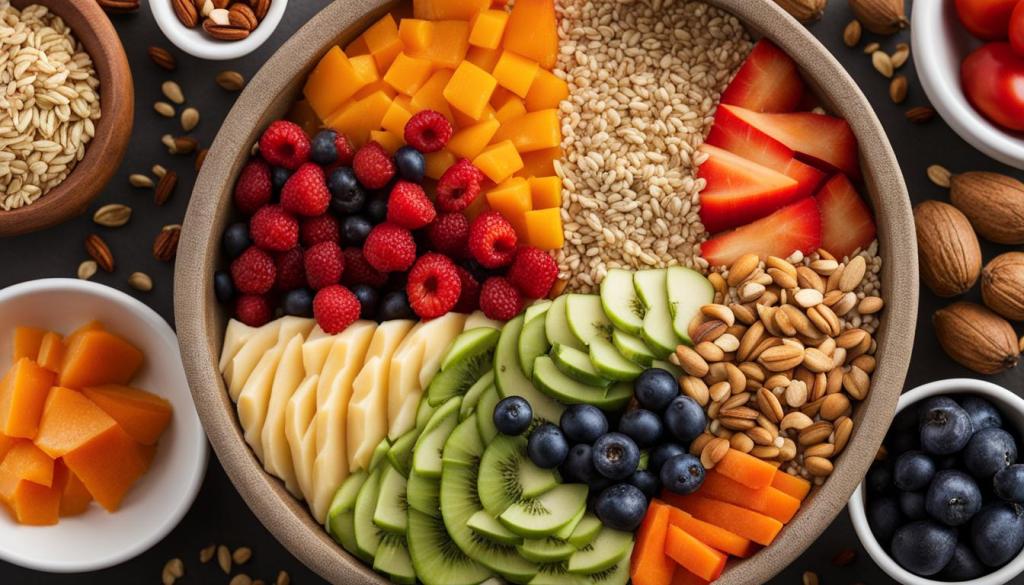
A high-fiber diet provides numerous health benefits that contribute to your overall well-being. Adequate intake of dietary fiber is essential for maintaining optimal health. Fiber not only aids in weight loss efforts by promoting feelings of fullness, but it also plays a crucial role in supporting healthy digestion.
Fiber-rich foods, such as fruits, vegetables, whole grains, and legumes, help regulate blood sugar levels, making them particularly beneficial for individuals with diabetes or those at risk of developing the condition. Additionally, a high-fiber diet can help lower cholesterol levels, reducing the risk of heart disease.
Another important benefit of consuming a high-fiber diet is its positive impact on gut health. Fiber acts as a prebiotic, providing nourishment for the beneficial bacteria in the gut. These bacteria play a vital role in maintaining a healthy digestive system and supporting a strong immune system.
Integrating a variety of high-fiber foods into your daily diet is key to reaping the many benefits of dietary fiber. Don’t hesitate to fill your plate with fiber-rich options to fuel a healthy lifestyle.
By incorporating a high-fiber diet into your daily routine, you can promote weight loss, enhance digestion, regulate blood sugar levels, lower cholesterol, and promote a healthy gut. Remember to include a variety of fiber-rich foods in your meals to maximize the benefits they provide.
Easy Ways to Increase Your Fiber Intake
If you’re looking to up your fiber intake, here are some simple tips:
- Include a variety of fruits and vegetables in your meals and snacks.
- Choose whole grain products like brown rice, whole wheat bread, and whole grain pasta.
- Incorporate legumes such as beans, lentils, and chickpeas into your diet.
- Snack on nuts and seeds.
- Add chia seeds or flaxseeds to smoothies, yogurt, or oatmeal.
Remember to increase your fiber intake gradually and drink plenty of water to help fiber move through your digestive system smoothly.
Recommended Fiber Intake and Sources
The Academy of Nutrition and Dietetics recommends consuming about 14 grams of dietary fiber for every 1,000 calories consumed daily. However, most Americans only consume around 15 grams of fiber per day, falling short of their recommended needs. Incorporating high-fiber foods into your diet is crucial to meet your daily fiber intake.
Alongside chia seeds, dark chocolate, lentils, raspberries, and dried split peas, other high-fiber foods include:
- Beans
- Whole grains
- Fruits
- Vegetables
- Nuts
By including these high-fiber foods in your meals and snacks, you can ensure that you’re getting the necessary amount of fiber to support a healthy diet and digestion.
Fiber Content of Common High-Fiber Foods
| Food | Fiber Content per Serving |
|---|---|
| Chia seeds | 10 grams |
| Dark chocolate (70% or higher cocoa content) | 3 grams |
| Lentils | 16 grams |
| Raspberries | 8 grams |
| Dried split peas | 16 grams |
| Beans | Varies depending on the type |
| Whole grains | Varies depending on the type |
| Fruits | Varies depending on the type |
| Vegetables | Varies depending on the type |
| Nuts | Varies depending on the type |
As you can see from the table above, these high-fiber foods can provide a significant amount of fiber to your diet, helping you meet your daily recommended intake. Incorporating a variety of these foods into your meals can ensure a well-rounded and fiber-rich diet.
Different Types of Fiber and Their Benefits
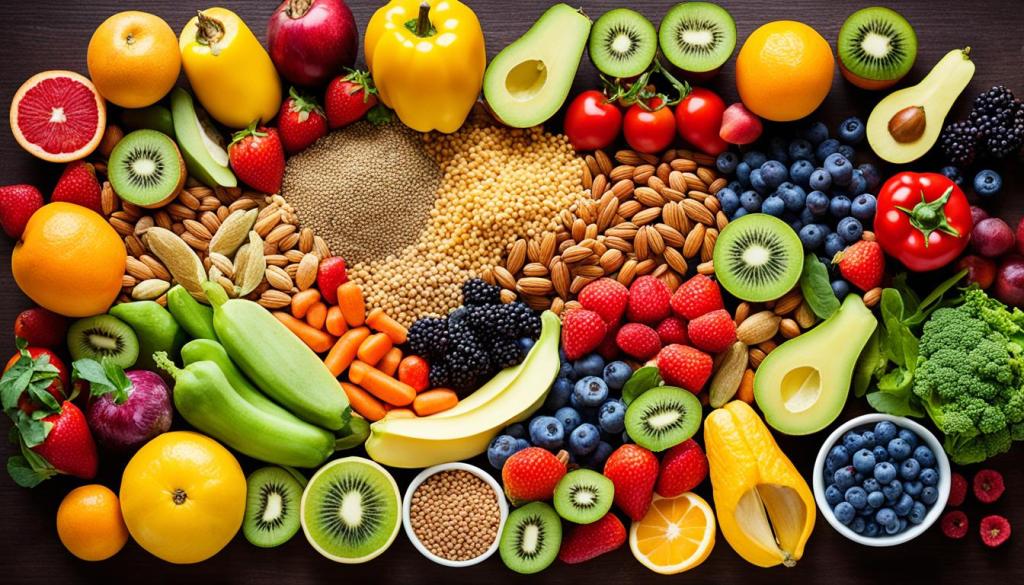
Fiber is an essential nutrient that plays a vital role in supporting a healthy digestive system and overall well-being. There are two main types of fiber: soluble fiber and insoluble fiber. Both types have their unique benefits and can be found in various plant-based foods.
The Benefits of Soluble Fiber
Soluble fiber, as the name suggests, dissolves in water and forms a gel-like substance during digestion. This gel-like substance aids in digestion by slowing down the absorption of sugars and fats in the body. Soluble fiber also helps regulate blood sugar levels, making it beneficial for individuals with diabetes. Moreover, it can help lower cholesterol levels, thereby reducing the risk of heart disease.
Including foods rich in soluble fiber, such as oats, barley, citrus fruits, apples, and legumes, in your diet can provide these incredible benefits. Soluble fiber acts as a natural prebiotic, nourishing the beneficial bacteria in your gut, which is crucial for optimal gut health. By incorporating soluble fiber into your meals, you can support your digestive system and improve your overall health.
The Benefits of Insoluble Fiber
Unlike soluble fiber, insoluble fiber does not dissolve in water. Instead, it adds bulk to the stool, promoting regular bowel movements and preventing constipation. Insoluble fiber helps to keep your gastrointestinal tract healthy by speeding up the movement of food through your digestive system, which can reduce the risk of certain digestive disorders.
Whole grains, nuts, seeds, wheat bran, and some vegetables, such as broccoli, cauliflower, and green beans, are excellent sources of insoluble fiber. Including these foods in your diet can provide the necessary fiber your body needs for smooth digestion and regular bowel movements.
The Synergistic Benefits of Combined Fiber Intake
While soluble and insoluble fiber offer unique benefits on their own, consuming a combination of both types of fiber is key to achieving optimal health. A diverse range of high-fiber foods, including fruits, vegetables, whole grains, legumes, nuts, and seeds, can provide a balanced intake of soluble and insoluble fiber.
When combined, soluble and insoluble fiber work together to support a healthy digestive system, maintain regular bowel movements, regulate blood sugar levels, and promote heart health. These fiber-rich foods also help you feel full and satisfied, aiding in weight management and overall well-being.
So, whether you prefer a hearty bowl of oatmeal for breakfast, a colorful salad for lunch, or a bowl of lentil soup for dinner, incorporating a variety of high-fiber foods into your diet ensures you receive the full spectrum of fiber benefits.
| Fiber Type | Food Sources |
|---|---|
| Soluble Fiber | Oats, barley, citrus fruits, apples, legumes |
| Insoluble Fiber | Whole grains, nuts, seeds, wheat bran, broccoli, cauliflower, green beans |
By embracing a high-fiber diet that incorporates both soluble and insoluble fiber sources, you can enjoy the numerous benefits that fiber has to offer. From supporting optimal digestive health to reducing the risk of chronic diseases, fiber plays a vital role in maintaining your overall well-being. So, make fiber-rich foods a staple in your daily meals and experience the transformative power of a fiber-rich diet.
Increasing Your Fiber Intake: Tips and Tricks
Increasing your fiber intake can be done gradually over time to avoid digestive discomfort. By following these high-fiber diet tips, you can easily incorporate more fiber-rich foods into your meals and snacks, improving your overall health and well-being.
1. Incorporate High-Fiber Foods
Start by incorporating high-fiber foods into your meals and snacks. Focus on whole foods like fruits, vegetables, whole grains, legumes, and nuts. These foods are not only rich in fiber but also provide a wide range of essential nutrients to support your overall health.
2. Hydrate Well
Drinking plenty of water is essential when increasing your fiber intake. Water helps fiber move through your digestive system smoothly, preventing constipation and promoting regular bowel movements. Aim to drink at least 8 cups (64 ounces) of water per day.
3. Experiment with Recipes
Explore different recipes and food combinations to make your high-fiber diet enjoyable and sustainable. Try mixing various high-fiber ingredients in salads, soups, stir-fries, and smoothies. Get creative and discover new flavors and textures that will make your meals exciting.
4. Gradually Increase Fiber Intake
Gradually increase your fiber intake to allow your body to adjust and avoid digestive discomfort. Start by adding small amounts of fiber-rich foods to your diet and gradually increase the portions over time. This approach will help your digestive system adapt and minimize any potential side effects.
Tip: Not sure how to add more fiber to your diet? Start by replacing refined grains with whole grains, snacking on fruits and vegetables, and incorporating beans or lentils into your favorite dishes.
5. Pay Attention to Labels
When shopping for food, read the labels and choose products that are high in fiber. Look for labels that state “whole grain,” “high fiber,” or “excellent source of fiber.” These products are specifically designed to help you increase your fiber intake.
6. Consider Supplements
If it’s challenging to consume enough fiber-rich foods on a daily basis, consider using fiber supplements. However, it’s essential to consult with a healthcare professional before starting any supplements to ensure they are suitable for your specific needs and health conditions.
7. Stay Consistent
Consistency is key when increasing your fiber intake. Make a commitment to include high-fiber foods in your daily meals and snacks. Over time, your taste buds will adjust, and consuming fiber-rich foods will become a natural part of your regular eating habits.
Remember, increasing your fiber intake is a process that requires patience and consistency. By incorporating these high-fiber diet tips into your daily routine, you can gradually increase your fiber intake and reap the numerous health benefits that come with it.
Conclusion
Incorporating fiber-rich foods into your diet is not only simple but also delicious. Foods like chia seeds, dark chocolate, lentils, raspberries, and dried split peas are excellent sources of fiber that can easily be incorporated into your everyday meals and snacks. By including these fiber-rich foods in your diet, you can enjoy a variety of health benefits.
A fiber-rich diet can help promote weight loss by increasing feelings of fullness, supporting healthy digestion, and preventing overeating. Additionally, fiber plays a crucial role in reducing the risk of chronic diseases, such as heart disease, and helps regulate blood sugar levels and lower cholesterol.
To reap the health benefits of fiber, remember to listen to your body and gradually increase your fiber intake. Make fiber-rich foods a regular part of your meals and snacks to improve your overall health and well-being. Start by adding a variety of high-fiber foods like chia seeds, dark chocolate, lentils, raspberries, and dried split peas to your grocery list and enjoy the nourishing benefits of a fiber-rich diet.
FAQ
What are some lesser-known sources of fiber?
Chia seeds, dark chocolate, lentils, raspberries, and dried split peas are five sources of fiber that you might not be aware of.
How much fiber do chia seeds contain?
Chia seeds are an excellent source of fiber, with just one ounce providing 10 grams of fiber.
What are the health benefits of chia seeds?
In addition to their high fiber content, chia seeds are also packed with omega-3 fatty acids, protein, and various micronutrients.
Can dark chocolate be a source of fiber?
Yes, dark chocolate contains about 3 grams of fiber per 1-ounce serving. Choose dark chocolate with a high percentage of cocoa solids (70% or higher) to maximize fiber content.
How much fiber do lentils contain?
Lentils are an excellent source of fiber, with one cup of cooked lentils containing 16 grams of fiber.
How can lentils be used in recipes?
Lentils are versatile and can be used in soups, stews, salads, and even as a meat substitute in various dishes.
How much fiber do raspberries provide?
One cup of raspberries provides 8 grams of fiber.
What other nutrients are found in raspberries?
Raspberries are also rich in antioxidants, vitamin C, and manganese.
How much fiber do dried split peas contain?
One cup of cooked dried split peas contains about 16 grams of fiber.
What are the health benefits of a high-fiber diet?
A high-fiber diet can promote weight loss, support healthy digestion, regulate blood sugar levels, lower cholesterol, and reduce the risk of heart disease.
How much fiber should I consume daily?
The Academy of Nutrition and Dietetics recommends consuming about 14 grams of fiber for every 1,000 calories consumed daily.
What are the different types of fiber?
There are two main types of fiber: soluble fiber, which dissolves in water and forms a gel-like substance, and insoluble fiber, which does not dissolve in water and adds bulk to the stool.
How can I increase my fiber intake?
Incorporate high-fiber foods into your meals and snacks gradually, focusing on whole foods like fruits, vegetables, whole grains, legumes, and nuts. Drink plenty of water to help fiber move through your digestive system smoothly.
What are the benefits of a fiber-rich diet?
A fiber-rich diet can promote weight loss, support healthy digestion, and reduce the risk of chronic diseases.



 trim down and shape up
Leave a comment