


Studies show that muscle-building activities help our health in many ways. They can slow down how fast our mind works as we get older. This can also lower the chance of getting diseases that affect the brain, like Alzheimer’s and dementia. Plus, improving your muscles can also make your heart healthier and lessen the risk of heart problems.
Getting bigger muscles, or hypertrophy, is not easy and depends on many things. Your diet, how you work out, and even your body’s genes play a big role. There’s no single best way for everyone to build muscle. It’s about finding what works for you, your body, and your lifestyle.
Key Takeaways:
- Exercises that build muscle mass can slow age-related cognitive decline.
- Muscle-building exercise reduces the risk of neurodegenerative diseases like Alzheimer’s and dementia.
- Building muscle improves heart health and lowers the risk of cardiovascular diseases.
- Building muscle is a complex process influenced by factors such as genetics, diet, and workout routine.
- Personalizing your approach to building muscle is essential for optimal results.
The Importance of Building Muscle for Overall Health

Building muscle is key for staying healthy. It leads to a firm body and offers more benefits. Activities like weightlifting make you look better. They also help your bones and balance. They cut the chances of heart disease and diabetes too.
Building muscle makes your bones stronger. Your bones make more tissue when you work them hard. This makes your bones denser and less likely to break.
Muscle also makes you steady on your feet. Strong muscles keep you from falling as you get older. They let you stay active and independent.
Your heart benefits from muscle work too. It helps your heart work better and lowers your blood pressure. This keeps heart problems away.
Muscle work even helps fight diabetes. It makes your body handle sugar better. This cuts your risk of getting type 2 diabetes.
To get these health perks, do resistance training often. A fitness expert can help you make a good plan. Focus on muscle building to protect your health and live a full life.
Factors Affecting Muscle Growth
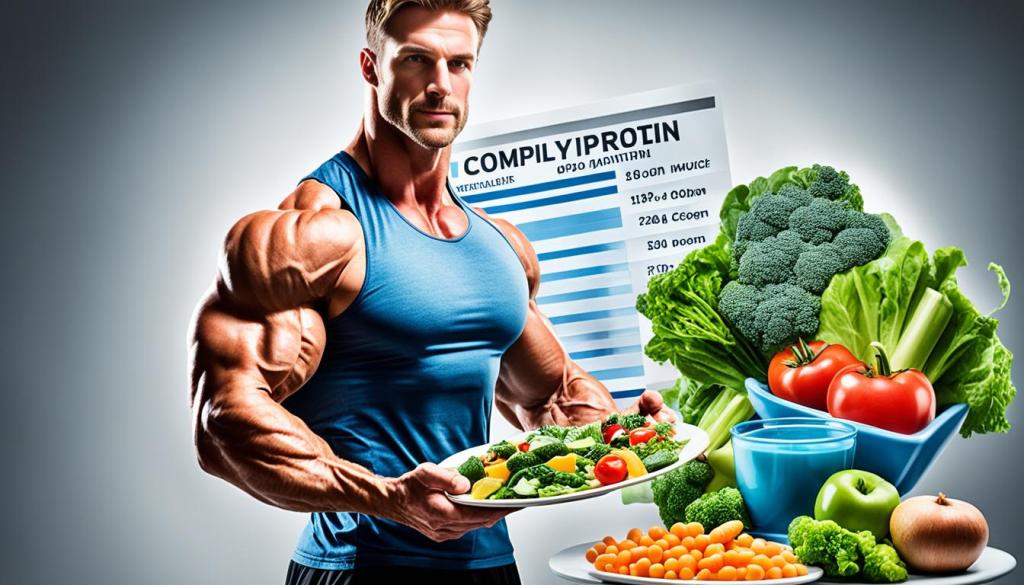
Muscle growth involves genetics, what you eat, and how you work out. Each plays a big part in helping your body build and grow muscle. Let’s explore these important elements.
Genetics
Some folks find it easier to get bigger muscles due to their genes. Knowing this, you can adjust your workout and diet plans. This can boost your muscle growth, even if genetics are not on your side.
Nutrition
Eating right is crucial for repairing and growing muscles. Protein is very important. It helps in building new muscle. Include foods like chicken, milk, beans, tofu, and tempeh in your meals for enough protein.
Training
Doing regular strength exercises is key for muscle development. By lifting weights, you actually tear your muscle fibers slightly. Then, these muscles grow back stronger.
For best results, do exercises that work many muscles and gradually lift heavier weights. Doing this the right way every time will make your muscles stronger.
Knowing how genetics, food, and exercise affect muscle growth can improve your results. Although genes start you off, a good diet and training take you to your muscle-building goals.
Common Mistakes that Hinder Muscle Growth
Building muscle requires avoiding common mistakes. These errors can slow your progress. Knowing and fixing them in your routine and diet is key. Here are mistakes that stop muscle growth.
Not eating enough protein
Protein is crucial for growing muscles. You must eat foods rich in protein. These include meats, fish, eggs, tofu, and beans.
Not consuming enough calories
Your body needs lots of calories to make muscle. Eating too little can use muscles for energy. So, eat the right amount to help muscle growth.
Overtraining
Working out hard is good, but too much is bad. Overtraining breaks down muscles. Give your body time to rest after each workout.
Poor form and technique
Bad exercise form risks injury and stunts muscle growth. Focus on doing exercises correctly. This targets your muscles the right way.
Avoid these mistakes to boost your muscle growth. Focus on good nutrition, avoiding overtraining, and proper exercises. This will help you achieve your muscle goals.
The Role of Protein in Muscle Growth

Getting enough protein is key for helping your muscles heal and grow. After you work out, your muscles might get tiny tears. Protein gives them what they need to get better, leading to growth.
There are many protein sources you can eat. Choices like chicken, turkey, and dairy are low in fat but high in protein. Foods like milk, yogurt, and cottage cheese also give you a good protein boost.
- Lean meats (chicken, turkey)
- Dairy products (milk, yogurt, cottage cheese)
- Seafood (salmon, tuna)
- Eggs
- Legumes (beans, lentils)
- Plant-based proteins (tofu, tempeh)
Having many protein sources in your diet is smart. It makes sure your body has all the amino acids it needs for muscle health. There are lots of options, whether you eat meat or not.
It’s vital to eat protein at every meal and snack. You could try eggs or Greek yogurt for breakfast, and some chicken or tofu at lunch. Also, include lean meats or legumes in your dinner.
So, don’t forget about protein for muscle repair and growth. Including a mix of lean meats, dairy, seafood, eggs, legumes, and plant proteins is great. Aim for a balanced diet with plenty of protein to meet your muscle goals.
The Importance of Sufficient Calorie Intake
Enough calories are important for muscle growth. Your body needs them to build muscles. If you don’t eat enough, you might not grow muscles as you want.
Muscle growth happens when you eat more calories than you burn. This extra energy helps your muscles grow. But, if you eat too few calories, your body lacks the energy for growth.
Eating too few calories could mean your body uses muscles for energy. This stops your muscles from growing. Make sure to eat more calories than you use to grow muscles.
Too many calories can make you gain weight. But, it’s key to eat the right kind. Choose foods rich in proteins, carbs, and good fats for muscle growth.
Eating right is just as important as working out for muscle growth. The right nutrients help your body repair and build muscles.
“To optimize muscle growth, it is vital to nourish your body with a calorie surplus and provide the necessary fuel for muscle repair and growth.” – Expert Trainer
The Role of Macronutrients in Muscle Growth
Proteins, carbs, and fats are key for muscle growth. Proteins help repair and build muscles. Carbs give you energy for workouts and help your body store energy. Good fats help make hormones, which are vital for muscle growth.
A meal plan with the right mix of these nutrients is best for muscles. Talking to a dietitian can help you make a plan tailored to your needs.
| Calorie Intake | Effect on Muscle Growth |
|---|---|
| Calorie Deficit | Insufficient calorie intake can limit muscle growth as the body uses muscle for energy instead of growth. |
| Insufficient Calorie Intake | Lack of calorie intake can lead to energy deficits, hindering muscle growth. |
| Energy Surplus | A calorie surplus is necessary to provide the fuel for muscle repair and growth. |
| Muscle Growth | The right calorie intake helps create an environment conducive to muscle growth. |
The Significance of Carbohydrate Consumption

Carbohydrates are critical for your body’s top performance, acting as the main energy source. In high-intensity exercises, your body needs carbs to keep going and to keep energy levels up. A lack of carbs can hurt how well you perform and recover.
Not getting enough carbs can lower your activeness and lengthen recovery times. Your body uses glycogen, refilled by carbs, for the energy in tough exercises. Low carbs mean less glycogen, which equals tiredness and lower performance.
Eating good complex carbs is key to having the energy you need. They give energy slowly, keeping you going during workouts and making exercise better.
Great complex carb examples are quinoa, brown rice, potatoes, and oats. Adding these healthy carbs to your meals boosts your workout energy and helps grow your muscles.
The Role of Carbohydrates in Performance
Carbs do more than give you energy. They keep your blood sugar steady, which is vital for constant energy during workouts. Carbs also help make serotonin, a brain chemical that lifts mood and makes exercise feel better.
“Carbohydrates are the fuel your body needs to maximize performance and ensure efficient muscle recovery.”
Plus, carbs help keep your muscle from breaking down. With enough carbs, your body doesn’t need to use muscles for energy. This way, you keep and even build muscle.
In short, eating enough complex carbs is crucial for your best performance and health. The right carbs give you lots of energy, better exercise results, and help you reach fitness aims.
The Importance of Hydration for Muscle Growth
Staying properly hydrated is key for muscle growth and good performance. Not drinking enough water can damage your muscles and how well you work out.
Muscle cramps often happen when you’re dehydrated. Without water, your muscles tighten up more easily. This makes working out harder and less effective.
Dehydration also causes fatigue. When your body is low on fluids, you feel tired and slow. It stops you from doing your best in workouts and slows your muscle growth.
Drink water throughout the day to avoid these problems. Try to drink eight glasses or more, depending on how active you are. This keeps your muscles working well all the time.
Always have water with you when you exercise. Take sips often to stay hydrated. Your body will tell you when it’s thirsty. It’s a sign to drink more and keep your muscles healthy.
Good muscle growth needs more than just working out and eating right. Hydration is crucial too. Drink enough water to prevent cramps, battle tiredness, and excel in your workouts. By focusing on staying hydrated, you set yourself up for success in building muscle and staying healthy.
The Role of Healthy Fats in Muscle Growth
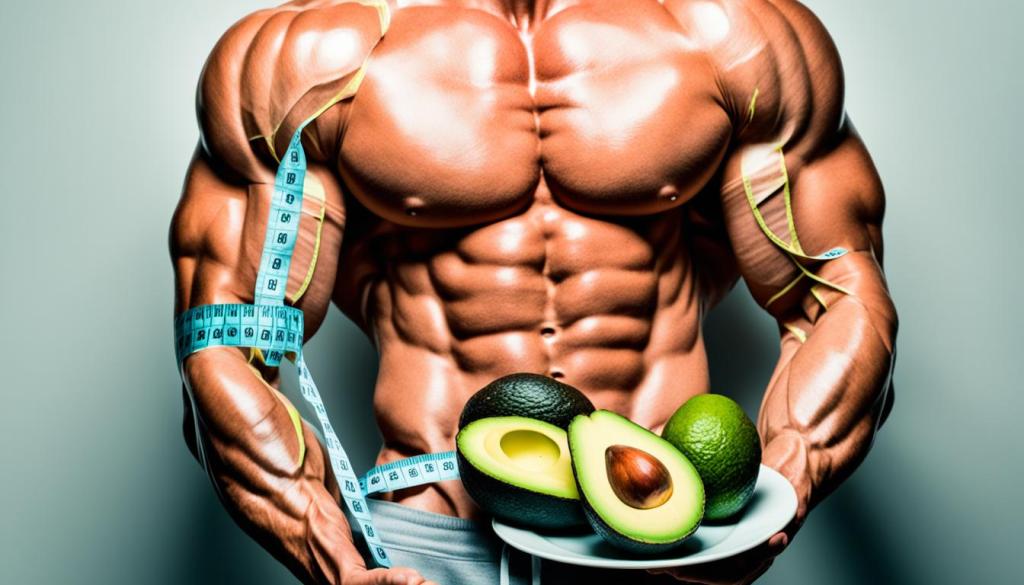
Healthy fats are vital for building muscle. They help with hormone creation and nutrient absorption. Without enough healthy fats, you might not grow muscles as well.
To boost your muscle building, eat foods like avocados, nuts, and fatty fish. These are packed with the healthy fats your body needs.
Fats are key for making hormones like testosterone, which help grow muscles. By eating the right fats, you support hormone levels and muscle growth.
For extra fat, you can take supplements. Omega-3s from fish oil is a good choice if you don’t get enough fats from food.
Muscle growth needs you to eat well, work out, and focus on nutrients from whole foods, including fats.
Why Are Healthy Fats Important for Muscle Growth?
Healthy fats give you energy for workouts and help muscles fix and grow afterward. They are a key part of your diet for staying strong and healthy.
Fats also help your body soak up important vitamins and minerals. This means by eating fats with your meals, you get more from the nutrients you consume.
Adding fats to your diet makes it more balanced and better for your body. They provide necessary fats for your health and muscles.
Just remember not to eat too much fat. It’s about having a well-rounded diet to support muscle growth. Always check with a dietitian to find out how much fat you need.
Healthy Fats Sources for Muscle Growth
Here are some healthy fats to help you build muscles:
- Avocados: They are full of good fats. Add them to your meals for a healthy boost.
- Nuts and Seeds: These include almonds, walnuts, and chia seeds. They can go on top of many foods.
- Fatty Fish: Fish like salmon are great for omega-3s. Have some a couple of times per week.
- Olive Oil: Use it in cooking or add to dishes. It’s a tasty way to get healthy fats.
Eating these fats as part of a balanced diet is key to muscle growth. They are essential for a strong body.
| Foods High in Healthy Fats | Healthy Fats Content (per 100g) |
|---|---|
| Avocado | 14.7g |
| Almonds | 49.9g |
| Salmon | 13.42g |
| Olive Oil | 100g |
The Importance of Post-Workout Nutrition

After a tough workout, your body works hard to repair and grow muscles. The right food after exercising is key. It helps your body heal and boosts recovery. Make sure to eat meals that have both protein and carbs.
Protein is key for fixing and growing muscles. It has amino acids to help muscles get stronger. Foods high in protein are lean meats, fish, eggs, and more. Including them in your meals helps your muscles get what they need.
Eating carbs after working out is also important. They give you energy and fill up your muscles’ energy bank. You can get carbs from whole grains, fruits, and veggies. This choice helps your body heal and get stronger.
Putting protein and carbs in your meal helps your muscles a lot. Protein fixes your muscles and carbs give you energy. This combo is great for recovering from workouts.
A post-workout meal or snack should have a balance of protein and carbohydrates to promote muscle repair, growth, and optimal recovery.
It’s best to eat your post-workout meal thirty minutes to an hour after. This is when your body needs it the most. Also, drinking enough water is a good idea. It helps your body use the food well.
Eating right after working out can do wonders for your fitness journey. It helps your muscles grow and heal. This means your body can get stronger by every workout.
| Nutrient | Role | Sources |
|---|---|---|
| Protein | Aids in muscle repair and growth | Lean meats, poultry, fish, eggs, dairy products, legumes |
| Carbohydrates | Replenishes glycogen stores and provides energy | Whole grains, fruits, vegetables |
The Impact of Undertraining on Muscle Growth
Doing low-intensity workouts might slow down muscle growth. You need to stress your muscles to make them grow. If you don’t challenge them enough, they won’t grow as fast. It’s also key to take rest days and do strong workouts.
The Importance of Muscle Overload
Muscle overload is when you push your muscles harder than they’re used to. This stress causes the muscles to tear a bit. Then, they rebuild themselves stronger. Low-intensity exercises don’t stress muscles enough. Without enough stress, muscles won’t grow as they should.
Engaging in low-intensity workouts without sufficient muscle overload is like trying to build a house with a weak foundation; it simply won’t happen effectively.
The Role of Rest and Recovery
Rest and recovery are crucial for muscle growth. When you work out, your muscles incur small tears. These tears need time to heal. Rest days are for this healing, which leads to muscle growth and increased strength.
Rest also lets your muscles become stronger. They adapt and grow during these days off. Without rest, muscles stay in a state of breaking down. This slows muscle growth.
The Importance of Proper Strength Training
While easy workouts have a place, real muscle growth comes from solid strength training. This involves exercises that focus on certain muscle areas. You should increase the challenge over time.
By steadily adding more weight or resistance, you keep muscles growing. This is known as progressive overload. It ensures your muscles are getting stronger all the time.
The Benefits of Cross-Training
Idea:Cross-training involves a mix of exercises. It keeps muscle growth steady. Plus, it stops muscles from getting used to the same stress. This keeps them growing and advancing.
Doing different workouts hits various muscles. It helps avoid plateaus where progress stops. Cross-training encourages ongoing muscle growth.
The Bottom Line
Too little exercise, especially if it’s not challenging, slows muscle growth. To grow muscles well, do strong, varied workouts. Always increase the difficulty to keep stimulating growth. Take rest days for recovery. Cross-train for muscle variety and steady progress.
Conclusion
Understanding how nutrition and exercise work together is crucial for muscle growth. It’s important to avoid common pitfalls and take a full-body approach to get the best results.
Eat enough protein to help your muscles grow. Protein is like building blocks for your muscles. Make sure to include lean meats, dairy, and plant proteins in your meals.
Making sure you get enough calories is also key. Not eating enough can slow down muscle growth. Be sure to fuel your body properly to meet your fitness goals.
Carbs are important for energy, especially during exercise. Focus on complex carbs like quinoa, brown rice, and oats. They’ll help keep your energy up, so you can work out longer and harder.
Staying hydrated is critical for muscle growth. Without enough water, you might feel tired, get cramps, or not perform as well. Drink water regularly throughout the day to keep your body working its best.
And don’t forget proper training. Overloading your muscles is necessary for growth. But you also need to give them time to rest and recover. Avoiding undertraining and using the right techniques is vital.
With these tips, you can make your body ripe for muscle growth. Nutrition and exercise are your main tools. And steering clear of mistakes will set you up for success.
FAQ
What are the common nutritional mistakes that hinder muscle growth?
Not eating enough protein and fewer calories can be big hurdles. Also, not getting the right carbs and water means less muscle growth.
Why is building muscle important for overall health?
Muscle helps your bones and improves your balance. It also lowers your heart and diabetes risks.
What factors affect muscle growth?
Muscle growth is influenced by your genes, what you eat, and how you train.
What are the common mistakes that hinder muscle growth?
Key mistakes include lacking protein and calories, overtraining, and using bad exercise form.
What is the role of protein in muscle growth?
Protein is key for fixing and growing muscle. It includes amino acids, found in lean meats, dairy, and plant proteins.
Why is sufficient calorie intake important for muscle growth?
Having enough calories is vital for muscle growth. With too few calories, your body may use muscle for energy.
Why is carbohydrate consumption significant for muscle growth?
Carbs are crucial for energy, especially during hard workouts. Not eating enough can affect performance. Good carbs include quinoa, brown rice, and potatoes.
What is the importance of hydration for muscle growth?
Staying hydrated is a must for muscle health. Without enough water, you may face cramps, feel tired, and perform poorly.
What is the role of healthy fats in muscle growth?
Healthy fats influence hormone production, important for muscle growth. Eat avocados, nuts, fish, and olive oil for these fats.
Why is post-workout nutrition important for muscle growth?
Your body needs the right food after working out to repair and grow muscles. A mix of protein and carbs is best for this.
How does undertraining impact muscle growth?
Not training hard enough slows muscle growth. Your muscles need to be pushed to develop. Taking proper rest and using the right strength training are also important.
What is the key to optimizing muscle growth?
For top muscle growth, avoid skipping meals and keep exercising. Eat plenty of protein, enough calories, and the right carbs. Drink plenty, and eat well after you work out. Don’t train too little or badly.


 trim down and shape up
Leave a comment