


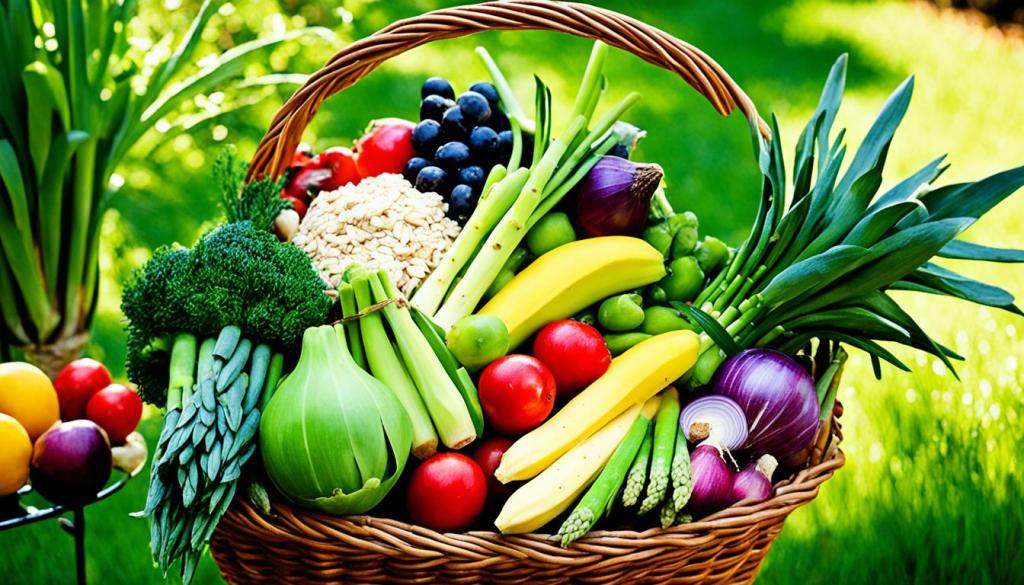
Prebiotics are like fuel for the good bacteria in your gut. They help these bacteria grow and stay healthy. This is important because these bacteria help with digestion, keep your immune system strong, and even affect your mood. The study of the gut and its bacteria, known as the gut microbiome, has become very popular lately. Many studies show how important it is for our health.
Key Takeaways
- Incorporating prebiotic-rich foods into your diet can enhance your gut health by promoting the growth of beneficial bacteria.
- Dandelion greens, Jerusalem artichokes, garlic, leeks, and onions are five prebiotic-rich foods that can contribute to better digestive health and overall well-being.
- Prebiotics are a form of dietary fiber that cannot be digested by the body but serve as food for beneficial bacteria in the gut.
- By supporting the growth and activity of beneficial bacteria, prebiotics help strengthen the immune system and improve digestion.
- Including prebiotic-rich foods in your diet can potentially prevent certain diseases and contribute to a healthier gut microbiome.
The Importance of Prebiotics for Gut Health
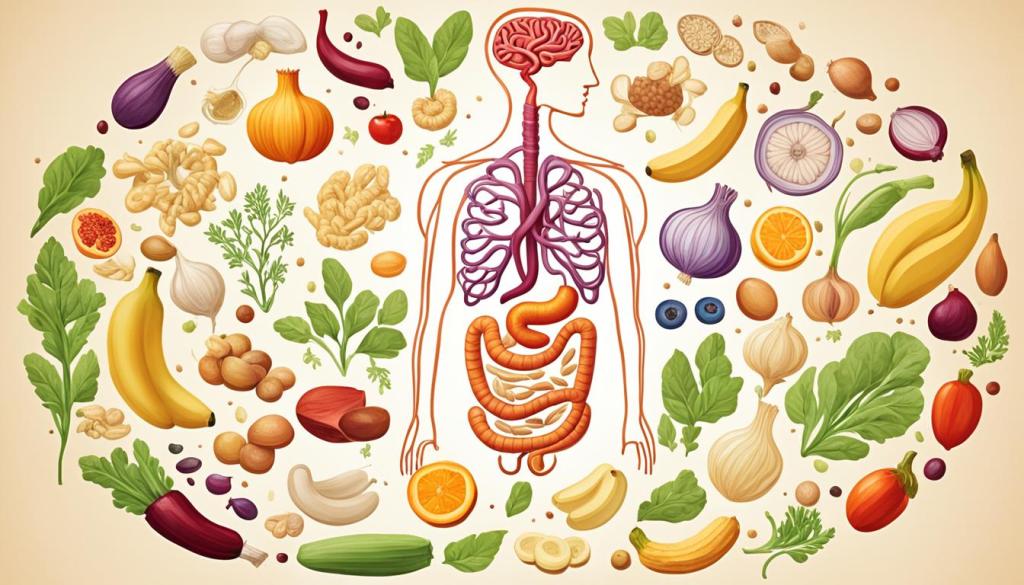
Prebiotics are key for a healthy gut, just like probiotics. But, they work a bit differently. While probiotics are good bacteria, prebiotics are fiber. They feed the good bacteria in your gut, helping your gut stay healthy.
Eating foods rich in prebiotics is good for you. They help the good bacteria in your gut grow. This keeps your gut healthy and your body’s bacteria balanced. So, your digestion is better, your immune system is stronger, and you might avoid some diseases.
Studies show prebiotics help with digestion and ease tummy troubles. They also boost your immune system and help your body absorb minerals better. They keep your blood sugar levels stable too.
Prebiotics might not just help your body, they could help your mind too. New research suggests a healthy gut helps make you feel happy and mentally well.
Eating foods high in prebiotics is a good move. Go for things like dandelion greens, Jerusalem artichokes, garlic, leeks, and onions. This will help your gut and make you feel better all around.
“Incorporating prebiotics into your diet is like providing fuel for beneficial bacteria in your gut, supporting a healthy gut environment and promoting overall wellness.”
Benefits of Prebiotics for Gut Health:
- Improved digestion
- Enhanced immune function
- Better mineral absorption
- Regulated blood sugar levels
- Potential benefits for mental health
To see how prebiotics help your gut, check out the table below:
| Benefit | Description |
|---|---|
| Improved digestion | Promotes regular bowel movements and alleviates digestive discomfort |
| Enhanced immune function | Supports a strong immune system through a balanced gut microbiome |
| Better mineral absorption | Aids in the absorption of important minerals for overall health |
| Regulated blood sugar levels | Contributes to stable blood sugar levels, reducing the risk of diabetes |
| Potential benefits for mental health | Emerging research suggests a link between gut health and mental well-being |
Knowing how important prebiotics are, it’s smart to add them to your daily food. This small step can really boost your health.
The Top 5 Prebiotic-Rich Foods
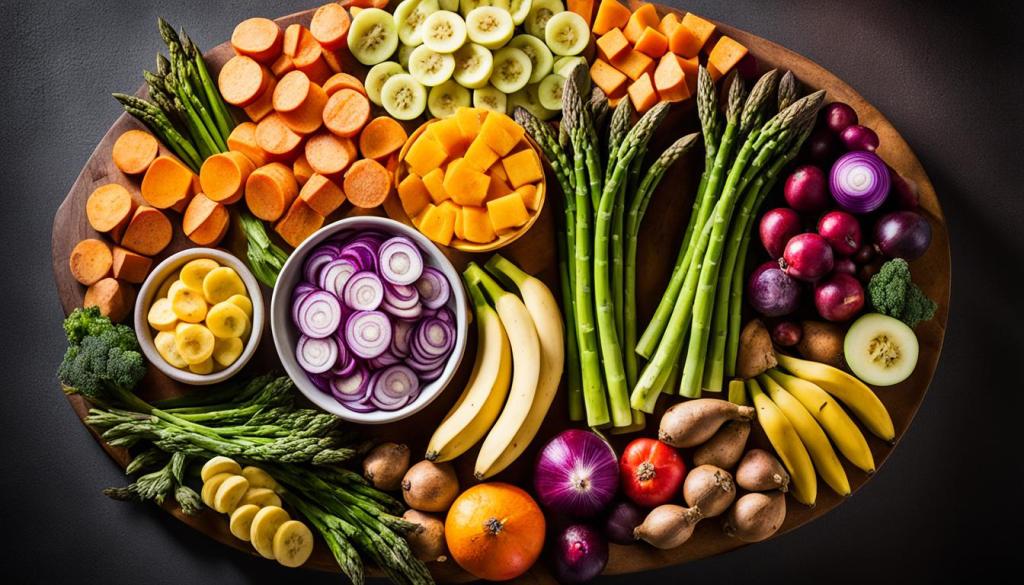
A study by San José State University found the top five prebiotic-rich foods. They are dandelion greens, Jerusalem artichokes, garlic, leeks, and onions. These foods do wonders for your gut health. This is because they are loaded with prebiotics and fiber. They help your body’s good bacteria thrive, supporting a healthy digestive system.
Let’s delve into each of these foods’ benefits.
Dandelion Greens
Don’t dismiss dandelion greens as weeds. They’re rich in fiber and prebiotics, aiding your gut’s good bacteria. Plus, they pack a nutritional punch with vitamins A, C, and K. They also provide minerals like iron and calcium.
Jerusalem Artichokes
Jerusalem artichokes, or sunchokes, are prebiotic powerhouses. High in inulin, they fuel your gut’s good bacteria. These tubers also offer potassium, iron, and thiamin.
Garlic
Garlic does more than just flavor dishes. It’s rich in inulin and fructooligosaccharides that boost your gut’s health. Besides, it has heart and immune system benefits.
Leeks
Leeks belong to the onion family and are full of prebiotics. Their inulin and FOS nourish your good gut bacteria. They’re also a vitamin and mineral treasure trove.
Onions
Onions contain FOS, a prebiotic fiber that fosters good gut bacteria growth. They’re packed with vitamins B6 and C, and other antioxidants for well-being.
Incorporate dandelion greens, Jerusalem artichokes, garlic, leeks, and onions into your meals. They’ll boost your gut with the prebiotics it needs. Delicious and healthy, try them in various dishes like salads, stir-fries, soups, or roasted veggies.
Other Prebiotic-Rich Foods
There are more foods that can give you prebiotics and improve gut health. Onion rings, creamed onions, cowpeas, asparagus, and Kellogg’s All-Bran cereal are good choices.
Onion rings are a tasty starter that crunches. They have prebiotics to feed good gut bacteria. Creamed onions are also creamy and full of prebiotics.
Cowpeas, or black-eyed peas, have protein and prebiotic fibers for your gut. Asparagus is full of prebiotics, vitamins, and minerals too.
Kellogg’s All-Bran cereal is great for cereal fans who want prebiotics. Its fiber is good for digestion and growing healthy gut bacteria.
Remember, these foods are rich in prebiotics and fiber. This fiber keeps your digestive system healthy and supports your gut overall.
The Impact of Prebiotics on Health
Prebiotics really help your body in many ways. Adding prebiotic-rich foods to your meals can boost your health. It improves digestion, strengthens your immune system, helps absorb minerals, regulates blood sugar, and may even make you feel happier.
Improved Digestive Health:
Prebiotics support good bowel movements. This can help with constipation and keep your digestion on track.
Enhanced Immune Function:
They balance the bacteria in your gut, strengthening your immune system. A strong immune system fights off illnesses and keeps you healthy.
Improved Mineral Absorption:
Prebiotics help your body soak up important minerals like calcium and magnesium. This is good for your bones and keeping minerals in balance.
Better Blood Sugar Regulation:
They also help control your blood sugar. This is especially important for people with diabetes or those trying to prevent it.
Potential Benefits for Mental Health:
Studies are finding a connection between your gut and your brain. Prebiotics might help mental health, but we need more research to be sure.
Eating foods rich in prebiotics is great for your health. It helps your stomach, your immune system, your bones, your sugar levels, and maybe even your mood. Adding prebiotics to your meals is a smart choice for staying healthy.
The Recommended Daily Intake of Prebiotics
The ISAPP suggests taking in 5 grams of prebiotics each day for a healthy gut. This amount is a good guide to make sure you get enough prebiotics in your diet.
One small onion, weighing about 4 ounces, gives you enough prebiotics for one day. Adding foods like onions that are rich in prebiotics can help keep your gut healthy.
Prebiotics help your gut and the good bacteria in it to grow. Adding them to what you eat daily can support a strong digestive system.
The Role of Prebiotics and Probiotics in Gut Health
Keeping our gut healthy is key and both prebiotics and probiotics are vital. Probiotics are tiny friendly bacteria. They help with digestion and keep our immune system strong. On the flip side, prebiotics act as food for probiotics. This helps them grow and do their job in our gut.
Prebiotics ensure the good bacteria in our gut stays strong and varied. This is really important for good gut health. A diverse microbiome aids in digestion, absorbs nutrients well, and fights off illnesses.
Using both pre- and probiotics can really boost gut health. Probiotics add good bacteria straight to our gut. Prebiotics then feed them. This makes a great team for overall gut health.
An ideal pair is yogurt full of probiotics alongside fruits that are great for prebiotics. Think bananas or berries. The yogurt’s probiotics and the fruits’ prebiotics work together. They create a healthy system in your gut.
Integrating these into your meals can do wonders. It helps make your gut environment a rich and healthy one. This supports digestion, strengthens your immune system, and benefits your whole body.
Add the following prebiotic-rich foods to your diet:
- Dandelion greens
- Jerusalem artichokes
- Garlic
- Leeks
- Onions
These foods are both tasty and packed with prebiotics. They’re a great choice for keeping your gut happy and healthy.
Remember, a healthy gut is a happy gut.
Understanding Prebiotics and Their Benefits
Prebiotics are important for a healthy gut. They’re a special type of fiber. They feed good bacteria in our gut.
This helps the beneficial bacteria grow and do good things in our tummy. It makes digestion smoother and more effective.
Prebiotics also boost our immune system. They help our body guard against sicknesses by making the good bacteria stronger.
They’re good for grabbing onto minerals our body needs. This makes sure we get enough calcium and magnesium from our food.
Prebiotics help with weight control too. They make us feel full, cutting down on overeating. This leads to better weight management.
Studies show prebiotics might help our heart. They could lower bad cholesterol. This, in turn, might reduce our heart disease risk.
There’s also a link between prebiotics and mood. They could help our gut and brain communicate better. This might make us feel happier and less stressed.
Eating prebiotic foods is great for our health. Foods like dandelion greens and garlic feed our gut well.
Including these foods in our diet is crucial. They improve our gut balance. This leads to various health benefits.
Safety and Precautions for Prebiotic Consumption
Prebiotics are great for our gut health, but it’s wise to use them carefully. Too many prebiotics can cause issues in those with a delicate stomach. This may lead to bloating, gas, cramps, or diarrhea.
A smart move is to slowly work prebiotics into your diet. This helps your body get used to more fiber. Start with a small amount of prebiotic foods and increase gradually. Doing this helps avoid the bad side effects while still getting the good.
Always remember, it’s about balance. Watch how your body reacts and adjust as needed. Your body knows best, so make changes based on what it tells you.
Adding prebiotics to your meals is a big plus for your health. Go slow and pay attention to how you feel. This way, you’ll keep your tummy happy while reaping the rewards of prebiotics.
Future Research and Recommendations

Prebiotics are known for helping with gut health. But we need more research. This will help us understand how much and what types of prebiotics are best.
More studies will show how prebiotics work with other foods. They will also check if prebiotic supplements are safe and helpful.
“Understanding the optimal amounts and types of prebiotics is essential to tailor dietary recommendations for various population groups and improve overall gut health.”
Studying this will let us give better dietary advice. We can create guidelines that explain prebiotics’ importance.
This knowledge will help make personalized health plans. It’s all about keeping our guts healthy.
Optimal Prebiotic Amounts
We must find the perfect prebiotic amounts for everyone. Different things like age and health influence this. Doing research will lead to advice that suits each person.
Interactions with Other Dietary Components
Researching how prebiotics work with other foods is key. It will help us make the most of prebiotics. For example, we can know which nutrients help prebiotics do their job better.
Prebiotic Supplements
Looking into the pros and cons of prebiotic supplements is important. This is for people who can’t eat enough prebiotic-rich foods. Studies will figure out the right amount to take and the effects of these supplements over time.
It’s important to keep learning about prebiotics. This way, we can be clearer on how they help. Knowledge will help doctors and the public choose the best ways to use prebiotics.
Incorporating Prebiotics Into Your Diet
To boost your gut health, it’s key to eat foods that are high in prebiotics. These foods have a lot of prebiotics and fiber. They help keep your gut healthy. Make sure you eat lots of fruits, veggies, and whole grains.
Prebiotic-Rich Foods to Include:
Dandelion Greens: Toss dandelion greens in salads or blend them into smoothies. This will give your gut a good boost.
Jerusalem Artichokes: You can bake, fry, or use them in soups. This will add more prebiotics to your meals.
Garlic: Use garlic in your recipes. It not only adds flavor but also more prebiotics.
Leeks: Cook leeks in a pan or add them to dishes. They taste great and help your gut.
Onions: Eat onions raw or cooked. They are full of prebiotics and can go in many meals.
Also, try to eat a mix of foods. Include different fruits, veggies, and grains in your diet. Berries, bananas, and oats are great for your gut too.
Eating foods rich in prebiotics and having a varied diet is good for your gut. If you have questions, talk to a health expert or nutritionist. They can give you advice that fits your needs.
Now, we’ll show you a table with info on prebiotics in various foods:
| Prebiotic-Rich Food | Prebiotic Content |
|---|---|
| Dandelion Greens | 2.4g per 100g |
| Jerusalem Artichokes | 1.6g per 100g |
| Garlic | 1.0g per 100g |
| Leeks | 1.0g per 100g |
| Onions | 0.8g per 100g |
| Asparagus | 0.6g per 100g |
| Oats | 0.3g per 100g |
| Whole Wheat Bread | 0.3g per 100g |
A healthy diet combines prebiotic-rich foods with other good choices. This is great for your overall gut health.
Conclusion
Eating foods full of prebiotics is a great way to improve your gut health. Dandelion greens, Jerusalem artichokes, garlic, leeks, and onions are among the best. They’re packed with fiber. Adding these to your meals helps your gut stay healthy. It also makes digestion better. Think of them as a boost for your gut and overall health.
When you eat these prebiotic-rich foods, you get more fiber. This feeds your good bacteria. They help with digestion and keep you healthy. These foods help your body in many ways. They aid in digesting food better. They make your immune system stronger. Plus, they help your body absorb minerals well. They might even help keep your weight in check and improve your mood.
Having a healthy microbiome is important. It’s key for your overall health. Adding prebiotic foods to your diet is easy yet helps a lot. So, start by eating more fruits, veggies, and whole grains. Include things like dandelion greens, Jerusalem artichokes, garlic, leeks, and onions in your meals. Your gut and your entire body will be grateful.
FAQ
What are prebiotic-rich foods?
Prebiotic-rich foods are packed with prebiotics. These are a kind of dietary fiber. They feed the good bacteria in our guts. Good examples include dandelion greens, Jerusalem artichokes, garlic, leeks, and onions.
Why are prebiotics important for gut health?
They help our gut stay healthy by supporting good bacteria. This leads to a healthy balance in our gut, making digestion stronger. A healthy gut boosts our immune system too.
Which foods are considered the top prebiotic-rich foods?
The top prebiotic-rich foods are dandelion greens, Jerusalem artichokes, garlic, leeks, and onions. They’re full of prebiotics and fiber. This is key for a healthy digestive system.
Are there other prebiotic-rich foods besides the top five mentioned?
Yes, there are more choices. You can add to your diet with things like onion rings, cowpeas, asparagus, and Kellogg’s All-Bran cereal. These also have a good amount of prebiotics.
What health benefits are associated with prebiotics?
Prebiotics offer many health benefits. They can make digestion better and boost your immune system. They may help with weight, heart health, and even your mood.
How much prebiotics should I consume daily?
Experts say aim for 5 grams a day. Eating half a small onion gets you close to the target. This is around 4 ounces in weight.
How do prebiotics and probiotics work together for gut health?
Prebiotics feed the good bacteria, while probiotics add more good bacteria. They team up to keep your gut healthy. Both are important for a strong digestion and immune system.
What is the role of prebiotics in the gut?
Prebiotics feed the beneficial bacteria in our gut. This supports their growth and helps them work better. They lead to good digestion and a strong immune response.
Are there any safety precautions for consuming prebiotics?
Prebiotics are safe to eat. But, too much can cause problems like bloating or diarrhea. If you’re new to prebiotics, start small to avoid these issues.
What areas need further research regarding prebiotics?
Experts are still studying the best amount and type of prebiotics for different people. They also want to learn more about how prebiotics work with other foods and supplements.
How can I incorporate prebiotics into my diet?
To get more prebiotics, eat foods like dandelion greens, Jerusalem artichokes, garlic, leeks, and onions. Aim for a mix of fruits, veggies, and whole grains. This will boost your prebiotic intake.



 trim down and shape up
Leave a comment