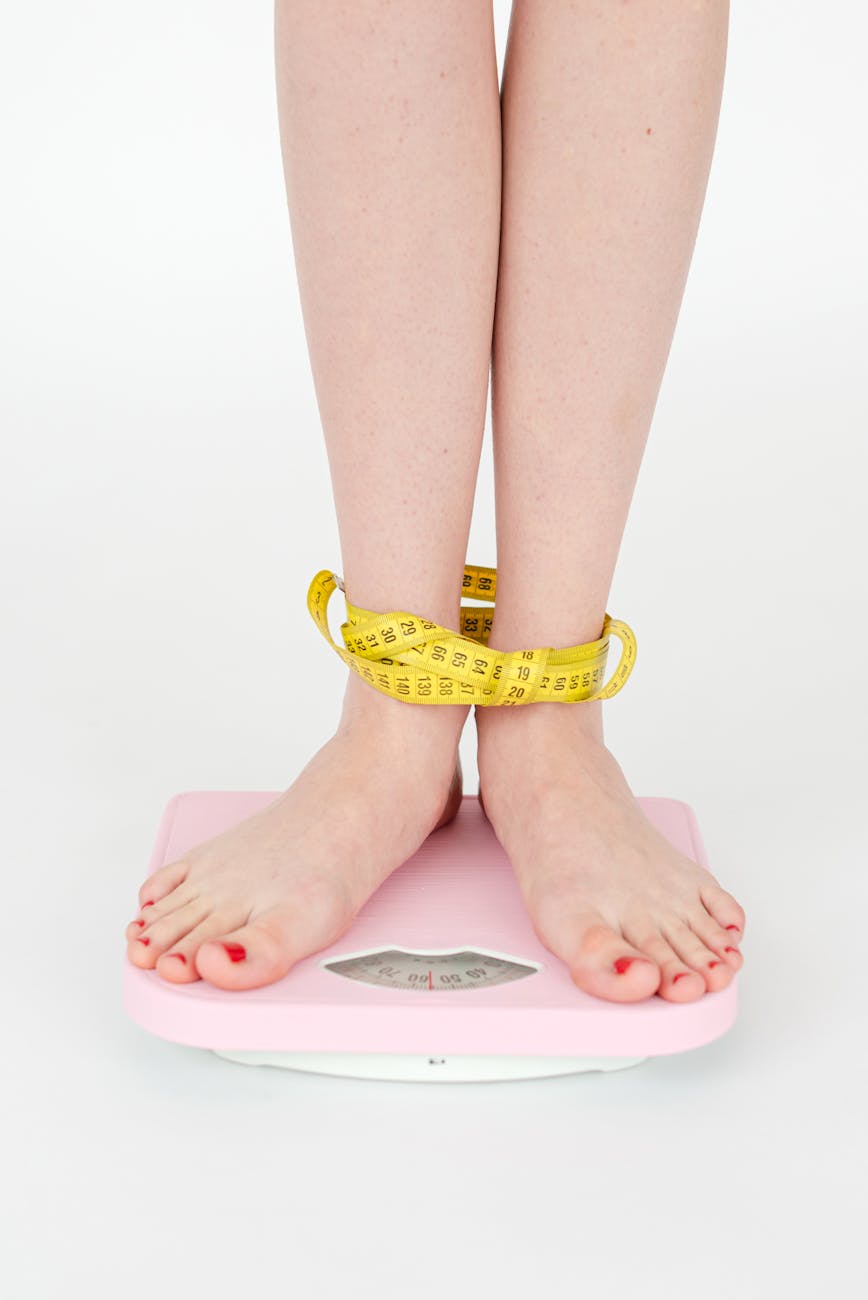


Finding it hard to lose weight, even if you’re cutting out sugar and exercising? The problem might be your go-to, no-calorie drinks. Surprisingly, these can work against your weight loss. Let’s dive into why this is and find better choices for getting healthier.
Diet soda is a top pick for many looking to cut calories. Yet, studies show it might make you gain weight, not lose it. Drinking diet sodas can fool your brain into craving more sweetness. This can lead to snacking on sugary foods more often, which isn’t helpful for losing weight.
What’s more, some folks end up addicted to diet sodas. The super sweet taste can create a loop where you always want more. Too much of this can lead to overeating and putting on extra pounds.
To steer clear of this issue, it’s best to pick options that don’t make you hungrier or addicted. Choose foods packed with protein because it revs up your metabolism and keeps you satisfied longer. A breakfast rich in protein can help control your hunger all day.
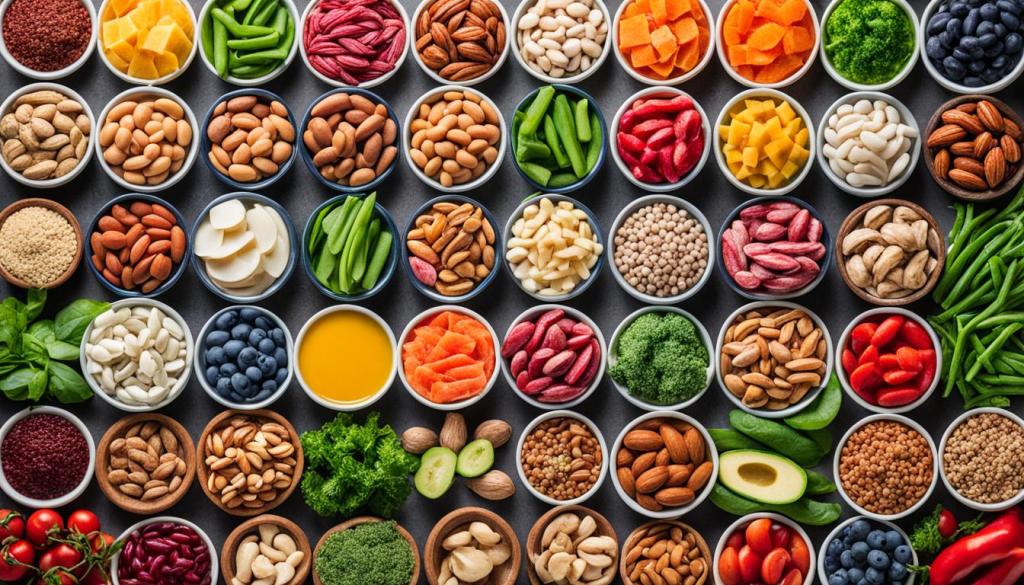
Water and unsweetened teas are great for staying hydrated without the added calories. Opt for healthy snacks like fruits, veggies, and nuts. They’re full of nutrients but won’t blow up your daily calorie count.
Key Takeaways:
- Prioritize protein-rich foods to boost metabolism and feel fuller.
- Avoid diet sodas as they can stimulate hunger and trigger addictive behaviors.
- Hydrate with water or unsweetened herbal teas to quench your thirst without increasing calorie intake.
- Choose healthy snacks that are low in calories and high in nutrients.
- Break the cycle of dependency on calorie-free drinks by opting for healthier alternatives.
Understanding the Challenges of Weight Loss

Weight loss is a journey with many ups and downs. Know that you might face some tough challenges. Hormone imbalance is a big factor. It affects how hungry you are and how fast you burn calories. If your hormones are not balanced, losing weight might be harder.
Leptin tells your body you’re full but goes down when you lose weight. At the same time, ghrelin makes you feel hungry, and it goes up. This can work against your weight loss efforts by making you hungrier and feeling less satisfied. Such imbalances pose obstacles to staying on your diet.
Cutting calories too much can slow down your metabolism. Your body might slow its calorie burn to store more energy. This change can make losing weight harder and might lead to losing muscle instead of fat.
Losing muscle instead of fat is a common problem. A serious cut in calories could make your body use muscle as a fuel source. Yet, losing muscle makes it harder to manage your weight in the long run. Having enough muscle keeps your metabolism and body strong.
After a strict diet, it’s easy to overeat certain foods because of strong cravings. This can set back your weight loss efforts. The key to avoiding this is to focus on a balanced diet.
To tackle these hurdles, it’s crucial to go easy and balanced in your weight loss efforts. Choose nutrient-rich foods over severe dieting. And don’t forget to do strength exercises. They can protect your muscles and keep your metabolism healthy.
Understanding these roadblocks is crucial for lasting success in losing weight.
No Quick Fixes: The Truth About Weight Loss

Many people look for quick ways to lose weight. But, prescription drugs and extreme diets don’t work well in the long run. They might give you fast results, but they have bad side effects. These can stop you from reaching your goal.
Prescription drugs for losing weight can be easy to use. But they’re costly and can have bad side effects. Always check with a doctor before you try them.
Extreme diets may seem like a quick fix but can be harmful. They cut out a lot of calories, causing you to lose muscle. This can hurt your metabolism. Also, they’re hard to stick with and can leave you feeling hungry and unhappy.
It’s better to lose weight slowly and surely. This means aiming to shed 1 to 2 pounds every week. This way is easier and leads to lasting results.
The Benefits of a Slow and Steady Pace
Choosing to lose weight slowly has many good points:
- Your body has time to adjust. This reduces the risk of messing up your metabolism.
- You build habits that last, fitting into your normal life.
- You’re less likely to gain back the weight because you lose it slowly.
- This way, you keep healthy and avoid the bad effects of sudden diet changes.
By losing weight at a reasonable rate, you can reach your goals. And you won’t harm your health. Real weight loss takes time. Focus on what will work over the long haul, not just a quick solution.
The Limitations of Exercise for Weight Loss

Exercise is key for staying healthy and managing weight. But, it’s vital to know its limits for big weight loss. Exercise burns calories and boosts fitness. Yet, it can’t make up for a bad diet by itself.
It’s hard to burn enough calories by exercise to lose weight significantly. Losing a pound of fat, for instance, needs burning 3,500 more calories than you eat. This means you must eat well and exercise to lose weight and keep it off.
Looking at it this way, exercise supports a good diet. A good diet is about making food choices while focusing daily on the calories you eat and burn. This approach gives your body power and balances the energy it uses.
“Exercise is like an investment; it pays dividends for your overall health and well-being. However, it’s important to remember that weight loss is mostly determined by the quantity and quality of the food you consume.”
Avoiding bad food is vital for weight loss. This means staying away from high-calorie, low-nutrient things like sugary snacks and fast food. Eat fruits, vegetables, good proteins, and whole grains instead.
Exercise and a healthy diet together make a strong plan for weight loss. This plan supports your long-term health and hits your weight goals.
Benefits of Combining Exercise and a Healthy Diet
This mix is great for losing weight effectively and health improvements. Here’s how:
- Exercise ups calorie burn to create a deficit.
- Regular exercise boosts your muscle and metabolism, burning more efficiently.
- It tones muscles, making you look more defined.
- It’s good for your heart, bones, and keeps you energized.
Remember, exercise and a good diet go together for real weight loss. By changing what you eat and being active, you kick off a good weight loss journey.
| Exercise Type | Average Calorie Burn per 30 Minutes* |
|---|---|
| Brisk Walking (3.5 mph) | 150-200 calories |
| Jogging/Running (6 mph) | 300-400 calories |
| Cycling (moderate intensity) | 200-300 calories |
| Swimming (moderate intensity) | 200-300 calories |
| Strength Training (moderate intensity) | 100-200 calories |
*Calorie burn may vary based on individual factors such as weight, intensity, and fitness level. These numbers are estimated averages.
Debunking the Myth of Diet Supplements
Many diet supplements claim to make losing weight quick and easy. But there’s little proof they really work. Studies and reviews show most of these supplements don’t help you lose weight.
Diet supplements promise a lot, but they don’t get validated by scientific studies. Despite what ads and people say, these supplements aren’t well-tested. They likely won’t help you lose much weight. When looking at these, be careful and choose smarter ways to lose weight.
“There is little to no high-quality evidence that diet supplements have a substantial effect on weight loss.” – Research Review
Instead of these quick fixes, focus on established ways to lose weight effectively. Eating well is a huge part of it. A diet full of fruits, vegetables, lean meats, and whole grains is essential. These foods give you needed nutrients and help cut calories for weight loss.
Regular exercise is important too. Working out helps your body burn calories and get stronger. It includes activities like running, biking, and lifting weights. Doing these, along with eating healthily, is a powerful way to lose weight.
The Importance of Evidence-Based Approaches
Weight loss needs real, proven strategies. Don’t rely on promises from diet supplements. Stick to methods that science shows work. This way, you make smart choices for your health and weight loss.
Before trying any supplement, talk to a health expert or dietitian. They can offer advice tailored to you. A complete, science-backed plan for losing weight is the best way to achieve lasting results and better health.
The Problem with Fad Diets

Fad diets often promise to help you lose weight quickly. But, they don’t usually keep the weight off for long. These diets work by cutting your calories, which can offer short-term benefits. Yet, they’re hard to stick to over time. This is because they might cut out whole food groups or restrict how much food you can eat. When people stop the diet, they often go back to their old eating ways. This causes them to gain the weight back. If you want to lose weight and keep it off, it’s better to eat a variety of foods and not restrict yourself too much.
It’s easy to be tempted by fad diets, but it’s crucial to see their flaws. They can create a cycle where sometimes you eat too much and other times you’re too strict. This cycle can hurt both your body and mind. To lose weight in a healthy way, focus on eating balanced meals. Include plenty of nutritious foods. This is the key to losing weight and keeping it off.
Everyone’s body is different, so what helps one person might not help someone else. Fad diets ignore these differences, making them not very useful in the long term.
Chances are, you’ll lose weight fast with a fad diet because you’re eating so little. But, this success doesn’t last long. Once your body gets used to fewer calories, it slows down. This can lead to your weight staying the same or even going up again. This can be really upsetting and make many people give up on the diet.
A better way to lose weight is to make small changes to what you eat and how you live. Try to add more whole, natural foods to your meals. Move more by doing activities you enjoy. Also, keep an eye on how much you eat. These simple, steady changes will help you lose weight over time and keep it off for good.
The Role of Education and Support
Learning about nutrition and getting support are key to leaving fad diets behind. Knowing what to eat based on facts can help you make good food choices. Talking to a dietitian or nutritionist can give you useful advice for your weight loss journey.
It’s also a good idea to join a support group or get counseling to work through the feelings and thoughts connected to losing weight. These groups and sessions offer support, keep you accountable, and provide a space to talk about your challenges.
The Path to Sustainable Weight Loss
Forget about quick fixes with fad diets. Focus on living a lifestyle that’s good for your body and your mood. This means eating foods that are full of nutrients, moving your body regularly, managing stress, and taking care of yourself.
| Short-Term Results | Long-Lasting Results |
|---|---|
| Quick weight loss | Sustainable weight loss |
| Caloric restriction | Balanced and inclusive approach to eating |
| Potential weight regain | Maintaining a healthy weight in the long term |
Choosing lasting health habits over fast solutions is the way to truly lose weight and boost your well-being. It’s about more than a number on a scale. It’s about building a life that keeps you healthy in body and mind.
Tailoring Your Diet to Your Body

Losing weight isn’t the same for everyone. Everyone’s health, metabolism, and lifestyle are different, affecting how they lose weight. The key is to make a diet plan that fits you. A plan that feels like a fit will help you succeed.
Knowing what your body needs is key to diet success. Ask for help from a dietitian or nutritionist. They can create a plan that’s just right for you.
Factors to Consider in Personalizing Your Diet
Many things need thinking about when you make your diet:
- Consider any special health needs you have. Your diet should support your health and address your needs.
- Everyone’s metabolism is unique. This affects how you burn calories. Think about this when planning your meals.
- How active you are matters. If you exercise a lot, you need more calories to fuel your body.
- Your age and gender make a difference too. As you grow older, your needs may change. Also, men and women have different dietary needs.
- What you like to eat is also important. Enjoying your meals helps you stay on track with your diet.
Adjust your diet to match your needs for weight loss that lasts. It’s all about finding a healthy balance.
“The secret to personalized diet lies in understanding your unique body and its specific needs.”
Personalized Diet Guidelines
| Factor | Guidelines |
|---|---|
| Health Conditions | Think about any health issues when you plan your meals. |
| Metabolism | Set your food amounts based on your metabolism. |
| Activity Level | Match your calorie intake with how active you are. |
| Age and Gender | Consider how age and gender affect your nutrient needs. |
| Personal Preferences | Eat nutritious foods you love for a diet that lasts. |
Finding the right diet is empowering. It lets you lose weight and enjoy the foods you love, while caring for your body.
The Importance of Cardio and Strength Training

Weight loss requires both cardio and strength training. Each type has its own benefits. Together, they are key for losing weight effectively.
Cardio Exercise
Cardio boosts your heart rate and breathing. It burns calories from stored energy, like fat. This is important for weight loss.
It helps you burn calories and boosts metabolism. An increased metabolism burns even more calories. This cycle supports weight loss.
Good examples of cardio include walking, running, and swimming. Try for 150 minutes of moderate intensity or 75 minutes of high intensity each week.
Strength Training
Strength training builds muscle by working against resistance. It doesn’t burn as many calories as cardio. But, it’s vital for weight loss because it supports your body’s structure.
This training actually helps you burn more calories at rest. The more muscle you have, the more calories your body uses. This supports long-term weight management.
Include weightlifting or body weight exercises in your routine. This will shape your body and improve performance. It also helps prevent injuries.
The Role of Muscle Mass and Metabolism
Muscle and metabolism are important in weight loss. More muscle means a higher metabolism. This helps you burn calories when you are not active.
Cardio and strength training together are very effective. They help you lose fat and shape your body. Your fitness and body composition will improve.
| Benefits of Cardio Exercise | Benefits of Strength Training |
|---|---|
| Burns calories | Increases muscle mass |
| Boosts cardiovascular health | Improves bone density |
| Improves endurance | Increase metabolism |
| Reduces the risk of chronic diseases | Enhances physical performance |
Cardio and strength training complement each other. They are crucial for weight loss and better health. By combining both, you improve your fitness and maintain long-term weight loss.
Understanding Gender Differences in Weight Loss
Men and women need to approach weight loss differently. This is because of their unique needs and how their bodies work. Men often burn more calories because they are usually bigger and have more muscle. Because of this, they have a higher resting metabolic rate. Also, men’s bodies make more testosterone, which helps build muscle and burns fat, boosting how many calories they burn.
Women usually need fewer calories. They have smaller bodies and less muscle. Their hormone levels, which change during the menstrual cycle, also affect how many calories they need. During the luteal phase, they might want to eat more and their metabolism might slow a bit. This makes watching calories extra important for women trying to lose weight.
Calorie Requirements
Calorie Requirements
Calorie Requirements
Calorie Requirements
Calorie Requirements
Calorie Requirements
Calorie Requirements
Metabolism
Metabolism
Metabolism
Metabolism
Women tend to have slower metabolism because of less muscle. Having less muscle means they burn fewer calories even when at rest. As a result, women might find it harder to lose weight. They need to be careful about how many calories they eat to lose weight.
“Understanding and acknowledging these gender differences in weight loss is essential for tailoring your diet and fitness routine to meet your specific needs.”
It’s important to know the calorie and metabolic differences between men and women. This helps us choose the right strategies for our weight loss. Remember, everyone’s body is different. If you need help, talk to a healthcare provider or a dietitian. They can give advice tailored to you.
Now that you understand how men and women’s weight loss differs, you can make changes. Adjusting your calories and exercise based on what your body needs can help greatly.
Embracing Lifestyle Changes for Long-Term Success

To lose weight for good, make lifestyle changes you can stick with. Stop thinking about quick fixes or temporary diets. Focus on changes you can live with. Choose healthy foods and work out often. This way, you’ll stay healthy and meet your weight goals over time.
Focusing on changing your habits is key. Don’t just follow strict rules. Learn to love healthy food and staying active. Listen to your body to know when you’re full or hungry. Find exercises you enjoy and can do for a long time.
Eating right is a big part of losing weight and staying healthy. Eat a lot of whole foods that are full of important nutrients. Lean proteins, fruits, and vegetables, whole grains, and good fats should be in your meals. Good food will help you feel better and support your weight loss journey.
Work out regularly to lose weight in the long run. Try to do 150 minutes of medium-intensity exercise each week. Add strength training to your week too. This helps burn calories, keep your heart healthy, and build muscle. It also quickens your metabolism.
“Your focus should be on making long-term changes that support a healthy lifestyle, rather than seeking quick fixes or short-term results.”
You don’t have to give up everything you love to eat. It’s about eating well most of the time and enjoying treats in moderation. A lasting weight loss plan should still allow you to have fun. This way, the changes you make are ones you can keep up for life.
Making Lifestyle Changes Actionable:
- Start by setting specific, achievable goals that align with your long-term vision of a healthier lifestyle.
- Build a support system by involving family, friends, or joining a weight loss group for accountability and encouragement.
- Keep a food and exercise journal to track your progress and identify areas for improvement.
- Find healthy, delicious recipes that you enjoy and incorporate them into your meal planning.
- Make physical activity a priority by scheduling regular workouts and finding activities that you genuinely enjoy.
- Stay motivated by regularly reviewing and celebrating your progress along the way.
| Benefits of Embracing Lifestyle Changes for Weight Loss | Dietary Changes | Physical Activity |
|---|---|---|
| Improved overall health | Prioritizing nutrient-dense foods | Boosts metabolism and supports weight loss |
| Sustainable and long-lasting results | Mindful eating and portion control | Strengthens muscles and improves cardiovascular health |
| Greater flexibility and enjoyment | Finding a healthy balance of indulgences | Fosters a positive relationship with exercise |
Overcoming Weight Loss Obstacles

Starting your weight loss journey may come with tough obstacles. It’s key to know and face these hurdles head-on. Here are some common challenges you might encounter:
- Medical Conditions: Health issues can really slow down weight loss. They might mess with your metabolism. It’s essential to partner with doctors for advice suited to your health needs.
- Access to Unhealthy Foods: If junk food is easy to get, it’s hard to resist. Fast food is everywhere, making healthy choices tough. To beat this barrier, set up your space to encourage good eating and pick natural foods when you can.
- Metabolism Changes: Weight loss influences your metabolism. It might drop as you shed pounds. This means you need to exercise regularly and build muscle to boost your metabolism.
- Emotional Eating: Some eat when they’re not hungry to manage feelings. It’s vital to find what triggers this and swap eating with healthy habits like working out or talking to a professional.
- Inadequate Sleep: Not enough sleep can mess with your hunger cues and hormones. Try to get 7-8 hours each night to support losing weight.
“Tackling these obstacles demands grit and persistence. Getting help, taking action, and using specific plans are vital.”
To win at losing weight, handle health issues, make a healthy food zone, focus on workouts, deal with emotional eating, and sleep enough.
Strategies to Overcome Weight Loss Obstacles
Learn how to beat the challenges above and meet your weight goals with the following steps:
| Obstacle | Strategy |
|---|---|
| Medical Conditions | Get advice from a healthcare expert for a safe diet plan that fits your health needs. |
| Access to Unhealthy Foods | Flood your kitchen with nutritious foods, plan meals ahead, and be mindful when eating to avoid bad cravings. |
| Metabolism Changes | Include regular workouts, from cardio to lifting, to keep your metabolism in check. |
| Emotional Eating | Pinpoint what makes you eat emotionally and find other ways to deal, like meditating or talking with a psychologist. |
| Inadequate Sleep | Set a bedtime routine and adopt good sleep habits to make sure you sleep well every night. |
Conclusion
Weight loss is tough, but you can simplify it by following some steps. These include focusing on eating protein, not skipping breakfast, drinking enough water, not using diet sodas, and picking healthy snacks. These actions are vital for reaching your weight loss aims.
It’s important to know that losing weight is hard because of things like hormone changes and not just exercise. By ignoring false claims about diet pills and quick-fix diets, you focus on plans that truly work over time.
There’s no one-size-fits-all diet. Everyone’s body is different. It helps to find what works for you by eating right for your gender and metabolism. Doing this is key to losing weight well.
It can be tricky to stick to a weight loss plan, especially with health problems, bad food around, or stress eating. But, if you’re persistent and deal with these issues, you can see good results. Commitment is hard but worth it for a healthy future.
FAQ
Why is it important to prioritize protein in my diet?
Prioritizing protein helps with your metabolism and can make weight loss easier.
Why should I eat breakfast when trying to lose weight?
Having breakfast can jumpstart your metabolism, and it stops you from eating too much later on.
How important is hydration for weight loss?
Being hydrated is key for your health. It also helps control your hunger and keeps your cravings in check.
Why should I avoid diet sodas?
Diet sodas have artificial sweeteners. These can make you crave more sugar, which doesn’t help with losing weight.
What are some healthy snack options for weight loss?
Good snacks for losing weight are low-calorie and full of nutrition. Think about eating fruits, vegetables, and nuts.
How does hormone imbalance affect weight loss?
Imbalanced hormones can make you feel hungrier and not as full. This makes keeping lost weight off tougher.
Can drastic calorie cutting slow down my metabolism?
Yes, cutting calories too much can actually slow your metabolism. This makes losing and keeping off weight harder.
Are prescription weight loss drugs effective for long-term weight loss?
These drugs might work for a brief time. But, they’re not a good way to lose weight for the long run.
Can exercise alone help me lose weight?
Exercise is important but won’t fix a poor diet. To lose weight right and keep it off, you need to eat well too.
Do diet supplements really work for weight loss?
There’s not much proof that diet supplements help you lose weight. It’s better to eat right and move more.
Are fad diets a good way to lose weight?
Fad diets offer fast but not lasting weight loss. Instead, stick to a balanced diet and good eating habits for real success.
How can I tailor my diet to my body for weight loss?
Think about what you like, need, and what’s good for your health. Make a diet that works just for you.
What types of exercise are important for weight loss?
For losing weight, both cardio and strength training are important. Do both to see the best results.
Do calorie requirements differ for men and women when it comes to weight loss?
Yes, men burn more calories than women naturally. For each gender, it’s vital to adjust your calorie intake to this difference.
How can I embrace lifestyle changes for long-term weight loss?
Choose healthy food and daily exercise to be your lifestyle. This not only helps you lose weight but also keeps it off.
What are some common obstacles to weight loss?
Things like medical issues, easy-to-grab unhealthy foods, metabolism shifts, stress eating, and not sleeping enough can block your weight loss journey.
How can I achieve my weight loss goals and maintain a healthy lifestyle?
Make sure you focus on protein and have breakfast. Drink plenty of water, skip diet sodas, and pick good snacks. Also, understand the weight loss challenges, avoid myths and fad diets, make a personalized diet, exercise, and commit to long-term lifestyle changes.

 trim down and shape up
Leave a comment