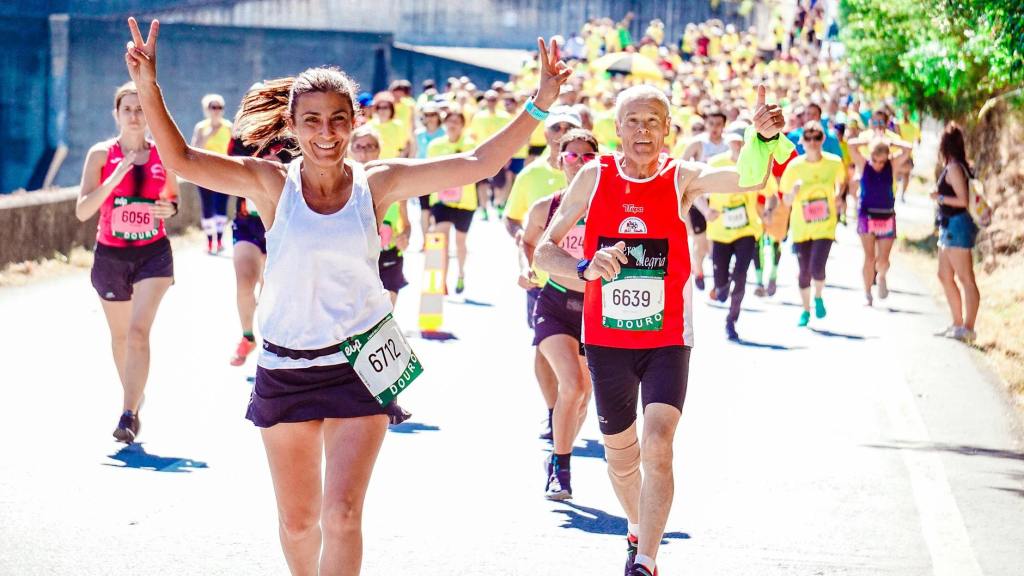


Staying active is key as we get older for staying healthy and happy. But, finding the right way to work out after 50 can be tricky. It’s important to exercise carefully and steer clear of mistakes that might slow you down or cause harm.
Whether you’re just starting or you’ve been working out for years, knowing the do’s and don’ts is vital. We’ll talk about exercises that need special attention, the huge deal proper posture is, and why getting help from a pro is smart as you hit the big 5-0.
Key Takeaways:
- It’s not cool to exercise too hard; always pay attention to what your body is telling you.
- Don’t compare yourself to anyone else in the gym; everyone’s journey is their own.
- Keeping your body in line is key to dodge muscle and joint trouble.
- Always look for advice from experts for exercises that work and keep you safe.
Exercises to Approach with Caution After 50
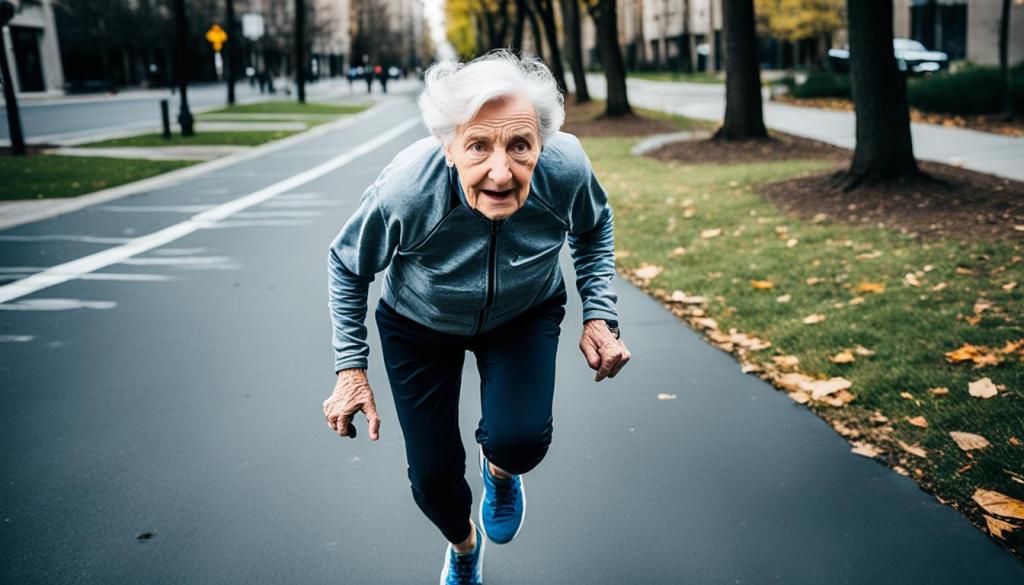
As we grow older, our bodies change. This makes some exercises risky. When you’re over 50, it’s wise to be careful with certain workouts to avoid getting hurt. Here’s a list of exercises that need extra caution:
1. Shoulder Presses
Doing shoulder presses might stress your joints, especially if you use heavy weights or poor form. It could cause a shoulder impingement. This leads to pain and trouble moving your arm.
2. Leg Extensions
Leg extensions, if done wrong or too heavy, can harm your knees. You might face issues like patellar tendonitis or just feel uncomfortable general knee pain.
3. Box Jumps
Box jumps are all about sudden, powerful moves. They’re hard on your knees and ankles, especially on solid floors. Jerky movements from box jumps can hurt you, so be careful.
Listen to your body. Change or avoid exercises that feel painful or uncomfortable. You could do this by doing smaller movements, less weight, or trying a different exercise altogether.
Also, lifting very heavy weights or extreme cardio isn’t great for older adults. Marathon running, in particular, may stress your heart too much. Running on hard surfaces can also make your joints ache. Choose exercises that are kinder to your body as you get older.
Focus on doing exercises right. What’s most important is the correct way to work out, not how much weight you lift or how fast you do it.
The Importance of Proper Posture
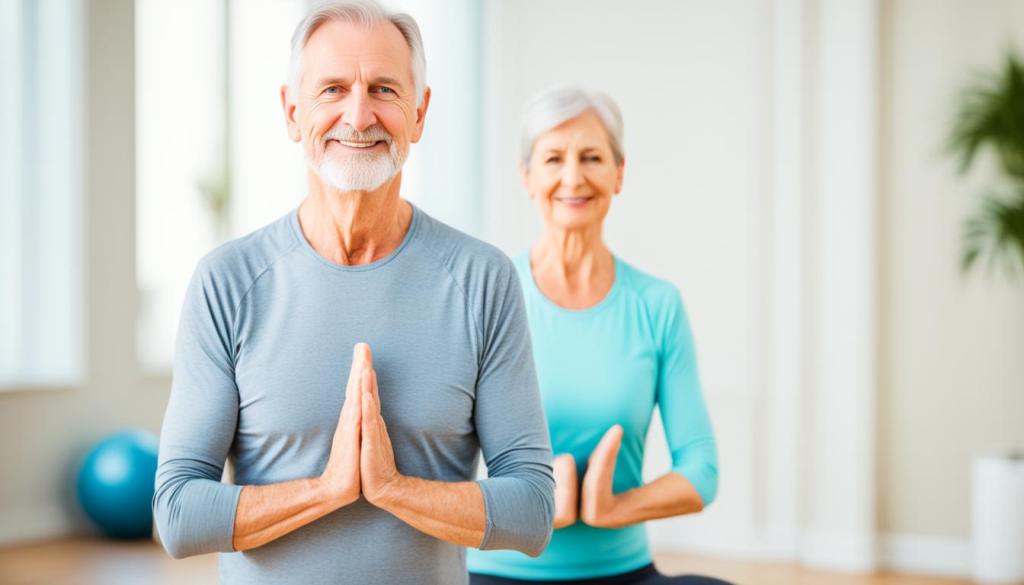
Keeping a good posture while you exercise is key to avoiding harm. It also makes your workouts better. Without good posture, your body might face trouble. This trouble includes bad balance of muscles and joint issues. Plus, you might hurt yourself more often. Luckily, you can do a few things to keep your body in the right shape when you work out.
Watch Your Posture
It’s vital to keep an eye on how you sit, stand, and move during exercise. This goes for all types of workouts like lifting, running, or stretching. It’s crucial to have everything in line. Think about keeping your shoulders and spine straight. Keep your core strong. Never let your back curve. Or, don’t let your shoulders slump. These will only mess up your back and muscles.
Don’t Ignore Flexibility and Mobility Limitations
Knowing your body’s limits when it comes to moving is vital. If your muscles are tight or you can’t move your joints well, don’t push too hard. Instead, do gentle moves and stretches for those areas. With time, your body will get more flexible.
Don’t Ignore Core Strength Exercises
Having a strong core is essential for good posture. It not only stabilizes your spine but also supports your whole body. So, it’s smart to do exercises that strengthen your stomach and back. For example, you can do planks, bridges, and twists. Building a strong core is a great start.
Wear Proper Footwear
Choosing good shoes is often missed, but it’s quite important. Your shoes should offer good support, comfort, and keep you steady. The right shoes help with keeping the rest of your body in line too. They can also lower the chances of hurting your feet, ankles, and knees.
By working on your posture, noticing your body’s limits, doing core exercises, and selecting the right shoes, you avoid many workout injuries. It’s all about taking care and being smart with your body. Remember, keeping up the right posture is a big part of staying fit for a long time.
The Role of Professional Guidance
After turning 50, starting or changing exercise programs need careful handling. It’s crucial to work with experts for safety and results. A certified personal trainer or exercise physiologist tailors advice just for you. They make sure you’re doing things right and safe. They consider your health conditions and what you can or can’t do. They create a custom plan that meets your needs and dreams.
Having professional guidance keeps you on track with your exercises. Consistency is vital in achieving and keeping peak fitness. A pro helps you set goals that you can really reach. They find ways for you to exercise that fit your life. They also watch how you’re doing and adjust as needed to keep you going strong and interested.
Working with experts also helps you understand your body better (self-awareness). They teach you when your body is tired or pushing too hard. This knowledge helps you make smart choices. You’ll know when to go easy or when you can go for it.
Professional guidance also leads to healthy habits. Trainers or specialists teach you the right ways to exercise, eat, and rest. They also share tips on managing stress and sleeping well. These factors all help your well-being.
Mental health is just as crucial as physical health. Working out regularly is great for stress, mood, and confidence. A professional can show you ways to add calm and stress reduction to your workouts. This makes exercise even more beneficial for your mind.
Remember, if you find exercise hard, it’s fine to ask for help. Professionals are here to guide and cheer you. Don’t be afraid to seek their expertise. They can help change your program, beat obstacles, or keep you motivated.
| Benefits of Professional Guidance | How it Supports Your Fitness Journey |
|---|---|
| 1. Personalized guidance | Ensures exercises are performed correctly and safely |
| 2. Consistency and accountability | Helps you establish a regular exercise routine and stay motivated |
| 3. Self-awareness and injury prevention | Teaches you to listen to your body and recognize limitations |
| 4. Promotion of healthy habits | Provides education on proper exercise technique, nutrition, and lifestyle factors |
| 5. Mental well-being support | Incorporates mindfulness and stress reduction techniques into your routine |
By choosing to work with professionals, keeping at it, listening to your body, adopting good habits, focusing on mental health, and reaching out when needed, you can enjoy a safe, effective fitness program. This will support your health and happiness overall.
Don’t Skip the Basics
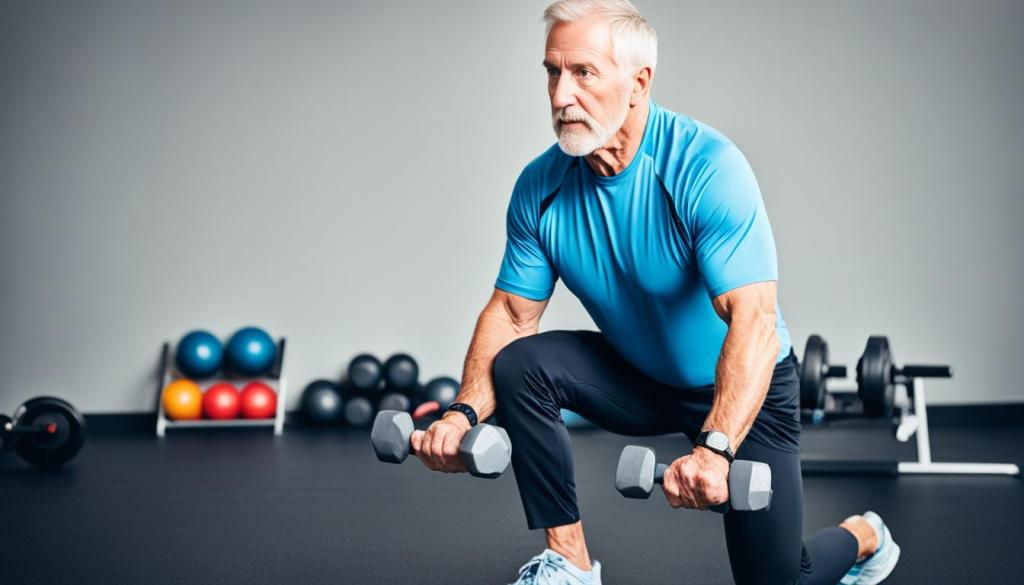
Exercising after 50 is key. But, never ignore the basics that make it safe and effective. By sticking to these foundations, you’ll boost how well you work out. Plus, cut the chances of getting hurt.
Warm-Up and Cool-Down
Always warm-up and cool-down; they’re non-negotiable. They gear your body for the workout and lower the injury risk. Start with easy activities to get your heart pumping and muscles warmed up. End your workout with stretches to gradually calm your body.
Listen to Your Body
Listen to what your body is saying during exercise. We’re all different, so it’s crucial to notice any discomfort or pain. If something doesn’t feel right, adjust what you’re doing. It’s never a good idea to push through pain. Change your routine to keep it fun and safe.
Rest Days
Rest days are incredibly important. They’re part of the fitness process, not a break from it. Without them, you could end up injured and not making progress. So, plan time off to let your body recharge.
Hydration and Nutrition
Both drinking enough water and eating right are vital. Staying hydrated helps you stay healthy and perform better. Also, eat a mix of good foods to power your workouts. This includes plenty of fruits, veggies, and whole grains.
Sleep and Fuel
Getting enough sleep and not skipping meals are crucial. Quality sleep is key for your body to heal and get stronger. Bedtime stories aren’t just for kids. And eat a little before exercising to have energy. This stops you from feeling weak or dizzy during your sweat sessions.
| Key Principles for Exercise After 50 |
|---|
| 1. Warm up and cool down to prevent injury |
| 2. Listen to your body and adjust exercises according to its signals |
| 3. Incorporate rest days to allow for proper recovery |
| 4. Hydrate adequately and follow a balanced diet for optimal performance |
| 5. Prioritize quality sleep to support overall well-being |
| 6. Fuel your workouts with a light, balanced snack or meal |
Explore Alternative Exercise Options
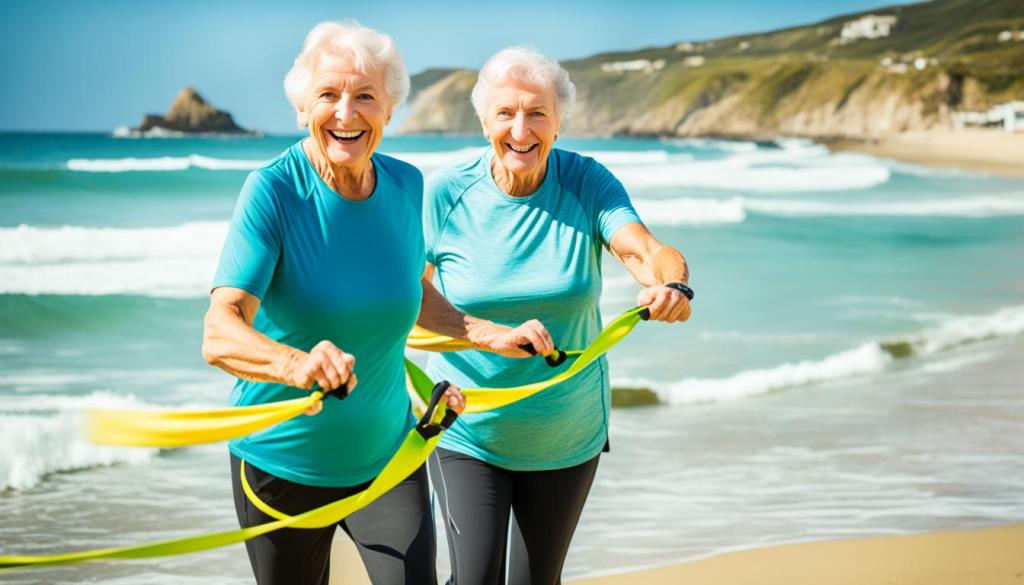
It’s vital to maintain flexibility and strength as we get older. Flexibility training, like stretching and yoga, is key. These exercises boost your range of motion and prevent muscle imbalances. Strength training is also essential. It helps maintain muscle and bone strength. Keep up with these exercises to enjoy better flexibility and strength.
Stretching and yoga work on different muscle groups. Add them to your routine for better motion range and less chance of getting hurt. Spending time on static or dynamic stretching pays off in the long run. Make flexibility training part of your schedule. Your body will feel better because of it.
As years go by, strength training becomes important. It keeps muscles strong and bones dense. Include exercises with resistance, like lifting weights or using your body. This strengthens muscles, helps your posture, and increases metabolism. Start with the right weight and slowly increase the challenge. Never overlook strength training – it’s critical for staying active and independent as you grow older.
Stay Consistent for Lasting Results
Keeping up with exercise regularly is how you benefit most. Try to work out at least three times a week. This gives your body time to improve. You’ll notice better flexibility, strength, and fitness over time. It’s really important to make exercise a regular part of your life, like any other healthy habit. By exercising consistently, you ensure you’ll see and keep the results you want. So, stay true to your routine.
“Flexibility training and strength training are essential components of a well-rounded exercise program, especially as we age. By incorporating these exercises consistently, you can improve your overall fitness, prevent injuries, and maintain a youthful vitality.”
Try other exercises like pilates or swimming, too. They’re easy on the joints but still work the body. Pilates is great for strengthening your core and improving posture. It’s a full-body workout that benefits your whole physique. Swimming, on the other hand, is good for cardio and involves almost all your muscles. Mixing these activities with your regular routine keeps things fun and helps avoid monotony.
Always listen to your body and adjust your workout when necessary. If you have health issues, talk to a doctor before starting something new. Trying different types of exercise, keeping up with your routine, and focusing on flexibility and strength help you stay healthy and active.
| Benefits of Flexibility Training | Benefits of Strength Training |
|---|---|
| Improved range of motion | Preserves muscle mass |
| Increased flexibility | Increases bone density |
| Reduced risk of injuries | Improved posture and stability |
| Enhanced athletic performance | Boosts metabolism |
The Benefits of Exercise After 50

Working out after 50 is about more than just staying fit. It’s a way to build healthy habits and feel better mentally. Having a regular exercise plan can make you less stressed, improve your mood, help you think better, and feel more confident. It’s a great time to start or change your exercise to focus on your health.
Exercise really does wonders for your mental health. When you exercise, your brain makes endorphins, which make you feel good. These “feel-good” hormones can make you feel happy during and after your exercise routine.
“Exercise not only changes your body, it changes your mind, your attitude, and your mood.”- Anonymous
Moving your body can be a break from everyday stress. You might walk fast, do yoga, or swim. These activities help you clear your head and feel more peaceful.
Working out can also make your brain work better and help you remember more. When you exercise, more blood flows to your brain, which helps grow new brain cells. This makes you better at focusing, thinking, and remembering things.
Exercise and Self-Confidence
Exercise can really lift your self-esteem and how you see your own body. As you keep exercising and notice changes in your strength and flexibility, you will feel good about what you can do.
Working out also helps you learn about yourself and grow as a person. Setting and achieving new exercise goals can make you feel powerful. It helps fill your mind with good thoughts and believe in what you can do.
Staying active helps your body and mind. It lets you take care of both at the same time. This is key for your overall health and well-being.
Making exercise a regular part of your life is like a gift for your future. It boosts how you see yourself, makes you feel happier, and lowers stress. It’s a good idea to start or change your exercise plan to get all these mental benefits and build good habits.
| Benefits of Exercise After 50 |
|---|
| Improved mental well-being |
| Reduced stress levels |
| Enhanced mood and happiness |
| Increased cognitive function |
| Boosted self-confidence |
| Improved body image |
Adapting Exercise to Your Body’s Needs
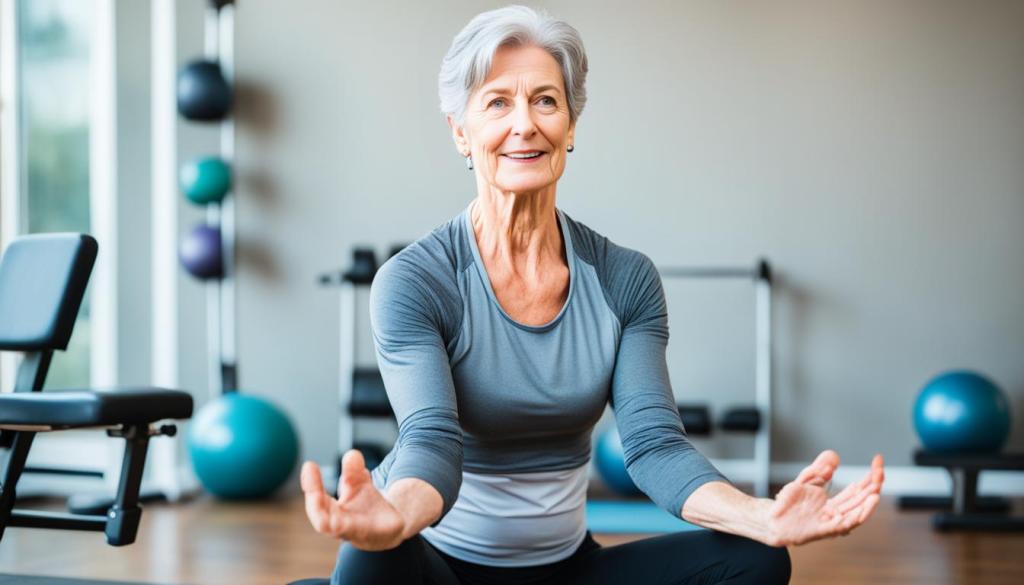
Everyone’s body is different, especially as we get older. It’s vital to change how you exercise to fit your own needs and what you can do. Making your workout plan fit you helps keep you safe and makes you feel good. Here’s what you should think about:
1. Don’t overdo it
It’s great to challenge yourself, but be careful. If you do too much, you might get hurt or tired. Listen to what your body tells you. Try to not measure up to others. It’s about finding a balance. You want to push yourself a little while still respecting what your body can handle. Also, remember to slowly make your workouts harder or longer over time.
2. Don’t ignore flexibility and mobility limitations
Our ability to move easily might decrease as we grow older. Adding stretches and moving exercises can help a lot. Watch out for areas that feel stiff or painful. Change your exercises if you need to, so they suit you better. Keeping flexible is important for moving well and having strong muscles.
3. Don’t ignore core strength exercises
A stable core helps a lot with balance and preventing injuries. Work on your core often. Do exercises like planks, bridges, and moves for your belly. But remember, your core is more than just your stomach. It’s also your back and sides. So, do things that help all parts of your core.
Fitting your workout to your body needs awareness, time, and a readiness to change things when you must. By working with what you can do, you make a plan that backs your health for many years to come.
| Exercise Tips | Benefits |
|---|---|
| Modify exercises to accommodate flexibility and mobility limitations | Prevents injuries and maintains range of motion |
| Include core strength exercises in your routine | Improves stability, balance, and reduces the risk of injury |
| Listen to your body and avoid pushing yourself too hard | Prevents burnout and overtraining |
Creating a Well-Rounded Exercise Routine
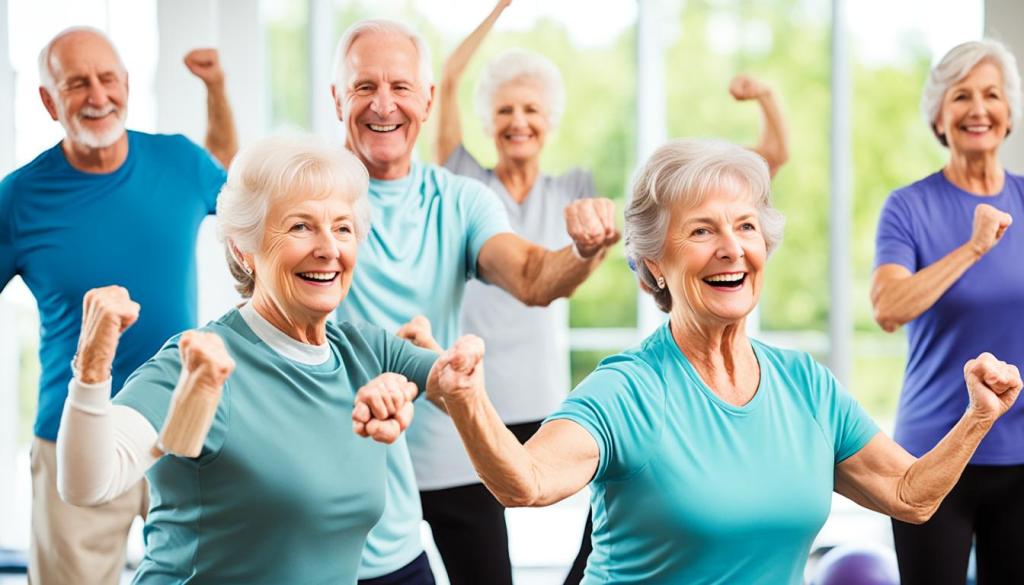
To create a great exercise plan past 50, get help from a pro. A certified trainer or exercise expert can make a plan just for you. This ensures what you do is safe and fits your needs well.
Keeping up with your workouts helps you get and stay fit. Stick to a set exercise time each day or week. Discover what works best for you and keep it a regular part of your life.
Changing up your workouts can be fun and keeps your body guessing. This also helps you beat no-progress blues. Try new things like Pilates, swimming, or biking to keep your routine fresh.
A good workout mix boosts your heart, lungs, and muscles. Work towards 150 minutes of moderate cardio like brisk walks weekly. Also, do strength activities two days or more, aiming for all muscle areas.
It’s also vital to do exercises for flexibility and balance. These support better movement and help avoid falls, especially as you get older. Add in stretching, yoga, and balance moves for better physical health and less chance of getting hurt.
| Type of Exercise | Benefits |
|---|---|
| Cardiovascular Exercises | – Improves heart health – Increases endurance – Burns calories – Reduces the risk of chronic diseases |
| Strength Training | – Builds muscle mass – Increases bone density – Boosts metabolism – Improves overall strength and function |
| Flexibility Exercises | – Improves range of motion – Reduces muscle stiffness – Enhances joint mobility |
| Balance Exercises | – Enhances stability and coordination – Reduces the risk of falls – Improves posture |
“A well-rounded exercise routine that includes cardio, strength training, flexibility, and balance exercises can help you achieve optimal fitness and overall well-being.”
Aging with Grace and Strength
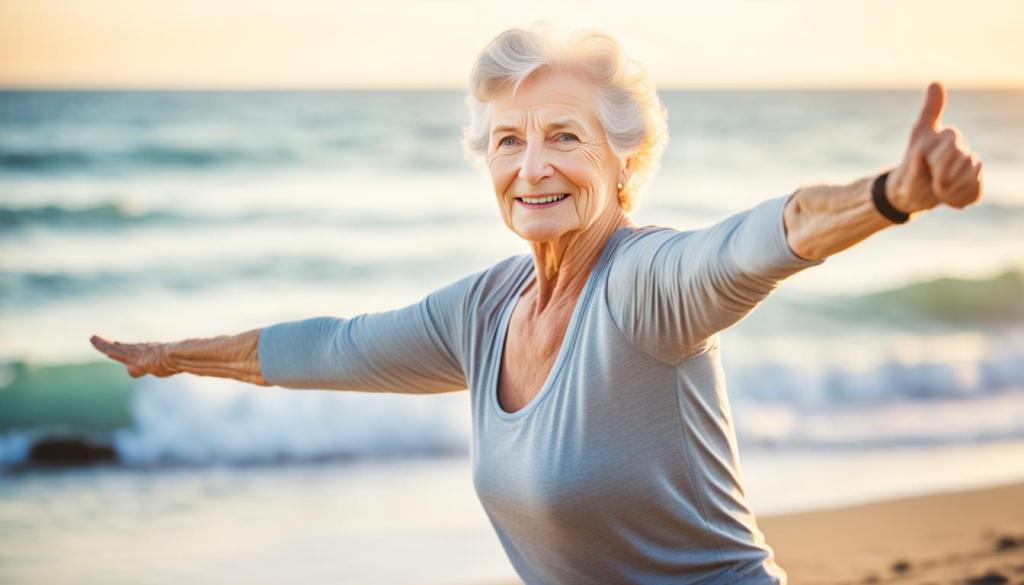
Aging is just a part of life. It’s more crucial to look after yourself as time goes by. Add self-awareness, keep at it, and get advice from the pros to age well.
Knowing what your body can and can’t do is vital. Feel how your body reacts when you move. If something doesn’t feel right, change your workout. Protecting your body is more important than pushing too hard.
Doing something regularly is the secret to staying in good shape. Keep up with your exercises all the time. This way, you will only get stronger, last longer, and be more flexible.
“Consistency is key when it comes to exercise. Making it a habit will benefit both your physical and mental well-being.” – John Smith, Certified Personal Trainer
Seeking Professional Guidance
Alongside being aware and constant, getting advice from pros is a game-changer. A certified trainer or specialist can offer plans and support just for you.
These experts make sure you’re doing the right moves right. They also craft plans that fit your needs and adjust as you get further.
“Working with a professional can help you navigate the challenges of aging and develop a fitness routine that keeps you healthy and independent.” – Jane Doe, Exercise Physiologist
Staying fit as you age is a full-time gig. Focus on being self-aware, keeping things regular, and listening to the experts. This way, you can stay fit and have fun at any age.
Benefits of Professional Guidance
| Benefits | Description |
|---|---|
| Personalized guidance | A customized fitness plan tailored to your needs, goals, and limitations. |
| Injury prevention | Proper form and technique instruction to minimize the risk of injury. |
| Progress tracking | Regular assessments and adjustments to ensure you’re making progress. |
| Motivation and accountability | Encouragement and support to help you stay motivated and accountable. |
Conclusion
To stay fit after 50, think about your needs, limits, and targets first. Skip tough workouts that could hurt you. Keep the right shape to avoid pain. Ask an expert to check your workout plan. Stick to the basics of exercise and you’ll stay healthy with less risk. Listen to what your body tells you, keep up with your exercise routine, and take good care of yourself. This way, you can grow older with vitality and keep strong.
FAQ
What exercises should I approach with caution after the age of 50?
After 50, be careful with some exercises. These include shoulder presses, leg extensions, and burpees. Also, watch out for marathon running, box jumps, and V-ups. Lifting very heavy weights and intense cardio can hurt your body too.
How important is proper posture during exercise?
Good posture during exercises prevents injuries and makes your workouts better. It balances muscles and keeps joints healthy. No matter your flexibility, work on your posture with core exercises. Wearing the right shoes helps a lot.
When should I seek professional guidance for my exercise routine?
It’s smart to get help from a certified trainer or physiologist when you’re over 50. They will tailor advice to you, ensure you’re safe, and set reachable goals. Plus, they make sure your routine stays right as you progress.
What are the basics I should not skip when exercising after 50?
Always do your warm-up and cool down. Take rest when your body asks for it. Keep hydrated, eat well, sleep enough, and don’t exercise on an empty stomach. These steps are key for good exercise performance and health.
What exercises should I not ignore when exercising after 50?
Don’t forget stretching and yoga for your flexibility. They can stop muscle issues. Also, strength training is vital for muscles and bones. Doing these exercises often will boost your flexibility and strength.
What are the benefits of exercising after 50?
Exercising later in life is great for your health and mood. It helps avoid chronic diseases and lifts your spirits. Plus, it can sharpen your mind and make you feel better about yourself.
How should I adapt exercise to my body’s needs after 50?
Keep your exercises sensible and avoid comparing to others. Know your body’s limits and adjust workouts as necessary. And remember, exercises for a strong core also prevent injuries by boosting stability.
How can I create a well-rounded exercise routine after 50?
Get personalized advice and stick with a regular schedule. Switch up your exercises to work different muscles. Including cardio, strength, flexibility, and balance activities will keep you healthy and fit.
How can I age with grace and strength through exercise?
Stay self-aware, stick with your plan, and get professional help as needed. Adapt your workouts to your body’s changes and keep going. Doing this regularly will keep you strong and healthy.

 trim down and shape up
Leave a comment