

Doing exercises correctly and with the right form leads to better results. But, using the wrong techniques or having poor form could hurt rather than help you.
Let’s say you want more endurance or bigger muscles. You can figure out the best amount of weight and reps to use. Weight and the number of times you lift it are both important. Each has a big part in reaching your fitness aims.
Key Takeaways:
- Customize your workout routine based on your fitness goals and preferences.
- Increasing weight stimulates muscle growth and strength gains, while doing more reps improves muscle endurance.
- The decision between more weight or more reps depends on your specific fitness goals.
- Maximize high-quality, pain-free volume by prioritizing form and avoiding excessive fatigue.
- Combining more weight and more reps can be beneficial for maintaining general fitness.
How to Determine Between More Weight or More Reps
Whether to add more weight or more reps depends on your fitness goals and desired workout challenge. Adding more weight stimulates muscle growth and makes you stronger over time. On the flip side, more reps boost muscle endurance and overall fitness by increasing time under tension.
Finding the right balance is key. It’s essential to know when to go heavier with weight or when to increase the number of repetitions. This balance is crucial for maximizing your workout results and achieving your fitness goals.
How to Pick More Weight or More Reps Depending on Your Goals
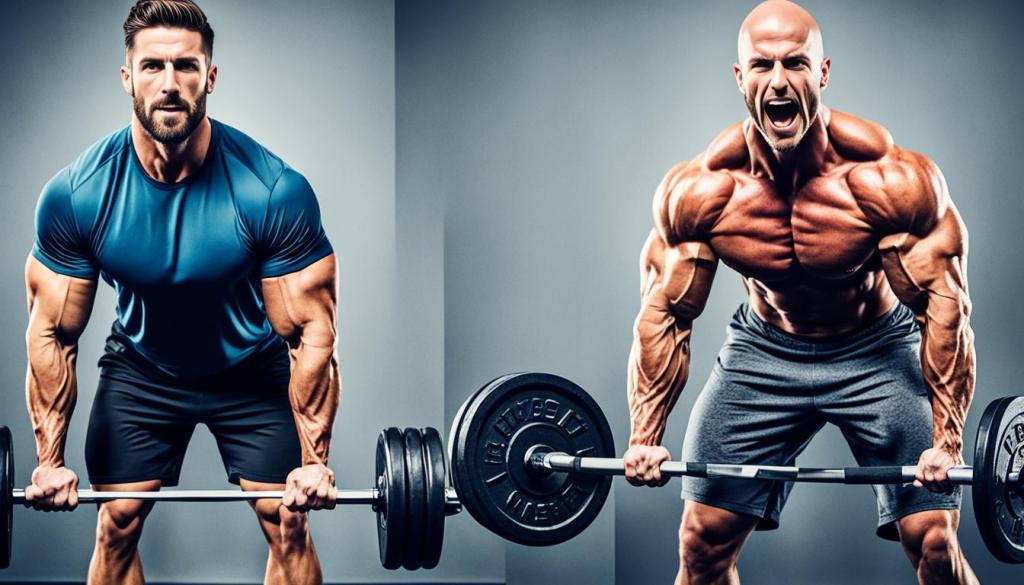
The choice between more weight or more reps is based on your fitness goals. For general fitness, using both can work well. Slow reps near muscle failure build strength and size without tiring out or risking injury. For adding muscle, challenging sets using either approach are good. To boost strength, studies show lifting heavier is better. If losing weight is your aim, mix resistance training with cardio for the best results.
Choosing Between More Weight or More Reps for Fitness Goals
Deciding what’s best for your goals means weighing the benefits of each.
With more weight:
You challenge muscles to get stronger. This works well for building absolute strength and power. By upping the weight gradually, you encourage muscle growth, key for improving sports performance or achieving strength goals.
With more reps:
More reps up your muscle endurance and overall fitness. It’s especially good for muscle size, toning, or boosting stamina for running or cycling. It keeps muscles working longer, leading to growth.
The right approach depends on what you want. Mixing both can give you a complete workout.
Finding the Right Balance
When choosing between weight or reps, finding a balance is crucial. Here are tips to help:
- Gradually add weight for muscle size or strength goals.
- Change up rep ranges to challenge different muscle parts for overall growth.
- Listen to your body to avoid injury. Adjust as needed and get professional advice if you’re unsure.
Tailoring your workout and pushing yourself leads to better fitness results.
Reps vs. Weight for Different Fitness Goals
| Fitness Goal | Approach |
|---|---|
| Building Muscle Size (Muscle Hypertrophy) | Either more weight or more reps, as long as the sets are challenging and reach near maximal effort. |
| Gaining Absolute Strength | Lifting heavier weights has been shown to be more effective. |
| Losing Weight | Combination of resistance training with higher volume and cardiovascular exercise. |
Everyone’s fitness journey is different. Try out various methods, listen to your body, and get expert advice to craft a plan that suits your needs and goals.
Maximizing High-Quality, Pain-Free Volume
To get the best results from your workout, focus on volume. This is the weight you lift times the reps you do. By upping this volume, you boost your strength, grow muscles, and get in better shape.
Yet, doing more doesn’t mean ignoring the right way to lift. It’s key to lift properly and not go to muscle failure. Balancing challenge and control keeps you safe and pushes your muscles to grow.
Here are some tips to make your workouts better:
- Choose quality over quantity: Perfect your form to hit your muscles right with each move.
- Step up the challenge slowly: Add more weight or reps little by little to keep getting stronger.
- Change up your routine: Do various exercises to work all your muscles and avoid plateaus.
- Watch for warning signs: If you feel pain or strain, change what you’re doing to prevent injury.
Stick to these tips to make the most of your workouts without risking too much. Remember, reaching your fitness goals takes time and steady effort.
Before you begin a new workout plan, talk to a fitness expert. This is super important if you’re new to lifting or have health issues. They’ll set you on the right path safely.
Maintaining General Fitness
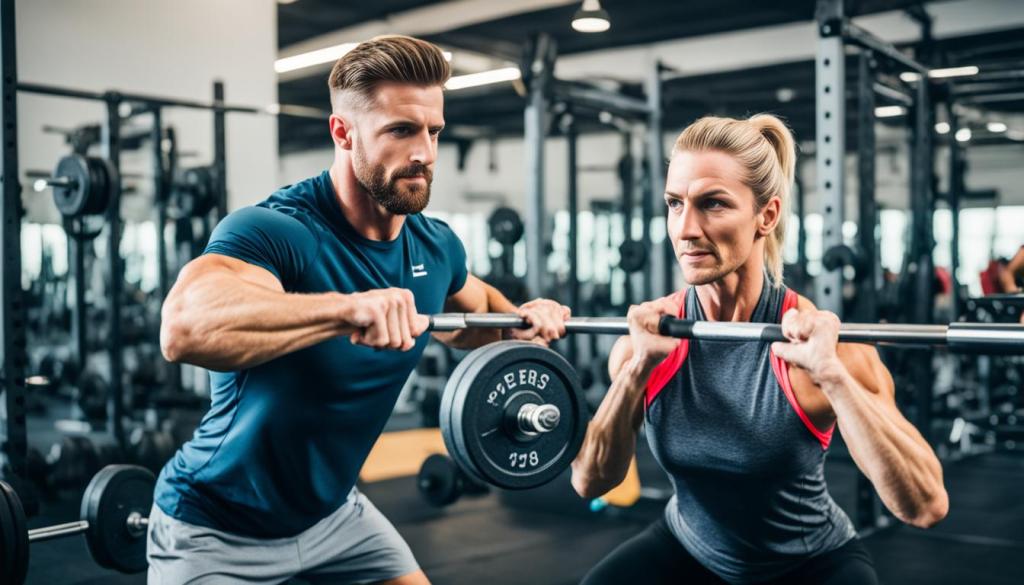
Staying fit means choosing an approach that keeps you moving forward safely. It’s about striking a good balance. This includes deciding whether to lift more weight or do more reps. This mix ensures your workouts stay hard and useful.
It’s good to sometimes lift until your muscles can’t take it anymore. This is true whether you’re lifting heavy or doing more reps. It boosts your strength and muscle growth. This approach also helps your body heal properly and reduces how sore you feel.
Try a two-part plan in your workouts. Start with heavy lifts to get stronger and grow muscle. Then, focus on doing more reps once you’ve hit your best lifts. Doing so will up your endurance and overall fitness.
Gain Muscle Size
To gain muscle size, you can lift heavier weights or do more reps. Both ways help grow your muscles.
Science shows doing low-rep sets with heavy weights or high-rep sets with light weights helps. Just make sure you put in enough effort and do enough sets.
It’s vital to keep your workouts demanding while maintaining good form. Being intense, no matter the rep range, is key.
Keep pushing and maintain your form to get big muscles. Also, always aim to lift heavier or do more reps to keep growing. Avoid hitting plateaus this way.
| Approach | Benefits |
|---|---|
| Increasing Weight | Stimulates muscle growth and strength gainsTargets muscle fibers more effectivelyHelps increase overall muscle mass |
| Doing More Reps | Increases time under tension and volumeEnhances muscle enduranceImproves overall fitness |
Be consistent with your workouts, add more weight or reps over time, and eat well. It’s crucial for muscle size. Try different exercises to spice up your routine.
Choosing to add weight or more reps is up to you. But always make sure your workouts are tough and your form is spot on. This journey is all about your personal growth.
Gain Absolute Strength
When you want to get really strong, do you pick lifting more weight or doing more reps? Both ways are good, but lifting heavier is better for gaining strength. Studies back this up.
Tests show that those who lift heavy weights get stronger. This is true even if they lift the same total volume as those lifting lighter weights. So, if you push yourself with heavier weights, you’ll become much stronger.
Lifting more weight doesn’t mean you always need to max out. Training with fewer reps but high quality can up your strength a lot. Make sure you do exercises correctly and give your all each set.
Building absolute strength takes work and sticking with it. Add heavier weights slowly and keep going. Soon, you’ll hit your fitness goals and improve your strength.
The Importance of Progressive Overload
Adding more strength means you should follow a key rule: progressive overload. This is about making your muscles work harder over time. You can do this by lifting heavier or trying tougher exercises.
Pushing your muscles with more weight makes them get stronger and grow. But remember, use progressive overload safely to avoid getting hurt.
“Gaining absolute strength requires consistent effort and dedication.”
| Benefits of Lifting Heavier Weights for Absolute Strength | Considerations for Lifting Heavier Weights |
|---|---|
| – Increased muscle strength | – Proper form and technique are crucial |
| – Improved power and explosiveness | – Gradually increase the weight to avoid injury |
| – Enhanced overall performance | – Warm up adequately before lifting heavy |
| – Greater bone density and joint stability | – Listen to your body and rest when needed |
Lifting heavier weights brings lots of strength benefits. But, be careful and focus on technique to stay safe.
Getting really strong is a gradual journey. With focus on progressive overload and heavier weights, you’re on your way to big strength gains.
Saving Time in the Gym

Many of us put a high value on saving time when we exercise. After all, we’re all busy. With our packed schedules, it’s important to squeeze the most out of our workouts. This discussion dives into the idea of efficient gym use. It looks at whether focusing on lifting more weight or doing more reps is better for time-saving.
More Weight or More Reps: The Time Factor
Doing more repetitions does take longer. And the time needed goes up with each rep and set. But, using different repetition ranges can keep the workout time in check.
So, when you choose more reps, you’ll use lighter weights. This makes your workouts last longer. But, lifting heavier weights for fewer reps can be more time-efficient. It lets you work hard in short bursts.
Optimizing Your Time in the Gym
Optimizing gym time is all about finding the right balance. You want to pick weights that push you but don’t drag on your workout. Use heavy weights that keep you engaged. This maximizes your time without sacrificing benefits.
To start, pick a weight that lets you do a certain number of reps with good form. As you get stronger, increase the weight. This way, you cut down on the number of reps needed. And you still challenge yourself.
“By choosing a weight that challenges you, you can make each rep count and minimize the total time spent in the gym.”
The aim is to do each rep well, not just get through a set amount. Quality beats quantity here. It’s far better to do fewer reps perfectly than to hurry through more with bad form.
Also, add compound exercises to your routine. These target multiple muscle groups at once. Exercises like squats, deadlifts, and bench presses help you work smarter and harder. They offer more value by working many muscles together.
To save time in the gym, aim for a balance of weight and reps. Lift heavy to keep yourself challenged. Pay attention to your form and technique. This way, you make the most of your workout time and still see great results.
To Do Big, Compound Exercises
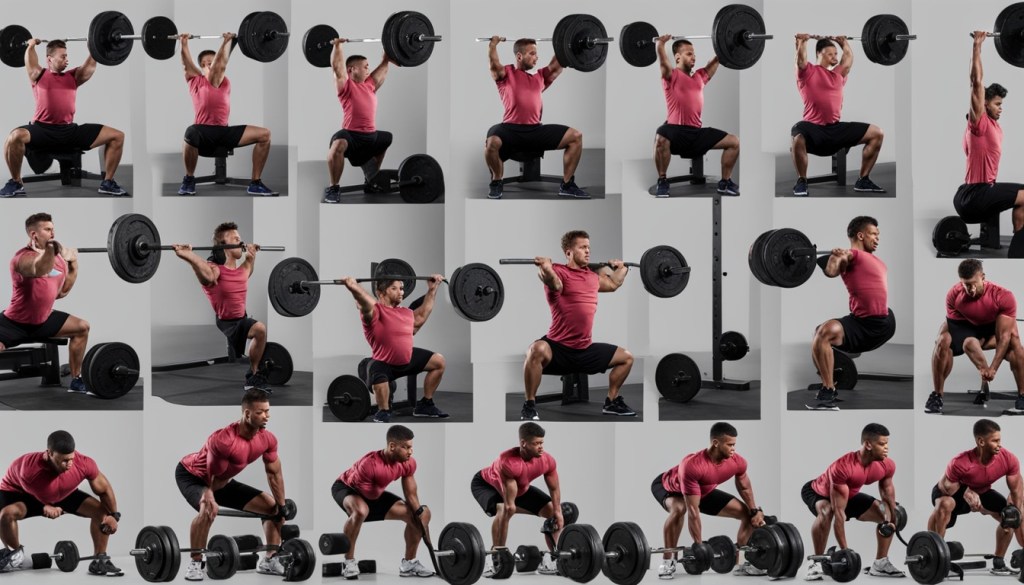
Big compound exercises are key for getting strong and building muscle. Exercises like squats and bench presses use many muscles at once. This helps you work out more effectively and see better results. But always focus on doing them correctly. This reduces the chances of getting hurt and keeps your joints safe.
When doing big compound exercises, think about adding a bit more weight. Gradually lifting heavier weights challenges your muscles. It also helps you stay strong and safe by keeping the weight in a manageable range, like 5 to 8 reps.
Increasing the weight a bit more from time to time is good for muscle growth. Yet, you must be careful. Pick a weight that’s hard but still lets you do the exercise properly. This way, you will build more muscle power without risking injury.
Compound exercises bring a lot of advantages, including strength and better movement skills. Adding a bit more weight can take you closer to your fitness targets. It helps in forming a balanced body.
| Benefits | Explanation |
|---|---|
| Increased strength | Engaging multiple muscle groups leads to enhanced overall strength. |
| Improved functional movement | Compound exercises mimic real-life movements, improving your ability to perform daily activities. |
| Enhanced overall athleticism | Working multiple muscle groups together enhances coordination, agility, and overall athletic performance. |
To Do Isolation Moves
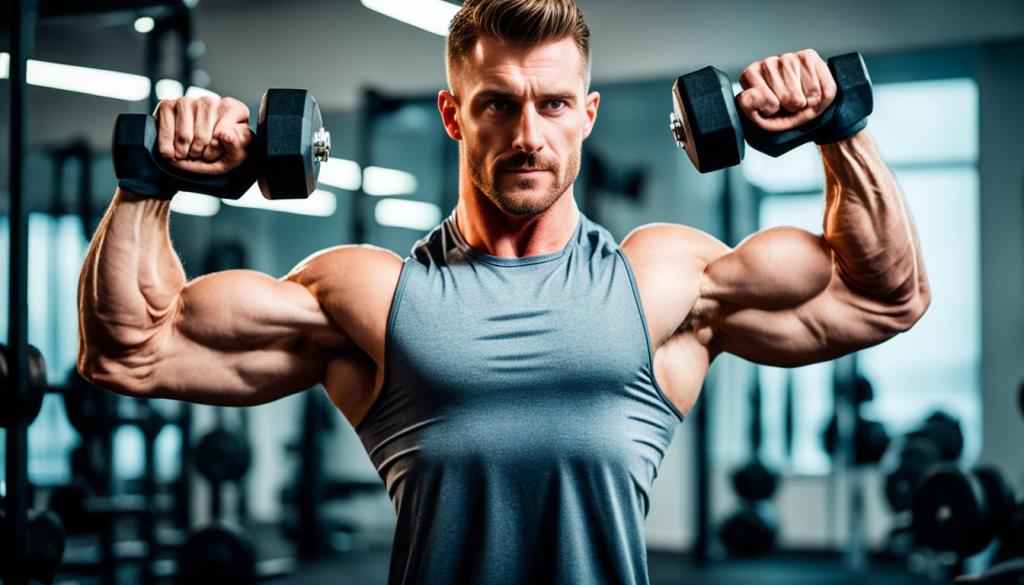
Isolation moves are key for building strong muscles. Think of exercises like biceps curls and tricep extensions. They focus on one muscle at a time. This lets you give your all, getting the best results. Also, doing more reps can really boost those results.
Doing more reps makes your muscles work harder over time. This is great for muscle growth and how long you can keep going. High repetitions help your muscles get stronger by pushing them to adapt. It’s best to use weights that let you do every rep just right. This ensures you’re working out hard without sacrificing form.
“Isolation moves are excellent for targeting specific muscles. By incorporating more reps, you can create the ideal conditions for muscle growth and improved endurance. Ensure you choose weights that allow you to perform each rep with proper form and push yourself close to your maximum effort.”
One smart approach is to mix up your workout. Include both compound and isolation exercises. Compound moves like squats work several muscles together. This adds to your overall strength. When you add in isolation moves and focus on higher reps, you get a balanced workout. It targets both the big and little muscle groups.
Benefits of Higher Reps for Isolation Moves:
- Increased time under tension: Higher reps create longer periods of stress on your muscles, promoting greater muscle growth.
- Enhanced metabolic stress: More reps increase the metabolic demand on your muscles, which can lead to greater endurance.
- Improved mind-muscle connection: Performing more reps allows you to focus on the muscle you’re targeting, enhancing your mind-muscle connection and improving exercise efficiency.
Example Isolation Moves with More Reps:
| Exercise | Reps |
|---|---|
| Biceps Curls | 12-15 reps |
| Tricep Extensions | 12-15 reps |
| Lateral Raises | 12-15 reps |
| Hamstring Curls | 12-15 reps |
Using more reps for isolation moves is good. But, it’s crucial to do them right. Pay attention to how the muscle feels when you move. Feel it working. And pick a weight that’s tough, but still lets you get all the reps done well.
Finding what works best is about trying different things. The right number of reps and weight varies for everyone. Goals, how fit you are, and what you like matter a lot. Pay attention to your body. Watch how you do over time. Then, tweak your workout to get the most out of it.
Conclusion
Thinking about changing your workout? It’s very important to know what you want and can do first. This helps choose between going heavier or adding more reps. Both ways can help you succeed in exercise.
Want more muscle? Try sets that push your limits. This could be by lifting heavier or doing more reps. For those after raw strength, heavier weights are best. To stay generally fit, use a bit of both. It keeps you strong without too much strain.
It’s always vital to use good form to prevent getting hurt. Remember, keep challenging yourself but in a smart way. This means, slowly increasing either the weight or the reps. By doing this and tracking how you do, you can hit your fitness targets. And, you’ll keep going strong for a long time.
FAQ
Which is better for you in the gym, increasing weight or doing more reps?
If your goal is to gain strength, you need to find a balance. You can either lift heavier weights or do more reps. For muscle growth, it’s also about finding the right mix. This includes making sure your workouts challenge you enough.
If you’re aiming to stay fit or boost your heart health, consider what works best for you. There’s no one-size-fits-all answer. Each person’s fitness journey is unique. Make sure your training matches your goals and keeps you motivated.
How can I determine whether to do more reps or increase weight?
Deciding between more weight and more reps involves thinking about your goals. If you want to get stronger, add weight gradually. This approach builds muscle and increases your power over time.
For improving muscle endurance and general fitness, look into doing more reps. It’s about balancing the two to match what your body needs. This way, you keep moving forward in your fitness journey.
How do I pick between more reps or more weight depending on my goals?
If keeping fit is your main goal, combining more weight with more reps is helpful. This dual approach ensures your muscles are regularly challenged. Remember, the key is to make each set challenging for yourself.
For those targeting muscle size, quality sets of either more weight or more reps are key. Challenge yourself to reach near-maximal effort in these sets. This keeps your workout effective and focused on your goals.
If building absolute strength is what you want, lifting heavier weights is the way to go. Studies have shown that the group lifting heavier weights gains more strength. Lower reps with heavier weights can work wonders for building your strength.
How can I save time in the gym?
Many people want to make the most of their time at the gym. Overall, the time spent on your workout can be similar with sets of varying rep ranges. Choosing the right weight for you is crucial.
Selecting a weight that challenges you is essential for a time-efficient workout. This way, you can keep your gym sessions both brief and effective. It’s about finding a balance that works for you without losing out on results.
Should I focus on big compound exercises?
Big compound exercises are great for getting strong and building muscle. They also help keep your workout shorter by targeting multiple areas at once. Just ensure you’re using proper form and not overdoing it.
If you’re focusing on these exercises, aim for 5 to 8 reps. This lower rep range is ideal for making strength gains safely. By doing so, you stress the muscles effectively without putting too much strain on your joints.
Should I focus on isolation moves?
Isolation moves are perfect for working on specific muscles. They shine when done with higher reps. This means exercises like biceps curls and tricep extensions work best this way.
By using moderate weights and aiming for a high number of reps, you improve muscle endurance. It’s about keeping the tension high in each rep. This approach really targets the specific muscles you’re aiming to work on.
Can you summarize the key points?
When making a choice between heavier weights and more reps, think about your goals. It’s all about what fits your needs best. Both methods have their advantages for achieving fitness goals.
Whether you aim to stay fit, get stronger, or save time at the gym, it’s crucial to find the right balance. Always keep your goals and what works best for your body in mind. This ensures you’re on the path to success in your fitness journey.



 trim down and shape up
Leave a comment