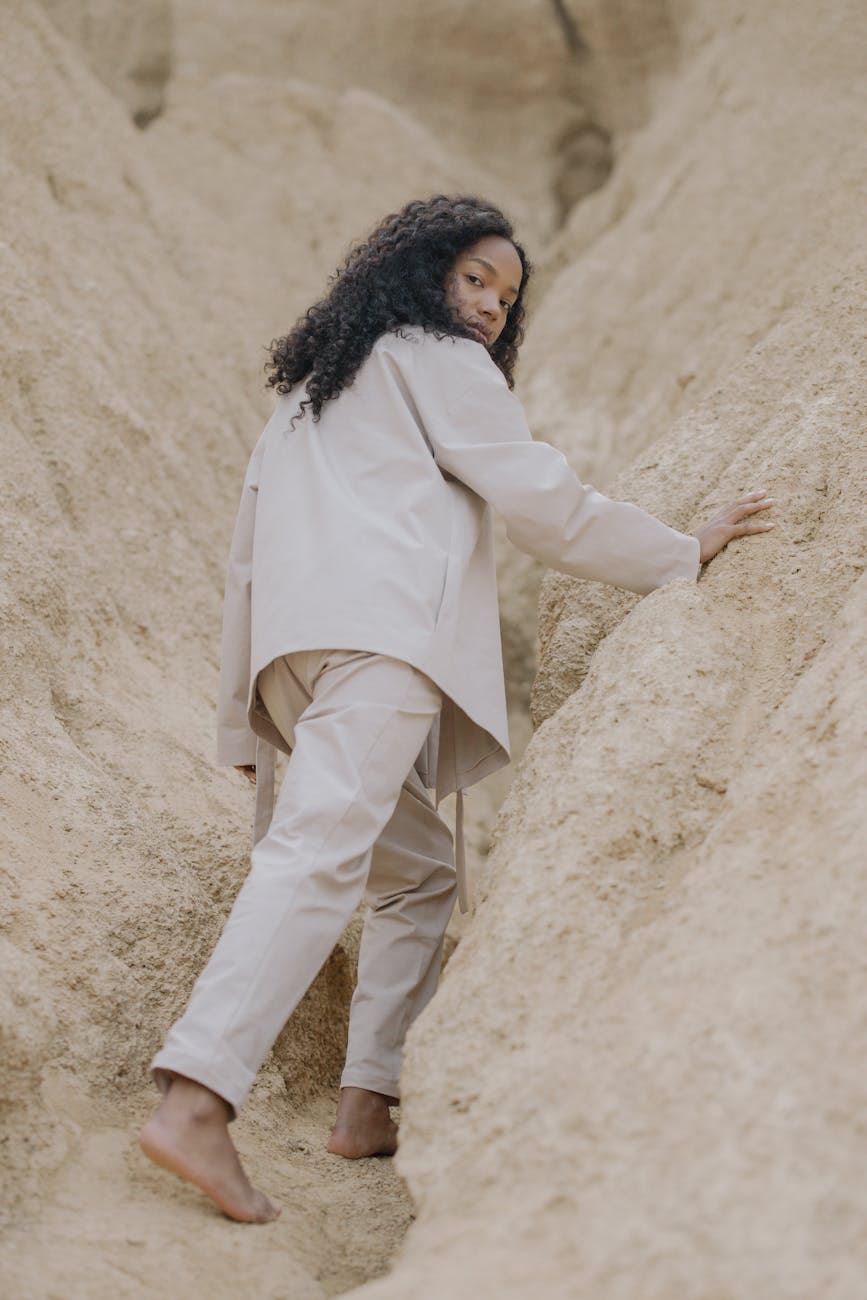


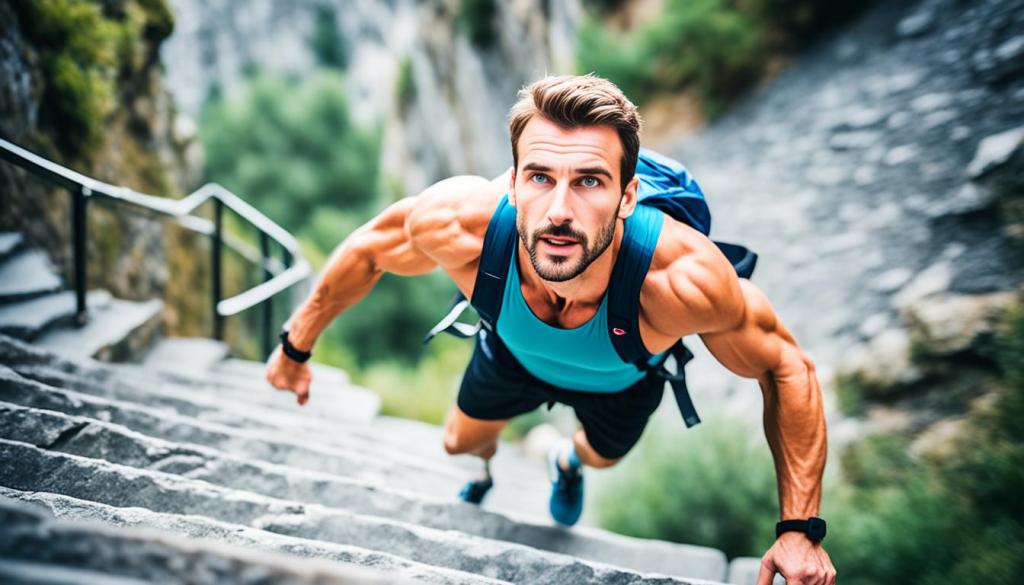
Physical therapists and fitness trainers often talk about the joys of walking backward. It’s an exercise easy on the body, sheds calories, and makes your legs stronger. It also checks how well you move and can reduce body pains. Imagine starting your day with this fun twist on a morning walk.
Key Takeaways:
- Walking backward engages different muscles and can help improve your overall fitness.
- It is a low-impact exercise that is suitable for people of all ages.
- By incorporating walking backward into your routine, you challenge your body in new ways. This can enhance your coordination skills.
- Always prioritize safety and consult with a healthcare professional if you have any existing injuries or health conditions.
- Gradually increase the duration and intensity of your backward walking to see maximum benefits.
The Benefits of Walking Backward
Walking backward, called retro-walking, is a unique exercise. It uses different muscles than walking forward. This makes your muscles work harder and your body stronger. It’s not just physical; it’s also a mental challenge to move in reverse.
When you walk backward, different muscles like the quadriceps and hamstrings work. This makes those muscles stronger and improves your overall strength. It also helps with balance and coordination by getting you used to new movements.
Walking backward is a unique exercise routine that can improve muscle activation, enhance physical strength, and improve balance and coordination.
If you want to change up your workout or try something new, walking backward could be it. It’s not just good for your body; it’s also fun and mentally stimulating. You’ll work muscles in a different way and challenge your mind. This makes it a rewarding experience.
To see how walking backward helps, look at this table. It shows what muscles it works and how it improves balance and coordination:
| Muscles Activated | Impact on Balance and Coordination |
|---|---|
| Quadriceps and Hamstrings | Strengthening these muscles can improve knee stability and overall balance. |
| Glutes and Calf Muscles | Engaging these muscles can enhance stability and coordination. |
| Core Muscles | Keeping your core engaged during backward walking can improve overall stability and balance. |
Walking backward is easy on your joints and can be done by anyone. It provides a different way to get fit and stay mentally sharp. So, give it a go. Adding backward walking to your exercise routine can truly benefit your health journey.
Muscle Activation and Balance

Walking backward works muscles in a different way than usual. It focuses on the quadriceps. These are the muscles on the front of your thighs that help straighten your knee. Working these muscles can make your legs stronger. It also helps make your knees more stable and reduces knee pain.
Going back in reverse is not only different but also challenges your balance and coordination. You need to really pay attention to how you move and make sure you don’t fall. This makes your body’s ability to sense where it is in space better. Over time, this can mean you have better balance and don’t trip as often.
Walking backward is a solid choice to boost your muscles and make you steadier on your feet. It’s not like regular walking or running. It involves muscles and skills that you don’t normally use. This can lead to having stronger muscles and better balance and coordination.
Low-Impact and Calorie-Burning Exercise
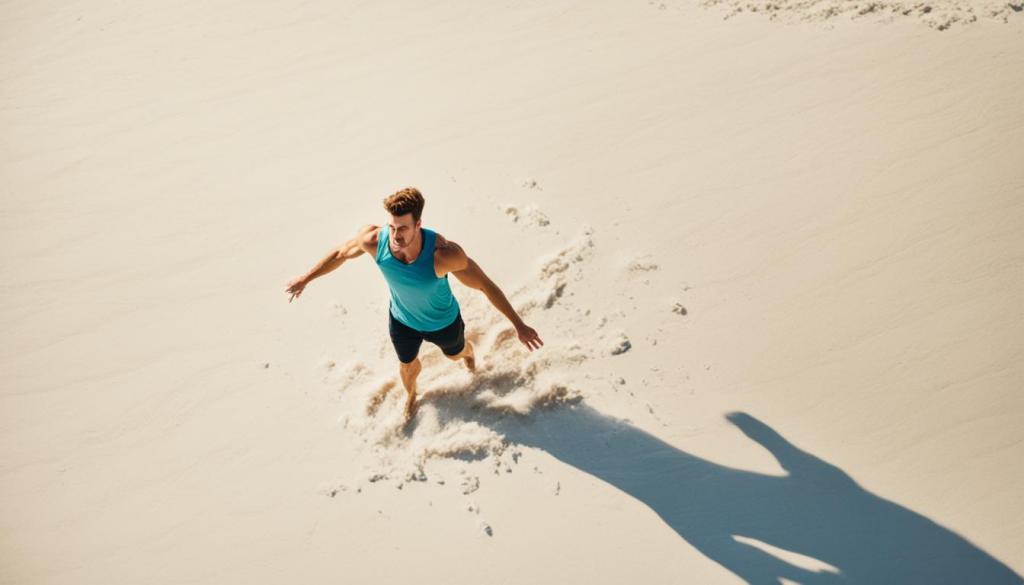
Finding a mix of activities that are gentle yet burn calories poses a challenge. Walking backward stands out for meeting both these needs. It’s easy on your joints and helps you use up more energy each day.
Walking backward is a smart pick because it doesn’t push your body too hard. It’s good for those with joint pain or who like to take it easy. Even though it’s a simple concept, it can make you sweat and feel the burn.
The amount of calories you use up by walking backward changes. It depends on how heavy you are and how fast you’re moving. But, keep in mind, any extra movement helps manage your weight. By walking backward often, you could keep fit and healthy.
Looking for an easy way to use more calories? Try adding backward walking to your routine. It’s not just a fun twist. It’s also a great method to boost your heart health and control your weight.
The Benefits of Walking Backward
Moving backward works muscles differently and spurs you to balance and coordinate. It targets your quads, hamstrings, and glutes, offering a comprehensive muscle exercise.
It also sharpens your proprioception, or body awareness. Backward walking does this by making you balance and move more smoothly. This reduces your chances of stumbling.
Walking backward is an unexpected workout. It hits unique muscles, betters balance, and coordination. Try it to feel the advantages firsthand.
Finding the Right Pace for You
Walking backward successfully means picking a speed that suits you. Begin with baby steps and extend them over time as you get stronger. Key is to keep your eyes forward and move steadily.
| Low-Impact and Calorie-Burning Exercise | |
|---|---|
| Benefits | – Engages different muscle groups – Improves balance and coordination |
| Recommended Pace | – Start with short steps – Gradually increase distance and duration |
| Tips | – Maintain proper form – Focus on keeping a steady pace |
Always mind your body and talk with a doctor if needed. They’ll guide you in making the most of backward walking for your health goals.
Safety Precautions for Walking Backward

Walking backward as part of your exercise plan is great for fitness. But, staying safe is key. We have some tips to keep you safe:
Consult a Healthcare Professional
If you’re dealing with any injuries or health issues, talk to a healthcare pro first. They can give advice just for you.
Choose a Safe Environment
Being aware of where you walk backward is crucial. Pick a place that’s open, free of stuff to trip over, and easy to see.
Take Gradual Steps
Begin with small steps when you start walking backward. This lets your body get used to it. It also helps avoid muscle strain and keeps you from falling.
Maintain Proper Form
Standing tall and keeping your body in line is important while stepping back. Lift your head, relax your shoulders, and use your stomach muscles to stand firm.
Use a Spotter or Walking Partner
If you’re not used to walking backward or feel unsure, ask a friend to come along. They can give you a hand, watch your technique, and help if you need it.
These tips make walking backward safer, letting you enjoy its perks. Safety first always. Slowly build up your routine to get the best out of it.
Walking backward can be an effective exercise, but it’s important to follow safety precautions.
How to Incorporate Backward Walking into Your Exercise Routine
To add backward walking to your routine, start with these easy steps:
- Gradually increase duration and intensity: Start with short stints and increase them gradually. This lets your body get used to the new exercise.
- Alternating between forward and backward: Mix backward walks into your usual walk. Switch between walking forward and backward. This makes your muscles work in different ways.
- Maintain proper form: Walk backward with the right form to prevent any issues. Keep your back straight and look ahead. This helps you use the right muscles for backward steps.
Following these steps will make adding backward walking to your routine a breeze. It will work different muscles and boost your overall fitness.
Muscles Engaged during Backward Walking
| Muscle Group | Benefits |
|---|---|
| Quadriceps (front thigh muscles) | Strengthens and tones the quadriceps, improves knee stability, and may alleviate knee pain. |
| Glutes (buttocks muscles) | Engages the glutes for improved muscle activation and strength. |
| Calves | Targets the calves, helping to strengthen and define these muscles. |
| Hamstrings | Activates the hamstrings, improving strength and stability in the back of the thighs. |
| Core muscles | Provides stability and engages the core muscles for improved balance and posture. |
Backward walking involves many muscle groups. It boosts your fitness and makes your workouts more interesting.
Additional Tips and Considerations for Walking Backward
Walking backward is great for more than just getting fit. It’s also perfect for older folks wanting to stay healthy. This exercise is gentle on the body, helping with fitness, balance, and coordination. That’s why many older people find it perfect.
It’s also a good pick for those who are healing from injuries. This way of walking is easy on the joints. It’s a softer way to exercise compared to some others. Plus, it works muscles differently than usual, making it okay for many with injuries.
Walking backward can even make how you walk forward better. It challenges your body in new ways, improving how you move. This can lead to better walking and balance with time.
Still, it’s super important to be careful with walking backward. Here’s how to stay safe:
- Pick a safe spot: Make sure the place is flat, smooth, and without things that could trip you.
- Take it slow: Start with short walks and then slowly walk more and faster.
- Keep good form: Stand straight and use your core while you walk.
- Watch where you’re going: Be careful of people or objects around you as you walk.
- Use the right shoes: Wear shoes that are comfy, support your feet, and have good cushioning.
- If you’re not sure because of health issues, ask a doctor before you start walking backwards.
Stick with these tips and be smart about adding backward walking to your routine. By being careful, you can get fit and boost your overall health without the worry of getting hurt. So remember, safety first to make the most out of this interesting exercise.
Conclusion
Walking backward is a fun way to work out. It uses different muscles, balances your body, and helps with overall health. Adding this to your exercise mix gives variety and challenges your body.
This special way of walking hits your quads and works other groups too. It makes your lower body stronger and slimmer. Yes, this really works those muscles we don’t use much.
You might not know, but walking backward is great for your brain too. It’s a cool twist to staying healthy. Please check with a doctor first if you’re not sure it’s safe for you to do this.
Start slow and build up how much backward walking you do. Mix it with your daily walks or have it as its own activity. It’s good for staying strong, steady, and in sync. It’s not just for the older crowd; it’s perfect for anyone getting back from an injury too.
FAQ
Is walking backward a good exercise?
Yes, walking backward is a unique exercise that works different muscles. It helps with fitness and physical strength. This exercise also sharpens the mind and improves balance and coordination.
What muscles does walking backward work?
Walking backward works your quadriceps, the front thigh muscles. It also involves your glutes, calves, and core. This leads to stronger muscles and overall strength improvement.
Is walking backward a low-impact exercise?
Yes, it is a low-impact exercise. It does not stress your joints much. This makes it perfect for those needing an easy physical activity.
Can walking backward help burn calories?
Walking backward does burn calories. The amount varies with weight and how hard you work. But it’s a good way to spend more energy each day.
Is walking backward safe?
If you do it carefully, walking backward is safe. Always be aware of what’s around you. Pick safe places to walk backward. If you’re hurt or sick, talk to a doctor first.
How can I incorporate walking backward into my exercise routine?
To include walking backward in your routine, start slowly. Begin with brief walks and add more time. You can also switch between walking forward and backward when you’re out for a walk.
Is walking backward suitable for older individuals?
It’s a great choice for seniors. This exercise is easy on the body and helps keep fitness up. It also boosts balance, coordination, and physical strength.
Can walking backward improve my regular gait and balance?
Yes, adding backward walking to your routine can boost your gait and balance. It makes your body work in new ways. This can make your overall balance and coordination better.



 trim down and shape up
Leave a comment