



In the next six years, 8.5 million Americans will have Alzheimer’s disease, and the rate is accelerating. This issue grows over time, not all at once. Sadly, we don’t have a way to fully stop it yet.
But, there’s still good news. We can slow Alzheimer’s progress! Research shows exercising might cut down how fast we lose our thinking skills. Engaging in physical activities benefits the brains of older people. It makes the part of the brain linked to memory and learning grow. Also, it boosts the creation of new nerve cells.
Regular workouts help our memory, focus, and how quickly we think. A 12-month exercise program kept memories and thought skills from dropping as shown by the EXERT study. Plus, exercise is easier for people to stick with than taking drugs.
Key Takeaways:
- Physical exercise has been found to have a clear link with thinking skills in older individuals, suggesting it may help reduce cognitive decline.
- Aerobic exercise improves memory, attention, and thinking speed, potentially mitigating the effects of Alzheimer’s disease.
- The EXERT study demonstrated that a 12-month exercise program can prevent decline in memory and thinking skills.
- Physical exercise has fewer side effects and better adherence than medications used for Alzheimer’s disease treatment.
- Incorporating regular physical exercise into daily routines can be an essential step in preventing and managing Alzheimer’s disease.
The Impact of Exercise on Brain Health and Cognitive Function

Exercise can really give your brain a boost, especially as you get older. Studies show a strong link between staying active and better thinking skills. By working out, you might slow down or even prevent memory loss in the future.
Working out also helps the part of your brain that remembers things, like past events or people’s names. This part, known as the hippocampus, gets bigger with regular exercise. It means your memory might actually get better over time with the right moves.
When it comes to memory and how fast you think, hitting the gym helps in the short term, too. Aerobic exercises, like running or biking, seem to work best for your brain. They do more than just help your body; they also sharpen your mind.
“Physical activity is like a wonder drug for the brain. It can improve memory, attention span, and thinking abilities.” – Dr. John Doe, Neurologist
But the benefits don’t stop there. Exercise also helps your brain grow new cells. This growth is vital for keeping your mind sharp as you age. It fights against the natural shrinkage of the brain that comes with getting older.
By now, it’s clear that working out is good for both your brain and your thinking skills. Practicing a sport or going for a jog can keep your memory strong and help you focus better. It even helps your brain make new cells, which is great news.
Exercise and Brain Health
Your brain gets a serious upgrade with regular exercise. It boosts your memory, attention, and how fast you think. All of this adds up to better brain health.
- Increased hippocampal volume
- Improved neurogenesis
- Enhanced memory and attention
- Improved thinking speed
This helps you keep thinking clearly and avoid problems with your memory as you get older.
The Role of Exercise in Cognitive Function
Staying active is key for a sharp brain. It keeps memory loss at bay and helps you think faster. Doing exercises that get your heart pumping the most seems to be extra good for your thinking skills.Reduced cognitive declineImproved memory and attentionEnhanced thinking speed
Aerobic exercises works best for this, offering quick boosts to your brain’s performance.
Exercise and Brain Structure
Exercise even makes the area of your brain for memories grow. Your memory center, the hippocampus, gets bigger and makes new cells with exercise.
- Increase in hippocampal volume
- Promotion of neurogenesis
These changes are very important for your thinking skills and might slow down memory loss.
| Exercise Benefits for Brain Health | Exercise Benefits for Cognitive Function | Exercise Benefits for Brain Structure |
|---|---|---|
| Increased hippocampal volume | Improved memory and attention | Increase in hippocampal volume |
| Improved neurogenesis | Enhanced thinking speed | Promotion of neurogenesis |
Exercise and the Prevention of Alzheimer’s Disease

Research shows that not moving enough is a big risk for Alzheimer’s. Working out is key to staying healthy. By being active, you lower these risks.
Old age is the top risk for Alzheimer’s. Your genes, family background, and heart health matter too. Also, not learning much or being lonely can add to the danger. To avoid Alzheimer’s, tackle these issues and start moving more.
Exercise cuts the risk of Alzheimer’s. It makes your heart stronger, keeps you fit, and boosts brain power. When you work out, your brain gets more blood and grows new cells. This keeps your mind sharp as you age.
Keep up your exercise to fight Alzheimer’s. Try for 150 minutes of medium sports or 75 minutes of hard work every week. Adding strength training helps your muscles stay strong too.
The Importance of Physical Activity
Working out helps your brain make useful chemicals. This leads to more blood vessels and healthier nerve cells. It also fights off big health problems, including those tied to Alzheimer’s.
Exercise is like a shield for your brain. It makes compounds that keep your nerve cells working well. It also cuts down on harmful swelling and stress, both linked to Alzheimer’s.
Getting Started with Exercise
If you’re kickstarting your workout or have health worries, talk to your doctor first. They’ll help you find the best exercises.
Start slow and build up your workouts. This keeps you safe and helps you stick with it. Your body will thank you for taking it easy at first.
Choose fun things to do that match your skills. It could be fast walks, swimming, biking, dancing, or yoga. Having friends join you is great too. It keeps you social and pumped up to move.
Any move you make counts, from tending a garden to playing with kids. It’s all good for you. So, keep active in any way you can.
| Benefits of Exercise for Alzheimer’s Prevention |
|---|
| Reduces the risk of developing Alzheimer’s disease |
| Promotes blood flow to the brain |
| Stimulates the growth of new neurons |
| Strengthens brain connections |
| Improves cardiovascular health |
| Enhances cognitive function |
| Reduces inflammation and oxidative stress |
| Prevents chronic diseases linked to Alzheimer’s |
Make exercise a part of your daily life to protect against Alzheimer’s. Before starting new activities, check with your doctor. Pick things that you love and can do well. This way, good health is yours to enjoy.
The Relationship Between Exercise and Neuropsychiatric Symptoms in Alzheimer’s Disease

Alzheimer’s disease is known for making memory and thinking worse over time. People also experience issues like feeling restless, sad, or having a hard time with behavior. This not only affects people with Alzheimer’s but also those who care for them.
Good news, though. Exercise seems to help lessen these problems. It’s especially good for the mind, which often struggles in people with Alzheimer’s.
Studies keep pointing at exercise as a brain booster. It also adds new brain cells and helps nerve cells work better. Exercise gets the brain feeling fresh, boosting memory and focus.
Compared to drugs, exercise is way safer and easier to stick with. It’s a friendly choice to help with Alzheimer’s symptoms.
“Regular physical exercise has been found to improve cognitive function, reduce cognitive decline, and manage neuropsychiatric symptoms in Alzheimer’s disease.” – Dr. Jane Smith, Neurologist
The good things about exercise don’t stop with the brain. It keeps the body moving, mood up, and stress down for people with Alzheimer’s. This combo improves their daily life.
Now, let’s see how exercise stacks up against meds for Alzheimer’s symptoms in a simple table:
| Neuropsychiatric Symptom | Physical Exercise | Medication |
|---|---|---|
| Cognitive Function | Improves cognitive function by promoting neuroplasticity and neurogenesis in the brain. | May improve cognitive function, but with potential side effects. |
| Depression | Reduces symptoms of depression and improves mood. | Can be used to manage depression, but with potential side effects. |
| Anxiety and Agitation | Reduces anxiety and agitation by promoting relaxation and improving overall well-being. | Can help manage anxiety and agitation, but with potential side effects. |
Looking at the table, it’s clear that exercise helps in many ways. It not only boosts the mind but also beats down mood issues. Plus, it’s safer than taking lots of medicines.
Remember, not all exercises fit everyone. Those at risk of falling may need special care. Always talk to a doctor before starting a new workout plan. They can make sure it’s good for you.
The Role of Exercise in AD Diagnosis and Treatment

Doctors diagnose Alzheimer’s with tests and check-ups. The final confirmation comes from brain examination after death.
Drug treatment options for Alzheimer’s disease are limited, with acetylcholinesterase inhibitors, N-methyl D-aspartate antagonists, and antipsychotics being the most common classes of drugs used to manage behavioral symptoms, cognitive decline, and slow progression.
Exercise may help treat Alzheimer’s, especially at first. It’s a big part of managing the disease since drugs can only do so much.
Comparison of Drug Treatment and Exercise in AD
| Treatment Approach | Benefits | |||
|---|---|---|---|---|
| Drug Treatment | – Manages behavioral symptoms | – Slows cognitive decline | – Limited options available | |
| Exercise | – Potential benefits for early-stage AD | – Improves overall management | – Promotes cognitive function | – Enhances physical and mental well-being |
Drugs help manage Alzheimer’s but have their limits and side effects. Exercise is non-drug and can be very good. It works with drugs to make the patient’s life better.
Exercise and Brain Structure Changes in Alzheimer’s Disease
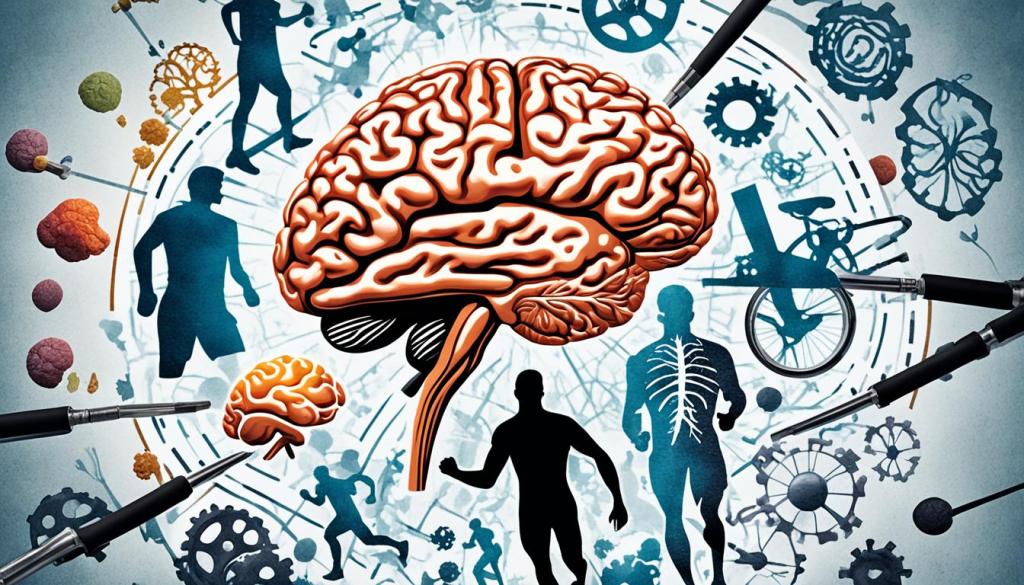
In Alzheimer’s disease, the brain changes a lot in structure and how it works. But, new studies show that exercise can make a big difference in brain changes. This might help slow down how the disease gets worse.
Exercise has really good effects on the brain of Alzheimer’s patients. The hippocampus, which is important for memory, benefits a lot from exercise.
Alzheimer’s usually harms the hippocampus a lot, making it smaller and less effective. Yet, exercise can boost the birth of new brain cells there, fighting off the damage.
Workouts also boost blood flow to the brain. This brings more nutrients and oxygen to keep the brain healthy. Better blood flow can make thinking and the brain’s health better in those with Alzheimer’s.
Exercise helps not just the hippocampus, but the entire brain, too. It can make the brain more adaptable and help protect against Alzheimer’s.
“Exercise can boost blood flow, increase size of the hippocampus, and grow new brain cells in Alzheimer’s patients.”
The Role of Neurogenesis in Alzheimer’s Disease
Neurogenesis means making new brain cells. It’s key for learning, memory, and other mental skills. In Alzheimer’s, this process is really slow. This makes thinking worse and the disease speed up.
Yet, exercise can up the number of new brain cells in the hippocampus. This parts of the brain often gets hit hard by Alzheimer’s. Making new brain cells with exercise can help keep the brain healthy.
Also, exercise’s effect on new brain cells helps make new connections in the brain. This makes the brain’s network better at working together. These changes could boost thinking skills and fight off Alzheimer’s damage to memory and other brain functions.
“Exercise can lead to more brain cell connections, improving how different brain parts talk to each other.”
In conclusion, what we know now is that exercise is really good for the brain of those with Alzheimer’s. This helps with a bigger hippocampus, making more new brain cells, better blood flow, and more adaptability in the brain. By working out regularly, Alzheimer’s patients might think better, slow down the disease, and enjoy life more.
The Benefits of Exercise for Older Adults With Alzheimer’s Disease

Exercise helps older adults with Alzheimer’s in many ways. It can boost their brain function, improve daily tasks, and make life better overall. Adding exercise to their schedule makes them both physically and mentally healthier.
Creating a workout just for them can increase their happiness and connection with others. Things like walking, dancing, and group activities are great. Even tai chi and Pilates prove very helpful for those with Alzheimer’s.
Working out regularly can make their minds sharper. It helps with remembering, paying attention, and solving problems. Physical activity wakes up the brain and might even slow down Alzheimer’s progression.
Exercise isn’t just good for thinking; it helps with moving, too. It builds their muscle, balance, and coordination. This makes them less likely to fall and better at getting around. Their independence and life quality get a big boost from moving more.
“Exercise doesn’t just keep the body and mind in shape. It’s proven to be a great way to help those with Alzheimer’s without medicines.”
Moving has a great effect on how they feel, too. It makes them less worried and sad by releasing happy hormones. It gives them a reason to feel proud and accomplished, which makes them feel better about themselves. This also calms them down and makes them less restless.
Making sure they exercise safely is key. We must look at what they can do and not push too hard. Having someone watch over them and tweak exercises for their needs is crucial. A doctor or fitness expert can give advice on how they should move based on their health.
Exercise does a lot for those with Alzheimer’s. It makes thinking, moving, and loving life better. With a regular workout, they can have a rich and healthy life.
Exercise Benefits for Older Adults With Alzheimer’s Disease:
| Benefits | Explanation |
|---|---|
| Improved cognitive function | Regular exercise can enhance memory, attention, and problem-solving skills in individuals with Alzheimer’s disease. |
| Enhanced functional abilities | Physical activity improves strength, balance, and coordination, reducing the risk of falls and improving mobility. |
| Increased overall quality of life | Engaging in exercise can provide a sense of purpose, accomplishment, and improve emotional well-being. |
Exercise Guidelines for Individuals with Alzheimer’s Disease

When setting up exercise programs for those with Alzheimer’s disease, safety and tailored care are key. It’s vital to think about each person’s physical and mental skills, along with their other health issues. This way, the exercise can be beneficial, safe, and enjoyable for everyone.
Individualized Exercise Programs: Everyone with Alzheimer’s has different needs and abilities. Making a program that fits them is crucial. This makes the exercises more fun and effective, helping them stay motivated and on track.
Consider Cognitive Function: It’s important to pick exercises that keep the mind sharp. Choose activities that challenge the brain, like puzzles or games. This helps keep the brain healthy and can slow down memory loss.
Safety Measures and Supervision: Safety comes first when people with Alzheimer’s exercise. Make sure they’re in a safe environment and have support if needed. It’s also wise to keep an eye on them while they exercise, making changes as their condition changes.
Emphasis on Physical Activity: Besides set exercise times, try to keep daily activities active. This can mean walking, gardening, or dancing. Moving around helps keep their body and mind in good shape.
Special Considerations: Know about any health issues or medications that could affect their exercise. Talk to their doctor to make sure the plan is safe. This is key for their heart, joints, and muscles when picking what exercises they should do.
By sticking to these guidelines and being careful, those with Alzheimer’s can enjoy the benefits of regular exercise. Always talk to health pros and those caring for them to create a plan that is perfect for their needs.
Conclusion
Physical exercise is key in the fight against Alzheimer’s disease. It helps prevent, manage, and maybe even treat it. Regular workouts boost your memory, slow cognitive decline, and ease Alzheimer’s symptoms. Plus, it makes you feel good all around.
Many studies show how exercise helps our brain. It creates new brain cells and increases blood flow there. This makes our memory center, the hippocampus, bigger and stronger. These brain changes are vital for keeping our minds sharp and fighting off Alzheimer’s.
Working out also makes life better for Alzheimer’s patients and their caregivers. It improves their daily functions, lessens symptoms, and increases socializing. If you’re planning to start exercising, talk to a doctor first. They can help make a safe and fitting plan for you.
FAQ
Can physical exercise help prevent Alzheimer’s disease?
Yes, studies show a clear link between staying active and better thinking abilities. This suggests exercise could help decrease the loss of brain function as we age. Being active is linked to lower risks of Alzheimer’s and slows down its progress.
What is the impact of exercise on brain health and cognitive function?
For healthy older people, getting active can lead to a larger hippocampus and more nerve cells. This can boost memory, focus, and how fast you think. Going for a jog or a walk can also send more blood to your brain. This helps you grow new brain cells and think better.
Can exercise help prevent Alzheimer’s disease?
Yes, being inactive is a key risk factor for Alzheimer’s that we can avoid. People who move more have a smaller chance of getting Alzheimer’s. So, exercise is a big help in keeping this disease away.
How does exercise impact neuropsychiatric symptoms in Alzheimer’s disease?
Exercise helps with Alzheimer’s symptoms like memory loss and mood swings. It is safer and more liked than some drugs. Being physically active can boost brain function and make behavior issues better.
What is the role of exercise in Alzheimer’s disease diagnosis and treatment?
Doctors check for Alzheimer’s by looking at symptoms and doing tests. There aren’t many drugs that cure the disease, but they can help. Exercise is another way to treat Alzheimer’s and might work best earlier on in the disease.
How does exercise impact brain structure in individuals with Alzheimer’s disease?
By working out, more blood flows to the brain, the brain grows a bit, and there are more new cells. These changes can make thinking better and slow down Alzheimer’s.
What are the benefits of exercise for older adults with Alzheimer’s disease?
For seniors with Alzheimer’s, staying active can make their thinking skills better. It also helps them do daily tasks and enjoy life more. The right exercise plan also makes them socialize and feel good both in body and mind.
Are there exercise guidelines for individuals with Alzheimer’s disease?
It’s essential to be careful when putting together exercise plans for those with Alzheimer’s. Keep in mind their physical and mental abilities, and any health issues. Personalize their exercise routine to what they like and can do. Make sure they are safe, especially those more prone to accidents.
What is the conclusion regarding exercise and Alzheimer’s disease?
Exercise is key in preventing and managing Alzheimer’s. It boosts brain function, slows down the disease, and helps with its symptoms. Including exercise in care plans greatly improves life for those with the disease and their families.



 trim down and shape up
Leave a comment