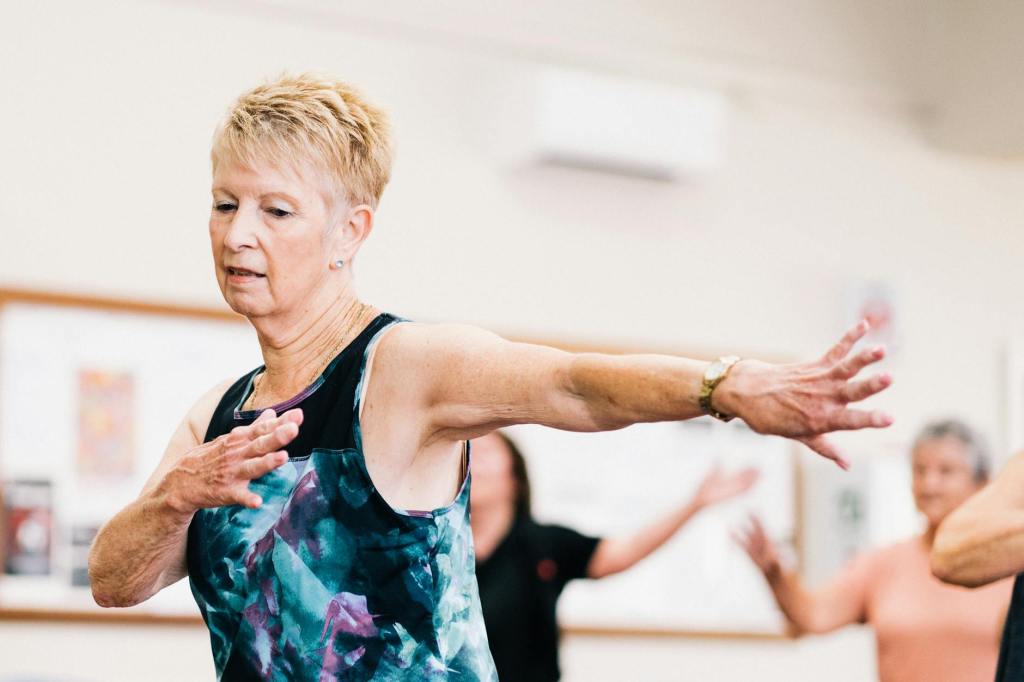


Making your bones strong and healthy is crucial as you age. This helps prevent problems like osteoporosis and fractures. Doing strength training exercises is key to increasing and keeping good bone density. So, it’s a must for your fitness plan as you reach older age.
Key Takeaways:
- Strength training is vital for maintaining and improving bone density.
- Start with light weights and gradually increase the resistance as your strength improves.
- Engaging in targeted workouts that focus on different muscle groups can help combat age-related bone loss.
- Keep in mind the importance of proper form and technique to avoid injuries.
- Consult with a healthcare professional before starting any new exercise program.
These workouts will help strengthen your bones as you grow older:
Workout #1: Lower-body Blast
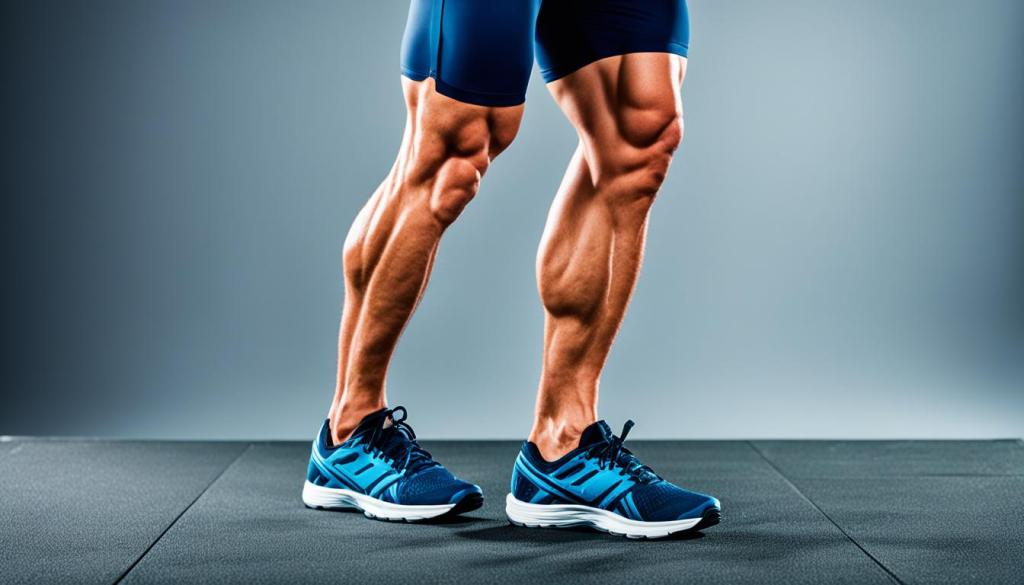
This workout is all about making your lower body strong, especially targeting the hips, thighs, and calves. These are areas that tend to lose bone density with age. You’ll do exercises like squats, lunges, and calf raises to work these muscles.
Start with light weights and build up slowly to heavier ones. Increasing weights too fast can lead to injuries. It’s key to lift with the correct form. Aim for three sets of 10 to 12 reps for each exercise to boost muscle strength and grow bones.
Squats: Begin with your feet apart and your chest proud. Lower your body slowly like you’re sitting back in a chair. Make sure your knees are pointing the same way as your toes. Then, stand back up.
Lunges: Step one foot forward and the other back to get into a lunge position. Bend both knees, but don’t let your front knee go past your toes. Push up with your front foot to get back up. Then, switch sides and repeat.
Calf Raises: Stand with your feet not quite together, with good posture and your abs tight. Lift your body up on your toes, holding for a second at the top. Then, slowly go back down.
Always use the right technique with these moves. If you’re new or unsure, think about getting help from a pro fitness trainer.
| Exercise | Reps | Sets |
|---|---|---|
| Squats | 10-12 | 3 |
| Lunges | 10-12 (each leg) | 3 |
| Calf Raises | 10-12 | 3 |
Workout #2: Upper-body Strength
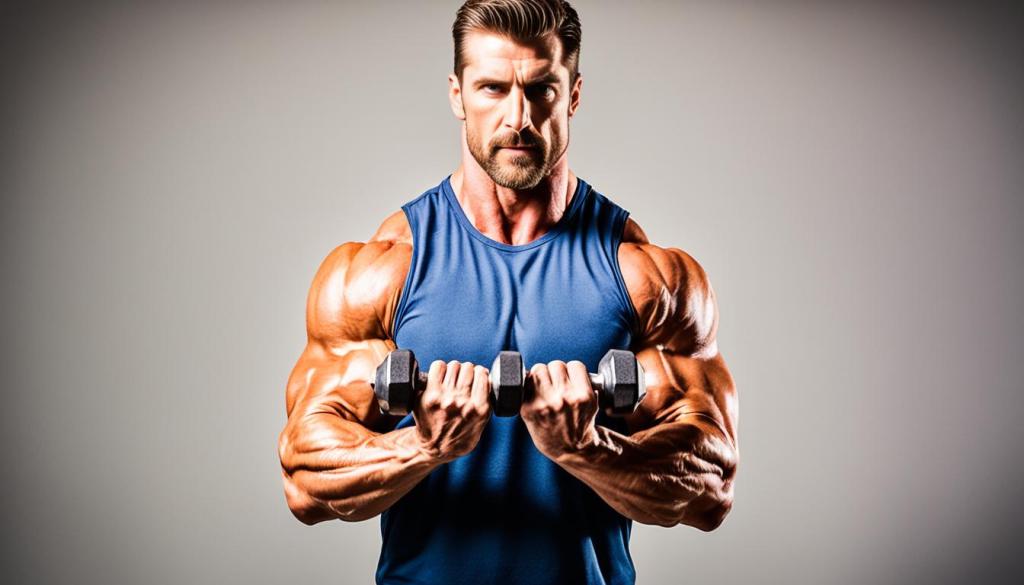
This workout helps strengthen your upper body. It includes the chest, back, shoulders, and arms. Exercises like chest presses, bent-over rows, and shoulder presses are included.
Doing three sets of 10 to 12 reps for each will get you results.
“Chest presses, bent-over rows, and shoulder presses are top for your upper body. They work many muscles. This helps build strength and bone density.”
Begin with chest presses. These work your chest muscles best. Lie on a bench with dumbbells at your chest. Push them up, but don’t lock your elbows. Then, bring them back down. Repeat as many times as needed.
Next, try bent-over rows for your back. Keep feet at shoulder’s width, and hold dumbbells, palms facing you. Bend over, keeping your back flat and core tight. Then, pull the dumbbells to your torso, squeezing your shoulder blades. Lower and repeat.
Finish with shoulder presses. Stand with a dumbbell in each hand at shoulder height. Push the weights up overhead, fully extending your arms. Bring them back down and repeat.
Tips for Proper Form:
- Keep your core tight during exercises for steady strength.
- Move your weights slowly, focusing on the muscle you’re working.
- Breathe steadily, letting out air when pushing and in when resting.
Important: Always use the right form and start with weights you can handle. As you get stronger, you can lift more. This keeps your upper body and bones strong.
Workout #3: Core Stability
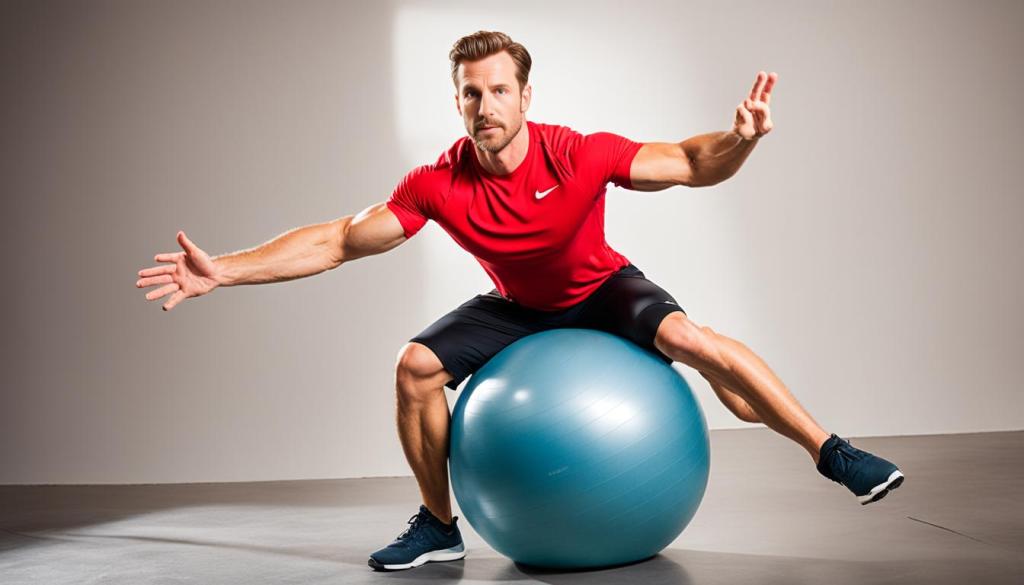
A strong core is key for balance and stability. It lowers the chance of falls and injuries. Engaging in exercises for your core, such as your abs and lower back, boosts your stability. It also protects your spine.
Planks are an excellent exercise. They work your entire core. To do a plank, get in a push-up position. Place your forearms on the ground, elbows below your shoulders. Keep your body straight and engage your core. Hold for 30 seconds, adding more time as you get stronger.
Russian twists also help your core. They work the obliques, needed for twisting and side-to-side movements. To do a twist, sit with knees bent and feet on the ground. Lean back a bit, feet off the ground. Hold a weight and twist your torso, touching the weight to the floor on each side. Do this 10 to 12 times. Gradually, increase the weight.
| Exercise | Description | Sets | Reps |
|---|---|---|---|
| Planks | Engages the entire core, including the abdominals, transverse abdominis, and lower back muscles | 3 | 10-12 seconds |
| Russian Twists | Targets the obliques for rotational movements and lateral stability | 3 | 10-12 reps on each side |
Always keep your form right in these exercises. Doing them well without much weight is better than doing them wrong with more weight. Aim to do core exercises two to three times each week. Over time, you will gain better balance and stability with dedication.
Workout #4: Full-body Power
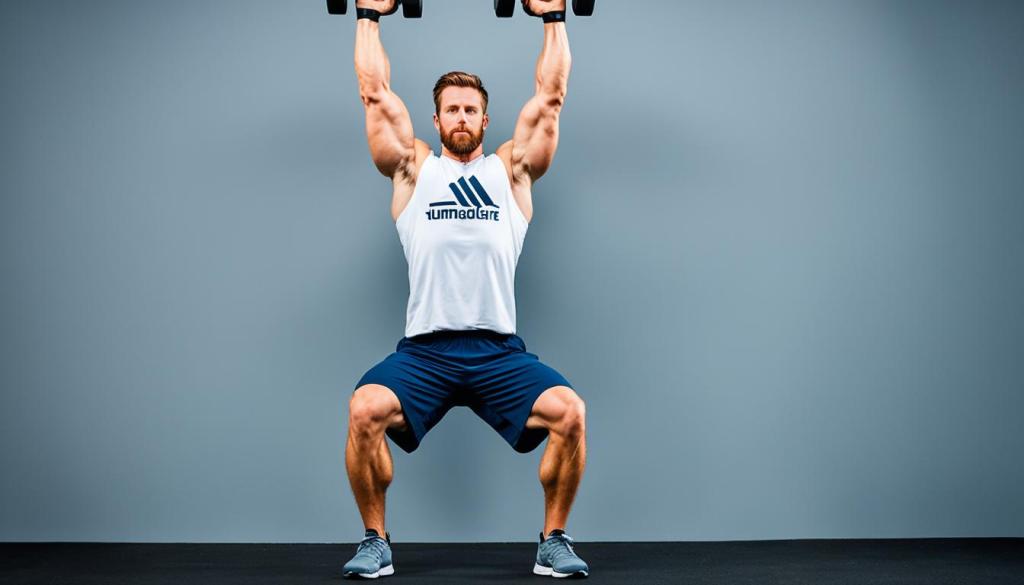
This workout focuses on building power across your whole body. It involves exercises that target many muscle groups together. This approach boosts overall strength and increases bone density.
Exercise 1: Deadlifts
Deadlifts work muscles like your back, glutes, and hamstrings. These are key for lifting heavy things with care. So, deadlifts not only make you strong but also help your bones grow. Here’s a step-by-step guide for deadlifts:
- Start by standing with your feet apart, shoulder-width, with your toes pointing outward.
- Pick up the barbell with your hands outside your legs, in an overhand grip, keeping your arms straight.
- Bend at your hips and knees, lowering your body but keeping your back and chest up.
- Push your heels into the ground to lift the barbell off the floor as you stand up straight.
- Bring the barbell back down slowly, under control, to the floor.
Exercise 2: Pushups
Pushups are a simple yet powerful exercise for your upper body and core. They also work out your arms, back, and leg muscles, making them a full-body move. Here’s the low-down on pushups:
- Start in a plank position with your hands a bit wider than your shoulders and your toes on the ground.
- Bend your elbows to lower your body, keeping them close to you.
- Push back up through your hands to the start, making sure your body stays straight.
Exercise 3: Dumbbell Squat to Press
The dumbbell squat to press combines a squat with an overhead press. It works your legs, glutes, shoulders, and arms. This boosts your strength and power. Here’s how to do it:
- Start holding dumbbells at your shoulders, palms facing forward.
- Stand with your feet apart, shoulder-width, toes slightly out.
- Squat down, keeping your back straight.
- As you stand, press the dumbbells up above your head.
- Lower the dumbbells and repeat for more reps.
Do three sets of 8 to 10 reps for each exercise and rest 60 seconds between sets. Make sure your form is good and you slowly add weight as you get stronger. Always ask a fitness pro before starting, especially if you have health worries.
Workout #5: Stability and Balance
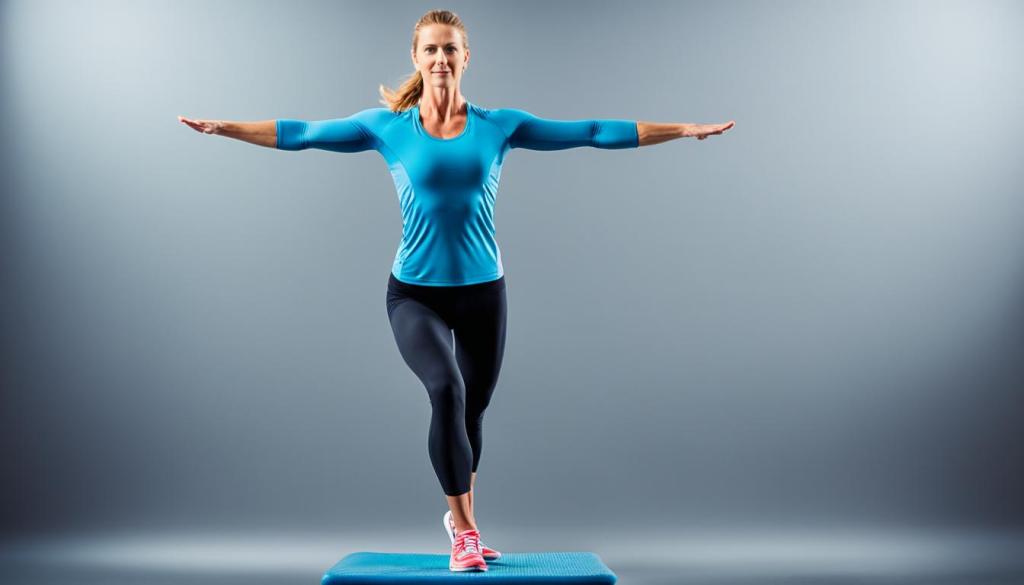
It’s vital to work on stability and balance to lower fall risks. This routine focuses on building better balance and coordination. It uses single-leg deadlifts and side leg raises to improve these skills.
For single-leg deadlifts, stand with feet hip-width apart and arms forward. Lift one leg back while bending at the waist. Keep your back straight. Do 10 to 12 reps for three sets on each leg.
Side leg raises are good for outer thighs and hips. Lie on your side with legs straight. Lift the top leg up and down. Do 10 to 12 reps on each side for three sets.
Always do these exercises correctly and start without or with light weights. As you get better, you can add more weight. Make sure to control your movements for safe and effective exercise.
Pro Tip: Hold a dumbbell or kettlebell in the opposite hand during single-leg deadlifts. This boosts stability and strengthens your core.
Instructions:
- Stand with feet hip-width apart and arms forward.
- Lift one leg straight back.
- Bend at the waist with a straight back.
- Return to start and switch sides.
- Do 10 to 12 reps, three sets for each leg.
| Exercise | Muscles Worked |
|---|---|
| Single-Leg Deadlifts | Hamstrings, glutes, core |
| Side Leg Raises | Outer thighs, hips, core |
Adding single-leg deadlifts and side leg raises to workouts is a great idea. It improves balance, lowers fall risks, and boosts stability big time.
The Benefits of Exercise for Bone Health
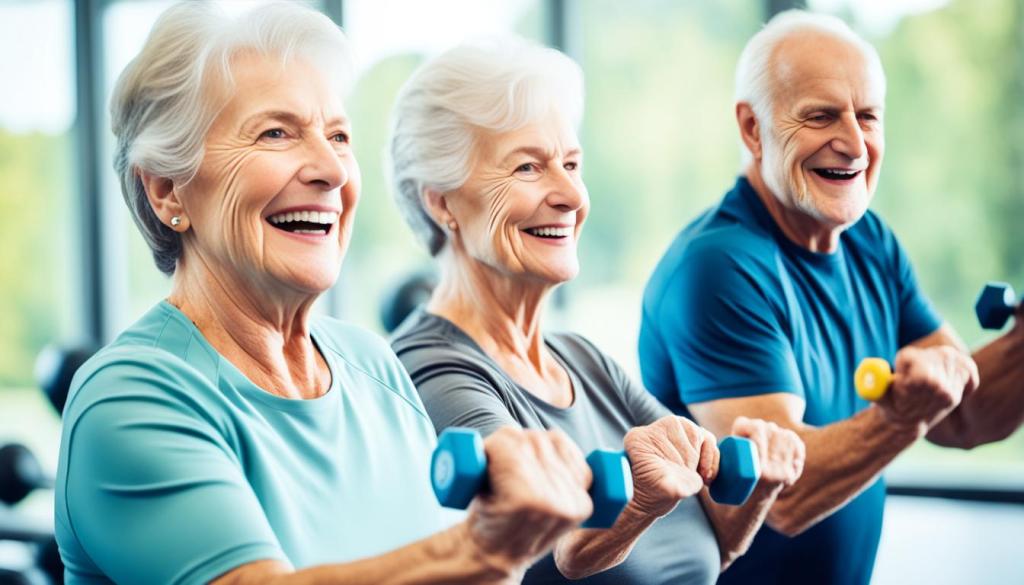
Excercise is key for strong bones, especially for those at osteoporosis risk. Different workouts boost bone density and lower the risk of breaks. This includes activities like lifting weights, walking, and dancing. A diet high in calcium also helps build strong bones.
Weight-bearing exercises are great as they help grow bones and make them denser. These include strength training, walking, jogging, and hiking.
Resistance workouts make bones stronger by putting stress on them. This includes lifting weights, using resistance bands, and doing push-ups. Impact activities, like dancing, jumping, and quick movements, are good for bones. They cause short stress on bones, which makes them stronger.
It’s not just about working out, calcium-rich foods are a must for bone health. Dairy, greens, and almonds are high in calcium. Including these in your diet helps keep bones strong.
“Regular exercise, such as weight-bearing activities, strengthens bones and decreases fractures. It’s important to include these into your routine to ensure bone health.”
Combine exercise and a calcium-rich diet for best bone health. If you need help, talk to a doctor or a fitness expert. They can help tailor an exercise plan for you.
| Exercise Type | Description |
|---|---|
| Weight-bearing exercises | Activities that involve supporting your body weight through your bones, such as strength training, walking, jogging, and hiking. |
| Resistance training | Exercises that put stress on the bones, encouraging them to grow denser and stronger. This can include lifting weights, using resistance bands, and performing bodyweight exercises. |
| Impact activities | Exercises that involve quick and forceful movements, subjecting the bones to temporary impact and stimulating bone remodeling. Examples include dancing, jumping, and plyometric exercises. |
Recommended Exercises for Individuals with Osteoporosis
People with osteoporosis can benefit from various exercises. These workouts can help keep bones strong. They also improve balance, coordination, and overall health.
Here’s a list of great exercises for those with osteoporosis:
- Tai Chi: Tai chi uses slow, flowing movements and deep breaths. It’s gentle and great for balance, flexibility, and muscle strength. Doing it regularly can lower your fall risk and keep your bones dense.
- Yoga: Yoga includes stretching, strength poses, and breathing exercises. It boosts flexibility, posture, and body awareness. Certain poses like tree and warrior can make your bones stronger.
- Brisk Walking: Walking quickly isn’t just simple, it’s powerful. It makes your bones bear weight, which strengthens them. Try to walk fast for 30 minutes most days.
- Golf: Golf mixes fun with physical and social benefits. Walking the course and swinging the club use many muscles. This is good for your bones.
- Dancing: Dancing is not only enjoyable but also boosts balance, coordination, and bone strength. Any type, whether ballroom or line, is great for your bones.
Always talk to your doctor before you start new exercises, especially with osteoporosis. They’ll give you advice tailored to your health. Following their recommendations can help keep your bones healthy and strong over time.
Exercise and Bone Health for Individuals with Gaucher Disease
For those with Gaucher disease, exercise is key for bone health. Weight-bearing activities and strength training can boost bone strength. They also lower the chance of bone loss linked to this condition.
Walking, jogging, and dancing are great for those with Gaucher disease. These exercises help by supporting body weight. They also increase bone growth and make bones denser. Using weights or resistance bands is also advised. This boosts bone health even more.
If you have Gaucher disease, talk with your doctor before starting any exercise plan. They can set up a personalized program just for you. This ensures your safety while getting the most benefit.
Adding weight-bearing and strength training to your routine helps a lot. It’s a big part of keeping your bones strong, even with Gaucher disease. Don’t forget to put safety first and check in with your healthcare team regularly for the best advice.
Tips for Exercising with Gaucher Disease
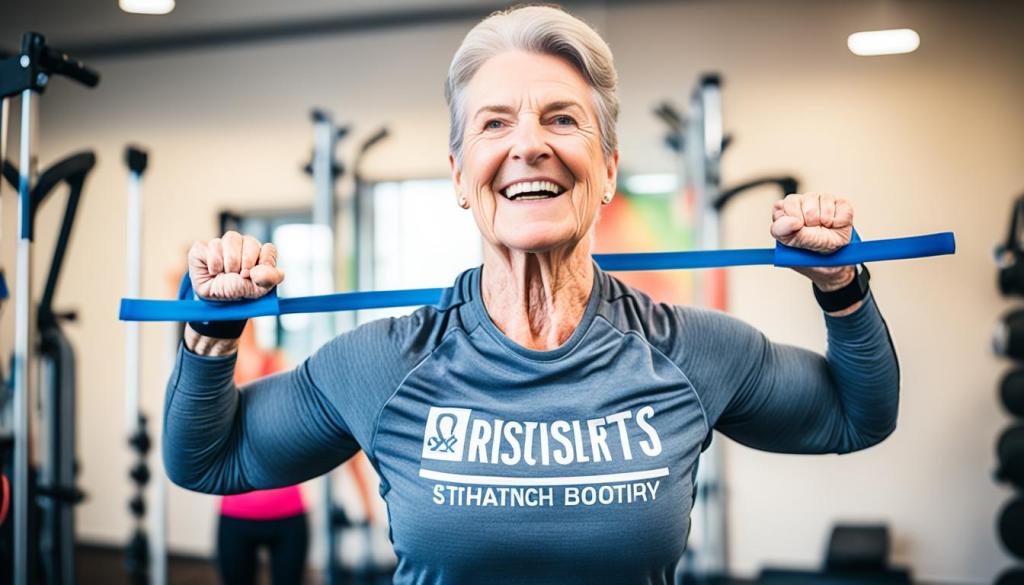
If you have Gaucher disease, exercising safely is crucial. It helps maintain your bone health. Here are some important tips:
- Create an Exercise Program: Develop an exercise plan with a health expert. Make sure the plan fits your needs and Gaucher disease limits. They’ll help choose right exercises and levels.
- Avoid High-Risk Activities: Stay away from risky exercises like downhill skiing. They can strain your bones too much. This could lead to fractures more easily.
- Modify Yoga Poses: Skip deep backbends in yoga if you have spine bone thinning. Choose safer poses that help you become stronger and more flexible in a better way.
- Focus on Coordination and Balance: Add exercises that boost your balance and coordination. This lowers your fall and injury risk. Tai chi and balance moves are great choices.
- Listen to Your Body: Always tune into how you feel when you exercise. If it hurts or feels wrong, tweak or stop the activity. Your safety and health are top priorities.
Working with a health pro and these tips, you can make an exercise routine that’s good for your bones. This also addresses the unique aspects of Gaucher disease.
Gaucher Disease and Exercise: The Importance of Balance and Coordination
Keeping balance and coordination can be tough for people with Gaucher disease. But, working on these areas through exercise is very rewarding. It helps decrease risk of falls, injuries, and improves how well you can move. For example, moves like single-leg deadlifts and side leg raises are great. They make your stability muscles stronger and help you understand your body’s space better.
| Exercise | Description |
|---|---|
| Single-Leg Deadlifts | A movement targeting the hamstrings, glutes, and core. Stand on one leg, hinge at the hips, and lower your torso while lifting the opposite leg straight behind you. Maintain balance and control throughout the exercise. |
| Side Leg Raises | An exercise that targets the hip abductor muscles. Stand tall and lift one leg out to the side, keeping it straight. Control the movement and return to the starting position with control. Repeat on the other leg. |
Conclusion
Exercising regularly is key to keeping your bones strong as you get older. Focusing on different muscle groups helps fight bone loss that comes with age. It also cuts down the chance of getting fractures and osteoporosis.
Starting with light weights is smart. Then, as you get stronger, you can lift heavier. This gradual increase in weight is the best way to build strength.
Talk to a doctor or a trainer to make an exercise plan that suits you. They can make sure it’s safe and effective. They’ll also help you find ways to fit exercise into your daily life.
Strength training and exercises where you’re on your feet are very important. They keep your bones dense and strong. Make exercise a regular part of your life to keep active and have strong bones.
Be in charge of your bone health. Focus on exercising to protect your future. With the right kind of exercise and advice, you can avoid many problems that come with aging. You’ll be able to live fully and healthily for a long time.
FAQ
Can strength training exercises help increase bone density?
Yes, strength training is key for upping bone density. It’s vital for seniors’ fitness routines.
What are some examples of lower-body strength workouts?
Workouts like squats, lunges, and calf raises help. Start slow and build up the weight over time.
Which muscles are targeted in upper-body strength workouts?
These workouts focus on chest, back, shoulders, and arms. You could do chest presses and shoulder presses among others.
How can I improve core stability?
Use planks and Russian twists to get a stronger core. They work the abs, obliques, and lower back.
What is a full-body power workout?
It’s a routine with moves that work lots of muscles together. Think deadlifts, pushups, and squat to press with dumbbells.
What are some exercises that improve stability and balance?
Single-leg deadlifts and side leg raises are great for balance. They make your muscles work hard to keep you steady.
How does exercise contribute to bone health?
Exercise stimulates bone growth and denser bones with weight-bearing activities. Adding in resistance training helps too. Eating foods rich in calcium also supports your bones.
Which exercises are recommended for individuals with osteoporosis?
Go for low-impact choices like tai chi and yoga. You can also try brisk walks, golf, or dance. These activities keep bones strong, improve balance, and use many muscles at once.
How does exercise benefit individuals with Gaucher disease?
For those with Gaucher disease, working out helps bones get stronger. It lowers the chance of losing bone due to the illness.
What precautions should individuals with Gaucher disease take when exercising?
Stay away from activities prone to bone injury, like skiing or skating. Avoid deep backbends in yoga if your spine’s bones are thinning. Always check with a doctor before starting or changing your fitness routine to stay safe.
Why is regular exercise important for bone health as we age?
As we get older, regular exercise keeps bones strong. It fights off bone loss and lowers your risk of breaks and osteoporosis.



 trim down and shape up
Leave a comment