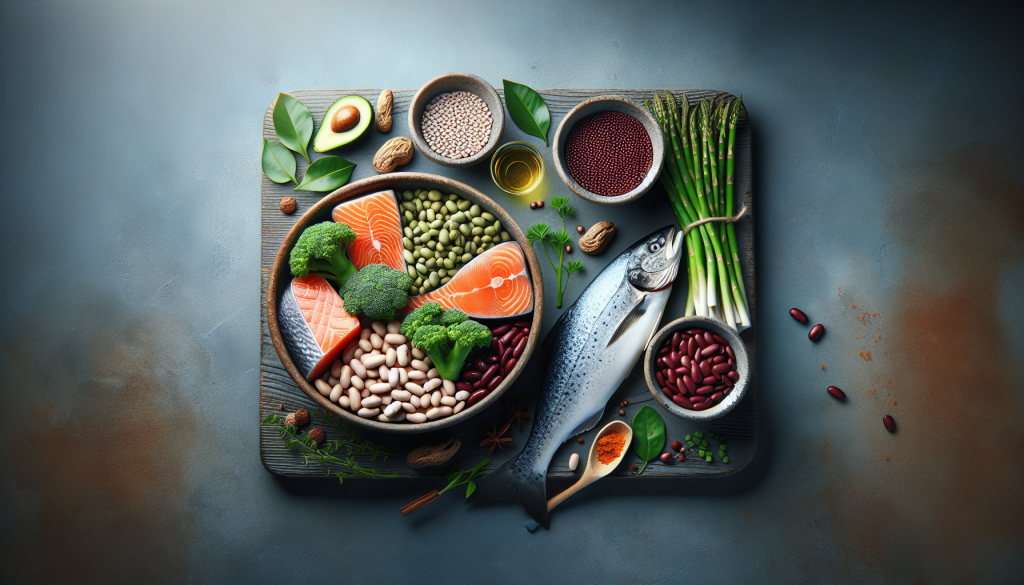


Inflammation is a big buzzword in health. But avoiding it is not just a fad. Eating in an anti-inflammatory way can help you stay healthy and age well. It’s a way of eating that fights off inflammation, which is linked to many serious health problems.
Nancy Mazarin works as a dietitian in Long Island, New York. She knows a lot about keeping well through a diet that fights inflammation. She says, “Inflammation plays a big part in health problems that last a long time.”
Key Takeaways:
- An anti-inflammatory diet can help reduce the risk of chronic medical conditions.
- The Mediterranean diet, DASH, and MIND diet promote consuming more plant-based foods.
- Animal-protein foods also have a place in anti-inflammatory diets.
- By incorporating specific anti-inflammatory proteins into your diet, you can reduce the risk of chronic diseases and promote overall health.
- Continue reading to discover four anti-inflammatory proteins that are beneficial for your well-being.
Beans: A Top Anti-Inflammatory Protein
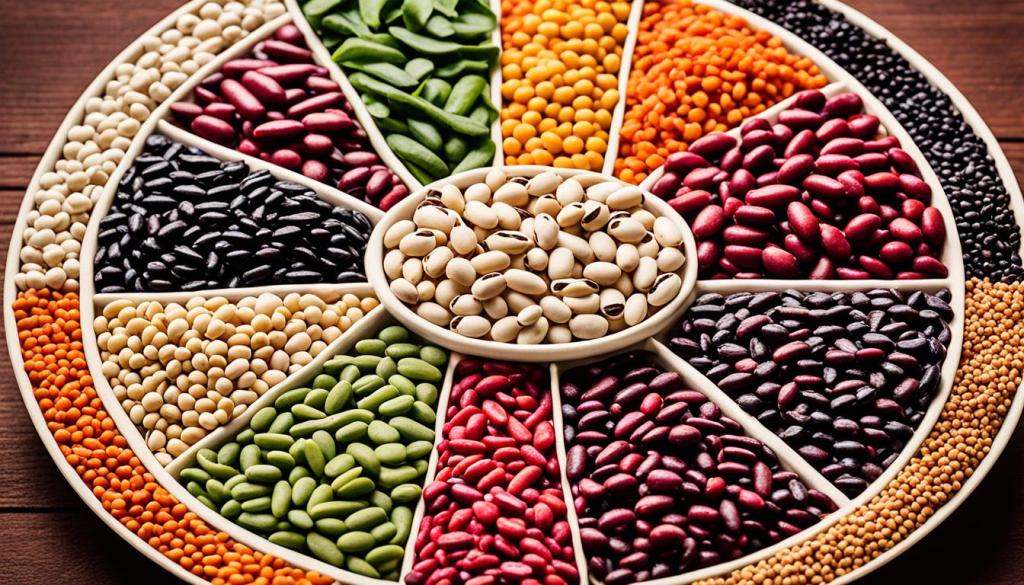
Beans are great for fighting inflammation. Black beans, kidney beans, and other types are full of antioxidants. These help your body in many ways.
The color in beans like black and kidney beans is key. It shows they have a lot of good-for-you stuff. This stuff can fight diseases like cancer and heart disease.
Beans also help your gut and can cut down on swelling. Their fiber is good for staying at a healthy weight. It also keeps you regular.
Adding beans to your meals makes them better for you. You can use them in many dishes. They’re great in soups, salads, or by themselves.
Think about having beans more often. They’ll make your meals tastier and healthier. Your body and your taste buds will be happy!
Fatty Fish: Omega-3s for Inflammation Reduction

Fatty fish, like salmon, tuna, and mackerel, are packed with omega-3 fatty acids. These nutrients fight inflammation. This can lower heart disease risks. If eating fish isn’t your thing, consider adding omega-3 rich seeds, such as flaxseeds and chia.
Omega-3s are key in fatty fish, offering lots of health benefits. They cut down on bodywide inflammation. This helps your heart, brain, and more.
“Eating fatty fish, such as salmon, tuna, and mackerel, often does good for you. It can cut down inflammatory substances. And it lessens the chance of long-term inflammatory diseases.”
Omega-3s stop the body from making things that cause inflammation. Eating fatty fish lowers inflammation. This keeps you healthier.
Fatty fish also do wonders for your heart. The omega-3s lower bad fats in your blood and blood pressure. They also stop harmful blood clots. This lessens your heart disease risk and chances of a stroke.
Omega-3s istop inflammation by acting as antioxidants. They fight off dangerous molecules. These can harm your body and cause swelling.
For those avoiding fish, flaxseeds and chia seeds work great. They are rich in an omega-3 called ALA. Your body can change ALA into the active omega-3s it needs. Using these seeds also reduces inflammation, like eating fish does.
Benefits of Omega-3 Fatty Acids:
- Reduced inflammation in the body.
- Improved heart and blood vessel function.
- Lowered risk of chronic inflammatory diseases.
- Protection against heart disease and strokes.
- Neutralization of free radicals and oxidative stress.
Adding fatty fish or plant-based omega-3s to your diet is smart. They protect your health by fighting inflammation. Whether from fish or seeds, omega-3s offer big health benefits.
Lentils: A Powerful Plant-Based Protein
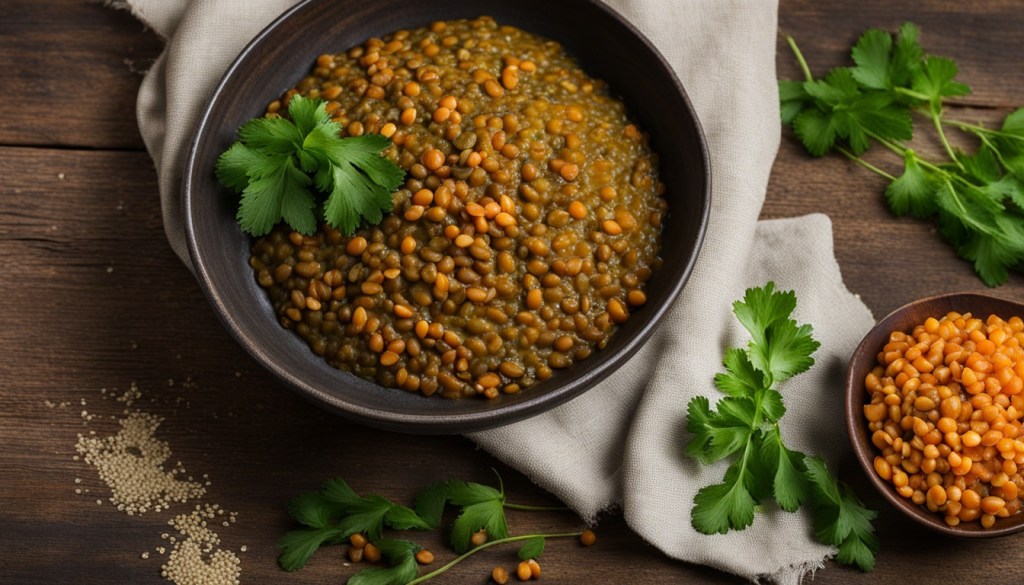
Lentils are a type of legume that shine in an anti-inflammatory diet. They’re loaded with polyphenols, powerful antioxidants. These nutrients in lentils cut down inflammation in our bodies, making them great for our health.
Studies show eating lentils often lowers the risk of diabetes, obesity, cancer, and heart disease. Lentils aren’t just high in polyphenols. They also offer fiber, folate, and iron, adding to their health value.
Lentils are rich in fiber, acting as a prebiotic for your gut’s good bacteria. This boosts a healthy gut and lowers body inflammation. They make your meals protein-packed and anti-inflammatory.
“Lentils are a nutritional powerhouse, offering a wide range of health benefits. From their antioxidant properties to their significant fiber content, they are a smart choice for anyone looking to support their overall health and reduce inflammation.”
Lentils are very adaptable and fit well in many dishes. Add them to soups, stews, salads, or use as a meat alternative. Lentils bring a deep, earthy taste to meals. Plus, they’re friendly to your wallet and quick to cook.
Get lentils in your diet right away for their many health boons. Choosing these plant proteins helps you battle inflammation and aim for top health.
Here is a simple recipe to get you started:
- Ingredients:
- 1 cup lentils
- 2 cups vegetable broth
- 1 onion, diced
- 2 cloves garlic, minced
- 1 teaspoon cumin
- 1 teaspoon paprika
- Salt and pepper to taste
- Fresh herbs for garnish (optional)
Instructions:
- In a large pot, sauté the onion and garlic until soft.
- Add the lentils, vegetable broth, cumin, paprika, salt, and pepper.
- Bring to a boil, then reduce heat and simmer for about 20-25 minutes or until the lentils are tender.
- Serve hot, garnished with fresh herbs if desired.
Enjoy this tasty and healthy lentil meal as a main or side. It’s an easy and rewarding way to add lentils to your anti-inflammatory eating!
Nuts: Protein and Anti-Inflammatory Benefits
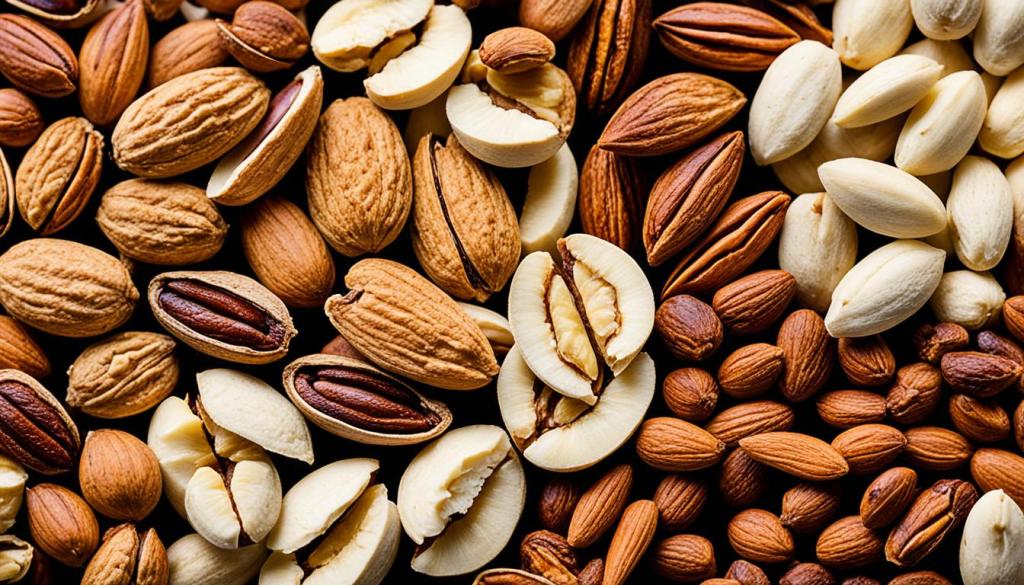
Nuts are a great choice for adding protein to your diet. They don’t just provide protein; they also help fight inflammation. Almonds and walnuts are especially good for this.
Almonds are full of nutrients that can lower inflammation. They have healthy fats, like omega-3s, which fight against inflammation. Almonds also give you vitamin E, selenium, and copper, helping to lessen stress and inflammation.
Walnuts are also great for fighting inflammation. They’re packed with antioxidants and omega-3s. This can help reduce stress and lower inflammation levels in your body.
Both almonds and walnuts are high in fiber. This benefits your digestive system and cuts down on gut inflammation. They also bring a mix of protein, fats, vitamins, minerals, fiber, and antioxidants. All of this boosts your health and helps prevent diseases.
There are many ways to eat nuts. Enjoy them alone as a snack or sprinkle them on salads, oatmeal, or yogurt. Their crunch adds a tasty, nutritious element to any dish, making your meals better for you.
Nutritional Content of Almonds and Walnuts
| Nutrient | Almonds (per 1 oz) | Walnuts (per 1 oz) |
|---|---|---|
| Protein | 6g | 4g |
| Fiber | 4g | 2g |
| Healthy Fats | 14g | 18g |
| Vitamin E | 7.3mg | 1.9mg |
| Selenium | 0.8mcg | 4.9mcg |
| Copper | 0.3mg | 0.4mg |
“Incorporating nuts like almonds and walnuts into your diet can provide an extra dose of protein, healthy fats, vitamins, and minerals that contribute to reducing inflammation and promoting overall well-being.”
Berries: Antioxidants for Inflammation Reduction
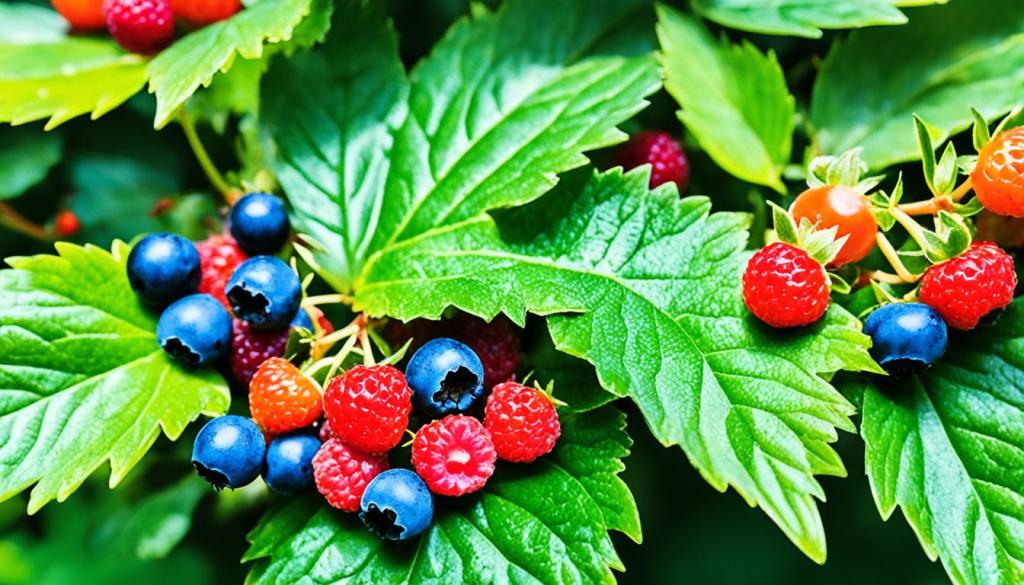
Berries are a tasty way to get your fill of anti-inflammatory antioxidants. They’re full of fiber, vitamins, minerals, and anthocyanins. These are powerful antioxidants that help fight diseases like cancer.
Enjoying berries like strawberries, blueberries, raspberries, and blackberries is good for your health. They can lower the body’s inflammation. These fruits help decrease inflammatory markers linked to heart issues.
Research shows berries have strong anti-inflammatory powers. They fight oxidative stress and guard against cell damage. Antioxidants in berries fight free radicals, keeping your cells healthy and reducing inflammation.
Eating berries daily is a simple and pleasant task. Snack on them alone, or put them in smoothies, yogurt, or over salads and desserts.
Adding berries to your meals makes them tastier and healthier. They’re key in an anti-inflammatory eating plan. This helps keep you in good health.
Fruits and Vegetables: Anti-Inflammatory Powerhouses
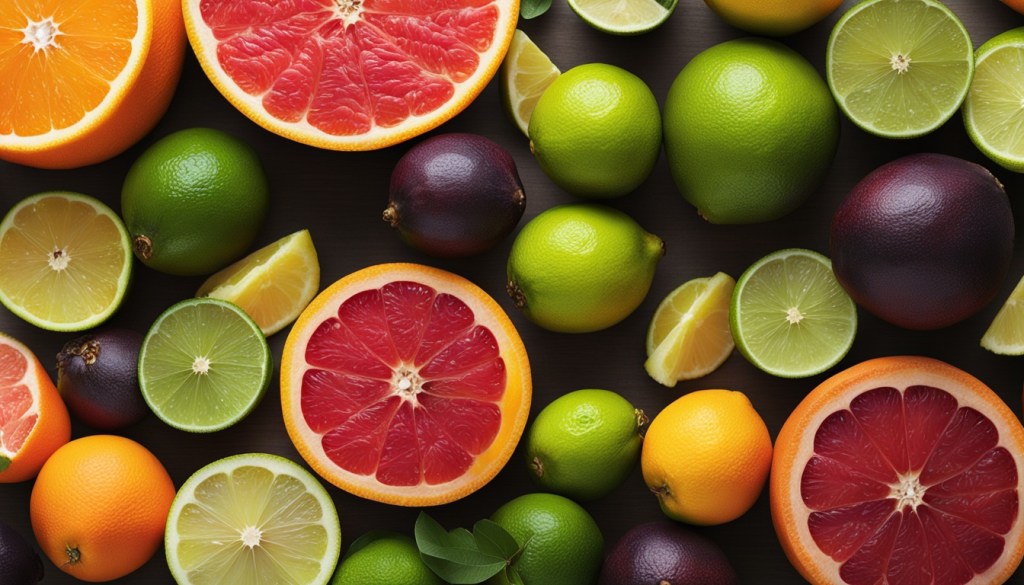
Fruits and vegetables are great at fighting inflammation. These include citrus fruits, carrots, and tomatoes. They have many anti-inflammatory compounds that help your health.
Oranges and grapefruits are full of flavonoids and carotenoids. These reduce IL-6 and hs-CRP, which cuts the risk of diseases.
Carrots have falcarinol and falcarindiol. These compounds stop the body from making inflammatory proteins.
Tomatoes get their redness from lycopene. Lycopene is an antioxidant that fights inflammation. Eating tomatoes can lower heart disease and cancer risks.
Try adding a variety of fruits and vegetables to your meals every day. You can eat them as snacks or in salads and dishes.
The Anti-Inflammatory Power of Citrus Fruits:
| Fruit | Flavonoids | Carotenoids |
|---|---|---|
| Oranges | ✓ | ✓ |
| Grapefruits | ✓ | ✓ |
| Carrots | – | ✓ |
| Tomatoes | – | ✓ |
Herbs and Spices: Adding Flavor and Reducing Inflammation
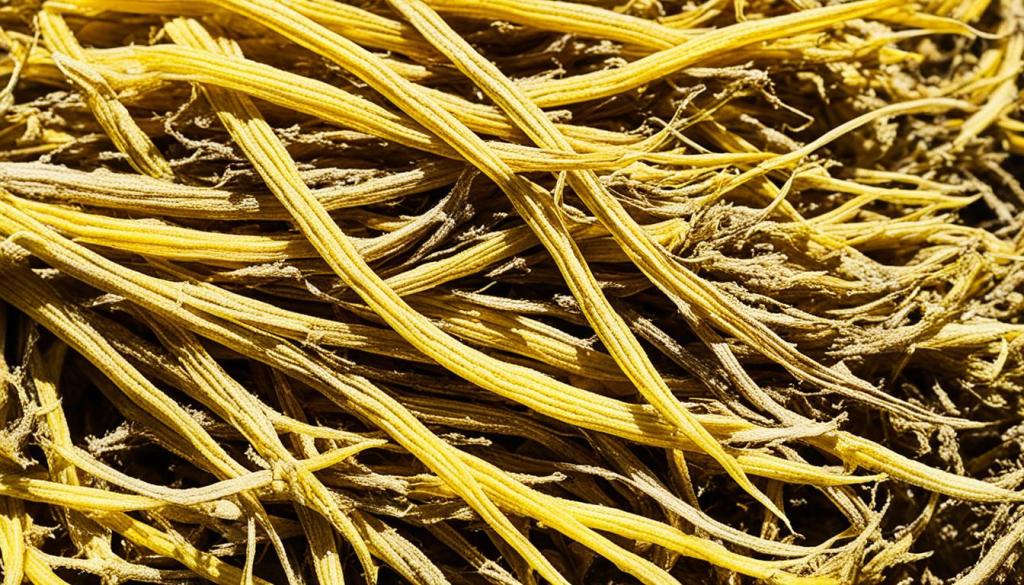
Herbs and spices make food tastier and healthier. They have anti-inflammatory benefits. Adding ginger, turmeric, and garlic to food makes it tastier and fights inflammation.
Ginger: A Powerful Anti-Inflammatory Ingredient
Ginger is known for easing inflammation. It works well for conditions like osteoarthritis and rheumatoid arthritis. Adding it to dishes, smoothies, and teas gives food a unique taste and helps reduce inflammation.
Turmeric: Harnessing the Power of Curcumin
Turmeric is a powerful yellow spice. It has a key compound called curcumin, which fights inflammation. It can reduce inflammatory markers and block the production of harmful molecules. Use turmeric in curries, roasted veggies, or golden milk for its flavor and health benefits.
Garlic: Not Just a Flavor Booster
Garlic adds great flavor and fights inflammation too. Studies show it may lower inflammation in the body. Garlic also has compounds that may protect against brain decline and boost the immune system. Adding it to recipes enhances their taste and health value.
Exploring new flavors in the kitchen is great. Include ginger, turmeric, and garlic to enjoy tastier, healthier meals. They add flavor and provide extra anti-inflammatory benefits.
Conclusion
Adding anti-inflammatory proteins to your meals can make you healthier. They lower the chance of getting sick over time. Foods like beans, fatty fish, lentils, and nuts not only taste great but also boost your health.
These foods are full of anti-inflammatory stuff. This might help lower your risk of major illnesses like cancer and heart disease. They’re also good for your gut and fight off inflammation, thanks to the fiber they have.
Try adding berries, citrus fruits, carrots, tomatoes, and different spices to what you eat. They crank up the anti-inflammatory power in your food. Berries are especially great because they’re full of things like antioxidants and fiber. They help your body fight off inflammation and stay healthy.
Eating these plant-based, protein-rich foods can really change how you feel. They fight inflammation and make your body stronger. Plus, they boost your all-around health and well-being.
FAQ
What are the benefits of incorporating anti-inflammatory proteins into my diet?
Anti-inflammatory proteins lower risks of diseases like heart problems, obesity, and diabetes. They make you healthier by reducing body inflammation.
What are some excellent sources of anti-inflammatory proteins?
Good sources include beans, fatty fish, lentils, and nuts. Berries, citrus, carrots, tomatoes, herbs, and spices also help fight inflammation.
How can beans be a top anti-inflammatory protein?
Beans like black and kidney beans are full of anti-inflammatory antioxidants. They help prevent diseases like cancer, heart disease, and diabetes. Plus, their fiber is good for your gut and reduces inflammation.
What makes fatty fish a good choice for inflammation reduction?
Fish like salmon and tuna are high in omega-3s, known to fight inflammation. They reduce the risk of heart disease and improve heart health. They are also rich in antioxidants.
How can lentils help reduce inflammation?
Lentils are rich in polyphenols, which have anti-inflammatory effects. They lower the risk of chronic diseases. Plus, lentils promote a healthy gut, which helps reduce inflammation.
How do nuts contribute to inflammation reduction?
Nuts like almonds contain healthy fats and antioxidants that reduce inflammation. They are also packed with protein. This makes them great for an anti-inflammatory diet.
What makes berries an effective option for inflammation reduction?
Berries are full of fiber, vitamins, and antioxidants. They help lower inflammation and reduce disease risks. Adding berries to your diet can lower heart disease risks.
How can fruits and vegetables help fight inflammation?
Citrus fruits and carrots have compounds that lower inflammation. Tomatoes help fight diseases with lycopene. Eating a variety of these foods fights inflammation effectively.
What are some herbs and spices that can help reduce inflammation?
Ginger, turmeric, and garlic are powerful in reducing inflammation. Each adds flavor and health benefits to your meals. Turmeric contains curcumin, a compound that fights inflammation.
How do anti-inflammatory proteins contribute to overall health?
Adding anti-inflammatory proteins to your diet decreases disease risk and boosts health. Foods like beans and nuts supply key nutrients and fight inflammation.



 trim down and shape up
Leave a comment