


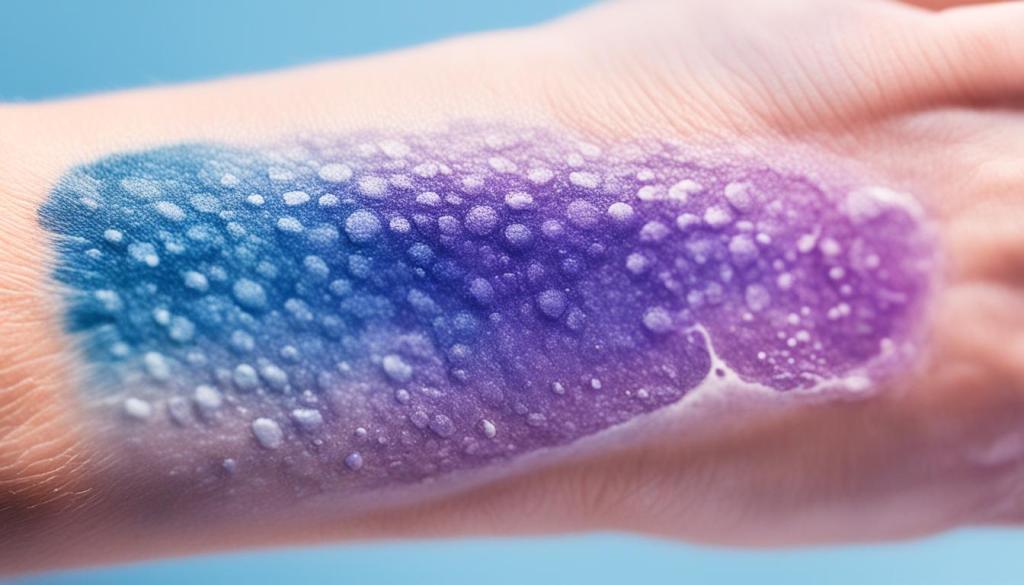
It’s not just your cardiologist who can clue you in on heart disease risks. Dermatologists share crucial insights too. The American Academy of Dermatology explains many find out about heart problems when their skin shows signs. Experts say your skin might show warning signs of heart issues. These signs aren’t just skin deep; they often point to bigger heart problems. So, noticing your skin’s changes could mean spotting heart issues early.
Key Takeaways:
- Finding heart disease can start with a dermatologist noticing changes in your skin.
- Your skin might show signs that you have a heart issue.
- Watching for skin changes can catch heart problems early.
- Seeing a doctor about any unusual skin symptoms is very important.
- Dermatologists are key in spotting heart risks early and caring for your heart health.
Yellow-Orange Waxy Growth
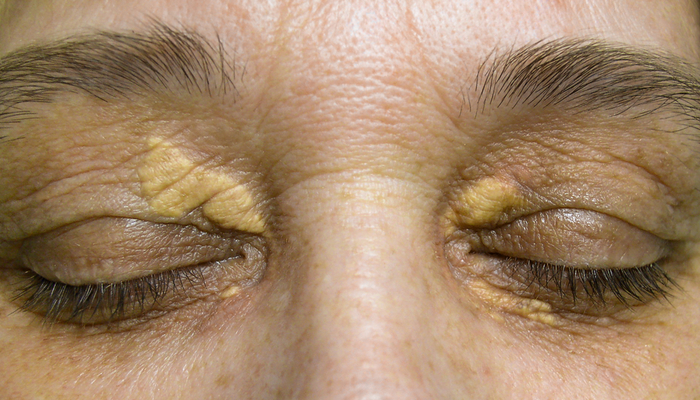
One sign of heart disease on the skin is yellowish-orange waxy growths. They are painless bumps found on the lower legs, eye corners, or palm lines. These growths are cholesterol deposits. They might mean you have heart issues.
Seeing these growths means you should see a skin doctor. An expert can check if these are cholesterol deposits. They’ll probably test your cholesterol too, to see if you’re at risk for heart disease. You should also see your regular doctor to talk about your heart health.
It’s smart to notice and deal with these heart disease warning signs. Doing so helps you take better care of your heart and lowers your heart disease risks.
| Yellow-Orange Waxy Growth | Significance |
|---|---|
| Appearance on the skin | Indicates the presence of cholesterol deposits |
| Location | Commonly found on lower legs, corners of the eyes, or lines of the palms |
| Pain level | Painless |
| Diagnostic steps | Consultation with a dermatologist, cholesterol testing, and follow-up with a primary care provider |
The Connection Between Yellow-Orange Waxy Growth and Heart Disease
Yellowish-orange waxy growths might show heart problems. They’re cholesterol deposits on the skin. High cholesterol could mean more heart disease risk. Finding and treating these growths helps with early heart health care.
Clusters of Waxy Bumps
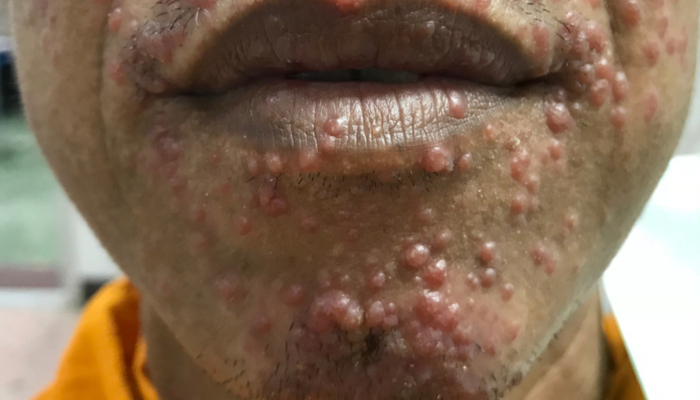
Seeing clusters of waxy bumps suddenly on your skin could be a sign of heart disease. These bumps look like a rash or warts. They often mean there are heart issues you might not see at first. High cholesterol is usually behind them. This happens when your body has too many triglycerides, a kind of fat in your blood. You should act fast to lower your triglyceride levels and solve the heart problem.
Waxy bumps in groups could warn you about heart trouble. It’s really important to notice these and take them seriously for better heart health.
Blue or Purple Skin Discoloration

If your blood lacks enough oxygen, your skin may turn blue or purple. This color change signals a blockage in a local blood vessel. Without enough oxygen, tissue damage can occur. Seeking prompt medical help is vital to find the cause and prevent complications.
Known as cyanosis, blue or purple skin happens due to oxygen-poor blood. A blockage in a nearby blood vessel causes this, affecting blood flow. Organs and tissues in the area can be damaged without quick treatment.
A common culprit is a blood vessel blockage, stopping good blood flow. It often happens because of a blood clot or artery plaque.
Less oxygen in your blood can also cause the skin to change color. This might result from conditions like lung disease or a blocked airway.
Blue or purple skin often indicates heart or circulatory problems. Issues like heart failure can reduce oxygen levels in the blood, leading to cyanosis.
Always take blue skin seriously, especially if it’s paired with chest pain or dizziness. A doctor should check your condition and perform tests to understand the cause.
Early diagnosis and treatment are key to avoiding worse problems. Your treatment will vary based on the root of the issue. This could mean medicine, surgery, or changing your lifestyle for better blood flow.
Improving heart and circulation issues can sometimes clear the skin color. But, a healthcare provider should guide you on the best steps to take.
| Possible Causes of Blue or Purple Skin Discoloration | Symptoms | |
|---|---|---|
| Blood vessel blockage | – Decreased blood flow | – Obstruction in blood vessels |
| Lack of oxygen in the bloodstream | – Hypoxemia | – Respiratory problems |
| Underlying heart or circulatory condition | – Congenital heart defects | – Heart failure |
Rash and Cracked, Swollen Lips

Have you noticed your child has cracked, swollen lips that are bleeding? Is there also a rash or fever? This might be Kawasaki disease. It affects blood vessels and causes infection in the coronary arteries. It’s key to start treatment early, within 10 days. This can prevent future heart problems.
If your child’s lips stay cracked and they have a rash, fever, red eyes, and a strawberry-like tongue, it’s serious. They need to see a doctor quickly. Kawasaki disease may lead to heart or artery issues if not treated.
This disease usually shows up in kids of East Asian background, but it can happen to anyone. Doctors are not sure what causes it. They think an infection might trigger it. Getting the right treatment early with medicine like intravenous immunoglobulin and aspirin is crucial. It can stop the disease from causing more harm.
Red or Purple Lines under Fingernails
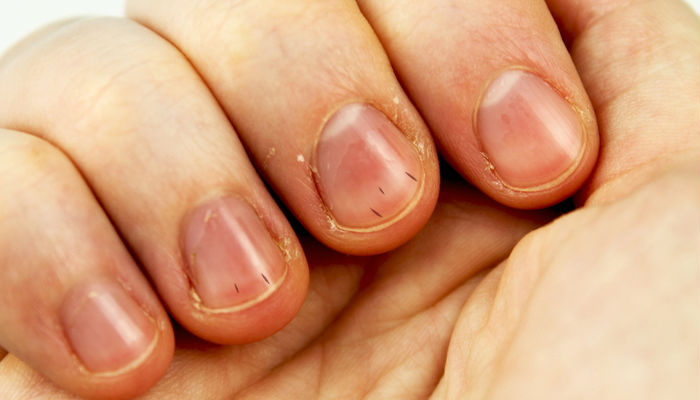
Do you see red or purple lines under your nails? They look like tiny splinters. Sometimes, they show up because of small blood clots. These lines run up and down your nails.
Most times, these lines are not serious. They could come from hurting your nail or getting a little trauma. But, they might also mean you have heart issues.
Seeing these lines is a sign you shouldn’t ignore. If you have other serious symptoms like a high fever, short breath, or extreme tiredness, it could be more than a little issue. It’s wise to see a doctor fast. They can check if your heart is okay or if you need more help.
“Seeing splinter-like lines under your nails is a sign. Don’t ignore it. Fast checking can make sure your heart is doing well.” – Dr. Emily Williams, Cardiologist
Exploring the Connection
Seeing red or purple lines isn’t always a heart warning. But, they can be a clue. Together with other symptoms, they might signal heart troubles. This connection could help find and treat heart problems early.
These lines can appear for many reasons, including:
- Hurting your nails
- Getting an infection
- Medicine’s side effects
- Not getting enough nutrients
Because of these many reasons, you need a doctor’s help. They can find out what caused the lines. Also, they can see if there are any heart problems to worry about.
When to Seek Medical Attention
If you see these lines, take other symptoms seriously too. Splinter lines together with other health issues could point to heart problems. It’s key to act quickly if you have extra symptoms like a high fever or chest pain.
- A high fever
- Shortness of breath
- Excessive fatigue
- Chest pain
These additional symptoms are important. If they come with the red or purple lines, don’t wait. See a doctor soon to check your heart.
Painful Lumps in Fingers or Toes
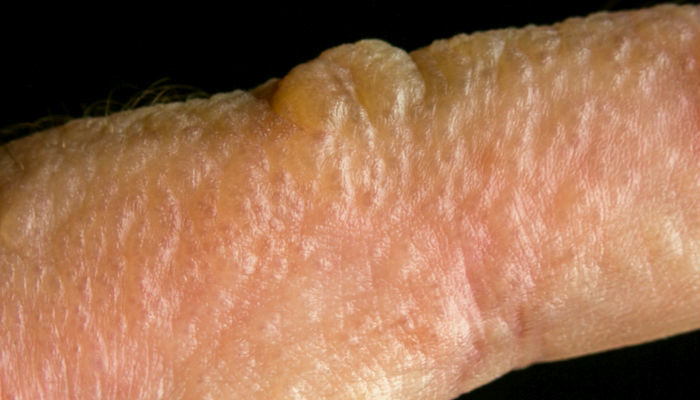
Feeling pain from lumps on your fingers or toes might mean you have infective endocarditis, an infection in your heart or blood vessels. These bumps are called Olser nodes. They show up as small and raise under your skin. Usually, they don’t stay long and go away on their own.
Olser nodes point to an infection. They warn you might have infective endocarditis. But, sometimes, they can come from other issues like injuries or arthritis. If you spot lumps and they hurt, see a doctor to know what’s going on.
“Painful lumps in the fingers or toes, known as Olser nodes, can be a visible indication of infective endocarditis, an infection in the heart or blood vessels.”
The main way to treat infective endocarditis is by fighting the infection with antibiotics. If the lumps keep coming back or really hurt, you might need surgery to remove them.
Keep an eye on your symptoms and talk to your doctor often. Catching and treating this infection early is key to help your heart stay healthy.
Evidence-Based Insights: The Link between Painful Lumps and Infective Endocarditis
A study in the Journal of the American Medical Association (JAMA) linked Olser nodes to infective endocarditis. It showed how crucial it is to see these lumps as a sign of a heart infection. Treating it fast can make a big difference for your health.
| Symptoms | Causes |
|---|---|
| Painful lumps in fingers or toes | Infective endocarditis |
| Fever | Bacterial or fungal infection |
| Fatigue | Anemia or cardiac dysfunction |
| Flu-like symptoms | Infection in the bloodstream |
Table: Symptoms and Causes of Painful Lumps in Fingers or Toes
Red or Brown Discoloration on the Soles of the Feet or Palms of the Hands
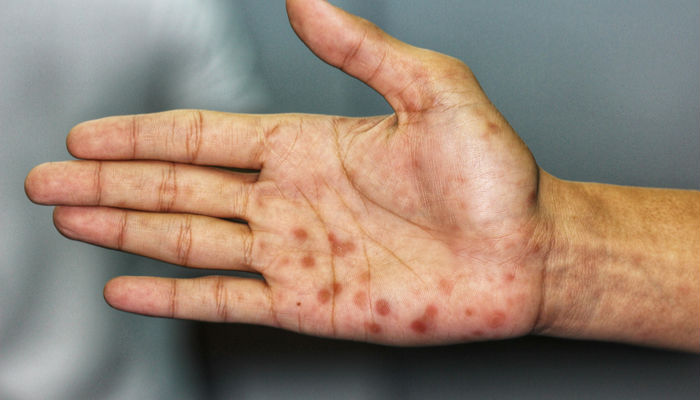
Sometimes, an infection in your heart or blood vessels can cause red or brown spots on your feet or hands. Unlike painful Olser nodes, this discoloration doesn’t hurt. But, not treating the infection can lead to serious problems.
Finding red or brown spots on your feet or hands means you should see a doctor. They’ll check your symptoms to see if you have an infection like infective endocarditis.
Treating infective endocarditis often needs antibiotics. In bad cases, surgery might be necessary. Getting help early can protect your heart and vessels from more harm.
| Signs and Symptoms | Possible Causes |
|---|---|
| Red or brown discoloration | Heart or blood vessel infection, such as infective endocarditis |
| Painless | |
| May require medical intervention |
Curved Nails and Swollen Fingertips
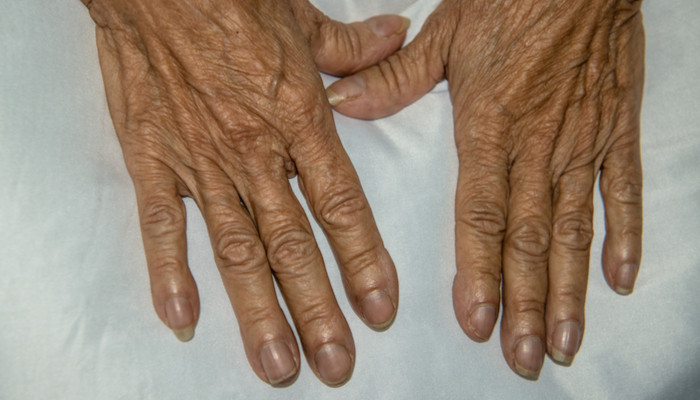
Curved nails and swollen fingertips might mean a lung issue, heart disease, or a heart infection. These are known as clubbed nails. When your nail beds soften, your nails start to curve downwards and your fingers look bigger.
Low oxygen in the blood is often behind clubbing. This is linked to heart and lung issues like COPD or pulmonary fibrosis. It’s very important to see a doctor if you notice these signs.
Your doctor will look at your symptoms and history. They might do lung and heart tests to find out what’s wrong. These tests could include checking how your lungs work and your heart’s health.
Finding these signs early is key to managing heart or lung problems. Doctors can create a plan to tackle the issue. This could involve medicine, changes to your lifestyle, or sometimes surgery.
Understanding Clubbing
Clubbing means there’s extra tissues and blood under your nails. This makes your nails and fingertips swell and curve. If you have clubbing, you might also feel your nails softening, the fingertip enlarging, or feeling pain in your fingers.
Not all cases of curved nails or swollen fingers are serious. But if you see these problems with other symptoms like trouble breathing, a cough that won’t go, chest pain, or losing weight suddenly, get medical help right away. Early care is very important in treating lung and heart diseases.
| Causes | Associated Conditions |
|---|---|
| Lung Problems: | Chronic obstructive pulmonary disease (COPD) Pulmonary fibrosis Lung Cancer |
| Heart Diseases: | Congenital heart defects Heart valve disorders Coronary artery disease Heart failure |
| Heart Infections: | Infective endocarditis Myocarditis |
Conclusion
Noticing certain signs on your skin can give you big hints about how your heart is doing. Things like yellowish-orange waxy growths or clusters of bumps could point to heart issues. Blue or purple skin color can also be a sign of something wrong in your heart.
If you see any strange changes in your skin, it’s crucial to see a healthcare expert. They can check you out and start any needed treatment. Detecting these signs early can help you make changes for a healthier heart and better life.
FAQ
What are the warning signs of heart disease that can appear on the skin?
Signs of heart disease on the skin include symptoms like yellow-orange waxy growths. You might also see clusters of waxy bumps. Look for blue or purple discoloration, and rash with cracked, swollen lips.
Other cues include red or purple lines under fingernails. You might also feel painful lumps in fingers or toes. And there could be red or brown spots on the palms or soles. Swollen fingertips and curved nails are also signs to watch for.
What are yellow-orange waxy growths a sign of?
Yellow-orange waxy growths might appear and point to heart disease. These are cholesterol deposits seen on the legs, eyes, or hands. They come from cholesterol building up under the skin.
What do clusters of waxy bumps on the skin indicate?
Clusters of waxy bumps might tell you about heart disease. They’re cholesterol fat deposits from high triglyceride blood levels. Lowering these levels is key to avoid heart problems.
What does blue or purple skin discoloration indicate?
This discoloration shows lack of oxygen in the blood area. It’s a sign of possible blood vessel block. Quick medical help is needed to find the cause and avoid issues.
What does a rash and cracked, swollen lips indicate?
In young children, this might mean Kawasaki disease. This disease inflames the heart’s blood vessels. Quick treatment helps prevent future heart issues.
What do red or purple lines under the fingernails indicate?
Lines under nails can show heart rhythm problems. They’re not usually serious but with other symptoms, they could be. Seeing a doctor for check-up is wise.
What do painful lumps in fingers or toes suggest?
Such lumps may hint at a heart infection like infective endocarditis. They’re called Olser nodes. Mostly they’re ok but check with a doctor, they might need antibiotics.
What does red or brown discoloration on the soles of the feet or palms of the hands indicate?
These discolored spots can also signal a heart infection if not from trauma. They often don’t hurt and can go away. But, seeing a doctor for infection treatment is crucial.
What do curved nails and swollen fingertips suggest?
Clubbing, or curved nails with swollen tips, may point at lung or heart issues. Getting a health check to find the cause is necessary. It helps start the right treatment.
Why is it important to pay attention to skin changes?
Skin changes are big hints about your heart health. If you see abnormal signs like waxy growths, discoloration, or swelling, consult a doctor right away. It can help catch heart problems early and get the best care.


 trim down and shape up
Leave a comment