


While some stressors may be unavoidable, such as unexpected mishaps like missing the bus or minor injuries, others are more persistent and within our ability to manage. Challenging circumstances like dealing with a toxic work environment, relationship difficulties, or burnout can exert a continuous strain that is harder to alleviate. The prolonged experience of excessive, chronic stress can have detrimental consequences for one’s physical and mental health. However, there is a silver lining – adopting targeted dietary habits and nutritional choices can aid in regulating the body’s stress response, potentially mitigating the adverse impacts of pervasive stressors on overall well-being. By being proactive and making strategic adjustments to one’s eating patterns, individuals can harness the power of nutrition to gain a degree of control over the physiological effects of persistent stress, empowering them to better manage these unavoidable yet taxing life challenges.
Just What is Cortisol
Cortisol, commonly referred to as the “stress hormone,” is a critical hormone produced by the adrenal glands. Its primary functions extend far beyond just regulating the body’s stress response. Cortisol plays a vital role in influencing inflammation, metabolism, and the immune system as well. Under normal circumstances, the body releases cortisol in response to acute stressors, such as missing a bus, and then ceases production once the stress subsides. However, when individuals experience chronic stress, it can lead to persistently elevated cortisol levels, which can have wide-ranging effects on various bodily systems, including the nervous, immune, cardiovascular, respiratory, and reproductive systems. Prolonged high cortisol levels can result in symptoms such as hypertension, elevated blood sugar, muscle weakness, and more. Furthermore, chronically elevated cortisol can stimulate appetite, leading individuals to crave energy-dense foods high in calories, fats, and carbohydrates. According to dietitian Kitty Broihier, creator of the Eating Habits Lab and owner of NutriComm nutrition communications, “This could contribute to weight gain over time.” She suggests that people with a cortisol-sensitive genetic makeup may be more prone to weight gain when their cortisol levels are consistently elevated. While completely avoiding stress is not a realistic solution, as Broihier acknowledges, “Life inevitably involves stress,” it is important to recognize that our bodies require a certain level of cortisol for various essential functions, including inflammation control, blood sugar and blood pressure regulation, and metabolic support. “People often believe we should minimize cortisol levels as much as possible, but that’s not entirely accurate,” Broihier explains. Research indicates that dietary choices can play a crucial role in regulating cortisol levels and maintaining them within a healthy range, which can help mitigate the negative effects of chronic stress and support overall well-being.
1. Eat a balanced diet and regular meals

Indeed, the impact of your dietary choices on cortisol levels, the primary stress hormone, is highly significant. Consistently consuming a poor diet, one high in processed, sugary, and unhealthy foods, often correlates with frequent feelings of stress and anxiety throughout the day. Conversely, a diet rich in healthy, whole foods tends to promote a greater sense of calmness and well-being. As Broihier explains, “Eating a balanced diet that incorporates plenty of plant-based foods is beneficial because the diverse array of nutrients supports the production of neurotransmitters and other compounds essential for combating stress and inflammation.” These nutrient-dense whole foods help maintain hormonal balance and support the body’s natural stress response mechanisms. Harvard Health further emphasizes that a balanced diet plays a crucial role in bolstering the immune system and repairing damaged cells. Such nutrient-rich foods also provide additional energy during stressful situations, helping individuals better cope with the physical and mental demands. Furthermore, adhering to regular meal times helps satisfy the body’s needs, reducing the likelihood of stress-induced overeating. During challenging moments, individuals often crave “fast” energy foods high in calories but lacking in overall nutritional value, which can negatively impact both health and digestion. By making mindful dietary choices that prioritize whole, unprocessed foods, individuals can harness the power of nutrition to support their mental and physical well-being, effectively mitigating the detrimental effects of stress and promoting a greater sense of calm and resilience.
2. Focus on anti-inflammatory foods
Broihier emphasizes the importance of incorporating anti-inflammatory foods into your diet to alleviate stress levels.
“Focus on consuming whole foods and include plenty of omega-3 fatty acids from sources such as chia seeds, flax seeds, fatty fish, and walnuts,” she advises. “Additionally, opt for foods rich in magnesium, such as pumpkin seeds, spinach, bananas, and avocados.”
Numerous randomized control studies have linked omega-3 fatty acids to reduced anxiety and inflammation in the body. Anti-inflammatory foods have been shown to positively impact neurochemical mechanisms in the brain, making them particularly beneficial for brain health.
Moreover, foods high in dietary fiber aid in reducing inflammation and lowering the risk of mental health conditions like depression and anxiety. The American Heart Association recommends a daily intake of 25 to 30 grams of fiber, which not only supports digestive health but also reduces the risk of metabolic syndrome.
Fatty Fish

Fatty fish and omega-3 oil are beneficial for reducing stress due to several key mechanisms:
1. Anti-inflammatory Properties: Omega-3 fatty acids, particularly EPA (eicosapentaenoic acid) and DHA (docosahexaenoic acid), found in fatty fish like salmon, mackerel, and sardines, have strong anti-inflammatory effects. Chronic inflammation is associated with stress and related health issues. By reducing inflammation, omega-3s can help mitigate the physiological stress response.
2. Neurotransmitter Regulation: Omega-3 fatty acids play a crucial role in the production and function of neurotransmitters, which are chemicals that transmit signals in the brain. For example, they are involved in the synthesis and functioning of serotonin, a neurotransmitter that contributes to feelings of well-being and happiness. Balanced neurotransmitter levels can improve mood and reduce anxiety and stress.
3. Brain Function and Structure: DHA is a major structural component of the brain and is essential for maintaining the health of brain cells. It supports cognitive function, including memory and learning, which can help improve stress resilience.
4. Hormonal Balance: Omega-3s help regulate the body’s production of cortisol, the primary stress hormone. Lower levels of cortisol can result in reduced stress and anxiety.
5. Heart Health: Stress is closely linked to cardiovascular health. Omega-3 fatty acids are known to improve heart health by reducing blood pressure, lowering triglycerides, and decreasing the risk of heart disease. A healthier heart can help the body handle stress more effectively.
6. Mood Stabilization: Research has shown that omega-3 supplements can be effective in reducing symptoms of depression and anxiety, which are often exacerbated by stress. Improved mood stability can lead to better stress management.
7. Cognitive Decline Prevention: Chronic stress is linked to cognitive decline and mental health issues. Omega-3 fatty acids have been shown to support cognitive function and protect against age-related cognitive decline, helping maintain mental clarity and reducing stress.
Incorporating fatty fish or omega-3 supplements into the diet can therefore support overall mental and physical health, contributing to better stress management and resilience.
Chia Seeds and Flax Seeds
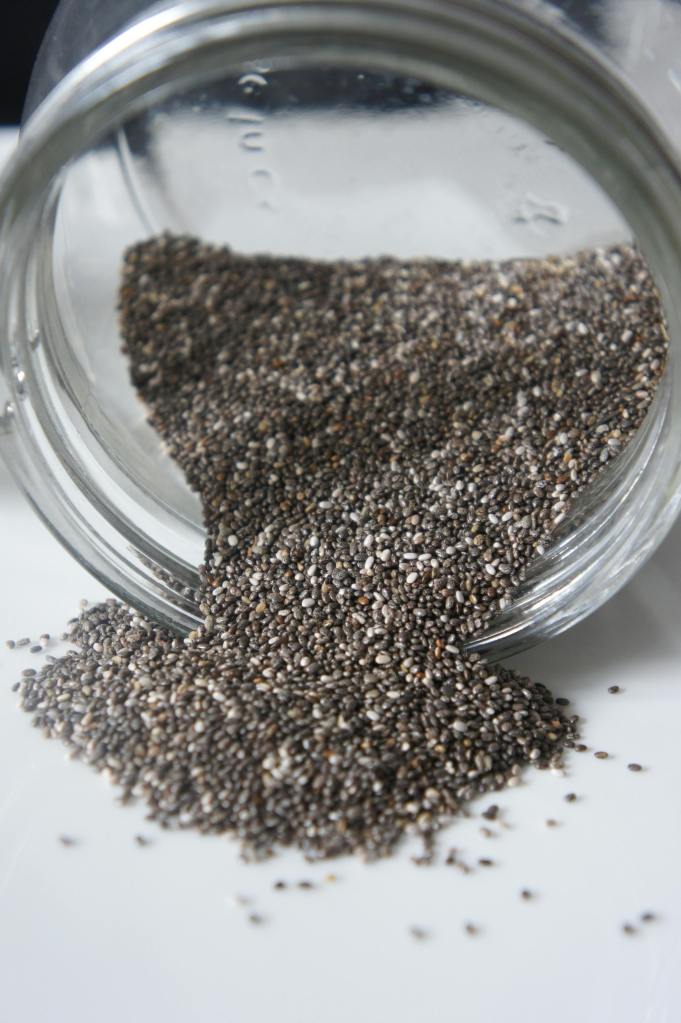
Chia seeds and flax seeds are beneficial for reducing stress due to their rich nutritional profiles, which offer several health benefits:
1. High Omega-3 Content: Both chia seeds and flax seeds are excellent sources of alpha-linolenic acid (ALA), a type of omega-3 fatty acid. Omega-3s are known to reduce inflammation and support brain health, which can help mitigate the effects of stress and improve mood.
2. Antioxidant Properties: These seeds are rich in antioxidants, which help protect cells from oxidative stress caused by free radicals. Oxidative stress is linked to anxiety and depression, so consuming antioxidant-rich foods can help reduce these effects and promote mental well-being.
3. Fiber Content: Both chia and flax seeds are high in dietary fiber, which aids in digestion and helps maintain a healthy gut microbiome. A healthy gut is crucial for mental health because of the gut-brain axis, the bidirectional communication system between the gut and the brain. Improved gut health can positively influence mood and reduce stress levels.
4. Magnesium: Chia and flax seeds are good sources of magnesium, a mineral known for its calming effects on the nervous system. Magnesium helps regulate neurotransmitters and reduce the production of cortisol, the stress hormone, thus promoting relaxation and reducing anxiety.
5. Protein: These seeds provide a plant-based source of protein, which helps stabilize blood sugar levels. Stable blood sugar levels can prevent mood swings and reduce the stress that comes with sudden drops in energy or irritability.
6. Lignans: Flax seeds are particularly high in lignans, which are phytoestrogens with antioxidant properties. Lignans can help balance hormone levels, including reducing cortisol levels, thereby helping to manage stress.
7. Tryptophan: Chia seeds contain tryptophan, an amino acid that is a precursor to serotonin, a neurotransmitter that contributes to feelings of well-being and happiness. Increased serotonin levels can help improve mood and reduce stress.
8. B Vitamins: These seeds also contain B vitamins, which are crucial for brain health and energy production. B vitamins play a role in reducing fatigue and irritability, common symptoms of stress.
9. Hydration: When chia seeds are soaked, they absorb water and form a gel-like substance. This property can help keep the body hydrated, which is important for overall health and stress management. Proper hydration supports cognitive function and energy levels, both of which are critical in managing stress.
Incorporating chia seeds and flax seeds into your diet can therefore support mental and physical health, helping to reduce stress and promote overall well-being.
Spinach, Bananas and Avocados

Spinach, bananas, and avocados are beneficial for reducing stress due to their rich nutritional profiles and specific compounds that support mental and physical health:
Spinach

1. Magnesium: Spinach is an excellent source of magnesium, a mineral known for its calming properties. Magnesium helps regulate cortisol levels (the stress hormone) and supports muscle relaxation and overall nervous system function.
2. Folate: This leafy green is rich in folate (vitamin B9), which aids in the production of neurotransmitters like serotonin and dopamine. These neurotransmitters play a key role in mood regulation and can help reduce feelings of stress and anxiety.
3. Iron: Adequate iron levels are essential for maintaining energy and preventing fatigue. Spinach provides a good amount of iron, which can help keep energy levels stable and reduce stress-related fatigue.
4. Antioxidants: Spinach contains a variety of antioxidants, such as vitamin C, vitamin E, and beta-carotene. These antioxidants protect the body from oxidative stress and reduce inflammation, which can be exacerbated by chronic stress.
Bananas

1. Potassium: Bananas are rich in potassium, which helps regulate blood pressure. High blood pressure is often a physical symptom of stress, so maintaining proper potassium levels can help manage this stress response.
2. Vitamin B6: Bananas are an excellent source of vitamin B6, which is crucial for the production of neurotransmitters like serotonin and dopamine. These neurotransmitters help regulate mood and promote feelings of well-being.
3. Tryptophan: Bananas contain tryptophan, an amino acid that the body converts into serotonin. Increased serotonin levels can improve mood and reduce stress.
4. Natural Sugars and Fiber: The natural sugars in bananas, combined with their fiber content, provide a steady release of energy. This can help prevent blood sugar spikes and crashes that can contribute to feelings of stress and anxiety.
Avocados

1. Healthy Fats: Avocados are rich in monounsaturated fats, which are beneficial for brain health. Healthy fats help maintain the structure and function of brain cells, which can improve mood and reduce stress.
2. Potassium: Like bananas, avocados are also high in potassium, which helps regulate blood pressure and mitigate the physical effects of stress.
3. B Vitamins: Avocados are packed with B vitamins, including B5 (pantothenic acid) and B6, which are important for adrenal function and the production of neurotransmitters. These vitamins help the body manage stress more effectively.
4. Folate: Avocados are a good source of folate, which helps produce mood-regulating neurotransmitters and supports brain health.
5. Fiber: The high fiber content in avocados aids in maintaining stable blood sugar levels. Balanced blood sugar levels can help prevent mood swings and reduce stress.
Incorporating spinach, bananas, and avocados into your diet can therefore help support overall mental and physical health, providing nutrients that help manage stress and promote a sense of well-being.
3. Try intermittent fasting

While the impacts of intermittent fasting continue to be the subject of ongoing research, many dietitians acknowledge the potential benefits of its more flexible approaches for effective weight management. By establishing clear time frames for eating, such as adhering to a 12-hour fasting window and consuming meals only between 8 a. m. and 8 p. m., individuals can successfully curb mindless snacking and potentially even lower cortisol levels, as Broihier notes.”There is evidence indicating that a late-day eating window may elevate morning cortisol levels, which is not ideal,” Broihier explains. “Conversely, an early-day window can aid in reducing cortisol levels at night, which is preferable.” This suggests that for those considering intermittent fasting as a dietary strategy, it may be advisable to shift the eating window to earlier in the day to optimize the potential benefits and mitigate any negative impacts on cortisol regulation.
4. Limit alcohol and caffeine

It may seem like having a glass of wine reduces stress, but in fact, alcohol stimulates cortisol secretion and causes feelings of intense anxiety.
Regarding caffeine, a 2022 systematic review published in General Hospital Psychiatry indicated that high consumption can lead to anxiety, and drinking five or more cups per day may trigger panic attacks. The FDA considers it safe to consume up to 400 milligrams of caffeine daily, which equates to four cups (28 ounces) of coffee. However, individual tolerance to caffeine varies, and some people may have a lower threshold.
If you regularly consume caffeine and/or alcohol, cutting back on either or both could help manage cortisol levels. For daily coffee drinkers, gradually reducing intake may be beneficial to minimize withdrawal symptoms.
5. Drink herbal tea

“There is a considerable amount of research indicating that certain herbs, such as ashwagandha, chamomile, Rhodiola, and lemon balm, can help reduce stress and subsequently lower cortisol levels,” says Broihier. “While drinking chamomile or lemon balm tea is generally safe and can aid in de-stressing, you should consult with your doctor before taking supplements of any of these herbs.”
—
Overcome the Pressure: A Comprehensive Guide to Managing Stress Effectively
Understanding the Roots of Stress: Identifying the Triggers
Understanding the roots of stress and identifying its triggers is crucial for effectively managing and reducing its impact on our lives. Stress is a natural response to perceived threats or challenges, but chronic stress can have detrimental effects on both physical and mental health. Common triggers of stress include work-related pressures, financial concerns, relationship issues, and major life changes such as moving or losing a loved one. Additionally, internal factors such as negative self-talk, unrealistic expectations, and a lack of time management skills can also contribute to stress. Identifying these triggers involves self-awareness and reflection, allowing individuals to pinpoint specific situations, thoughts, or behaviors that consistently cause stress. By recognizing these patterns, it becomes possible to develop targeted strategies to mitigate stress, such as setting boundaries, seeking social support, and adopting healthy coping mechanisms like exercise and mindfulness. Understanding and addressing the root causes of stress is a proactive step towards achieving a balanced and fulfilling life, empowering individuals to navigate challenges with greater resilience and composure.
Proven Strategies to Manage Stress and Find Your Calm
Proven strategies to manage stress and find your calm are essential tools for maintaining mental and physical well-being in today’s fast-paced world. One of the most effective methods is practicing mindfulness and meditation. These techniques help anchor your thoughts in the present moment, reducing the impact of anxiety about the future or regrets about the past. Regular meditation has been shown to decrease cortisol levels, the body’s primary stress hormone, and improve overall emotional regulation. Additionally, incorporating deep breathing exercises can quickly activate the body’s relaxation response, lowering heart rate and blood pressure, and providing immediate relief from stress.
Another powerful strategy is maintaining a balanced lifestyle through proper nutrition, regular physical activity, and adequate sleep. Consuming a diet rich in whole foods, particularly those high in omega-3 fatty acids, antioxidants, and fiber, supports brain health and reduces inflammation, which can mitigate stress. Regular exercise is not only beneficial for physical health but also boosts the production of endorphins, the body’s natural mood elevators. Ensuring sufficient sleep is crucial, as rest rejuvenates the body and mind, enhancing resilience against stress. Additionally, time management techniques, such as prioritizing tasks and setting realistic goals, can help reduce the feeling of being overwhelmed. Building a strong support network and seeking professional help when needed are also key components in managing stress effectively. By integrating these strategies into daily life, individuals can create a more balanced, calm, and fulfilling existence.
Cultivating a Stress-Resilient Mindset: Developing Healthy Habits
Cultivating a stress-resilient mindset involves developing healthy habits that enhance your ability to cope with life’s challenges and maintain emotional equilibrium. One key aspect is adopting a positive outlook, which can be fostered through practices like gratitude journaling and positive affirmations. These habits shift focus away from stressors and towards aspects of life that bring joy and satisfaction. Additionally, regular physical activity, such as yoga or jogging, not only improves physical health but also boosts mental resilience by releasing endorphins and reducing cortisol levels. Consistent mindfulness practices, like meditation and deep breathing exercises, help create a calm and focused mind, allowing for better stress management. Establishing a routine that includes adequate sleep, balanced nutrition, and social connections further fortifies mental and emotional well-being. By integrating these healthy habits into your daily life, you build a robust foundation for a stress-resilient mindset, empowering you to navigate difficulties with greater ease and confidence.
Stress and Your Health: The Mind-Body Connection
Stress and your health are intricately linked through the mind-body connection, highlighting how psychological stress can manifest as physical symptoms. Chronic stress triggers the body’s “fight or flight” response, leading to the release of hormones like cortisol and adrenaline. While this response is beneficial in short-term emergencies, prolonged activation can wreak havoc on the body. High cortisol levels can suppress the immune system, increase blood pressure, and elevate the risk of chronic conditions such as heart disease and diabetes. Moreover, stress can exacerbate mental health issues, including anxiety and depression, creating a vicious cycle of deteriorating health. Physical symptoms such as headaches, muscle tension, digestive problems, and fatigue are common manifestations of chronic stress. Understanding this connection underscores the importance of holistic approaches to stress management, where techniques like mindfulness, regular exercise, and healthy lifestyle choices can significantly improve both mental and physical health. By addressing stress comprehensively, individuals can break the cycle and promote overall well-being.
Workplace Stress: Navigating the Demands of a High-Pressure Environment
Workplace stress is a pervasive challenge in high-pressure environments, where the demands of tight deadlines, heavy workloads, and constant performance expectations can take a toll on employees’ well-being. Navigating this stress effectively requires a multifaceted approach. Prioritizing time management and organizational skills can help individuals manage tasks more efficiently, reducing the feeling of being overwhelmed. Establishing clear boundaries between work and personal life is crucial to prevent burnout and ensure adequate rest and recovery. Open communication with supervisors and colleagues about workload and expectations can also foster a supportive work environment. Additionally, incorporating stress-relief practices such as short breaks, deep breathing exercises, and regular physical activity into the workday can mitigate stress levels. Employers play a key role in promoting a healthy workplace by encouraging a culture of well-being, offering resources like employee assistance programs, and providing opportunities for professional development and growth. By proactively addressing workplace stress, both employees and employers can contribute to a more productive, healthy, and balanced work environment.
Conclusion: Take Control of Your Stress and Reclaim Your Life
Conclusion: Taking control of your stress and reclaiming your life is not only possible but also essential for your overall well-being. By incorporating nutrient-rich foods like fatty fish, omega-3 oil, chia seeds, flax seeds, spinach, bananas, and avocados into your diet, you can leverage their natural stress-reducing properties. These foods provide essential vitamins, minerals, and antioxidants that support brain health, regulate mood, and promote relaxation. Alongside a balanced diet, adopting a holistic approach that includes regular physical activity, mindfulness practices, and adequate rest can significantly enhance your ability to manage stress. Empower yourself with these strategies to create a healthier, more resilient lifestyle and reclaim the peace and joy you deserve.



 trim down and shape up
Leave a comment