


Managing and reducing the risk of diabetes is a growing concern for many people today, given the alarming rise in the prevalence of this chronic disease. While genetics and lifestyle factors play a significant role, dietary choices can profoundly influence one’s likelihood of developing diabetes. Among the myriad of dietary strategies, incorporating superfoods stands out as an effective and natural approach. Superfoods, rich in essential nutrients, antioxidants, and fiber, not only support overall health but also help stabilize blood sugar levels, reducing inflammation, and enhancing insulin sensitivity. This article delves into the power of superfoods. They can help stabilize blood sugar, reduce inflammation, and improve insulin sensitivity. Incorporating these into your diet could be a game-changer for lowering your diabetes risk. Let’s explore these diabetes-fighting heroes.
1- Avocado

Eating avocados can help lower your risk of diabetes due to their unique nutritional profile and health benefits. Here are several reasons why avocados are particularly beneficial:
1. Rich in Healthy Fats:
Avocados are high in monounsaturated fats, which can help improve insulin sensitivity and reduce inflammation. These healthy fats also provide a slow and steady source of energy. This helps in preventing spikes in blood sugar levels.
2. Low in Carbohydrates:
With a low glycemic index, avocados have minimal impact on blood sugar levels, making them an excellent choice for maintaining stable glucose levels.
3. High in Fiber:
Avocados are an excellent source of dietary fiber, which slows the digestion and absorption of carbohydrates, helping to keep blood sugar levels stable. A single avocado contains around 10 grams of fiber. This is about 40% of the daily recommended intake.
4. Rich in Vitamins and Minerals:
Avocados provide essential nutrients like potassium, magnesium, and vitamins C, E, and K. Potassium and magnesium. These, in particular, are important for maintaining healthy blood pressure and regulating blood sugar levels.
5. Anti-Inflammatory Properties:
The antioxidants in avocados, such as vitamins C and E, help combat oxidative stress and inflammation, which are linked to an increased risk of diabetes.
6. Enhances Nutrient Absorption:
The healthy fats in avocados improve the absorption of fat-soluble vitamins and antioxidants from other foods. This supports overall metabolic health and further reduces diabetes risk.
Incorporating avocados into your diet can thus be a delicious and effective way to help manage blood sugar levels, improve insulin sensitivity, and support overall health, making them a valuable addition to a diabetes-prevention dietary strategy.
2-Fatty Fish

Including fatty fish in your diet can significantly lower your risk of diabetes due to its impressive array of health benefits. Here’s how fatty fish like salmon, mackerel, sardines, and trout can contribute to diabetes prevention:
1. Rich in Omega-3 Fatty Acids:
Fatty fish are high in omega-3 fatty acids, particularly EPA and DHA, which have been shown to reduce inflammation and improve insulin sensitivity. Chronic inflammation and insulin resistance are key factors in the development of type 2 diabetes.
2. High-Quality Protein:
Fatty fish provide a high-quality source of protein. This helps in maintaining muscle mass and supporting metabolic health. Protein also promotes satiety, reducing the likelihood of overeating and aiding in weight management, a crucial aspect of diabetes prevention.
3. Low in Saturated Fats:
Compared to other animal protein sources, fatty fish are low in saturated fats, which helps in maintaining healthy cholesterol levels and supporting cardiovascular health. This is important since cardiovascular issues are often associated with diabetes.
4. Rich in Essential Nutrients:
Fatty fish are packed with essential nutrients such as vitamin D, selenium, and B vitamins. Vitamin D deficiency has been linked to insulin resistance and type 2 diabetes, while selenium and B vitamins play roles in antioxidant defense and energy metabolism.
5. Improves Blood Lipid Profile:
Regular consumption of fatty fish has been shown to improve blood lipid profiles by increasing levels of HDL (good) cholesterol and reducing triglycerides. A healthy lipid profile is crucial for reducing the risk of diabetes and its complications.
6. Supports Heart Health:
Cardiovascular disease is a common co-morbidity with diabetes, the heart-healthy benefits of fatty fish, thanks to their omega-3 content, can provide dual protection. Omega-3s help lower blood pressure, reduce blood clotting, and decrease the risk of stroke and heart failure.
By incorporating fatty fish into your diet, you can harness these health benefits to improve insulin sensitivity, reduce inflammation, manage weight, and support overall cardiovascular health. These factors collectively help in lowering the risk of developing type 2 diabetes, making fatty fish a valuable addition to a diabetes-prevention diet.
3-Berries

Eating berries can significantly lower your risk of diabetes due to their high content of essential nutrients, antioxidants, and fiber. Here are several reasons why berries, such as blueberries, strawberries, raspberries, and blackberries, are particularly beneficial for diabetes prevention:
1. Rich in Antioxidants:
Berries are packed with antioxidants, particularly anthocyanins, which give them their vibrant colors. These antioxidants help reduce inflammation and oxidative stress, both of which are linked to an increased risk of diabetes.
2. Low Glycemic Index:
Berries have a low glycemic index, meaning they cause a slower, more gradual rise in blood sugar levels compared to high-glycemic foods. This helps in maintaining stable blood sugar levels and preventing spikes.
3. High in Fiber:
Berries are an excellent source of dietary fiber, which slows the absorption of sugar into the bloodstream and improves blood sugar control. Fiber also promotes satiety, aiding in weight management. This is crucial for diabetes prevention.
4. Improves Insulin Sensitivity:
Studies have shown that regular consumption of berries can improve insulin sensitivity. This means the body can use insulin more effectively, reducing the risk of insulin resistance, a precursor to type 2 diabetes.
5. Supports Heart Health:
Berries have been linked to improved cardiovascular health due to their ability to lower blood pressure, reduce LDL (bad) cholesterol, and improve overall heart function. Since cardiovascular disease and diabetes are often interconnected, maintaining heart health is vital for reducing diabetes risk.
6. Anti-Inflammatory Properties:
The compounds in berries, such as flavonoids and polyphenols, have strong anti-inflammatory properties. Reducing inflammation in the body is key to preventing chronic diseases, including diabetes.
7. Nutrient-Dense:
Berries are rich in essential vitamins and minerals, including vitamin C, vitamin K, manganese, and folate. These nutrients support overall metabolic health and enhance the body’s ability to regulate blood sugar levels.
Incorporating berries into your diet can thus provide a delicious and effective way to improve blood sugar control, enhance insulin sensitivity, reduce inflammation, and support overall metabolic and cardiovascular health. These benefits collectively help in lowering the risk of developing type 2 diabetes, making berries a powerful addition to a diabetes-prevention dietary strategy.
4-Leafy Greens

Eating leafy greens can significantly lower your risk of diabetes due to their nutrient density, low-calorie content, and various health-promoting properties. Here are several reasons why leafy greens such as spinach, kale, Swiss chard, and collard greens are beneficial for diabetes prevention:
1. Low in Calories and Carbohydrates:
Leafy greens are low in both calories and carbohydrates, making them ideal for maintaining a healthy weight and blood sugar levels. This helps prevent the blood sugar spikes that can contribute to the development of diabetes.
2. High in Fiber:
Leafy greens are an excellent source of dietary fiber, which aids in slowing the absorption of sugar into the bloodstream, helping to maintain stable blood sugar levels. Fiber also promotes satiety, which can help with weight management, a crucial factor in diabetes prevention.
3. Rich in Antioxidants:
These vegetables are packed with antioxidants, such as vitamins C and E, beta-carotene, and flavonoids, which help reduce oxidative stress and inflammation in the body. Lower inflammation levels are associated with a reduced risk of developing insulin resistance and diabetes.
4. High in Magnesium:
Leafy greens are a good source of magnesium, a mineral that plays a critical role in glucose metabolism and insulin sensitivity. Higher magnesium intake has been linked to a lower risk of type 2 diabetes.
5. Contain Alpha-Lipoic Acid (ALA):
Some leafy greens, such as spinach, contain alpha-lipoic acid. ALA is shown to lower glucose levels, increase insulin sensitivity, and reduce oxidative stress.
6. Improves Heart Health:
Leafy greens support cardiovascular health by helping to lower blood pressure and reduce the risk of heart disease, which is often associated with diabetes. This is due to their high content of nitrates, potassium, and other heart-healthy nutrients.
7. Regulate Blood Sugar:
Compounds found in leafy greens, such as polyphenols and phytochemicals, have been shown to help regulate blood sugar levels and improve insulin sensitivity, thereby reducing the risk of type 2 diabetes.
8. Nutrient-Dense:
Leafy greens are rich in essential vitamins and minerals, including vitamins A, K, and folate, which support overall metabolic health and can contribute to better blood sugar regulation.
Incorporating leafy greens into your diet can therefore provide a range of benefits that help manage blood sugar levels, improve insulin sensitivity, reduce inflammation, and support overall metabolic and cardiovascular health. These benefits collectively contribute to a lower risk of developing type 2 diabetes, making leafy greens a vital component of a diabetes-prevention dietary strategy.
5-Nuts and Seeds
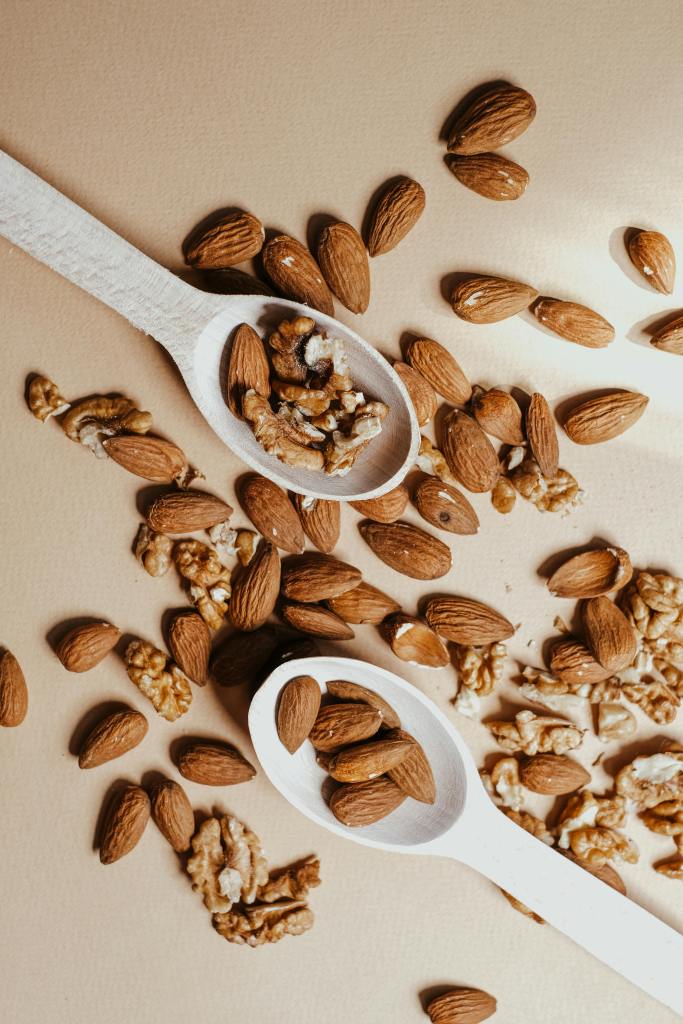
Eating nuts and seeds can help lower your risk of diabetes due to their rich nutritional profile and various health benefits. Here’s how nuts and seeds like almonds, walnuts, chia seeds, and flaxseeds can contribute to diabetes prevention:
1. Rich in Healthy Fats:
Nuts and seeds are high in monounsaturated and polyunsaturated fats, which help improve insulin sensitivity and reduce inflammation. These healthy fats also contribute to a feeling of fullness, preventing overeating and aiding in weight management, a crucial aspect of diabetes prevention.
2. Low Glycemic Index:
Nuts and seeds have a low glycemic index, meaning they cause a slower, more gradual rise in blood sugar levels. This helps maintain stable blood sugar levels and prevents spikes that can lead to insulin resistance.
3. High in Fiber:
Nuts and seeds are excellent sources of dietary fiber, which slows the absorption of sugar into the bloodstream and improves blood sugar control. Fiber also supports digestive health and promotes satiety, helping with weight management.
4. Rich in Protein:
The high protein content in nuts and seeds helps regulate blood sugar levels by slowing digestion and absorption of carbohydrates. Protein also helps maintain muscle mass and supports overall metabolic health.
5. Packed with Antioxidants:
Nuts and seeds are rich in antioxidants, such as vitamin E and polyphenols, which help reduce oxidative stress and inflammation. Lower levels of inflammation are associated with a reduced risk of developing type 2 diabetes.
6. Source of Essential Nutrients:
Nuts and seeds provide essential vitamins and minerals, including magnesium, zinc, and potassium. Magnesium, in particular, plays a crucial role in glucose metabolism and insulin function, and higher magnesium intake has been linked to a lower risk of diabetes.
7. Supports Heart Health:
Consuming nuts and seeds has been shown to improve cardiovascular health by lowering LDL (bad) cholesterol and blood pressure. Since cardiovascular disease and diabetes are often interconnected, maintaining heart health is vital for reducing diabetes risk.
8. Anti-Inflammatory Properties:
The compounds found in nuts and seeds, such as omega-3 fatty acids in flaxseeds and chia seeds, have strong anti-inflammatory effects. Reducing inflammation helps improve insulin sensitivity and lowers the risk of diabetes.
9. Weight Management:
The combination of healthy fats, fiber, and protein in nuts and seeds promotes satiety and helps control appetite. Maintaining a healthy weight is crucial for reducing the risk of type 2 diabetes.
By incorporating a variety of nuts and seeds into your diet, you can harness these health benefits to improve blood sugar control, enhance insulin sensitivity, reduce inflammation, support cardiovascular health, and maintain a healthy weight. These factors collectively help in lowering the risk of developing type 2 diabetes, making nuts and seeds a valuable addition to a diabetes-prevention dietary strategy.
6-Greek Yogurt

Eating Greek yogurt can help lower your risk of diabetes due to its unique nutritional profile and health benefits. Here are several reasons why incorporating Greek yogurt into your diet is beneficial for diabetes prevention:
1. High Protein Content:
Greek yogurt is rich in protein, which helps regulate blood sugar levels by slowing the digestion and absorption of carbohydrates. Protein also promotes satiety, reducing the likelihood of overeating and aiding in weight management, which is crucial for diabetes prevention.
2. Low Glycemic Index:
Greek yogurt has a low glycemic index, meaning it causes a slower, more gradual rise in blood sugar levels. This helps in maintaining stable blood sugar levels and preventing spikes that can lead to insulin resistance.
3. Rich in Probiotics:
Greek yogurt contains probiotics, beneficial bacteria that support gut health. A healthy gut microbiome is linked to improved metabolic health and better regulation of blood sugar levels. Probiotics may also help reduce inflammation, a key factor in the development of diabetes.
4. Source of Calcium and Vitamin D:
Greek yogurt is a good source of calcium and is often fortified with vitamin D. Adequate intake of these nutrients is important for overall health, including maintaining healthy bones and supporting insulin function.
5. Low in Carbohydrates:
Compared to regular yogurt, Greek yogurt is lower in carbohydrates, making it a better choice for managing blood sugar levels. This is especially beneficial for people trying to prevent or manage diabetes.
6. Contains Healthy Fats:
Full-fat Greek yogurt contains healthy fats that can help improve satiety and support overall metabolic health. These fats also aid in the absorption of fat-soluble vitamins, which are important for various bodily functions.
7. Rich in Nutrients:
Greek yogurt provides essential nutrients such as potassium, magnesium, and B vitamins, which are important for maintaining overall health and supporting metabolic processes. Magnesium, in particular, plays a crucial role in glucose metabolism and insulin sensitivity.
8. Helps with Weight Management:
The combination of high protein and probiotics in Greek yogurt helps promote a feeling of fullness, making it easier to control appetite and maintain a healthy weight. Weight management is a key factor in reducing the risk of developing type 2 diabetes.
By incorporating Greek yogurt into your diet, you can benefit from its high protein content, probiotics, and essential nutrients, all of which contribute to better blood sugar control, improved gut health, reduced inflammation, and effective weight management. These factors collectively help in lowering the risk of developing type 2 diabetes, making Greek yogurt a valuable addition to a diabetes-prevention dietary strategy.
7-Cinnamon

Eating cinnamon can help lower your risk of diabetes due to its beneficial properties and impact on blood sugar regulation. Here are several reasons why incorporating cinnamon into your diet can be advantageous for diabetes prevention:
1. Improves Insulin Sensitivity:
Cinnamon has been shown to improve insulin sensitivity, which means the body can use insulin more effectively to lower blood sugar levels. Improved insulin sensitivity reduces the risk of insulin resistance, a key factor in the development of type 2 diabetes.
2. Lowers Blood Sugar Levels:
Studies have demonstrated that cinnamon can lower fasting blood sugar levels. It helps reduce the amount of glucose that enters the bloodstream after a meal by interfering with numerous digestive enzymes and slowing the breakdown of carbohydrates.
3. Rich in Antioxidants:
Cinnamon is packed with antioxidants, such as polyphenols, which help reduce oxidative stress and inflammation in the body. Lower levels of inflammation and oxidative stress are associated with a decreased risk of diabetes.
4. Anti-Inflammatory Properties: The compounds in cinnamon, like cinnamaldehyde, have strong anti-inflammatory properties. Reducing chronic inflammation is crucial for preventing insulin resistance and type 2 diabetes.
5. Mimics Insulin:
Some compounds in cinnamon can mimic the effects of insulin and increase glucose uptake by cells. This helps to lower blood sugar levels and reduce the strain on the pancreas.
6. Improves Lipid Profiles:
Cinnamon consumption has been linked to improved lipid profiles, including lower levels of LDL (bad) cholesterol and triglycerides, and higher levels of HDL (good) cholesterol. A healthier lipid profile is beneficial for overall cardiovascular health, which is important since cardiovascular disease and diabetes often go hand-in-hand.
7. May Help with Weight Management:
Cinnamon can help reduce hunger and improve satiety, which may aid in weight management. Maintaining a healthy weight is crucial for reducing the risk of developing type 2 diabetes.
8. Contains Beneficial Compounds:
Cinnamon contains several bioactive compounds, such as cinnamaldehyde, that can improve metabolic health and have anti-diabetic effects.
Incorporating cinnamon into your diet can thus provide a range of benefits that help regulate blood sugar levels, improve insulin sensitivity, reduce inflammation, and support overall metabolic and cardiovascular health. These factors collectively contribute to a lower risk of developing type 2 diabetes, making cinnamon a valuable addition to a diabetes-prevention dietary strategy.
8-Whole Grains
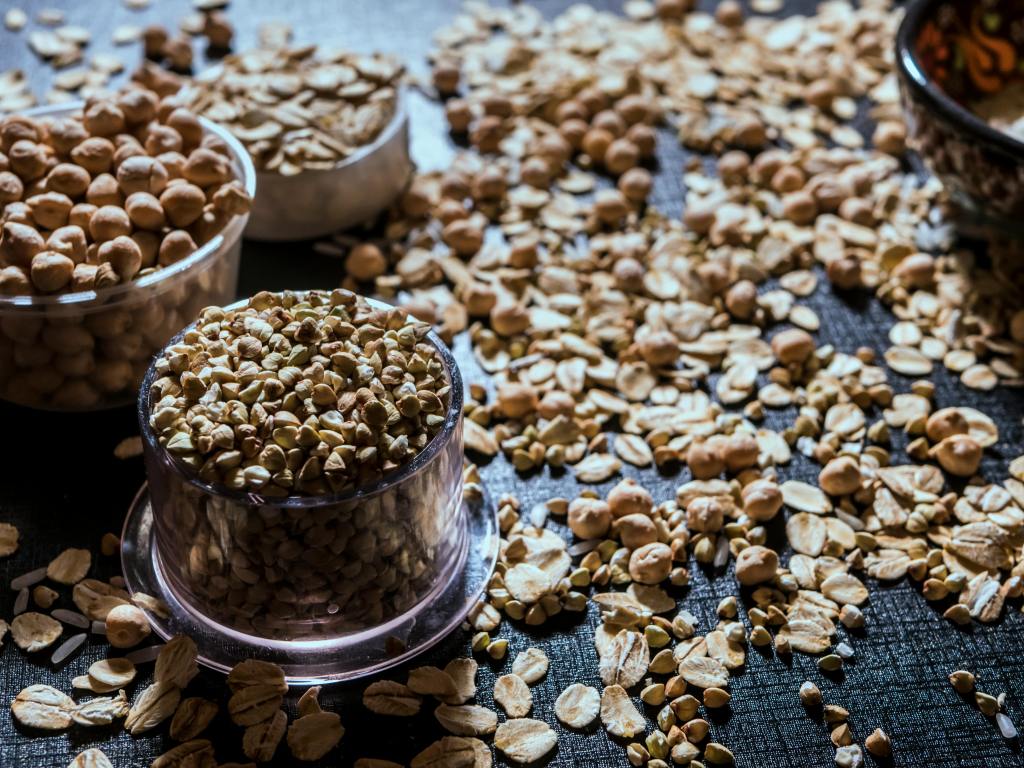
Eating whole grains can significantly lower your risk of diabetes due to their rich nutrient content and beneficial effects on blood sugar regulation. Here are several reasons why incorporating whole grains into your diet can help prevent diabetes:
1. High in Fiber:
Whole grains are an excellent source of dietary fiber, which helps slow the digestion and absorption of carbohydrates, leading to more stable blood sugar levels. Fiber also promotes satiety, aiding in weight management, which is crucial for diabetes prevention.
2. Low Glycemic Index:
Whole grains typically have a lower glycemic index compared to refined grains. This means they cause a slower, more gradual rise in blood sugar levels, preventing the spikes that can lead to insulin resistance.
3. Rich in Essential Nutrients:
Whole grains provide important vitamins and minerals, including magnesium, potassium, and B vitamins, which play key roles in glucose metabolism and insulin function. Magnesium, in particular, helps improve insulin sensitivity.
4. Antioxidants and Phytochemicals:
Whole grains contain antioxidants and phytochemicals that help reduce inflammation and oxidative stress, both of which are linked to an increased risk of diabetes. These compounds also support overall metabolic health.
5. Improves Insulin Sensitivity:
Consuming whole grains can improve insulin sensitivity, meaning the body can use insulin more effectively to lower blood sugar levels. Improved insulin sensitivity reduces the risk of developing insulin resistance and type 2 diabetes.
6. Supports Weight Management:
The fiber and nutrient density of whole grains helps promote a feeling of fullness, making it easier to control your appetite and maintain a healthy weight. Weight management is a key factor in reducing the risk of diabetes.
7. Enhances Gut Health:
The fiber in whole grains supports a healthy gut microbiome by promoting the growth of beneficial bacteria. A healthy gut microbiome is linked to improved metabolic health and better blood sugar control.
8. Reduces Risk of Cardiovascular Disease:
Whole grains help lower cholesterol levels, reduce blood pressure, and improve overall heart health. Since cardiovascular disease and diabetes are often interconnected, maintaining heart health is vital for reducing diabetes risk.
By incorporating whole grains such as oats, quinoa, brown rice, whole wheat, barley, and millet into your diet, you can benefit from their high fiber content, essential nutrients, and ability to improve blood sugar control and insulin sensitivity. These factors collectively help lower the risk of developing type 2 diabetes, making whole grains a valuable addition to a diabetes-prevention dietary strategy.
9-Tomatoes

Eating tomatoes can help lower your risk of diabetes due to their rich nutrient content and various health-promoting properties. Here’s why incorporating tomatoes into your diet can be advantageous for diabetes prevention:
1. Low in Calories and Carbohydrates:
Tomatoes are low in calories and carbohydrates, making them a suitable option for managing blood sugar levels and supporting weight management, which is crucial for diabetes prevention.
2. Rich in Antioxidants:
Tomatoes are packed with antioxidants, including vitamin C, beta-carotene, and lycopene. These antioxidants help reduce oxidative stress and inflammation in the body, which are linked to an increased risk of diabetes.
3. Lycopene Content:
Lycopene, a powerful antioxidant found in tomatoes, has been associated with a reduced risk of developing type 2 diabetes. It helps protect pancreatic beta cells, which produce insulin, from damage caused by oxidative stress.
4. Improves Insulin Sensitivity:
Some studies suggest that consuming tomatoes or tomato products may improve insulin sensitivity, allowing the body to use insulin more effectively to regulate blood sugar levels.
5. Low Glycemic Index:
Tomatoes have a low glycemic index, meaning they cause a gradual and modest increase in blood sugar levels. This helps prevent spikes in blood sugar and reduces the risk of insulin resistance over time.
6. Source of Fiber:
Tomatoes contain dietary fiber, which helps slow down the digestion and absorption of carbohydrates, leading to more stable blood sugar levels. Fiber also promotes satiety and aids in weight management.
7. Heart Health Benefits:
The nutrients in tomatoes, such as potassium and vitamin C, support heart health by helping to lower blood pressure and cholesterol levels. Since cardiovascular health is closely linked to diabetes risk, consuming tomatoes can indirectly reduce the risk of diabetes by promoting heart health.
8. Versatility in Cooking:
Tomatoes are a versatile ingredient that can be incorporated into various dishes, making it easy to include them in your diet regularly.
By incorporating tomatoes into your diet, whether fresh, cooked, or in the form of tomato-based products like sauces and soups, you can benefit from their antioxidant content, lycopene, fiber, and low glycemic index—all of which contribute to better blood sugar control and reduced risk of developing type 2 diabetes.
10-Dark Chocolate

Dark chocolate can potentially help lower your risk of diabetes due to its unique composition and health-promoting properties. Here’s why incorporating dark chocolate into your diet may be beneficial for diabetes prevention:
1. Rich in Flavonoids:
Dark chocolate contains flavonoids, particularly flavonols such as epicatechin and catechin, which have antioxidant properties. These compounds help reduce oxidative stress and inflammation in the body, which is associated with an increased risk of diabetes.
2. Improves Insulin Sensitivity:
Some studies suggest that dark chocolate consumption may improve insulin sensitivity, allowing cells to better respond to insulin and regulate blood sugar levels more effectively. Improved insulin sensitivity can help reduce the risk of insulin resistance and type 2 diabetes.
3. Lowers Blood Pressure:
Flavonoids in dark chocolate have been shown to help lower blood pressure by promoting the relaxation of blood vessels and improving blood flow. High blood pressure is a risk factor for diabetes and cardiovascular disease, so reducing it can indirectly lower the risk of diabetes.
4. Enhances Endothelial Function:
Flavonoids in dark chocolate also help improve endothelial function, which refers to the health of the inner lining of blood vessels. Healthy endothelial function is important for proper blood vessel dilation and blood flow regulation, which can reduce the risk of insulin resistance and diabetes.
5. Source of Magnesium:
Dark chocolate is a good source of magnesium, a mineral that plays a crucial role in glucose metabolism and insulin sensitivity. Higher magnesium intake has been associated with a lower risk of type 2 diabetes.
6. Moderate Impact on Blood Sugar:
While dark chocolate does contain some sugar, its overall impact on blood sugar levels is lower compared to milk chocolate or other high-sugar sweets. Dark chocolate has a lower glycemic index, meaning it causes a slower and more gradual increase in blood sugar levels.
7. Promotes Weight Management:
Consuming dark chocolate in moderation can help satisfy cravings for sweets, reducing the likelihood of overeating and aiding in weight management. Maintaining a healthy weight is important for preventing type 2 diabetes.
It’s important to note that while dark chocolate can offer potential benefits for diabetes prevention, moderation is key. Opt for dark chocolate with a high cocoa content (70% or higher) and consume it in moderation as part of a balanced diet. Pairing it with other healthy foods like nuts or fruit can further enhance its nutritional value.
In Conclusion:
In conclusion, incorporating the ten superfoods discussed in this article into your diet can be a powerful strategy for lowering your risk of diabetes and promoting overall health. From nutrient-rich leafy greens and fiber-packed whole grains to antioxidant-rich berries and blood sugar-regulating cinnamon, each superfood offers unique benefits that support blood sugar control, improve insulin sensitivity, reduce inflammation, and aid in weight management—key factors in diabetes prevention.
Additionally, superfoods like fatty fish, nuts and seeds, Greek yogurt, tomatoes, dark chocolate, and avocados can provide essential nutrients, healthy fats, and antioxidants that collectively contribute to better metabolic and cardiovascular health, further reducing the risk of developing type 2 diabetes.
By prioritizing these superfoods and incorporating them into your daily meals and snacks, you can take proactive steps towards lowering your risk of diabetes and enjoying a vibrant, healthful lifestyle. Remember, small dietary changes can yield significant benefits over time, so start by adding one or two superfoods to your diet each day and gradually build upon your healthy eating habits. With commitment and consistency, you can harness the power of superfoods to safeguard your health and well-being for years to come.



 trim down and shape up
Leave a comment