



The first question that springs to mind is should I stop what I’m doing, or keep pushing? The answer is going to be a bit different for each person. Is this something that is good for me or something that is bad for me. Is this behavior helping or hurting me? What’s the long-term effect this is going to have on my life?
There’s no need to break out spread sheets, charts, or graphs. I sat down with a simple sheet of paper and drew a line vertically down the center. On one side I titled “bad for me” and the other side I listed “good for me”.
I filled in each side with everything I could think of for why that behavior or habit was either good or bad for me. Now, in doing this you have to be painfully honest with your harshest critic, yourself. Don’t try to make this a timed procedure. Leave this partially complete and revisit as often as you need to, so you get a real picture.
I know this is supposed to be about fitness and nutrition. However, this exercise can be applied to any aspect of your life. When you have to make a decision about finance, relationships, purchases, employment, or even which pet you want. In doing this exercise, you will get a black and white picture and a yes or no answer.
Once completed, you see which side of the page is longer. If the “good for me” side is longer, then keep it up. On the other hand, if the “bad for me” side is longer, you need to let it go. In order to keep this manageable, lets fucus on diet and exercise.

Compelling Reasons to Quit Unhealthy Habits and Embrace Wellness
In a world that often encourages unhealthy habits, taking a step towards wellness is a powerful decision that can transform your life. Quitting unhealthy behaviors may seem challenging, but the benefits far outweigh the temporary comforts of familiar routines. In this article, we’ll explore ten compelling reasons why you should consider quitting unhealthy habits and embracing a lifestyle that prioritizes your well-being.
Diet and exercise play critical roles in improving physical health. Here’s how they contribute to various aspects of your well-being:

1. Cardiovascular Health
- Exercise: Regular physical activity strengthens the heart muscle, improves blood circulation, and helps maintain healthy blood pressure levels. Activities like walking, running, and swimming reduce the risk of heart disease, stroke, and hypertension.
- Diet: Eating a diet rich in fruits, vegetables, whole grains, lean proteins, and healthy fats helps manage cholesterol levels and blood pressure, reducing the risk of cardiovascular diseases. Foods high in omega-3 fatty acids, such as fish, are particularly beneficial.

2. Weight Management
- Exercise: Engaging in regular physical activity helps burn calories and build muscle mass, which boosts metabolism and helps maintain a healthy weight.
- Diet: Consuming a balanced diet with appropriate portion sizes helps control calorie intake. Nutrient-dense foods provide the necessary energy without excess calories, aiding in weight loss or maintenance.
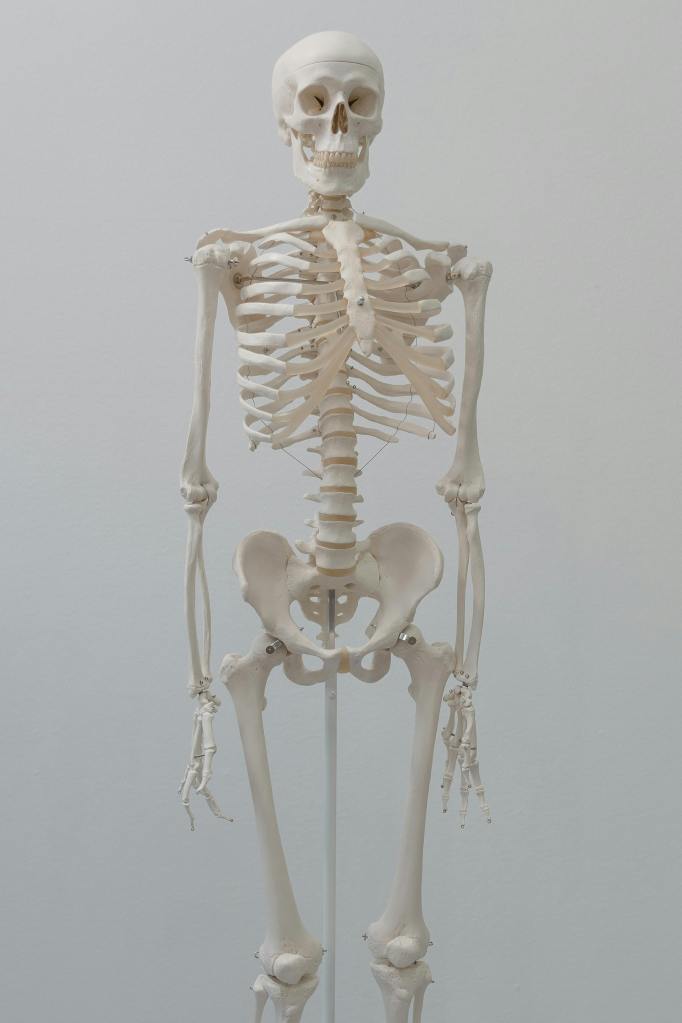
3. Muscle and Bone Health
- Exercise: Weight-bearing and resistance exercises, such as lifting weights, running, and dancing, strengthen bones and increase muscle mass. This helps prevent osteoporosis and sarcopenia (age-related muscle loss).
- Diet: Adequate intake of calcium, vitamin D, and protein is essential for bone density and muscle repair. Dairy products, leafy greens, nuts, and lean meats are excellent sources of these nutrients.

4. Metabolic Health
- Exercise: Regular physical activity improves insulin sensitivity, helping to regulate blood sugar levels and reduce the risk of type 2 diabetes.
- Diet: Eating a balanced diet with complex carbohydrates, fiber, and healthy fats helps maintain stable blood sugar levels and prevents insulin resistance.

5. Digestive Health
- Exercise: Physical activity stimulates the muscles in your gastrointestinal tract, promoting regular bowel movements and reducing the risk of constipation.
- Diet: A diet high in fiber from fruits, vegetables, and whole grains supports healthy digestion and a balanced gut microbiome.

6. Immune System Function
- Exercise: Moderate exercise boosts the immune system by promoting good circulation, which allows cells and substances of the immune system to move through the body more freely.
- Diet: Nutrient-rich foods provide the vitamins and minerals necessary for a robust immune response. Vitamin C, vitamin D, zinc, and antioxidants play key roles in immune health.

7. Mental Health
- Exercise: Regular physical activity releases endorphins, which help reduce stress, anxiety, and depression. It also improves sleep quality and cognitive function.
- Diet: A diet rich in omega-3 fatty acids, antioxidants, and vitamins supports brain health and mood regulation. Foods like fish, nuts, berries, and leafy greens are particularly beneficial.

8. Longevity and Quality of Life
- Exercise: Engaging in regular physical activity reduces the risk of premature death and enhances the quality of life by improving physical fitness, mobility, and overall health.
- Diet: A healthy diet reduces the risk of chronic diseases and supports overall well-being, contributing to a longer, healthier life.
Diet and exercise are fundamental pillars of physical health, each playing a crucial role in enhancing overall well-being and preventing a myriad of chronic diseases. The synergy between a balanced diet and regular physical activity contributes significantly to the optimal functioning of the body, ensuring both longevity and a high quality of life.
A nutritious diet is the cornerstone of good health. Consuming a variety of whole foods such as fruits, vegetables, whole grains, lean proteins, and healthy fats provides the essential nutrients the body needs to function effectively. These nutrients include vitamins, minerals, antioxidants, fiber, and macronutrients like carbohydrates, proteins, and fats. For instance, antioxidants found in fruits and vegetables help combat oxidative stress, reducing the risk of chronic diseases such as heart disease and cancer. Similarly, dietary fiber aids in digestion, helps maintain healthy blood sugar levels, and reduces cholesterol, contributing to cardiovascular health. Lean proteins are crucial for muscle repair and growth, while healthy fats, such as those found in nuts and fish, are vital for brain health and reducing inflammation.
Exercise complements a healthy diet by enhancing cardiovascular health, building and maintaining muscle mass, and promoting overall physical fitness. Regular physical activity strengthens the heart, improving its efficiency in pumping blood throughout the body, which in turn enhances circulation. This improved circulation ensures that oxygen and nutrients are delivered more effectively to tissues and organs, supporting their optimal function. Moreover, exercise helps maintain healthy blood pressure and cholesterol levels, significantly reducing the risk of heart disease and stroke.
One of the most compelling benefits of regular exercise is its role in weight management. Physical activity increases energy expenditure, helping to create a caloric deficit when combined with a balanced diet. This deficit is crucial for weight loss and maintenance, preventing obesity, which is a major risk factor for various chronic conditions, including type 2 diabetes, hypertension, and certain cancers. Additionally, exercise helps build and preserve lean muscle mass, which boosts metabolism and further aids in weight control.
Beyond weight management, exercise plays a vital role in maintaining bone and muscle health. Weight-bearing exercises such as walking, running, and resistance training stimulate bone formation and slow the progression of age-related bone loss, reducing the risk of osteoporosis. Similarly, resistance training promotes muscle growth and strength, preventing sarcopenia, the gradual loss of muscle mass that occurs with aging. This preservation of muscle mass and bone density is essential for maintaining mobility, balance, and overall physical function, especially in older adults.
The benefits of diet and exercise extend to mental health as well. Regular physical activity has been shown to reduce symptoms of depression and anxiety, improve mood, and enhance cognitive function. Exercise stimulates the release of endorphins, the body’s natural mood lifters, and promotes better sleep, which is crucial for overall mental well-being. A balanced diet supports brain health by providing essential nutrients like omega-3 fatty acids, antioxidants, and vitamins that protect against cognitive decline and improve brain function.

There are just a few reasons to choose a healthy diet and lifestyle over an unhealthy one. As before, the choice is yours to make. Either you choose healthy or unhealthy.
Every decision you make in your life will impact you in some way. Often you can’t know exactly when or how, but it is inevitable.
In summary, the combination of a healthy diet and regular exercise is a powerful strategy for improving physical health. Together, they enhance cardiovascular health, support weight management, strengthen bones and muscles, and improve mental well-being. By incorporating these habits into daily life, individuals can significantly reduce the risk of chronic diseases, enhance their quality of life, and promote longevity.



 trim down and shape up
Leave a comment