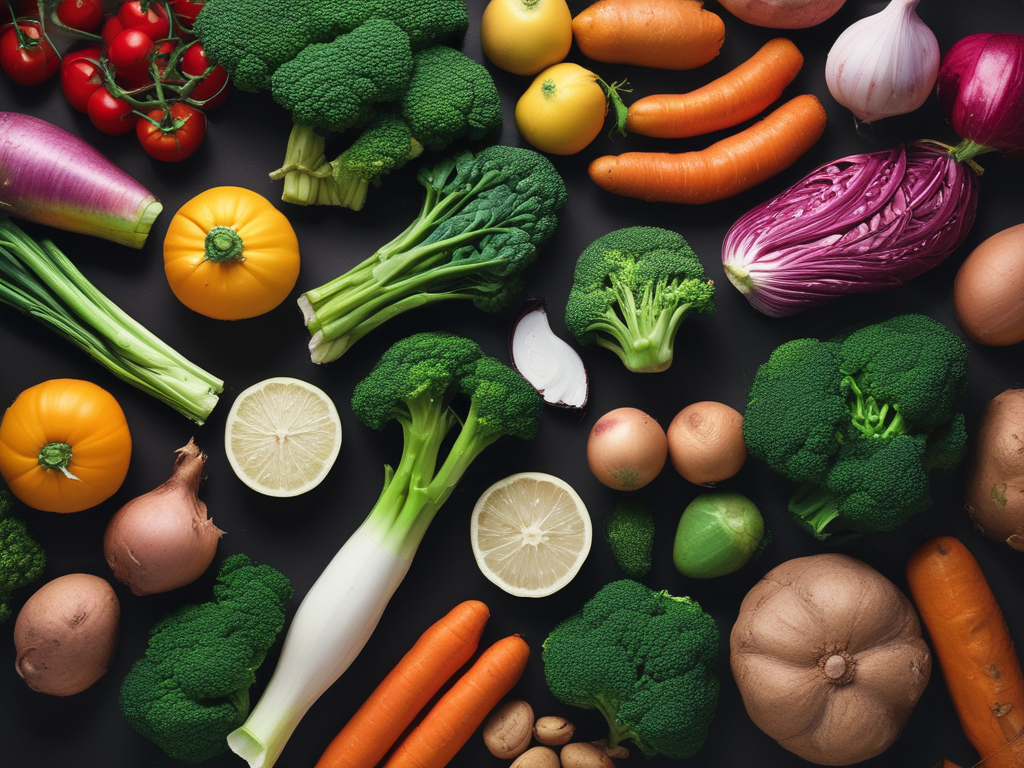


Would you like to stay healthy and not spend a lot of cash? Eating the right foods might seem pricey, but some are actually pretty cheap. These foods can keep you fit and save you money.
It can be hard to eat well when watching your budget, but it’s possible. Many nutritious foods are both good for you and your wallet. We’ll look at 17 foods that won’t break the bank and are good for your health.
Broccoli
Broccoli is full of vitamins and minerals and costs less than other veggies. It has vitamins C and K, as well as fiber and antioxidants. Eating broccoli can help your digestion, strengthen your immune system, and keep your heart healthy.
Onions
Onions are a kitchen essential and don’t cost much. They are low in calories and have antioxidants that fight diseases. These antioxidants can lower heart disease and cancer risks.
Bagged Spinach
Looking for a cheap way to eat more greens? Bagged spinach is the answer. It’s rich in vitamins and minerals, great for your skin and bones, and boosts digestion.
Russet Potatoes
Not only are russet potatoes cheap, but they’re also very versatile. They provide potassium, vitamin C, and fiber. You can bake, boil, mash, or roast them for a tasty, budget-friendly meal.
Sweet Potatoes
Sweet potatoes are another low-cost, nutrient-packed food. They have vitamins A and C, fiber, and antioxidants. Eating sweet potatoes supports your eyes, immune system, and keeps blood sugar steady.
Canned Tomatoes
Canned tomatoes are great for many dishes and are affordable. They provide vitamins A and C and lycopene, an antioxidant. Lycopene may lower cancer risk.
Carrots
Carrots are not just cheap. They’re filled with beta-carotene for good eyesight and high in antioxidants and fiber. They’re good for your heart, skin, and help with digestion.
Green Cabbage
Green cabbage is low-cost and packed with nutrients. It’s full of fiber, vitamins C and K, and antioxidants. Adding cabbage to your diet can improve digestion, lower inflammation, and boost your immune system.
Butternut Squash
Butternut squash offers lots of vitamins and minerals at a low price. It’s rich in vitamins A and C, potassium, and fiber. It improves eyesight, strengthens your immune system, and helps with weight control.
Conclusion
Eating affordably and healthily is not a dream but a choice. These foods are budget-friendly and great for your health. By adding these foods to your diet, you can be healthier and have more money in your pocket.
Key Takeaways:
- Broccoli is an affordable cruciferous vegetable packed with vitamins and minerals.
- Onions are a budget-friendly addition to any meal, offering antioxidants and potential health benefits.
- Bagged spinach provides essential vitamins and minerals, supporting overall health.
- Russet potatoes are versatile and nutrient-dense, making them a cost-effective choice.
- Sweet potatoes are packed with nutrients and can help regulate blood sugar levels.
Broccoli
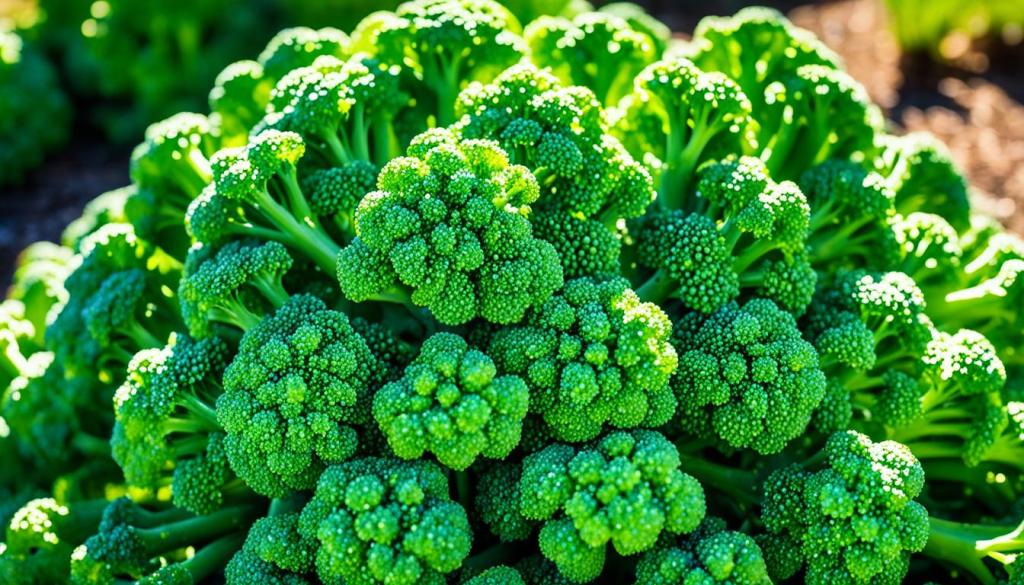
Vivid green broccoli spears stacked neatly in a pyramid formation, casting long shadows in a sunlit garden. The florets are tightly packed with a texture that makes you want to reach out and touch them. A few droplets of water cling to the surface, adding a glistening effect.
Broccoli is a versatile and nutritious vegetable that won’t break the bank. It usually costs around $1.92 a pound. This makes it an ideal choice for those watching their budget. Not just cheap, broccoli is full of vitamins and minerals too, perfect for a healthy diet.
One of broccoli’s main health features is its high vitamin C. This vitamin is key for a strong immune system. On top of that, broccoli is a top source of vitamin K, important for blood clotting and strong bones.
Broccoli is a great natural source of folate. For pregnant women, this nutrient helps lower the risk of certain birth defects. Adding broccoli to your meals is an easy way to get more folate into your diet.
Besides vitamins, broccoli is rich in minerals for your health. It has potassium, which is good for your heart, and chromium, which might help your body use insulin better.
But the benefits of broccoli on health don’t end here. This green veggie also has antioxidants like sulforaphane and indole-3-carbinol. Studies suggest these may lower your risk of major diseases such as cancer and heart disease.
Broccoli can be prepared in many ways: steamed, roasted, or in a stir-fry. It’s a tasty, nutritious, and cheap vegetable that should be in every kitchen. So, when you’re at the store, pick up some broccoli to enjoy its many benefits.
Onions
Onions are loved for being so versatile. They’re in many dishes and are pretty cheap. You can buy a pound for about $1.05. This makes them a great option for wallet-friendly flavor and nutrition.
But it’s not just their price that makes onions great. They’re full of antioxidants. This helps protect our bodies. If eaten regularly, onions’ antioxidants might lower allergy and cancer risks.
Onions also contain some key nutrients. They’re a source of vitamin C, vital for a strong immune system. You’ll also get manganese, which helps your bones and acts as an antioxidant. On top of that, onions offer vitamin B6 and potassium.
Onions are not just pocket-friendly; they’re packed with flavor, nutrients, and health benefits. Adding them to your meals is a smart choice.
Onions bring a lot to the table, literally. You can use them in many ways in the kitchen. Cook them to make dishes tastier. Or, eat them raw for a crunchy salad addition. Their uses are endless, adding both taste and nutrition to your food.
Bagged Spinach
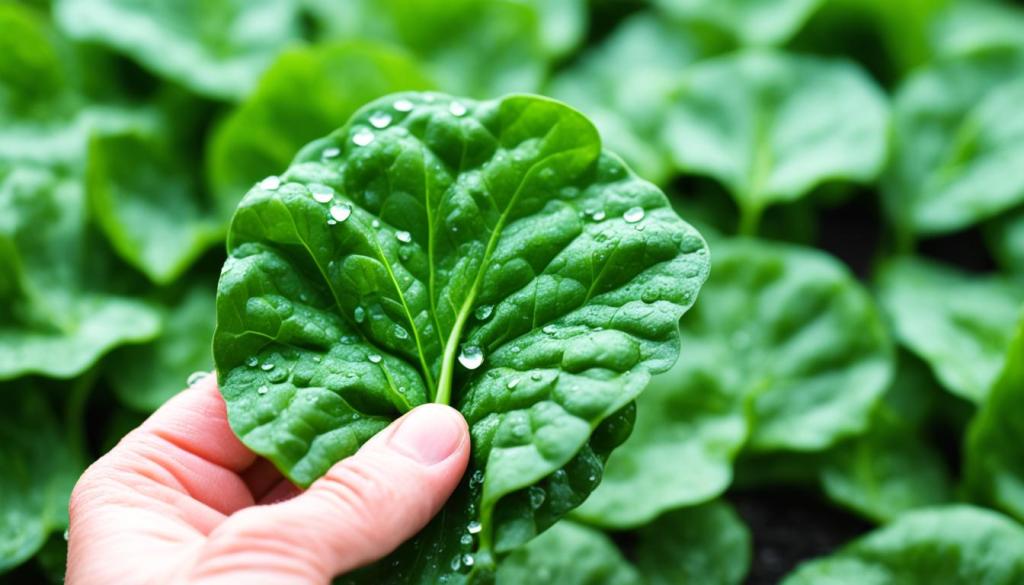
A close-up view of crinkled, dark green spinach leaves held in a hand, with small water droplets glistening on the surface. The leaves are slightly curled and show signs of freshness, with no wilting or discoloration. The background is blurred but hints at a natural setting, such as a garden or field. The image should evoke the idea of health and abundance, suggesting that spinach is a nutritious and affordable vegetable that can be enjoyed in large quantities.
Bagged spinach is a great pick for those wanting an affordable, healthy veggie. It costs around $3.83 per pound. This makes it an economical choice full of nutrition.
It’s packed with vitamins and minerals, and has a lot of vitamin K. Vitamin K is vital for bone health and blood clotting. It even helps lower heart disease and cancer risks.
This spinach is also full of vitamins A and C. Vitamin A keeps your eyes and immune system strong. Vitamin C helps your immune system and makes your skin healthy. Plus, it has folate which helps make new cells and genes.
In terms of minerals, it has plenty of manganese. Manganese is essential for bones, blood sugar, and metabolism. Eating spinach helps ensure you get these minerals every day.
Some studies say spinach might protect against non-alcoholic fatty liver disease. This condition causes extra fat in the liver. It’s yet another reason to eat spinach for a healthy liver.
With its low cost, rich vitamin and mineral content, and health benefits, bagged spinach is a great dietary addition. So, add this versatile green to your shopping list soon.
“Spinach is filled with nutrients and health benefits. It’s a budget-friendly veggie essential for your diet!”— Nutrition Specialist
Russet Potatoes
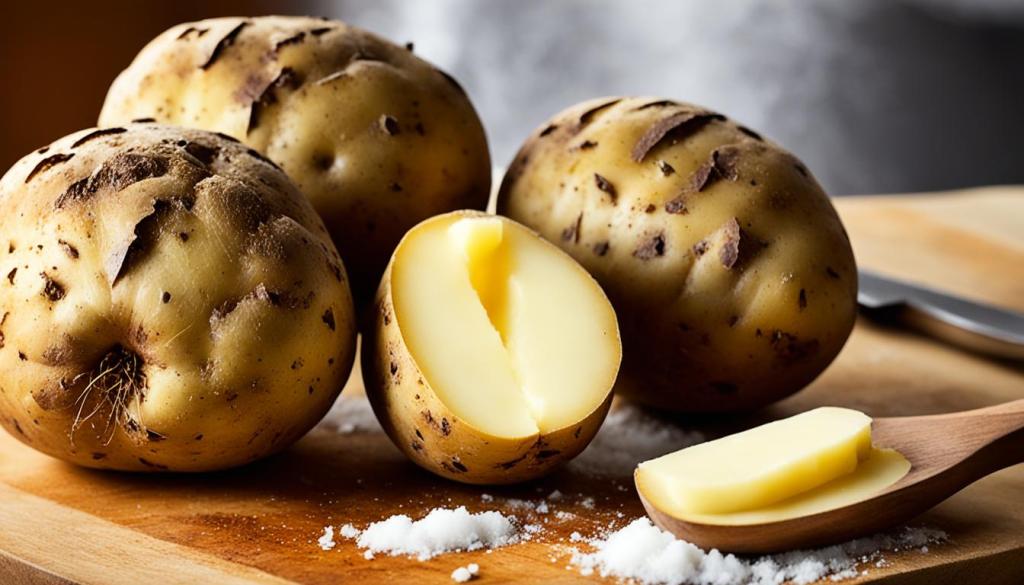
A pile of russet potatoes sitting on a wooden cutting board, their brown skin slightly wrinkled and dirt still visible in the crevices. One potato has been sliced open to reveal its fluffy white interior, steam rising from the freshly cut surface. Nearby, a chef’s knife and a bowl of salt sit ready for seasoning. The background is blurred but hints at the kitchen where these humble yet nutritious potatoes will soon be transformed into a delicious meal.
Russet potatoes are a great, money-saving choice for your meals. They cost about $0.60 a pound. This makes them perfect for those who want a healthy, budget-friendly option.
These potatoes are full of important vitamins, like vitamin C and B6. Vitamin C boosts your immune system. On the other hand, B6 is key for your brain to grow and work well.
And there’s more. Russet potatoes also give you a lot of fiber. Fiber keeps your tummy healthy and helps control your blood sugar. So, eating these potatoes is good for your gut.
They’re not just vitamins, though. Russet potatoes are high in potassium. Potassium is good for your heart and helps with blood pressure. So, eating these potatoes is a natural way to get more potassium.
Remember, the skin of the potato is also packed with good stuff. It has minerals like potassium. So, it’s best to leave the skin on when you cook them. Try baking or boiling them. This keeps all their good nutrients and they go well with many meals.
Adding russet potatoes to your diet brings you lots of vitamins, fiber, and minerals. You can eat them many ways, like as a side, fries, or mashed. They’re a great, cheap vegetable that’s also good for you.
Sweet Potatoes
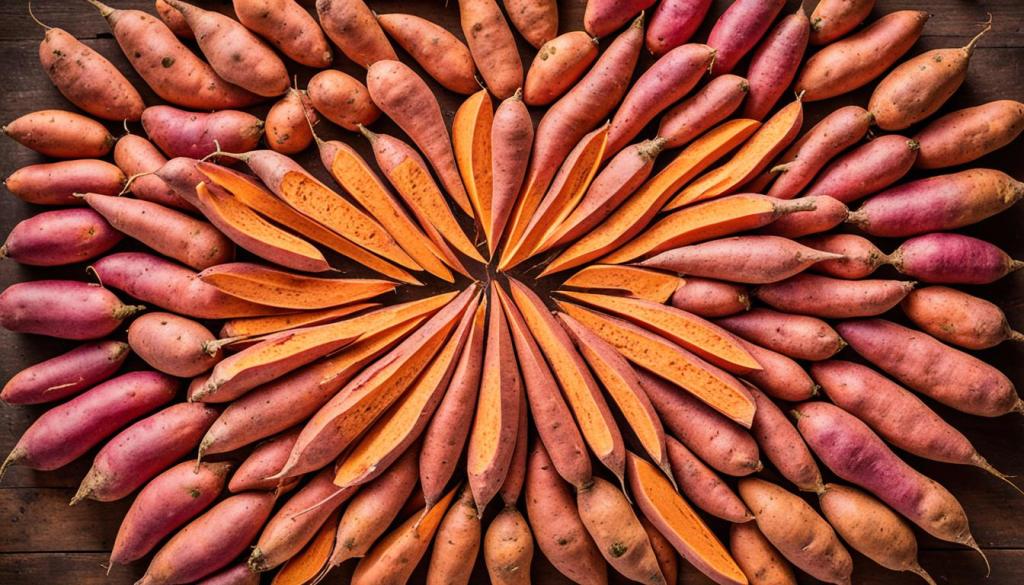
An overhead view of sweet potatoes arranged in a circle, with some cut in half to reveal their orange flesh. The background should show a farmer’s market or grocery store setting, with other fresh produce visible in the distance.
Looking for a cheap and healthy option? Sweet potatoes are the perfect choice. They are not just good for your wallet but also for your health. These unassuming veggies are packed with nutrients.
Sweet potatoes are loaded with vitamins and minerals. They are high in beta-carotene, which the body turns into vitamin A. This vitamin is key for good eyesight, a strong immune system, and healthy cell growth.
They also offer vitamin C, B vitamins, potassium, and fiber. Vitamin C is an antioxidant that keeps your skin looking fresh. B vitamins boost your energy and help your brain. Potassium helps control your blood pressure, and fiber keeps your gut happy.
But wait, there’s more. Sweet potatoes have antioxidants and anti-inflammatory elements. These might lower the chances of diseases like cancer and diabetes. Their fiber makes you feel full, aiding in weight management.
There are countless tasty ways to enjoy sweet potatoes. You can steam, bake, or roast them. Try making fries, mashed potatoes, or add them to soups. These versatile veggies are not just good for your health, but they’re also a treat for your taste buds.
Canned Tomatoes
A row of canned tomatoes stacked neatly on top of each other, with the label facing forward. Each can showcases the vibrant, bright red color of the tomatoes inside. The background is a soft, muted tone that complements the richness of the tomatoes. The cans are arranged in a way that suggests abundance and affordability, making them an enticing and accessible option for anyone looking to eat healthy on a budget.
Tomatoes are a versatile and nutritious vegetable, found in many dishes. Canned tomatoes are a great choice for their low cost and convenience. They’re full of important vitamins and minerals.
Canned tomatoes are packed with vitamin C. This boosts your immune system and helps make collagen. Collagen keeps your skin, bones, and blood vessels healthy. They’re also rich in B vitamins, which are important for energy and making red blood cells. In addition, they have vitamins A, E, and K for overall health.
They also have potassium, good for fluid balance and muscle and heart health. Potassium helps offset sodium’s effects, which is key for controlling blood pressure.
Canned tomatoes shine because of their lycopene. Lycopene is an antioxidant that makes tomatoes red. It can reduce inflammation, protect cells, and maybe lower cancer risk.
Did you know? Canned tomatoes have more lycopene than fresh ones. The canning process makes lycopene easier for our bodies to use.
Canned tomatoes go well in many recipes. They enhance the flavors of soups, stews, casseroles, and sauces. From pasta sauces to chili, they’re a tasty, easy-to-use ingredient.
So, consider canned tomatoes for your meals. They’re budget-friendly and nutritious. Add them to your cooking to enjoy their taste and health perks. With canned tomatoes, your recipes will be both delicious and nutrient-rich.
Carrots
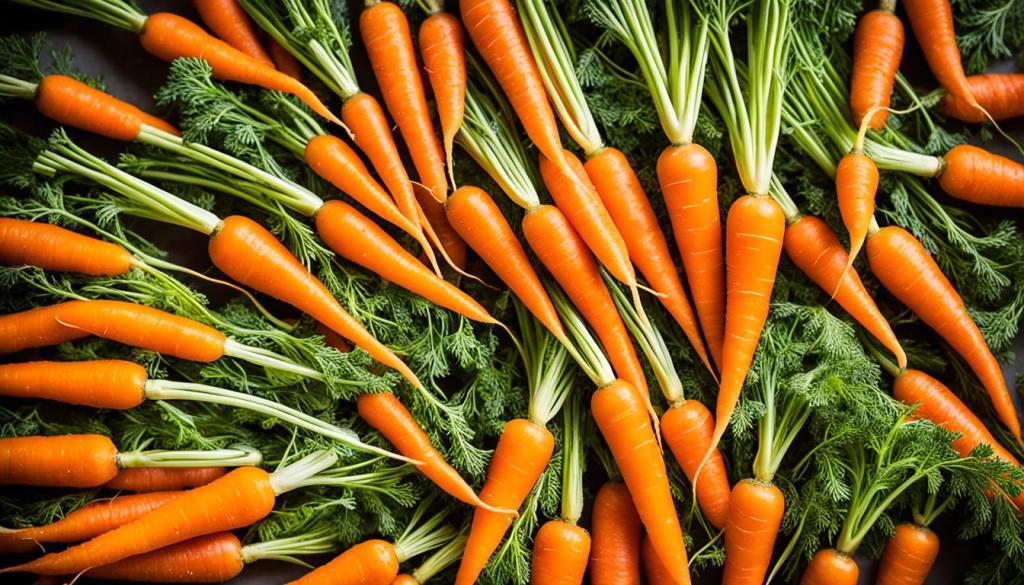
A close-up view of a bunch of fresh, vibrant orange carrots with their green tops still intact, arranged in an asymmetrical pattern. The focus should be on the texture and shape of the carrots, with some leaves poking out in different directions to add a sense of movement. The background could be blurred to create depth and emphasize the crispness of the carrots.
Carrots are a great choice for your meals and snacks because they’re both healthy and cheap. They cost around $0.77 per pound. This makes them perfect for those trying to eat well on a budget.
Beta-carotene is a key nutrient in carrots. It gives them their orange color. In our bodies, this turns into vitamin A, which keeps our eyes and immune system strong. Eating carrots can improve your health in many ways.
Carrots are a good source of fiber too, with about 2.8 grams in each cup. Fiber helps you digest food well and avoid constipation. It also keeps you feeling full, which is great for managing your weight.
Carrots offer more than just beta-carotene and fiber. They’re full of vitamin C, which helps your body fight off illnesses and makes collagen. Carrots also have vitamin K, potassium, and manganese, adding to their nutritional punch.
Eating carrots regularly can bring several health perks. Their antioxidants may fight off body inflammation. Some studies say carrots might even help lower the chances of getting stomach cancer. These benefits make carrots a smart choice for a cancer-fighting diet.
You can use carrots in many ways in your cooking. Eat them raw as a snack, mix them into smoothies, or put them in various dishes. They’re sweet and adaptable, loved by young and old.
To sum it up, carrots are an affordable veggie that’s very good for you. They’re a rich source of key nutrients like beta-carotene, fiber, and vitamins. Their benefits for your eyes, immune system, and cancer prevention make them a must-have in your diet. So, pick up some carrots on your next grocery run. Enjoy their taste while you boost your health.
Green Cabbage
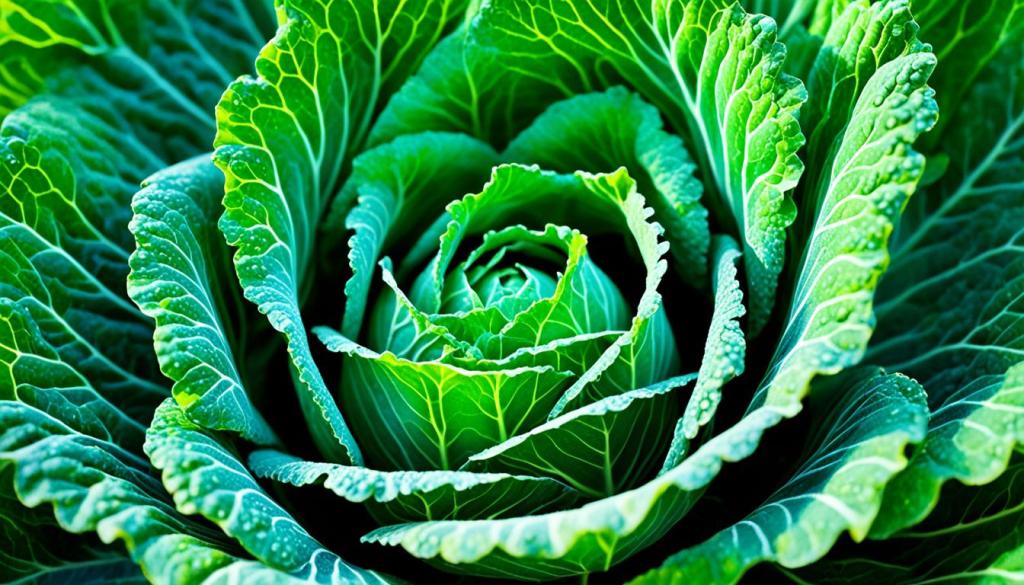
A close-up view of a green cabbage head, with vibrant and crisp leaves that have a slightly wavy texture. The light shining from above highlights the natural shades of green, creating a contrast between the bright and darker hues on the edges. The surface of the cabbage is slightly dewy, conveying a sense of freshness and juiciness.
Green cabbage is both versatile and nutritious. It comes at an average cost of $0.62 per pound. This makes it a healthy and budget-friendly choice.
It contains a lot of vitamin C, great for your immune system and making collagen. Adding cabbage to your diet can enhance your health by increasing vitamin C.
Green cabbage is also rich in antioxidants, like glucosinolates, that fight cancer. Eating cabbage and other cruciferous veggies may lower your cancer risk.
Besides, cabbage offers B vitamins and trace minerals. These are good for energy, brain function, and your health in general.
Moreover, green cabbage may lower your risk of heart disease and type 2 diabetes. So, it’s not just about nutrition.
With its low price, nutrients, and possible health benefits, green cabbage is great for any meal plan. It can be eaten raw, stir-fried, or cooked in soups. So, let’s make the most of this inexpensive veggie for our health.
Try this Delicious Green Cabbage Recipe:
Green Cabbage Stir-Fry:
- Ingredients:
- 1 small head of green cabbage, shredded
- 2 carrots, thinly sliced
- 1 red bell pepper, thinly sliced
- 2 cloves of garlic, minced
- 2 tablespoons of soy sauce
- 1 tablespoon of sesame oil
- 1 teaspoon of grated ginger
- Salt and pepper to taste
Instructions:
- In a large skillet or wok, heat the sesame oil over medium heat.
- Add the minced garlic and grated ginger to the skillet, and sauté for 1-2 minutes until fragrant.
- Add the sliced carrots and bell pepper to the skillet, and stir-fry for 3-4 minutes until slightly softened.
- Add the shredded green cabbage to the skillet, and stir-fry for an additional 4-5 minutes until the cabbage is tender-crisp.
- Drizzle the soy sauce over the stir-fry and season with salt and pepper to taste.
- Continue to stir-fry for another 2-3 minutes until the flavors are well combined.
- Remove from heat and serve hot. Enjoy!
References:
“Cabbage, Raw Nutrition Facts & Calories.” Nutrition Data. Accessed October 20, 2021. https://nutritiondata.self.com/facts/vegetables-and-vegetable-products/2371/2.
Liu, Rui Hai. “Health benefits of fruit and vegetables are from additive and synergistic combinations of phytochemicals.” The American Journal of Clinical Nutrition 78, no. 3 (2003): 517S-520S.
Butternut Squash

A close-up view of a freshly cut butternut squash, with its vibrant orange flesh and distinct bulbous end, resting on a wooden cutting board. The knife used to slice it is visible in the background, with small droplets of moisture from the squash on the blade. The lighting is natural and highlights the texture of the butternut squash’s skin, which appears slightly rough and mottled. There are no other objects or distractions in the frame, drawing the viewer’s attention solely to the beauty and simplicity of this healthy food.
Butternut squash is a great choice for your meals. It’s not only nutrient-rich but also budget-friendly. Sold at about $1.29 per pound, it’s a vegetable that’s good for your pocket and health.
This squash is full of important vitamins. It has lots of vitamins A and C. These vitamins are crucial for a strong immune system and healthy skin.
It’s also known for its high fiber content. Fiber is good for your gut and keeping a healthy weight. Butternut squash has minerals like potassium and magnesium, needed for your muscles to work well.
Butternut squash is a powerhouse of antioxidants. These protect you from free radicals, lowering your risk of heart disease and cancer.
You can enjoy butternut squash in various ways. It’s great roasted, sautéed, or in soups. Its gentle, sweet taste blends perfectly with many meals.
Adding butternut squash to your meals is smart. It brings you essential vitamins, fiber, and antioxidants. This means better health and all at an affordable price.
Conclusion
Eating well without spending a lot is totally doable. It’s a wise move for your health too. You’ll find plenty of low-cost foods that are good for you.
Look for foods that are kind to your wallet and your health. Things like broccoli, onions, and spinach are full of good stuff. They give your body the vitamins and minerals it needs to keep going strong.
Adding foods like sweet potatoes or carrots is a great idea. They bring something special to the table. These foods are rich in nutrients. Plus, they fit right into your cost-effective meal plan.
Also, remember to grab some brown rice and eggs. Maybe some beans or Greek yogurt too. These foods not only mix up your meals but also keep you healthy. They’re full of the nutrients your body craves.
FAQ
What are some cheap and healthy food options?
Some cheap and healthy food options are broccoli, onions, spinach, and potatoes. Sweet potatoes and butternut squash fit in too. These veggies are good for you and don’t cost a lot. They are packed with vitamins and minerals.
What nutrients are found in broccoli?
Broccoli is full of vitamin C and K. It has folate and antioxidants. These help fight off diseases.
What are the health benefits of onions?
Onions have antioxidants. These protect against allergies and certain diseases. They also give you vitamin C, manganese, and potassium.
What nutrients are found in bagged spinach?
Bagged spinach is great for your bones and heart. It’s full of vitamin K. This vitamin also helps with cancer prevention. Spinach boosts your immune system with vitamins A and C too.
What nutrients are found in russet potatoes?
Russet potatoes are a good source of vitamin B6 and C. They also contain a lot of potassium. The skin has minerals that are good for you.
What nutrients are found in sweet potatoes?
Sweet potatoes have lots of vitamins and minerals. They include beta-carotene, B vitamins, and vitamin C. These nutrients help fight inflammation and prevent diseases like cancer and diabetes.
What nutrients are found in canned tomatoes?
Canned tomatoes are high in vitamins, including C, A, E, and K. They have lycopene too. Lycopene is an antioxidant that fights diseases by reducing inflammation and cell damage.
What nutrients are found in carrots?
Carrots are full of beta-carotene. This turns into vitamin A in your body. They are great for your eyes and immune system. Carrots also have fiber and other vitamins and minerals.
What nutrients are found in green cabbage?
Green cabbage is high in vitamin C. It also has B vitamins and minerals. Its antioxidants may help prevent some cancers.
What nutrients are found in butternut squash?
Butternut squash boosts your vitamin A and C intake. It’s also good for your heart. You get health benefits like weight control from these nutrients.
Source Links
- 28 Healthy Foods That Are Incredibly Cheap – https://www.healthline.com/nutrition/29-cheap-healthy-foods
- The Easiest Way to Eat Healthy on a Budget? Stock Your Pantry With These 17 Cheap Staples – https://www.cleaneatingmag.com/clean-pantry/pantry-staples/the-easiest-way-to-eat-healthy-on-a-budget-stock-your-pantry-with-these-17-cheap-staples/
- 17 Healthy Foods So Cheap – That You Can Eat All You Want – https://wealthynickel.com/cheap-healthy-foods/



 trim down and shape up
Leave a comment