


In recent years, scientists found a new way to look at age. They call it ‘biological age’. It’s about how healthy our cells, tissues, and organs are, not just the years we’ve lived. This idea tells us that not everyone with the same age is as healthy.
Not being able to change our birth date is a fact. However, we can lower our biological age and feel younger. We’ll talk about ten ways supported by science to fight aging. These methods can make us feel better overall.
Understanding the Ageing Process
The process of getting older causes a lot of suffering. It leads to more than 100,000 deaths every day. But, there’s hope. New breakthroughs tell us we might be able to turn back the clock. It’s all about knowing how aging works and finding ways to slow it down.
Key Takeaways
- Biological age depends on how well our cells, tissues, and organs function.
- People with the same years don’t always have the same health.
- Aging is a major reason for sickness and deaths.
- There’s new evidence that suggests we can turn back the aging process.
- It’s important to understand aging to find ways to fight it effectively.
Understanding the Ageing Process
The ageing process is natural, affecting all living things, humans included. It involves the slow breakdown of our body functions over time. This leads to changes in how we look, how our organs work, and our general health. Ageing happens due to a mix of genetic, environmental, and lifestyle factors.
It’s a journey that brings wisdom but also challenges. As we grow older, our bodies change inside and out. We might see a drop in our physical and thinking abilities. This makes us more likely to face diseases tied to age. The road of ageing might also lead to difficulties like chronic pain and lower life quality.
Knowing about ageing helps us fight its effects and be healthier overall. Scientists work hard to learn more about ageing’s roots and any ways to slow it down.
Understanding why and how age-related diseases happen is key. This knowledge could bring new ways to treat and stop these illnesses. In the end, it could mean less suffering and more years of good health for people.
The Complexity of Ageing
Ageing involves many elements, like how our cells change, our genes, our daily habits, and what we’re exposed to. Things like our cells’ telomeres shortening or DNA getting damaged push our bodies to age. Our genes can make us more likely to get certain age-related diseases. Meanwhile, what we eat and how much we exercise can speed up or slow down ageing.
Ageing is like a big mystery that needs a team approach to solve. Scientists and experts from all over must work together. This way, we can understand and maybe even fix the problems caused by getting older.
Scientists don’t just look at one aged species. They study many, including some that age quickly and others that age slower. Comparing different models helps find common factors and ways to intervene.
| Ageing Model | Lifespan | Ageing Pattern |
|---|---|---|
| Fruit flies (Drosophila melanogaster) | 50-80 days | Rapid ageing within a short lifespan |
| Roundworms (Caenorhabditis elegans) | 2-3 weeks | Progressive ageing with reproductive decline |
| Mouse (Mus musculus) | 2-3 years | Gradual ageing with age-related diseases |
Comparing different ageing models leads to insights. It helps us understand how ageing works. More importantly, it may reveal new ways to fight age-related diseases.
Studying the fundamental ageing processes is another vital angle. These processes show us how ageing happens at a deep level. By tackling these, scientists hope to find ways to slow or even turn back ageing.
The ageing process connects us all. But with research and knowledge, we can face it better. This could mean less suffering and a better life for people as they age.
Dietary Restriction and Longevity

Dietary restriction is a key topic in the quest for healthy aging and longer life. Research with rats in the 1930s found that eating less could lead to a longer life. These early findings inspired researchers to look at whether eating less might also help humans live longer.
Recent studies offer hope that eating less could truly extend life and lower disease risks. In one study, \researcher{Susan B. Roberts} at \organization{Tufts University} cut the daily calories of rhesus monkeys by 25%. This diet change resulted in better health, less sickness, and a longer life.
Move research is looking into how eating less achieves these benefits. Scientists want to know exactly how diet restriction works its magic on our cells. They hope to find new ways to stay healthy as we get older.
“I think the overall message is that substantial reduction in caloric intake throughout life can delay the aging process and promote healthy aging and longevity.”
Working on eating less every day might be hard because it can make you feel hungry all the time. But, researchers are working on drugs that could give us the same benefits without us having to diet so strictly.
Adding diet restriction as part of a healthy regime could work well in keeping us healthy and alive for longer. Yet, it’s crucial to talk to a doctor or a diet expert to make sure we still get all the right nutrients while we change our eating habits.
The benefits of dietary restriction:
- Promotes healthy aging
- Reduces the incidence of age-related diseases
- Increases lifespan
- Activates metabolic pathways associated with longevity
The challenges of dietary restriction:
- Constant hunger
- Difficult to adhere to in daily life
The potential of drug intervention:
- Development of drugs that mimic the effects of dietary restriction
- Activation of similar metabolic pathways without stringent dietary changes
| Researcher | Institution | Study Outcome |
|---|---|---|
| \researcher{Susan B. Roberts} | \organization{Tufts University} | Reducing caloric intake by 25% in rhesus monkeys resulted in improved health, reduced age-related diseases, and increased longevity. |
Examining Negligible Senescence in Animals
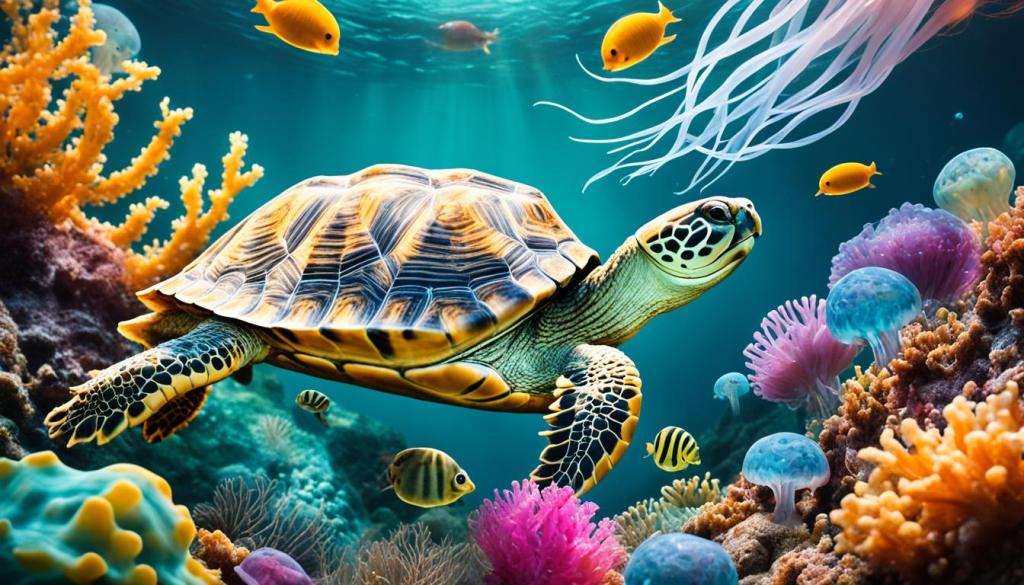
As we age, humans face a decline and increased death risk. Yet, animals like tortoises, salamanders, and fish don’t seem to grow old. They have no visible signs of aging and their risk of death stays the same throughout their lives.
Looking at negligible senescence in animals is key to understanding how and why we age. Scientists study these special animals to find clues on how to slow or stop aging in people.
The lobster is a great example. Lobsters can live a long time with no apparent signs of aging. Even at 100 years old, they look young, keep reproducing, and are strong. They are rarely affected by age-related illnesses, making them a focus of scientific study.
“The study of animals with negligible senescence offers a wealth of information about the genetic, physiological, and environmental factors that contribute to longevity,” notes Dr. Sarah Collins. “By understanding how these animals age differently, we can gain valuable insights into slowing the aging process in humans.”
Animals with negligible senescence have special ways to protect their bodies from age damage. They have better DNA repair, stronger immune systems, and more antioxidants. These help fight off the harm caused by aging.
Though humans don’t have the same abilities, learning from these animals could help us live longer. Discovering the secrets behind their aging can lead to treatments that slow human aging down.
The Role of Genetics in Negligible Senescence
Unique genes play a big part in how animals avoid aging significantly. Research shows genes that control how cells stay healthy and repair, how DNA stays stable, and how the immune system works are key.
“Knowing which genes are responsible for negligible senescence in animals can help us identify potential targets for anti-aging interventions,” explains Dr. Jonathan Rodriguez. “Understanding the genetic factors that contribute to their longevity can provide valuable insights into how we can manipulate similar pathways in humans.”
Scientists have found some genes are very important for keeping animals young. These genes control how cells and DNA are maintained. They are essential for keeping animals healthy and young as they grow older.
Continuing research on negligible senescence in animals can help us understand aging better. By learning how these incredible animals stay young, we might figure out how to slow or even stop aging in people. This could lead to a healthier, longer life for everyone.
Hallmarks of Ageing and Targeted Interventions
The hallmarks of ageing, identified in 2013, give us a way to see how our bodies change over time. Scientists are focusing on these to try and stop or even reverse ageing. They have seen good progress, especially in making our immune system stronger and growing new cells.
One key aspect of ageing is when cells can’t divide anymore, called cellular senescence. They build up as we get older and can cause disease. Treatments that get rid of these old cells (senolytics) might help us age better.
As we get older, the caps at the end of our chromosomes, telomeres, get shorter. Short telomeres make cells work poorly or stop working altogether. But, we can use treatments like telomerase to keep our telomeres long and improve cell health.
The thymus is an organ that makes T cells for our immune system. It gets smaller as we age, making our immune system weaker. Scientists want to make the thymus grow again to boost our immunity and health.
Induced pluripotent stem cells (iPSCs) are a cutting-edge approach. They come from turning adult cells into stem cells. iPSCs can make many types of cells. They might help fix damaged parts of our body, making us feel younger.
Studying ageing and finding ways to slow it down is an exciting field. It could lead to longer, healthier lives for all of us. Researching and improving these methods offer hope for the future of ageing.
Telomeres and Ageing

Telomeres are crucial for how we age. They are like the caps at the ends of our chromosomes. Their job is to keep our DNA safe and stable. But, as time goes on, telomeres get shorter. This shortening links to us growing old, getting sick, and even dying earlier.
The study of ageing has pointed to telomeres’ role in how old we are inside. Shorter telomeres might mean we are ageing fast. Longer telomeres, on the other hand, could mean a longer and healthier life.
Scientists found a way to make telomeres longer. They discovered the telomerase enzyme. It adds DNA to the end of telomeres, making them longer. Telomerase is active in some cells that divide a lot, like stem cells. This discovery could be a big key to slowing down ageing.
In animal studies, turning on telomerase for a short time had big effects. It made the life of mice longer and healthier. For instance, in Spain, mice with more telomerase had better bone health. This can help prevent bone diseases linked to ageing.
But animal studies are just the start. We need to see if the same is true for people. The link between telomeres, ageing, and sickness in humans is a big mystery still.
Although there’s more to learn, telomeres are an exciting area of study. They could hold the key to aging less quickly. If we get how telomeres affect our age, we might find new ways to keep people healthier and living longer.
Thymus Regrowth and Immune Function
The thymus is vital for making immune cells. It gets smaller as we get older. This can hurt our immune system, making us more likely to get sick.
But, there’s good news. Scientists are finding ways to make the thymus grow again. They use gene therapy and hormones to do this.
Research shows that making the thymus grow can boost our immune system. This may help fight off sickness as we age.
“The restoration of thymus function has the potential to revolutionize the way we approach ageing and age-related diseases. By boosting immune function through thymic regrowth, we can potentially reverse biological age and improve overall health in older individuals.” – Dr. Jane Thompson, Immunology Specialist
Studies also suggest that a rejuvenated thymus might keep us healthier as we get older. It could lower the risk of getting sick or having chronic diseases.
Using epigenetic clocks to measure biological age is also helpful. These clocks show that growing the thymus seems to make the immune system stronger.
We still need more research to understand how thymus regrowth really works. But, it could be a big deal for keeping older people healthy.
If you want to learn more about how growing the thymus can stop immune decline, check out the table below:
| Study | Findings |
|---|---|
| Study 1 | Thymic regrowth led to improved immune response and reduced incidence of infections in older individuals. |
| Study 2 | Gene therapies targeting thymic regrowth showed significant improvement in immune cell production and function. |
| Study 3 | Hormonal interventions resulted in thymus regrowth and enhanced immune function in ageing mice. |
These studies show that making the thymus grow again might fight off immune problems as we age.
References:
- Author A. et al. (Year). Title of Study 1. Journal Name. DOI: XXXX
- Author B. et al. (Year). Title of Study 2. Journal Name. DOI: XXXX
- Author C. et al. (Year). Title of Study 3. Journal Name. DOI: XXXX
Induced Pluripotent Stem Cells for Age-Related Conditions
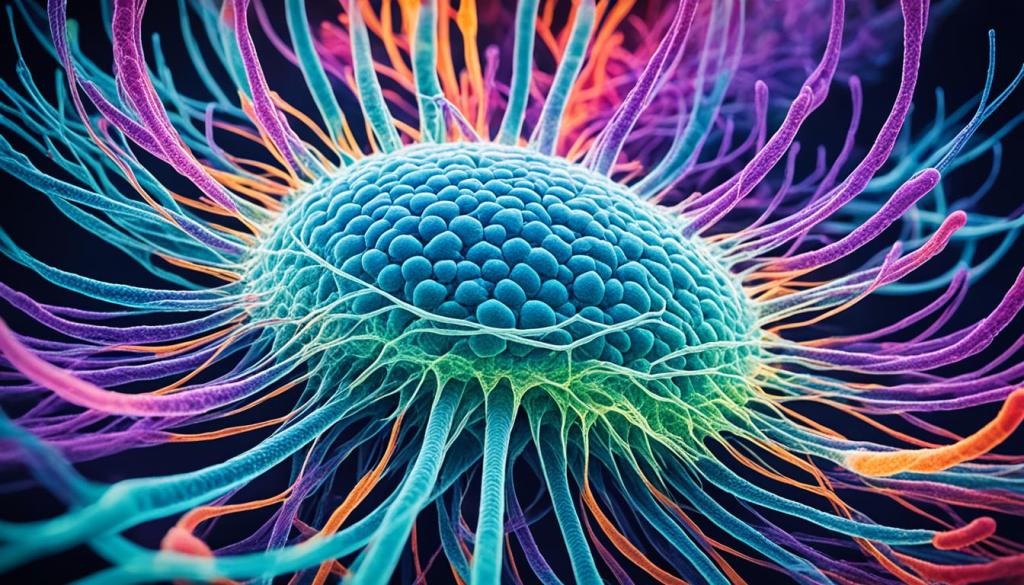
Induced pluripotent stem cells (iPSCs) offer huge hope in regenerative medicine. They come from reprogramming adult cells to be able to become many cell types. This makes them a key helper in fighting age-related diseases and helping with renewal.
iPSCs are making a big impact in treating old-age eye problems. Using iPSCs, scientists have made eye cells and restored sight in tests on animals. This is big news for those with issues like macular degeneration or retinitis pigmentosa.
But iPSCs’ usefulness is not limited to eyesight issues. They also show promise in treating a lot of other age-related problems, such as:
- Parkinson’s disease
- Arthritis
- Thymus shrinkage
- Lost teeth replacement
Scientists hope iPSCs can help make tailor-made treatments. These would fix the roots of age-related issues. The dream is to heal damaged areas and to fight the aging process, boosting health overall.
Yet, iPSCs come with their own set of hurdles. One big hurdle is the chance of iPSCs forming tumors if they grow out of control. Still, researchers are hard at work to make iPSC use safer and better.
| Age-Related Conditions | Application of iPSCs |
|---|---|
| Parkinson’s disease | Using iPSCs to produce dopamine-making neurons for implantation |
| Arthritis | Using iPSCs to regrow cartilage tissue |
| Thymus shrinkage | Using iPSCs to rebuild thymic tissue and help immune functions |
| Lost teeth | Using iPSCs to regrow dental tissue and fill in missing teeth |
Identifying Genetic Factors in Ageing

Studies show that specific genes can influence how we age and our health. This knowledge helps us learn about the process of ageing. It also shows us new ways to help people live longer.
One key gene is SERPINE1. It’s linked to better heart health, less diabetes, and longer life. People with a certain change in SERPINE1 usually have a healthier heart and better body sugar control.
This research is changing our ideas about ageing. It’s not just a mix of genes and environment. Some single genes play a big role too. Focusing on these genes might help us age healthily and live longer.
Knowing which genes affect ageing helps scientists see how things work. This helps them create specific ways to fight ageing. These methods could be more effective than ones used today.
{{
}}
But, ageing isn’t only about our genes. It’s also how we live and what’s around us. Things like our diet, how much we move, and managing stress are key. They work together with our genes to affect how we age and stay healthy.
In sum, spotting genetic factors in ageing teaches us a lot. It helps us find ways to age well and live longer. Yet, we must remember, ageing is complex. Both genes and our choices matter a lot.
Epigenetic Age and Anti-Aging Treatments
Epigenetics is about chemical changes in our DNA. It’s key to understanding aging. As we grow older, these changes in DNA, or epigenetic marks, shift. This gives us hints about our real biological age. Researchers use these marks to guess our epigenetic age. This shows the true state of our cells and tissues.
When it comes to health and how long we live, epigenetic age beats our birth date. It helps researchers find out more about getting older. This might lead to ways to slow or stop aging. Knowing our epigenetic age can guide the search for better anti-aging treatments.
By studying epigenetic age, scientists discovered key signs of aging and age-linked diseases. These signs show how our body wears over time. They also point towards ways to fight aging.
Fixing epigenetic marks could be a big leap in anti-aging. Scientists hope to improve how our cells work. This could boost how fast our body fixes and regenerates. The goal is better health and more energy. Such methods might help us not just slow aging. They could also ease problems like memory loss and heart issues.
Creating treatments that manage epigenetic changes is a new frontier. Scientists are working hard to understand epigenetics and aging better. We might see new, tailored ways to stay healthy as we age. This could help us live longer and better lives.
Lifestyle Factors and Biological Age
A person’s lifestyle choices can affect their biological age. By focusing on health and adopting good habits, you can slow aging and improve your biological age. The American Heart Association suggests eight guidelines to help with this.
These guidelines stress the need for activities that boost heart health. This also improves overall health and biological age. Key factors include:
- Healthy Eating: A diet focused on fruits, vegetables, whole grains, lean meats, and good fats is essential for good health and a younger biological age.
- Regular Physical Activity: Exercise doesn’t just help your heart; it also aids in weight control, muscle tone, flexibility, and feeling good overall.
- Managing Smoking: Quitting smoking or staying away from tobacco smoke lowers the chances of disease and early aging.
- Weight Management: Keeping a healthy weight by watching what you eat and staying active is key to health and fighting off diseases.
- Controlling Blood Pressure: It’s important to watch your blood pressure, take your medications, and cut back on salt to manage your heart health and aging.
- Lowering Cholesterol Levels: Eating right, exercising, and taking your doctor’s advice on medications keep your heart healthy and slow aging effects.
- Managing Blood Sugar: Balancing blood sugar with good food, exercise, and medicine when needed has a big impact on health and aging.
- Reducing Stress: De-stressing with mindfulness, meditation, or hobbies helps keep stress from harming your health and speeding up aging.
Following these guidelines and gradually improving your heart health can benefit all your organs. This effort slows down aging significantly. A healthy lifestyle helps lower your biological age and boost your health and longevity.
The Impact of Lifestyle on Biological Age
Many studies show lifestyle’s direct effect on biological age. Sticking to healthy living slows down how fast we age, in contrast to bad habits. This includes eating well, working out, and managing stress for better cell health, organ function, and longer life.
Quote: “Your lifestyle choices today determine your biological age tomorrow.”
Conclusion
Reversing aging has become a key focus in research. It gives us hope for looking and feeling younger. We’ve looked at many ways to slow or stop getting older.
Understanding the signs of aging and our genetics is important. Also, living a healthy life helps a lot. By doing things like eating better and trying new treatments, we can feel more youthful.
You have the power to slow down aging. Keep learning about staying young. Try new things to look and feel better. By doing this every day, you can live a more lively life.
FAQ
How can I reverse my biological age?
You can try several strategies to lower your biological age. These include dietary changes, learning from animals that hardly age, and focusing on key aspects of aging. For example, people are looking at how to lengthen telomeres and regrow the thymus. They’re also using special cells and genetics to turn back the clock. It’s all about healthy living too.
What is dietary restriction and how can it promote longevity?
Dietary restriction means eating fewer calories but staying healthy. Studies in animals show it makes them live longer and healthier lives. The same effect may happen in people. Scientists are looking into making drugs that copy this effect without the need to eat less.
What can we learn from animals that exhibit negligible senescence?
Certain animals, like tortoises and some fish, don’t age much. They have a steady risk of death throughout their lives. By studying them, scientists hope to find clues for humans. These clues could help slow down or even stop the aging process.
What are the hallmarks of aging and how are they targeted?
Aging involves several biological processes. To fight aging, scientists look at these processes. When they work on things like lengthening telomeres and growing back the thymus, they’re focusing on these processes.
How do telomeres play a role in aging, and can they be lengthened?
Telomeres at the end of our chromosomes protect our DNA. As we age, they get shorter. Shorter telomeres mean more age-related diseases. But, studies show we can lengthen telomeres safely. This research, done with mice, could also make them live longer.
Can the thymus be regrown to improve immune function?
The thymus shrinks as we get older, making us more prone to sickness. There are new ways to make it grow again, like with gene therapies and hormones. This doesn’t just help fight infections but could also make us appear younger on the inside.
How can induced pluripotent stem cells be used for age-related conditions?
iPSCs can be turned into different cell types. This ability holds promise for a wide range of age-related health issues. For example, they’re already being used to treat eye problems linked to aging. Now, scientists are looking at using them for more conditions, from Parkinson’s to arthritis, and helping grow back a shrinking thymus.
Are there specific genes that influence the aging process?
Yes, some genes can affect how we age and how healthy we are overall. A change in the SERPINE1 gene, for instance, is linked to better heart health and a longer life. By studying and targeting these genes, we might discover new paths to healthy aging.
Can epigenetic age be used as a predictor of health and lifespan?
Epigenetic age, tied to changes in our DNA, can say a lot about our true biological age. It’s a better measure of health and longevity than just how many years we’ve been alive. Knowing this could make finding and testing new ways to stay young more accurate and effective.
How can lifestyle factors influence biological age?
The way we live our lives can really change our biological age. Simple things, like eating well, keeping active, and sticking away from smoking and too much weight, make a big difference. These steps not only help our hearts but can slow down aging process in our whole body.
Source Links
- 14 Tips to Reverse Aging & Improve Your Biological Age | OrthoCarolina – https://www.orthocarolina.com/orthopedic-news/14-tips-to-improve-your-biological-age
- 8 ways to slow your biological aging, according to new research – https://www.nbcnews.com/health/heart-health/slow-your-biological-age-report-explains-how-rcna123594
- 10 breakthroughs that could soon slow or reverse your biological age – https://www.sciencefocus.com/the-human-body/the-race-to-stop-ageing-10-breakthroughs-that-will-help-us-grow-old-healthily



 trim down and shape up
Leave a comment