


In recent years, our view on dietary fat has changed a lot. What was once seen as bad is now seen as good for us. Many high-fat foods can actually make us healthier. Let’s look at ten tasty and healthy high-fat foods that are good for you. Remember, always think about any allergies or diet rules you have. For example, if you’re allergic to nuts, skip the walnuts. With that in mind, let’s dive into the world of healthy fats!
Key Takeaways
- Not all fats are harmful; many are essential for your health.
- High-fat foods can boost your nutrient intake, providing protein and vitamins.
- Including healthy fats like avocados and nuts can improve heart health.
- Dark chocolate and whole eggs offer not only flavor but nutritional benefits.
- Coconut oil is a versatile fat that may have unique health advantages.
Understanding Healthy Fats

Knowing about dietary fats is key to a balanced diet. Healthy fats include monounsaturated and polyunsaturated fats. These fats are vital for the body and are found in foods like avocados, olive oil, and fatty fish. They help keep the heart healthy and aid in nutrient absorption.
But, eating too much saturated and trans fats can be harmful. Saturated fats are in red meat and full-fat dairy and should make up less than 10% of your daily calories. Trans fats are in some processed foods and margarines and should be avoided because they’re linked to heart disease.
Choosing healthy fats and cutting down on saturated and trans fats makes for a better diet. This lets you enjoy a wide range of flavors and foods. Here’s a comparison of different fats to help you understand better:
| Type of Fat | Sources | Health Benefits | Health Risks |
|---|---|---|---|
| Monounsaturated Fats | Olive oil, avocados, nuts | Heart health, reduced inflammation | None |
| Polyunsaturated Fats | Fatty fish, flaxseeds, walnuts | Omega-3 and omega-6 fatty acids | None |
| Saturated Fats | Red meat, dairy products, coconut oil | Energy source | Increased heart disease risk if consumed excessively |
| Trans Fats | Processed foods, Fats in margarine | None | Significantly increased risk of heart disease |
Benefits of Including High-Fat Foods in Your Diet

Eating high-fat foods can be good for your health. One big plus is that they help you feel full longer. This makes it easier to manage your weight by cutting down on snacking.
Studies show that healthy fats are good for your heart. Foods like avocados, nuts, and fatty fish can lower the risk of heart disease. They also help keep your cholesterol levels in check and your blood pressure down.
High-fat foods also make sure you get the nutrients your body needs. They help your body use vitamins A, D, E, and K better. So, adding olive oil to your salad can make sure you get these important vitamins.
Healthy fats are also good for your brain. They give you the energy you need to stay sharp and focused. This makes them a key part of a diet that supports your overall health.
In short, high-fat foods have many benefits. They help your heart, aid in weight control, and make sure you get the nutrients you need. Choosing the right fats for your meals can make your diet more satisfying and nutritious.
| Benefit | Explanation |
|---|---|
| Promotes Satiety | Helps you feel fuller longer, aiding in weight management. |
| Supports Heart Health | Lowers the risk of cardiovascular diseases. |
| Enhances Nutrient Absorption | Improves the absorption of fat-soluble vitamins. |
| Boosts Cognitive Function | Provides sustained energy beneficial for brain health. |
Avocados: A Creamy Source of Healthy Fats

Avocados are not just tasty; they’re full of nutrients that boost your health. They’re loaded with healthy fats, potassium, fiber, and antioxidants. Adding avocados to your meals can greatly benefit your body.
Nutritional Profile of Avocados
Most of an avocado’s calories come from healthy fats, mainly monounsaturated fats. These fats are good for your heart. Plus, one avocado gives you about 975 mg of potassium. This is key for muscle function and keeping blood pressure in check.
Health Benefits of Avocados
Eating avocados regularly is good for your heart. The healthy fats can help lower cholesterol, which may reduce heart disease risk. The fiber in avocados supports a healthy gut. Also, the antioxidants in avocados can fight off diseases and boost your overall health.
Nuts: Nature’s Snack with Good Fats
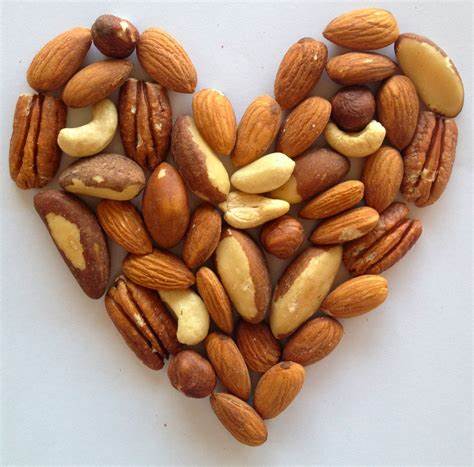
Nuts are packed with healthy fats, protein, and vitamins. They are great for your health and easy to add to your diet. With their many types and flavors, nuts are a tasty way to get important nutrients.
Types of Nuts to Include
- Almonds
- Walnuts
- Macadamia Nuts
- Pistachios
- Cashews
Health Benefits of Eating Nuts
Eating nuts is good for your health. They are full of healthy fats that help your heart. They also have a lot of magnesium, which is important for your body.
Nuts are high in fiber and protein, making them a great snack. Eating nuts often can help prevent heart disease. They can lower your cholesterol and reduce inflammation.
Fatty Fish: Omega-3 Powerhouses

Fatty fish are packed with omega-3 fatty acids, which are key for your health. Salmon, mackerel, sardines, and anchovies are great sources of these fats. Eating fatty fish can boost your heart health and brain function.
Varieties of Fatty Fish
- Salmon
- Mackerel
- Sardines
- Anchovies
Heart Health Benefits of Fatty Fish
Eating fatty fish often can lower your risk of heart disease. Omega-3s in these fish help your heart by making blood pressure go down and triglyceride levels drop. These fats also help your brain work better, making fatty fish good for your brain health as you get older.
| Type of Fish | Serving Size | Omega-3 Content (g) | Heart Disease Risk Reduction |
|---|---|---|---|
| Salmon | 3.5 ounces | 2.2 | Significant |
| Mackerel | 3.5 ounces | 4.0 | High |
| Sardines | 3.5 ounces | 2.2 | Moderate |
| Anchovies | 3.5 ounces | 2.3 | Moderate |
Olive Oil: A Kitchen Staple for Healthy Cooking

Olive oil is a key part of heart-healthy cooking. It’s known for its rich taste and health perks. It’s a big part of the Mediterranean diet, full of monounsaturated fats and antioxidants. These make it great for cooking and keeping you healthy.
Choosing the Right Type of Olive Oil
Choosing the best olive oil is important for your cooking and health. Always go for extra virgin olive oil, made through cold-pressing. This keeps nutrients and flavors in. Choose oils labeled as organic or minimally processed for more benefits. Check the origin and harvest date to ensure quality.
Health Benefits of Olive Oil
Olive oil is packed with health perks. Its fats help lower bad cholesterol, cutting heart disease risk. It’s full of antioxidants that fight stress and inflammation. Eating it often helps keep your body healthy and supports a balanced diet.
Use olive oil in salad dressings or on veggies for extra flavor and health perks. See olive oil as a key ingredient that boosts taste and supports heart health.
| Type of Olive Oil | Flavor Profile | Health Benefits |
|---|---|---|
| Extra Virgin Olive Oil | Fruity, robust | High in antioxidants, anti-inflammatory |
| Pure Olive Oil | Milder, less robust | Retains some health benefits |
| Light Olive Oil | Very light, neutral | Lower in nutrients, used for high-heat cooking |
Cheese: A Nutritious Dairy Delight

Cheese comes in many flavors and textures, making it a great addition to meals. Choosing full-fat dairy cheese can be a healthy choice. Each type of cheese has its own benefits and tastes, adding to your meals and providing important nutrients.
Varieties to Consider
- Cheddar
- Swiss
- Brie
- Feta
- Mozzarella
Nutritional Benefits of Cheese
Cheese is packed with nutrients, making it good for your diet. It’s high in calcium, which is key for strong bones. Cheese also has a lot of protein, which helps you feel full and can help with weight control. Plus, it’s a great source of vitamin B12, important for energy and making red blood cells. Adding cheddar or mozzarella to your meals can make them tasty and nutritious.
Dark Chocolate: The Healthiest Indulgence

Enjoying dark chocolate can be a guilt-free treat, especially if it’s at least 70% cocoa. This sweet delight is full of nutrients and compounds that are good for you. Choosing the right dark chocolate can make your treat even better for your health.
Choosing Quality Dark Chocolate
When picking dark chocolate, go for products with a high cocoa content. At least 70% cocoa means more flavonoids and antioxidants. Check the ingredients for less sugar and no artificial stuff. Choose brands that share where they get their cocoa beans from for better taste and health perks.
Health Benefits of Dark Chocolate
Dark chocolate is known for its health benefits. It’s full of antioxidants that fight off harmful free radicals. The flavonoids in it help keep your heart healthy by improving blood flow and lowering blood pressure. Eating it in small amounts can also make you sharper and more focused.
Adding dark chocolate to your diet can be a tasty way to stay healthy. Just remember to enjoy it in moderation to get the most benefits without eating too much.
| Component | Amount per 100g (70% cocoa) |
|---|---|
| Flavonoids | 300-600 mg |
| Antioxidants | Up to 1,000 µmol TE |
| Sugar | 24 g |
| Calories | 600 kcal |
| Fat | 43 g |
Whole Eggs: A Nutrient-Dense Food

Whole eggs are a top choice for those looking for a nutrient-rich food. They are a great protein source, giving you all the essential amino acids your body needs. This makes them perfect for athletes and anyone wanting to boost their protein intake.
Whole eggs are also full of vitamins and minerals. Choline is a key nutrient found in eggs, vital for brain health and function. Eating just one egg can help meet your daily choline needs, supporting better brain performance.
Some worry about the cholesterol in whole eggs, thinking it might raise blood cholesterol. But recent studies show that moderate egg consumption doesn’t harm heart health for most people. Eggs can actually be a healthy part of your diet.
Adding whole eggs to your meals is easy and flexible. You can boil, scramble, or poach them. This makes them simple to include in breakfast, lunch, or dinner.
Full-Fat Greek Yogurt: Supporting Gut Health
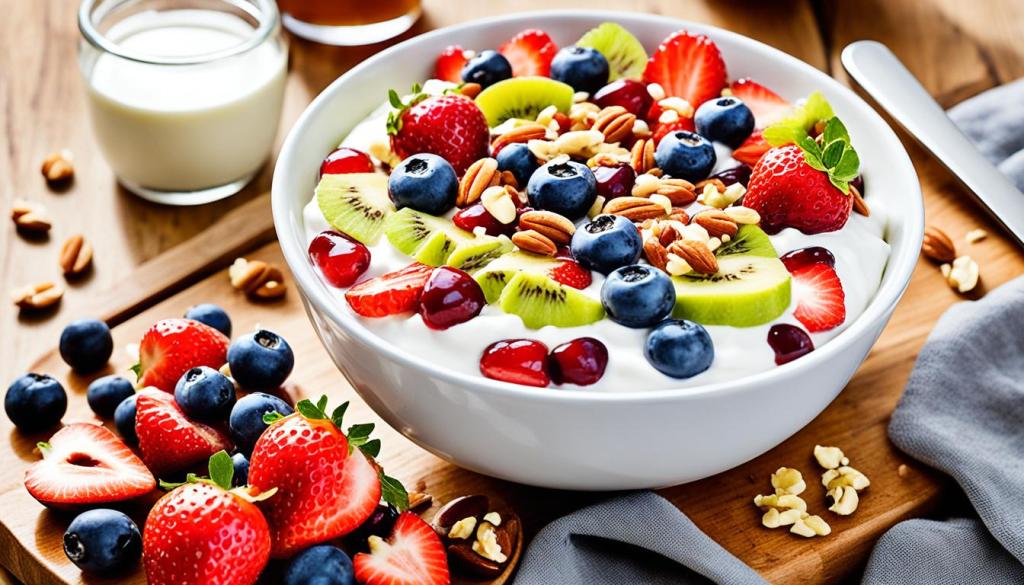
Full-fat Greek yogurt is a great food for gut health. It’s full of probiotics, which help your gut stay healthy. This yogurt is creamy and tasty, making it a great choice for your meals.
Probiotics and Their Benefits
Probiotics are live bacteria that are good for your gut. Full-fat Greek yogurt has lots of these good bacteria. They help keep your gut balanced.
A healthy gut means better nutrient absorption and a stronger immune system. It might also help prevent stomach problems. You might feel less bloated and have regular bowel movements if you eat more full-fat Greek yogurt.
Nutritional Comparison to Low-Fat Yogurt
Full-fat Greek yogurt is different from low-fat yogurt in many ways. Here’s a look at the nutritional differences:
| Nutrient | Full-Fat Greek Yogurt (per 100g) | Low-Fat Yogurt (per 100g) |
|---|---|---|
| Calories | 120 | 70 |
| Protein | 9g | 6g |
| Total Fat | 7g | 1.5g |
| Saturated Fat | 4g | 0.5g |
| Probiotics | High | Moderate |
Full-fat Greek yogurt has more protein and healthy fats than low-fat yogurt. These fats help you feel full for longer. They also help your body absorb nutrients better.
Coconut and Coconut Oil: Unique Sources of Fat

Coconut and coconut oil are top choices for those looking for health benefits. They are full of medium-chain triglycerides (MCTs). These MCTs are quickly used by the body for energy. This makes them great for athletes and anyone wanting to speed up their metabolism.
Adding coconut oil to your meals is easy and good for you. It can handle high heat, perfect for frying or sautéing. You can also put coconut in smoothies, baked goods, or use it as a spread. This oil not only tastes great but also adds healthy fats to your diet.
Here’s a table to show you the main points of coconut and coconut oil:
| Criteria | Coconut | Coconut Oil |
|---|---|---|
| Fat Content | High in saturated fat | 100% fat (high in MCTs) |
| Calories (per 100g) | 354 | 892 |
| Health Benefits | Rich in fiber, good for digestion | Promotes fat burning, improves metabolism |
| Cooking Uses | Raw, grated, or in recipes | Frying, sautéing, baking |
| Fat Type | Saturated | Saturated (MCTs) |
Adding coconut and coconut oil to your meals can help you get more nutrients. It also supports healthy weight and energy levels. Their special mix makes them a great choice for any healthy diet.
10 High-Fat, Good Foods to Consider
Adding high-fat foods to your diet can make your nutrition better. These foods give you essential fatty acids and add flavor and texture to your meals. By using different sources of healthy fats, your meals will be more interesting and varied.
Benefits of a Balanced Fat Intake
Eating healthy fats is good for your body. They help make hormones and absorb nutrients. Foods like avocados, nuts, and olive oil can lower bad cholesterol. This can improve your heart health, brain function, and overall health.
How to Incorporate These Foods into Your Diet
Here are ways to add high-fat foods to your meals:
- Use olive oil as a base for salad dressings or cooking.
- Snack on a mix of nuts for a nutritious pick-me-up.
- Add slices of avocado to sandwiches or salads for creaminess.
- Include fatty fish, like salmon, in your weekly meal prep for their omega-3 benefits.
- Enjoy full-fat yogurt with fruits for a satisfying breakfast or snack.
Conclusion
Adding high-fat foods to your diet can boost your nutrition and health. It’s key to know that not all fats are the same. Choose healthy fats from sources like avocados, nuts, and fatty fish instead.
These foods help follow modern dietary guidelines. They make your diet more balanced and fulfilling. By doing this, you can enjoy a diet that’s good for you.
Changing how you see fat can improve your eating habits. Healthy fats are important for good nutrition. So, add them to your meals thoughtfully.
Remember, eating in moderation and variety is key. Including different high-fat foods is good for your health over time.
Choosing nutrient-rich high-fat foods helps you make better food choices. Focus on quality fats and balance in your diet. This approach can lead to better health and happiness.
FAQ
Are all high-fat foods unhealthy?
No, not all high-fat foods are unhealthy. Foods like avocados, nuts, and fatty fish are good for you. They give you important nutrients and healthy fats.
What are healthy fats?
Healthy fats include monounsaturated and polyunsaturated fats. You can find them in olive oil, avocados, nuts, and fatty fish. These fats are good for your body. They help your heart stay healthy and support many body functions.
How can high-fat foods aid in weight management?
High-fat foods make you feel full for a long time. This can help control hunger and aid in weight management. When eaten as part of a balanced diet, they can be very helpful.
What types of fats should I limit in my diet?
You should limit saturated fats and trans fats. Eating too much of these can increase health risks, like heart disease. Try to keep saturated fats under 10% of your daily calories.
Can consuming whole eggs impact cholesterol levels?
Studies show that whole eggs can be healthy for most people. They don’t raise blood cholesterol levels. Eggs are packed with protein and important vitamins.
What are some benefits of omega-3 fatty acids?
Omega-3 fatty acids are found in fatty fish and seeds. They improve heart health, reduce inflammation, and boost brain function.
How can I include more high-fat foods in my diet?
Add avocados to salads, snack on nuts, and use olive oil for cooking. Include fatty fish in your meals. Enjoy dark chocolate or full-fat yogurt in small amounts too.
Is full-fat dairy better than low-fat options?
Full-fat dairy products like full-fat Greek yogurt and cheese have more nutrients. They include fat-soluble vitamins and help you feel fuller longer than low-fat versions.
What are the health benefits of dark chocolate?
Dark chocolate with at least 70% cocoa is full of antioxidants and flavonoids. These can help your heart and improve your brain function when eaten in moderation.
What makes coconut oil unique among fats?
Coconut oil is full of medium-chain triglycerides (MCTs). These can help increase your metabolism and support weight control. It’s great for cooking and has many health benefits.
Source Links
- Foods High in Fats – https://www.webmd.com/diet/foods-high-in-fats
- Healthy fats: 12 high fat foods to eat – https://www.medicalnewstoday.com/articles/322295
- 9 High Fat Foods That Are Actually Super Healthy – https://www.healthline.com/nutrition/10-super-healthy-high-fat-foods



 trim down and shape up
Leave a comment