


Have you ever wondered why some American foods are banned in other countries? Mountain Dew, a popular citrus-flavored soft drink, is one example. It’s been banned in nearly 30 nations because of its ingredients. These ingredients are okay in the U.S. but not elsewhere.
This article will explore why Mountain Dew and other American foods are banned abroad. We’ll look into the world of food safety and what makes some foods illegal in other countries.
Key Takeaways
- Mountain Dew features controversial ingredients leading to international bans.
- Many American favorites are deemed unsafe and banned in other countries.
- The U.S. has lenient standards on food additives compared to global regulations.
- Understanding banned foods can inform your choices as a consumer.
- Awareness of the health implications associated with certain ingredients is essential.
Introduction to Banned Foods
Banned foods are interesting, showing how countries protect public health with food safety standards. Each nation has its own rules for what foods are allowed. This includes the U.S., where some foods are okay but not everywhere else.
In the U.S., some food additives are okay, but not in Europe or other places. This shows how different countries have different rules for food. It makes us think about the risks of certain foods and our right to know what we eat.
Looking into why foods are banned can change how we see what’s safe to eat. It’s not just about health risks. It’s also about being open with consumers and giving them choices.
Why Mountain Dew is Banned in Many Countries
Mountain Dew is known worldwide, mostly because of its ingredients like brominated vegetable oil. These ingredients explain why many countries have banned it.
Ingredients of Concern
Mountain Dew’s ingredients make health-conscious people worried. Some additives don’t meet safety levels in other countries. This leads to questions about the safety of drinking it over time. Many foods banned abroad have similar ingredients, causing health worries.
The Impact of Brominated Vegetable Oil (BVO)
Brominated vegetable oil is used in citrus-flavored drinks as an emulsifier. But, its health risks are a big concern. Bromine can build up in the body, causing nerve and skin problems. This has led to debates about Mountain Dew’s safety in the U.S., where it’s allowed but banned in places like the European Union and Japan.
| Ingredient | Function | Health Risks | Banned In |
|---|---|---|---|
| Brominated Vegetable Oil (BVO) | Emulsifier | Memory loss, skin irritation | EU, Japan |
| High Fructose Corn Syrup | Sweetener | Obesity, diabetes | N/A |
| Caffeine | Stimulant | Dependency issues, anxiety | N/A |
Common U.S. Foods Banned in Other Countries
Many American foods are not allowed in other countries because of strict food safety rules. These foods often have additives that can be harmful to health. It’s important to know why some foods from the U.S. are banned in other places.
Health Risks Associated with Food Additives
Food additives can be dangerous, which is why some countries ban them. Coloring agents like Red Dye 3 and preservatives such as BHA and BHT are examples. They help make foods last longer or look better. But, studies suggest they might even cause cancer, leading countries to be more careful.
The Role of the FDA and Global Standards
The FDA checks food safety in the U.S., but its rules are different from those around the world. For example, the European Union is more cautious, banning some food additives as a precaution. This shows how U.S. and global food safety standards can vary. Here’s a look at some American foods and their status in other countries:
| Food Item | Status in the U.S. | Status Internationally |
|---|---|---|
| Mountain Dew | Permissible | Banned in 30+ countries |
| Red Velvet Cake | Permissible | Contains banned food dyes in EU |
| Processed Cheddar Cheese | Permissible | Restricted in several countries |
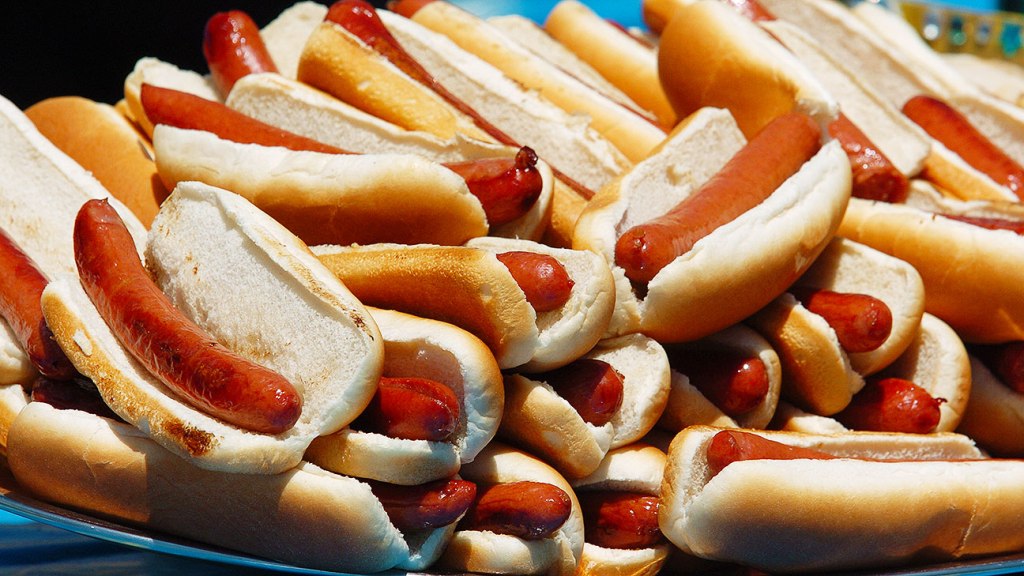
| Hot Dogs | Permissible | Contains banned preservatives in EU |
Ingredients in Mountain Dew that Raise Eyebrows
Mountain Dew is known for its bold taste and high caffeine levels. It has 54 milligrams of caffeine in a 12-ounce can, more than Coca-Cola and Pepsi. This makes people wonder about the soda health risks from drinking it too much.
Caffeine Levels Compared to Other Sodas
The Mountain Dew caffeine levels get a lot of attention, especially when compared to other sodas. Here’s a chart showing how much caffeine is in some popular drinks:
| Drink | Caffeine (mg) per 12 oz |
|---|---|
| Mountain Dew | 54 |
| Coca-Cola | 34 |
| Pepsi | 38 |
| Dr Pepper | 41 |
| Root Beer | 0 |
Controversies Surrounding Health Risks
Mountain Dew also has some controversial food ingredients that worry people. These ingredients can be bad for your health if you drink it a lot. For instance, some artificial colors and sweeteners in Mountain Dew make health experts uneasy.
Drinking a lot of high-caffeine drinks can lead to addiction and might be bad for your heart. Since Mountain Dew is marketed towards young people, this raises more health concerns.
Little Debbie Swiss Rolls: A Delicious Treat with Restrictions
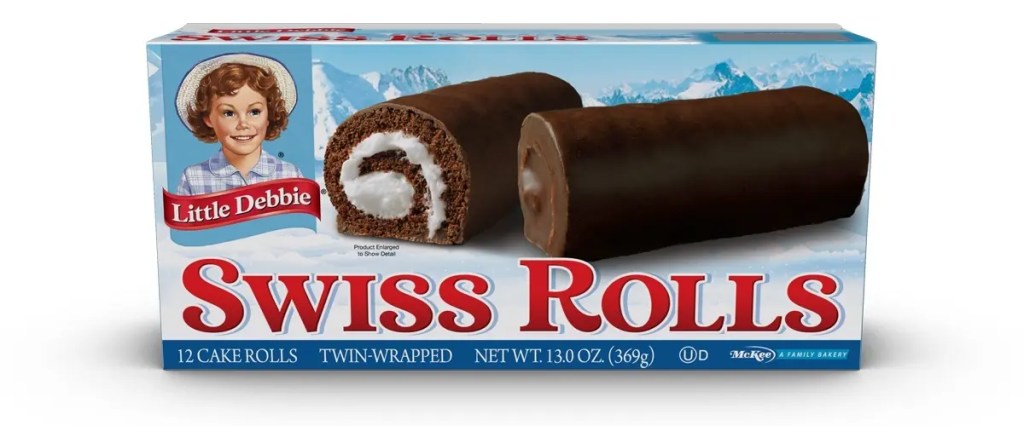
Little Debbie Swiss Rolls are a favorite snack in the U.S. They are known for their rich taste and attractive look. But, they are not allowed in some parts of the world because of certain ingredients.
Why They Face Bans in Certain Parts of the World
The main issue with Little Debbie Swiss Rolls is their artificial food dyes. Ingredients like Yellow 5 and Red 40 are under close watch. In the European Union, snacks with these dyes need warning labels because of health risks.
Studies show that these food dyes can affect young children’s behavior. People in countries focusing on health want to know what’s in their food. There’s ongoing debate about the safety and need for these additives, making many avoid snacks with them.
Knowing what’s in snacks like Little Debbie Swiss Rolls helps you make better choices. Here’s a table showing the issues with these food dyes:
| Food Dye | Common Uses | Health Concerns |
|---|---|---|
| Yellow 5 | Snack cakes, candies | Possible hyperactivity in children |
| Red 40 | Soft drinks, gelatin desserts | Allergic reactions; behavioral problems |
Breakfast Cereals: Frosted Flakes and Rice Krispies
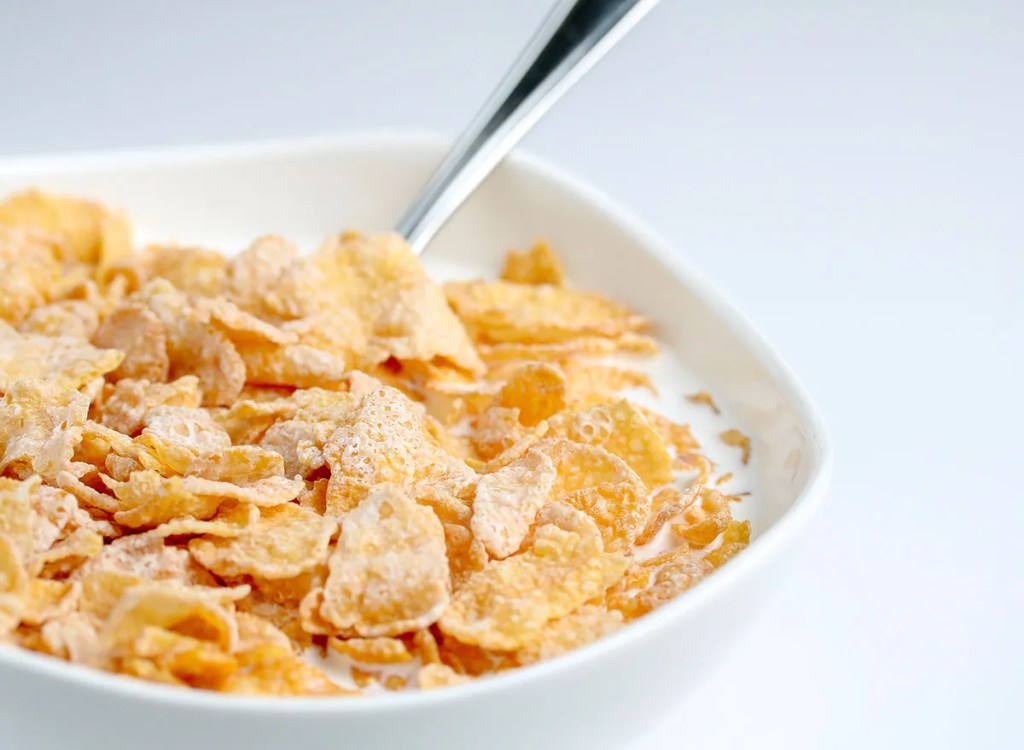
Breakfast cereals are a big part of many American diets. Frosted Flakes and Rice Krispies are among the favorites. But, concerns about their additives have made people think about food safety. BHT, a preservative, is in many products but has health risks.
Banned Additives and Their Risks
In Europe and Japan, BHT has led to some cereals being banned. This has sparked debates on health and safety. While there’s no clear proof that BHT causes cancer, its presence in cereals like Frosted Flakes and Rice Krispies worries many.
As consumers, it’s important to think about what we eat. Knowing what’s in our breakfast can help us make better choices. We should consider the health risks of BHT when choosing quick breakfast options.
Skittles, Gatorade, and Labeled Additives
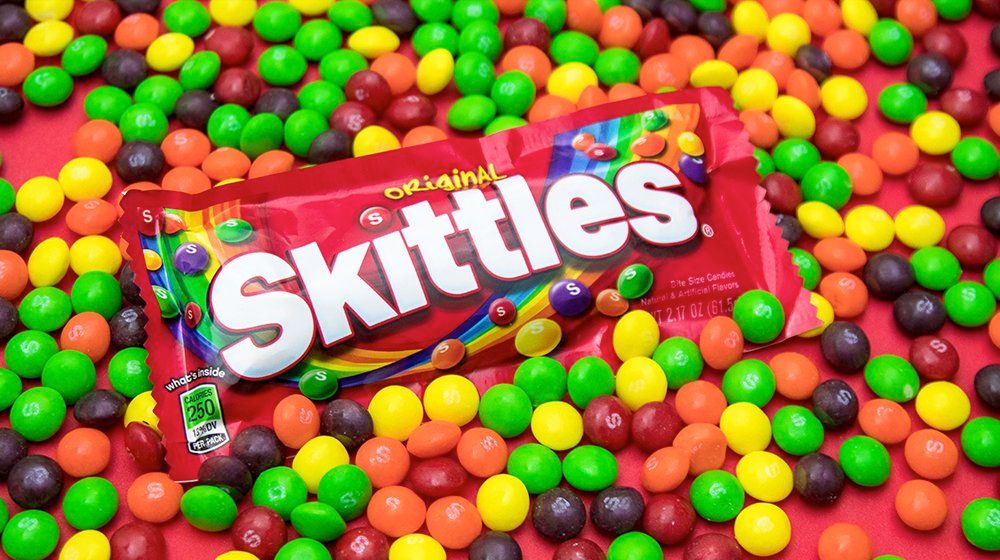
Skittles and Gatorade are favorites in the U.S., often in homes and stores. They have artificial ingredients, like banned food dyes Yellow 5 and Red 40. These dyes make them look more appealing, but there are growing worries about their health effects.
In places like the European Union, these additives are banned in baby foods. This shows a big concern about their health risks. In the U.S., not all foods clearly list these additives, so people might not know what they’re eating.
As more people learn about the dangers of banned food dyes, asking for clear food labels is key. By knowing what’s in Skittles and Gatorade, you can choose better. This helps avoid risks from some artificial ingredients.
Farm-Raised Salmon: What You Need to Know
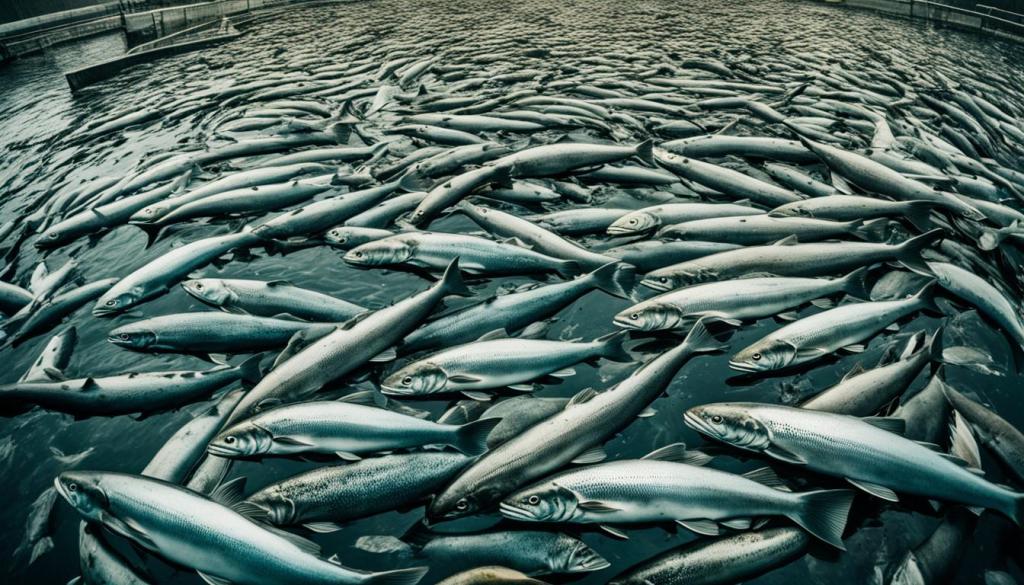
Learning about farm-raised salmon is key to making smart food choices. In the U.S., more people are eating salmon because of its vibrant color and taste. However, the use of astaxanthin, a pigment, in U.S. farm-raised salmon is a topic of debate. This is not allowed in countries like Australia and New Zealand. This difference highlights concerns about the quality and safety of the fish we eat.
Differences in Farming Practices Between the U.S. and Other Nations
Farm-raised salmon is raised in various ways, affecting its health and nutrition. In the U.S., astaxanthin is often added to make the salmon look better. But, other countries like Australia and New Zealand prefer natural feeding methods for healthier fish.
Here are some key differences in salmon farming practices:
| Aspect | United States | Australia/New Zealand |
|---|---|---|
| Astaxanthin Use | Widely used to enhance color | Prohibited |
| Feeding Practices | Supplemented with artificial pigments | Emphasizes natural diets |
| Regulatory Framework | Less stringent | Strict safety regulations |
| Environmental Impact | Mixed reviews | Focus on sustainable practices |
The way salmon is farmed can affect its look, our health, and the environment. Knowing about these differences can help you choose better when buying farm-raised salmon.
Chicken and Meat Production: Practices Banned Abroad
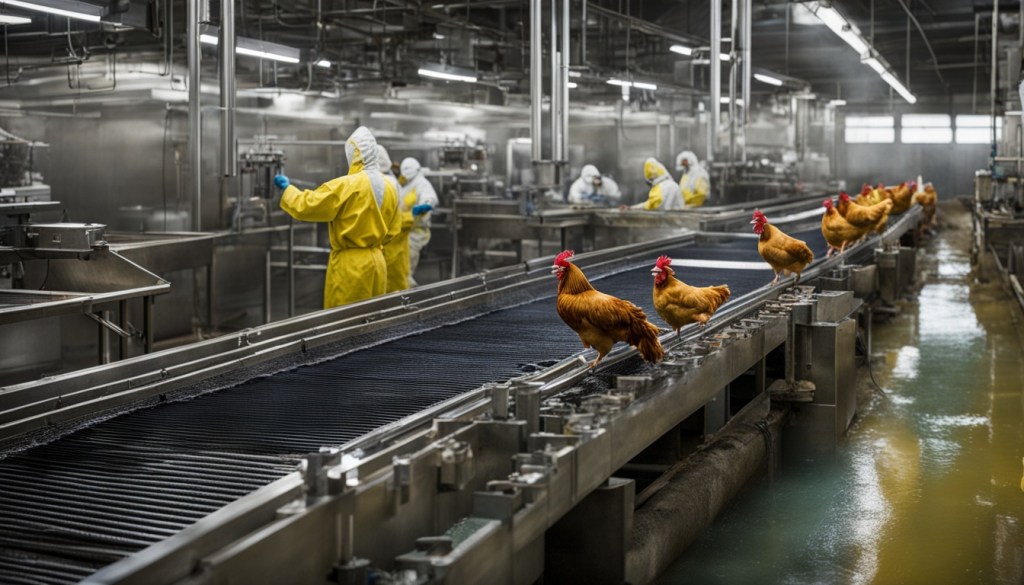
Chicken production has faced a lot of scrutiny for its safety and treatment of animals. Some methods used in the U.S. have been criticized by other countries. This includes the use of chlorinated chicken and ractopamine meat, which are banned in many places.
Chlorinated Chicken and Ractopamine Concerns
In the U.S., treating poultry with chlorine is common to reduce harmful germs. But, this practice has caused a lot of anger in the U.K. and EU. They see it as unsafe and cruel. There’s a big debate about its health effects, which affects how people view U.S. meat.
Ractopamine is another big issue. It’s a growth booster given to animals but is banned in 160 countries because of health worries. It raises questions about how these practices impact the global market. Some countries have strict rules that challenge how the U.S. produces meat.
| Practice | U.S. Status | International Status |
|---|---|---|
| Chlorinated Chicken | Permitted | Banned in U.K. and EU |
| Ractopamine | Permitted | Banned in 160 countries |
Foods Banned in America: An Overview
In the U.S., food safety rules are complex. Some foods are okay, but others are banned for health reasons. This overview will look at the foods banned in America. It will also explore why they are banned and compare them with other countries.
Why Some Foods Are Restricted Domestically
Some restricted food items in the U.S. might seem strange to others. Raw milk and unregulated cheese can be risky, so they’re banned. These foods can cause contamination and make people sick. This is why they’re not allowed in the U.S.
Comparative Analysis with Banned Foods Abroad
Looking at banned foods in America and other countries shows different safety rules. For example, the U.S. bans some items, but other countries don’t allow hormones in beef or artificial additives in snacks. These differences show how countries have different ways of keeping consumers safe.
To see these differences, here’s a table with banned foods in America and their international counterparts.
| Food Item | Banned In | Reason for Ban |
|---|---|---|
| Raw Milk | USA | Risk of bacterial contamination |
| Haggis | USA | Contains sheep lung, health concerns |
| Hormone-treated beef | EU, Canada | Potential health risks to consumers |
| Certain food colorings | EU | Linked to hyperactivity in children |
Conclusion
The world has different food safety standards, showing big differences in what’s allowed and what’s not. Foods like Mountain Dew and Little Debbie Swiss Rolls are banned in some places, making us think about what’s okay in one country but not another. This shows how important it is to know what we eat and to be careful with our food choices.
Learning why these foods are banned helps us understand different cultures and their food rules. It also makes us think about the risks some ingredients might have. This leads to talks about public health and keeping ourselves safe. What’s safe in the U.S. might not be safe in other countries.
Think about how these rules affect what you eat and what choices you have. When you look at the food on the shelves, think about why some foods are banned. Try to be more aware of what you eat to live a healthier life.
FAQ
Why is Mountain Dew banned in other countries?
Mountain Dew has brominated vegetable oil (BVO) as an emulsifier. This is banned in many countries because of health worries. These worries include memory loss and skin irritation.
Which American foods are commonly banned in other countries?
Foods like Little Debbie Swiss Rolls are banned because of artificial dyes. Cereals like Frosted Flakes and Rice Krispies have BHT, which is also banned. And farm-raised salmon is fed astaxanthin, which is not allowed in some places.
What are the health risks associated with food additives in U.S. products?
Additives like artificial dyes, BVO, and preservatives can be harmful. They may cause cancer, affect children’s behavior, and lead to other health problems.
How does U.S. food safety compare to that of other countries?
The U.S. has less strict rules on food additives than many European countries. This means foods like ractopamine-treated chicken and chlorinated chicken are allowed. These are banned in other areas for safety reasons.
What makes Little Debbie Swiss Rolls controversial?
Little Debbie Swiss Rolls use artificial dyes like Yellow 5 and Red 40. These dyes are linked to health issues and need warning labels in the EU. This has led to bans in some countries.
What are the regulations surrounding breakfast cereals in the U.S.?
Cereals like Frosted Flakes and Rice Krispies often have BHT, a banned preservative in many countries. This raises safety concerns in the U.S.
Are ingredients in Skittles and Gatorade safe?
Skittles and Gatorade use artificial dyes like Yellow 5 and Red 40. These dyes are banned in some countries for health reasons. This has sparked debates on safety and transparency in labeling.
Why is farm-raised salmon criticized?
In the U.S., farm-raised salmon gets astaxanthin to look better. This is not allowed in countries like Australia and New Zealand. It raises questions about the fish’s nutritional value and safety for American consumers.
What is the significance of chlorinated chicken and ractopamine?
Chlorinated chicken is cleaned with chlorine, and ractopamine is a growth drug for animals. Both are banned in the EU and other countries for animal welfare and food safety concerns.
What foods are banned in America?
Foods like raw milk and haggis are restricted in the U.S. for health reasons. This shows the U.S. has different rules than countries that ban foods for health and safety.
Source Links
- The Surprising Reason Mountain Dew Is Banned In Other Countries – Mashed – https://www.mashed.com/466632/the-surprising-reason-mountain-dew-is-banned-in-other-countries/
- Common US foods that are banned in other countries – https://stacker.com/food-drink/common-us-foods-are-banned-other-countries
- 23 Foods Banned Around the World – https://www.newsweek.com/foods-banned-around-world-marmite-mountain-dew-1615083

 trim down and shape up
Leave a comment