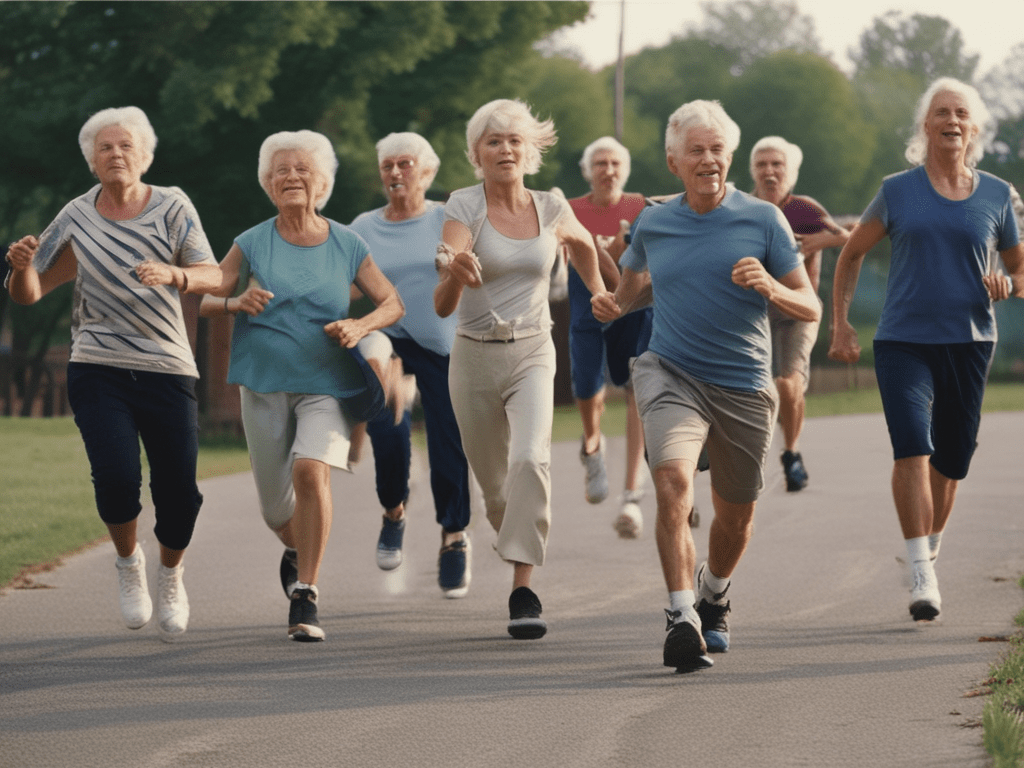


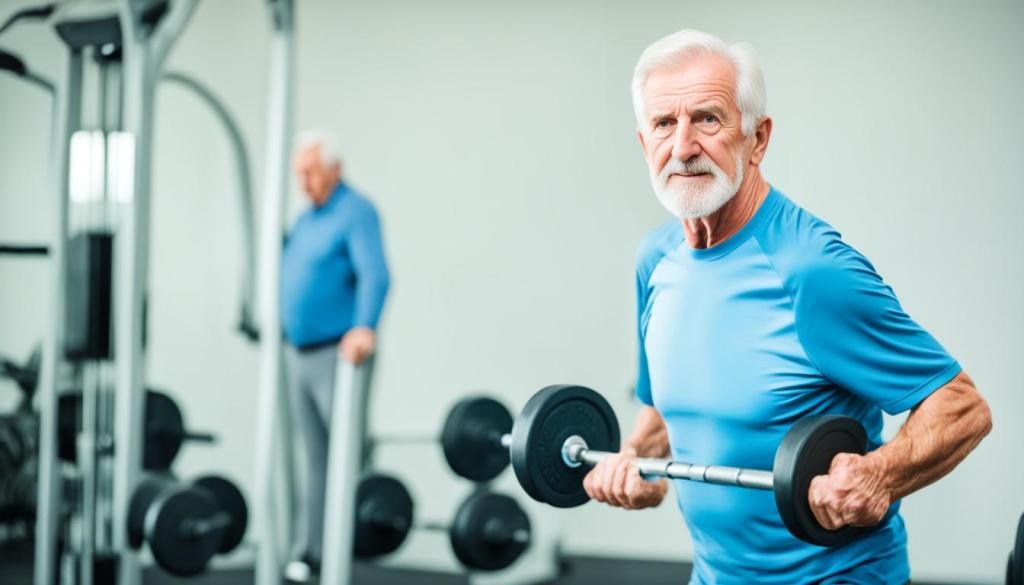
When you turn 60, your fitness goals change. You need to think differently about health and exercise. What worked in your 30s or 40s might not work now. You face new challenges, and avoiding fitness mistakes is key to staying safe and healthy.
This section will cover the top mistakes seniors make in fitness. We’ll show how these errors can hurt your health. By knowing these mistakes, you can keep up with exercise safely and effectively.
Key Takeaways
- Understand the importance of tailored fitness plans.
- Avoid overloading your body with high-impact exercises.
- Recognize the necessity of strength training for muscle health.
- Prioritize hydration to prevent dehydration.
- Focus on flexibility and balance to maintain stability.
- Set realistic, achievable fitness goals to ensure progress.
Understanding the Importance of Fitness After 60
Regular physical activity is key for those over 60. It boosts muscle strength and bone density, crucial for staying healthy. This helps prevent falls and makes daily tasks easier.
Exercise is vital for seniors, boosting heart health. It cuts the risk of heart disease and other common health issues. This makes exercise a strong ally against these conditions, helping you live longer and feel better.
Physical activity also benefits mental health. It can lift your mood and sharpen your mind, encouraging socializing and fighting loneliness. This shows how exercise does more than just keep the body fit; it also feeds the mind.
Exercise helps with sleep too. Being active during the day leads to better sleep at night. This means your body and mind get a full recharge. Sticking to a fitness plan can also lower stress and enhance your life quality.
| Benefits of Physical Activity | Impact on Health in Older Adults |
|---|---|
| Improved Muscle Strength | Enhances mobility and reduces fall risk |
| Better Cardiovascular Health | Reduces the risk of chronic diseases |
| Enhanced Mental Well-Being | Improves mood and cognitive functions |
| Quality Sleep | Promotes restful nights and better recovery |
| Reduced Stress Levels | Improves overall life satisfaction |
Not Consulting a Professional for Guidance

Many older adults don’t see the value in getting fitness advice before starting to work out. A certified personal trainer for seniors can really change things. They know how to make fitness plans that fit your needs and abilities.
This means exercises are safe and work well, reducing the chance of getting hurt.
It’s key to talk to a fitness expert, especially if you have health issues or worry about pain and balance. A pro can teach you how to exercise right and keep you motivated. This helps you move forward safely and healthily.
Talking to doctors before starting to exercise is also a smart move. It makes sure you’re doing things right for your health. This way, you get advice that’s just for you, making you feel better overall.
Fitness Mistakes People Over 60 Should Avoid
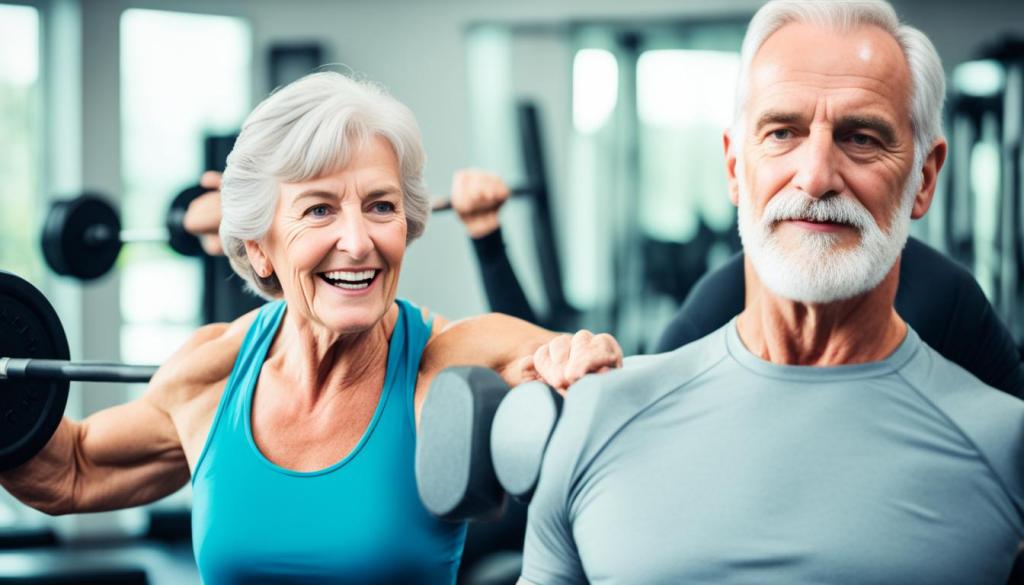
As you get older, your body has different needs. It’s key to understand these needs to make a good fitness plan. You should look at your health, fitness level, and any medicines that might change how you move.
Not thinking about these things can lead to injuries or not making progress.
Recognizing Individual Needs
Everyone has their own fitness goals and levels. Things that affect your fitness plan include:
- Medical history
- Physical or mobility limitations
- Previous exercise experiences
Ignoring these differences can make working out hard and stop you from moving forward. It’s important to make your workouts fit you. This way, you’ll stay safe and motivated, helping you reach your goals.
Importance of Tailored Fitness Plans
Creating workout plans just for seniors helps you get the best results. A one-plan-fits-all approach can make you lose interest and motivation. Customized programs keep you committed and make it easier to stick with it. They might include:
- Low-impact cardio activities
- Strength training made for seniors
- Flexibility and balance exercises
Good, customized workout plans make your path to better health smoother. Each workout should match your goals and what you like. This way, you can keep up with fitness for a long time.
| Fitness Level | Recommended Activities | Benefits |
|---|---|---|
| Beginner | Walking, light stretching | Improves endurance, flexibility |
| Intermediate | Swimming, moderate strength training | Enhances muscle strength, cardiovascular health |
| Advanced | Yoga, high-intensity cycling | Boosts balance, agility, and mental wellness |
Skipping Warm-Ups: A Recipe for Injury

Many people don’t see the importance of warm-ups, especially as they get older. Skipping these exercises can lead to more injuries. It makes workouts less effective and less fun. As you age, your body needs more care when you’re active.
A good warm-up includes dynamic movements that get your muscles and joints ready for harder exercises. This helps improve blood flow and flexibility, which are key for injury prevention for seniors. Choose light aerobic exercises or dynamic stretches instead of static ones. These help raise your heart rate and make your muscles more flexible.
Experts recommend spending about 10 minutes on warming up. This short time can greatly improve how well you perform and stay safe while working out. By doing warm-up exercises, you boost your energy and reduce the risk of strains or sprains. Paying attention to your warm-up can make a big difference in your fitness journey.
Ignoring Strength Training

Strength training is key to staying healthy as you get older. It helps older adults keep their independence and quality of life. By focusing on muscle strength, you also improve your daily activities.
Benefits of Muscle Health
Strength training is very important for seniors. It brings many benefits:
- Improved Bone Density: It helps prevent osteoporosis.
- Enhanced Metabolism: It boosts your metabolic rate.
- Better Balance: It lowers the chance of falling.
- Functional Strength: It makes everyday tasks easier.
How to Start Strength Training Safely
Starting strength training as an older adult should be done carefully. Here are steps to follow for safe exercises:
- Talk to a healthcare provider before starting a new exercise plan.
- Start with exercises that use your body weight or resistance bands.
- Pay attention to how you move to avoid getting hurt.
- Slowly increase how hard you exercise as you get more comfortable.
Adding strength training to your routine can greatly improve your life. By knowing the benefits of resistance training and starting safely, you can keep your strength and independence as you age.
| Exercise Type | Equipment Needed | Target Areas |
|---|---|---|
| Body Weight Squats | None | Legs, Core |
| Resistance Band Rows | Resistance Bands | Back, Arms |
| Dumbbell Shoulder Press | Dumbbells | Shoulders, Arms |
| Chair Stands | None | Legs, Core |
Overdoing High-Impact Exercises

It’s important to stay active, but seniors should be careful not to overdo high-impact workouts. Your body may not bounce back like it used to. High-impact activities can put too much pressure on your joints.
Try low-impact exercises instead. They’re good for your heart and muscles without causing harm. Swimming and cycling are great choices. They boost your heart health and muscle strength while reducing injury risks.
By opting for lower-intensity workouts, you give your body the time it needs to recover and adapt.
Listen to what your body tells you. If you feel pain or discomfort, it’s time to change your routine. High-impact exercises can lead to long-term problems. It’s key to focus on recovery.
| High-Impact Activities | Low-Impact Alternatives |
|---|---|
| Running | Walking |
| Jumping Jacks | Side Shuffles |
| Tennis | Table Tennis |
| Dance Aerobics | Chair Dance |
| HIIT Workouts | Yoga |
Switching to low-impact exercises can make your fitness journey better. Focus on safety and well-being. Avoid overdoing it while staying active.
Not Hydrating Enough

Staying hydrated is key for everyone, but it’s even more important for seniors. As you get older, you might not feel as thirsty. This makes hydration awareness for seniors crucial. Knowing how much water you need can greatly improve your health and fitness.
The importance of fluids in fitness is huge. They help your muscles recover and keep you feeling good.
Understanding Hydration Needs for Older Adults
Seniors should aim for 8–10 cups of fluids daily. This can be water, herbal teas, or foods like fruits and veggies. Drinking regularly can prevent dehydration risks, like feeling tired or confused. It’s good to drink fluids before, during, and after exercise to do better and recover faster.
Signs of Dehydration to Watch For
Spotting dehydration early can stop bigger problems. Look out for these signs:
- Dry mouth
- Dark urine
- Headache
- Tiredness
Knowing these signs helps you drink more water when you need to. It also encourages you to stay healthy. Keeping hydration tips for seniors in mind can change your fitness routine for the better.
| Fluid Source | Daily Intake Recommendation |
|---|---|
| Water | 6–8 cups |
| Herbal Teas | 1–2 cups |
| Fruits and Vegetables | 2–3 cups (combined) |
Neglecting Flexibility and Balance Training
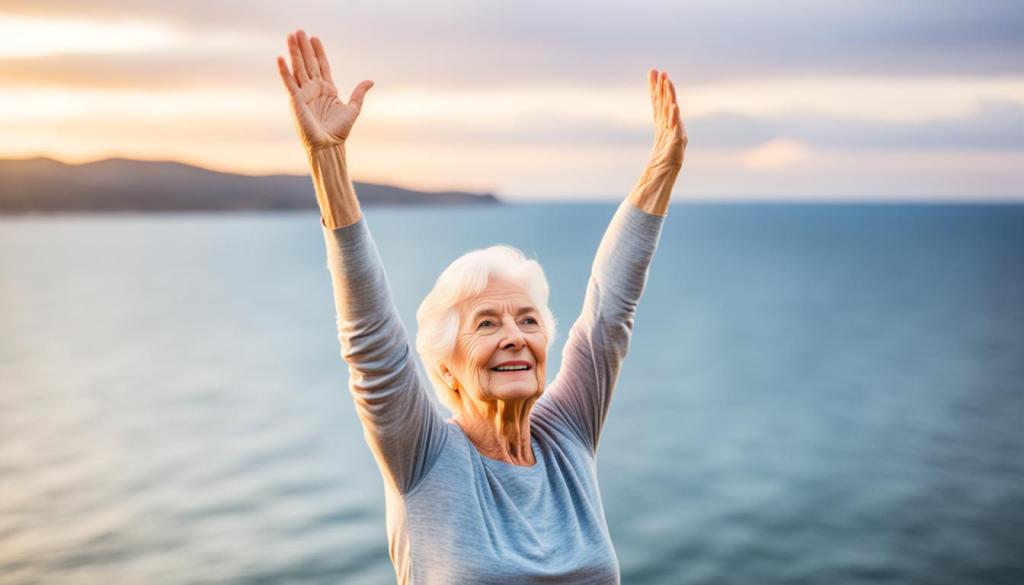
Adding flexibility and balance training to your daily routine is key for staying mobile and independent as you get older. It’s very important for seniors to stay flexible. As you age, your muscles and joints might get stiffer, making it harder to move around. This can make everyday tasks tough and increase the risk of falling, which is why balance exercises are so crucial.
Regular stretching helps fight stiffness and boosts your posture, which is key to avoiding falls. Many seniors enjoy activities like yoga and tai chi. These exercises offer gentle movements that help improve balance, strength, and flexibility while also helping you relax.
Here’s a table that shows different exercises, their benefits, and how often you should do them:
| Activity | Benefits | Recommended Frequency |
|---|---|---|
| Yoga | Improves flexibility and balance; reduces stress | 2-3 times per week |
| Tai Chi | Enhances coordination and stability; promotes relaxation | 2-3 times per week |
| Stretching | Increases flexibility; reduces risk of injury | Daily |
| Balance Exercises (e.g., standing on one leg) | Improves balance and coordination; prevents falls | 3-4 times per week |
Spending time on flexibility and balance training is good for your health and boosts your confidence in moving around. It helps you stay active and independent as you age. By making these exercises a priority, you’re taking steps to prevent falls and keep your independence.
Setting Unrealistic Goals

Setting fitness goals that are too high can lead to disappointment and losing motivation. Trying for goals that are too hard can put too much pressure on you. This makes it easy to give up on your fitness goals. To avoid this, focus on setting realistic fitness goals that fit your abilities and lifestyle.
How to Set Achievable Fitness Goals
Start by using the SMART criteria. This means Specific, Measurable, Achievable, Relevant, and Time-bound. This method helps seniors set goals that lead to steady progress and keep you motivated. Here are steps to follow when setting your goals:
- Specific: Define what you want to achieve clearly. For example, instead of “getting fit,” aim for “walking 30 minutes every day.”
- Measurable: Quantify your goals. Track your progress through metrics such as distance, time, or repetitions.
- Achievable: Set goals that challenge you but remain within reach. Avoid overwhelming yourself with overly ambitious targets.
- Relevant: Ensure your goals matter to your overall fitness journey and personal interests.
- Time-bound: Establish a timeline to keep you focused. Setting deadlines helps maintain consistency while you work toward achieving fitness milestones.
Start with small, achievable milestones and gradually build up to larger objectives. This approach fosters a sense of accomplishment and keeps you motivated over time.
| Fitness Goal | SMART Criteria |
|---|---|
| Walk daily | Specific, Measurable, Achievable, Time-bound |
| Join a yoga class | Specific, Relevant, Achievable |
| Lift weights twice a week | Measurable, Achievable, Time-bound |
| Participate in a community fitness event | Relevant, Time-bound |
Conclusion
As you age, it’s key to watch out for fitness mistakes that slow you down. This guide has shown how important it is to have routines that fit you, drink enough water, and exercise wisely. Getting fit after 60 means more than just staying active. It’s about knowing what your body needs and changing your routine as you age.
By avoiding common mistakes, you can make better choices for your health. Doing strength training, flexibility exercises, and safe cardio can really improve your life. Use these tips to live a happy and active life that goes well with aging.
Being committed to your health and fitness is the secret to doing well after 60. It’s never too late to start exercising smarter. By being proactive, you’ll enjoy the rewards for many years.
FAQ
What fitness mistakes should seniors over 60 avoid?
Seniors should skip warm-ups and ignore strength training. They should also avoid high-impact exercises and not drink enough water. Not focusing on flexibility and setting unrealistic goals are also mistakes.
It’s key to not overlook balance training and ignore pain. Skipping rest days and focusing only on physical benefits are also wrong moves.
Why is strength training important for older adults?
Strength training keeps muscles healthy and supports bone density. It boosts metabolism and improves balance. This is key to reducing fall risks and enhancing daily tasks.
How can I ensure I’m hydrating enough as an older adult?
Drink at least 8–10 cups of fluids daily, including water-rich foods like fruits and veggies. Watch for dehydration signs like dry mouth, dark urine, and feeling tired.
What are the best practices for warming up before exercise?
Warm up for at least 10 minutes with dynamic stretches or light cardio. This gets your muscles and joints ready, improving flexibility and blood flow.
How do I set realistic fitness goals after 60?
Use the SMART method for setting goals. Start with small steps and gradually increase them. This keeps you motivated and successful.
What should I do if I experience pain during exercise?
Stop and assess if you feel pain. Ignoring it can cause serious injuries. Talk to a healthcare professional to understand the issue before resuming your routine.
Why is it beneficial to consult a professional when starting an exercise program?
A certified personal trainer can create a fitness plan tailored to your needs and abilities. They ensure you use proper techniques to prevent injuries.
Can high-impact exercises be harmful for seniors?
Yes, high-impact exercises can be risky for older adults. Choose low-impact options like walking, swimming, or cycling. These exercises are good for the heart without hurting your joints.
What types of flexibility and balance training should older adults incorporate?
Include exercises like yoga, tai chi, or simple stretches. These improve mobility and lower the chance of falling. They’re key for seniors’ fitness routines.
How can I avoid giving up too soon on my fitness journey?
Set achievable goals and celebrate your small wins. Get support from friends, family, or fitness groups. Tracking your progress can also keep you motivated.
Source Links
- 12 Common Workout Mistakes You’re Probably Making (And How To Fix Them) – https://www.forbes.com/sites/nomanazish/2019/08/31/12-common-workout-mistakes-youre-probably-making-and-how-to-fix-them/
- Top Fitness Mistakes to Avoid » Hyperwear – https://hyperwear.com/blogs/blog/top-fitness-mistakes-to-avoid?srsltid=AfmBOoob62OqNXZ3N72Q23tM4LmjYspgVgS-N6ufxiPoHaM98T4isvt6
- 6 Fitness Mistakes You Don’t Realize You’re Making – https://www.silversneakers.com/blog/fitness-mistakes-dont-realize-youre-making/


 trim down and shape up
Leave a comment