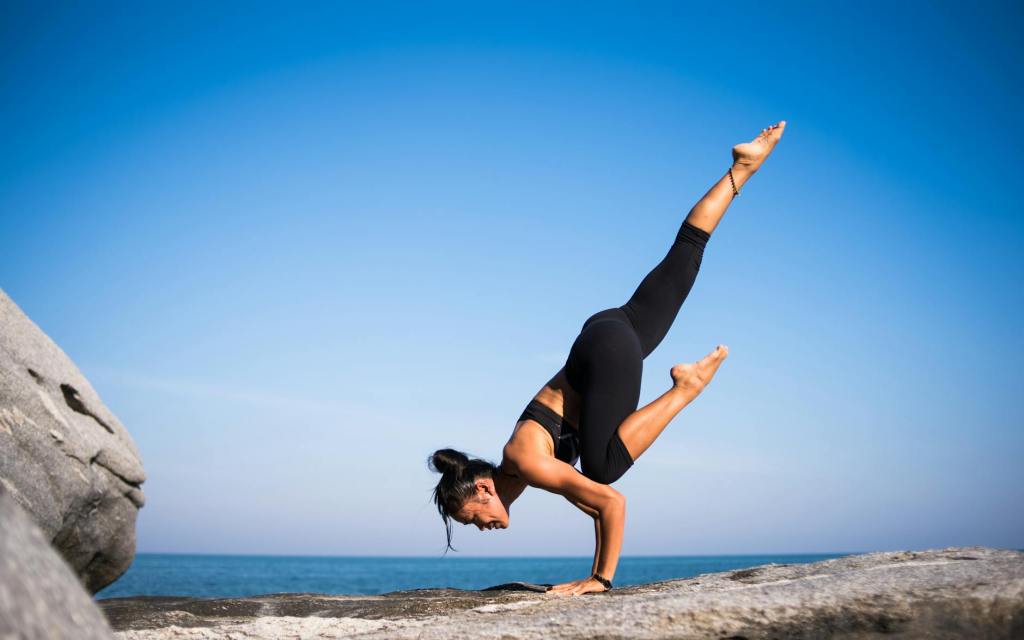


Balance is key for staying active and healthy, especially as we get older. Quick exercises that improve balance can really help, especially for seniors. These activities boost your physical skills, coordination, and even your mind. This article will show you 12 exercises for all fitness levels. They help you gain stability and confidence in everyday life.
Key Takeaways
- Balance is crucial for an active lifestyle and overall well-being.
- Incorporating quick exercises can significantly enhance your coordination.
- Focus on stability-enhancing activities suitable for all fitness levels.
- Improved balance can lead to better physical and mental health.
- Regular practice of these exercises builds confidence in daily activities.
Understanding the Importance of Balance
Balance is key to good health and a happy life. It boosts your physical skills and keeps your mind healthy. Having balance helps with coordination, strength, and quick movements, which is important as you get older.
Benefits of Improved Balance
Being more balanced offers many advantages. You’ll find it easier to do everyday things like walking and going up stairs. You’ll feel more confident and enjoy doing more activities.
You’ll also be less likely to fall and get hurt, which is great for older people. Plus, you’ll think clearer and focus better, which helps your brain work well.
Balance and Everyday Activities
Adding balance to your daily life makes things safer and easier. By practicing balance, you can do tasks better. This includes carrying groceries, playing sports without getting hurt, and doing home repairs safely.
Putting a big focus on balance helps prevent injuries and leads to a healthier, happier life.
How Balance Exercises Work

Learning how balance exercises work can make your workouts better. They focus on engaging the right muscles for stability. This means working not just your legs, but also your core and lower back. These areas are key for balance and coordination.
Muscle Engagement During Balance Exercises
Your core strength is crucial during balance exercises. It helps keep you stable and in control. Here are some important areas affected by muscle engagement:
- Core muscles: Essential for staying stable.
- Legs: Strengthening them helps support your body.
- Lower back: It gives the structure needed for balance.
Gradual Progression for Better Results
Starting with simple exercises and gradually adding more difficulty is a good plan. This helps build muscle memory and core stability. Here are steps to follow for progressive training:
- Start with basic positions, like standing on two feet.
- Add challenges, such as single-leg stands.
- Make it harder with movements done with your eyes closed.
12 Quick Exercises to Enhance Balance

Adding quick balance exercises to your daily routine can greatly improve your balance and stability. Here are twelve exercises that are great for enhancing your balance. Each exercise helps your body stay stable and coordinated.
Overview of Exercises
- Single-Leg Stand
- Calf Raises
- Yoga Tree Pose
- Toe Taps
- Side Leg Raises
- Bird Dog
- Standing March
- Heel-to-Toe Walk
- Wall Push-Ups
- Balance Beam Walk
- Plank with Arm/Leg Lift
- Lunges with Rotation
Expected Benefits from Each Exercise
| Exercise | Benefits |
|---|---|
| Single-Leg Stand | Improves stability and focus |
| Calf Raises | Strengthens calf muscles and enhances proprioception |
| Yoga Tree Pose | Increases flexibility and mental concentration |
| Toe Taps | Enhances coordination and leg strength |
| Side Leg Raises | Strengthens hip stabilizers |
| Bird Dog | Develops core strength and coordination |
| Standing March | Improves dynamic balance and mobility |
| Heel-to-Toe Walk | Promotes fine motor control and stability |
| Wall Push-Ups | Supports upper body strength while stabilizing core |
| Balance Beam Walk | Challenges balance on an uneven surface |
| Plank with Arm/Leg Lift | Engages core while enhancing stability |
| Lunges with Rotation | Builds strength and functional movement |
These exercises offer many benefits of balance training. They help with physical activities and everyday tasks. This makes life easier and safer.
Single-Leg Stand: A Foundational Exercise
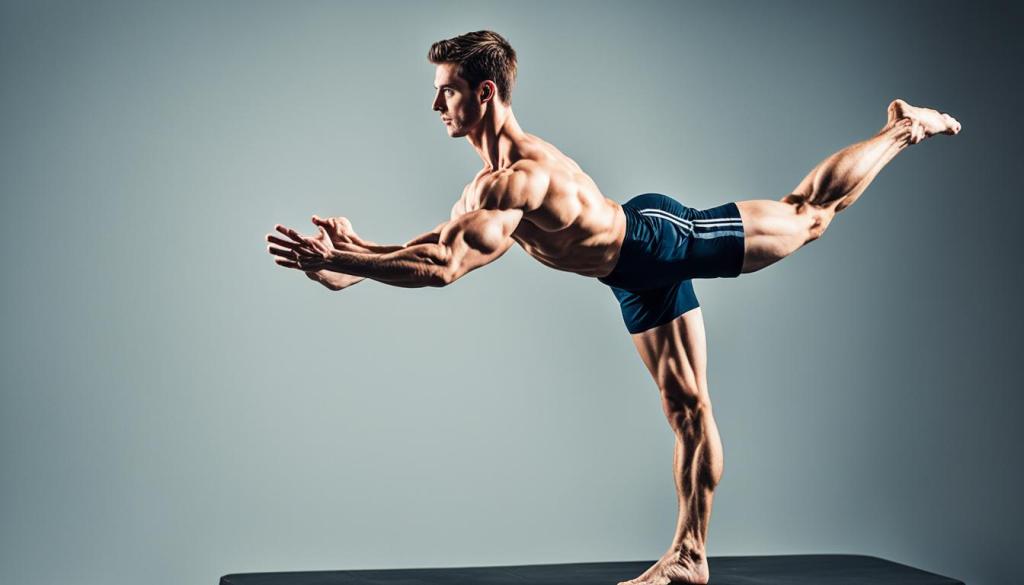
The single-leg stand is key for improving balance. It strengthens your legs, core, and muscles that help you stay stable. This simple exercise boosts your stability and coordination.
How to Perform the Single-Leg Stand
To do the single-leg stand right, just follow these steps:
- Start by standing tall with your feet shoulder-width apart.
- Move your weight to one leg, bending it a bit at the knee.
- Then, lift the other leg off the ground, bending it at the knee so it’s near your standing leg.
- Keep an upright posture and engage your core for stability.
- Hold this stance for 20-30 seconds, or as long as you can stay balanced.
- Switch legs and repeat.
Modifications for Different Fitness Levels
Adjusting the single-leg stand helps everyone benefit from it. Here are some tips for different fitness levels:
- Beginner: Use a chair or wall for support as you balance.
- Intermediate: Do the exercise without support, but keep your arms out for balance.
- Advanced: Try closing your eyes or moving a bit, like raising your arms overhead.
Incorporating Calf Raises into Your Routine

Calf raises are key for any workout aimed at boosting balance and strength. They work on the muscles in your lower legs, laying the groundwork for better stability. Mastering the right technique and trying different types can help you tackle balance issues in everyday life.
Technique for Effective Calf Raises
To do a calf raise right, just follow these steps:
- Stand with your feet shoulder-width apart, making sure your weight is evenly spread.
- Lift your heels off the ground, balancing on the balls of your feet.
- Pause for a second at the top to fully contract your muscles.
- Slowly bring your heels back down to the ground, finishing one rep.
This simple move is great for strengthening your calf muscles and improving balance. Start with three sets of 10 to 15 reps to see results.
Variations to Challenge Your Balance
Adding different types to your calf raises can make your workouts more effective. Here are some ways to test your balance:
- Single-Leg Calf Raise: Do calf raises on one leg to work your stabilizing muscles harder.
- Weighted Calf Raise: Use dumbbells or a barbell to increase the challenge as you lift your heels.
- Calf Raise on an Elevated Surface: Stand on a step or curb to stretch your range of motion more.
Adding these variations to your routine can greatly boost your balance and strength in your lower legs. These exercises get your body ready for daily tasks and help with balance issues.
| Calf Raise Variation | Benefits |
|---|---|
| Single-Leg Calf Raise | Enhances stabilizing muscles, improves balance |
| Weighted Calf Raise | Increases strength of calf muscles under resistance |
| Calf Raise on an Elevated Surface | Boosts the range of motion, targets different muscle fibers |
Plank with Arm/Leg Lift for Core Stability
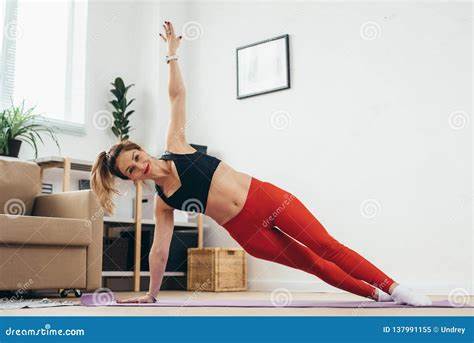
Adding the plank with arm/leg lift to your workout is a great way to boost your core stability. This exercise works on your core muscles and helps with balance training. It makes your muscles work together, improving coordination and strength for better balance in daily activities.
Benefits of Planking on Balance
Planking does more than just strengthen your core. Exercises like the plank with arm/leg lift improve your balance overall. This exercise makes your body work hard to stay stable, which helps your core muscles work better. Here are some key benefits:
- Enhanced Core Strength: A strong core helps with better posture and alignment, which is key for staying stable.
- Improved Coordination: Working multiple limbs at once strengthens the connections between your muscles and nerves.
- Increased Flexibility: The plank’s dynamic nature makes your muscles more flexible, helping you move better.
- Better Stability: Strengthening your core muscles helps with overall balance, lowering the chance of falling.
Doing the plank with arm/leg lift not only betters your balance but also gives you a full-body workout. It’s a must-do for anyone wanting to improve their physical stability and enjoy the benefits of planking.
Benefits of Practicing Yoga Tree Pose

The yoga tree pose boosts your balance and offers many other benefits. It strengthens your muscles, increases flexibility, and sharpens your focus. Adding this pose to your routine can make everyday tasks easier.
How to Properly Position Yourself
To do the yoga tree pose, follow these steps:
- Stand tall with feet hip-width apart.
- Shift your weight onto one foot, bending the opposite knee.
- Place the sole of your raised foot on the inner thigh or below the knee of the standing leg.
- Find your balance and extend your arms overhead, palms together.
- Hold the position for several breaths, focusing on your stability.
Getting your positioning right helps you get the most out of yoga and keeps you safe from injury.
Long-Term Balance Benefits from Yoga
Adding the yoga tree pose to your routine brings lasting health benefits. It helps you stay stable, which is good for:
- Keeping your posture and spine straight.
- Making your hips and legs more flexible.
- Improving your focus and clarity of mind.
Practicing yoga, especially the tree pose, can greatly improve your balance. This supports your overall health and well-being.
| Aspect | Benefits of Yoga Tree Pose |
|---|---|
| Balance | Enhances stability on one leg. |
| Flexibility | Promotes flexibility in hips and legs. |
| Strength | Builds strength in core and leg muscles. |
| Mental Focus | Encourages concentration and mindfulness. |
Lunges with Rotation: Adding Movement to Balance

Lunges with rotation are a great way to improve balance and strength. They work your lower body and help move your torso. This exercise makes you stable and works many muscles, making it perfect for any workout.
Executing the Lunges with Proper Form
To do lunges with rotation right, follow these steps:
- Stand straight with your feet hip-width apart.
- Take a large step forward with your right foot, lowering your body into a lunge.
- As you lunge, rotate your upper body to the right, keeping your core engaged.
- Press through your front heel to rise back to the starting position, returning your torso to center.
- Repeat on the left side, stepping forward and rotating to the left.
Keep your core strong and move smoothly to improve your balance. Doing it right lowers injury risk and boosts exercise results.
Integration into a Workout Routine
Here’s how to add lunges with rotation to your routine:
- Add them to your strength training to boost functional fitness.
- Do them with other balance exercises, like single-leg stands, for a full balance workout.
- Use resistance bands or dumbbells to make it harder as you get better.
Adding lunges with rotation will improve your balance and coordination. This makes your workouts more effective and fun.
The Role of Tai Chi in Enhancing Balance

Tai Chi is a special way to improve balance with its smooth movements and calming focus. It comes from ancient times and teaches controlled actions that work the body and soothe the mind. This mix of tai chi makes a full experience that helps you stay stable and aware.
Principles of Tai Chi that Improve Stability
The basics of tai chi include relaxing, finding your center, and getting coordinated. By doing slow, careful moves, you build a strong base for better balance. Staying calm helps you control your body and improve your balance. Here are some key ideas to help you stay stable:
- Breath Awareness: Linking breath with movements helps you focus better.
- Posture Alignment: Keeping a good stance helps spread your weight evenly.
- Mindfulness: Paying attention helps with muscle memory and knowing where you are in space.
Getting Started with Tai Chi
If you’re thinking about trying tai chi, there are many ways to get started. Local centers offer classes for beginners, and online tutorials let you learn at your own pace. Being part of a tai chi group can make it more fun with others to support you. Here’s a simple plan to begin:
- Look for a class or a good online place to learn.
- Plan a time each week that fits your life.
- Stick with it to get better at it and feel more confident.
Adding tai chi to your daily life can really help you balance better. By following its ideas and practicing often, you gain not just physical balance, but also peace inside.
Conclusion
Balance is key to our well-being. Regular exercise helps keep us stable and healthy. Exercises like single-leg stands and Tai Chi improve balance and prevent injuries.
These exercises help us stay independent and live better lives. They also boost our mental strength. Adding balance exercises to our daily routine is a smart move for our health.
Getting better balance is more than just avoiding falls. It makes our lives richer. Make sure to include these exercises in your fitness plan. You’ll see big improvements in how you move and feel more confident. Start now and enjoy the many benefits of better balance.
FAQ
What are the main benefits of improving my balance?
Improving your balance makes daily tasks easier, like walking and climbing stairs. It also makes carrying objects simpler. Plus, it lowers the risk of falls and injuries, especially for older adults.
It also boosts your mental health by improving focus and clarity.
How do I know which balance exercises are suitable for my fitness level?
Start with easy exercises like the single-leg stand or calf raises. Then, move on to harder ones like lunges with rotation and single-leg deadlifts. Listen to your body and adjust exercises to keep it challenging but comfortable.
How often should I incorporate balance exercises into my routine?
Try to do balance exercises 2-3 times a week. Being consistent helps you get better. As you get more balanced, add more challenging exercises to your routine.
Can balance exercises help prevent injuries?
Yes, balance exercises greatly reduce the chance of falls and injuries. They improve your stability and coordination. This is especially good for older adults but helps everyone stay safe during activities and daily tasks.
How do exercises like Tai Chi contribute to better balance?
Tai Chi helps with balance through slow, controlled movements and focused attention. It engages your muscles and improves coordination and mental focus. This makes it great for people of all ages.
What are some advanced balance exercises I can try once I’ve mastered the basics?
Try single-leg deadlifts, slacklining, and balance board exercises for a challenge. These exercises test your stability and need more strength and coordination.
How does mental focus play a role in balance exercises?
Mental focus helps you do balance exercises better by keeping you concentrated and aware of your body. Using your mind while exercising boosts your stability and coordination.
Are there any equipment requirements for balance training?
Most balance exercises only need your body weight. But, some might use resistance bands for hip flexors, balance boards, or yoga mats for better stability and comfort.
Can I do balance exercises at home?
Yes! You can do many balance exercises at home, like single-leg stands, lunges with rotation, and yoga tree pose. You don’t need special gear. Having a dedicated workout area can help you stick to your routine.
Source Links
- Balance exercises: 13 Moves with Instructions – https://www.healthline.com/health/exercises-for-balance
- 12 Exercises That Improve Balance – https://www.silversneakers.com/blog/fit-for-life-exercises-improve-balance/
- Balance Declines as We Age—Try These 13 Balance Exercises for Lasting Stability – https://www.realsimple.com/health/fitness-exercise/balance-exercises



 trim down and shape up
Leave a comment