


Are you or someone you know dealing with depression? It’s key to know how food affects your mental health. Some foods can make depression worse, making it hard to stay mentally clear and well. We’ll show you which foods to skip for better mental health. By choosing wisely what to eat, you can help your mind stay healthy and positive.
Key Takeaways
- Avoiding bad mood foods can improve your mental clarity and emotional stability.
- Your diet significantly influences your mood and overall mental health.
- Making informed dietary choices is a step towards achieving a healthier mind.
- Understanding the connection between diet and mood can help you identify potential triggers.
- By eliminating certain foods from your diet, you may experience more consistent emotional well-being.
The Connection Between Food and Mood
Understanding how what we eat affects our feelings can change our lives. Foods can make us feel better or worse. By choosing the right foods, we can improve our emotional health.
Certain foods have nutrients that help our brains work better. These nutrients affect our mood and stress levels. Eating these foods can make us feel more stable and calm.
Understanding how diet influences emotional well-being
What we eat can really affect how we feel every day. Foods high in omega-3 fatty acids, like salmon and walnuts, are good for our brains and emotions. On the other hand, eating too many processed carbs can make our moods swing.
It’s important to eat a balanced diet with lots of whole foods. This helps keep our minds healthy.
The science behind food-induced mood swings
Our bodies react differently to sugars, which affects our mood. Natural sugars in fruits give us steady energy. But added sugars in processed foods cause blood sugar spikes and crashes.
These ups and downs can make us feel anxious or depressed. This can start a cycle of unstable moods.
Processed Foods: The Mood Detractors
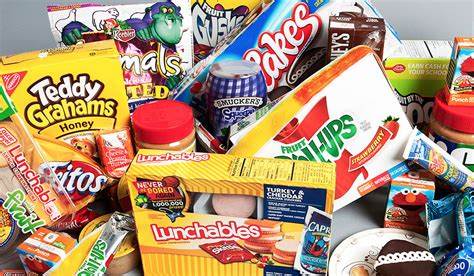
Many people eat processed foods without knowing how they affect their mood. These foods change a lot before we eat them, like candy bars and fast food. They often have a lot of sugar and unhealthy fats. These can really harm your gut health and mood.
What are processed foods and why should you avoid them?
Processed foods are items that change a lot before we eat them, from frozen meals to sugary snacks. It’s best to avoid them because they can harm your health. They don’t give you much nutrition but can make you more likely to get obesity, diabetes, and other health problems.
The impact of processed foods on gut health
Your gut health is key to feeling good mentally. Eating a lot of processed foods can mess up your gut microbiome, which is important for your mood. A bad gut can cause inflammation and mood problems. Eating fiber-rich foods helps keep your gut and mood healthy. Try to eat whole foods to stay emotionally well.
Refined Sugars: The Happiness Saboteur
Refined sugars are known to harm your mood. When you eat foods with lots of these sugars, you’ll notice changes in how you feel. This part will look into how refined sugars mess with your blood sugar and lead to cravings and mood swings.
How refined sugars affect your blood glucose levels
Refined sugars make your blood sugar go up fast, giving you a quick energy boost. But then, your energy drops sharply, making you feel tired and grumpy. Eating these sugars often can make your body less sensitive to insulin, making blood sugar ups and downs worse and making you feel sad or angry.
The cycle of sugar cravings and mood swings
Eating refined sugars can start a bad cycle. After eating sweets, you might want more sugar to keep your energy up. This cycle can make you unhappy. You’ll often end up eating more sweets, which keeps your mood up and down.
Artificial Sweeteners: An Unhealthy Alternative
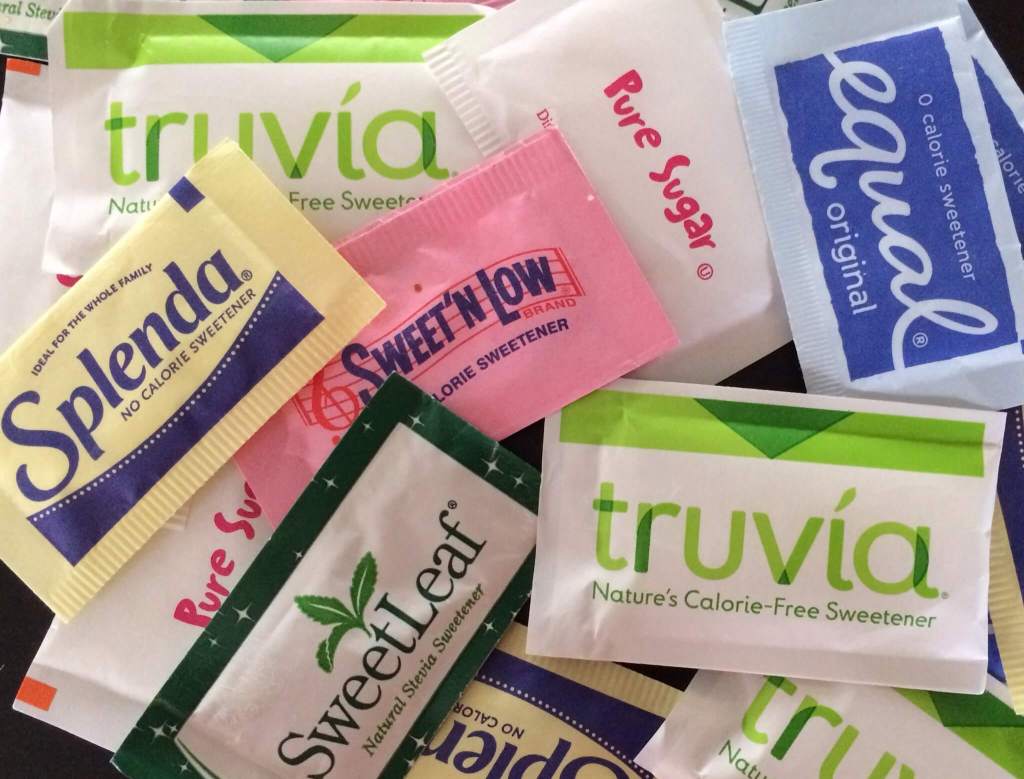
Artificial sweeteners, like aspartame, are common in low-calorie foods. But, research shows they can harm our mental health. It’s key to be careful with these sweeteners.
The potential negative effects of aspartame on mental health
Studies link artificial sweeteners to more anxiety and mood problems. Think about how often you use these sweeteners. They might lead to brain fog and low energy, hurting your mental focus.
Alternatives to sugar and sweeteners for better mental clarity
Switching from artificial sweeteners to healthier options is a good move. Here are some natural sweeteners you can try:
- Stevia – A plant-based sweetener with no calories.
- Honey – Gives you antioxidants and sweetness.
- Pure maple syrup – Full of vitamins and minerals.
- Coconut sugar – Has a lower glycemic index than regular sugar.
These natural sweeteners taste great and help your mental clarity and mood. Choosing wisely in your diet can boost your mental health and cut down on artificial sweeteners.
| Sweetener | Calories (per teaspoon) | Glycemic Index | Benefits |
|---|---|---|---|
| Stevia | 0 | 0 | No calories, natural origin |
| Honey | 21 | 58 | Rich in antioxidants |
| Pure Maple Syrup | 52 | 54 | Contains vitamins and minerals |
| Coconut Sugar | 15 | 35 | Lower glycemic index |
Trans Fats and High-Sodium Foods: What to Skip
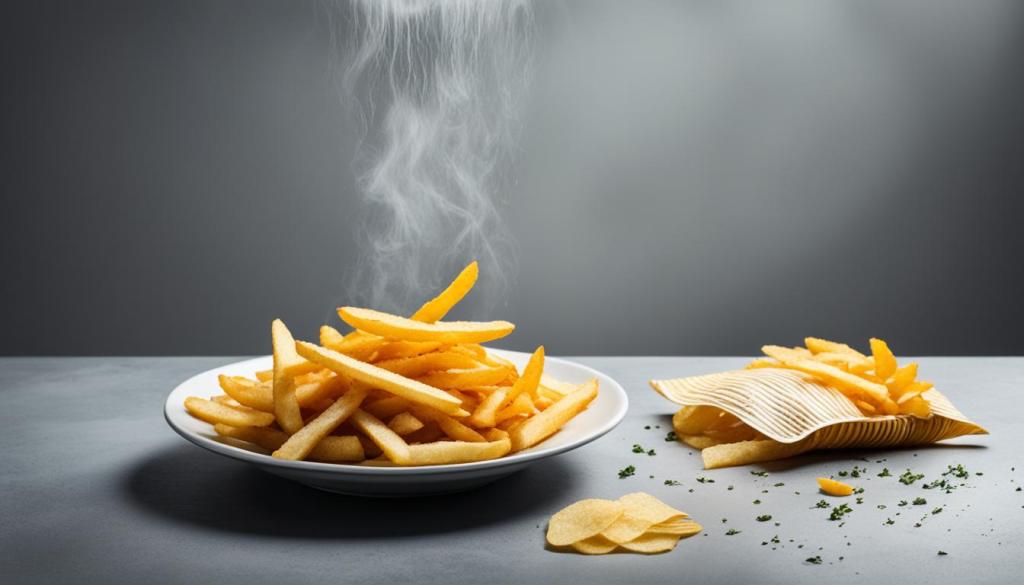
Knowing which foods to avoid can greatly help your mental health. Foods high in trans fats and sodium can harm your well-being. It’s smart to avoid unhealthy fats in processed foods as they can make you feel bad and hurt your brain function. It’s key to know the risks of these foods to keep your mind healthy.
The dangers of trans fats in your diet
Trans fats are often in margarine, snack foods, and baked goods. They can slow down your brain and make you feel moody. These fats cause inflammation, which can make anxiety and depression worse. It’s important to choose foods low in trans fats to stay mentally well.
High-sodium foods and their effect on your mental wellness
High-sodium foods are common in fast food and canned goods. They can make you feel more anxious and depressed. Eating too much sodium can lead to high blood pressure, which affects your mind as well as your body. To keep your mind healthy, eat fresh, whole foods and avoid high-sodium ones.
| Food Type | Sources | Mental Health Impact |
|---|---|---|
| Trans Fats | Baked goods, fried foods, margarines | Increased anxiety and depression risks |
| High-Sodium Foods | Fast food, processed snacks, canned soups | Higher blood pressure, increased anxiety |
Alcohol and Caffeine: Mood-Enhancers or Detractors?

Drinking alcohol and caffeine can change how you feel, often in more than one way. Many people use these substances to feel better, but too much can be harmful. It’s important to know how to enjoy them without harming your mood.
Understanding the dual role of alcohol in your diet
Alcohol can make social events more enjoyable by relaxing you at first. But too much can make you feel tense and sad. Drinking too much regularly can also make you feel emotionally unstable, showing why it’s key to drink in moderation.
Moderation is key: Caffeine’s effects on anxiety and stress
A little caffeine can make you feel more alert and might help you work better. But too much can make your heart race and make you feel anxious. Finding the right amount of caffeine is important to enjoy its benefits without the bad side effects. Try not to drink too much caffeine to avoid feeling tired and down, which can make you feel even worse.
Dairy and Meat: Foods You Might Consider Limiting
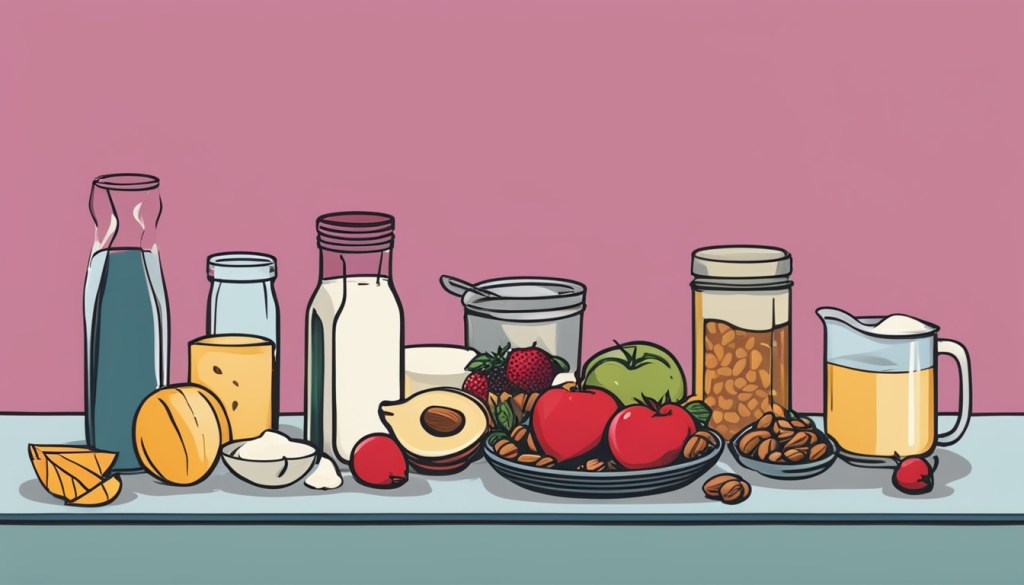
Your food choices can affect your mood in ways you might not expect. Dairy and some meats are common in many diets. But, it’s good to think about how they might affect your mood. This can help you make better food choices.
Why high-fat dairy products could dampen your spirits
High-fat dairy items like whole milk and creamy cheeses might not be good for your mood. These high-fat dairy risks can cause inflammation, which is linked to anxiety and depression. They can also upset your gut health, making mood swings worse. Choosing low-fat options can help keep your diet balanced and avoid too much saturated fat.
Red meat and processed meats: are they worth the risk?
Studies have looked into how red meat and mental health are connected. Eating a lot of red and processed meats can lead to more anxiety and depression. The processed meats impact comes from additives and high sodium levels that can harm your health. Cutting down on these meats might help you feel better emotionally and physically.
Gluten and Soy: Potential Mood Busters
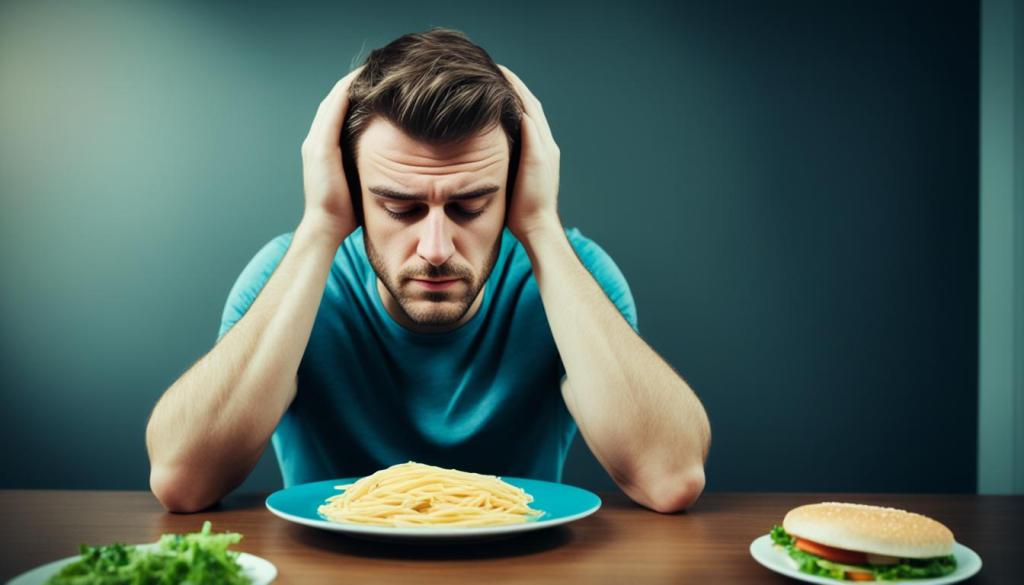
Your diet affects more than just your body; it also impacts your mood. Knowing how gluten affects your mood can help you make better food choices. For some, gluten can cause reactions that lead to less mental clarity and more anxiety.
Can gluten affect your emotional state?
Gluten is a protein in wheat, barley, and rye. Some people have gluten sensitivity, which can cause more than just physical symptoms. These symptoms may include feeling irritable or depressed, showing how gluten can affect your mood. Knowing how gluten affects you can help improve your emotional health.
The connection between soy products and mood disorders
Soy products are popular as plant-based options, but they can affect mental health for some. Studies show a link between soy and depression, especially in those sensitive to hormonal changes. If you feel mood changes after eating soy, you might want to think about cutting back. Knowing these potential mood busters can help you avoid foods that affect your mood.
| Food | Potential Mood Effect |
|---|---|
| Gluten | May cause irritability and anxiety in sensitive individuals |
| Soy Products | Linked to mood disorders in hormone-sensitive individuals |
Healthy Foods to Keep Your Mind Healthy
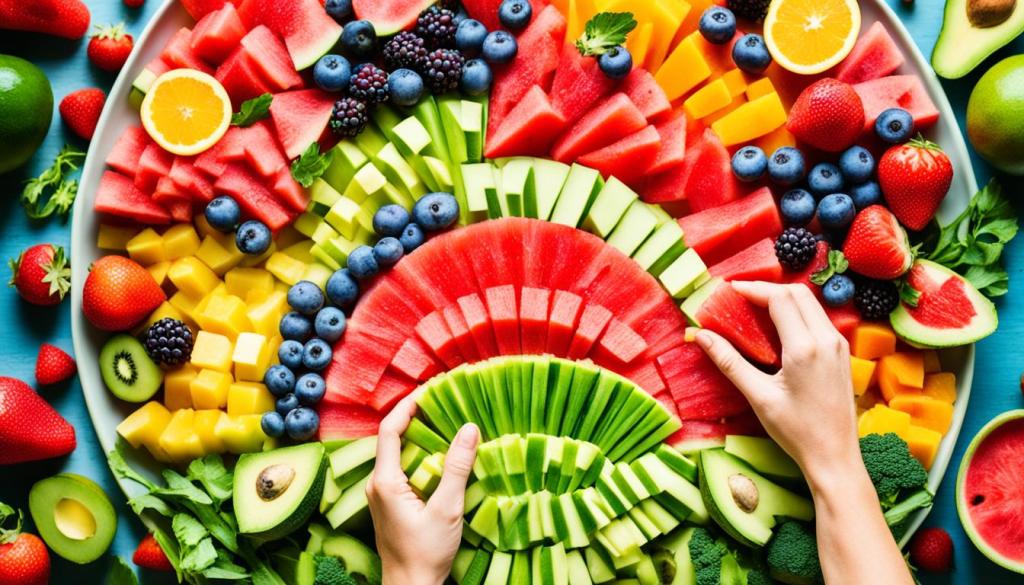
Choosing the right foods is key to a healthier mind. Eating a balanced diet with certain foods can boost your brain and mood. These foods help keep your mind sharp and emotionally stable.
Foods proven to boost cognitive function and mood
Some foods are great for your mental health. Here are a few:
- Fruits and Vegetables: They are full of vitamins and antioxidants. These help lower stress and inflammation.
- Omega-3 Fatty Acids: You can find these in fish like salmon and walnuts. They are crucial for brain health.
- Nuts and Seeds: Almonds, sunflower seeds, and flaxseeds give you important nutrients for your brain.
- Whole Grains: Foods like oats and quinoa give you steady energy. This helps you focus better and stay in a good mood.
Incorporating brain-boosting foods into your diet
It’s easy to add brain-boosting foods to your meals. Here are some tips:
- Begin your day with a healthy breakfast, like oatmeal with berries and nuts.
- Add a mix of colorful vegetables to your lunch and dinner for more nutrients.
- Choose fish as your main protein a few times a week for omega-3 fatty acids.
- Snack on nuts or seeds for a quick boost instead of junk food.
| Food | Benefits |
|---|---|
| Salmon | Rich in omega-3, supports cognitive function |
| Berries | High in antioxidants, promotes brain health |
| Nuts | Contains healthy fats and vitamins for mood enhancement |
| Leafy Greens | Loaded with nutrients that aid cognitive function |
Conclusion
This discussion has shown how your food choices affect your mental health. By choosing better foods, you can greatly improve your emotional well-being. It’s important to avoid foods like processed snacks and lots of sugar.
It’s important to eat in moderation. Don’t cut out foods you love, but find a balance. Eating foods that are good for your brain can make you feel more stable and think clearer.
Healthy eating is good for both your body and mind. Being careful about what you eat helps you stay strong emotionally. This way, you can handle life’s ups and downs more easily.
FAQ
How does my diet influence my mental health?
What you eat greatly affects your mental health. Eating foods full of nutrients can make your brain work better, improve your mood, and reduce anxiety. On the other hand, foods like processed snacks, sugary treats, and unhealthy fats can make you feel stressed and moody.
What types of foods should I avoid for better mental clarity?
To keep your mind clear, stay away from processed foods, trans fats, foods high in sodium, refined sugars, and artificial sweeteners like aspartame. Cutting down on these can help you avoid mood swings and mental fogginess.
How can processed foods negatively impact my emotional well-being?
Processed foods often have refined sugars and unhealthy fats. These can harm your gut health, which is important for your mood. Poor gut health can make you feel more anxious and depressed.
Why are refined sugars considered detrimental to my mood?
Refined sugars cause your blood sugar to go up and then crash, leading to feeling tired and moody. They can also make you crave more, which can hurt your emotional state.
Are artificial sweeteners a healthy alternative to sugar?
Some think they are, but studies show artificial sweeteners, like aspartame, might harm your brain and make you feel anxious. Choosing natural sweeteners is usually better for your mental clarity.
What are trans fats and why should I avoid them?
Trans fats are bad fats found in many processed snacks and fast food. They can make you feel bad emotionally and hurt your brain function. It’s important to eat fewer of them for your mental health.
Can alcohol and caffeine affect my mood?
Yes, alcohol and caffeine can make you feel better at first, but too much can make you anxious, stressed, and sad. Drinking and using them in moderation can help keep your emotions stable.
Should I limit dairy and meat in my diet for better mental health?
Foods high in fat like dairy and some meats can cause inflammation and increase anxiety and depression risk. Checking how much you eat these can help your mental health.
How can gluten and soy affect my mental health?
Gluten can cause bad reactions in some people, affecting their mental focus. Too much soy can lead to mood problems, especially if you’re sensitive to hormones.
What are some healthy foods I can incorporate for better mental health?
Eating foods full of omega-3 fatty acids, fruits, vegetables, and nuts can improve your brain function and mood. Adding these foods to your diet can make you feel mentally better.
Source Links
- The 5 Worst Foods for Your Mood, According to Experts – https://www.eatingwell.com/article/7912675/worst-foods-for-your-mood/
- Eating Well for Mental Health – https://www.sutterhealth.org/health/nutrition/eating-well-for-mental-health
- Food and Mood – https://www.heart.org/en/healthy-living/healthy-lifestyle/mental-health-and-wellbeing/food-and-mood



 trim down and shape up
Leave a comment