


Finding the truth in fitness can be tough. You might hear many exercise myths that promise quick results. These myths can slow down your progress and cause frustration. Knowing the real facts can help you make better choices for your health. This article will look at five common workout myths with science to clear up the confusion.
Key Takeaways
- Exercise myths can hinder your fitness progress.
- Understanding science-backed facts paves the way for effective workouts.
- Spot reduction is not an effective strategy for fat loss.
- Resistance training is crucial for successful weight management.
- Daily workouts are not mandatory for achieving fitness goals.
- Sweating does not always equate to fat burning.
Understanding Exercise Myths and Misconceptions
When you explore the fitness world, you often run into many common exercise misconceptions. These wrong ideas can make you doubt yourself and lower your motivation. They come from old beliefs, what others think, or the fast rise of fad diets and trends.
To clear up these myths, it’s key to look at the facts. Always go for scientific research and trusted sources for your info. This careful checking helps you avoid false beliefs that could mess up your fitness goals.
Being well-informed helps you tell what’s real from what’s not, making your fitness journey better. As new info comes out, updating your knowledge with solid evidence helps you make smart choices.
Myth 1: Spot Reduction is Effective

Many think you can lose fat in certain body areas by doing specific exercises. This idea is a common exercise fallacy in fitness circles. In truth, fat loss happens all over the body, influenced by your genes, diet, and activity level.
The Science Behind Fat Loss
When you work out, your body uses fat and carbs for energy. This means fat storage spots can change based on your metabolism. As you exercise, your body breaks down fat along with other nutrients. This proves the myth that you can pick where to lose weight is wrong.
Why Targeting Fat Loss Doesn’t Work
Some think doing exercises like crunches for belly fat will help just that area. But, these workouts strengthen muscles without directly affecting fat loss in those areas. Any fat loss will be spread out over the whole body. Focusing only on spot reduction can be frustrating since it doesn’t give the expected results.
Understanding spot reduction as a myth helps you focus on a better fitness plan. This includes strength training and cardio. This approach improves overall health and helps you reach your fitness goals in a lasting way.
| Type of Exercise | Effect on Fat Loss | Benefit |
|---|---|---|
| Spot Training (e.g., crunches) | Minimal direct fat loss | Tones muscles but won’t reduce fat in targeted areas |
| Cardiovascular Exercise (e.g., running) | Promotes overall fat loss | Improves cardiovascular health and burns calories |
| Strength Training (e.g., weight lifting) | Helps with metabolic rate | Builds muscle, which contributes to fat loss over time |
Myth 2: Cardio is the Only Way to Lose Weight

Many think cardio is the only way to lose weight, but this is a common myth. Cardio exercises are important, but they’re just part of the whole fitness picture.
The Role of Resistance Training in Weight Loss
Adding resistance training to your workouts can really help with weight loss. Unlike cardio, which mainly burns calories while you’re doing it, strength training builds muscle. Having more muscle means your body needs more energy, even when you’re not working out. This helps you burn more calories, which is key for losing weight and keeping it off.
Balancing Cardio and Strength for Optimal Results
It’s important to mix cardio and strength training for the best results. Understanding that cardio alone won’t cut it leads to a better fitness plan. This mix of workouts brings many benefits, such as:
- Enhanced muscle tone: Strength training makes everyday tasks easier and improves your look.
- Effective fat loss: Using both types of exercises helps you lose fat while keeping your muscle.
- Increased endurance: Cardio and strength training together boost your fitness and stamina.
| Workout Type | Primary Benefit | Caloric Burn |
|---|---|---|
| Cardio | Improves cardiovascular health | Burns calories during the session |
| Resistance Training | Builds muscle mass | Increases resting metabolic rate |
| Combination | Comprehensive fitness | Maximizes calorie burn overall |
By combining these elements in your fitness plan, you can challenge the idea that losing weight only requires cardio. This approach leads to more effective ways to reach your fitness goals.
Myth 3: Lifting Weights Makes You Bulky

Many think lifting weights will make you big and bulky. This myth stops some from trying strength training. They worry it will change their look too much. But, knowing how muscles grow can help clear up this myth and make weightlifting more popular.
Understanding Muscle Growth and Gender Differences
Muscle growth depends on genetics, training, and hormones. Both men and women need specific training and to eat more to gain muscle. Just doing some weightlifting and eating right won’t make you huge.
Women don’t get as big as men because they have less testosterone. So, they’re unlikely to get too bulky. Instead, they get a toned, lean look from lifting weights.
Benefits of Strength Training Beyond Muscle Mass
Strength training is good for your health, not just your looks. It can:
- Help with metabolism by adding muscle, which burns more calories.
- Make bones stronger, lowering the chance of osteoporosis.
- Improve everyday strength, making daily tasks easier.
- Help with weight control by adding muscle and losing fat.
Knowing these benefits helps you make better choices for your fitness. You won’t worry about getting too big from lifting weights.
| Aspect | Men | Women |
|---|---|---|
| Testosterone Levels | Higher | Lower |
| Typical Muscle Gain | More substantial | Less significant |
| Common Perception | Sometimes aims for bulk | Aims for toning |
| Fat Loss | Possible with dedicated training | More common with strength training |
Myth 4: You Must Work Out Every Day

Many think you need to exercise every day to stay fit. But, this idea can lead to burnout and harm your body. It’s key to understand the value of rest days for muscle recovery and long-term fitness success.
The Importance of Rest Days in Your Fitness Regimen
Rest days let your muscles recover and rebuild, which is vital for doing your best. If you overtrain, you might feel tired, lose strength, and be more likely to get hurt. Taking breaks from intense workouts can actually help you make better progress.
Aim for a Balanced Workout Schedule
Forget the idea that you must exercise every day. A better plan usually includes four to five workouts a week. Mixing cardio, strength training, and rest days can help you see lasting results.
| Workout Frequency | Benefits | Risks of Daily Workouts |
|---|---|---|
| 4-5 Days/Week | Allows recovery, supports muscle growth, enhances performance | Fatigue, injury, burnout |
| Daily Workouts | Can boost calorie burning | Overtraining, decreased motivation, mental fatigue |
Think carefully about how you plan your workouts to safely push your limits. Listen to your body to make a healthier and more effective fitness plan.
Myth 5: Sweating Means You’re Burning Fat

Many people think that sweating means you’re burning fat, but this isn’t always true. Sweating is a natural way for your body to cool down, especially when you’re working out hard. It’s not a direct sign of fat loss.
Understanding this can help you see what really matters in your workouts. It’s important to know the difference.
Understanding the Function of Sweat
Sweating happens when your body needs to cool down, like when it’s hot or you’re exercising hard. The amount you sweat can change based on the weather, how humid it is, and even how stressed you feel. Here are some key things to remember about sweat:
- Sweat is mostly water and salts.
- Everyone sweats differently, depending on the situation.
- Sweating doesn’t directly mean you’re burning calories or losing fat.
What Really Indicates a Successful Workout?
Instead of just looking at sweat, there are better ways to see if your workouts are working. Look for signs like getting stronger, lasting longer, or feeling better overall. Here are some signs to watch for:
- Feeling more energetic and able to do more during workouts.
- Getting better at lifting weights or doing resistance exercises.
- Being able to do the same workout with a lower heart rate.
- Reaching your fitness goals, like running a marathon or setting a personal record.
Knowing that sweating doesn’t always mean you’re burning fat can change how you see success in fitness. Focusing on real improvements can make you more positive about your fitness journey.
| Indicator of Success | Description |
|---|---|
| Stamina | Ability to sustain prolonged physical effort |
| Strength Gains | Increased ability to lift heavier weights |
| Cardiovascular Endurance | Improved heart and lung efficiency during exercise |
| Personal Goals | Achieving specific fitness milestones over time |
Common Exercise Misconceptions in the Fitness Community
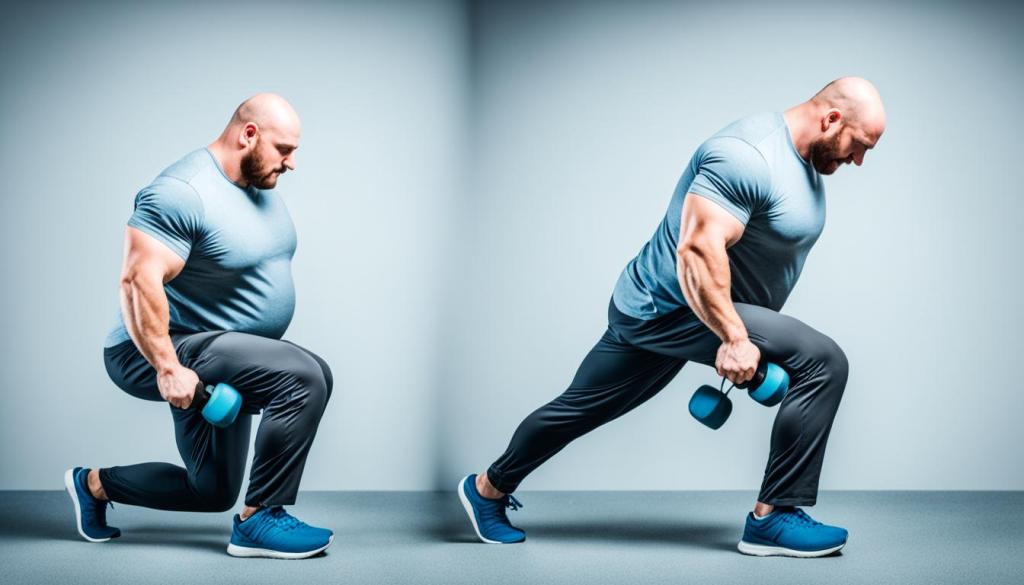
The fitness world is filled with myths. These myths can confuse and frustrate those trying to get fit. It’s important to know not all advice is true.
Some believe high-intensity workouts are the only way to lose fat. Others think stretching before exercise is a must. These ideas can make workouts less effective or even cause injuries.
It’s key to think critically about these myths. Always check the facts and trust reliable sources. Here are some common fitness myths debunked:
| Misconception | Truth |
|---|---|
| You need to perform cardio every day to be fit | A balanced regimen that includes strength training is effective for overall fitness. |
| Women who lift weights will become bulky | Women generally lack the testosterone levels needed to gain significant muscle mass easily. |
| Delayed onset muscle soreness indicates an effective workout | Muscle soreness is not a reliable indicator of workout effectiveness; consistent progress matters more. |
| All carbs are bad for you | Complex carbohydrates fuel your body, especially when consumed in moderation. |
| Using fitness supplements guarantees results | Supplements can aid your diet, but they are not a substitute for real food or consistent effort. |
Knowing about these exercise myths helps you make better choices. Always go for evidence-based methods to stay on track.
Debunking Workout Myths for Better Fitness Outcomes
In the fitness world, wrong information often causes confusion and ineffective habits. It can be hard to know what’s true and what’s not, which affects your fitness goals. Knowing why these myths exist helps you fight them and choose better habits.
Why Misinformation Persists
Many things keep wrong fitness info going. Social media lets anyone share tips, even if they’re not experts. This spreads false info fast. Brands also add to the problem by pushing unrealistic goals and quick fixes that play on feelings, not logic.
How to Spot Exercise Fallacies
To fight wrong info, use these tips to think critically about fitness claims:
- Look for scientific studies or trusted sources to support fitness tips.
- Talk to fitness pros with real credentials and experience.
- Think about why someone is saying something—does it make sense or is it just to make money?
- Keep up with the latest fitness research to spot old or wrong info.
| Common Fitness Misinformation | Facts to Consider |
|---|---|
| Cardio is the only way to lose weight. | Building muscle with resistance training also helps with fat loss and keeps muscle. |
| You must be sore after a workout to see results. | Improvement can happen without soreness; focus on steady effort. |
| All calories are the same. | The type of calories, food quality, and nutrient balance matter for health. |
| Fasted cardio is better for fat loss. | Both fasted and regular cardio have benefits; pick what suits you best. |
By debunking workout myths, you can improve your fitness and move towards healthier habits based on solid info.
Fitness Facts vs. Myths: Why it Matters

Knowing the difference between fitness facts and myths is key to reaching your health goals. Many people get caught up in exercise myths that can slow down their progress and cause frustration. It’s important to know what really works and what doesn’t to improve your fitness journey.
The Impact of Misinformation on Your Fitness Journey
Wrong information about fitness can set up false hopes and lead to bad workout habits. People often follow trends and social media tips that don’t have real science behind them. This can lead to disappointment and injuries, making it harder to move forward.
Scientific Evidence Behind Fitness Facts
Science gives us solid facts about fitness, offering clear guidelines for good exercise. Knowing these facts helps you make better choices, making your workouts more effective. Learning from real studies and expert advice leads to lasting fitness habits. Using trustworthy info makes your exercise routine better and more rewarding.
Practical Tips for Navigating Fitness Information

There’s a lot of fitness info out there. It’s key to be critical about it. You want to make sure the advice you take is trustworthy and right for your fitness goals. Here are some tips to help you make better choices.
Research and Verify Information
Begin by doing your homework on any fitness claims you hear. Look for credible sources like peer-reviewed journals and official health websites. Always check the info on different platforms to make sure it’s true and not a myth.
Consulting Fitness Professionals for Guidance
Talking to certified fitness experts can really improve your understanding of fitness info. Personal trainers and registered dietitians know what they’re talking about and can give you advice that fits your needs and goals. They can also tell you what works and what’s just a trend.
Conclusion
Understanding fitness myths and exercise misconceptions is key for better health and fitness. We’ve looked at how myths like spot reduction and thinking lifting weights means you’ll get too big are wrong. Making informed choices about your workouts is easier when you know the facts.
It’s also important to know the risks of believing wrong information. This can lead to bad workout habits and not reaching your health goals. Learning the value of rest days, mixing cardio with strength training, and knowing sweat doesn’t mean you’re losing fat are important. These insights can change how you see fitness.
Being critical and informed helps you avoid common mistakes in fitness. Use reliable information to make better choices for your fitness goals. This way, you can improve your fitness journey.
FAQ
Is spot reduction a viable method for losing fat in specific areas?
No, spot reduction is a myth. You can tone muscles with certain exercises, but fat loss happens all over the body. This is because your body uses fat and carbs for energy when you’re active.
Can I only lose weight through cardio exercises?
Absolutely not. Cardio is great for your heart, but you also need resistance training. This builds muscle, which helps increase your metabolism and supports weight loss.
Will lifting weights make me bulky?
Lifting weights won’t make you bulky unless you’re training and eating for muscle gain. Women naturally gain strength without getting too big due to hormonal differences.
Should I work out every day to see progress?
No, working out every day isn’t good and can lead to overtraining. Rest is important for muscle recovery and growth. Working out four to five times a week is more effective.
Does sweating during a workout mean I’m burning fat?
Sweating helps your body control temperature, but it doesn’t mean you’re burning fat. Look at fitness improvements to see if your workouts are working.
How can I identify fitness myths and misinformation?
Start by looking for credible sources of information. Learn about scientific research and think critically about fitness advice. This helps you know what’s true and what’s not.
Why do fitness myths persist in the community?
Misinformation spreads through social media, marketing, and stories from others. Many people trust personal stories over science. It’s important to use facts to challenge these myths.
Source Links
- Fact vs Fiction: 10 common health and fitness myths debunked – https://www.sundried.com/blogs/training/debunking-health-and-fitness-myths?srsltid=AfmBOoobyrUWHfYFqtbKgxY6-2ZFGsdis4EOKK1u83w6T0faYlCv8SNJ
- 2024.08.13 Tue Fitness Fact Vs. Fiction Debunking The Top 5 Exercise Myths Frank Lomas TR90 WMC – https://soundcloud.com/workwithfranknow/20240813-tue-fitness-fact-vs-fiction-debunking-the-top-5-exercise-myths-frank-lomas-tr90-wmc
- Fitness Fact vs. Fiction: Debunking the Top 5 Exercise Myths – Big Town Bulletin – https://bigtownbulletin.com/fitness-fact-vs-fiction-debunking-the-top-5-exercise-myths/



 trim down and shape up
Leave a comment