


Belly fat is a common concern for many people who want to get healthier and look better. It includes the fat you can see under your skin and the deeper visceral fat that wraps around your organs. Knowing why you have belly fat is key to losing it. This article will cover seven main reasons for belly fat and how to cut down on it. By understanding these causes, you can make better choices and find effective ways to lose belly fat.
Key Takeaways
- Belly fat involves both subcutaneous and visceral types.
- Diet and physical activity play crucial roles in belly fat accumulation.
- Genetics and age can influence your belly fat distribution.
- Leading a sedentary lifestyle may contribute to increased belly fat.
- Effective strategies for reducing belly fat include dietary changes and regular exercise.
Understanding Belly Fat: Types and Importance
To manage belly fat well, it’s key to know its two main types: subcutaneous and visceral fat. Each type affects health in different ways, impacting well-being and health risks.
Subcutaneous Fat vs. Visceral Fat
Subcutaneous fat is the fat you can see just under your skin. It acts as a protective layer for your body. On the other hand, visceral fat is deeper in the belly, wrapping around vital organs. It’s more dangerous than subcutaneous fat. Knowing these differences is important for understanding why visceral fat is a big concern.
Health Risks Associated with Excess Belly Fat
Having too much belly fat, especially visceral fat, raises health risks. Visceral fat and metabolic syndrome are closely linked, increasing the risk of chronic diseases. These include heart disease, diabetes, and some cancers. It’s vital to know these risks to work on reducing belly fat and boosting overall health.
Diet: The Role of Caloric Surplus
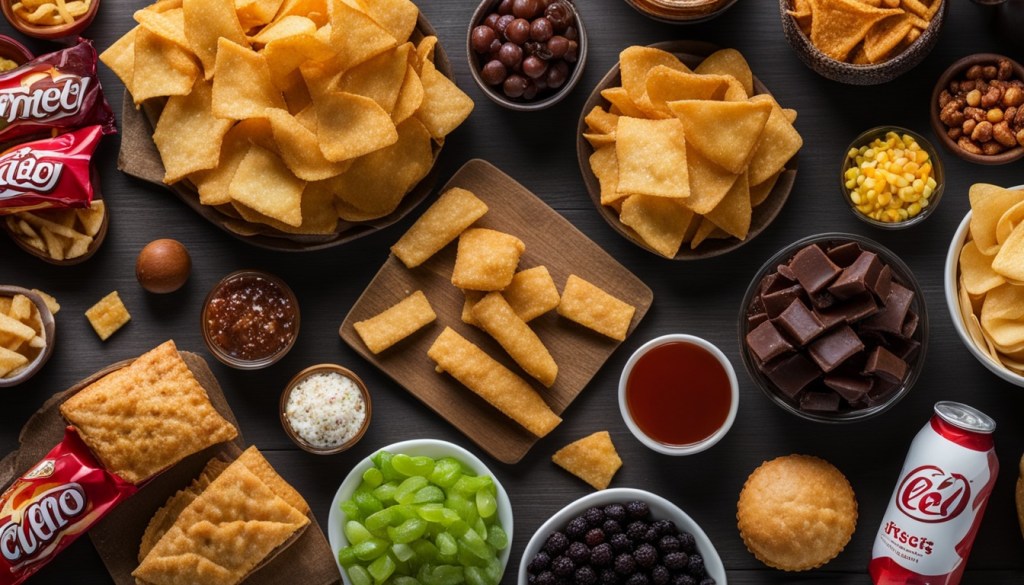
Understanding how your diet affects your body is key to managing belly fat. Eating more calories than you burn leads to weight gain and more belly fat. It’s important to know which foods add to belly fat to adjust your diet.
Foods that Contribute to Belly Fat
Many foods can make belly fat increase if eaten too much. Common ones include:
- Processed foods such as deli meats and frozen meals
- Baked goods like cookies, pastries, and cakes
- Fast food options, including burgers and fries
- High-sugar snacks like candies and chocolates
- Sugary beverages, including sodas and energy drinks
These foods have lots of sugar and unhealthy fats, which help store fat around the belly. Knowing about these can help you eat better.
High-Calorie Foods to Avoid
For good weight management, limit high-calorie foods. Some examples are:
| Food Item | Calories per Serving |
|---|---|
| Large cheeseburger | 800 |
| Medium fries | 365 |
| Slice of chocolate cake | 450 |
| Soft drink (20 oz) | 250 |
These foods can quickly add to a caloric surplus, making weight goals hard to reach. Choosing lower-calorie, nutrient-rich foods can help with weight loss and better health.
Lack of Physical Activity

Many people don’t realize how a sedentary lifestyle affects their health and body shape. Not moving enough can lead to more belly fat. Knowing how sitting too much relates to belly fat can help you make healthy changes.
The Connection Between Sedentary Behavior and Belly Fat
Sitting for long periods slows down calorie burning. This can cause more belly fat, both deep and just under the skin. Studies show that sitting a lot increases the risk of gaining belly fat. This can lead to serious health problems like heart disease and type 2 diabetes.
To see how sitting affects belly fat, look at this table:
| Activity Level | Visceral Fat Level (cm²) | Subcutaneous Fat Level (cm²) |
|---|---|---|
| High Activity | 50 | 70 |
| Moderate Activity | 75 | 90 |
| Sedentary | 100 | 120 |
More sitting means more belly fat, both deep and just under the skin. This shows why moving more is key.
Importance of Regular Exercise
Exercise is the opposite of sitting too much. It helps burn belly fat by using more calories. Adding walking, cycling, and strength training to your routine helps lose fat. It also builds muscle and boosts metabolism, helping with fat loss and better health.
Sleep Deprivation and Its Impact on Weight

Getting enough quality sleep is key to staying at a healthy weight. When you don’t get enough sleep, it can mess with your body’s balance of hormones. This affects how hungry or full you feel. This is how not sleeping well can lead to gaining weight.
How Lack of Sleep Affects Hormones
Sleep deprivation changes important hormones like leptin and ghrelin. Leptin tells you when you’re full, but it goes down when you’re not sleeping well. Ghrelin, which makes you hungry, goes up. This mix makes you want to eat more, especially high-calorie foods. So, you might start gaining weight, especially around your belly.
Consequences of Poor Sleep Hygiene
Not sleeping well or not enough can make you gain belly fat. Bad sleep habits can lead to weight gain and health problems over time. To fight this, make sure to sleep well every night, aiming for 7 to 9 hours.
Stress and Cortisol’s Role in Weight Gain

Stress can lead to weight gain, especially around the belly. This happens because of cortisol, a hormone released when we’re stressed. High cortisol levels make us crave unhealthy foods, leading to overeating and belly fat.
Understanding the Stress Response
Stress helps us react quickly, but too much can be bad. High cortisol levels make us want to eat more and store fat in our belly. If we don’t manage stress, it can lead to eating too much and not moving enough.
Stress-Relief Techniques to Combat Belly Fat
There are ways to reduce stress and stop overeating. Try these methods:
- Meditation: Just a few minutes of quiet thinking can lower stress.
- Mindfulness: Being in the moment helps control stress and stops mindless snacking.
- Gentle Exercise: Yoga or walking can ease tension and keep you active without adding stress.
| Stress-Relief Technique | Benefits |
|---|---|
| Meditation | Reduces stress and improves focus |
| Mindfulness | Promotes healthier eating habits |
| Gentle Exercise | Boosts mood and decreases cortisol levels |
Alcohol Consumption: A Hidden Contributor

It’s important to know how alcohol affects your body for better weight control. Many don’t realize that alcohol can make you gain belly fat. This fat is linked to health problems, so knowing your drinking habits is key.
The Link Between Alcohol and Abdominal Fat
Studies show that drinking too much alcohol can lead to more belly fat. This fat is around your organs and is more dangerous than fat under the skin. When you drink alcohol, your body uses it first instead of burning fat. This means you end up with more fat in your belly.
Strategies to Reduce Alcohol Intake
It’s important to cut down on alcohol to manage belly fat. Here are some ways to do it:
- Set clear goals for your weekly alcohol intake.
- Choose alcohol-free days to give your body a break.
- Opt for smaller servings when you do drink.
- Explore non-alcoholic alternatives, which are growing in variety and availability.
- Stay hydrated with water or sparkling water in between alcoholic beverages.
Menopause: Hormonal Changes and Weight Gain
Menopause is a big change in a woman’s life, marked by hormonal shifts. These changes can affect how your body stores fat, leading to weight gain, especially around the belly. It’s important to understand how menopause affects your body to manage it better.
How Menopause Affects Fat Distribution
When estrogen levels drop during menopause, how your body stores fat changes. You might notice more fat around your waistline. This is because your metabolism and fat distribution are affected by hormonal changes. Knowing this can help you make better lifestyle choices.
Managing Weight During Menopause
It’s key to manage your weight during menopause for your health. Here are some tips:
- Eat a balanced diet with whole foods and less sugar.
- Stay active with exercises like cardio and strength training.
- Drink lots of water all day.
- Manage stress well, as it can affect your weight and hormones.
These tips can help you deal with weight gain during menopause. By being informed and proactive, you can improve your health during this time.
Genetics and Its Influence on Belly Fat Accumulation
Genetics plays a big role in how our bodies handle belly fat. It affects many factors that lead to weight gain and where fat is stored. Knowing about genetics helps us manage our weight better.
Understanding Genetic Factors in Obesity
Studies show that genes can change our metabolism, hormonal balance, and fat storage. These factors are key in causing obesity and where fat is stored. Some people might naturally store more fat in their belly because of their genes.
When managing your weight, think about these genetic aspects of obesity:
- Metabolic rate: Differences in metabolism affect how many calories you burn.
- Fat distribution: Your genes can decide if fat goes to your belly or spreads out.
- Appetite regulation: Your genes can influence how hungry you feel and when you’re full.
Even though genetics is important in obesity and belly fat, what we do matters too. Knowing about your genetic background and making smart choices in diet and exercise can help you manage your weight better.
Reducing Belly Fat: Effective Strategies

To reduce belly fat, you need to change your diet and exercise regularly. Eating right and staying active can greatly improve your belly fat loss.
Dietary Changes for Belly Fat Reduction
Changing what you eat is key to losing belly fat. Add these foods to your diet for better weight loss:
- Fruits and Vegetables: They are full of vitamins and minerals, making them a great base for your meals.
- Lean Proteins: Choose chicken, turkey, and legumes to keep your muscles strong while losing fat.
- Whole Grains: Quinoa, brown rice, and oats are high in fiber and keep you feeling full.
Stay away from sugary and processed foods as they can make you gain weight and increase belly fat. Focus on eating foods that are good for your health to help you lose belly fat.
Exercise Routines That Target Abdominal Fat
Exercise is crucial for losing belly fat. Both aerobic and strength training help target belly fat. Try these exercises:
- Aerobic Exercises: Do activities like running, cycling, or swimming for 150 minutes each week.
- Strength Training: Add weight lifting or resistance exercises two to three times a week to build muscle.
- Core Workouts: Planks, sit-ups, and leg raises work on the abdominal area, helping with fat loss.
Stick to these diet and exercise tips to help you lose belly fat and improve your health.
| Dietary Choices | Benefits |
|---|---|
| Fruits | High in fiber and nutrients, help reduce cravings |
| Lean Proteins | Supports muscle growth and satiates hunger |
| Whole Grains | Aids in digestion and provides lasting energy |
Conclusion
Reducing belly fat is not just about diet. It’s about making big changes in your life. This includes eating right, exercising, sleeping well, and managing stress. By doing this, you can greatly improve your health and how your body looks.
It’s important to stick with these changes. Slow, steady changes are better for losing belly fat and living healthier. Adding healthy foods, moving more, and sleeping well are all good steps towards your goal.
By living a healthier lifestyle, you’ll see better results. Think about your health as a whole to get the best results. Keep track of your progress and believe in the process for losing belly fat and feeling better overall.
FAQ
What are the main types of belly fat?
There are two main types of belly fat. Subcutaneous fat is under the skin. Visceral fat is around the organs. Visceral fat is more dangerous for health.
What health risks are associated with excess belly fat?
Too much belly fat can cause serious health problems. These include metabolic syndrome, heart disease, and some cancers. It can also lead to type 2 diabetes, insulin resistance, and increase the risk of death.
How does diet affect belly fat accumulation?
Eating more calories than you burn leads to belly fat. Foods high in calories, like baked goods and fast food, add to this problem.
What role does physical activity play in belly fat reduction?
Not moving enough means you burn fewer calories. This can increase belly fat. Exercise helps burn fat and improves health.
How does sleep deprivation influence belly fat?
Bad sleep can mess with your hormones, making you eat more. This can lead to more belly fat. Good sleep habits can help.
What is the connection between stress and belly fat?
Stress makes your body store fat, especially in the belly. High stress can make you eat more unhealthy foods. Stress-reducing activities like yoga can help.
How does alcohol consumption impact belly fat?
Drinking too much alcohol can increase belly fat. It slows down fat breakdown. Cutting down on alcohol helps with belly fat.
What hormonal changes occur during menopause that affect belly fat?
Menopause changes hormones, like lower estrogen, which can make you gain belly fat. Managing weight during this time is important for health.
How do genetics influence belly fat accumulation?
Your genes can affect how you gain weight and where you store fat. Knowing your genetic tendencies can help you manage your weight better.
What are effective strategies for reducing belly fat?
To lose belly fat, eat more fruits, veggies, lean proteins, and whole grains. Avoid sugary and processed foods. Exercise and a healthy lifestyle also help.
Source Links
- What causes belly fat and 7 ways to lose it – https://www.medicalnewstoday.com/articles/323309
- 7 Causes of Belly Fat (& How to Reduce It) – https://www.aol.com/7-causes-belly-fat-reduce-115700214.html
- 4 doctor-approved ways women can fight belly fat – https://www.mayoclinic.org/healthy-lifestyle/womens-health/in-depth/belly-fat/art-20045809



 trim down and shape up
Leave a comment