


Imagine waking up every day feeling full of energy and feeling great. You’d have a metabolism that helps you, not hinders you. This is totally doable! By dropping certain bad habits, you can boost your energy, control your weight better, and get healthier. In this article, we’ll share key lifestyle changes that can make your metabolism work better. Are you ready to learn how to boost your metabolism?
Key Takeaways
- Eliminating ineffective habits can enhance your energy levels.
- Improving metabolism helps in better weight management.
- Healthy lifestyle changes can lead to a revitalized sense of well-being.
- Understanding what hinders your metabolism is essential for progress.
- Simple adjustments in your daily routine can create significant impact.
Understanding Metabolism
Metabolism is a complex set of chemical processes in your body. It breaks down nutrients for energy, makes new compounds, and stores energy for later. Knowing about metabolism helps you make better health and fitness choices.
What Is Metabolism?
Metabolism is all about the chemical reactions that keep you alive. It’s not just about burning calories; it’s about turning food into energy through many pathways. Your metabolic rate affects how well your body does this. Things like muscle mass, age, and hormones can change how efficient your metabolism is. Knowing these can help you make lifestyle changes to boost your metabolism.
The Importance of Metabolic Rate
Your metabolic rate is how many calories your body burns, even when you’re not moving. A higher rate means you can eat more without gaining weight. This is crucial for staying at a healthy weight. Regular exercise, building muscle, and eating right can all help improve your metabolic rate. This knowledge can help you make better choices to boost your metabolism.
Recognizing Lifestyle Habits That Slow Down Your Metabolism

Many things can slow down your metabolism. It’s important to know which lifestyle habits do this. Daily mistakes can stop your body from using energy well. Here are some key mistakes to watch out for, especially if you’re not active.
Common Mistakes That Impact Metabolic Function
Some habits can slow down your metabolism. Here are a few common ones:
- Eating too few calories, which can signal the body to conserve energy.
- Avoiding physical activity, thereby reducing calorie expenditure.
- Consuming excessive sugary drinks that provide empty calories without nutritional benefits.
Knowing these behaviors is the first step to fixing your metabolism.
How Sedentary Lifestyle Negatively Affects Metabolism
Being inactive cuts down on how many calories you burn each day. Non-exercise activity thermogenesis (NEAT) includes small movements like fidgeting and walking. If you’re not active, your NEAT levels go down, which hurts your metabolism.
Adding more physical activities to your day can fight the effects of being inactive. Simple actions like taking the stairs or walking during breaks can boost your metabolic health.
Not Counting Calories

Understanding how many calories you eat is key to managing your metabolism well. Not tracking your calories can lead to unwanted weight gain. It’s important to find a balance.
Understanding Caloric Deficit and Its Effects
A caloric deficit means eating fewer calories than your body needs to stay at your current weight. This is key for losing weight, as it makes your body use stored energy. But, a big deficit can harm your metabolism. It’s important to set a reasonable deficit to avoid slowing down your metabolism.
Why It’s Important to Track Your Intake
Tracking what you eat helps you manage your weight and health. By counting calories, you see how your food choices affect your metabolism. This way, you can make better food choices that help your metabolism without extreme dieting. It keeps your energy up while helping you lose weight.
Skipping Meals
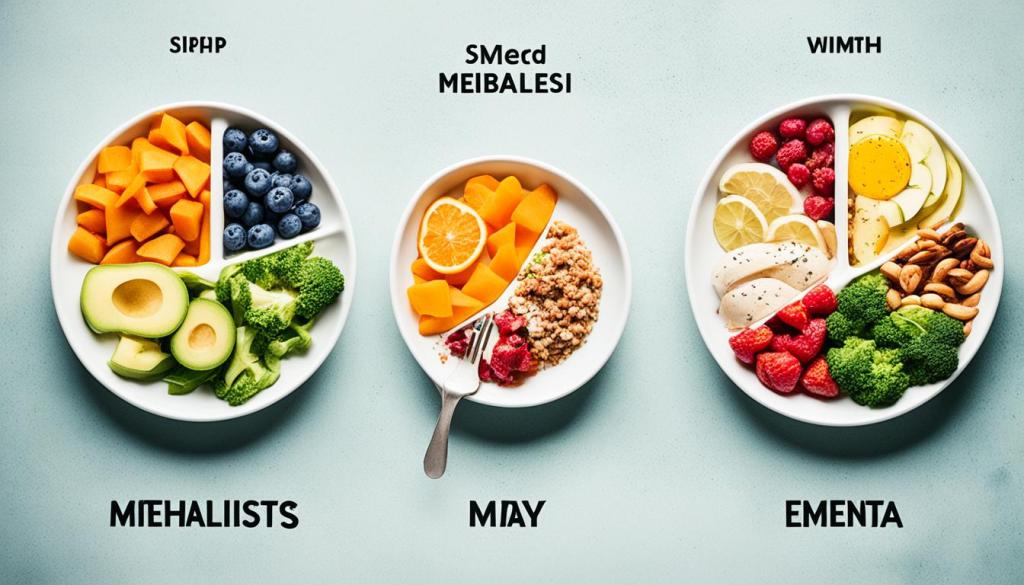
Many people skip meals thinking it helps with weight control. But, knowing how meal skipping effects your metabolism can lead to better eating habits. It shows why eating regularly is key.
Effects of Meal Skipping on Metabolism
Skipping meals can harm your body. It often makes your metabolism slow down, which means you burn less energy. Without regular food, your body might start to conserve energy, causing:
- Increased feelings of hunger
- Lower energy levels
- Potential weight gain over time
Studies show that eating regularly keeps your metabolism active all day. By eating at set times, you help your body work better. This keeps hunger in check and energy levels steady.
The Myths vs. Facts about Frequent Meals
There are many myths about how often you should eat. Some think eating small meals often boosts metabolism. Others say eating fewer, bigger meals is better. But the truth is:
| Myth | Fact |
|---|---|
| Eating more frequently increases metabolic rate. | Regular meals help keep your metabolism active but don’t always make it faster. |
| Skipping meals can help with weight loss. | Skipping meals might lead to eating more later, which could undo weight loss efforts. |
| Frequent meals stabilize blood sugar. | Eating meals regularly can help control blood sugar levels. |
Avoiding Protein in Breakfast
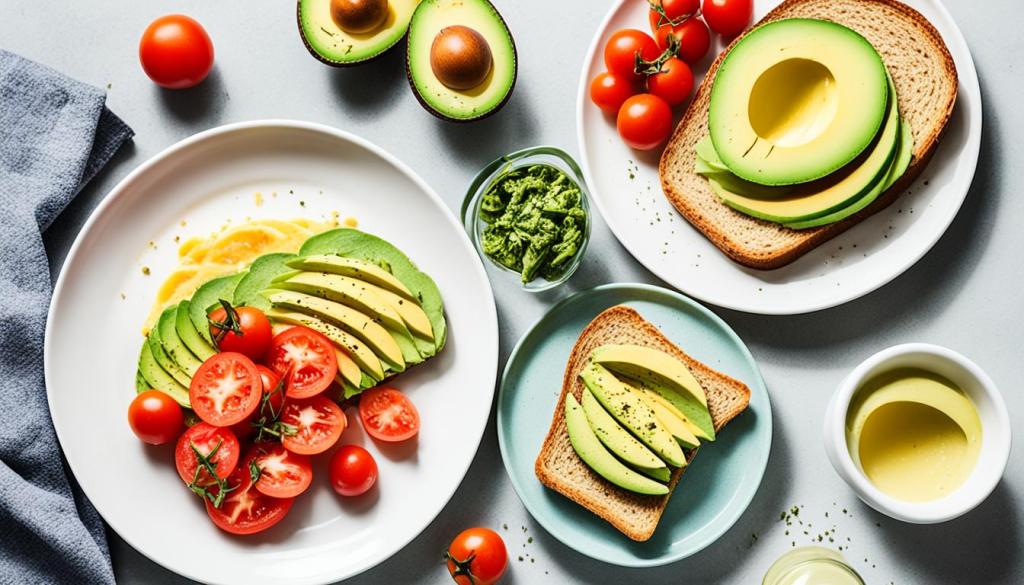
Starting your day without protein can slow down your metabolism. Protein is key at breakfast as it boosts your metabolic rate. It makes your body work harder to digest it, which burns calories. This helps you manage your weight better.
Protein’s Role in Boosting Metabolism
Adding protein-rich foods to your breakfast helps repair and grow muscles. It also keeps you full, reducing the need for snacks later. Protein is a metabolism booster, improving your metabolic performance.
Makeshift Breakfast Options for Better Metabolism
Looking for quick protein-rich breakfast ideas? Try these:
- Scrambled eggs with spinach and feta cheese
- Greek yogurt topped with berries and nuts
- Smoothies blended with protein powder, spinach, and a banana
- Cottage cheese served with sliced peaches
- Whole grain toast topped with avocado and poached eggs
These options can boost your protein intake at breakfast. This sets a positive tone for your metabolism all day.
| Breakfast Option | Protein Content (grams) | Benefits |
|---|---|---|
| Scrambled Eggs with Spinach | 18 | Rich in vitamins and promotes muscle health |
| Greek Yogurt with Berries | 20 | High antioxidants and helps with satiety |
| Smoothie with Protein Powder | 25 | Quick energy boost and aids in recovery |
| Cottage Cheese with Peaches | 15 | Low in fat and high in calcium |
| Avocado Toast with Poached Eggs | 16 | Healthy fats and protein for sustained energy |
Overdoing It with Caffeine

Caffeine is a stimulant that helps you feel more alert and energetic. Knowing how caffeine affects you can help you use it wisely. It’s important to balance its benefits and risks for your metabolic health.
Positive and Negative Effects of Caffeine Intake
Drinking moderate amounts of caffeine can help your metabolism. It can make your resting metabolic rate go up. This can help burn fat and support weight control. You can find caffeine in drinks like coffee and green tea, which are good for metabolism.
But, too much caffeine can be bad. It can cause anxiety, trouble sleeping, and a faster heart rate. It’s important to watch how your body reacts to caffeine because everyone is different.
- Moderate Caffeine Intake: Supports metabolism and may aid in fat burning.
- Healthier Sources: Green tea offers antioxidants alongside caffeine for a balanced approach.
- Risks of Overdoing Caffeine: Anxiety and disrupted sleep can hinder your metabolic progress.
| Caffeine Source | Caffeine Content (per 8 oz) | Potential Benefits | Risks of Overconsumption |
|---|---|---|---|
| Coffee | 95 mg | Boosts metabolism and improves focus | Increased anxiety and heart rate |
| Green Tea | 30 mg | Rich in antioxidants and supports fat loss | Minimal, but possible agitation |
| Energy Drinks | 80 mg | Enhanced energy and dietary assistance | High sugar content; potential jitters |
Being careful with caffeine is key to getting its benefits without the downsides. Adjusting how much caffeine you drink can help you stay healthy and support a good metabolism.
Not Drinking Enough Water

Many people don’t realize how important it is to stay hydrated. Drinking water is key for your metabolism and overall health. It’s important to know how much water you need to improve your metabolic efficiency.
Hydration and Its Influence on Metabolism
Hydration is crucial for your metabolism. Drinking enough water can boost your metabolic rate by up to 30%. This helps your body process nutrients and get rid of waste better. It also supports healthy digestion, which is important for your metabolism.
How Much Water Should You Really Drink?
The amount of water you should drink daily varies. Most adults need about 8 cups (2 liters). But, your activity level, the weather, and your health can change that. Listen to your body and check the color of your urine to know if you’re drinking enough.
| Factors Influencing Water Needs | Recommended Intake |
|---|---|
| Average Adult | 8 cups (2 liters) |
| Active Lifestyle | 10-12 cups (2.5-3 liters) |
| Hot Climate | 10-14 cups (2.5-3.5 liters) |
| Health Conditions (e.g., fever, illness) | Consult a healthcare provider |
Drinking enough water is key to a better metabolism. It helps your body process nutrients and work better. Try to drink water all day to meet your hydration needs and support your metabolic health.
Ignoring Health Check-Ups

It’s key to make health check-ups a top priority for your metabolic health. Regular checks help spot potential problems early. This way, you can fix them before they get worse.
Importance of Regular Health Assessments
Regular health check-ups give a full check on your metabolic health. They can find hidden issues like thyroid problems or hormonal imbalances. These issues can change your lifestyle a lot. By seeing your doctor often, you can stay ahead of health problems.
Signs of Metabolism Issues to Watch For
Pay attention to your body’s signs to keep your metabolism in check. Watch for:
- Persistent fatigue
- Unexplained weight gain
- Increased cravings for sugary or high-calorie foods
These signs might mean you have metabolism problems. It’s important to get checked out. Early action can lead to better health strategies and treatments.
Managing Stress Levels for Improved Metabolism

High stress levels can really affect your metabolism. When you’re stressed, your body goes into fight-or-flight mode. This makes your cortisol levels go up. High cortisol can make you gain weight and mess with your metabolism. It’s important to know this to manage stress and keep your metabolism healthy.
The Link Between Stress and Metabolic Rate
Stress and your metabolism are closely linked. When stress goes up, your body tries to save energy. This makes it harder to burn calories, which can make weight control tough. Understanding this can help you make changes to stay healthy.
Stress-Reduction Techniques
Adding stress-reducing activities to your day can help you handle stress better and boost your metabolism. Here are some ways to do it:
- Meditation: Mindfulness can lower cortisol and help you relax.
- Yoga: It’s a mix of physical and mental work that’s good for you.
- Breathing Exercises: Simple breathing can lower stress and help your metabolism.
Adding these activities to your life helps with stress and boosts your metabolism. Reducing stress can make a big difference in your health.
Avoiding Late-Night Snacking

Eating late at night can hurt your metabolism and health. Snacking late often means you eat more calories. This can make you gain weight, raise your blood sugar, and slow down your metabolism. It’s important to know how these habits affect you.
How Late-Night Eating Affects Your Metabolism
Eating late can lead to health problems. It can make your body store more fat and not process calories well. This can slow down your metabolism. Plus, it can make you sleep poorly, which makes things worse.
Healthier Alternatives for Late-Night Cravings
When you feel like snacking, pick healthier options. Don’t go for junk food. Try:
- Greek yogurt with fruit
- Air-popped popcorn seasoned with herbs
- A handful of nuts like almonds or walnuts
- Vegetable sticks with hummus
These snacks are good for your metabolism. Eating at regular times can also help you snack less at night. This leads to better eating habits and better metabolic health.
Conclusion
Improving your metabolism is not just luck. It’s about making changes in your life step by step. We’ve talked about habits and practices that boost your metabolic health. These include eating protein for breakfast and drinking plenty of water.
Each small change helps make your body’s metabolism work better. Adopting these changes can make you feel more energetic and improve your health. Remember, making big changes takes time and effort. Start with one change at a time to see great results.
Adding metabolism boosters to your daily life can make you feel more alive. By making smart choices and focusing on your metabolic health, you’re on your way to a healthier, more vibrant life.
FAQ
How can I improve my metabolism naturally?
To boost your metabolism naturally, add metabolism-boosting foods to your diet. Make sure to eat protein at meals. Drink plenty of water and stay active.
Also, cut down on late-night snacks and manage stress to help your metabolism.
What common lifestyle habits are slowing down my metabolism?
Bad habits that slow your metabolism include skipping meals and drinking too much sugar. Sitting too much, not drinking enough water, and too much caffeine also hurt your metabolism.
Changing these habits can make your metabolism better.
Is drinking water important for metabolism?
Yes, drinking enough water is key for a good metabolism. Drinking water can make your metabolism faster. Try to drink water all day to help your metabolism and digestion.
How does meal timing affect metabolism?
When you eat matters for your metabolism. Eating regularly keeps your blood sugar and hunger hormones stable. This can make your metabolism better.
Eating late at night can mess with your metabolism and make you eat more calories.
What role does protein play in boosting metabolism?
Protein is important for a faster metabolism. It helps your body burn calories by making you work harder to digest it. Eating protein for breakfast can help keep your metabolism up all day.
Can stress impact my metabolic rate?
Yes, stress can slow down your metabolism. It can make your cortisol levels go up, leading to weight gain and less energy. Using stress-reducing activities like meditation and yoga can help your metabolism.
How often should I have health check-ups for metabolic issues?
It’s important to have regular health check-ups to catch metabolic problems early. See your doctor every year or more often if you feel tired or notice weight changes you can’t explain.
Is it harmful to skip meals?
Skipping meals is bad for your metabolism. It can make your metabolism slower and make you hungrier. Eating regularly helps keep your metabolism going and keeps your energy steady.
What are some natural metabolism boosters?
Natural metabolism boosters include green tea for its caffeine and antioxidants. Also, lean protein, spices like cayenne pepper, and whole grains help. Being active and sleeping well also boost your metabolism.
Source Links
- 6 Mistakes That Slow Down Your Metabolism – https://www.healthline.com/nutrition/6-mistakes-that-slow-metabolism
- How to Reset and Supercharge Your Metabolism in 3 Days – https://www.healthline.com/health/how-to-reset-metabolism
- It’s not your age that’s slowing your metabolism, new research says. Here’s what to do | CNN – https://www.cnn.com/2021/09/24/health/how-to-boost-metabolism-wellness/index.html



 trim down and shape up
Leave a comment