


Have you ever thought about how your daily food habits might be hurting your health? You might not know that some habits you think are okay are actually bad for you. Nutritionists want you to change these habits to improve your health.
It’s important to know these unhealthy eating habits to take back control of your health. This article will show you 15 habits that might be slowing you down. It will also give you tips from nutritionists to help you live healthier.
Key Takeaways
- Many common food habits can negatively impact your health and wellbeing.
- Changing unhealthy eating habits is crucial for improvement.
- Nutritionists offer actionable tips for recognizing and altering your routines.
- Better food habits can lead to enhanced overall health outcomes.
- Awareness is the first step toward making lasting dietary changes.
Understanding Bad Habits With Food and Their Impact
Bad eating habits can really hurt your health. They can lead to overeating, too much sugar, and not getting the right nutrients. Studies show that these habits are linked to serious health problems like obesity, diabetes, and heart disease. The World Health Organization says it’s key to fix these issues for better health.
It’s important to see how your food choices affect your health. Habits like binge eating or snacking too much can cause big health problems. These habits affect your health now and in the future. Eating mindfully can help you be more aware of your food choices.
Changing your food habits can improve digestion and boost your metabolism. Changing bad habits to healthy ones leads to a better life. It’s important to look at how you eat now and make better choices for your health.
Skipping Breakfast and Its Consequences
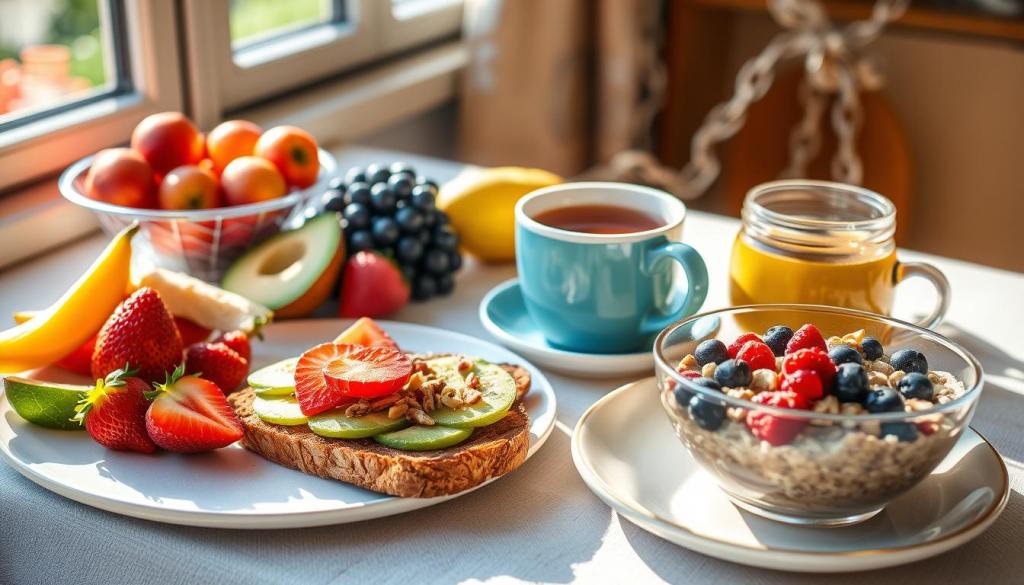
Skipping breakfast can harm your health in big ways. Many people think the morning meal is not important. But skipping it can make you want unhealthy snacks later, messing with your diet.
A good breakfast starts your metabolism and keeps your blood sugar stable. If you skip it, you might feel hungrier and want foods high in sugar or fat. Eating a meal with protein, whole grains, and fruits gives you the nutrients and energy you need for the day.
Here are some good things about eating a nutritious breakfast:
- Improved concentration and better thinking skills in the morning.
- Feeling happier, not irritable from hunger.
- Being able to control your calorie intake, making healthier choices later.
Adding different foods to your breakfast can make you eat better all day. Knowing how breakfast affects you can make you want to eat it more. This can make you healthier overall.
| Type of Food | Benefit |
|---|---|
| Whole Grains | Provide sustained energy and fiber |
| Fruits | Rich in vitamins and antioxidants |
| Protein Sources (e.g., eggs) | Helps in muscle repair and growth |
Overloading on Sugary Drinks and Health Risks
Drinking too many sugary drinks can harm your health. These drinks can lead to weight gain, type 2 diabetes, and heart disease. They have a lot of sugar, causing your blood sugar to spike. This can make you feel tired and might make you want to eat unhealthy snacks to get your energy back.
Empty Calories and Blood Sugar Spikes
Sugary drinks are full of empty calories with little to no nutrition. They don’t really quench your thirst and can make you gain weight and crave more. The sugar in them makes your body’s insulin levels go up, causing your blood sugar to spike. Then, your energy drops, making you want another sugary drink or snack.
Choosing Healthier Beverage Options
Nutritionists suggest choosing healthy drink alternatives to avoid the dangers of sugary drinks. Drinks like water, herbal teas, and those without added sugar are better for you. Cutting down on sugary drinks can improve your energy and nutrition.
Using hydration tips like a reusable water bottle or adding fruits to your water can change your drink choices. Choosing healthier drinks helps with hydration and supports your health goals.
| Beverage | Sugar Content (per 12 oz) | Calories | Healthier Alternative |
|---|---|---|---|
| Coca-Cola | 39g | 140 | Infused Water |
| Pepsi | 41g | 150 | Herbal Tea |
| Mountain Dew | 46g | 170 | Sparkling Water |
| Dr. Pepper | 40g | 150 | Coconut Water |
The Dangers of Eating Late at Night
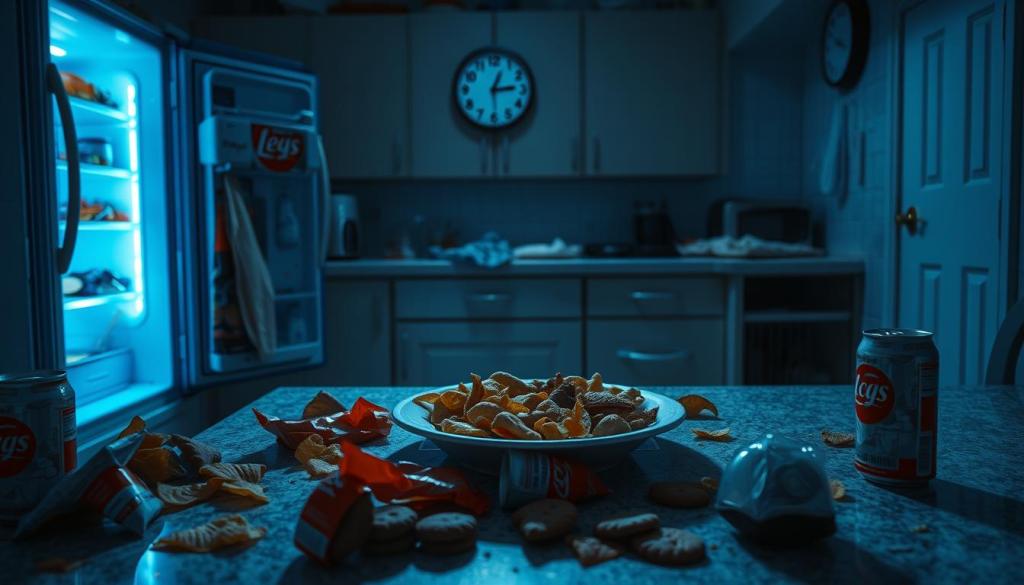
Eating late at night can be harmful to your health. Your body is getting ready for sleep, but eating can cause problems. These problems include sleep issues and digestion problems. The digestive system works hard to process food before bedtime, leading to discomfort.
Disrupting Digestion and Sleep Quality
Late-night eating shows how crucial meal timing is in a healthy eating plan. Eating close to bedtime makes it hard for your body to digest food and relax. This can lead to poor sleep, making you tired and less energetic the next day.
Better Timing for Meals
Nutrition experts suggest a healthy eating schedule that gives your body time to digest before sleep. Try to eat your last meal 2-3 hours before bedtime. Here are some meal planning tips:
- Plan meals earlier to feel full but not too full at bedtime.
- Have smaller meals in the evening to ease your digestive system.
- Choose meals with protein and fiber to stay full without discomfort.
Optimizing your meal times can help you sleep better, reduce digestion problems, and lead to a healthier life.
| Meal Timing Strategy | Benefits |
|---|---|
| Last meal 2-3 hours before bed | Improved sleep quality |
| Smaller evening portions | Reduced digestion issues |
| Incorporate protein and fiber | Longer lasting satiety |
Constant Snacking on Unhealthy Foods

Frequent snacking can lead to a big increase in calorie intake. This is especially true when you choose unhealthy snacks. Many people often pick chips, cookies, or sugary treats. These snacks lack the nutrients your body needs.
Instead of junk food, try making smarter snack choices. Go for fruits, vegetables, or nuts. These options can curb cravings without adding too many calories. They also give you the vitamins and minerals you need to stay full.
- Be aware of frequent snacking dangers. It can mess with your hunger signals and lead to eating out of boredom or stress.
- Establish a routine based on balanced meals to cut down on cravings for unhealthy snacks.
- Stay hydrated. Sometimes, you might think you’re hungry when you’re actually thirsty, which can lead to snacking.
Having healthy snacks around can really help. Keep snacks like hummus with veggies or yogurt with fruit handy. This makes it easier to choose a healthy option when you’re hungry.
Understanding the risks of constant unhealthy snacking can help you change your eating habits. You can make better snack choices and move towards a healthier lifestyle.
Ignoring Portion Sizes: A Recipe for Overeating

Not paying attention to portion sizes can lead to eating too much. This can cause you to take in more calories than you need, which can result in weight gain. Learning to control your portions is key to eating healthy and managing your weight. By being mindful of your eating, you can stop overeating and listen to your body’s hunger signals.
Mindful Eating Techniques
Mindful eating means eating with full attention. Here are some ways to do it:
- Taking smaller bites
- Eliminating distractions during meals
- Chewing slowly to enhance flavors
- Listening to your body’s hunger signals
These methods help you stay aware of how much you’re eating. This way, you can enjoy your food without eating too much.
The Importance of Food Detection
Knowing how much food you’re eating is crucial for managing your intake. Learning about serving sizes helps you make better choices. Here are some tips:
- Use smaller plates to feel like you’re eating more
- Measure your servings to avoid eating without thinking
- Pre-plate your meals to keep track of your portions
These strategies can prevent overeating and improve your relationship with food. This leads to better health overall.
Relying on Processed Foods: The Nutritional Pitfall
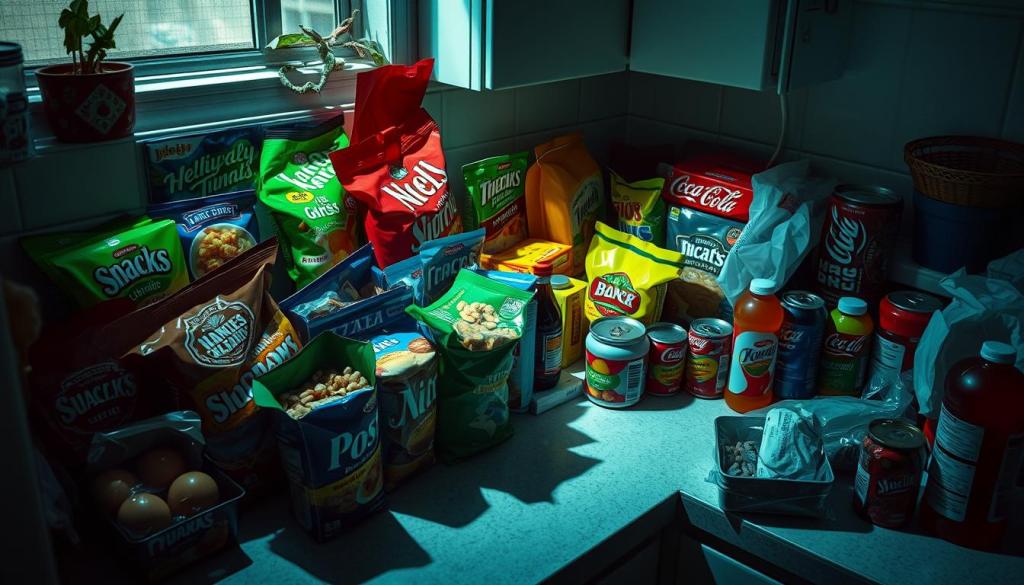
Many people today struggle with the effects of eating too much processed food. These foods are often packed with sodium, unhealthy fats, and sugars. This can lead to nutritional imbalances over time. Eating a lot of processed foods can harm your health, raising the risk of obesity and heart disease.
Switching to healthier foods can greatly benefit you. Choosing healthy food choices means picking fresh fruits, veggies, whole grains, and lean proteins. This change can boost your nutrient intake. It gives your body the vitamins and minerals it needs to work well.
| Processed Foods | Healthy Alternatives |
|---|---|
| Packaged snacks (chips, cookies) | Nuts, fresh fruit, and yogurt |
| Sugary breakfast cereals | Oatmeal with fruits or nuts |
| Frozen meals high in sodium | Homemade stir-fries or salads |
| Processed meats (hot dogs, deli meats) | Grilled chicken or fish |
Understanding the risks of processed foods helps you make better choices for your health. It’s key to eat a diet full of whole, nutrient-rich foods to reduce processed foods in your diet.
Ignoring Vegetables: A Missed Opportunity
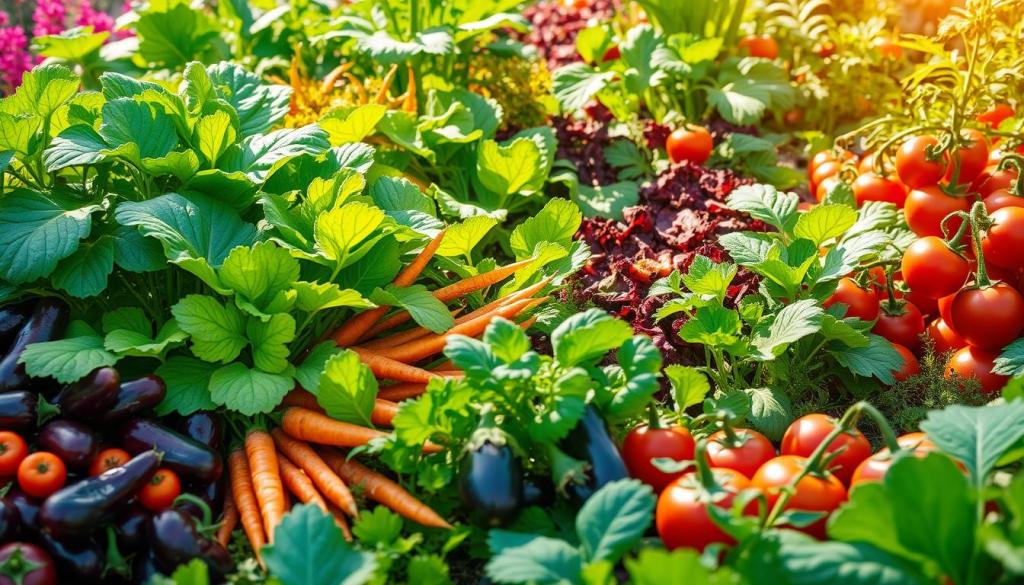
In today’s fast-paced world, many people overlook the importance of eating vegetables. Adding these colorful foods to your diet can greatly improve your health. They are packed with vitamins, minerals, and fiber. These nutrients are key in preventing nutrient deficiencies.
Eating different types of vegetables makes your meals more flavorful and good for your health. Here are some reasons why eating vegetables is a must:
- Improved Digestion: The fiber in vegetables helps keep your digestive system healthy.
- Chronic Disease Prevention: Eating vegetables regularly can lower the risk of heart disease and diabetes.
- Boosted Immunity: Vegetables are full of vitamins that strengthen your immune system.
Vegetables are crucial for your health. If you’re not eating them, it’s time to rethink your diet. Adding a variety of vegetables to your meals can change how you feel and work every day.
Conclusion
Many common food habits can harm your health and wellbeing. Skipping breakfast, eating processed foods, and drinking sugary drinks are examples. Each habit has its own negative effects that can lead to serious health problems.
Think about changing your eating habits for the better. Eating more whole foods, watching your portion sizes, and eating more veggies are good steps. These changes can make your diet and health better.
Recognizing and fixing bad food habits is key to a healthier life. Better nutrition boosts your physical health and improves your mental and emotional health too. Start making small changes now for big benefits later.
FAQ
What are some common bad eating habits?
Bad eating habits include skipping breakfast and overloading on sugary drinks. Eating late at night and snacking on unhealthy foods are also common. Not paying attention to portion sizes and relying on processed foods are other bad habits.
How does skipping breakfast affect my health?
Skipping breakfast can make you crave unhealthy snacks later. It can also mess with your metabolism. Eating a balanced breakfast helps keep your blood sugar stable and starts your metabolism.
What are the dangers of sugary drinks?
Sugary drinks can lead to weight gain and increase your risk of type 2 diabetes and heart disease. They have a lot of empty calories and cause big spikes in blood sugar.
How can I improve my drink choices?
Choose healthier drinks like water, herbal teas, and ones without added sugars. Cutting down on sugary drinks is key for better hydration and health.
What are the effects of eating late at night?
Eating late can mess with your digestion and sleep quality. This leads to discomfort and poor sleep. Try to finish eating 2-3 hours before bedtime.
How can I manage my snacking habits?
To stop snacking on unhealthy foods, focus on balanced meals. These meals should satisfy your hunger and cut down on extra calories. This helps you eat healthier.
Why is it important to pay attention to portion sizes?
Not watching your portions can lead to eating too much by accident. Paying attention to them helps you know when you’re hungry or full. It also helps control how many calories you eat.
What are the risks associated with relying on processed foods?
Processed foods are often full of sodium, unhealthy fats, and sugars. This can lead to poor nutrition and increase the risk of chronic diseases. Try to eat more whole foods like fruits and vegetables instead.
Why should I include more vegetables in my diet?
Not eating vegetables means missing out on important vitamins, minerals, and fiber. Adding a variety of colorful vegetables to your diet helps with digestion and can prevent chronic diseases.
Source Links
- 15 Food Habits Nutritionists Are Urging You to Quit – I Love Cream Cheese – https://ilovecreamcheese.com/15-food-habits-nutritionists-are-urging-you-to-quit/
- Bad Eating Habits You Should Stop Immediately, Say Experts – https://www.eatthis.com/bad-eating-habits-to-stop-immediately/
- 23 Ways to Stop Overeating – https://www.healthline.com/nutrition/how-to-stop-overeating



 trim down and shape up
Leave a comment