


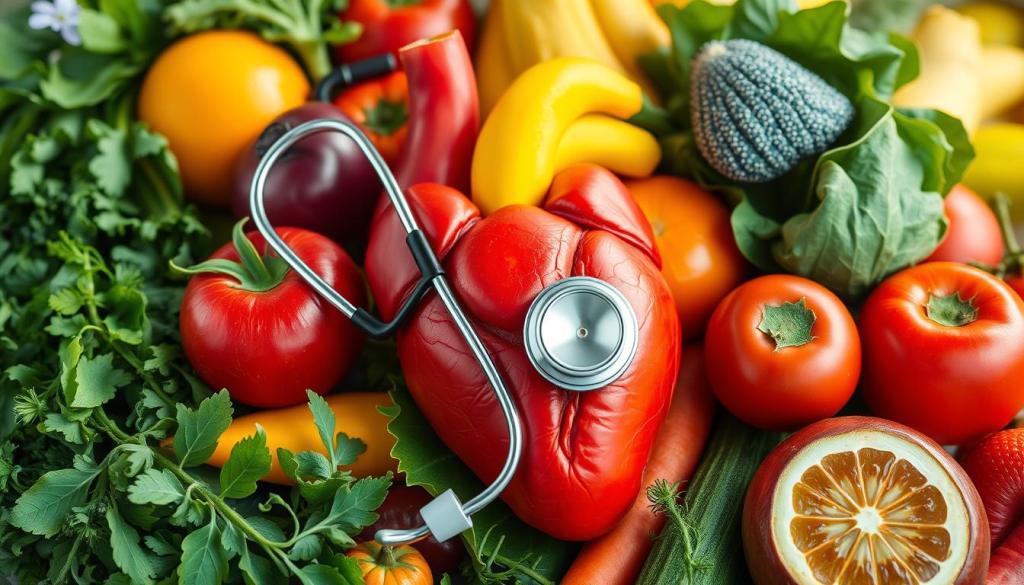
It’s crucial to take care of your heart health to avoid heart disease and improve your overall well-being. You can manage your heart health by making smart lifestyle choices. Eating well, exercising regularly, quitting smoking, and managing stress are key steps.
These actions help control risks like high blood pressure and high cholesterol. By doing so, you can live a longer, healthier life.
Key Takeaways
- Prioritize heart health to prevent diseases.
- Adopt a balanced, nutritious diet for better cardiovascular wellness.
- Incorporate regular physical activity into your routine.
- Manage stress effectively to lower heart disease risk.
- Quit smoking to improve your heart health.
- Monitor blood pressure and cholesterol levels regularly.
Understanding the Importance of Heart Health
Heart health is key to your overall well-being. Heart disease is a major killer worldwide. It’s vital to understand how to prevent it.
Heart disease includes many conditions like coronary artery disease and high blood pressure. These conditions can be managed with the right lifestyle choices. Knowing the importance of heart health helps you take the right steps.
What you eat and how much you exercise greatly affects your heart. Eating well and staying active can lower your risk of heart disease. By doing so, you can live a healthier life.
Living a heart-healthy lifestyle is a long-term investment. It prepares you to face health challenges. The steps you take now can ensure a healthier future for your heart.
Healthy Diet for a Healthy Heart

Eating a balanced diet is key to keeping your heart healthy. Eating a variety of heart-healthy foods can boost your health and lower heart disease risk. Choose whole foods that are rich in nutrients and support your heart well.
Key Nutrients for Heart Health
Your diet should be full of important nutrients for heart health. Omega-3 fatty acids in fish like salmon and mackerel help reduce inflammation and improve heart function. Fiber from legumes and whole grains helps lower cholesterol. Antioxidants in fruits and vegetables fight oxidative stress, protecting your heart.
Start your day with a healthy breakfast, like oats or smoothies. This gives you a boost of these essential nutrients.
Foods to Avoid: Cut Out Saturated Fat and Trans Fat
It’s crucial to avoid saturated and trans fats for heart health. Saturated fats raise cholesterol, while trans fats are very harmful and often found in processed foods. Reduce red meat, full-fat dairy, and fried foods. Choose lean proteins and whole grains instead.
Also, watch the sodium in your meals. High sodium can raise blood pressure. Eat whole, unprocessed foods to keep your heart healthy.
| Food | Benefits | Foods to Avoid |
|---|---|---|
| Salmon | Rich in omega-3 fatty acids | Processed meats |
| Oats | High in fiber, helps lower cholesterol | Full-fat dairy products |
| Spinach | Loaded with antioxidants | Fried foods |
| Legumes (beans, lentils) | Excellent source of fiber | Snack foods with trans fats |
Regular Exercise: Move to Live

Regular exercise is key for a healthy heart. The American Heart Association suggests at least 150 minutes of moderate activity each week. This helps your heart and boosts your overall health.
There are many activities you can do to stay active. This makes it easier to live a heart-healthy life.
Recommended Physical Activities
- Brisk walking
- Cycling
- Swimming
- Strength training
These activities fit any lifestyle and preference. Choose what you enjoy to stay active. This way, you’ll live a more active life and keep your heart healthy.
The Benefits of Dancing for Your Heart
Dancing is fun and great for your heart. Many dances, like salsa and ballroom, are good cardio. They raise your heart rate and improve blood flow.
Dancing also boosts your mood and social life. It’s a complete choice for heart health.
Adding dancing to your routine has lasting benefits. Invite friends or join classes to enjoy it and make new friends. Start a heart-healthy lifestyle today with your choices.
Maintaining a Healthy Weight

Keeping a healthy weight is key for heart health. Extra weight can strain your heart, raising heart disease risk. Aim for a balanced lifestyle with exercise and a healthy diet. These help keep your body mass index (BMI) in check.
For lasting weight loss, focus on making long-term lifestyle changes. Quick diets don’t work well. Slow, steady weight loss is better for your heart.
- Do at least 150 minutes of moderate exercise each week.
- Eat whole foods like fruits, veggies, whole grains, and lean proteins.
- Drink plenty of water and cut down on sugary drinks.
- Watch your portion sizes to avoid eating too much.
Check your BMI often to see how your weight is doing. Aiming for a healthy BMI range supports a strong heart and overall health.
| BMI Classification | BMI Range |
|---|---|
| Underweight | Less than 18.5 |
| Normal weight | 18.5 – 24.9 |
| Overweight | 25.0 – 29.9 |
| Obesity | 30.0 and above |
By following these tips, you can keep a healthy weight and lower heart disease risk. Managing your weight improves your health and looks.
Stop Smoking for Better Heart Health

Smoking is a big threat to your heart health. It raises your risk of heart disease and can cause serious problems like stroke. Quitting smoking is a big step towards reducing health risks from tobacco.
Quitting tobacco is good for your heart and overall health. Your body starts to heal quickly after you stop smoking. Blood flow gets better, and your heart works more efficiently.
Get support when you quit. Join support groups or work with doctors who can help. They offer resources and strategies that fit your needs, making quitting easier.
Quitting tobacco can greatly lower your risk of heart disease. It opens the door to a healthier, more vibrant future.
Managing Your Blood Pressure and Cholesterol
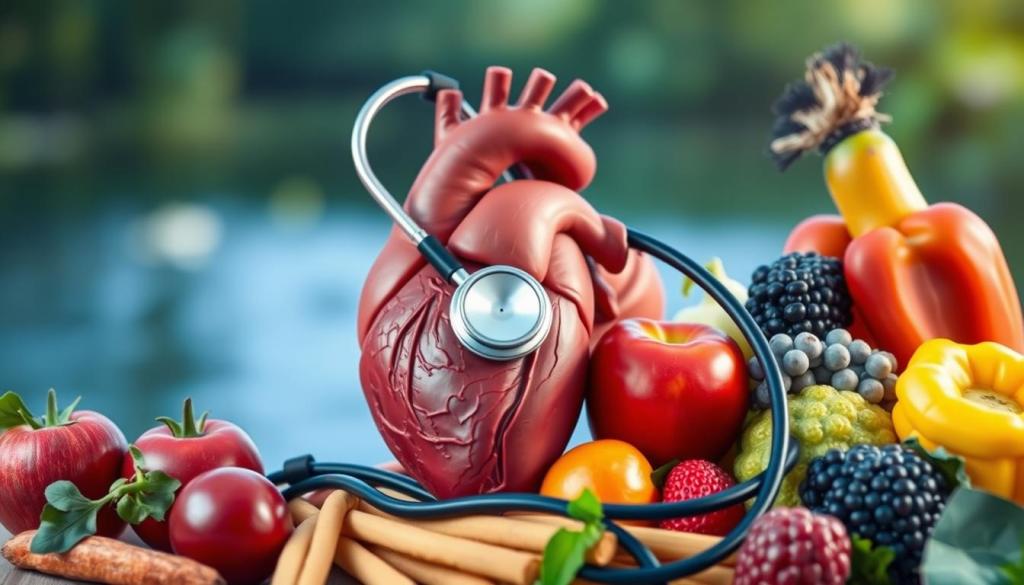
Regular health check-ups are key to managing blood pressure and cholesterol. These visits help you understand your risk and create a plan to manage cholesterol. Working with your healthcare team is crucial for catching problems early and acting fast.
Importance of Regular Check-Ups
Regular check-ups keep your blood pressure and cholesterol in check. Blood tests and assessments spot any issues and guide your doctor. Sticking to a testing schedule based on your health history makes your plan more effective.
Foods That Help Lower Cholesterol
Adding certain foods to your diet can lower cholesterol. Focus on eating:
- Oats – A great source of soluble fiber that helps reduce cholesterol absorption.
- Barley – Another whole grain rich in soluble fiber, beneficial for heart health.
- Nuts – Almonds and walnuts contain healthy fats that support cholesterol management.
- Fatty fish – Rich in omega-3 fatty acids, which provide cardiovascular benefits.
- Legumes – Beans and lentils are excellent sources of protein and fiber, helping improve blood lipid profiles.
Eating a heart-healthy diet with these foods can help manage cholesterol well.
| Food | Benefit |
|---|---|
| Oats | Reduces cholesterol absorption |
| Barley | Supports heart health |
| Nuts | Healthy fats for cholesterol management |
| Fatty Fish | Provides omega-3 fatty acids |
| Legumes | Improves blood lipid profiles |
Heart Disease Prevention Through Lifestyle Changes

Living a heart-healthy lifestyle is key to preventing heart disease. Making simple changes can greatly improve your heart health. Focus on eating right, staying active, quitting smoking, and managing stress to lower heart disease risks.
- Adopt a balanced diet full of fruits, veggies, whole grains, and healthy fats.
- Engage in regular physical activity to make your heart stronger and improve blood flow.
- Avoid smoking and secondhand smoke to keep your arteries healthy.
- Manage stress with meditation, yoga, or hobbies that calm you down.
These lifestyle changes help keep your heart healthy and improve your overall well-being. Each choice you make helps build a strong defense against heart disease.
The Role of a Healthy Sex Life

A healthy sex life is key to keeping your heart healthy. Regular intimacy can lower stress, which is good for your heart. Studies show that feeling close during sex can make you happier and less anxious, boosting your overall health.
Intimacy affects your health in many ways, linking your emotional and physical well-being. Being in a supportive relationship means you have a place where you can talk openly and feel close. This is crucial for a strong relationship.
“A strong emotional bond, supported by intimacy, can significantly enhance overall health.”
To keep a healthy sex life, focus on these important things:
- Open communication with your partner
- Prioritizing quality time together
- Exploring new ways to connect emotionally and physically
- Staying active, as physical fitness can enhance performance and enjoyment
Here’s a table to show how intimacy and heart health are connected:
| Benefit | Impact on Heart Health |
|---|---|
| Reduced Stress | Lowers blood pressure and heart rate |
| Improved Mood | Contributes to emotional stability |
| Stronger Emotional Bonds | Encourages supportive relationships, reducing heart disease risk |
| Increased Physical Activity | Enhances circulation and cardiovascular fitness |
Having a healthy sex life is more than just a personal choice. It’s a vital part of keeping your heart healthy. Making intimacy a priority can bring many benefits, improving both your emotional and physical health.
Stress Management Techniques for Cardiac Wellness

Managing stress is key to keeping your heart healthy. Good stress management can boost both your body and mind. Yoga and tai chi can make you more flexible, lower your blood pressure, and calm your nerves. These activities are great for your heart and help you live a balanced life.
Relaxation Techniques: Yoga and Tai Chi
Yoga and tai chi are great for reducing stress. They teach mindfulness and help you relax. These practices connect you with your body, making you feel refreshed. Using them often can bring calm and better heart health.
The Power of Laughter and Laughter Yoga
Laughter is a powerful tool for heart health. Laughter yoga mixes laughter with yoga breathing. It’s a fun way to naturally reduce stress. Adding laughter to your day can lift your mood and improve your health.
Adding humor to your life can change things. It can lower blood pressure and improve heart health. Laughter yoga or just laughing can make you happier and better for your heart. Don’t forget to have fun and laugh often as part of managing stress.
| Stress Management Techniques | Benefits |
|---|---|
| Yoga | Improves flexibility, reduces anxiety, promotes relaxation |
| Tai Chi | Enhances balance, lowers stress, boosts mental clarity |
| Laughter Yoga | Increases blood flow, lowers blood pressure, elevates mood |
Heart Health Nutrition: Getting High on Fiber

Eating foods high in fiber is great for your heart. Foods like fruits, vegetables, whole grains, and legumes are full of fiber. They help keep your heart healthy by lowering cholesterol.
Adding these foods to your diet can make your heart stronger. It’s a key part of a diet that keeps your heart safe from many problems.
Daily Nut Consumption and Heart Benefits
Eating nuts every day is good for your heart. They are packed with fiber, antioxidants, and healthy fats. These nutrients help keep your cholesterol levels in check.
Studies show that eating a small amount of nuts daily can lower bad cholesterol. It’s an easy way to boost your heart health.
The Importance of Eating Fish Regularly
Eating fish, especially fatty kinds like salmon and mackerel, is also important. They are full of omega-3 fatty acids. These acids help lower triglycerides and reduce inflammation.
Try to eat fish at least twice a week. It’s not just good for your heart. It also helps you eat a more balanced diet.
| Food Source | Health Benefits |
|---|---|
| Fruits | Rich in vitamins, minerals, and fiber. Lowers cholesterol. |
| Vegetables | Provides essential nutrients and antioxidants. Supports heart health. |
| Whole grains | High in fiber for cholesterol management. Promotes satiety. |
| Nuts | Source of healthy fats and protein. Decreases heart disease risk. |
| Fatty fish | Loaded with omega-3 fatty acids. Reduces inflammation and triglycerides. |
The Impact of Alcohol on Heart Health

The link between alcohol and heart health is not simple. Drinking in moderation might have some benefits. But, too much alcohol can be very harmful. It’s important to know how alcohol affects your body.
Drinking too much can raise your blood pressure and increase heart disease risk. Some health problems caused by too much drinking include:
- Heart rhythm problems
- Heart muscle damage
- Increased triglycerides
Staying within the recommended drinking limits can protect your heart. It’s key to be aware of your drinking habits. This knowledge helps you avoid alcohol’s harmful effects on your heart.
The Benefits of Having a Pet on Your Heart

Having a pet can greatly improve your heart health. It helps you feel emotionally balanced and promotes healthy habits. Pets can make you feel less stressed and happier. This happiness is good for your heart and overall health.
Maintaining a Positive Outlook
Animals offer great support for a positive outlook. Playing with your pet can make you laugh and feel joyful. This joy helps lower stress and anxiety.
Studies show that pet owners have better heart health. They have lower cortisol levels and more serotonin.
Here are some benefits of having a pet:
- Lowered blood pressure and heart rate
- Increased physical activity through walks and play
- Enhanced mood and emotional stability
- Stronger immune system due to reduced stress
Adding a furry friend to your life is more than just companionship. It helps you live a lifestyle that’s good for your heart. Enjoy the positive effects pets have on your mood, which is great for your heart.
Conclusion
Taking care of your heart is key to a long, healthy life. By following heart health tips on nutrition, fitness, stress, and lifestyle, you can lower heart disease risk. Adopting a heart-healthy lifestyle daily will improve your heart health.
Remember, small, steady changes can make a big difference. Choosing whole grains over processed foods or finding fun exercise ways can help. These choices are good for your heart and improve your life quality.
Begin today by applying these heart health tips. You can improve your heart health and live a vibrant life by focusing on your heart’s needs. Start your journey now for a more active and fulfilling future.
FAQ
How can I improve my heart health?
To boost your heart health, start by eating well. Choose foods like fruits, veggies, whole grains, and healthy fats. Also, exercise regularly, quit smoking, and manage stress well.
What type of diet is best for heart health?
For a healthy heart, eat foods high in fiber, omega-3s, and antioxidants. Focus on whole foods like fruits, veggies, nuts, legumes, and fatty fish. Avoid saturated and trans fats.
How much exercise do I need for heart health?
Aim for 150 minutes of moderate exercise weekly. This can be brisk walking, cycling, or swimming.
Is it necessary to quit smoking for heart health?
Yes, quitting smoking is key to lowering heart disease and stroke risks. Get help from professionals or support groups.
How can I manage my cholesterol levels?
To control cholesterol, eat foods rich in soluble fiber and omega-3s. Limit saturated fats and check your levels regularly with your doctor.
What are some effective stress management techniques for heart health?
Try yoga, tai chi, or laughter yoga to reduce stress and improve heart health. These activities can lower anxiety and boost flexibility.
Does having a pet benefit my heart health?
Yes, pets can lower stress, encourage exercise, and improve mood. These benefits are good for your heart health.
Is it safe to drink alcohol for heart health?
Drinking in moderation might help your heart, but too much is harmful. Men should limit to two drinks daily, and women to one.
How can I incorporate more fiber into my diet?
Boost your fiber by eating more fruits, veggies, whole grains, and legumes. Include these in every meal for heart health benefits.
What role does a healthy sex life play in heart health?
A healthy sex life can uplift your mood, reduce stress, and strengthen emotional bonds. These are all good for your heart.
Source Links
- Preventing Heart Disease – https://www.cdc.gov/heart-disease/prevention/index.html
- Taking charge of your heart health – https://blogs.bcm.edu/2023/09/06/taking-charge-of-your-heart-health/
- 5 ways to keep your heart healthy and happy – https://health.ucdavis.edu/blog/cultivating-health/5-ways-to-keep-your-heart-healthy-and-happy/2023/02



 trim down and shape up
Leave a comment