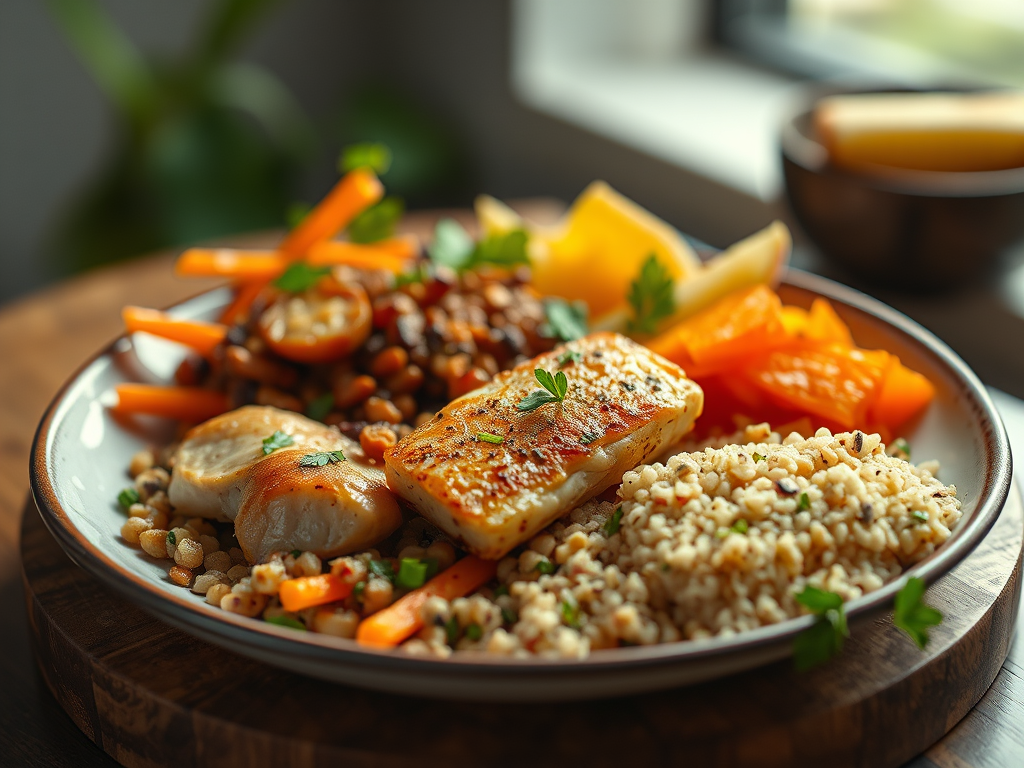


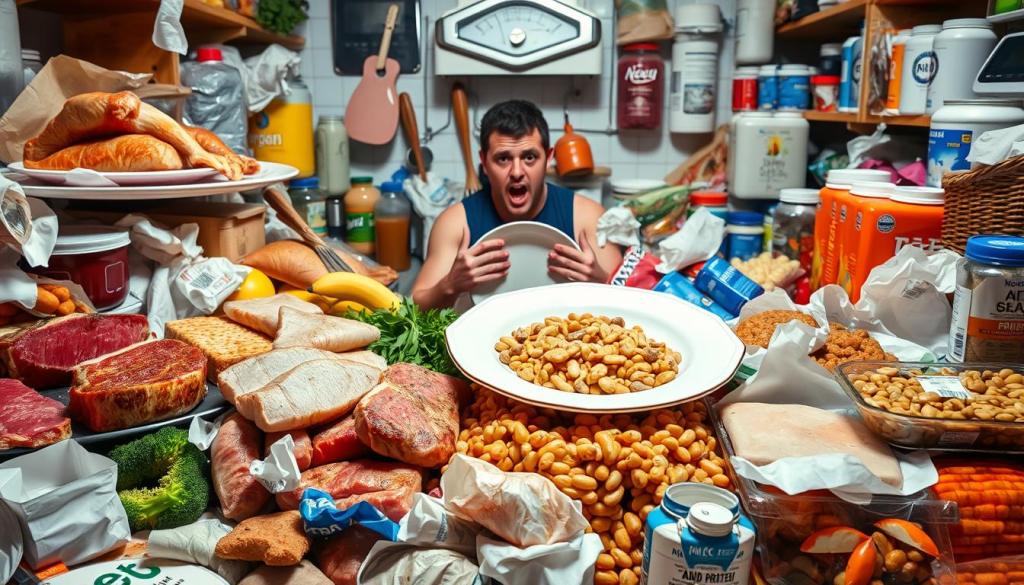
Protein is key for your body, helping with immune function, cell repair, and energy. But too much can be bad. High-protein diets are popular, but they can harm your health.
Eating too much protein can cause kidney problems, heart disease, and digestive issues. It’s important to know the signs of too much protein. Dietitians say a balanced diet is crucial to avoid these risks.
This article will show you signs of too much protein and how to avoid it. Dietitians share tips for a balanced diet. It’s not just about protein, but also about variety and nutrition.
Key Takeaways
- Understanding the importance of protein for your body’s functions.
- Signs of excessive protein intake and its potential health risks.
- Recommendations for daily protein consumption as advised by dietitians.
- Impact of protein overconsumption on overall health.
- The need for a balanced diet that includes various nutrients.
Understanding Protein’s Importance in Your Diet
Protein is key to your health, along with carbs and fats. It helps keep muscles, skin, and bones strong. Knowing how protein works in your diet is important.
Protein helps fix damaged tissues and builds muscles. It’s especially helpful for athletes or those healing from injuries. It also makes hormones and enzymes for digestion and metabolism.
Eating different protein sources is important. Animal products like meat, eggs, and dairy have all the amino acids your body needs. Plant-based foods like beans and nuts offer fiber and other health benefits.
Getting enough protein is vital, but don’t forget about carbs and fats. Eating too much protein without enough carbs and fats can lead to nutrient deficiencies. A balanced diet keeps you healthy and well.
| Protein Source | Type | Amino Acids | Additional Benefits |
|---|---|---|---|
| Chicken | Animal | Complete | High in B vitamins |
| Fish | Animal | Complete | Rich in Omega-3 fatty acids |
| Lentils | Plant | Incomplete | High in fiber and iron |
| Quinoa | Plant | Complete | Good source of magnesium |
How Much Protein Should You Be Eating Every Day?

Your daily protein intake depends on your body weight, lifestyle, and health conditions. Knowing how much protein you need helps you plan your diet better. Most adults should aim for about 0.8 grams of protein per kilogram of body weight.
Some groups need more protein. Pregnant women should get about 1.1 grams per kilogram. Elderly people might need up to 1.2 grams. Athletes doing intense workouts might need up to 1.8 grams per kilogram. These amounts help keep you healthy and support muscle repair.
Getting advice from a registered dietitian is a good idea. They can give you personalized advice based on your needs. This ensures you get the right amount of protein for your lifestyle and goals.
The Risks of Too Much Protein

It’s important to know the dangers of eating too much protein. Many ask, can eating too much protein be harmful? Yes, it can, especially if you eat more than you should.
Kidney problems are a big concern. Too much protein can stress kidneys, especially if you already have kidney issues. Even healthy people might face kidney damage if they eat too much protein for a long time.
Excess protein can also cause stomach problems like bloating or constipation. This is because many protein foods don’t have enough fiber. Eating too much protein can make you miss out on carbs, fiber, and vitamins, which are key for staying healthy.
Research also links high protein diets, especially those with lots of red meat, to heart disease and some cancers. This shows why it’s crucial to eat protein in moderation and balance.
To wrap up, here’s a table showing the dangers of eating too much protein:
| Risk | Description |
|---|---|
| Kidney Strain | Excess protein can overload kidneys, leading to long-term damage. |
| Digestive Issues | High protein intake may cause bloating and constipation without adequate fiber. |
| Nutritional Deficiency | Overshadowing other nutrients can result in a lack of carbohydrates and vitamins. |
| Heart Disease | High red meat consumption linked to greater risks of heart-related conditions. |
| Cancer Risks | Excessive intake of certain proteins may increase susceptibility to specific cancers. |
Recognizing the Symptoms of Too Much Protein
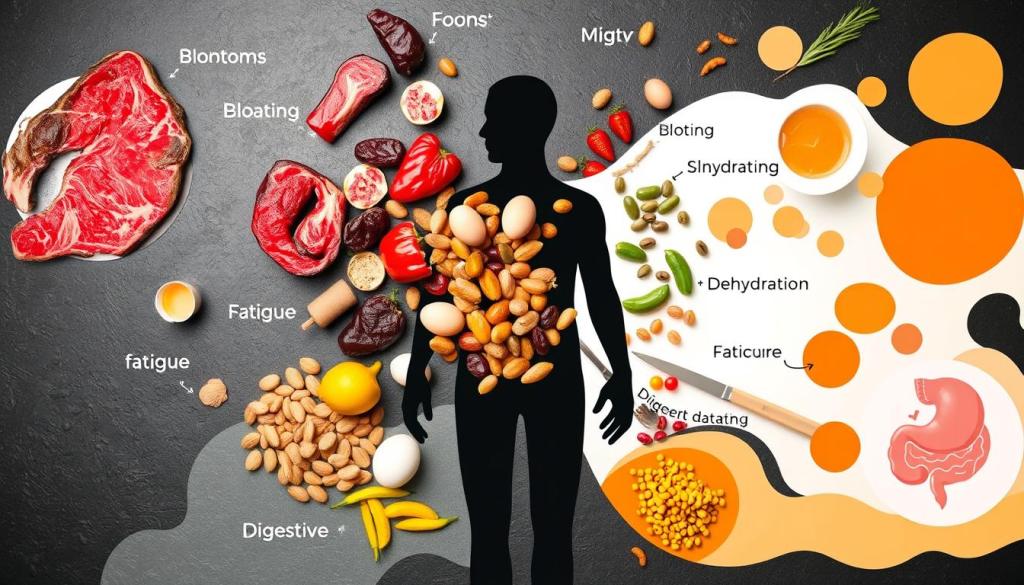
It’s key to know the signs of eating too much protein. Too much can cause dehydration and make you pee more. Spotting these signs helps you adjust your protein intake and avoid health problems.
Dehydration: A Common Sign of Overconsumption
Drinking too much protein can lead to dehydration. Your body breaks down protein into by-products, making your kidneys work harder. This can cause you to lose fluids, leading to dehydration symptoms like dry mouth and dizziness. Drinking plenty of water is important to keep your kidneys healthy.
Increased Urination: What It Means for Your Health
More trips to the bathroom can mean you’re eating too much protein. Your body gets rid of extra nitrogen and waste by peeing more. If you pee a lot more than usual, it’s a sign to check your protein intake.
| Symptoms | Potential Causes | Health Risks |
|---|---|---|
| Dehydration | High protein intake | Kidney damage, fatigue |
| Increased urination | Excess nitrogen waste | Electrolyte imbalance |
How Much Protein is Too Much Protein for Women?

Knowing how much protein is too much for women is key to good health. Women should aim for about 46 grams of protein each day. This amount is needed for our bodies to function well.
Women who are active, like athletes, might need more protein. The rule of thumb is up to 2 grams of protein per kilogram of body weight. But, this can change based on age, how active you are, and health conditions.
Watching your protein intake is important to avoid health problems. Adjust your diet based on your lifestyle to stay within safe limits. It’s vital to find the right amount of protein for you, keeping your health in balance.
How Much Protein is Too Much Protein for Men?

Figuring out how much is too much protein for men? depends on several things. These include how active you are and your body weight. For men who don’t move much, about 56 grams of protein a day is a good start.
But, if you’re active or work hard, you might need more. A good rule of thumb is to aim for two grams of protein for every kilogram of your body weight.
It’s important to watch how much protein you eat. Eating too much can cause problems like weight gain and kidney issues. Knowing how much protein you need helps keep you healthy.
| Activity Level | Daily Protein Recommendation |
|---|---|
| Sedentary | 56 grams |
| Moderately Active | 1.2 – 1.6 grams per kg |
| Very Active | 1.6 – 2.2 grams per kg |
The Role of Protein in Weight Management

Understanding how protein helps with weight management is key to reaching your health goals. High-protein diets often lead to weight loss. This is because protein makes you feel full, helping you eat fewer calories.
It’s important to choose the right protein sources. Foods high in protein can also have lots of calories and fats. Adding fiber and carbs to your diet can give you lasting energy and help keep your weight in check.
Getting the right balance of protein is vital. Eating lean proteins like chicken, fish, beans, and dairy helps manage your weight without adding too many calories.
| Protein Sources | Calories per 100g | Protein Content (g) | Notes |
|---|---|---|---|
| Chicken Breast | 165 | 31 | Low in fat |
| Salmon | 206 | 22 | Rich in Omega-3 |
| Tofu | 76 | 8 | Plant-based option |
| Greek Yogurt | 100 | 10 | High in probiotics |
In summary, managing your protein intake wisely can greatly impact your weight management journey. Choose quality protein sources and balance your diet to get the most benefits.
How to Achieve Protein Balance in Your Diet

Getting the right amount of protein is key for good health. You can get protein from many sources to keep your diet balanced. Lean meats like chicken, beef, and fish are great options. Dairy products, including yogurt and cheese, also provide important nutrients and protein.
Don’t forget about plant-based proteins. Legumes, such as beans and lentils, offer protein and fiber. Nuts and seeds add healthy fats and amino acids. Whole grains like quinoa and brown rice add protein and energy to your meals.
To help balance your protein intake, try these tips:
- Mix different protein sources in your meals for varied nutrients.
- Plan weekly menus that include a variety of protein-rich foods.
- Limit processed meats and focus on whole food options for better health.
- Experiment with plant-based proteins to diversify your intake.
By eating a wide variety of foods, you can create a healthy and balanced diet. Balancing your protein intake not only meets your protein needs but also adds important vitamins and minerals. This supports your overall health and well-being.
| Protein Source | Protein Content (per 100g) | Additional Benefits |
|---|---|---|
| Chicken Breast | 32g | Low in fat, rich in B vitamins |
| Lentils | 9g | High in fiber, aids in digestion |
| Greek Yogurt | 10g | Contains probiotics for gut health |
| Quinoa | 4g | Complete protein, gluten-free |
| Almonds | 21g | Rich in healthy fats and vitamin E |
Dietitians’ Recommendations for Healthy Protein Intake

Registered dietitians say it’s key to adjust your protein intake for your health, lifestyle, and diet goals. To get a balanced diet, try these tips:
- Eat a variety of protein sources like lean meats, fish, dairy, legumes, and nuts for a full nutrient mix.
- Spread out your protein intake all day, in meals and snacks, to help muscles and keep you full.
- Watch your total calories, as finding the right protein balance is part of a complete diet.
- Drink plenty of water, especially if you’re eating more protein, as it can increase your water needs.
- Check in with health experts often to tweak your diet based on new activities or health changes.
By following these dietitian tips, you can keep a healthy balance that supports your fitness and overall health.
| Protein Source | Serving Size | Protein Content (grams) |
|---|---|---|
| Chicken Breast | 3 oz | 26 |
| Greek Yogurt | 1 cup | 20 |
| Black Beans | 1 cup | 15 |
| Almonds | 1 oz | 6 |
| Tofu | 3 oz | 8 |
Conclusion
Protein is important for our bodies, but too much can be bad. It’s key to watch how much protein we eat to stay healthy. Eating a variety of foods with protein helps keep our diet balanced and improves our health.
Being aware of the signs of too much protein and adjusting our diet is important. This way, we can get the right amount of protein. By doing this, we can enjoy the benefits of protein without harming our health.
Choosing a balanced diet helps us stay healthy and full of energy. It’s about finding the right balance in what we eat. Remember, the long-term effects of our diet choices are important.
FAQ
How much protein should I be eating every day?
Your protein needs depend on your weight and how active you are. Adults usually need about 0.8 grams of protein per kilogram of body weight. Pregnant women and those who are very active might need more, up to 1.8 grams per kilogram.
Can eating too much protein be harmful?
Yes, eating too much protein can harm your health. It can strain your kidneys, cause digestive problems, and increase your risk of heart disease. It’s important to eat a balanced diet.
How many grams of protein is too much a day?
The maximum protein intake is about 2 grams per kilogram of body weight. Eating more than this can cause health problems. It’s best to adjust your protein intake based on your activity level and health.
What are the symptoms of too much protein?
Too much protein can cause dehydration, more frequent urination, and kidney stones. It can also lead to diarrhea, constipation, and weight gain from high-calorie foods.
How much is too much protein for women?
Women generally need 46 grams of protein daily. However, active women might need more. Eating more than 2 grams per kilogram of body weight can be harmful.
What about men? How much protein is too much?
Sedentary men need about 56 grams of protein daily. Active men might need even more. Eating too much protein regularly can harm your health.
How does protein impact hydration?
Eating a lot of protein can make you dehydrated. Your kidneys work harder to process protein waste. Drinking plenty of water is important, especially if you eat a lot of protein.
Can too much protein affect my weight?
Yes, high-protein diets can help you feel full and support weight loss. But, if you eat too much protein from calorie-dense sources, you might gain weight. It’s important to balance your protein intake with other nutrients.
What are the best sources of protein for a balanced diet?
Include a variety of protein sources in your diet. Choose lean meats, dairy, legumes, nuts, seeds, and whole grains. This ensures you get all the essential nutrients you need.
What recommendations do dietitians provide for healthy protein intake?
Dietitians suggest tailoring your protein intake to your health and lifestyle. Aim for a variety of protein sources. Also, be mindful of your total calorie intake.
Source Links
- 6 Signs You Could Be Eating Too Much Protein – https://www.eatingwell.com/article/291875/6-signs-you-could-be-eating-too-much-protein/
- 6 signs you’re eating too much protein, according to dietitians – https://www.today.com/health/diet-fitness/how-much-protein-is-too-much-rcna156560
- 6 signs you’re eating too much protein, according to dietitians – https://www.yahoo.com/lifestyle/6-signs-youre-eating-too-010020655.html



 trim down and shape up
Leave a comment