

In today’s world, we see many pictures of ripped bodies on social media and in ads. It makes us think that looking lean means we’re healthy and fit. But this idea can be wrong and harmful to our well-being. The endless quest for the perfect body often ignores the need for balance in health and fitness.
Elite nutrition coach Mike Molloy points out that going too far for a lean body can cause problems. It can mess with our hormones and increase the risk of serious diseases.
In this article, we’ll talk about the need for a lasting and realistic fitness approach. It’s key to focus on wellness, not just looks. We need to clear up the myths about health, fitness, and the drive to be ripped. This way, we can live a balanced life that really supports our health goals.
Key Takeaways
- Extreme leanness can lead to negative health effects, including hormonal imbalances.
- Achieving very low body fat percentages can adversely affect athletic performance.
- Overtraining and caloric restriction may disrupt menstrual cycles in women.
- High-intensity training does enhance fitness but risks long-term health issues.
- Prioritizing extreme fitness can compromise other aspects of health and well-being.
- Finding a healthy balance between strength training, leanness, and performance is crucial.
Understanding the Misconception of Ripped vs. Healthy
Many think a lean body means you’re healthy. People work hard to look good, believing being “ripped” means they’re fit. But, a lean body doesn’t always mean you’re healthy. This is key for those into athletic conditioning or fitness goals.
A Lean Body Isn’t Necessarily a Healthy Body
People aiming for a lean body often follow strict diets. But, this can harm their health. Studies show many people visiting physical therapy don’t know how to work out or eat right. They might eat more calories than they think.
The Reality of Athletic Conditioning and Health
Extreme fitness can give quick results but might hurt your health in the long run. Those who focus on intense workouts might see short-term gains but forget about long-term health. It’s important to eat well and work out smartly for lasting fitness and health.
Adding muscle doesn’t boost your metabolism much. This goes against what many fitness magazines say. It’s important to know this.
| Aspect | Lean Body | Healthy Body |
|---|---|---|
| Caloric Intake | Often underestimated | Balanced and mindful |
| Exercise Type | High-intensity training | Varied intensity with recovery |
| Resting Metabolic Rate | Minor increase from muscle | Ensured through overall metabolism factors |
| Long-term Health | Potential sacrifice | Sustained vitality and wellness |
The Venn Diagram of Health, Aesthetics, and Performance
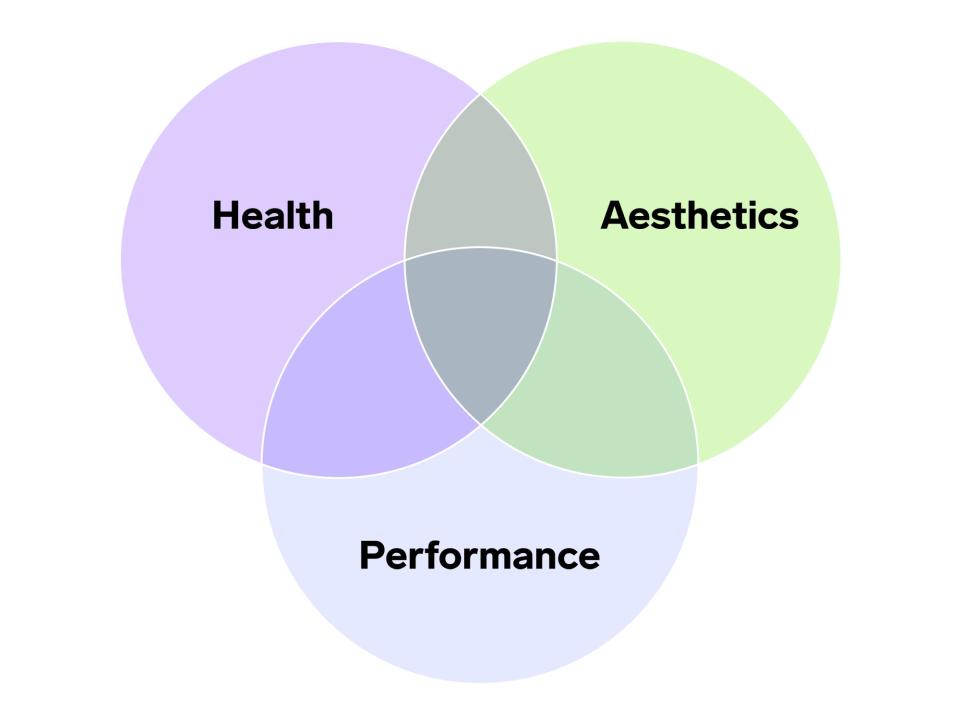
It’s key to understand how health, aesthetics, and performance are connected in fitness. Seeing them as overlapping circles in a Venn diagram helps. It shows how to find balance in reaching your fitness goals.
Balancing Competing Goals in Fitness
When you focus too much on one area, others might suffer. For example, wanting a lean body doesn’t always mean you’re healthy or fit. Bodybuilders and bikini competitors might look great but face health issues like hormonal imbalances.
Recognizing the Overlap and Compromises
Finding balance means knowing that too much of one thing might hurt another area. CrossFit, for instance, boosts performance but can harm your body over time. It might lead to diseases like cancer and heart problems.
For women, being too lean can hurt their athletic ability. This is because hormonal changes can affect how well they perform. It’s important to find a balance that respects all aspects of health. This way, you’ll enjoy your fitness journey and stay healthy for the long term.
Overtraining Takes Its Toll on the Body
High-intensity training can boost your fitness. But, not resting enough can harm you. It’s important to know the signs of overtraining to stay healthy while working out.
Physical Wear and Tear from High-Intensity Training
High-intensity training can cause physical problems. Signs of overtraining include:
- Slower reaction times and reduced endurance levels.
- Persistent fatigue from not resting enough.
- Chronic muscle aches or joint pain from overuse.
- Feeling agitated or irritable from lack of rest.
- Insomnia or restless sleep, which affects recovery.
Ignoring these signs can lead to serious health problems. Workouts may start to feel harder, making it harder to stay motivated. This can hurt your performance and health in the long run.
Understanding Oxidative Damage and Long-Term Health
Overtraining can cause oxidative damage, an imbalance of free radicals. Factors that contribute to oxidative damage include:
- Elevated heart rates at rest and during exercise.
- Hormonal imbalances, like increased cortisol, that affect metabolism.
- Susceptibility to illnesses, especially respiratory infections.
- In extreme cases, overtraining can lead to conditions like rhabdomyolysis, which can harm the kidneys.
It’s crucial to listen to your body. Rest and proper nutrition can prevent oxidative damage and health risks. Aim for fitness without sacrificing your health.
| Sign of Overtraining | Possible Consequences |
|---|---|
| Persistent fatigue | Decreased motivation and performance |
| Chronic joint pain | Increased risk of injuries |
| Mood swings and irritability | Impaired mental health and focus |
| Insomnia | Hindered recovery and physical performance |
| Increased resting heart rate | Potential heart strain and inefficiency |
The Role of Nutrition in Achieving Wellness Goals

Nutrition is key to reaching your wellness goals and boosting fitness. It’s about getting the right mix of macronutrients and micronutrients. This ensures your body gets the energy and recovery it needs. Make sure your diet matches your fitness goals for the best results.
Importance of Protein in Your Diet
Protein is crucial for muscle repair and growth. It helps with weight loss by keeping you full. Experts say to eat quality protein at every meal.
Getting enough protein supports your fitness and wellness goals. It’s a big part of a healthy diet.
Micronutrient-Dense, Minimally Processed Foods
Choosing foods rich in micronutrients is vital for long-term health. These foods give you important vitamins and minerals. They help your body work well.
Eat more fruits, veggies, whole grains, and lean proteins. This will boost your physical performance and overall health. Aim for a diet that fits your needs.
Mental and Physical Health as Core Components of Fitness
Mental and physical health are key in reaching fitness goals. Studies show that a balanced lifestyle can prevent many health problems. Regular exercise not only improves your body but also boosts your mood.
While aiming for a toned body might look good, it can harm your mental health. It’s important to focus on overall wellness, not just looks.
The Preventative Nature of a Balanced Lifestyle
A balanced lifestyle combines mental and physical health strategies for overall wellness. Exercise helps build emotional strength and can reduce anxiety and depression. Activities like group sports or yoga can improve your mood and lower stress.
Doing things you enjoy can make you feel better and support your fitness journey.
Emotional Impacts of Striving for a Ripped Physique
The desire for a certain body image can push people to extreme diets and workouts. This can harm both their mental and physical health. Feeling the need to be ripped can lead to low self-esteem, anxiety, and depression.
True fitness is more than just looks. It’s about creating a supportive environment for your body and mind. Focusing on overall wellness leads to a healthier, happier life.
| Aspect | Positive Impact | Negative Impact |
|---|---|---|
| Regular Physical Activity | Improved mood and reduced anxiety | Overtraining may lead to burnout |
| Balanced Diet | Supports physical and mental health | Extreme dieting can cause nutritional deficiencies |
| Mindfulness Practices | Enhances focus and reduces stress | Neglecting mental health can lead to emotional distress |
Hormone Imbalance: The Hidden Cost of Extreme Fitness Regimens
Starting your fitness journey? It’s key to know how extreme workouts affect hormones. Keeping a very low body fat can cause hormone imbalances. This mainly messes with menstrual cycles and hormonal balance in women, impacting health and mind.
How Low Body Fat Affects Women
Low body fat often comes from intense exercise without enough rest or food. Research shows that too much exercise can lower important hormones like estrogen and testosterone. This can lead to issues like fatigue, irregular periods, and mood swings.
- Fatigue
- Irregular menstrual cycles
- Weight fluctuations
- Depression
- Acne
Also, conditions like Relative Energy Deficiency in Sports (RED-S) can occur. This shows the struggle in keeping hormones balanced for active women. Adjusting your workout intensity can help your hormones and improve your performance.
Recognizing the Signs of Hormone Disruption
Knowing the signs of hormone imbalance is crucial for your health. Look out for:
- Irregular menstrual cycles
- Consistent fatigue
- Emotional instability like depression
- Changes in weight
These signs can mean your hormones are out of balance. Focusing on fitness and hormonal health can keep your body in check. Using tests like functional medicine can help you understand your hormone levels and make better choices.
By choosing balanced nutrition and moderate exercise, you’ll achieve lasting fitness that respects your hormonal balance.
Exercise Programs: Finding What Works for You
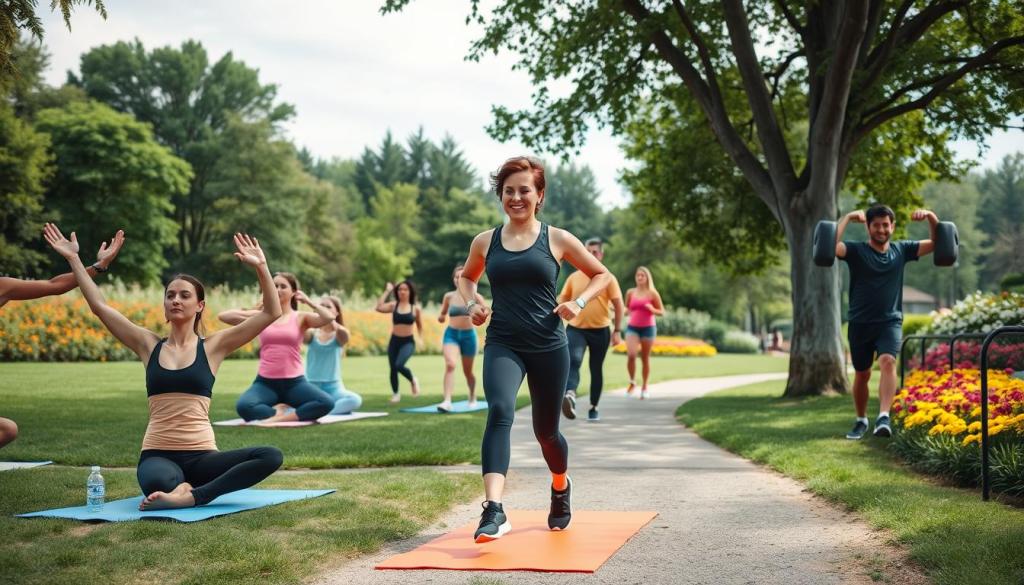
Finding the right exercise programs is key to staying fit and healthy. It’s important to find workout routines that fit your needs. This way, you’ll stick to it and feel good about it.
Training that mixes strength, endurance, and flexibility is best. It helps you reach your fitness goals better.
Personalized Workout Routines for Longevity
For lasting fitness, you need a plan that fits your life and goals. Include:
- At least 150 minutes of moderate aerobic activity each week
- Strength training for major muscle groups at least two times a week
- Flexibility and balance exercises, especially for older adults
Custom workout plans make staying active easier. Start slow, increasing your activity by no more than 10% each week. This way, you progress without getting too tired.
Periodizing Training Focus for Optimal Results
Periodizing your training means changing your focus regularly. This can include:
- High-Intensity Interval Training (HIIT) for fat loss and endurance
- Strength sessions aimed at muscle hypertrophy
- Recovery periods that are essential for muscle repair
Changing your workout keeps it interesting and safe. Make sure to rest for at least 48 hours after strength workouts. This helps your muscles grow. Also, check your progress often to see how you’re doing and adjust your plan if needed.
| Exercise Type | Duration per Week | Frequency |
|---|---|---|
| Aerobic Activity | 150 minutes moderate or 75 minutes vigorous | At least 3 times |
| Strength Training | 1 set of 8-12 reps | 2 or more days |
| Balance Training | As needed | For older adults at risk of falls |
By carefully choosing and adjusting your exercise programs, you can improve your health and fitness in a way that’s just right for you.
Weight Loss Tips That Foster a Healthy Lifestyle
Real weight loss isn’t just about quick fixes. It’s about making lasting changes for a healthier life. Start by adopting sustainable practices that help you stay on track. For instance, eating a balanced diet with protein, fiber, and healthy fats is key.
The Importance of Sustainable Practices Over Quick Fixes
Choosing sustainable habits is key for weight loss. Set achievable goals, like losing 5–10 percent of your body weight in six months. This method leads to success and helps you maintain it over time. Also, adding physical activity, like walking for 30 minutes daily, boosts your fitness and metabolism.
Setting Realistic and Holistic Goals
Creating meaningful goals is vital for a healthier lifestyle. Steer clear of fad diets and focus on whole foods. Staying hydrated, eating mindfully, and improving your cooking skills can greatly improve your diet. These tips help you achieve a balanced, lasting wellness.
FAQ
Is it true that a lean body isn’t necessarily a healthy body?
Yes, being lean doesn’t always mean you’re healthy. Extreme thinness can cause hormonal problems and other health issues. It’s key to find a balance in your fitness journey.
How can overtraining affect my health?
Overtraining can harm your body, causing wear and tear, oxidative damage, and long-term health problems. It can lead to chronic fatigue, heart disease, and hormonal issues. It’s important to balance your workouts for wellness, not just looks.
What role does nutrition play in fitness and wellness?
Good nutrition is vital for muscle repair and growth, and overall health. Eating protein at every meal and choosing nutrient-rich, whole foods supports your wellness goals. It also improves your physical fitness.
How does mental health relate to physical fitness?
Mental and physical health are closely connected. A balanced lifestyle helps avoid the risks of extreme dieting and training. It prevents mental health problems and supports a sustainable fitness approach.
What are the signs of hormonal imbalance due to extreme fitness routines?
Hormonal imbalance signs include irregular periods, fatigue, and mood swings. Women should watch out for these, as low body fat can affect hormones and performance.
How can I tailor my exercise programs to suit my individual needs?
Tailoring your workouts means setting specific goals and choosing exercises that meet them. Periodize your training to focus on strength, looks, and performance. This ensures well-rounded development and longevity.
What are effective weight loss tips that promote a healthy lifestyle?
Focus on sustainable weight loss by setting realistic, holistic goals. Emphasize long-term lifestyle changes and healthy habits in your daily routine. This leads to lasting results in your weight loss journey.
Source Links
- Stop driving yourself crazy trying to be ripped, fit, and healthy. A nutrition coach to Olympians and CrossFit – https://www.businessinsider.in/science/health/news/stop-driving-yourself-crazy-trying-to-be-ripped-fit-and-healthy-a-nutrition-coach-to-olympians-and-crossfitters-shares-how-he-strikes-the-right-balance-/amp_articleshow/113670857.cms
- Stop driving yourself crazy trying to be ripped, fit, and healthy. A nutrition coach to Olympians and CrossFitters shares how he strikes the right balance. – https://africa.businessinsider.com/health/stop-driving-yourself-crazy-trying-to-be-ripped-fit-and-healthy-a-nutrition-coach-to/hkcs90y
- Getting ripped, losing weight – debunking the common myths – Total Performance Physical Therapy – https://totalperformancept.com/getting-ripped-losing-weight-debunking-the-common-myths/
- The myth of ripped muscles and calorie burns – https://www.latimes.com/health/la-xpm-2011-may-16-la-he-fitness-muscle-myth-20110516-story.html
- 10 Common Fitness Myths to Avoid | Integrated Rehab – https://integrehab.com/blog/health-wellness/common-fitness-myths/
- Stop driving yourself crazy trying to be ripped, fit, and healthy. A nutrition coach to Olympians and CrossFitters shares how he strikes the right balance. – https://www.businessinsider.com/balance-fit-lean-healthy-olympian-nutrition-coach-2024-9
- Wellbeing Evolved: Social Wellness and Experiential Fitness – https://drchrisestout.medium.com/wellbeing-evolved-social-wellness-and-experiential-fitness-fd0e6e2ccbe9?source=user_profile———4—————————-
- What Is Health, What Is Longevity, and What’s “Good For You”? – https://novoslabs.com/what-is-health-what-is-longevity/
- Signs of Over Training – https://www.k-state.edu/counseling/services/resources/self_help/overtraining.html
- No pain, no gain? Training too hard can have serious health consequences – https://www.uclahealth.org/news/article/no-pain-no-gain-training-too-hard-can-have-serious-health
- How can overtraining impact you and your body? – https://fhcsportsreport.com/18098/columns/how-can-overtraining-impact-you-and-your-body/
- The Role of Nutrition in Achieving Fitness Goals – The Next Rep™ – https://flexit.fit/thenextrep/the-role-of-nutrition-in-achieving-fitness-goals/
- Integrated Role of Nutrition and Physical Activity for Lifelong Health – https://www.ncbi.nlm.nih.gov/pmc/articles/PMC6682932/
- The Ultimate Guide to Fitness and Nutrition Counseling – https://amymartinmd.com/the-ultimate-guide-to-fitness-and-nutrition-counseling/
- Role of Physical Activity on Mental Health and Well-Being: A Review – https://www.ncbi.nlm.nih.gov/pmc/articles/PMC9902068/
- What Are the 5 Health-Related Components of Physical Fitness? – https://www.healthline.com/health/fitness/health-related-components-of-fitness
- The association between physical fitness and mental health in Norwegian adolescents – BMC Public Health – https://bmcpublichealth.biomedcentral.com/articles/10.1186/s12889-020-08936-7
- No title found – https://www.rupahealth.com/post/exercise-affects-on-womens-hormones
- Hormonal and Metabolic Changes of Aging and the Influence of Lifestyle Modifications – https://www.ncbi.nlm.nih.gov/pmc/articles/PMC8020896/
- 5 steps to start a fitness program – https://www.mayoclinic.org/healthy-lifestyle/fitness/in-depth/fitness/art-20048269
- How to Build an Exercise Plan – HelpGuide.org – https://www.helpguide.org/wellness/fitness/whats-the-best-exercise-plan-for-me
- Exercise, Fitness and Workout Tips and Advice – https://www.aarp.org/health/healthy-living/staying-fit/
- How to Lose Weight Fast: 3 Simple Steps, Based on Science – https://www.healthline.com/nutrition/how-to-lose-weight-as-fast-as-possible
- Successful weight loss: 10 tips to lose weight – https://www.medicalnewstoday.com/articles/303409
- The 25 Best Diet Tips to Lose Weight and Improve Health – https://www.healthline.com/nutrition/25-best-diet-tips


 trim down and shape up
Leave a comment