

Starting a new workout routine often raises the question: “How long does it take to see workout results?” You’re not alone in this search for answers. Seeing changes in the mirror, weight loss, and more energy are common goals. The time it takes to notice these changes varies from person to person.
Studies suggest that those who were inactive can see improvements in cardio and muscle in just two to four weeks. But, if you’re aiming for noticeable fat loss, it might take up to four months or longer. It’s important to remember that while physical changes take time, you can feel better right away. You might notice a boost in mood and energy in the first few weeks.
Remember, fitness is a long-term journey, not a quick race. It requires patience and dedication. So, keep going, even when it’s tough. Your hard work will pay off in the end.
Key Takeaways
- Initial changes in fitness may occur within 4 to 6 weeks.
- Significant results in cardio, muscle, and weight loss typically take about 8 to 12 weeks.
- Regular exercise offers immediate benefits, including improved mood and energy levels.
- People previously inactive often notice cardio and muscle gains within two to four weeks.
- Significant fat loss usually requires four months or more of consistent effort.
- Building muscle can take from a few weeks to a few months for noticeable changes.
Understanding the Timeline for Fitness Results
Setting realistic workout expectations is key in your fitness journey. Many people see initial changes in the first four to six weeks. These early signs include more energy and a better mood, helping you feel positive about exercising.
As you keep up with your routine, bigger changes show up around three months. You’ll notice better muscle tone and heart health. It’s important to keep working out hard during this time to see steady progress in strength and muscle shape.
But, don’t worry if progress slows down between months seven to nine. This is normal as your body gets used to the routine. To get past this, try new things in your workouts. Getting help from a pro, eating right, and resting well can help you reach your goals.
To stay motivated, try a few simple things. Track your progress, set clear goals, join a fitness group, mix up your exercises, and celebrate your wins. Remember, success in fitness comes from hard work and keeping a positive attitude.
| Time Frame | Expected Changes |
|---|---|
| 0-4 Weeks | Initial changes in energy levels and mood |
| 4-6 Weeks | Steady progress in strength and muscle definition |
| 3 Months | Visible improvements in muscle tone and cardiovascular fitness |
| 7-9 Months | Plateau phase; progress may slow |
| Post 1 Year | Long-term fitness maintenance and adaptation strategies needed |
Factors That Influence Workout Results

Many things affect how fast you see results from working out. Knowing these can help you make your workouts better. Here are key factors to consider:
- Starting Fitness Level: Beginners might see results faster as their bodies adjust. But, those who are more fit might see changes slowly.
- Genetics: Your genes play a big role in how you build muscle and lose fat. Knowing this helps set realistic goals.
- Diet: What you eat is very important for recovery and how well you do in workouts. Eating the right foods can help a lot.
- Type and Intensity of Workouts: Doing different and hard workouts can really improve your fitness. The American College of Sports Medicine says you should do at least 150 minutes of moderate or 75 minutes of hard cardio a week.
- Age: As you get older, your body might not recover and adapt as well. Knowing this helps adjust your fitness goals.
| Factor | Impact on Fitness Results |
|---|---|
| Starting Fitness Level | Faster initial progress for beginners |
| Genetics | Influences muscle and fat loss response |
| Diet | Affects recovery and performance |
| Exercise Type and Intensity | Determines effectiveness of workouts |
| Age | Affects recovery and adaptability |
Knowing these factors helps you do better in your fitness journey. Setting goals that fit your life and what you like makes your journey more rewarding and successful.
Initial Changes: What to Expect in the First Few Weeks

Starting a new workout program brings quick changes. In the first weeks, your body starts to adjust to the new demands. You might feel more energetic, happier, and sleep better.
Beginners often see small muscle gains and better endurance in two to four weeks. Your heart gets stronger, and you can do more without getting tired. This is all part of getting healthier.
It’s important to notice and enjoy these early benefits. Seeing small changes can keep you motivated. These changes are the start of a healthier life.
How Long It Takes To See Improvements In Aerobic Capacity

Boosting your aerobic capacity needs time and effort in cardio exercises. A steady exercise routine is key to seeing real fitness gains. You’ll start noticing improvements in your aerobic fitness in about eight to twelve weeks of regular workouts. Regularly doing moderate-intensity exercises will lead to big aerobic capacity improvements over time.
Benefits of Improved Aerobic Fitness
Being more aerobically fit brings many benefits beyond just looking good. Some of these include:
- Increased endurance, making daily tasks easier.
- A lower resting heart rate, dropping by up to 1 beat/min each week of training.
- Lower blood pressure for those with high blood pressure, dropping by 7 mmHg systolic and 6 mmHg diastolic on average.
- Improved mental health, with benefits seen after just 10 minutes of aerobic activity.
- Better oxygen flow throughout your body, leading to better health overall.
Regular exercise can lead to a 25-100% boost in muscle fitness in a few months. This is all thanks to better aerobic capacity.
How Consistency Affects Results
Sticking to a workout routine is crucial for achieving your cardio results. Consistency helps you perform better and adapt your body more effectively. Aim to work out at least three to five times a week for 30 minutes or more to see the best results.
Remember, different workouts have different timelines for seeing benefits. For example, speed workouts can show results in 1-3 days, while long runs can take 4-6 weeks to see aerobic capacity improvements. So, it’s important to stick to a structured program and understand how different intensities affect your fitness journey.
How Long It Takes To See Results From Lifting Weights
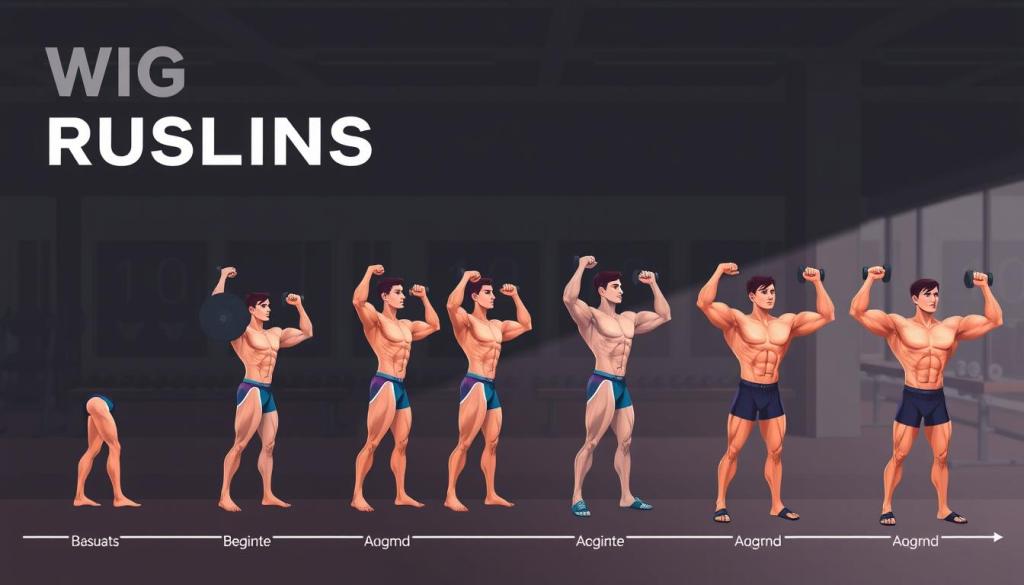
Knowing when you’ll see results from weightlifting helps keep you motivated. The first few weeks of lifting can show big changes. You’ll start to see muscle gains and how your body adapts to new movements.
Initial Muscle Gains and Neuromuscular Adaptation
At first, you might see improvements in four to six weeks. This is thanks to how well your muscles work together. It’s not just about getting bigger, but also stronger.
After that, it usually takes about three months to see real muscle growth. But, how fast you grow depends on your starting fitness level.
The Role of Progressive Overload
Progressive overload is key to building muscle. It means you keep getting stronger by lifting heavier weights. This is crucial for ongoing growth.
Working out three to five times a week is important. Also, eating enough protein helps your muscles recover and grow. Aim for at least 1 gram of protein for every pound of your body weight.
How Long It Takes To Lose Weight (And Keep It Off)
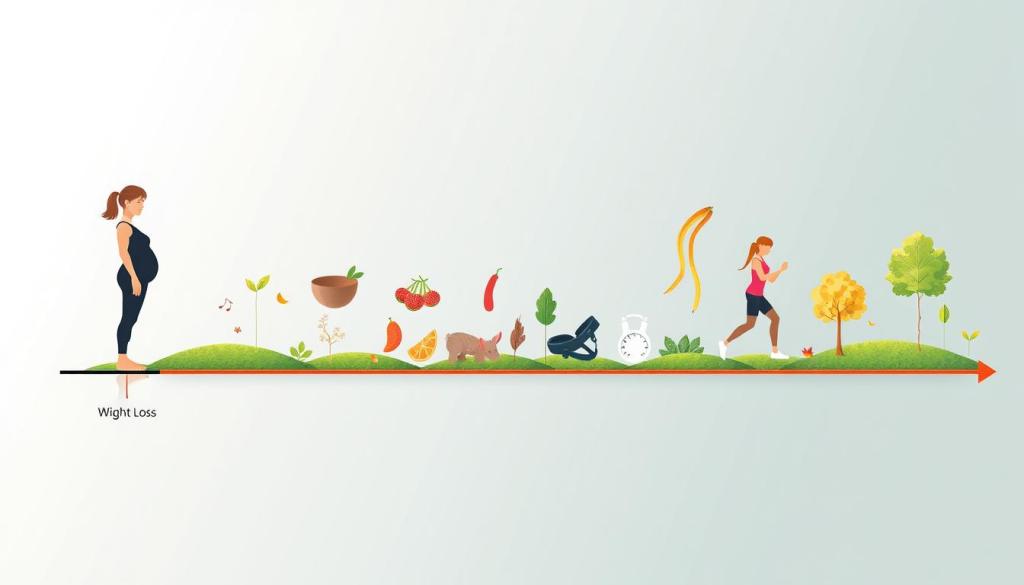
Starting a weight loss journey means knowing the steps and time needed for lasting results. The time it takes to lose weight varies for everyone. It depends on factors like caloric deficit, metabolic rates, and how committed you are to changing your lifestyle.
Understanding Caloric Deficit for Effective Weight Loss
To lose weight well, you need to create a caloric deficit. This means burning more calories than you eat. Losing one to two pounds a week is a good pace. This can take about 10 to 20 weeks to lose 20 pounds.
Slow weight loss is better for your health. It helps you lose fat safely and avoid health risks from losing weight too fast.
- Resting Metabolic Rate (RMR) can significantly influence caloric needs.
- Adults over age 70 have an RMR that is 20–25% lower than younger adults.
- Women tend to burn 10% fewer calories at rest compared to men.
- A person’s caloric maintenance varies by weight; for instance, a 200-pound woman needs around 2,190 calories for maintenance.
How Weight Training Affects Fat Loss
Adding strength training to your routine boosts muscle growth and fat loss. It raises your metabolic rate. Regular workouts improve muscle mass, which burns more calories even when you’re not moving.
Try to do strength training at least two times a week. Also, making lifestyle changes that support staying active is key to keeping weight off for good.
Trying very low-calorie diets can make you tired or lead to nutrient shortages. It’s important to choose a healthy and lasting approach to diet and exercise.
How Long It Takes To Lower Blood Pressure Through Exercise

High blood pressure affects over 1.2 billion adults worldwide. Yet, almost half don’t know they have it. Regular exercise is key in managing blood pressure. Activities like brisk walking, cycling, or swimming improve heart health.
It usually takes 1 to 3 months of regular exercise to see blood pressure drop. Studies show exercise can lower systolic blood pressure by 6-12 points and diastolic by 3-7 points. Aim for 150 minutes of moderate aerobic activity weekly for heart benefits.
Working out with a balanced diet boosts exercise’s effect on blood pressure. The DASH diet, for example, can lower blood pressure by 8-14 points. Eating potassium-rich juices, limiting sodium to 1,500 milligrams, and adding Vitamin C and potassium foods also help.
While exercise is vital, keeping an eye on your blood pressure is also important. Regular tracking shows how well your workouts are working. Seeing positive changes motivates you to keep improving your heart health.
How Long It Takes To Impact Mental Health Via Regular Exercise
Regular exercise can greatly improve mental health quickly. Many people see better moods and less anxiety or depression in just weeks. This is because exercise releases endorphins, which make us feel happy and well.
Exercise is a key to better emotional health. It helps reduce symptoms of depression and lowers inflammation, especially in those with chronic conditions. This shows how important it is to make exercise a part of our daily lives.
The type of exercise is important too. Activities like jogging or swimming offer quick mental health benefits. Even short, moderate exercise can boost mood in just five minutes. More intense workouts can lead to even bigger mental health gains.
How often and consistently you exercise also matters. Regular exercisers often have lower depression rates than those who don’t. Programs that combine exercise with mental health techniques have also shown great results in managing depression.
In summary, making exercise a priority is key for both physical and mental health. Start your fitness journey today and see the positive changes in your mental well-being.
Different People Have Different Results: The Importance of Individual Factors
Everyone’s fitness journey is unique, shaped by many factors. It’s important to understand that different people get different results. Knowing how genetics and age impact fitness can help you on your fitness path.
The Influence of Genetics on Fitness Outcomes
Genetics greatly affects how well you respond to workouts. Your genes can change how fast you recover, how your muscles grow, and more. For example, some people might naturally build muscle faster because of their genes.
This genetic edge can influence how quickly you see results and how your body reacts to exercise.
Age and Fitness Level Considerations
Your age and current fitness level also play big roles. Younger people often recover faster and build muscle quicker. But as you get older, your body changes, and you might need to adjust your workouts.
Older adults might focus more on flexibility and balance. They might also start with lighter strength training to match their body’s needs. This shows why it’s key to make fitness plans that fit your age and fitness level for better progress.
| Factor | Impact on Fitness Outcomes |
|---|---|
| Genetics | Dictates metabolic response, recovery time, and muscle fiber type |
| Age | Affects recovery speed, muscle growth potential, and exercise approach |
| Fitness Level | Determines the ability to adapt to new workouts and resistance levels |
Hold on Slick: Here’s Expected Timeline for Long-Term Results from Consistent Training

Getting fit for the long haul means sticking to a workout plan. Most people see big changes in six months to a year. But, how fast you see results depends on your fitness level, the workouts you do, and your lifestyle.
Studies show beginners notice changes sooner than more experienced athletes. This is because of how the body adapts to new exercises. Here’s when you might start to see changes:
| Time Frame | Changes Observed |
|---|---|
| 2-6 weeks | Tangible changes in body compositionImproved resting heart rateIncreased energy levelsBetter sleep quality |
| 6-8 weeks | Adaptation of the nervous system in strength trainingIncreased muscle fiber sizeIncreased joint movement in stretching programs |
| 3 months | Notable changes in muscle strengthEffective weight loss of 1-2 pounds per week (fat burn)Increased calorie expenditure due to muscle mass |
| 6-12 months | Substantial long-term fitness results establishedOngoing progress in strength and endurance |
Setting SMART goals helps keep you motivated and on track. Use tools like one-rep max tests to measure your strength. A mix of strength and cardio workouts, along with a healthy diet, leads to the best results.
Conclusion
Knowing when you’ll see fitness results is key to staying motivated. You might see changes in 4 to 6 weeks, but big changes take months. Studies say about 80% of people see progress in 12 weeks, but only a few see big changes in a month.
Your fitness journey is special, influenced by your genes, age, and starting fitness level. It’s important to tailor your workouts to fit you. For example, strength training can show results in 8 weeks, but getting better at cardio takes longer.
Don’t get discouraged by setbacks. They can teach you new things and help improve training methods. While we’ve talked about when you’ll see results, learning from each other’s experiences is just as valuable. Keep working hard, and you’ll see lasting changes.
FAQ
How long will it take to see visible results from my workout routine?
You might see changes in the first four to six weeks. More noticeable results, like better muscle tone, take eight to twelve weeks.
What factors can influence how quickly I see workout results?
Many things can change how fast you see results. These include your fitness level, genetics, age, diet, how hard you work out, and how often. Everyone’s body is different, so progress varies.
When can I expect to experience the mental health benefits of regular exercise?
You might feel better and less anxious or depressed in a few weeks. Exercise releases happy hormones and helps you feel more organized.
How long does it take to lower blood pressure through exercise?
You can see blood pressure drop in a few months with regular aerobic exercise. Eating well is also key for heart health.
What is the timeline for improvements in aerobic capacity?
To get better at cardio, do it regularly for weeks. You’ll likely see improvements in eight to twelve weeks with activities like jogging or cycling for 150 minutes a week.
How long will it take to see results from lifting weights?
Beginners might see muscle gains in four to six weeks. But, real muscle growth takes six to twelve weeks with consistent weight lifting.
How long does it typically take to lose weight and maintain that loss?
Losing weight takes eight to twelve weeks to show. To keep it off, aim to lose one to two pounds a week. Mix cardio and strength training for best results.
Can I expect different results compared to others on the same fitness journey?
Yes, everyone is different. Your genetics, age, and fitness level can affect how fast you see results. It’s important to remember this.
Source Links
- Is Working Out Making a Difference? 5 Signs – https://www.health.com/fitness/scale-weight-loss-progress
- It Take Less Time Than You May Expect To See Gains From Strength Training – https://www.womenshealthmag.com/fitness/a36620732/how-long-does-it-take-to-see-workout-results/
- Can you get fit quickly? | Polar Blog – https://www.polar.com/blog/how-long-to-see-results-from-working-out/?srsltid=AfmBOopf11tv0_RAw3965SvtfDG_sk_Ns1R8O8VSosr0nVGTtoXD6kvX
- The Real Timeline for Fitness Progress | Pilates Plus LA – https://www.pilatesplusla.co/blog/fitness-progress
- How Long Does It Take To See Workout Results? – https://sweat.com/blogs/fitness/fitness-results
- Fitness Tips: Five Factors of Fitness – https://whatsupmag.com/health-and-beauty/fitness/fitness-tips-five-factors-of-fitness/
- Factors Influencing Performance of Exercise Behavior of Middle-Aged Men with Chronic Disease Based on the Information–Motivation–Behavioral Skill-Revealed-Related Variables (IMBR) Model – https://www.ncbi.nlm.nih.gov/pmc/articles/PMC9819353/
- First Trimester of Pregnancy: What To Expect – https://my.clevelandclinic.org/health/articles/9699-first-trimester
- 1st trimester pregnancy: What to expect – https://www.mayoclinic.org/healthy-lifestyle/pregnancy-week-by-week/in-depth/pregnancy/art-20047208
- First Trimester of Pregnancy: What to Expect – https://www.webmd.com/baby/first-trimester-of-pregnancy
- How long does it actually take to see results from exercise? – Exercise Right – https://exerciseright.com.au/how-long-exercise-results/
- What is Aerobic Endurance and How Do You Improve it? – https://veloforte.com/blogs/fuel-better/what-is-aerobic-endurance-and-how-do-you-improve-it
- How long before you benefit from a running workout – Runners Connect – https://runnersconnect.net/coach-corner/how-long-before-you-benefit-from-a-workout/
- How Long Does It Take to Put on Muscle? – https://www.artofmanliness.com/health-fitness/fitness/how-long-does-it-take-to-put-on-muscle/
- This is how long it really takes to see results when you start a new workout regime – https://www.independent.co.uk/life-style/health-and-families/workout-weight-loss-results-time-b2071240.html
- Strength training: Get stronger, leaner, healthier – https://www.mayoclinic.org/healthy-lifestyle/fitness/in-depth/strength-training/art-20046670
- 5 Factors That Affect How Long It Takes To Lose Weight – https://www.health.com/weight-loss/how-long-does-it-take-to-lose-weight
- How Long Does It Take to Lose Weight? – https://www.healthline.com/nutrition/how-long-does-it-take-to-lose-weight
- 6 proven strategies for weight-loss success – https://www.mayoclinic.org/healthy-lifestyle/weight-loss/in-depth/weight-loss/art-20047752
- How To Lower and Control High Blood Pressure Levels – https://www.webmd.com/hypertension-high-blood-pressure/how-to-lower-blood-pressure
- Why exercise is medicine for high blood pressure – https://www.mayoclinic.org/diseases-conditions/high-blood-pressure/in-depth/high-blood-pressure/art-20045206
- Duration of Keeping an Exercise Habit and Mental Illness and Life Attitude among University Students – https://www.ncbi.nlm.nih.gov/pmc/articles/PMC9517129/
- The exercise effect – https://www.apa.org/monitor/2011/12/exercise
- Role of Physical Activity on Mental Health and Well-Being: A Review – https://www.ncbi.nlm.nih.gov/pmc/articles/PMC9902068/
- Social Comparison Theory & 12 Real-Life Examples – https://positivepsychology.com/social-comparison/
- Understanding Human Genetic Variation – NIH Curriculum Supplement Series – https://www.ncbi.nlm.nih.gov/books/NBK20363/
- How Long Does It Really Take to See Fitness Results? Experts Share Insights – https://www.menshealth.com/fitness/a61927639/how-long-to-see-fitness-results/
- Stretch and Strength: How Long Until Change Occurs? – https://www.stretchaffect.com/blog/stretch-and-strength-how-long-until-change-occurs
- How long it takes to start seeing workout results, according to personal trainers – https://www.businessinsider.com/guides/health/fitness/workout-results
- Results, Discussion, and Conclusion | Writing & Research in the Disciplines – https://courses.lumenlearning.com/olemiss-writ250/chapter/results-discussion-and-conclusion/
- Research Guides: Organizing Your Social Sciences Research Paper: 9. The Conclusion – https://libguides.usc.edu/writingguide/conclusion

 trim down and shape up
Leave a comment