



In today’s fast world, it’s easy to forget the simple steps that make us feel good. We all know what’s good for us, like finding inner peace and growing as people. But, we often don’t do them. This article talks about 14 key actions you can add to your day. These simple steps can lead to a happier, more balanced life.
Key Takeaways
- Many people think happiness comes from outside, not from changing inside.
- Being rich doesn’t mean you’re stress-free; it comes with its own set of problems.
- Finding the right partner doesn’t automatically make you happy.
- Real change starts from within; changing your mind is key.
- Being thankful can really boost your mental health.
- Spending time on your dreams helps you stay true to yourself.
- Finding peace takes work and thinking deeply about it.
Understanding the Importance of Wellness
Wellness covers physical, mental, and emotional health. Focusing on these areas boosts your overall well-being. Everyone experiences wellness differently, showing a range of spiritual health.
Mindfulness is key to personal growth and emotional balance. It helps you grow and find peace.
Practices like meditation, prayer, and introspection improve mental health. They give you a new sense of purpose and help manage stress. Spirituality makes you more forgiving and serene.
Being part of a supportive community helps with emotional balance and well-being. Volunteering or community service strengthens your spiritual mindset and relationships. These spiritual elements create a strong network for mental wellness.
Mindfulness greatly benefits mental health by changing how you see the present. It helps treat mental health issues, showing the value of emotional balance. Spirituality leads to better mental health and emotional strength.
Exercise Regularly for a Healthier Life
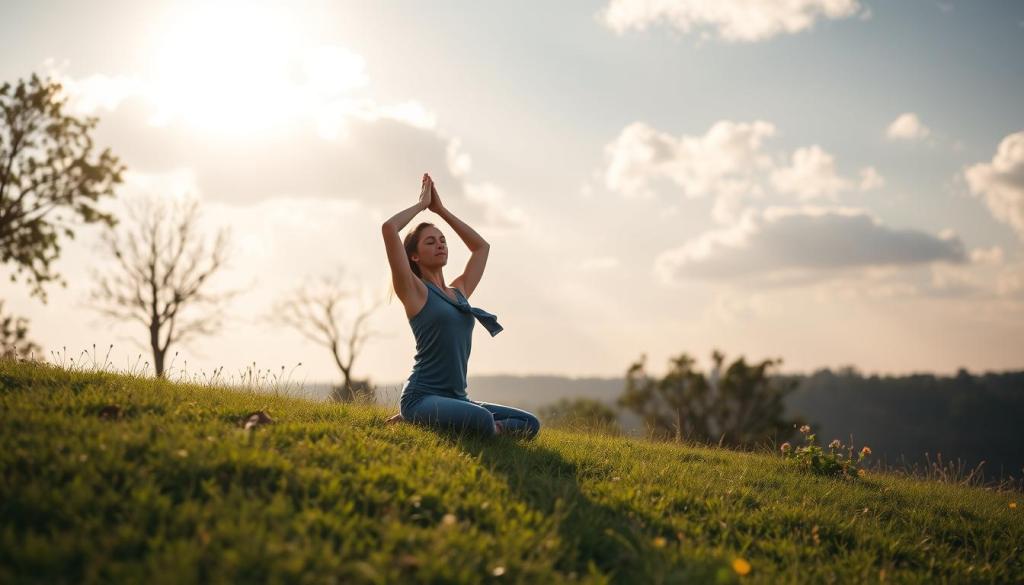
Regular physical activity is key for better well-being and mental health. Studies show it can cut down anxiety and depression. Activities like jogging, swimming, and dancing can make you feel better.
For people with schizophrenia, exercise helps with weight, fitness, and blood pressure. Just thirty minutes of brisk walking, three times a week, is beneficial.
Exercise also boosts interest in sex, sleep, and endurance. It increases energy, reduces stress, and improves mood. It helps with weight, cholesterol, and heart health.
About 5% of adults worldwide face depression. Regular exercise can help manage symptoms, boosting self-esteem and life satisfaction. Aerobic exercise increases a brain chemical that fights depression.
“Exercise has been shown to help regulate dopamine levels in the brain, improve executive functions, and enhance attention.”
People with ADHD benefit from exercise, improving focus and behavior. It also helps those with Generalized Anxiety Disorder, reducing restlessness.
Following guidelines for 150 to 300 minutes of aerobic activity weekly can greatly improve mental health. Adding muscle-strengthening exercises two days a week is also crucial for well-being.
| Exercise Types | Benefits |
|---|---|
| Aerobic Exercises | Improves mood, reduces anxiety and depression |
| Strength Training | Enhances physical fitness and mental wellness |
| Balance Exercises | Reduces risk of injury for older adults |
| Flexibility Exercises | Improves overall physical functioning and reduces soreness |
Regular exercise is a cornerstone for managing mental health, leading to a healthier, happier life.
Practice Gratitude to Enhance Mental Health

Practicing gratitude is a powerful way to boost your mental health. It helps release serotonin and dopamine, which make us happy. By focusing on what we’re thankful for, we can see life in a more positive light.
Studies show that gratitude lowers stress hormones, leading to less anxiety and a better mood. Over 76% of people who practice gratitude say it improves their mental health. This shows how important it is for our overall well-being.
Grateful people also sleep better and have fewer sleep problems. Keeping a gratitude journal can improve your sleep by 25%. Better sleep helps you stay emotionally stable and face challenges with a clear mind.
- Regular gratitude enhances focus, helping you view tasks positively and reducing associated stress.
- People who express gratitude tend to exhibit greater patience and commitment to personal relationships.
- Gratitude has been linked to higher self-esteem, as it encourages recognition of personal value through acknowledgment from others.
- Grateful individuals typically engage in healthy behaviors, such as exercising and maintaining a nutritious diet.
- Practicing gratitude can bolster the immune system, with evidence suggesting a 30% lower likelihood of falling ill.
Gratitude has a positive impact that goes beyond just feeling good. It leads to better interactions and support from others. By choosing to practice gratitude, you can make lasting changes in your emotional and mental health.
Get Enough Sleep to Boost Your Well-Being

Getting enough sleep is key for your health. Not enough rest can cause big problems for your body and mind. Studies show that 50 to 80% of people with mental health issues also have sleep problems. About 40% of Americans don’t get the seven or more hours of sleep they need.
For those with depression, sleep issues are even more common. Around 75% of people with depression also have trouble sleeping. This shows how important it is to manage stress and get enough sleep.
- Engage in 30 minutes of aerobic exercise daily to improve both sleep and overall health.
- Limit alcohol consumption, as it may induce drowsiness but ultimately harms sleep quality.
- Reduce caffeine intake at least six hours before bedtime to avoid interference with sleep.
- Maintain a bedroom temperature between 60°F and 67°F for optimal comfort.
- Establish a consistent sleep schedule with a regular bedtime to promote better sleep patterns.
- Create a calming bedtime routine that prepares you for rest.
Adding these habits to your life can make you feel better. Understanding the connection between sleep and mental health helps in managing stress. Getting enough sleep is crucial for your emotional and physical strength.
Drink Plenty of Water: A Simple Yet Essential Habit

Staying hydrated is key to your health. Drinking enough water boosts your physical and mental health. It helps your body work better and keeps you feeling good.
Adding water to your daily routine is good for your well-being. Here are some tips to help you stay hydrated:
- Keep a water bottle handy to remind you to drink throughout the day.
- Set reminders on your phone or use a hydration tracking app.
- Create a habit of drinking water before each meal.
Drinking water also helps your mood. Not drinking enough can make you tired and cranky. So, drinking water helps your body and mind stay happy.
| Hydration Benefits | Effects on Well-Being |
|---|---|
| Boosts Energy Levels | Improved Focus and Mood |
| Enhances Digestion | Reduced Anxiety |
| Supports Metabolism | Better Mental Clarity |
| Prevents Fatigue | Increased Motivation |
Drinking plenty of water is a basic habit for good health. It benefits your body, mind, and mood. This simple habit is very important for your overall well-being.
Learn Something New for Personal Growth

Learning something new is key to personal growth. It keeps your mind active, boosts creativity, and gives you a sense of achievement. It also helps you discover parts of yourself you might not know.
Learning keeps your mind sharp and helps you find inner peace. When life gets tough, it’s important to have ways to express your feelings. Trying new hobbies or skills can help you move past negative thoughts.
Here are some ideas to get you started:
- Enroll in a cooking class to explore new cuisines.
- Take up an instrument to experience music in a fresh way.
- Join a local book club to delve into different literary genres.
- Practice a new language to embrace cultural diversity.
- Engage in outdoor adventure sports to enhance physical well-being.
These activities can lead to big personal growth. As you learn new things, you discover more about yourself. This shows how important it is to keep growing and learning in life.
Learning has the power to change you. It helps you overcome self-doubt and find peace. Remember, growing personally and finding inner peace starts with the choices you make today.
Nutrition Matters: Eat Nutritious Meals Daily

Nutrition is key to your overall health, affecting both body and mind. Eating nutritious meals gives you the vitamins and minerals you need. A diet full of fruits, veggies, and whole grains keeps you energized and sharp.
Studies show more people are eating fruits, veggies, salads, and dairy. This is a good sign for health. But, easy access to fast food can lead to unhealthy choices. So, planning your meals is crucial.
What you eat affects your mood and brain function. Foods high in sugar and unhealthy fats can make you feel moody. But, eating well can improve your mood and reduce aggression. For example, eating fish can help you stay calm.
Not having enough food can harm your health and behavior, especially in kids. It can lead to bigger problems like poverty and joblessness. So, making sure everyone has access to healthy food is important.
To eat better, try these tips:
- Make fruits and veggies easy to see and grab.
- Plan your meals to avoid fast food.
- Choose whole grains over refined carbs for more fiber.
Changing your diet takes time and effort. Having friends and family support you can make it easier. This way, you can improve your health and emotional balance.
Connecting with Friends and Family for Emotional Balance

Building strong social bonds is key to emotional balance and well-being. Spending time with friends and family can make you feel less alone and more connected. These relationships offer support when you need it most and boost your mental health.
Studies show that life changes, like ending a marriage or moving, benefit from social connections. These connections help keep your energy and emotions stable, even when you’re stressed or tired. They also make both you and your community stronger.
Interacting with loved ones can uplift or drain you. Positive vibes from friends and family can make you happier and more content. But, negative vibes can harm your emotional state. It’s important to notice how these interactions affect you.
It’s good to set boundaries with loved ones to protect your energy. This helps you understand what affects your mood and keeps you balanced. Mindfulness, like being thankful or creative, can also make your interactions better.
Grounding activities, like exercise or nature walks, can also strengthen your bonds. Focusing on quality over quantity in your relationships can lead to deeper fulfillment. This ensures your connections positively impact your emotional balance.
| Benefits of Connecting with Friends and Family | Impact on Emotional Balance |
|---|---|
| Reduces feelings of isolation | Promotes a sense of belonging |
| Provides emotional support | Helps manage stress levels |
| Fosters personal growth | Enhances mental health |
| Encourages positive energy exchanges | Boosts overall well-being |
| Strengthens coping strategies during transitions | Improves resilience and adaptability |
Save Money for Future Security

Saving money is key to a secure future. It acts as a safety net against financial surprises. Studies show that saving well reduces stress, making it vital to find good saving strategies.
Experts say save at least 20% of your income. This fits the 50/30/20 budget rule. It means 50% for needs, 30% for wants, and 20% for savings. Saving regularly boosts your financial freedom, letting you choose based on what matters to you.
Think about putting money into retirement accounts like 401(k) or IRA. They offer great security and let you invest while saving. Having three to six months’ expenses saved for emergencies strengthens your financial base.
Life’s surprises, like getting married or having kids, are easier with savings. Reducing debt from credit cards and loans keeps you financially healthy and less stressed about money.
For wealth growth, diversify with stocks or real estate. Setting clear savings goals boosts motivation and satisfaction when you reach them. Apps like Acorns or Qapital make saving easier by automating it.
To see how different saving plans work, here’s a table with their benefits:
| Saving Strategy | Benefits |
|---|---|
| Emergency Fund | Provides a financial cushion for unexpected expenses |
| 401(k) Contributions | Tax advantages and employer matching enhance retirement savings |
| IRA Investments | Tax-deferred growth for long-term retirement wealth |
| Automated Savings Apps | Streamlines savings without manual effort |
Take Breaks for Stress Management

Taking breaks is key for managing stress. Short pauses during the day can refresh your mind and body. This leads to better emotional balance. It also helps you focus and work better when you get back to your tasks.
Stress can affect your body, emotions, and mind. You might feel tight muscles or be very tired. You could also feel overwhelmed or struggle to concentrate. It’s important to notice these signs.
By being more aware of your stress, you can live a more balanced life. This self-awareness is a big step towards managing stress better.
- Recognizing the need to take breaks is the first step towards effective stress management.
- Simple breathing exercises or a short walk can create a reset.
- Practice mindfulness techniques such as meditation to alleviate stress.
Meditation, like mindfulness or deep breathing, can really help lower stress. You don’t need any special gear, and you can do it anywhere. Taking a few moments for these activities can keep you calm and help you manage stress better.
By taking breaks and practicing mindfulness, you can change how you deal with stress. This way, you can handle daily challenges better and improve your overall well-being.
Conclusion
In today’s fast-paced world, taking care of yourself is key to finding true inner peace. Studies show that over 60% of people often put self-care last, missing out on its many benefits. Simple, consistent self-care can boost your mental health and bring more happiness.
Improving your well-being starts with being kind to yourself. A surprising 80% of people say self-acceptance and self-care bring them peace. Treating yourself with kindness, like a dear friend, helps you think more positively and feel emotionally balanced.
Surrounding yourself with loving people and practicing mindfulness can also help your mental health. With 85% of people saying connection reduces loneliness and lifts spirits, it’s clear that being with others is important. By doing these things, you can overcome obstacles and live a happier, more fulfilling life.
FAQ
What does wellness mean?
Wellness is about being healthy in body, mind, and spirit. It helps you find peace and happiness. It includes practices that help you stay emotionally balanced.
How often should I exercise?
Try to exercise for at least 150 minutes a week. This can be moderate or vigorous activity. Exercise boosts your mood and reduces stress.
How can practicing gratitude benefit my mental health?
Gratitude shifts your focus to the good things in life. It’s key for feeling better and finding peace.
What are some tips for improving my sleep routine?
Set a regular sleep schedule and make your bedroom comfy. Avoid screens before bed. Try yoga or reading to relax.
Why is hydration important for my well-being?
Drinking water boosts your energy and brain function. It’s a basic step towards feeling your best.
How can learning something new promote personal growth?
Trying new things keeps your mind sharp and creative. It makes you feel accomplished, which is good for your peace of mind.
What should I focus on when planning my meals?
Choose meals that support your brain and mood. Planning your meals can greatly improve your well-being.
Why are social connections important for emotional balance?
Friends and family offer support and reduce loneliness. They help you feel connected, which is key for emotional balance.
How does financial planning contribute to my well-being?
Saving money reduces stress and gives you peace of mind. Good financial planning is good for your emotional health.
How can taking breaks help with stress management?
Breaks improve your focus and mental health. They help you recharge, leading to better emotional balance.
Source Links
- Inner Peace Is Not Something You Find. It’s Something You Create – https://medium.com/mystic-minds/inner-peace-is-not-something-you-find-its-something-you-create-cdc8ffcc21b5
- How to Have Inner Peace Amidst Life’s Turmoil – Grace Fox – https://www.gracefox.com/how-to-have-inner-peace-amidst-lifes-turmoil/
- How To Find Inner Peace; A Step-by-Step Guide with Journal Prompts – https://notesbythalia.com/how-to-find-inner-peace/
- Cultivating Inner Peace: A Guide to Spiritual Wellness – https://medium.com/@hrisharma1406/cultivating-inner-peace-a-guide-to-spiritual-wellness-5b93de61b81d
- 11 Mind-Body Wellness Tips for Inner Peace and Vitality – https://woliba.io/blog/mind-body-wellness-tips/
- Exercise for Mental Health – https://www.ncbi.nlm.nih.gov/pmc/articles/PMC1470658/
- Mental Health Benefits of Exercise: For Depression and More – https://www.healthline.com/health/depression/exercise
- Managing Stress with Exercise – https://uprisehealth.com/resources/managing-stress-with-exercise-2/
- Gratitude: The Benefits and How to Practice It – https://www.helpguide.org/mental-health/wellbeing/gratitude
- How to Practice Gratitude – https://www.mindful.org/an-introduction-to-mindful-gratitude/
- Rest and peace of mind: The link between sleep and mental health – https://www.peacehealth.org/healthy-you/rest-and-peace-mind-link-between-sleep-and-mental-health
- Improving sleep quality leads to better mental health: A meta-analysis of randomised controlled trials – https://www.ncbi.nlm.nih.gov/pmc/articles/PMC8651630/
- Daily Wellness Habits: Your Mind, Body, and Spirit – https://medium.com/@efbombcoach/daily-wellness-habits-your-mind-body-and-spirit-da7da2001383
- Unlocking Inner Peace: Wellness, Mental Health and Home Sweet Home – https://www.linkedin.com/pulse/unlocking-inner-peace-wellness-mental-health-home-sara
- 7 Healthy Daily Habits to Transform your Well-being – https://www.drjessicadc.com/single-post/7-healthy-daily-habits-to-transform-your-well-being
- A Beautiful Way to Find Peace of Mind — Always Well Within – https://www.alwayswellwithin.com/blog/find-peace-of-mind
- Creating an Inner Peace That Endures – https://tinybuddha.com/blog/creating-an-inner-peace-that-endures/
- Influence of Food Type on Human Psychological–Behavioral Responses and Crime Reduction – https://www.ncbi.nlm.nih.gov/pmc/articles/PMC10490081/
- Healthy Eating Is Human: Joys, Challenges, and 3 Things You Can Do – https://www.healthline.com/nutrition/joys-of-healthy-eating
- How to Protect Your Energy and Maintain Emotional Balance (In 2023) – Sage & Bloom – https://sageandbloom.co/how-to-protect-your-energy/
- Nourishing Your INFP Soul – https://medium.com/illumination/nourishing-your-infp-soul-da21028b62aa
- T. Rowe Price Personal Investor – Six smart ways to help boost your financial wellness – https://www.troweprice.com/personal-investing/resources/insights/developing-healthy-money-habits-6-smart-ways-help-boost-financial-wellness.html
- 7 Reasons to Save Money and Secure Your Financial Future – https://www.themuse.com/advice/reasons-to-save-money
- A beginner’s guide to meditation – https://www.mayoclinic.org/tests-procedures/meditation/in-depth/meditation/art-20045858
- Stress Management Tips to Regain Your Inner Peace – https://www.growingself.com/stress-management-tips-regain-inner-peace/
- Developing Inner Peace and Self-Care – https://www.womensmentalhealthpodcast.com/blog/developing-inner-peace-and-self-care/
- How to Control Your Thoughts – https://stevenwebb.com/how-to-control-your-thoughts-and-enjoy-inner-peace/
- Your Inner Peace Path: Essential Practices for a Calmer Mind – https://www.lifesjourneyblog.com/your-inner-peace-path-essential-practices-for-a-calmer-mind/


 trim down and shape up
Leave a comment