

Breakfast is often called the most important meal of the day. But, not all breakfast foods are good for you. Many popular ones are full of sugar, refined carbs, or unhealthy fats. These can make you feel hungry again soon and harm your health in the long run.
Even if you’re young and healthy, bad breakfast choices can still hurt you. Knowing which foods to avoid at breakfast is key to starting your day right.
In this section, we’ll look at breakfast foods that might not be good for you. By choosing better options, you can feed your body well and stay energized all day.
Key Takeaways
- Many popular breakfast foods are high in sugar, making them bad for you.
- Awareness of unhealthy options can help you avoid long-term health issues.
- Your breakfast should include proteins and fiber to keep you satisfied.
- Skipping essential nutrients in your first meal can lead to overeating later.
- Choosing whole foods over processed items can greatly improve your health.
The Importance of a Healthy Breakfast
Starting your day with a healthy breakfast is key to feeling good. Eating a nutritious meal in the morning offers many benefits. It can improve your memory, concentration, and even lower your risk of serious diseases.
Breakfast is not just good for your body. It also boosts your brain power and school grades. Kids who eat breakfast do better in school and stay focused. Teenagers who eat breakfast also tend to be healthier.
For adults, eating breakfast helps keep a healthy weight. They eat fewer junk snacks and get more fruits and veggies. Skipping breakfast can lead to weight gain and unhealthy eating.
To make better breakfast choices, try high-fiber cereals with fruit and milk, or protein shakes with fruit. Whole-grain toast with peanut butter is also a great option. Always check labels to avoid added sugars and choose foods high in fiber.
| Benefits of Eating Breakfast | Consequences of Skipping Breakfast |
|---|---|
| Improved memory and attention | Lower academic performance |
| Lower BMI | Higher BMI and obesity risk |
| Increased nutrient adequacy | Poor diet quality |
| Better fruit and vegetable intake | Increased unhealthy snacking |
Common Breakfast Foods You Should Skip

Many people make unhealthy choices at breakfast. Knowing which unhealthy breakfast foods to avoid can help. This knowledge can boost your health and energy all day.
Foods with added sugars cause blood sugar spikes and crashes. This leaves you tired. Items like frozen waffles and some smoothies are high in sugar and low in protein.
These choices can lead to weight gain and health problems. This includes diabetes and heart disease.
Large portion sizes are another issue. Many breakfast items are too big. High-sugar coffee drinks and breakfast bars are often unhealthy.
They have too much sugar and not enough protein or fiber. Instead, they offer unhealthy fats.
Many breakfast foods lack nutritional value. For example, processed meats like breakfast sausages are bad for you. They have too much fat and salt.
To start your day right, choose whole grains, fruit, and protein. This will give you a healthy start.
Sugary or Highly Refined Cereals
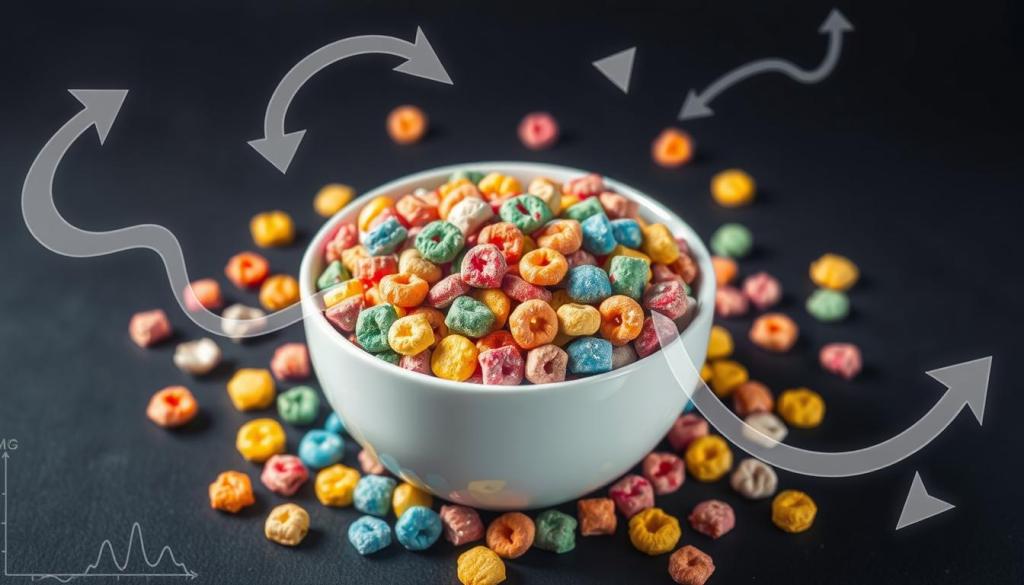
Sugary cereals and refined cereals might seem like easy breakfast choices. But, they often have big downsides. They are among the biggest sources of added sugar in the U.S. Most brands list sugar as a top ingredient, which raises questions about their health value.
Effects on Blood Sugar Levels
Refined cereals can quickly raise your blood sugar. They have a high glycemic index, causing big spikes and then drops. This can make you feel grumpy and hungry soon after eating.
Only 5% of men and 9% of women meet the daily fiber recommendations. It’s important to pick breakfasts that keep your blood sugar stable.
Healthier Alternatives
For better nutrition, choose high-fiber cereals. Look for ones with at least 3 grams of fiber per serving and no more than 5 grams of added sugar. Whole grain cereals with fruit or nuts can make your breakfast better.
Adding a protein source to your cereal can also help you feel full longer. This can improve your morning satisfaction.
Pancakes and Waffles: Delicious but Not Nutritious
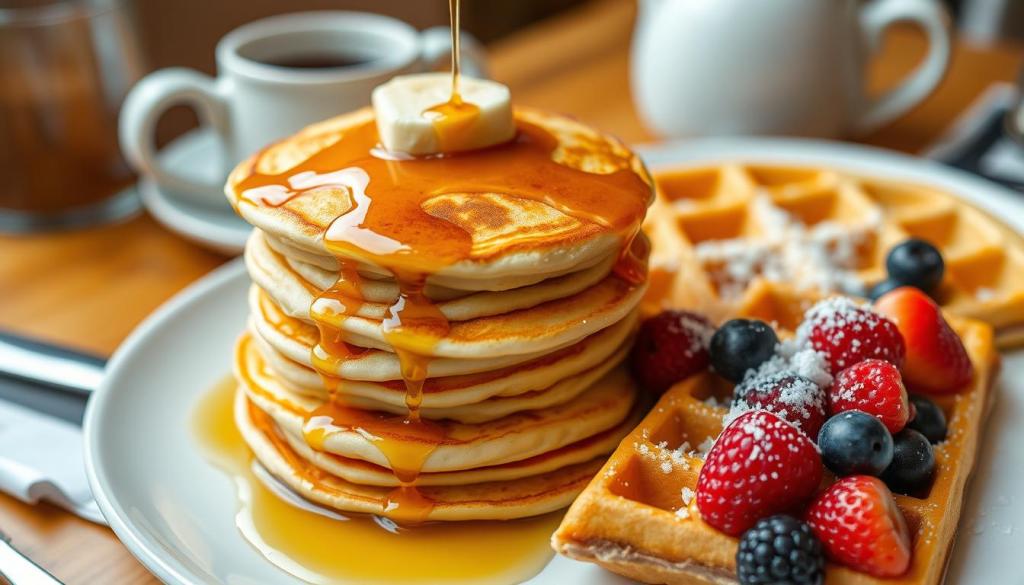
Pancakes and waffles are breakfast favorites known for their fluffy texture and tasty flavors. They give a quick energy boost but lack in nutrition. Made with refined flour and artificial sweeteners, they are high in calories and low in nutrients. Pancakes have about 20% fewer calories than waffles but can still cause a quick rise in blood sugar, leading to hunger soon after.
Why They Fall Short
Pancakes and waffles are popular breakfast carbs but often lack protein and fiber. They are high in refined sugars, especially with syrup toppings, which can lead to unhealthy eating. Pancakes are more creative, with options like flower drawings or portraits, while waffles stick to geometric shapes. This creativity might distract from their low nutritional value.
Making Healthier Choices
To make pancakes and waffles healthier, try substituting ingredients. Use whole grain flours like oat, buckwheat, or chickpea to boost fiber in pancakes. For waffles, choose whole grain or plant-based mixes to cut down on refined sugars. Top them with healthy options like nut butter or Greek yogurt instead of syrup. These changes can make these breakfast favorites guilt-free.
| Breakfast Option | Calories (Approx.) | Typical Ingredients | Healthier Alternatives |
|---|---|---|---|
| Pancakes | 300 | Refined flour, sugar, syrup | Whole grain flour, nut butter |
| Waffles | 375 | Refined flour, sugar, syrup | Plant-based mixes, Greek yogurt |
Buttered Toast: A Quick Fix You Should Avoid

Buttered toast might seem like a quick and easy breakfast option. But, it often has nutritional drawbacks. It’s made from refined carbs, which can make you feel less energized in the morning. This shows why we need better quick breakfast ideas.
Understanding Nutritional Content
Buttered toast is mostly white bread. It doesn’t have enough protein or fiber to keep you full. Most of its calories come from carbs and fats, making you hungry again soon.
| Component | Buttered Toast | Healthier Alternatives |
|---|---|---|
| Calories | Approx. 200 | Whole Grain Bread with Avocado |
| Protein (grams) | 3 | 8 (with added eggs) |
| Fiber (grams) | 1 | 5 (from whole grains and avocado) |
| Fats | 12 grams (mostly saturated) | 9 grams (heart-healthy unsaturated from avocado) |
To make buttered toast better, use whole grain bread. This gives you more fiber and nutrients. Add protein like eggs, black beans, or Greek yogurt for a meal that’s good for you.
Muffins: Misleadingly Unhealthy
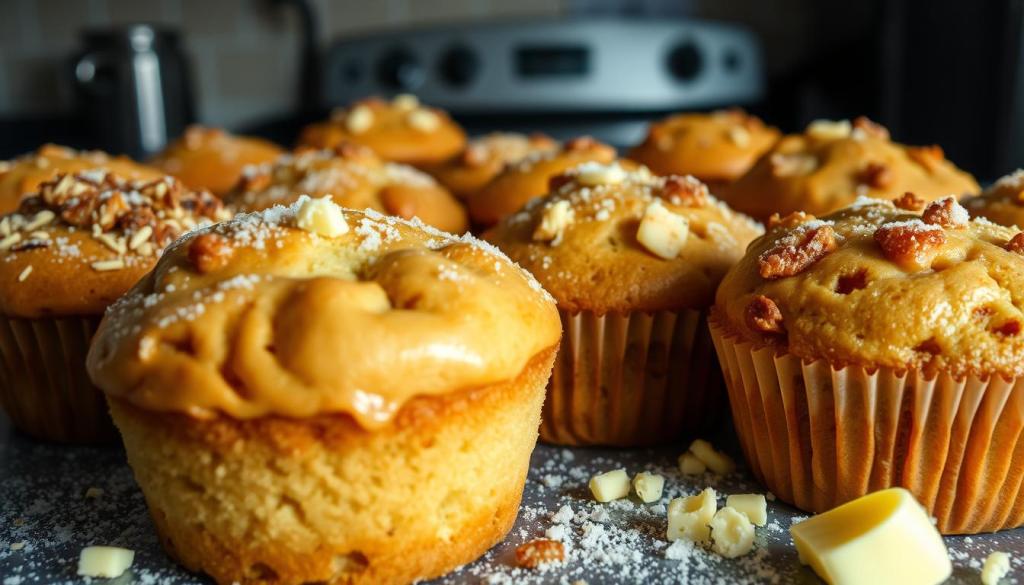
Muffins are often seen as a healthy breakfast option. This is because they contain ingredients like “bran” and “oats” on the packaging. However, many store-bought muffins are far from healthy. They are filled with ingredients that make them high in calories.
Calories and Ingredients to Watch Out For
Looking at popular brands, you might be surprised by what’s in your favorite blueberry muffins. For example, Jiffy Blueberry Muffin Mix uses white flour and oils. It also has artificial additives like Blue 2 Lake and Red 40 Lake, which can be a concern for health.
Brands like Otis Spunkmeyer make muffins with a lot of sugar. Their Wild Blueberry Muffins can stay fresh for a year when frozen. After thawing, they stay good for 21 days, but this might affect their freshness and quality.
At Panera, the blueberry muffin has 40g of sugars. This is more than the daily recommended sugar intake for both men and women. Also, eggs and milk in these muffins likely come from factory farms, which reduces their health benefits.
Even English muffins can be unhealthy, especially when topped with peanut butter and jelly. This can make a simple snack into a high-calorie breakfast. Knowing what’s in your muffins is key to a healthier diet.
Fruit Juice: The Sugar Dilemma
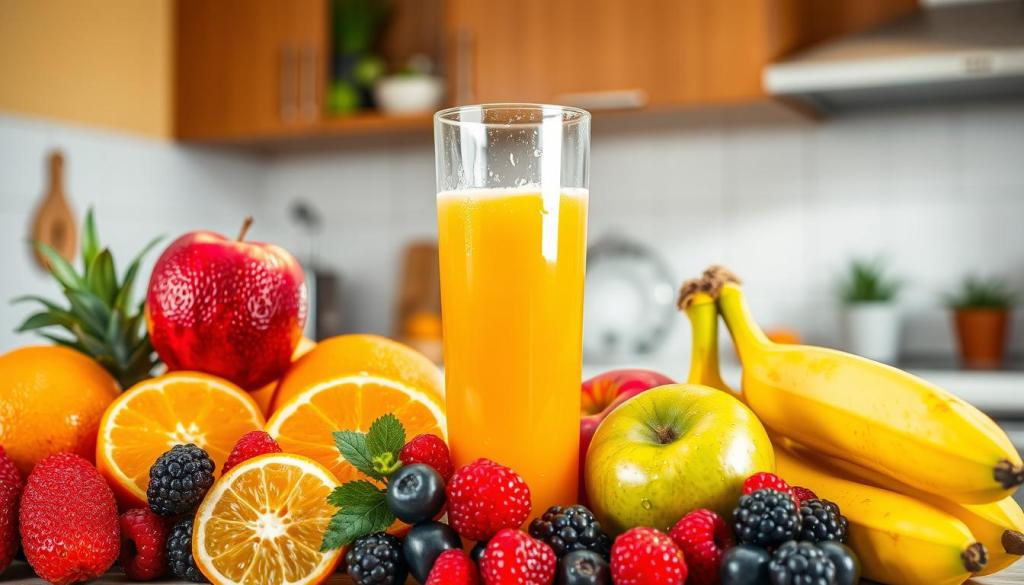
Fruit juice is often seen as a healthy breakfast option. But, this view is not always correct because of its high sugar content. Fruit juices usually don’t have the fiber and nutrients found in whole fruits. This makes them less beneficial for a balanced diet.
Comparison With Whole Fruits
Looking at fruit juice and whole fruits, we see big differences:
| Category | Fruit Juice | Whole Fruits |
|---|---|---|
| Sugar Content (per 8 oz) | 24 grams | 10-15 grams |
| Fiber Content | 0 grams | 3-5 grams |
| Calories (average) | 110 calories | 60-80 calories |
| Vitamins and Minerals | Less beneficial, often fortified | Rich in vitamins and antioxidants |
Eating whole fruits is better because they have less sugar and more fiber and vitamins. The American Heart Association advises limiting sugar intake. Choosing whole fruits over juice helps keep your diet nutritious and your energy up all day.
Breakfast Bars: Not as Healthy as You Think
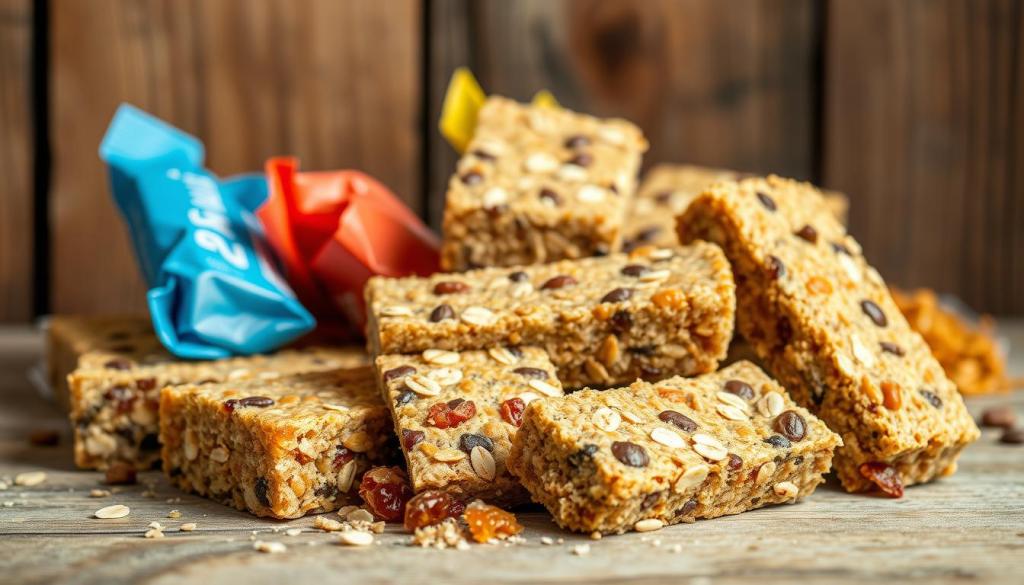
Breakfast bars might look like a quick and healthy choice. But, many have unhealthy ingredients that can harm your diet goals. They often have a lot of sugar, causing energy highs and lows.
Looking at what’s in these bars, you’ll find a lot of sugar. For example, SlimFast Meal Options bars get 44% of their calories from sugar. Clif bars get between 33% to 50% of their calories from sugar. This shows many brands add a lot of sugar to their bars.
Typical Ingredients and Their Impact
Breakfast bars usually have grains, sugars, and fats. Some might have protein, but not enough. Luna bars, for example, only have 10 grams of protein.
High amounts of unhealthy ingredients can lead to weight gain. They can also make your energy levels go up and down fast. But, bars like RXBAR have less sugar and more protein, making them a better choice.
Finding Better Options
When picking a breakfast bar, choose ones with less than 10 grams of sugar per serving. Opt for bars made with whole foods for a better breakfast. Brands like KIND and RXBAR focus on protein and fiber without too much sugar.
Making your own breakfast bars at home is also a great idea. You can make baked oatmeal bars or fruit and quinoa bars. This way, you control what goes into your food and avoid unhealthy additives.
Store-Bought Smoothies: A Hidden Sugar Bomb
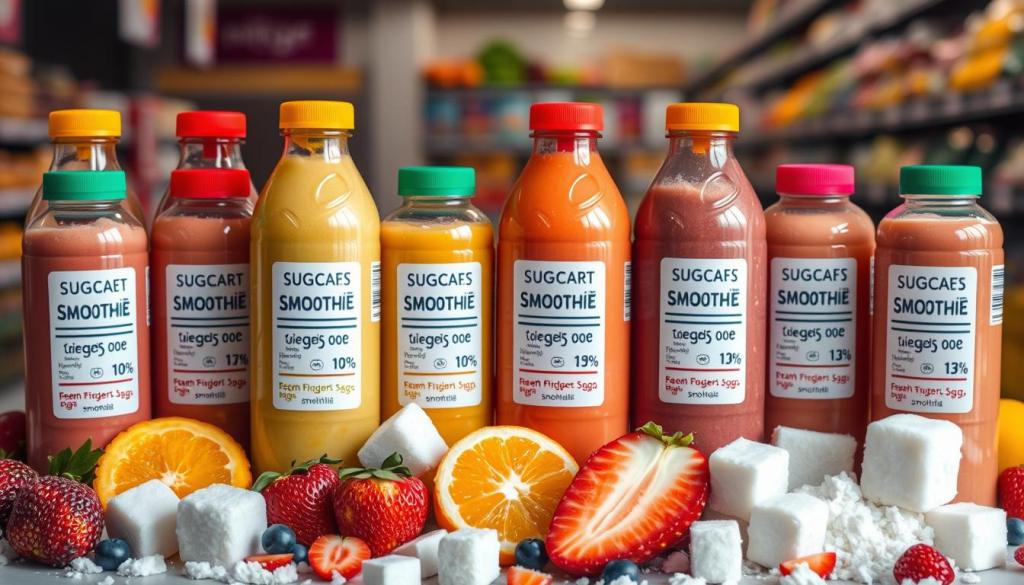
When you pick up a store-bought smoothie, you might think it’s healthy. But the truth is often far from it. These smoothies are often loaded with sugar, hiding behind catchy labels. It’s key to know what’s in them, as they might not have much real fruit and can include harmful additives.
Why Make Your Own is Better
Making your own smoothies lets you control what goes in. This way, you can pick fresh fruits and veggies, add protein, and skip the extra sugars and fake stuff. For instance, a store-bought smoothie can have up to 37g of sugar. But a homemade one will only have the sugar from the fruits.
Here’s a comparison that highlights the differences:
| Feature | Store-Bought Smoothies | Homemade Smoothies |
|---|---|---|
| Sugar Content | Up to 37g per serving | 5-15g (depending on ingredients) |
| Real Fruit Content | Limited, often mixed with additives | 100% fruits and veggies of your choice |
| Protein Source | Generally low | Customizable (yogurt, milk, protein powder) |
| Artificial Additives | Common | None, unless chosen |
Learn why homemade smoothies are better for you. Choose fresh ingredients, cut down on sugar, and control your health with your own tasty mixes.
Processed Meats: Why You Should Limit Intake
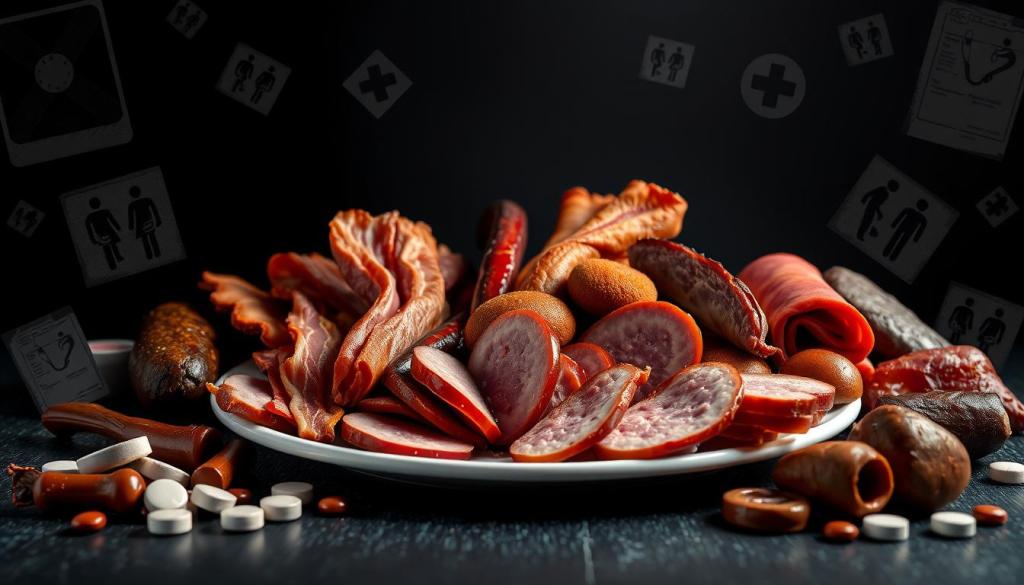
Many people start their day with bacon and sausage. These foods are tasty and convenient. But, they can harm your health. Experts say it’s best to eat them less often.
Health Risks Associated with Breakfast Meats
Breakfast meats are high in fats, additives, and sodium. Eating them regularly can lead to heart disease and some cancers. This is because they contain harmful substances like nitrosamines and HCAs.
These foods also have a lot of sodium. This can raise blood pressure and heart disease risk. The USDA says processed foods are not as healthy as they seem. They include many products that are far from nutritious.
To show the dangers of these foods, here’s a table:
| Health Risk | Processed Meats | Alternatives |
|---|---|---|
| Heart Disease | Higher risk due to saturated fats and sodium | Lean poultry, fish |
| Cancer (stomach and bowel) | Significantly linked to nitrosamines and HCAs | Whole grains, legumes |
| Hypertension | High sodium content | Fresh fruits and vegetables |
| Type 2 Diabetes | Increased risk associated with processed food consumption | Whole foods, unprocessed proteins |
Choosing lean proteins or whole foods can reduce health risks. This way, you can still have a good breakfast.
Bacon and Sausage: What You Should Know
Bacon and sausage are common on breakfast plates in America. Many love them for their taste, but they also have big health implications that are often ignored.
Looking at calories, bacon and sausage differ a lot. Three slices of bacon have about 162 calories. But, a beef link sausage can have over 300 calories. Knowing this helps those watching their calories.
Bacon and sausage have similar amounts of protein, about 11 grams per serving. But, they differ in fat types. Bacon has more saturated fats, while sausage has more unsaturated fats. This might affect your choice based on your health goals.
Sausage is richer in vitamins and minerals than bacon. It has more thiamin, riboflavin, and B12. Sausage also has 12 times more calcium and 862% more iron than bacon. This makes sausage a better choice for a balanced breakfast.
Even with these benefits, eating too much bacon and sausage can be bad. They are low in carbs. But, eating them too much can lead to health problems. Studies link processed meats to heart disease and some cancers, due to nitrates and nitrites.
Choosing healthier breakfast options is smart. Opt for grass-fed beef or homemade sausage patties. These choices are better for you and may avoid harmful additives.
15 Breakfast Foods, Bad for You: The Dangers of Premixed Options
Many people choose premixed oatmeal for its convenience. But, it often lacks in nutrition. Premixed oatmeal is a big risk in the world of unhealthy breakfasts.
Premixed Oatmeal and Its Health Implications
Packaged premixed oatmeal has a lot of sugar and uses processed oats. This means it’s not as nutritious as it could be. It also doesn’t have enough fiber, which is important for feeling full and healthy digestion.
These products can make you hungry soon after eating. This might lead to more snacking and calories throughout the day.
Did you know some premixed oatmeal packets have as much sugar as three chocolate chip cookies? Switch to rolled or steel-cut oats instead. This way, you can control how much sugar you add with fruits or nuts.
Choosing healthier breakfasts, like avoiding premixed oatmeal, can greatly improve your diet and health.
Conclusion
Making smart choices for breakfast is key to starting your day right. Skipping breakfast can lead to missing out on important nutrients. Choosing healthy foods like fruits, whole grains, and healthy fats can boost your energy and health.
Your morning routine is important for your health. Eating breakfast regularly can lower the risk of heart disease and diabetes. It’s better to eat nutritious meals in the morning than to skip them.
Opting for a healthy breakfast can improve your health in the long run. It’s not just about physical health but also mental and emotional well-being. Avoiding processed foods helps you stay healthy and feel good.
FAQ
What are some unhealthy breakfast choices I should avoid?
Avoid sugary cereals, frozen waffles, and pancakes. Also, skip breakfast bars high in sugar and fruit juice. Processed meats like bacon and sausage are not good either. These foods can cause energy crashes and harm your health in the long run.
How can I improve my breakfast choices?
Choose high-fiber cereals and whole grain pancakes or waffles. Add protein-rich toppings to toast. Opt for homemade smoothies or fresh fruits instead of store-bought ones. This way, you can control the sugar content better.
Why should I avoid frozen waffles and pancakes?
Frozen waffles and pancakes are made from refined flour. They are often topped with sugary syrups or butter. This makes them high in calories but low in nutrients. Try healthier whole grain versions or make them yourself to increase their nutritional value.
Are breakfast bars really unhealthy?
Many breakfast bars have a lot of added sugars and lack protein. This makes them less filling. Look for bars with less sugar and more whole foods. Aim for at least 10 grams of protein and minimal added sugars.
What are the risks associated with processed breakfast meats like bacon and sausage?
Processed breakfast meats are high in sodium and unhealthy fats. They have been linked to heart disease and diabetes. It’s best to limit them and choose leaner protein alternatives.
Is fruit juice a healthy option for breakfast?
Fruit juice may seem healthy, but it’s often full of sugars. It lacks the fiber found in whole fruits. This can cause blood sugar spikes and crashes. Whole fruits are a better choice for steady energy.
Why are low- or no-fiber cereals a poor breakfast choice?
Low- or no-fiber cereals are high in refined carbs and sugars. They can cause quick energy spikes followed by crashes. This leads to irritability and increased hunger. Choose cereals with at least 3 grams of fiber per serving to keep your energy stable.
How can I make premixed oatmeal healthier?
Premixed oatmeal packets often have high sugar and processed oats. For a better option, pick rolled or steel-cut oats. Add your own toppings like fruit or nuts to control sugar and boost nutrition.
Source Links
- 15 Breakfast Foods to Avoid, Plus 10 to Try – https://www.healthline.com/nutrition/breakfast-foods-to-avoid
- 15 Breakfast Foods You Probably Should Try to Avoid – https://www.thehealthy.com/nutrition/think-twice-breakfast-foods/
- Why Breakfast Is the Most Important Meal of the Day – https://www.webmd.com/food-recipes/breakfast-lose-weight
- Breakfast in Human Nutrition: The International Breakfast Research Initiative – https://www.ncbi.nlm.nih.gov/pmc/articles/PMC5986439/
- Why You Should Eat Breakfast – https://www.rush.edu/news/why-you-should-eat-breakfast
- The Best and Worst Foods for Breakfast – https://www.uhhospitals.org/blog/articles/2023/06/the-best-and-worst-foods-for-breakfast
- Begin Your Day Right: Top 6 Foods to Avoid at Breakfast – https://www.silversneakers.com/blog/6-foods-you-should-never-eat-for-breakfast/
- 25 Unhealthiest Breakfast Foods on the Planet – https://www.eatthis.com/unhealthiest-breakfast-foods/
- Are Breakfast Cereals Healthy or Unhealthy? – https://www.healthline.com/nutrition/are-breakfast-cereals-healthy
- Is Cereal a Healthy Breakfast Choice? – https://www.houstonmethodist.org/blog/articles/2022/jul/is-cereal-a-healthy-breakfast-choice/
- Opinion: Breakfast Battle: Waffles vs. Pancakes – https://www.centraltimes.org/showcase/2023/03/22/breakfast-battle-waffles-vs-pancakes/
- Pancake vs waffle: Nutritional differences – https://january.ai/blog/pancake-vs-waffle
- 5 Breakfast Items You Should Just Avoid – https://prevagen.com/blogs/brain-health-tips/breakfast-foods-avoid-brain-health?srsltid=AfmBOopOGQaB9Bb3H_X1gBW9ru0n67btW4yzOZ8U2Ty_4FQEVTN-jXQb
- What to Eat When You Have No Appetite in the Morning — Registered Dietitian Columbia SC – Rachael Hartley Nutrition – https://www.rachaelhartleynutrition.com/blog/no-appetite-in-the-morning
- Is Avocado Toast Actually Healthy? – https://www.houstonmethodist.org/blog/articles/2020/feb/is-avocado-toast-actually-healthy/
- Are Muffins Healthy? – https://www.brucebradley.com/food/are-muffins-healthy/
- As Breakfast Carbs Go, How Do English Muffins Stack Up? – https://melmagazine.com/en-us/story/are-english-muffins-healthy
- The Sugar Dilemma – https://www.leevercancercenter.org/blog/sugar/
- A Sweet Dilemma: Understanding Sugar and Sweeteners | Vivo Life – Vivo Life USA – https://www.vivolife.com/blogs/news/a-sweet-dilemma-understanding-sugar-and-sweeteners?srsltid=AfmBOoqm9DArpfAdFMnxThqnH3YSX3_xL9Ca-9T-oXvz0yfgBHmqTcLU
- The Best of the Bars – https://www.webmd.com/diet/features/the-best-of-the-bars
- 16 Super Healthy Breakfast Bars – https://www.healthline.com/nutrition/healthy-breakfast-bars
- | SUGAR FILLED FOODS TO AVOID AND PREVENT DIABETES – https://www.healthyformen.com/8-hidden-sugars-to-avoid/
- 6 ‘healthy’ foods that are not very good for you, from smoothies to quinoa chips – https://www.businessinsider.com/foods-that-are-not-as-healthy-as-you-think-smoothies-2021-6
- Why Processed Meat is Bad For You – https://www.healthline.com/nutrition/why-processed-meat-is-bad
- Health Risks of Eating Ultra-Processed Foods – https://www.afmc.af.mil/News/Article-Display/Article/3781462/health-risks-of-eating-ultra-processed-foods/
- Processed foods: Health risks and what to avoid – https://www.medicalnewstoday.com/articles/318630
- Bacon vs sausage: Nutritional differences – https://january.ai/blog/bacon-vs-sausage
- Which Breakfast Meat Is Better For You: Bacon Or Sausage? – https://www.forbes.com/sites/melissakravitz/2019/04/30/breakfast-meat-bacon-or-sausage-healthier/
- The 10 Worst Breakfast Foods (and Healthier Options) – BioTrust – https://blog.biotrust.com/10-worst-breakfast-foods/
- These Are the 15 Best Breakfast Foods of All Time! – https://www.kateskitchenkc.com/blog/best-breakfast-foods/
- Worst Breakfast Foods to Start Your Day – https://activebeat.com/health-news/10-of-the-worst-breakfast-foods-to-start-your-day/7/
- To eat or to skip breakfast? What the science says – https://www.medicalnewstoday.com/articles/is-breakfast-really-the-most-important-meal-of-the-day
- Eat or Skip Breakfast? The Important Role of Breakfast Quality for Health-Related Quality of Life, Stress and Depression in Spanish Adolescents – https://www.ncbi.nlm.nih.gov/pmc/articles/PMC6121474/
- The Last Word: Do You Really Need to Eat Breakfast? – https://www.everydayhealth.com/diet-nutrition/the-last-word-do-you-really-need-to-eat-breakfast/

 trim down and shape up
Leave a comment