

Dopamine is a key neurotransmitter that affects your motivation, mood, and emotional health. Low dopamine levels can make you feel less excited about things, leading to depression and anxiety. Learning how to naturally increase your dopamine can help fight these mental health issues.
We will look at different ways to boost your mood and mental health. This includes changing your diet, starting an exercise routine, and using the right supplements. By doing these things, you can increase your dopamine and improve how you feel emotionally.
Key Takeaways
- Dopamine affects motivation, mood, movement, memory, and overall well-being.
- Low dopamine levels can lead to negative symptoms like apathy and fatigue.
- Natural techniques such as diet and exercise are effective in boosting dopamine levels.
- Probiotics and vitamins play a role in enhancing dopamine production.
- Prioritizing sleep is essential for maintaining healthy dopamine levels.
- Activities like meditation and listening to music can stimulate dopamine release.
Understanding Dopamine: The Key to Joy and Motivation
Dopamine is a key neurotransmitter that helps us feel joy and motivation. It plays a big role in our brain’s reward and pleasure systems. It helps us stay focused, feel pleasure, and stay energized.
When dopamine levels are low, we might feel unmotivated and less interested in things we used to enjoy. This can make us feel tired, have trouble sleeping, and forget things. On the other hand, too much dopamine can make us feel too happy and energetic but also lead to acting impulsively and trouble sleeping.
Dopamine does more than just affect our mood. It helps control our movements, improves our thinking, and helps us pay attention. Doing things like exercising and spending time with friends can make dopamine levels go up. This helps our body want to do things that are good for us.
What are the Symptoms and Conditions Associated with Low Dopamine?

Understanding low dopamine symptoms and conditions helps us grasp the challenges people face. Dopamine is key for mood, motivation, and well-being. When it’s low, many symptoms can show up, affecting daily life and happiness.
Common Symptoms of Low Dopamine
Low dopamine can cause many symptoms. These include:
- Lack of motivation
- Tiredness
- Inability to concentrate
- Moodiness and irritability
- Depression
- Low sex drive
- Sleeping difficulties
- Tremors
- Balance issues
- Cognitive changes and impulsiveness
- Gastrointestinal symptoms
Conditions Linked to Low Dopamine Levels
Several medical conditions are linked with low dopamine levels. These include:
- Parkinson’s disease, characterized by the degeneration of dopamine-producing neurons leading to movement issues.
- ADHD, often associated with altered dopamine activity impacting focus and attention.
- Depression, where symptoms can exacerbate due to decreased dopamine production.
- Restless legs syndrome, which may involve dopamine imbalance as a contributing factor.
Dopamine and Mental Disorders: The Connection
Research shows a strong link between dopamine levels and mental disorders. Dopamine plays a key role in mood and behavior. A lack of dopamine can cause low energy, appetite changes, and hopelessness, seen in depression and anxiety.
Low dopamine also affects ADHD and schizophrenia. People with ADHD struggle with motivation and rewards, linked to dopamine issues. Schizophrenia involves changes in dopamine receptors, showing how important dopamine is for mental health.
Let’s explore how dopamine impacts different mental disorders:
| Mental Disorder | Effects of Dopamine Imbalance |
|---|---|
| Depression | Dopamine deficiency often leads to anhedonia, making it difficult to experience pleasure. |
| ADHD | Dopamine disruptions can result in motivation deficits and challenges in reward processing. |
| Schizophrenia | Altered dopamine signaling contributes to symptoms like hallucinations and cognitive deficits. |
| Addiction | Changes in dopamine circuits can lead to conditioned responses, potentially resulting in addictive behaviors. |
Knowing these connections is crucial. It shows the need to keep dopamine levels balanced. Exercise, healthy food, and lifestyle choices can help improve mental health and reduce dopamine-related symptoms.
How Can You Increase Your Dopamine Levels Naturally?

Boosting dopamine naturally can make you feel better and more motivated. By changing your diet and doing certain activities, you can help your brain make more dopamine. Simple changes can make you feel more alive and focused all day.
Dietary Changes to Boost Dopamine
To naturally boost dopamine, focus on what you eat. Eating foods rich in protein is key because they have amino acids like tyrosine. These help make more dopamine. Here are some foods to add to your meals:
- Chicken, turkey, or lean beef
- Fish, especially salmon and mackerel
- Eggs
- Dairy like yogurt and cheese
- Nuts and seeds
- Legumes and beans
Studies show that too much saturated fat can hurt dopamine. So, choose healthier fats like those in avocados and olive oil.
Activities Proven to Increase Dopamine Levels
Doing certain activities can also boost dopamine. Here are some activities that help:
- Exercise: Moving your body can increase dopamine and improve your mood.
- Meditation: Just one hour of meditation can raise dopamine levels a lot.
- Listening to Music: Your favorite songs can make you feel good by releasing dopamine.
- Sunlight Exposure: Being in natural light can help make more dopamine, especially when you have SAD.
By changing your diet and doing enriching activities, you can boost your dopamine. It’s important to focus on what you eat and what you do to keep your mind happy and healthy.
Getting a Quality Amount of Protein in Your Diet

Eating enough protein is key to boosting dopamine in your body. A diet rich in protein helps make neurotransmitters, including dopamine. Tyrosine, an amino acid, is crucial for making dopamine. Eating foods high in tyrosine can keep your dopamine levels up and make you feel better.
Protein-Rich Foods That Help
Eating foods high in protein can help make dopamine. Some great sources include:
- Turkey
- Chicken
- Lean beef
- Fish
- Eggs
- Dairy products
- Legumes such as lentils and chickpeas
- Tofu and other soy products
- Nuts and seeds
These foods give you protein and important nutrients for your mind.
The Importance of Tyrosine
Tyrosine is vital for making dopamine. It’s an amino acid that helps make dopamine and other neurotransmitters. You can find tyrosine in many protein-rich foods. Eating these foods regularly can improve your mood and brain function.
Studies show that a protein diet can help with anxiety and depression. It can make you feel more emotionally balanced.
Adding Probiotics to Your Daily Regimen
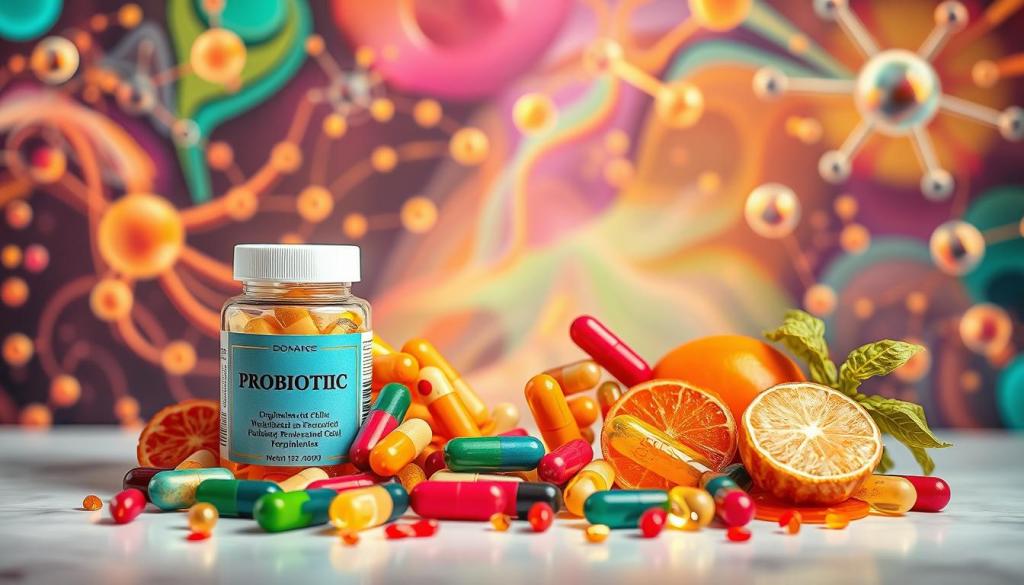
Probiotics can greatly benefit your daily routine, especially for gut health and mental wellness. They help increase dopamine, which boosts mood and lowers anxiety.
Studies show that certain probiotics, like Bifidobacterium and Lactobacillus, boost dopamine in the gut. Since half of dopamine is made in the gut, this link is key to mental health.
Research shows probiotics can help with anxiety and depression. For instance, a study with 110 patients found a big drop in depression scores with probiotics.
Adding probiotics to your diet can improve your mood and stress handling. To boost gut health and dopamine, try fermented foods like yogurt or probiotic supplements.
| Benefits of Probiotics | Impact on Mental Wellness |
|---|---|
| Enhance mood regulation | Supports dopamine production |
| Alleviate symptoms of depression | Improve emotional stability |
| Assist in reducing anxiety | Foster resilience against stress |
| Boost overall gut health | Strengthen the gut-brain axis |
With millions affected by depression and anxiety worldwide, probiotics could be a game changer. This simple change in diet may be a natural way to improve mental health.
Essential Vitamins and Their Role in Dopamine Production

Your body needs certain vitamins to make dopamine, which is key for your mental health. Vitamins B5, B6, and B9 are crucial for making dopamine. If you don’t get enough of these vitamins, your mental health might suffer. It’s important to get the right amount every day.
Omega-3 fish oil and Vitamin D also help your brain. They can make your brain more sensitive to dopamine.
Vitamins B5, B6, and B9 Impact
Vitamins B5, B6, and B9 help make neurotransmitters, like dopamine. Here’s a quick look at what they do:
| Vitamin | Function | Sources |
|---|---|---|
| B5 | Supports the synthesis of coenzyme A, vital for neurotransmitter production. | Chicken, eggs, avocados, and whole grains. |
| B6 | Involved in the conversion of L-tyrosine to dopamine, enhancing mood regulation. | Fish, potatoes, bananas, and chickpeas. |
| B9 | Essential for DNA synthesis and repair, influencing mental health positively. | Leafy greens, beans, nuts, and fortified cereals. |
Omega-3 Fish Oil and Vitamin D
Omega-3 fatty acids are vital for your mental health. They help keep your brain working well. Aim for 1–2 grams a day for the best results.
Vitamin D is also important for making dopamine. Not having enough Vitamin D can lead to mental health problems.
Nutrition and Diet Role in Dopamine Production
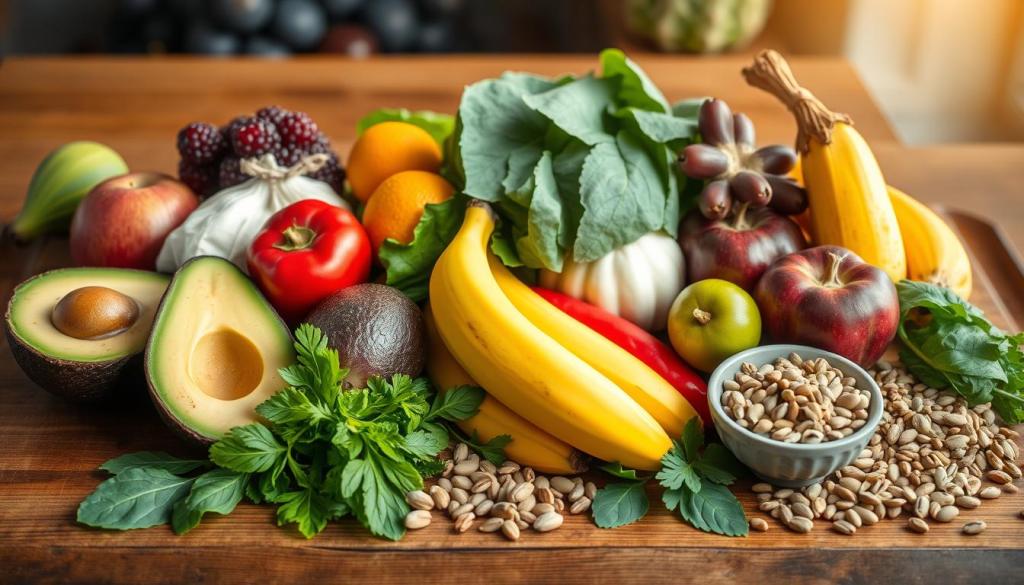
A good nutrition for mental health helps make dopamine. Eating certain foods can help make and release this important neurotransmitter. This can improve your mood and mental health.
Many foods that enhance dopamine have nutrients that help make dopamine. Foods like proteins, healthy fats, and antioxidants are key. For example, eating less protein can help with Parkinson’s disease symptoms, showing how important protein is for dopamine.
Here’s what you should eat more of:
- Fruits and Vegetables: Cavendish bananas are high in dopamine. Other fruits and veggies also help make dopamine.
- Omega-3 Fatty Acids: In fish oil, these fats can really boost dopamine in the brain.
- Probiotic-rich Foods: Studies show probiotics can help make more dopamine and improve mood. People with irritable bowel syndrome felt less depressed after taking probiotics.
- Mucuna pruriens: This plant has L-DOPA and dopamine, which can greatly increase dopamine levels.
By choosing the right diet for dopamine production, you can support your mental health. Supplements like magnesium, curcumin, and caffeine can also help make more dopamine. What you eat and take as supplements can either help or hurt your dopamine levels. So, making smart food choices is very important for your mental health.
| Food Source | Dopamine Impact | Key Nutrients |
|---|---|---|
| Cavendish Bananas | High dopamine levels | Antioxidants |
| Fish (Omega-3 rich) | Increases dopamine by 40% | Omega-3 fatty acids |
| Mucuna Pruriens | Boosts dopamine production | L-DOPA |
| Probiotic Foods | Improves mood and reduces depressive symptoms | Probiotics |
| Dark Chocolate | Aids dopamine synthesis | Flavonoids |
The Importance of Sleep for Dopamine Levels

Quality sleep is key to keeping dopamine levels in check. The way sleep and dopamine interact impacts your mental health and overall well-being. Not getting enough sleep can mess with dopamine levels, causing mood swings and brain fog.
How Sleep Affects Dopamine Release
Not sleeping enough messes with your brain’s dopamine cycles. Studies show dopamine goes up when you’re sleep-deprived. This is because your brain tries to make up for lost sleep.
Good sleep helps your brain work better and keeps behavior in check. Here’s how sleep affects dopamine levels:
| Sleep Condition | Dopamine Effect | Behavioral Considerations |
|---|---|---|
| Quality Sleep | Optimal dopamine levels | Improved mood and alertness |
| Acute Sleep Loss | Increased dopamine temporarily | Potential mood disturbances |
| Persistent Sleep Deprivation | Decreased overall dopamine availability | Heightened risk of anxiety and depression |
Knowing how sleep and dopamine are connected helps you make better choices. Regular sleep improves both sleep and dopamine levels, boosting your mental health.
Dopamine and Sunlight: A Natural Source of Happiness

Being in the sun has big effects on your body, especially on dopamine levels. This helps make you feel happier. Studies show that just 15 minutes outside a few times a week can boost serotonin and dopamine.
Adding sunlight to your daily life has more perks. It not only raises serotonin but also helps make Vitamin D. This is good for dopamine receptors. Doing group exercises or social activities outside can make these benefits even better.
A 2017 study found that group exercises are better for mental health than solo workouts. This shows how important being with others in the sun is.
Doing aerobic exercises in the sun can also release more endorphins. This natural mood booster makes interactions richer. Bright light therapy has been shown to help with depression and anxiety in many studies.
- Sunlight exposure increases dopamine and serotonin levels.
- Outdoor group exercise offers more substantial mental health benefits.
- 30 minutes of aerobic exercise correlates with increased endorphin release.
- Bright light therapy helps alleviate symptoms of depression.
Knowing how sunlight affects dopamine shows why we should get more natural light. Regular sunlight not only boosts mood but also improves mental and emotional health.
Stress Management and Its Role in Boosting Dopamine

Managing stress is key to keeping dopamine levels in check. Stress can harm dopamine production and how well our bodies respond to it. Long-term stress can make our dopamine receptors less sensitive, which is bad for our mental health.
A study with 120 healthy college students showed stress’s link to dopamine. Stress from tasks like mental math made dopamine levels spike in those who felt less cared for as kids. This shows early life stress can affect dopamine levels in adulthood.
There are many ways to manage stress and boost dopamine. Here are some effective strategies:
- Meditation: Regular meditation lowers cortisol and improves mood.
- Physical Exercise: Exercise boosts dopamine and reduces stress.
- Relaxation Exercises: Deep breathing or yoga can lessen stress and improve well-being.
Stress’s impact on mental health is clear. High cortisol levels and fewer dopamine receptors show why managing stress is crucial. By focusing on stress management, you support your emotional strength and dopamine function.
| Stress Management Techniques | Benefits for Dopamine Levels |
|---|---|
| Meditation | Reduces cortisol, enhances mood |
| Physical Exercise | Increases dopamine production, alleviates stress |
| Relaxation Exercises | Mitigates stress effects, improves well-being |
Natural Supplements That Boost Dopamine Levels

Looking to boost your dopamine levels? Natural supplements can help. Ginkgo Biloba and curcumin are two top choices. They support dopamine production and improve brain health.
Exploring Ginkgo Biloba
Ginkgo Biloba is a well-known natural dopamine booster. It improves blood flow to the brain. This can help protect brain cells and boost thinking skills.
It’s packed with antioxidants that fight off stress and improve mood. Taking Ginkgo Biloba regularly can help those with cognitive or mood issues.
The Benefits of Curcumin
Curcumin, from turmeric, is another great supplement. It’s known for its anti-inflammatory effects. This can create a healthier brain environment, helping with dopamine production.
Studies show it can reduce stress and anxiety, improving mood. Adding curcumin to your daily routine can enhance both brain function and emotional balance.
| Supplement | Primary Benefit | How it Boosts Dopamine |
|---|---|---|
| Ginkgo Biloba | Enhances blood flow | Promotes neuron health, improving cognitive function |
| Curcumin | Anti-inflammatory properties | Supports mood and cognitive performance |
Conclusion
Dopamine plays a big role in your mental health. Learning how to boost dopamine naturally can help with anxiety and depression. This can make your life better.
Making healthy food choices, exercising regularly, and taking the right supplements are key. They help keep your brain healthy and your mood positive.
Adding these dopamine-boosting habits to your daily life can improve your well-being. It shows how important dopamine is for feeling good and motivated. This can make everyday activities more enjoyable.
Using natural ways to increase dopamine can lead to a more fulfilling life. As you make these changes, you’ll likely see a big improvement in your mental strength. This can help you feel happier and more alive.
FAQ
What are the symptoms of low dopamine levels?
Low dopamine can make you feel tired, moody, and hard to focus. You might also have trouble sleeping and feel unmotivated.
What conditions are associated with low dopamine?
Low dopamine is linked to Parkinson’s disease, ADHD, depression, and schizophrenia. These conditions affect how our brain works.
How can I increase my dopamine levels naturally?
To boost dopamine, eat right, stay active, sleep well, manage stress, and consider supplements. These steps can help your brain health.
What dietary changes can help boost dopamine?
Eating foods rich in protein, omega-3s, antioxidants, and vitamins can help. Try avocados, dark chocolate, eggs, and dairy for a dopamine boost.
How does sleep affect dopamine production?
Good sleep is key for dopamine. It helps your brain repair and keeps neurotransmitters balanced.
Can probiotics influence dopamine levels?
Yes, some probiotics can help make more dopamine. This may improve your mood and reduce anxiety and depression.
What role do vitamins play in dopamine production?
Vitamins B5, B6, and B9 are vital for making dopamine. Omega-3 fish oil and Vitamin D also support brain health and dopamine sensitivity.
Are there natural supplements that can boost dopamine?
Supplements like Ginkgo Biloba and curcumin may help. They improve blood flow to the brain and have anti-inflammatory effects.
How can I manage stress to help maintain dopamine levels?
Use stress management like meditation, exercise, and relaxation. These can keep dopamine levels up and improve your mental health.
Source Links
- 10 Best Ways to Increase Dopamine Levels Naturally – https://www.healthline.com/nutrition/how-to-increase-dopamine
- Dopamine: What It Is & How to Increase It – Baptist Health – https://www.baptisthealth.com/blog/family-health/dopamine-what-it-is-how-to-increase-it
- How to Increase Your Dopamine Levels Naturally – https://www.verywellmind.com/natural-ways-to-increase-your-dopamine-levels-5120223
- What Is Dopamine? – https://www.webmd.com/mental-health/what-is-dopamine
- What is Dopamine? – https://mhanational.org/what-dopamine
- Dopamine: What It Is, Function & Symptoms – https://my.clevelandclinic.org/health/articles/22581-dopamine
- Dopamine Deficiency: Symptoms, Causes & Treatment – https://my.clevelandclinic.org/health/articles/22588-dopamine-deficiency
- Dopamine deficiency – https://www.medicalnewstoday.com/articles/320637
- What Are the Signs of Dopamine Deficiency? – https://www.verywellmind.com/common-symptoms-of-low-dopamine-5120239
- Dopamine in Health and Disease: Much More Than a Neurotransmitter – https://www.ncbi.nlm.nih.gov/pmc/articles/PMC7911410/
- How Dopamine Influences Your Mental Health – https://www.verywellmind.com/what-is-dopamine-5185621
- Dopamine – https://www.healthdirect.gov.au/dopamine
- How to increase dopamine naturally and signs of low dopamine – https://www.medicalnewstoday.com/articles/how-to-increase-dopamine-naturally
- 9 Natural Ways to Balance Dopamine in the Brain – https://www.amenclinics.com/blog/9-natural-ways-to-balance-dopamine-in-the-brain/
- How to Increase Dopamine Naturally | Improve Dopamine Levels – https://www.renaissancerecovery.com/how-to-increase-dopamine/
- Brain Responses to High-Protein Diets – https://www.ncbi.nlm.nih.gov/pmc/articles/PMC3649463/
- Food, Mood, and Brain Health: Implications for the Modern Clinician – https://www.ncbi.nlm.nih.gov/pmc/articles/PMC6170050/
- Eating Well for Mental Health – https://www.sutterhealth.org/health/nutrition/eating-well-for-mental-health
- The Benefits of Prebiotics and Probiotics on Mental Health – https://www.ncbi.nlm.nih.gov/pmc/articles/PMC10490379/
- Probiotics for the treatment of depression and its comorbidities: A systemic review – https://www.ncbi.nlm.nih.gov/pmc/articles/PMC10149938/
- Probiotics: The gut-brain axis | How to improve your gut health – https://www.montgomeryandevelyn.com/blogs/news/probiotics-the-gut-brain-axis?srsltid=AfmBOoqw2oSP53YasOkiC6ecJunRAWcne8rAvfzxtE3Hs_xDpEu6NhvE
- Nutritional therapies for mental disorders – https://www.ncbi.nlm.nih.gov/pmc/articles/PMC2248201/
- Dietary Nutrient Deficiencies and Risk of Depression (Review Article 2018–2023) – https://www.ncbi.nlm.nih.gov/pmc/articles/PMC10255717/
- Dietary Neurotransmitters: A Narrative Review on Current Knowledge – https://www.ncbi.nlm.nih.gov/pmc/articles/PMC5986471/
- 12 Dopamine Supplements to Boost Your Mood – https://www.healthline.com/nutrition/dopamine-supplements
- Acute sleep loss increases dopamine release and rewires the brain, new study find – https://news.weinberg.northwestern.edu/2023/11/06/acute-sleep-loss-increases-dopamine-release/
- Evidence That Sleep Deprivation Downregulates Dopamine D2R in Ventral Striatum in the Human Brain – https://www.ncbi.nlm.nih.gov/pmc/articles/PMC3433285/
- Dopaminergic Control of Sleep–Wake States – https://www.ncbi.nlm.nih.gov/pmc/articles/PMC6674686/
- Happy Hormones: What They Are and How to Boost Them – https://www.healthline.com/health/happy-hormone
- Dopamine and light: dissecting effects on mood and motivational states in women with subsyndromal seasonal affective disorder – https://www.ncbi.nlm.nih.gov/pmc/articles/PMC3819153/
- Dopamine Release in Response to a Psychological Stress in Humans and Its Relationship to Early Life Maternal Care: A Positron Emission Tomography Study Using [11C]Raclopride – https://www.ncbi.nlm.nih.gov/pmc/articles/PMC6729514/
- Stress and the dopaminergic reward system – Experimental & Molecular Medicine – https://www.nature.com/articles/s12276-020-00532-4
- Role of Stress-Related Dopamine Transmission in Building and Maintaining a Protective Cognitive Reserve – https://www.ncbi.nlm.nih.gov/pmc/articles/PMC8869980/
- 9 Ways You Can Increase Dopamine – https://www.health.com/how-to-increase-dopamine-7509095
- 4 Natural Ways To Increase Serotonin & Dopamine With These Supplements – ReNue Rx – https://renuerx.com/general-health/4-natural-ways-to-increase-serotonin-dopamine-with-these-supplements/
- Foods That Increase Dopamine – https://www.buzzrx.com/blog/foods-that-increase-dopamine
- The Role of Dopamine in Major Depressive Disorder – https://www.simplyneuroscience.org/post/the-role-of-dopamine-in-major-depressive-disorder
- The dopamine hypothesis of bipolar affective disorder: the state of the art and implications for treatment – https://www.ncbi.nlm.nih.gov/pmc/articles/PMC5401767/



 trim down and shape up
Leave a comment