


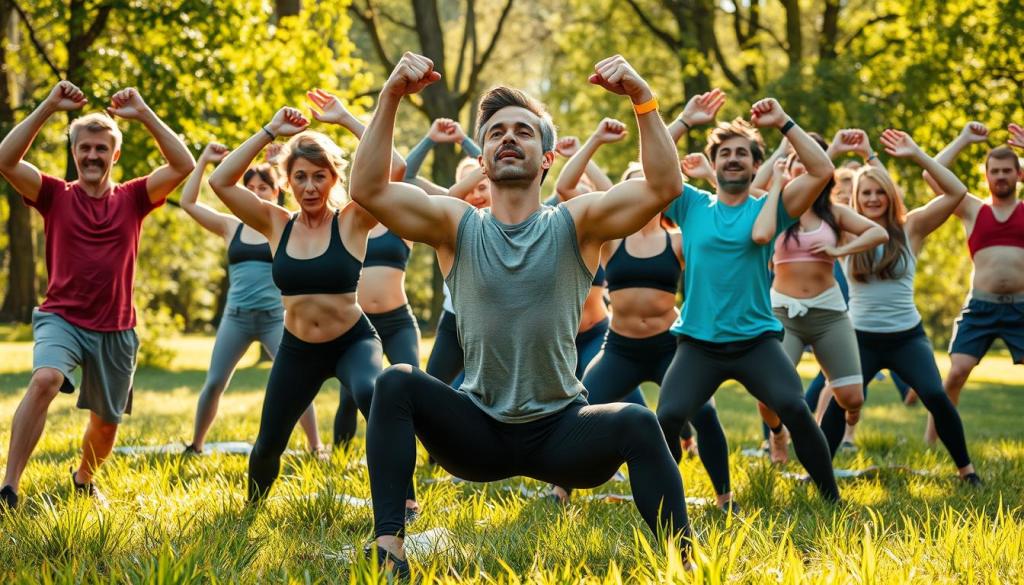
Strengthening your abdominal muscles does more than just make your midsection look good. It’s the foundation for many health and wellness benefits. Doing ab workouts can make you more stable, improve your posture, and boost your daily performance.
Whether you’re exercising at home or at the gym, the benefits of core workouts are huge. In this article, we’ll explore the hidden advantages of ab workouts. You’ll see how they improve your overall health and physical ability, beyond just looking good.
Key Takeaways
- Incorporate deep core exercises into your routine two to three times a week for optimal results.
- Deep core workouts are crucial for enhancing core stability, particularly for runners, cyclists, and weightlifters.
- Specific exercises can engage various muscle groups, including the obliques and hip flexors, contributing to overall strength.
- Regular ab workouts can help improve posture and reduce the risk of lower back pain.
- Engaging in ab exercises can also have positive effects on your mental health by releasing endorphins.
The Importance of Ab Workouts for Overall Health
Ab workouts are more than just for looks. They are key to your overall health. Your core muscles, including the rectus abdominis and transverse abdominis, support your spine. This helps with balance and stability.
Weak core muscles can cause injuries in other parts of your body. This includes your knees, back, hips, and shoulders. Even simple actions, like sitting up in bed, can hurt if your core is weak.
For a strong core, mix up your workouts. Try body-weight or banded exercises for 15 minutes a week. Personal trainers say doing 2 to 3 core workouts a week helps improve performance and reduces injury risk.
Always do exercises correctly and at a slow pace. This helps avoid back pain and injuries. A balanced fitness plan, including full-body workouts, is better than just crunches.
When setting fitness goals, be realistic. Your body shape is influenced by genetics, age, sex, and lifestyle. Focus on strength and stability, not just looks. This leads to a healthier life.
Understanding Your Core: What Lies Beneath
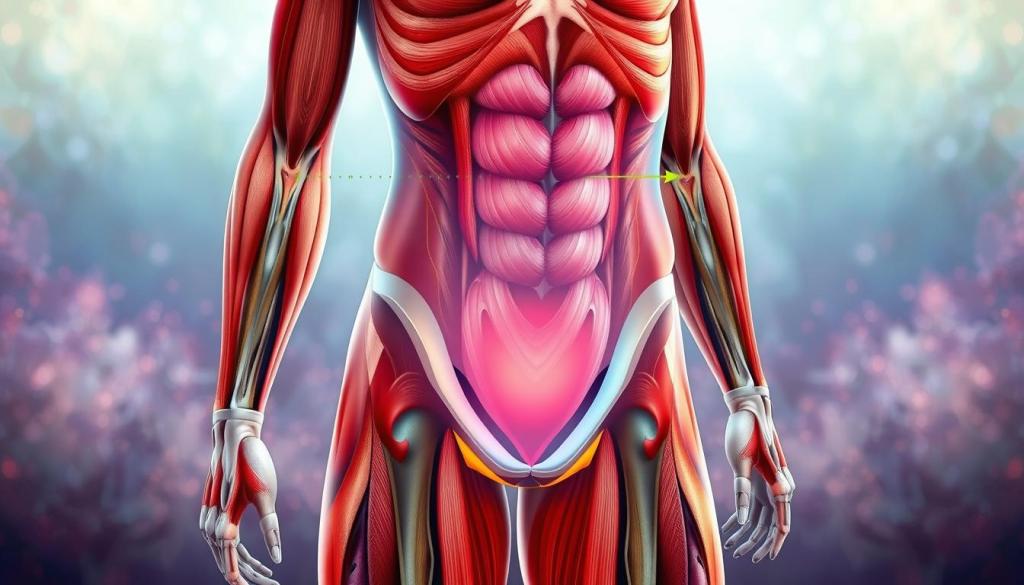
Your core is more than just your abs. It includes muscles like the transverse abdominis, internal obliques, and pelvic floor. These muscles help you stay stable, balanced, and upright.
Working on these muscles is key for better sports performance and avoiding injuries. Studies show that exercises like squats work your core more than planks. This shows the need for a full, functional core workout.
Training your core can help with back pain, boost strength, and improve health. Doing front squats and barbell rotations can really activate your core. Even the American kettlebell swing helps with lower back, balance, and overhead stability.
To really engage your core, follow these steps:
- Use deep core muscles to keep your body stable.
- Try deep breathing, like exhaling deeply and using your diaphragm.
- Do exercises like planks, hollow holds, and hanging holds to build tension.
- Try anti-movement exercises like Bird Dogs and Paloff Presses to improve stability.
- Keep your posture right while doing these exercises.
Your deep core muscles are key for moving force and starting movements. They help you move in all directions. By focusing on your core, you can greatly improve your fitness.
Posture Improvement: Transforming Your Stance
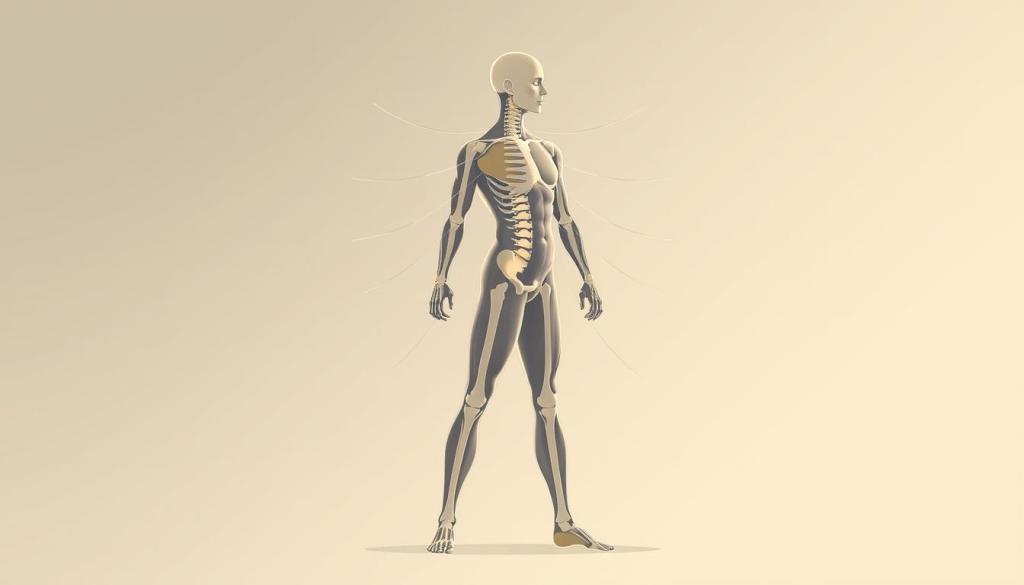
A strong core is key to better posture, boosting your overall health. Keeping good posture is hard, needing constant effort. Bad habits and repetitive actions can harm your stance.
Running or cycling can make your body unevenly strong. This uneven strength can hurt your posture. Also, stress makes your muscles tight, making posture worse.
To get better posture, mix strength and stretch exercises. Yoga, Pilates, and mobility workouts help balance muscles. Exercises like quadruped neck exercises strengthen deep neck muscles, helping your spine.
Using floor exercises like hip abductions works on hip flexor strength and core stability. Glute bridges and knee-to-chest actions target important muscles. Planks are great for strengthening the core and shoulders, keeping your spine straight.
Adding bird-dogs and supermans to your routine strengthens your back and improves core stability. Good posture also means standing against a wall and sitting right. Keep your feet on the floor and your monitor at eye level for better sitting.
By doing these exercises and paying attention to your posture, you can fight off bad habits. This reduces discomfort and boosts your confidence in standing up straight.
Hidden Benefits of Ab Workouts: Strengthening More Than Just Abs

Ab workouts do more than just make your abs look good. They also boost your overall strength and stability. This is key for doing everyday tasks and staying safe.
Increased Strength for Everyday Tasks
Working your abs can make you stronger. A strong core helps you lift and carry things better. It also improves your performance in sports and household chores.
This means you can do more without getting hurt. You’ll feel more confident and capable in your daily activities.
Greater Stability and Balance
Strong core muscles also help with balance and stability. This is important for staying safe and avoiding injuries as you get older. Functional core training improves your workouts and daily life.
You’ll move better and do things more efficiently. This is a big win for your daily activities.
| Core Strength Benefits | Impact on Daily Life |
|---|---|
| Increased Strength | Improved performance in lifting and carrying tasks |
| Greater Stability | Enhanced balance, reducing fall risk |
| Improved Movement Efficiency | Better coordination in daily activities |
Organ Protection: Supporting Your Internal Health
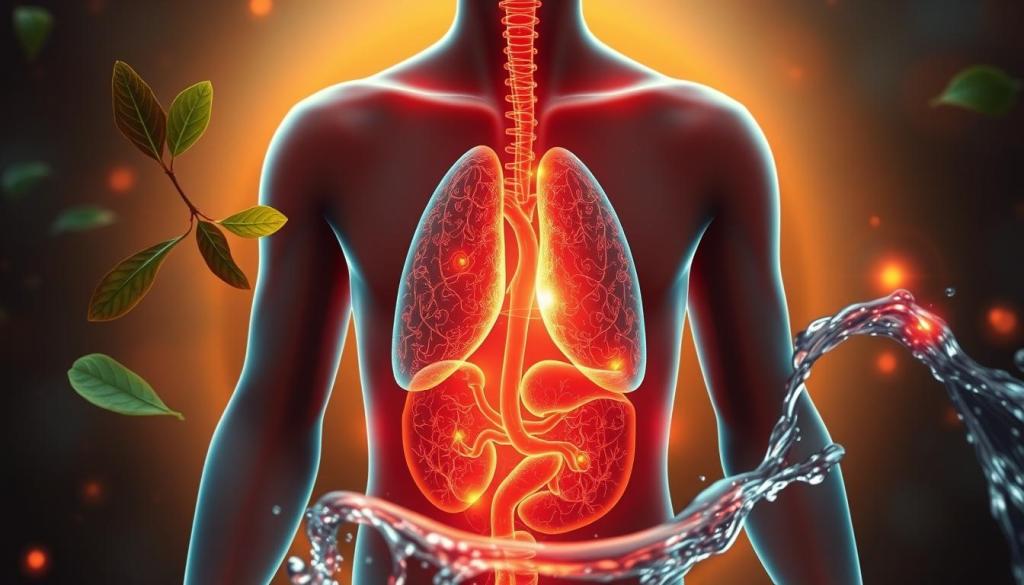
Strong abdominal muscles are key for organ protection. They help keep your internal organs safe and in place. Core workouts, like planks and squats, strengthen these muscles. This is vital for your internal health.
Adding a six-minute deep core workout to your routine three times a week is beneficial. It targets important muscles like the diaphragm and pelvic floor. Each exercise is done for 30 seconds, followed by 15 seconds of rest.
- Enhances functional movement
- Aids bowel and bladder continence
- Supports sexual function and childbirth
A weak core can lead to backaches and injuries. Regular exercises can help with back pain and improve your posture. A strong core also boosts your balance and reduces injury risks.
Moreover, tight core muscles can harm your digestion. Including core workouts in your daily routine boosts your fitness and health.
Improved Breathing and Lung Capacity
Strengthening your abdominal muscles is key to better breathing. Through training, you can breathe more efficiently. This leads to increased lung capacity.
A strong core helps you breathe deeper and more controlled. This engages your diaphragm, improving oxygen intake. This boosts your overall health.
Diaphragmatic breathing is great for lung performance. It lowers blood pressure and heart rate, calming you during exercise. Starting with 5 to 10 minutes a day can make a big difference.
As you practice more, you’ll see even better results. This technique is essential for better workouts and endurance.
Using these breathing methods during exercise boosts blood oxygen. It also helps remove gas waste from your lungs. This improves your endurance and aerobic performance.
Core strength and lung capacity are closely linked. This makes it a crucial part of your fitness routine.
| Breathing Technique | Benefits |
|---|---|
| Diaphragmatic Breathing | Enhances oxygen intake, reduces heart rate, improves relaxation |
| 4-7-8 Breathing | Switches nervous system to rest mode, aids recovery |
| 3-Dimensional Rib Breathing | Tones core muscles, improves lung function, enhances endurance |
| Full Lung Capacity Breathing | Increases nitric oxide flow, promotes efficient heart function |
Adding these breathing techniques to your workouts strengthens your core. It also boosts lung capacity and performance. Regular practice will improve your physical and mental strength, making workouts more enjoyable.
Reduced Back Pain Through Stronger Core Muscles
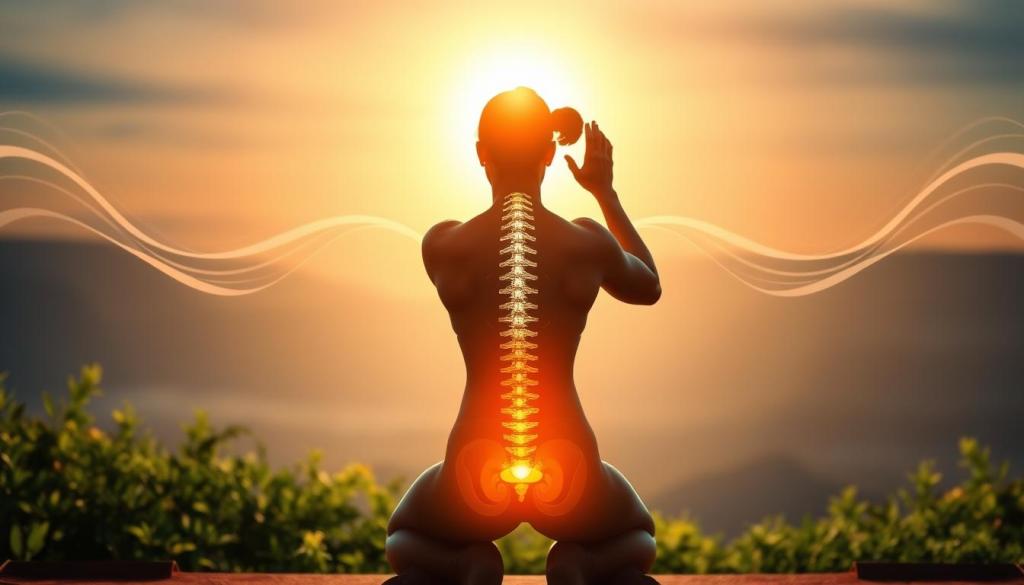
A strong core helps a lot with reduced back pain. Weak abdominal muscles can put too much strain on the spine. This can lead to pain or injury. By strengthening your core, you can stabilize your spine and move more easily.
Doing core exercises can really help with back pain and improve your health. Try side planks, planks, bird dogs, marches, and upward dogs. These exercises work on important muscles like the transverse abdominis and erector spinae.
For example, holding plank positions for 15-30 seconds can be very effective. Also, doing bird dogs and scissors for three sets of eight to ten reps can strengthen your core a lot.
It’s important to do these exercises right. Wrong techniques, especially twisting, can make back pain worse. If your back pain doesn’t go away, see a doctor. A physical therapist can create a workout plan just for you to build a stronger core.
Having strong core muscles is also key for balance and preventing injuries. This is important for daily activities and sports. Tailored exercises can help those who are more likely to have back problems.
Psychological Benefits: Boosting Your Mental Wellbeing
Ab workouts do more than just make you look good. They also boost your mood and reduce stress and anxiety. This is because they release endorphins, known as “happiness hormones.”
Studies show that exercise is key for mental health. In 2016, 23 clinical trials proved it helps treat depression. Some studies even found it as effective as antidepressants.
The COVID-19 pandemic showed us how important exercise is. Over 3,000 Americans said less exercise led to more depression. This shows regular exercise is vital for our mental health.
For those who have been through trauma, exercise can help. A study with 35 women with PTSD found moderate exercise improved coping. The U.S. Department of Veterans Affairs also sees exercise as a helpful treatment for PTSD.
Exercise also helps with other mental health issues like schizophrenia and anxiety. It can reduce depression symptoms as much as medication. So, adding ab workouts to your routine can strengthen your core and your mental health.
To summarize, ab workouts offer many psychological benefits. Here are a few:
| Benefit | Details |
|---|---|
| Improved Mood | Release of endorphins; alleviates stress and anxiety. |
| Effective Against Depression | Clinical studies show exercise can match benefits of antidepressants. |
| Combatting Pandemic Effects | Reduced activity linked to increased depression during COVID-19. |
| Support for Trauma | Moderate exercise beneficial for those with PTSD. |
| Overall Mental Health Improvement | Exercise interventions correlate with significant reductions in depressive symptoms. |
Conclusion
Ab workouts do more than just make your stomach look good. They also improve your posture, strength, and protect your internal organs. Studies show that working your core can boost your health and mental state.
Start with 2-3 ab workouts a week and increase to 4-5 as you get stronger. Try different exercises like crunches, planks, and leg raises. Don’t forget to take rest days to let your muscles heal and grow.
Adding cardio and strength training to your routine is key. This way, you’ll get a full-body workout. With regular practice and proper form, you’ll see amazing results. Your core will get stronger, leading to a healthier and more balanced you.
FAQ
What are the benefits of ab workouts beyond aesthetics?
Ab workouts make your core stronger. They also boost your functional strength and posture. Plus, they increase stability and lower back pain risk.
They protect your internal organs and improve breathing. Ab workouts also have mental benefits. They’re key for your health, not just looks.
How do ab workouts support posture improvement?
Strong abs act like a natural corset for your spine. This helps keep your spine aligned. It reduces back and neck strain, improving your posture and spinal health.
Can ab workouts really help reduce back pain?
Yes, they can. Strengthening your core muscles helps correct imbalances. It provides better spine support, leading to less strain and pain during daily activities.
How do strong abs contribute to greater stability and balance?
A strong core improves stability and balance. This is crucial for preventing falls and injuries. It helps you move safely in workouts and daily tasks.
What role do ab workouts play in protecting internal organs?
Ab muscles protect your internal organs. They keep them in place and cushion them from impacts. This reduces injury risk during physical activities.
How can core training improve my breathing efficiency?
Strengthening your abs engages your diaphragm. This leads to deeper, more controlled breathing. It increases lung capacity and supports better aerobic performance.
What psychological benefits can I gain from doing ab workouts?
Ab workouts release endorphins, boosting your mood. They reduce stress and anxiety and increase self-esteem. These benefits improve your mental wellbeing.
Source Links
- 7 Exercises to Target Those Deep, Deep Core Muscles – https://www.onepeloton.com/blog/deep-core-exercises/
- An Extremely Common Feature of Gyms Could Be Threatening the Benefits of Your Workout – https://slate.com/technology/2023/01/mirrors-gyms-weightlifting-unnecessary-research.html
- What Happens To Your Body When You Perform Ab Exercises Every Day – https://www.timesnownews.com/health/fitness/what-happens-to-your-body-when-you-perform-ab-exercises-every-day-article-109593413
- Why you should work on your core (even if you don’t want a six pack) – https://www.weightwatchers.com/us/blog/fitness/benefits-of-ab-workouts?srsltid=AfmBOooenReyd5jiAKNzi0yXVT1AH9W3kAs5CaF2H_QbdqA0MOu9R9mB
- 4 personal trainers say the secret to a strong core is not to focus solely on your abs — here are their favorite exercises for a toned tummy – https://www.businessinsider.com/guides/health/fitness/how-often-should-you-do-ab-exercises-each-week
- 5 Facts You Should Know About Working Your Abs – https://www.verywellfit.com/facts-about-ab-workouts-1229499
- Functional Abdominal Training – What Does a Good Ab Workout Look Like? — ADMAC FITNESS – https://www.admacfitness.com/blog/2020/7/8/functional-abdominal-training-what-does-a-good-ab-workout-look-like
- Are You Engaging Your Core Correctly? Here’s How to Tell – https://www.beachbodyondemand.com/blog/how-to-engage-your-core
- The Core Training Hierarchy – Are You Ready for Abs? – Complete Performance – https://completeperformancemn.com/the-core-training-hierarchy-are-you-ready-for-abs/
- How to Improve Your Posture—and Why It’s Important For Your Workouts – https://www.onepeloton.com/blog/posture-exercises/
- Stretches and Exercises To Improve Poor Posture – https://health.clevelandclinic.org/posture-exercises
- Core Strength Is the Key to Better Workouts – Aaptiv – https://aaptiv.com/magazine/core-strength-better-workouts/
- The ab workouts that put strength above aesthetics – https://www.gq.co.za/culture/fitness/the-ab-workouts-that-put-strength-above-aesthetics-820c82d4-d290-4337-806a-abba471429ec
- The 23 Best Core Exercises for Building Strength, Stability and a Mean Six-Pack – https://www.menshealth.com/uk/fitness/a34037742/best-core-exercises/
- This 6-Minute Follow-Along Abs Workout Targets The Deep Core – https://www.womenshealthmag.com/fitness/a60827607/deep-core-workout/
- The real secret to injury prevention: Your core | Parkview Health – https://www.parkview.com/blog/the-real-secret-to-injury-prevention-your-core
- Diaphragmatic Breathing Exercises & Benefits – https://my.clevelandclinic.org/health/articles/9445-diaphragmatic-breathing
- Science of Breath Work: Breathing for Athletes – https://blayze.io/blog/general/the-science-of-breathing-for-athletes
- How Breathing Gives You Abs – https://www.corerecoverymethod.com/blog/breathing-ab-workout
- Why a Strong Core Can Help Reduce Low Back Pain – https://health.clevelandclinic.org/strong-core-best-guard-back-pain
- Building a Strong Core is Your Best Defense Against Back Pain | Premier Spine Institute PLLC – https://premierspineinstitute.com/building-a-strong-core-is-your-best-defense-against-back-pain/
- Exercise boosts the brain — and mental health – https://knowablemagazine.org/content/article/mind/2022/exercise-boosts-brain-mental-health
- Exploring the Mind-Body Connection: Exercise and Mental Health – https://insights.sca.health/insight/article/exploring-the-mind-body-connection-exercise-and-mental-health
- How Often Should You Workout Abs | Feed Your Soul Fitness – https://feedyoursoulfitness.com/how-often-should-you-workout-abs/
- 6-Pack Abs: What They Mean and How to Get Them – https://www.healthline.com/nutrition/best-ways-to-get-abs
- Flexibility And Core Training: The Secret To Optimal Fitness – https://www.typeatraining.com/blog/flexibility-and-core-training-the-secret-to-optimal-fitness/

 trim down and shape up
Leave a comment