


In today’s fast world, knowing how to avoid a heart attack is key. Heart disease is the top killer in the U.S. But, by following some simple tips, you can lower your risk. Doctors have eight rules to help keep your heart healthy and your life longer.
Key Takeaways
- Engage in at least 150 minutes of moderate-intensity aerobic activity weekly.
- Consider lifestyle changes to improve various risk factors.
- Regularly monitor your cholesterol and blood pressure levels.
- Aspires and medications may be prescribed based on individual risk factors.
- Weight management plays a critical role in heart disease prevention.
- Stay informed about the potential benefits and risks of daily aspirin use.
Understanding Heart Disease
Heart disease includes many conditions that affect the heart and blood vessels. Coronary artery disease is a big cause of heart attacks and strokes. Atherosclerosis, or plaque buildup, narrows and hardens arteries, raising the risk of blockages.
This disease often grows quietly over years. Knowing about heart disease helps you take care of your health. It’s key to know your risk factors to stay safe.
Heart disease is the top killer in the United States. Smoking, high blood pressure, high cholesterol, and diabetes are big risks. Being overweight also raises your risk.
Some risks, like age and family history, can’t be changed. But, you can lower your risk with lifestyle changes. Exercise, a healthy weight, and a balanced diet are crucial.
| Risk Factor Category | Changeable Factors | Unchangeable Factors |
|---|---|---|
| Traditional Risks | Smoking, High Blood Pressure, High Cholesterol, Diabetes | Increasing Age, Male Gender, Heredity |
| Risk-Enhancing Factors | Obesity, Physical Inactivity, Poor Nutrition | Family History, High-Risk Ethnicities |
Knowing about heart disease and its risks can help you stay healthy. It can lower your chance of coronary artery disease and other serious problems.
Identifying Your Risk Factors

Knowing your risk factors is key to preventing heart disease. Many things can increase your risk, and understanding them helps you take care of your heart. Important factors include:
- Age: Men over 45 and post-menopausal women are at higher risk. These age groups see changes that can harm heart health.
- Family History: Your genes can play a part. If your family has heart issues, you might be more at risk.
- High Blood Pressure: This can damage your arteries, raising your heart disease risk.
- High Cholesterol: Too much bad cholesterol can cause plaque in your arteries.
- Smoking: Smoking damages your heart and blood vessels, leading to conditions like atherosclerosis.
- Obesity: Being overweight can lead to high cholesterol and blood pressure, increasing heart disease risk.
- Diabetes: People with diabetes face a higher risk of heart disease. Keeping blood sugar in check is crucial.
About 47% of Americans have at least one major risk factor: high blood pressure, high cholesterol, or smoking. Making healthy lifestyle choices can help counter these risks. Regular exercise and a healthy diet can boost heart health and help manage weight.
Learning about heart disease and its risk factors might encourage you to get regular health check-ups. Regular monitoring can catch risks early, allowing for timely action and better heart disease prevention.
| Risk Factor | Impact on Heart Disease Risk |
|---|---|
| Age | Higher risk in men over 45 and post-menopausal women |
| Family History | Increased likelihood of heart conditions |
| High Blood Pressure | Can damage arteries, leading to heart disease |
| High Cholesterol | Promotes plaque buildup in arteries |
| Smoking | Increases risk for heart conditions |
| Obesity | Links to poor cholesterol levels and increased blood pressure |
| Diabetes | Higher risk of coronary heart disease |
Don’t Smoke

Smoking is a big risk for heart disease and heart attacks. Knowing the dangers of smoking can push you to quit. Quitting is a key step to better heart health and overall well-being.
Importance of Quitting Smoking
Quitting smoking brings many benefits. Your heart health will greatly improve. For example, quitting halves your risk of a second heart attack.
As you stay smoke-free, your heart attack risk will drop to that of a nonsmoker after 15 years. This shows quitting is crucial for your heart.
How Smoking Affects Your Heart Health
Smoking harms your heart in many ways. It’s linked to 20% of heart disease deaths in the U.S. Smokers are twice as likely to have a heart attack as non-smokers.
Secondhand smoke also kills about 35,000 nonsmokers from heart disease each year. Women who smoke, especially those on birth control, face higher risks of heart attack and stroke. Here are some key statistics:
| Risk Factor | Risk Level |
|---|---|
| Heart Attack (Smokers vs. Non-Smokers) | 2 times higher |
| Stroke (Smokers vs. Non-Smokers) | 2 times higher |
| Peripheral Arterial Disease | 5 times higher |
| Sudden Cardiac Death | 3 times higher |
| Risk of Heart Disease Death | 3 times higher |
Eat a Heart-Healthy Diet
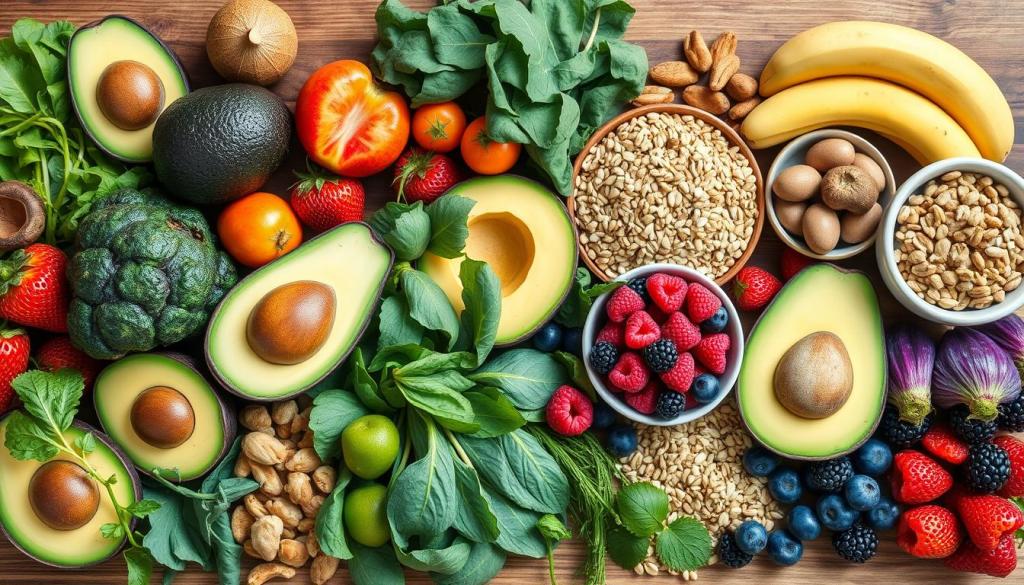
A heart-healthy diet is key to lowering heart disease risk. Focus on eating foods rich in nutrients and avoid unhealthy ones. By following certain guidelines, you can live a heart-friendly lifestyle.
Foods to Include in Your Diet
Adding specific foods to your meals can boost heart health. Try to:
- Favor fruits and vegetables: Eating more of these can lower heart disease risk.
- Include whole grains: They’re full of fiber, which is good for your heart.
- Opt for lean proteins: Fish like salmon and flaxseeds help lower bad fats in your blood.
- Eat plenty of fiber: Aim for 25-30 grams daily for better heart health.
- Add healthy fats: Oils like olive oil can lower bad cholesterol and heart disease risk.
- Incorporate nuts and legumes: Eating more of these can lower heart disease risk.
Foods to Avoid for Heart Health
It’s just as important to avoid certain foods. For the best heart health, you should:
- Limit saturated fats: Keep saturated fats under 10% of your daily calories, as the 2020-2025 Dietary Guidelines suggest.
- Minimize processed foods: These often have unhealthy fats and sugars that harm your heart.
- Avoid trans fats: They increase heart disease risk and should be avoided.
- Reduce sodium intake: Aim for less than 2,300 milligrams a day, ideally 1,500 milligrams to control blood pressure.
- Stay away from processed red meat: It’s linked to higher heart disease risk.
- Limit added sugars: Too much can lead to obesity and increase diabetes and heart disease risk.
| Food Group | Foods to Include | Foods to Avoid |
|---|---|---|
| Fruits & Vegetables | Berries, spinach, broccoli | Canned vegetables with added salt |
| Grains | Whole grain bread, quinoa, brown rice | White bread, refined pasta |
| Proteins | Salmon, chicken, legumes | Processed meats, fatty cuts of red meat |
| Fats | Avocado, olive oil, nuts | Butter, shortening, fried foods |
| Sugars | Natural sweeteners in moderation | Sodas, candies, pastries |
| Sodium | Herbs and spices for flavor | Processed snacks, canned soups |
Practice Intermittent Fasting

Intermittent fasting is becoming more popular as a lifestyle choice. It has benefits of fasting for heart health. This method involves alternating between eating and fasting periods, offering various options for everyone.
There are different ways to practice intermittent fasting:
- Alternate-day fasting: Eat normally one day, then fast or eat very little the next.
- 5:2 fasting: Eat normally for five days and then eat very few calories for two non-consecutive days.
- Time-restricted eating: Eat only during a certain time each day, like an 8-hour window from 11 a.m. to 7 p.m.
Research shows short-term benefits of intermittent fasting. It can lead to weight loss and better metabolic health. Studies also suggest it may lower LDL cholesterol, which is good for the heart.
Intermittent fasting can lower heart disease risk factors. Some studies link it to a lower risk of heart events. However, more research is needed to confirm these findings. There’s also conflicting evidence on its effectiveness for weight loss and long-term effects. Eating within an 8-hour window might even increase the risk of heart death by 91%.
| Intermittent Fasting Method | Eating Pattern | Heart Health Impacts |
|---|---|---|
| Alternate-day fasting | Eat normally one day, fast the next | Potentially reduces LDL cholesterol and aids blood sugar control |
| 5:2 fasting | Regular eating for five days, reduced intake for two | Possible improvements in heart health markers |
| Time-restricted eating | Restrict food intake to specific hours | Need for further research on cardiovascular effects |
Intermittent fasting offers many benefits of fasting. But it’s not for everyone. People with health conditions, pregnant or breastfeeding women, and those on diabetes medication should talk to a doctor before starting.
Stay Physically Active

Being active is key to a healthy heart. A good exercise plan boosts your heart health. Adding regular activity to your day improves your overall health over time.
Recommended Exercise Regimen
The American Heart Association and the American College of Sports Medicine suggest a mix of cardio and strength training. Aim for 30 minutes of moderate-intensity cardio five days a week. Good options include brisk walking, cycling, or swimming.
Also, do strength training twice a week. This helps build muscle and boosts endurance.
Benefits of Regular Physical Activity
Regular exercise offers many health benefits. Some key advantages include:
- Lower blood pressure: Exercise helps control and lower blood pressure.
- Decreased risk of diabetes: Regular exercise reduces the risk of diabetes.
- Reduced inflammation: Certain exercises lower body inflammation, improving health.
- Healthier heart function: Exercise makes it easier for muscles to get oxygen from blood, reducing heart work.
- Stress reduction: Physical activity lowers stress hormones, easing heart strain.
- Increased HDL levels: Regular activity boosts HDL and helps manage triglycerides.
- Lower risk of cardiac events: Regular exercisers face a lower risk of sudden heart attacks.
To keep your heart healthy, aim for a mix of structured exercise and daily activities. Taking care of your heart means making movement a top priority in your life.
Avoid Heart Attack: Key Strategies for Prevention

Preventing a heart attack requires making lifestyle changes and checking your health often. Knowing your cholesterol and blood pressure levels is key. By taking the right steps, you can avoid heart attacks and stay healthy.
Maintain Healthy Cholesterol Levels
To keep your cholesterol healthy, aim for a total level under 200 mg/dL. Your LDL should be under 130 mg/dL. HDL should be at least 45 mg/dL for men and 55 mg/dL for women. Regular tests can spot any issues early, helping you make changes.
- Eat unsaturated fats from oily fish, avocados, and nuts.
- Stay away from saturated fats in butter, lard, and cream.
- Do 30 minutes of moderate exercise five days a week.
Monitor Blood Pressure Regularly
Checking your blood pressure is crucial for heart health. It should be at or below 120/80 mmHg to lower heart attack and stroke risks. Making lifestyle changes can help manage blood pressure well. Regular checks can show you if you need to make changes.
- Don’t eat more than 6g of salt a day.
- Use stress-reducing activities like meditation or yoga.
- Get seven to nine hours of sleep each night.
Working on healthy cholesterol and blood pressure can greatly improve your heart health. Talk to your doctor to create a plan that fits you.
| Health Metric | Recommended Level | Notes |
|---|---|---|
| Total Cholesterol | Below 200 mg/dL | Essential for heart health |
| LDL Cholesterol | Below 130 mg/dL | Lowering helps reduce heart disease risk |
| HDL Cholesterol | At least 45 mg/dL (AMAB) / 55 mg/dL (AFAB) | Protects against heart disease |
| Blood Pressure | Below 120/80 mmHg | Reduces risk of heart-related conditions |
| Triglycerides | Below 150 mg/dL | High levels increase heart disease risk |
Manage Other Health Conditions

Controlling your overall health can greatly lower your heart disease risk. Many people deal with health issues like diabetes and high blood pressure. Learning to manage these conditions is key to keeping your heart healthy.
Importance of Diabetes Control
Keeping your diabetes under control is crucial to avoid heart problems. High blood sugar can cause serious heart issues. Working with your healthcare team helps you find ways to keep your blood sugar in check.
This might include eating a balanced diet, exercising regularly, and taking your medications as directed. These steps are vital for managing your diabetes and protecting your heart.
Medication Management
Medication for heart health is vital for those with diabetes or high blood pressure. It’s important to work closely with your healthcare team to create a medication plan. Regularly reviewing and discussing your medications ensures they work well for you.
Sticking to your treatment plan helps prevent serious health issues. This reduces your risk of heart disease.
| Health Conditions | Key Management Strategies | Impact on Heart Health |
|---|---|---|
| Diabetes | Monitor blood sugar, healthy diet, regular exercise | Reduces risk of heart attack and stroke |
| High Blood Pressure | Limit salt intake, regular exercise, medication | Helps maintain optimal blood pressure levels |
| High Cholesterol | Adopt heart-healthy diet, medication adherence | Lowers risk of atherosclerosis and heart disease |
| Stress Management | Practice relaxation techniques, regular physical activity | Decreases risk of stress-related heart issues |
Know the Symptoms of a Heart Attack
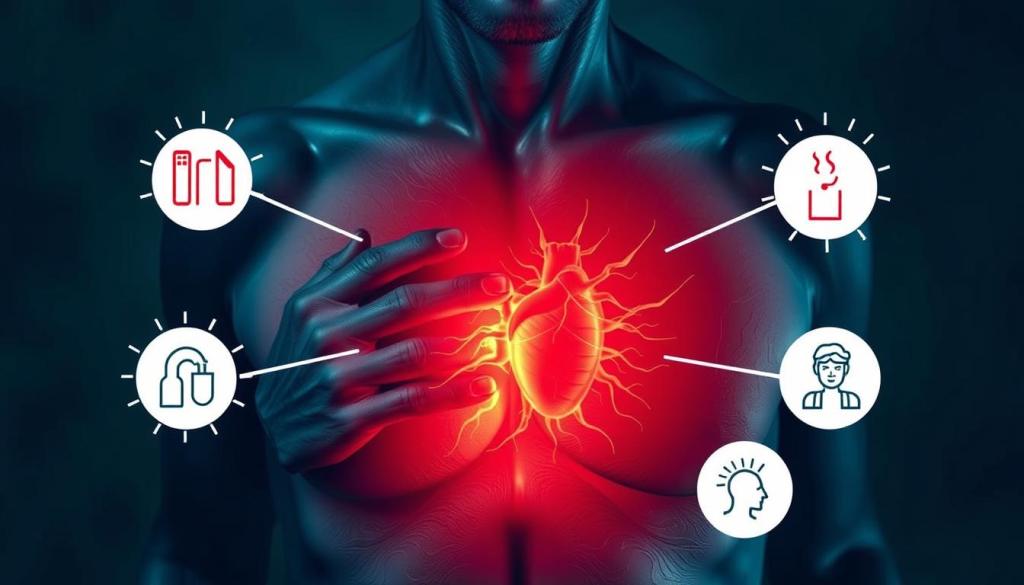
Knowing the signs of a heart attack can save lives. It’s important to recognize common symptoms, which vary between men and women. Common signs include:
- Chest pain or discomfort
- Pain or discomfort in the jaw, neck, or back
- Pain or discomfort in the arms or shoulders
- Shortness of breath
- Nausea or lightheadedness
Learning to spot heart attack symptoms early is crucial. Quick action is key to better outcomes.
Not everyone shows the same heart attack signs. Women, for example, might not feel the usual chest pain. Instead, they might feel tired or have trouble sleeping.
If you or someone else shows these symptoms, call for emergency help right away. Quick action can save lives or reduce heart damage. Stay informed and take care of your heart.
| Symptom | Description |
|---|---|
| Chest Pain | Feels like pressure, squeezing, or fullness in the chest. |
| Jaw, Neck, or Back Discomfort | Pain may radiate to these areas, particularly in women. |
| Shortness of Breath | Can occur with or without chest discomfort. |
| Nausea or Lightheadedness | May feel dizzy or nauseous, which sometimes accompanies other symptoms. |
Knowing these signs helps you and others act fast when it matters most.
Conclusion
Heart disease is a big health problem in the United States. It causes more than 37% of deaths each year. But, knowing how to avoid heart attacks can help keep your heart healthy. By making smart choices and living a healthy lifestyle, you can lower your heart disease risk.
Changing your diet, exercising regularly, and quitting bad habits can make a big difference. These actions can cut your risk of heart disease by over 80% and diabetes by more than 90%.
Even though heart disease is a big issue, only about 5% of people have “ideal” heart health. Most of the drop in heart disease rates since 1980 is due to better lifestyle choices. Aim for at least 150 minutes of moderate exercise a week and manage stress and bad habits to prevent heart disease.
Knowing the signs of a heart attack and getting help quickly is crucial. Taking care of your health, staying active, and talking to doctors are key steps. By focusing on your heart health and making the right choices, you can prevent heart attacks and improve your life.
FAQ
What are the top strategies to avoid a heart attack?
To avoid a heart attack, don’t smoke and eat healthy. Exercise often and manage health issues like diabetes and high blood pressure. Try intermittent fasting and keep an eye on your cholesterol and blood pressure.
How can I improve my heart health through diet?
Eat lots of fiber and omega-3 foods like salmon and flaxseeds. Avoid saturated fats, added sugars, and refined carbs. A good diet includes fruits, veggies, whole grains, and lean proteins.
How does quitting smoking affect heart health?
Quitting smoking greatly lowers heart disease risk, by up to 65%. It improves lung function, lowers blood pressure, and reduces plaque buildup in arteries.
What level of physical activity is recommended for heart health?
Aim for 150 minutes of moderate exercise weekly. Brisk walking, swimming, or cycling are great for heart health. They help keep a healthy weight and boost mood and energy.
Why is intermittent fasting beneficial for heart health?
Intermittent fasting boosts metabolic health, reduces inflammation, and may lower heart attack risk. It helps maintain a healthy weight and can mimic exercise benefits.
What symptoms indicate a potential heart attack?
Look out for chest pain, jaw or arm discomfort, shortness of breath, nausea, and dizziness. Recognizing these symptoms and getting emergency care quickly can save lives.
How often should I check my cholesterol and blood pressure levels?
Regular check-ups are key for monitoring cholesterol and blood pressure. Keep blood pressure under 130/80 mmHg and cholesterol within healthy ranges to lower heart attack risk.
What role does fiber play in heart health?
Eating 25-30 grams of fiber daily is vital for heart health. Fiber lowers cholesterol and helps maintain a healthy weight, reducing heart disease risk.
How can I manage diabetes to reduce heart attack risk?
Work with your healthcare team to control diabetes through diet, exercise, and medication. Keeping blood sugar levels in check is crucial to avoid complications that raise heart attack risk.
Source Links
- 8 Things You Can Do to Prevent Heart Disease and Stroke – https://www.heart.org/en/healthy-living/healthy-lifestyle/prevent-heart-disease-and-stroke
- 8 ways to reduce your risk of heart disease – https://health.ucdavis.edu/blog/cultivating-health/8-ways-to-reduce-your-risk-of-heart-disease/2024/02
- Understand Your Risks to Prevent a Heart Attack – https://www.heart.org/en/health-topics/heart-attack/understand-your-risks-to-prevent-a-heart-attack
- Top strategies to prevent heart disease – https://www.mayoclinic.org/diseases-conditions/heart-disease/in-depth/heart-disease-prevention/art-20046502
- Heart Disease Risk Factors – https://www.cdc.gov/heart-disease/risk-factors/index.html
- ABCs of Knowing Your Heart Risk – https://www.hopkinsmedicine.org/health/wellness-and-prevention/abcs-of-knowing-your-heart-risk
- Smoking and Heart Disease – https://www.webmd.com/heart-disease/smoking-heart-disease
- Smoking and your heart | Heart Foundation – https://www.heartfoundation.org.au/your-heart/smoking-and-your-heart
- 8 steps to a heart-healthy diet – https://www.mayoclinic.org/diseases-conditions/heart-disease/in-depth/heart-healthy-diet/art-20047702
- I’m a cardiovascular dietitian. Here are 7 things I eat and avoid for heart health – https://health.ucdavis.edu/blog/good-food/im-a-cardiovascular-dietitian-here-are-7-things-i-eat-and-avoid-for-heart-health/2023/02
- Wondering about fasting and heart health? – https://www.mayoclinic.org/diseases-conditions/heart-disease/expert-answers/fasting-diet/faq-20058334
- In Conversation: Could intermittent fasting be harmful to the heart? – https://www.medicalnewstoday.com/articles/in-conversation-is-intermittent-fasting-actually-bad-for-your-heart
- Intermittent fasting for the prevention of cardiovascular disease – https://pmc.ncbi.nlm.nih.gov/articles/PMC8092432/
- Exercise and the Heart – https://www.hopkinsmedicine.org/health/wellness-and-prevention/exercise-and-the-heart
- Why Exercise Isn’t Enough to Keep Your Heart Healthy – https://www.hopkinsmedicine.org/health/wellness-and-prevention/why-exercise-isnt-enough-to-keep-your-heart-healthy
- How Can I Prevent Heart Disease? – https://my.clevelandclinic.org/health/articles/17385-heart-disease-prevention-and-reversal
- Coronary heart disease – Prevention – https://www.nhs.uk/conditions/coronary-heart-disease/prevention/
- Lifestyle Changes to Prevent a Heart Attack – https://www.heart.org/en/health-topics/heart-attack/life-after-a-heart-attack/lifestyle-changes-for-heart-attack-prevention
- Preventing Heart Disease – https://www.cdc.gov/heart-disease/prevention/index.html
- Heart Disease Prevention | MedlinePlus – https://medlineplus.gov/howtopreventheartdisease.html
- Heart attack-Heart attack – Symptoms & causes – Mayo Clinic – https://www.mayoclinic.org/diseases-conditions/heart-attack/symptoms-causes/syc-20373106
- About Heart Attack Symptoms, Risk, and Recovery – https://www.cdc.gov/heart-disease/about/heart-attack.html
- Lifestyle Strategies for Risk Factor Reduction, Prevention, and Treatment of Cardiovascular Disease – https://www.ncbi.nlm.nih.gov/pmc/articles/PMC6378495/
- Heart attack: Symptoms, treatment, and causes – https://www.medicalnewstoday.com/articles/151444


 trim down and shape up
Leave a comment