

Did you know 1 in 3 Americans with diabetes also have kidney disease? Finding the right diet for both can be hard. The best diet for diabetes and kidney health is similar but different in key ways. Knowing which foods to skip is key to staying healthy and avoiding more problems.
Key Takeaways
- Diabetes and chronic kidney disease share many dietary restrictions, but have unique requirements.
- Limiting sodium, phosphorus, potassium, and protein intake is crucial for kidney health.
- Processed meats, high-sodium canned foods, and sugary beverages are common culprits to avoid.
- Individualized diet plans based on disease stage can help optimize glycemic control and kidney function.
- Consulting a registered dietitian is recommended for developing a personalized meal plan.
Understanding Diabetes and Kidney Disease Diet
If you have both diabetes and kidney disease, it’s key to know the diet rules. A good diabetes diet is all about eating well. It includes fruits, veggies, whole grains, lean proteins, and healthy fats. This helps keep your blood sugar right and protects your kidneys.
Diabetes Diet Basics
A diabetes diet isn’t hard or strict. It’s about eating foods that help control blood sugar. You should eat:
- Fruits and vegetables
- Whole grains
- Lean proteins like poultry and fish
- Healthy fats from nuts, seeds, and avocados
Kidney Disease Diet Restrictions
A kidney disease diet has its own rules. It limits sodium, phosphorus, potassium, and sometimes protein. The diet changes based on your kidney disease stage. A dietitian can help make a diet plan just for you.
Knowing about diabetes and kidney disease diets helps you make better choices. This can improve your health and lower the chance of problems.
Foods to Limit: Sodium

Processed Meats and Sodium Content
It’s important to watch your sodium intake if you have kidney disease or diabetes. Too much sodium can hurt your kidneys and cause high blood pressure. Foods like bacon, sausage, and jerky have a lot of sodium and should be eaten less often.
The American Heart Association says people with CKD should eat less than 2,300 milligrams of sodium each day. Foods with 20% or more sodium are high. Look for “sodium-free” or “low-sodium” labels to help keep your sodium intake down.
Other foods high in sodium include instant noodles, frozen pizza, fast food, and frozen meals. Eating fresh, homemade foods is better for your sodium intake and health.
| Food Item | Sodium Content |
|---|---|
| Bacon (3 slices) | 522 mg |
| Sausage (1 link) | 451 mg |
| Jerky (1 oz) | 611 mg |
| Instant Noodles (1 package) | 875 mg |
| Frozen Pizza (1 slice) | 744 mg |
Choosing foods with less sodium can help manage your sodium levels. This is good for your kidneys and overall health.
Foods to Limit: Phosphorus
When you have kidney disease, your body has trouble getting rid of extra phosphorus. This can harm your bones and blood vessels. It also raises your heart disease risk. Knowing which foods have a lot of phosphorus is key to a good kidney disease diet.
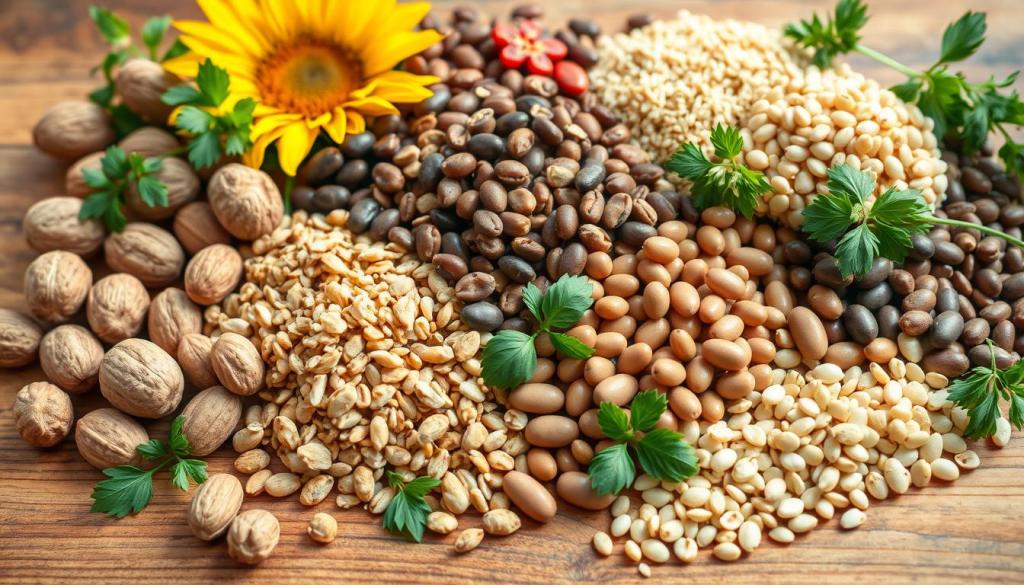
Dark-colored sodas, beans, lentils, meat, dairy, and whole grains have a lot of phosphorus. Even though plant-based diets are good for kidneys, watch the phosphorus in legumes and whole grains.
Here are some tips to help you limit your phosphorus intake:
- Avoid processed and convenience foods, which often contain phosphate additives that can dramatically increase the phosphorus content.
- Choose fresh, unprocessed meats, poultry, and fish instead of deli meats or canned varieties.
- Opt for dairy alternatives like almond or rice milk, which are lower in phosphorus.
- Limit your intake of nuts, seeds, and whole grains, as they are natural sources of phosphorus.
- Work with a registered dietitian to develop a meal plan that meets your specific dietary needs while keeping your phosphorus levels in check.
Keeping your phosphorus levels right is very important for people with chronic kidney disease. By watching your phosphorus intake, you can help manage your kidney disease diet. This can lower your risk of serious problems.
5 Foods to Avoid with Kidney Disease and Diabetes
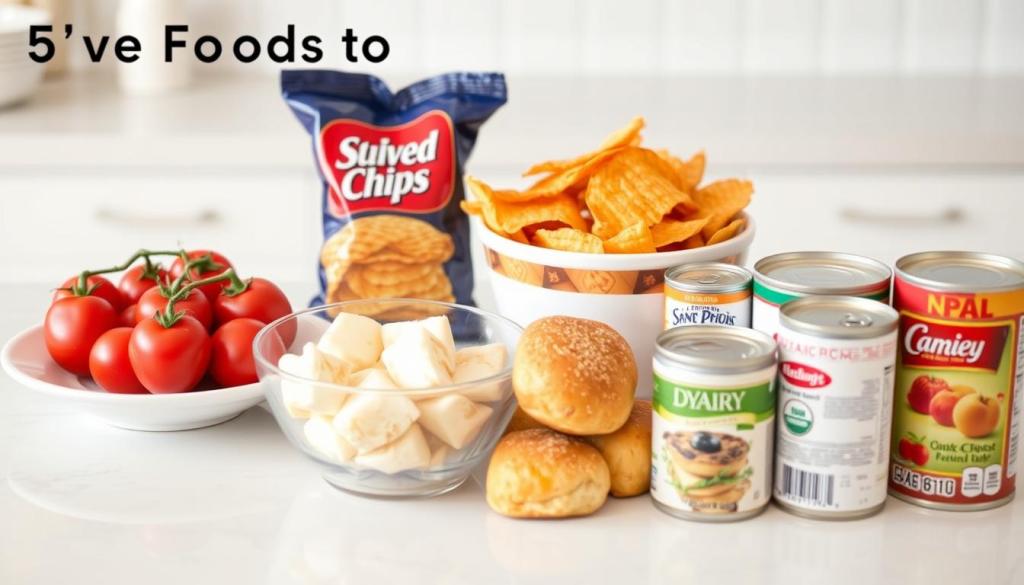
If you have both kidney disease and diabetes, it’s important to watch what you eat. Here are 5 foods to avoid:
- Processed Meats High in Sodium – Foods like deli meats, bacon, and sausages have a lot of sodium. This can hurt your kidneys and raise your blood pressure.
- Dark-Colored Sodas and Phosphorus-Rich Foods – Drinks like cola and some snacks have phosphorus. Too much can harm your kidneys.
- High-Potassium Fruits and Vegetables – Foods like bananas, oranges, tomatoes, and leafy greens have potassium. But too much can be bad for your kidneys.
- Sugar-Sweetened Beverages and Added Sugars – Drinks like fruit juices and sweetened teas, and foods with added sugars, can raise your blood sugar. This is hard on your kidneys.
- Alcohol – Drinking alcohol, even a little, can dry out your body. It also makes your kidneys work harder.
Staying away from these foods can help you manage your kidney disease and diabetes better. It can also lower the chance of more problems. Always talk to your doctor about what foods are best for you.
“Tailoring your diet to your specific health conditions is key for managing kidney disease and diabetes effectively.”
Foods to Limit: Potassium
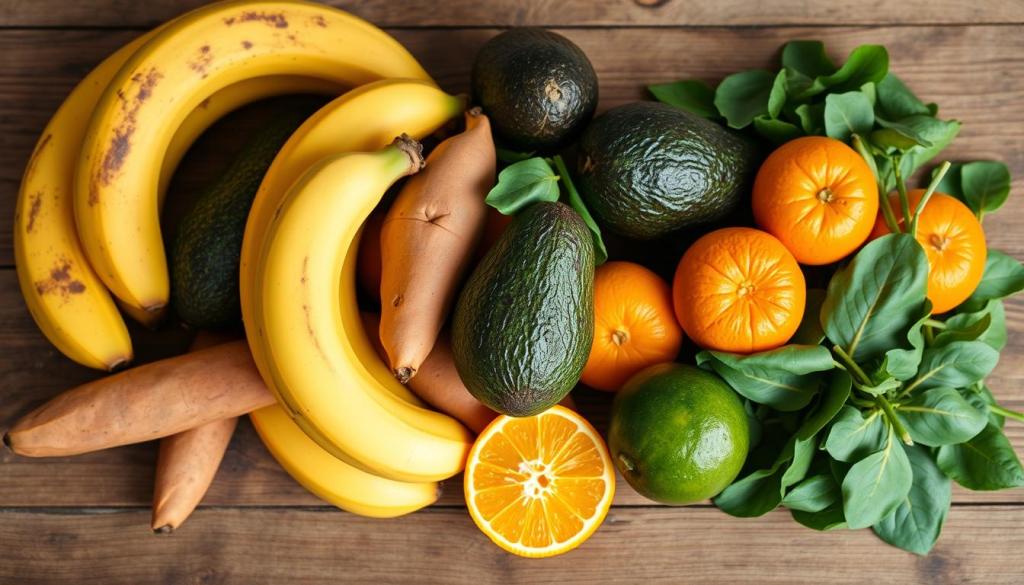
When you have kidney disease, it’s key to watch your potassium. Too much can harm your heart. Knowing which foods have a lot of potassium helps keep it balanced.
High Potassium Fruits and Vegetables
Foods with over 200 mg of potassium are high. Here are some examples:
- Apricots (raw = 2 medium-sized; dried = 5 halves)
- Avocado (1/4 of a whole)
- Banana (1/2 of a whole)
But, foods with less than 200 mg are low in potassium. These include apples, blackberries, and celery.
Reducing Potassium in Potatoes
Potatoes have a lot of potassium. But, you can make them lower in potassium. Soak them in warm, unsalted water for 2 hours. Change the water every 4 hours to lower potassium levels.
This method works for other high-potassium veggies too. You can enjoy them in small amounts.
| Food | Potassium Content (mg per serving) |
|---|---|
| Chocolate (1.5-2 ounces) | 200-300 |
| Nuts and seeds (1 ounce) | 200-300 |
| Peanut butter (2 tablespoons) | 200 |
To control your potassium intake, avoid liquids from canned foods. Also, don’t drink juice from cooked meat. A dietitian can help make a kidney disease diet just for you.
Foods to Limit: Added Sugars

If you have kidney disease and diabetes, watch your sugar intake. Added sugars can hurt your kidneys and raise blood sugar fast. Fruit juices and sweet drinks are big culprits.
Fruit Juices and Sugar-Sweetened Beverages
Fruit juices, soda, and sweet drinks have lots of sugar but not much good stuff. They make it hard to keep blood sugar in check. Try water, herbal teas, or low-fat milk instead.
- Avoid fruit juices and sugary sodas, which can spike your blood sugar levels.
- Limit your intake of other high-sugar foods, such as baked goods, candies, cookies, and doughnuts.
- Focus on getting your nutrients from whole foods, like fruits and vegetables, to support your kidney health and diabetes management.
By cutting down on added sugars, you can keep your blood sugar stable. This helps protect your kidneys. Talk to your doctor to make a diabetes diet plan that’s right for you.
Foods to Limit: Alcohol

If you have kidney disease and diabetes, watch your alcohol use closely. Too much alcohol can harm your kidneys and mess with diabetes meds. This might raise the chance of low blood sugar.
The Dietary Guidelines for Americans say men should not have more than two drinks a day. Women and older folks should stick to one drink a day. This is because women’s bodies react stronger to alcohol because of less water.
One standard drink is 12 ounces of beer or wine cooler, 5 ounces of wine, or 1.5 ounces of 80-proof spirits. Always talk to your doctor or a renal dietitian before drinking. They can tell you how much is safe for you.
Drinking alcohol in small amounts is okay for some with kidney disease, diabetes, or other kidney issues. But, always talk to your doctor first. They can help figure out what’s best for you.
Remember, your health is most important. By drinking less and talking to your doctors, you can manage your health better. This helps avoid risks from drinking too much.
Safe Foods for Kidney Disease and Diabetes
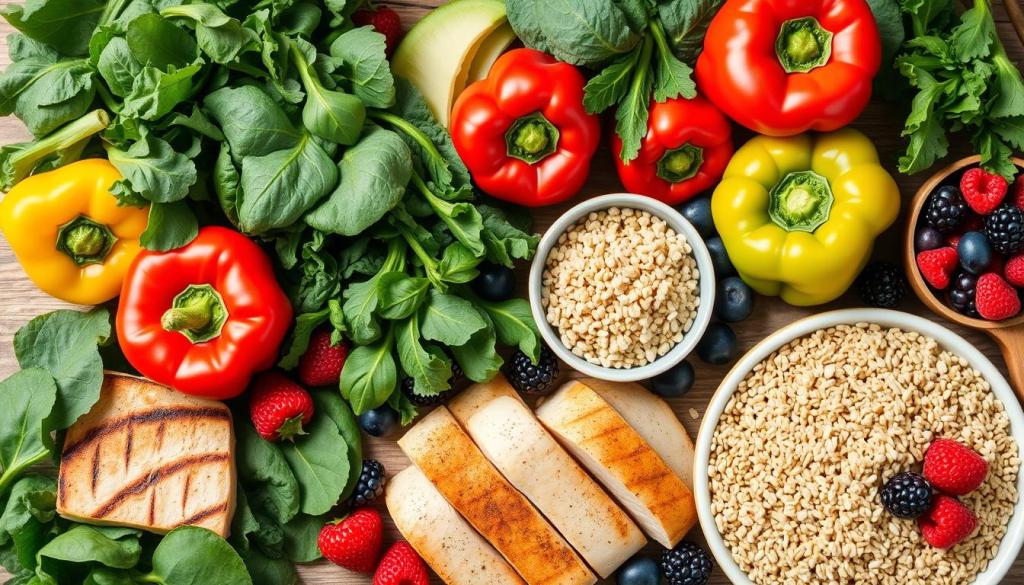
There are many foods you can eat that are good for your kidneys and diabetes. These foods are tasty and full of nutrients. They help keep you healthy.
Vegetables, Fruits, and Proteins
Eat vegetables like eggplants, turnips, and onions. They are low in sodium and potassium. They give you important vitamins and minerals.
Fruits like apples, plums, and berries are also good. They have less potassium than other fruits.
Choose lean proteins like poultry, fish, and eggs. They are good for your body without too much sodium, phosphorus, or potassium.
Carbohydrates and Beverages
Go for carbohydrates like whole-grain bread, pasta, and unsalted crackers. They are part of a healthy diet for your kidneys and diabetes.
Drink water, unsweetened tea, and clear diet sodas. They are low in sodium, potassium, and phosphorus. They are safe for people with kidney disease and diabetes.
| Food Group | Recommended Choices |
|---|---|
| Vegetables | Eggplants, turnips, onions |
| Fruits | Apples, plums, berries |
| Proteins | Poultry, fish, eggs |
| Carbohydrates | White bread, pasta, unsalted crackers |
| Beverages | Water, unsweetened tea, clear diet sodas |
Eating these kidney-friendly and diabetes-friendly foods makes your meals varied and healthy. It helps keep you well and happy.
Tailoring Diet to Kidney Disease Stage
As your kidney disease gets worse, your diet needs might change. It’s important to know the right foods for each stage, especially if you have diabetes too.
Late-Stage Kidney Disease Considerations
In late-stage kidney disease or on dialysis, you might need to eat more. This includes more protein because dialysis isn’t as good as healthy kidneys. You also need to watch your fluid intake to avoid swelling.
Managing your blood sugar can get harder. You’ll need to check it often and adjust your diabetes meds.
Proper diet is key for both kidney disease and diabetes. Here are some important diet tips for late-stage kidney disease:
- Eat more protein to help your body while on dialysis
- Drink less water to avoid swelling
- Watch carbs and sugars to keep blood sugar in check
- Get a meal plan from a renal dietitian
By adjusting your diet to your kidney disease stage, you can better manage your diabetes. And slow down late-stage kidney disease. Talking to your healthcare team and a dietitian often is very helpful.
“Maintaining a healthy diet is crucial for individuals with both kidney disease and diabetes. By working closely with a renal dietitian, patients can develop a personalized plan to meet their unique nutritional needs.”
Conclusion
Managing kidney disease and diabetes is tough. But, making smart food choices is key to staying healthy. Limit sodium, phosphorus, potassium, added sugars, and alcohol. Eat foods that are good for your kidneys instead.
Work with your healthcare team to create a diet plan just for you. This plan should help you feel your best.
This article shows that kidney disease and diabetes are often together. A good diet plan is vital for both. Eating the right foods helps your kidneys and keeps blood sugar levels right.
Remember, a diet plan is just part of the solution. You also need to take medicine and get regular check-ups. This combo is the best way to manage both diseases.
Changing your diet might take some time, but it’s worth it. With the right knowledge and support, you can improve your health. This means better kidney function and blood sugar control.
Stay true to your diet plan. If you need help, ask your healthcare team. They can guide you to keep you on the right path.
FAQ
What are some key differences between a diabetes diet and a kidney disease diet?
A diabetes diet helps control blood sugar and keeps you healthy. It includes fruits, veggies, whole grains, lean proteins, and healthy fats. A kidney disease diet limits nutrients like sodium and phosphorus because the kidneys can’t process them well.
Why is it important to limit sodium intake with kidney disease and diabetes?
Too much sodium hurts the kidneys and can cause high blood pressure. It’s best to avoid foods like processed meats and fast food that are high in sodium.
How does phosphorus affect kidney disease?
Kidneys can’t remove too much phosphorus, which harms bones and blood vessels. Foods like dark sodas and beans are high in phosphorus and should be limited.
What are the 5 key foods to limit or avoid with kidney disease and diabetes?
Avoid foods high in sodium, phosphorus, potassium, added sugars, and alcohol. These include processed meats, dark sodas, and sugar-sweetened drinks.
How can I reduce the potassium content in potatoes?
Soaking or leaching potatoes can lower their potassium. This makes them safer for people with kidney disease.
Why is it important to limit added sugars with kidney disease and diabetes?
Added sugars raise blood sugar quickly and harm kidneys. Avoid foods like fruit juices and baked goods.
How does alcohol affect kidney disease and diabetes?
Drinking too much alcohol can hurt kidney function and affect diabetes meds. It’s best to drink in moderation.
What are some safe and kidney-friendly foods I can include in my diet?
Good choices are eggplants, apples, and lean proteins. Also, white bread and unsweetened tea are okay. Avoid foods high in sodium and phosphorus.
How does the dietary needs change as kidney disease progresses?
In late stages, you might need to eat more protein. Fluid intake may also need to be limited. Managing blood sugar becomes harder, so watch your meds closely.
Source Links
- Keep Your Kidneys Healthy: 5 Foods To Avoid – https://www.kidney.org/kidney-topics/keep-your-kidneys-healthy-5-foods-to-avoid
- 7 Foods to Avoid with Kidney Disease and Diabetes – https://physiciansallianceofconnecticut.com/blog/foods-to-avoid-with-kidney-disease-and-diabetes/
- Which Foods Are Bad for Kidney Disease and Diabetes? 18 Foods – https://www.medicinenet.com/foods_bad_for_kidney_disease_and_diabetes/article.htm
- 5 Foods to Avoid with Kidney Disease and Diabetes – https://www.healthline.com/nutrition/foods-to-avoid-with-kidney-disease-and-diabetes
- Diabetes and Kidney Disease: What to Eat? – https://www.cdc.gov/diabetes/healthy-eating/diabetes-and-kidney-disease-food.html
- What foods should a person with kidney disease and diabetes limit? – https://www.medicalnewstoday.com/articles/foods-to-avoid-with-kidney-disease-and-diabetes
- Eating Right for Chronic Kidney Disease – NIDDK – https://www.niddk.nih.gov/health-information/kidney-disease/chronic-kidney-disease-ckd/eating-nutrition
- 17 foods to avoid if you have kidney disease – https://www.medicalnewstoday.com/articles/what-foods-are-bad-for-kidneys
- Your kidney-friendly food plan: Managing phosphorus – https://www.kidneyfund.org/article/your-kidney-friendly-food-plan-managing-phosphorus
- Low-phosphorus diet: Helpful for kidney disease? – https://www.mayoclinic.org/diseases-conditions/chronic-kidney-disease/expert-answers/food-and-nutrition/faq-20058408
- 29 Foods to Avoid for Kidney Disease – https://www.verywellhealth.com/foods-avoid-kidney-disease-5215344
- Diet Tips for People with Diabetes and Kidney Disease – https://www.davita.com/diet-nutrition/articles/basics/diet-tips-for-people-with-diabetes-and-kidney-disease
- Renal Diet Basics: Foods, Kidney Health, Risks, Benefits – https://my.clevelandclinic.org/health/articles/15641-renal-diet-basics
- Potassium in Your CKD Diet – https://www.kidney.org/kidney-topics/potassium-your-ckd-diet
- High-potassium foods to avoid: Eating for chronic kidney disease – https://www.medicalnewstoday.com/articles/321750
- Kidney-friendly eating plan – https://www.kidneyfund.org/living-kidney-disease/healthy-eating-activity/kidney-friendly-eating-plan
- Best and Worst Foods for Diabetes – https://www.webmd.com/diabetes/diabetic-food-list-best-worst-foods
- 15 Foods To Avoid With Kidney Disease And Diabetes | Nourish – https://www.usenourish.com/blog/foods-to-avoid-with-kidney-disease-and-diabetes
- Alcohol and chronic kidney disease – https://www.davita.com/diet-nutrition/articles/advice/alcohol-and-chronic-kidney-disease
- Diet for Chronic Kidney Disease (Before Dialysis): Care Instructions – https://myhealth.alberta.ca/Health/aftercareinformation/pages/conditions.aspx?hwid=ud1309
- Foods To Eat (And Foods To Avoid) If You have Kidney Disease – https://www.health.com/condition/kidney-disease/kidney-disease-diet
- Kidney diet (renal diet) – Mayo Clinic – https://www.mayoclinic.org/healthy-lifestyle/recipes/kidney-renal-diet-recipes/rcs-20522796
- Kidney Disease Diet: Foods for Healthy Kidneys – https://www.webmd.com/a-to-z-guides/diet-and-chronic-kidney-disease
- Diabetes Diet and Kidney Disease – https://www.dpcedcenter.org/staying-healthy/nutrition/diabetes-diet-and-kidney-disease/
- Diabetes and kidney disease: what can I eat? – https://kidneycareuk.org/kidney-disease-information/living-with-kidney-disease/kidney-disease-caused-by-diabetes-your-questions-answered/diabetes-and-kidney-disease-what-can-i-eat/
- PDF – https://health.ucdavis.edu/media-resources/health-education/documents/pdfs/Nutrition and CKD_Updated2022.pdf
- What to Eat and What Not To – https://lifeoptions.org/learn-about-kidney-disease/what-to-eat-and-what-not-to/
- Diet – chronic kidney disease: MedlinePlus Medical Encyclopedia – https://medlineplus.gov/ency/article/002442.htm
- Diet and Chronic Kidney Disease – https://pmc.ncbi.nlm.nih.gov/articles/PMC6855949/



 trim down and shape up
Leave a comment