


When we talk about mental health, we often mention anxiety, depression, or other mental illnesses. But sometimes, you might just feel stuck in an emotional funk. The good news is that these feelings usually pass and might not mean you have a serious mental health issue. It’s important to know the difference between a short-term emotional dip and clinical depression to tackle these mood challenges effectively.
Emotional funks can come from many things, like stress, not sleeping well, eating poorly, or dealing with life’s ups and downs. Unlike depression, which is a deeper and longer-lasting problem, funks are usually short-lived. This article shares six expert tips to help you shake off an emotional funk and get back to feeling good.
Key Takeaways
- Emotional funks are temporary states of feeling down or not like yourself, often caused by stress or life changes.
- Funks typically last for days or weeks, while depression symptoms must persist for at least two weeks.
- Understanding the difference between a funk and clinical depression is important for effective mood management.
- Self-care practices, building a support system, and setting achievable goals can help overcome emotional slumps.
- Incorporating physical exercise, mindfulness techniques, and a balanced diet can also boost mood and well-being.
Understanding Emotional Funks: What They Really Mean
Feeling stuck or lacking motivation is common. These feelings, called “funks,” can make us feel irritable or disconnected. It’s important to know the signs and causes to overcome them.
Common Signs of Being in a Funk
Being in a funk means feeling sad for long periods. You might not want to do daily tasks or see friends. It’s hard to stay positive and do everyday things.
Why Funks Occur in Our Lives
Many things can cause emotional funks. Stress, lack of sleep, or hormonal changes are common reasons. These factors can make us feel off-balance and disconnected.
The Impact on Daily Living
Being in a funk affects our lives a lot. It can hurt our productivity and relationships. Tasks seem harder, and we might not want to be around people. Knowing this can help us start to feel better.
Understanding emotional funks helps us find ways to deal with them. We can use self-care, get help from professionals, or make lifestyle changes. These steps can help us feel better and find our purpose again.
Differentiating Between a Funk and Clinical Depression

Emotional funks and clinical depression share some similarities. But they differ in how long they last, how severe they are, and what causes them. Knowing these differences is key to getting the right help and treatment.
Funks usually last a few days or weeks. Depression, on the other hand, can go on for months. Depression often brings physical signs like changes in appetite and extreme tiredness. These signs are less common in emotional funks.
Depression is caused by a mix of genetics, biology, environment, and psychology. Funks, however, often come from specific life events or stressors.
| Characteristic | Emotional Funk | Clinical Depression |
|---|---|---|
| Duration | Days to weeks | At least 2 weeks |
| Symptoms | Primarily emotional, less physical | Emotional and physical |
| Causes | Specific life events or stressors | Combination of genetic, biological, environmental, and psychological factors |
It’s important to remember that funks and depression can happen together. If emotional struggles don’t get better or get worse, getting professional help is crucial. The Harvard Health website has great tips on coping with depression. These tips can help whether you’re dealing with a funk or clinical depression.
Common Triggers That Can Lead to an Emotional Slump

Life’s ups and downs can be tough. Sometimes, we hit a low point or “funk”. These mood dips can come from many sources, inside and out. Knowing what triggers these slumps is key to getting back on track.
External Stressors and Life Changes
Big life events, good or bad, can start an emotional slump. Job stress, relationship issues, money worries, or big changes can really affect us. Recognizing these stressors is the first step to feeling better.
Physical and Physiological Factors
Our body’s health affects our mood too. Not enough sleep, bad food, hormonal issues, or health problems can make us feel tired and down. Taking care of our basic needs, like sleep and diet, helps our emotional health.
Environmental Influences
Our surroundings also impact our mood. Weather, pollution, or lack of sunlight can make us feel sluggish. Being alone, lacking green spaces, or being around stress can make it worse. Changing our environment can help us feel better.
Knowing what causes emotional slumps helps us tackle them. We can manage stress, focus on our health, or improve our surroundings. Taking charge of these areas helps us deal with life’s ups and downs better.
“Acknowledging the factors that contribute to our emotional slumps is the first step towards regaining control and finding our way back to a more balanced state of mind.”
The Science Behind Emotional Funks and Mood Regulation
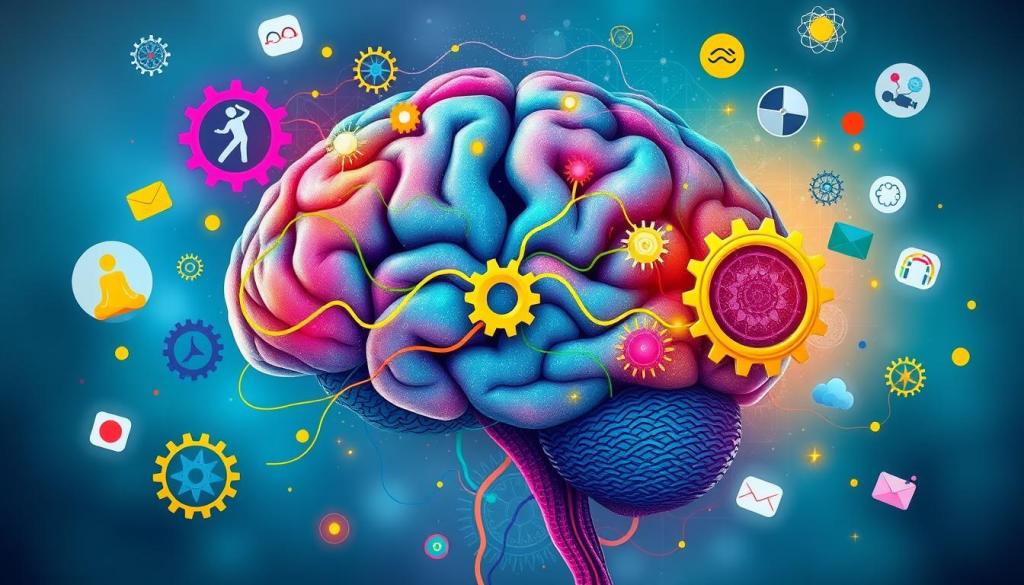
Understanding emotional funks is crucial for managing them. The brain, with neurotransmitters like serotonin and dopamine, plays a big role in our mood. About 40 million brain cells are affected by serotonin, impacting our mood and behavior.
An imbalance in serotonin can lead to depression. Dopamine deficiency is linked to Parkinson’s Disease and addiction. This shows how important these chemicals are for our mood.
Hormones also affect our emotions. Testosterone, for example, can make us feel powerful and aggressive. Oxytocin, or the “cuddle hormone,” helps us feel connected and stable.
Endorphins, released during pain or stress, can calm us down. Foods like chocolate and chili peppers can also boost endorphins, improving our mood.
Knowing how our brain and hormones work can help us manage emotional funks better. We can use this knowledge to find ways to feel better and stay well.
The connection between the brain, hormones, and mood is complex but interesting. By understanding this, we can take steps to improve our emotional health. We can handle life’s ups and downs better with this knowledge.
How to Get Out of a Funk: Six Expert Tips

Feeling stuck in an emotional funk can be tough, but there’s hope. Experts say acknowledging your feelings, practicing self-care, setting new goals, and staying connected can help. These steps can help you regain your motivation and move past the slump.
Acknowledging Your Current State
Start by being honest with yourself about your feelings. Identify the emotions you’re experiencing – like sadness or apathy. Remember, these feelings are temporary and don’t define you. Being self-aware is the first step to moving forward.
Taking Action for Change
- Practice self-care. Do things that make you feel good, like sleeping well, eating right, and enjoying activities.
- Set new goals. Establish achievable milestones to give you purpose and progress.
- Cultivate compassion. Be kind to yourself and others – acts of generosity can boost your mood.
Measuring Progress and Results
Keep track of your journey out of the funk. Regularly check how you’re feeling and if your strategies are working. Celebrate small wins along the way. If the funk lasts more than two weeks and you’re feeling really down, it’s time to get help.
With the right mindset and six ways to get out of a funk, you can beat emotional slumps. Remember, every step forward is important, no matter how small. You’ve got this!
“The secret of getting ahead is getting started. The secret of getting started is breaking your complex overwhelming tasks into small manageable tasks, and then starting on the first one.” – Tony Robbins
The Power of Self-Care in Mood Management

Feeling stuck in an emotional funk? The key to getting back on track is self-care. Good self-care builds emotional strength and overall well-being. By taking care of your physical, mental, and emotional health, you can handle stress better, feel happier, and see the world in a more positive light.
Mindfulness, like meditation and deep breathing, is loved by many for good reasons. Studies show mindfulness can cut down on negative thinking and lift mood in those with depression and other mental health issues. Just acknowledging how you feel without judging yourself is a big step towards feeling better.
Exercise is also a powerful self-care tool. Even short workouts can lower negative thinking and improve mood in people with mental health problems. Activities like fast walking, yoga, or swimming release happy hormones and help you sleep better, both key for feeling emotionally well.
Eating well is also crucial for your mood. Stay away from sugary and fatty foods that can make you feel worse when you’re down. Instead, eat foods that boost your mood, like omega-3s.
It’s also important to avoid bad habits, like too much social media or drinking too much. Scrolling mindlessly and unhealthy coping can make you feel more tired, anxious, and depressed. Try to do things you really enjoy, like reading, journaling, or hobbies.
Remember, self-care is personal. Try different things to see what works for you. Be patient, kind, and consistent in your self-care. With effort and time, you can overcome the emotional funk and regain your well-being.
“The sooner you switch to a nutritious diet, the faster you’ll feel better. Sugar and fats have a counterproductive effect when feeling down.”
- Acknowledge your current state without judgment.
- Incorporate mindfulness practices, such as meditation and deep breathing.
- Engage in regular physical exercise that you enjoy.
- Nourish your body with a healthy, balanced diet.
- Limit harmful habits and engage in activities that bring you joy.
- Be patient, compassionate, and consistent in your self-care efforts.
| Self-Care Strategies | Benefits |
|---|---|
| Mindfulness Techniques | Reduce rumination, improve mood |
| Physical Exercise | Boost mood, promote better sleep |
| Healthy Eating | Improve physical and mental well-being |
| Limiting Harmful Habits | Reduce feelings of lethargy, anxiety, and depression |
Building a Support System During Difficult Times

When you’re feeling down or going through tough times, having a strong support system is key. You can get help from professionals, connect with friends and family, and find community resources. These steps can help you use harvard health depression coping methods and overcoming emotional slumps.
Professional Support Options
If you’re dealing with ongoing sadness or depression, talking to a licensed therapist or counselor can really help. They offer proven strategies and tailored advice to help you find healthy ways to cope and feel better emotionally.
Friends and Family Connections
Turning to your loved ones when things get tough can offer comfort, validation, and support. Keep talking openly with your trusted friends and family. Don’t be afraid to ask for emotional support when you need it. Sharing your feelings can make you feel less alone and more understood.
Community Resources
- Support groups, both in-person and online, can connect you with others who have faced similar challenges. Joining a community of individuals who understand your struggles can be profoundly healing.
- Local mental health organizations, such as the National Alliance on Mental Illness (NAMI), often offer a wide range of resources, including support groups, educational programs, and referrals to mental health professionals.
- Exploring community-based activities, such as yoga classes, meditation workshops, or art therapy sessions, can provide a sense of connection and well-being during difficult times.
Building a strong support system is vital for getting through emotional funks and overcoming emotional slumps. By getting professional help, strengthening your relationships, and using community resources, you can grow stronger and find your way to mental wellness.
Mindfulness Techniques for Emotional Balance

Dealing with our emotions can be tough. But, using mindfulness can make it easier. Experts like Dr. Michael Mantell offer great advice for better mood and emotional balance.
Meditation is a key mindfulness practice. Just a few minutes each day can help you feel more aware and peaceful. This can really improve your mood and reduce stress.
Deep breathing exercises are also helpful. They calm your mind and body. Taking a few minutes to breathe deeply can make you feel more balanced.
- Dedicate 5 minutes each day for a daily journal entry with prompts to boost positive emotion, optimism, and joy.
- Encourage children to practice gratitude through a dedicated nightly routine.
- Allocate 10-15 minutes every Sunday to plan major projects and goals for the upcoming week.
- Use a mindful focus hourglass to dedicate 30 minutes to important tasks or uninterrupted conversations.
- Embrace emotional rest through mindfulness activities like journaling, therapy, or setting boundaries.
Adding these mindfulness practices to your day can change your life. They help you feel more aware, calm, and ready for life’s challenges.
| Mindfulness Practice | Benefits | Recommended Duration |
|---|---|---|
| Meditation | Increased self-awareness, reduced stress, improved mood | 5-10 minutes per day |
| Deep Breathing Exercises | Calms the mind, lowers heart rate, promotes emotional equilibrium | 3-5 minutes per session |
| Gratitude Journaling | Fosters optimism, enhances positive emotions, supports overall well-being | 5 minutes per day |
“Mindfulness is about being fully awake in our lives. It is about perceiving the exquisite vividness of each moment.” – Jon Kabat-Zinn
By using these mindfulness techniques for depression and emotional balance, you can find peace and resilience. Remember, mindfulness is a lifelong journey. With regular practice, you’ll see its amazing benefits.
Physical Exercise and Its Impact on Mood

Regular physical activity is key to a positive mood and beating emotional lows. It releases endorphins, lowers stress, and boosts physical health. All these help your mental well-being.
Benefits of Regular Movement
Experts say you need at least thirty minutes of activity daily for better mood and health. Even 15 minutes of moderate exercise can cut anxiety, stress, and depression symptoms.
Being outdoors also lifts your mood. It increases serotonin, boosts Vitamin D, lowers blood pressure, and improves sleep. Staying active and getting enough rest are vital for emotional balance.
Types of Mood-Boosting Activities
- Aerobic exercises, such as brisk walking, jogging, or cycling
- Strength training activities like weightlifting or resistance band workouts
- Yoga and other mindful movement practices
- Dancing or other forms of expressive movement
Adding various mood-boosting activities to your daily routine can greatly help. Consistency is crucial for exercise’s mental health benefits.
“Physical activity is not only great for your body, but it can also have a profound impact on your mood and mental health. Engaging in regular movement is one of the most effective ways to prevent and alleviate emotional funks.”
Make physical exercise a regular part of your life to manage your mood and mental health. Explore different exercises to find what suits you best.
Creating Healthy Daily Routines

Creating healthy daily routines is key to keeping your emotions balanced. It helps you avoid those dreaded self-help funks. By adding structured habits to your day, you get the stability and consistency needed to beat the funk.
First, focus on getting enough sleep. Most adults need 7 hours a night for their brain and mood to be at their best. Also, eat balanced meals with foods that boost your mood, like omega-3s in fish.
Make sure to include physical activity in your routine. Try a short walk after dinner or start a yoga class. Even a few minutes of stretching can release happy hormones.
- Aim for at least 30 minutes of exercise daily to boost mood and energy levels.
- Engage in activities that put you in a state of “flow” to combat feelings of malaise.
- Spend time in nature to appreciate beauty and enjoy mental health benefits.
Creating healthy routines is more than just a to-do list. It’s about building structure, purpose, and self-care. So, don’t be afraid to try different habits to find what works best for you.
| Routine Element | Benefits |
|---|---|
| Regular Sleep Patterns | Improved mood, focus, and energy levels |
| Balanced Meals | Mood-boosting nutrients, stable blood sugar levels |
| Daily Physical Activity | Endorphin release, stress reduction, enhanced well-being |
| Time in Nature | Appreciation of beauty, mental health benefits |
| Gratitude Practice | Positive mindset, increased feelings of contentment |
By adding these elements to your routine, you’ll be on your way to beating that self-help funk. You’ll find balance and purpose in your life again.
“The key to getting out of a funk is to create a sense of structure and purpose in your daily life. When you have healthy habits and a consistent routine, it can anchor you and provide the stability you need to weather emotional ups and downs.”
The Role of Diet and Nutrition in Emotional Health

Eating well is key for your emotional health. Harvard health research shows that some foods can lift your mood. This helps you fight off feelings of sadness and depression. On the flip side, bad eating habits can harm your mental state.
Mood-Boosting Foods
- Omega-3 fatty acids in fatty fish like salmon, tuna, and sardines help your brain and reduce inflammation.
- Whole grains, fruits, and veggies give you steady energy and help serotonin levels.
- Lean proteins like turkey, chicken, and legumes have tryptophan, which boosts serotonin and mood.
- Antioxidant-rich foods like berries, leafy greens, and bell peppers fight brain damage from free radicals.
- Vitamin B foods like avocados, eggs, and leafy greens support better emotional health.
Dietary Habits to Avoid
While good foods help your mood, some habits can hurt it. Try to avoid:
- Refined carbs and sugars, which can mess with your energy and mood.
- Caffeine and alcohol, as they can mess with your sleep and emotions.
- Processed and fried foods, which can cause inflammation and harm your mental health.
Eating mood-boosting foods and being mindful of your diet can help your emotional health. It’s a way to fight off sadness and depression.
| Mood-Boosting Foods | Dietary Habits to Avoid |
|---|---|
| Omega-3 fatty acids (e.g., salmon, tuna, sardines)Complex carbohydrates (e.g., whole grains, fruits, vegetables)Lean proteins (e.g., turkey, chicken, legumes)Antioxidant-rich foods (e.g., berries, leafy greens, bell peppers)Vitamin B-rich foods (e.g., avocados, eggs, leafy greens) | Refined carbohydrates and added sugarsCaffeine and alcoholHighly processed and fried foods |
Eating mood-boosting foods and being mindful of your diet can help your emotional health. It’s a way to fight off sadness and depression.
Setting Achievable Goals for Mental Wellness
Setting achievable goals is a great way to boost your mental health. By making SMART goals, you can map out a path to better emotional health. For example, you might aim to meditate for 15 minutes each day or work out three times a week.
These goals can make you feel better about yourself and give you a sense of accomplishment. They also help improve your emotional health.
Using tony robbins’ motivational strategies can help you reach your goals. His advice includes recognizing your current situation, taking steps to change, and tracking your progress. These steps can lead to better emotional balance and strength.
It’s important to begin with small goals and celebrate your successes. By setting and working towards achievable goals, you can build a positive mindset. This mindset helps you face challenges better and improves your mental health.
FAQ
What are the common signs of being in a funk?
A funk can make you feel irritable, unmotivated, or disconnected. It can be caused by stress, lack of sleep, or poor nutrition. Body image issues, boredom, and hormonal changes also play a role.
What are the key differences between a funk and clinical depression?
A funk usually lasts for days or weeks. Depression, however, lasts at least two weeks and is more severe. Depression often includes physical symptoms like changes in appetite and extreme fatigue, which are less common in funks.
What are some common triggers that can lead to an emotional slump?
Stress at work or in relationships can trigger a funk. Illness, lack of exercise, and weather changes also contribute. Social isolation is another common trigger.
How does the science behind emotional funks work?
The brain’s mood regulation is key to understanding emotional funks. Neurotransmitters like serotonin and dopamine are involved. Hormonal changes, circadian rhythms, and stress responses also affect our emotional states.
What are the six expert tips for overcoming an emotional funk?
Experts suggest acknowledging your funk, practicing self-care, and setting new goals. Being compassionate and staying connected with others is also important. Knowing when to seek professional help is crucial.
How can self-care practices help manage emotional funks?
Self-care includes getting quality sleep, exercising regularly, and eating healthily. Meditation, mindfulness, and enjoyable activities are also beneficial. Avoiding harmful habits like too much alcohol or social media is key.
What are the benefits of building a strong support system during difficult times?
A strong support system offers emotional and practical help. It can include therapists, friends, family, and community groups. These connections are vital during tough times.
How can mindfulness techniques improve emotional balance?
Mindfulness techniques like meditation and deep breathing reduce stress. They increase self-awareness and improve mood. Adding these to your daily routine can greatly benefit your emotional well-being.
What are the benefits of regular physical exercise on mood?
Exercise releases endorphins, reducing stress and improving health. Activities like walking or dancing can boost your mood. Aerobic exercises, strength training, and yoga are also effective.
How can creating healthy daily routines help prevent and manage emotional funks?
Consistent routines for sleep, meals, and exercise provide structure. This stability helps prevent and manage emotional funks.
How does diet and nutrition impact emotional health?
Diet significantly affects emotional health. Eating foods rich in omega-3s, complex carbs, and lean proteins boosts mood. Avoiding too much sugar, caffeine, and alcohol is also important.
How can setting achievable goals contribute to overall mental wellness?
Setting SMART goals boosts self-esteem and provides a sense of accomplishment. This contributes to overall emotional well-being.
Source Links
- How to get out of a funk: Six expert tips – Las Cruces Bulletin – https://www.lascrucesbulletin.com/premium/stories/how-to-get-out-of-a-funk-six-expert-tips,92813
- How to get out of a funk: Six expert tips – The Mountain-Ear – http://themtnear.com/premium/stories/how-to-get-out-of-a-funk-six-expert-tips,509
- How to Get Out of a Funk: 6 Expert Tips – https://www.rula.com/blog/how-to-get-out-of-a-funk/
- How to Get Out of a Funk – https://www.verywellmind.com/how-to-get-out-of-a-funk-6891363
- Getting Out of a Funk: How to Help Yourself Through Depression – https://www.jcmh.org/getting-out-of-a-funk-how-to-help-yourself-through-depression/
- How to Get Out of a Depression Funk | Charlie Health – https://www.charliehealth.com/areas-of-care/depression/how-to-get-out-of-a-depression-funk
- Relocation Depression: What It Is and Ways to Cope – https://www.healthline.com/health/depression/relocation-depression
- Not Feeling Like Yourself? How To Get Out of a Funk – https://health.clevelandclinic.org/not-feeling-like-yourself-lately-how-to-get-out-of-a-funk
- 10 Ways to Escape a Bad Mood Fast – https://www.psychologytoday.com/intl/blog/the-squeaky-wheel/201409/10-ways-to-escape-a-bad-mood-fast
- How to Get Out of a Funk (5 Ways to Stop Being Depressed) – https://www.scienceofpeople.com/get-out-funk-depressed/
- Executive Function Skills – CHADD – https://chadd.org/about-adhd/executive-function-skills/
- (Release Negative Energy Series) Step 2: Learn how you handle your feelings by The JoaFitness Podcast – https://podcasters.spotify.com/pod/show/the-joafitness-podcast/episodes/Release-Negative-Energy-Series-Step-2-Learn-how-you-handle-your-feelings-e1ngkil
- How To Change Career When You’ve No Idea What To Do Next | – https://www.careershifters.org/expert-advice/how-to-change-career-when-youve-no-idea-what-to-do-next
- How to Get Out of a Funk – https://www.psychologytoday.com/intl/blog/boundless/201903/how-to-get-out-of-a-funk
- How to Get Out of a Funk When You’re Not Feeling Like Yourself – https://declutterthemind.com/blog/how-to-get-of-a-funk
- Get yourself out of a funk – your life isn’t going to launch itself – Partably – https://partably.com/get-yourself-out-of-a-funk/
- How to Stop Ruminating: 9 Tips – https://psychcentral.com/health/tips-to-help-stop-ruminating
- Going Through Hard Times? Try These 10 Strategies – https://psychcentral.com/health/how-to-get-through-hard-times
- Mindfulness Hacks to Live Your Happiest Life – https://poosh.com/mindfulness-hacks/
- Six Strategies for Sensitive People to Stay Centered in a Stressful World – https://tathaastu.com/health-and-wellness/six-strategies-for-sensitive-people-to-stay-centered-in-a-stressful-world/
- Check Your Life Compass – Mindful Methods For Life – https://mindfulmethodsforlife.com/check-your-life-compass/
- How to Be Happy: 27 Habits to Help You Live a Happier Life – https://www.healthline.com/health/how-to-be-happy
- How to Get out of a Funk and Take Control of Life – LifeHack – https://www.lifehack.org/articles/lifestyle/how-get-yourself-out-funk.html
- How to get out of a Funk? | Credihealth – https://www.credihealth.com/blog/how-to-get-out-of-a-funk-things-to-try
- Lifestyle Mental Wellbeing for the Primary Care Visit – StatPearls – https://www.ncbi.nlm.nih.gov/books/NBK587344/
- Diet and Depression – https://www.webmd.com/depression/diet-recovery
- How to build mental resilience in sales: 9 experts tactics – https://www.usergems.com/blog/resilience-in-sales
- 9 Effective Ways to Clear Your Mind (With Science!) – https://www.scienceofpeople.com/how-to-clear-your-mind/
- Reinvigorate YOUR Life: 10 Steps to Shake Off the Blues – https://www.linkedin.com/pulse/reinvigorate-your-life-10-steps-shake-off-blues-lisa-kelly-jdvaf


 trim down and shape up
Leave a comment